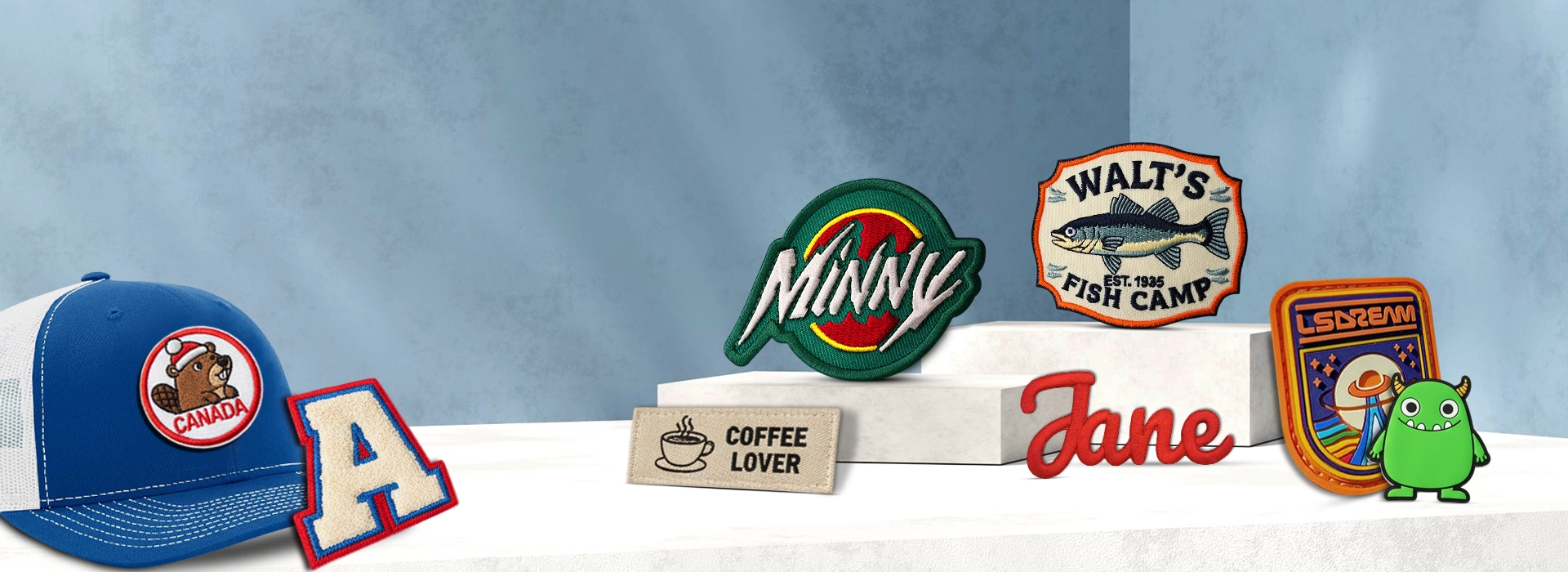
Building a clothing brand takes more than creating attractive designs. The small details, from fabric quality to finishing touches, help customers recognize your products and remember your brand. Custom logo patches are one simple way to add personality to clothing while creating a consistent look across different products.
Whether you sell streetwear, hats, jackets, workwear, or outdoor apparel, the right patch can make your products feel more distinctive. Some brands prefer the classic texture of embroidery, while others choose woven labels, leather details, or modern PVC designs to match their style.
The good news is that custom patches come in many materials, sizes, shapes, and attachment options. Understanding the differences makes it easier to choose a design that looks good, suits your products, and meets your budget.
Why More Clothing Brands Are Choosing Custom Patches
Branding does not always need to be complicated. Sometimes, a carefully placed logo patch can make a garment look more polished without changing its overall design.
Custom embroidered logo patches are a popular choice for clothing brands because they combine visible texture with a professional finish. They work well on denim jackets, hoodies, caps, backpacks, and casual everyday clothing.
Patches also give brands more flexibility. Instead of printing a logo directly onto every garment, a business can use a consistent patch design across several product types. This helps maintain a recognizable identity throughout a collection.
For small businesses, patches can be useful when launching a new clothing line or testing a product idea. For established companies, they can support consistent branding across uniforms, promotional merchandise, and retail products.
The key is choosing a patch style that fits the personality of your brand rather than selecting a material simply because it is popular.
Custom Embroidered Logo Patches for Everyday Apparel
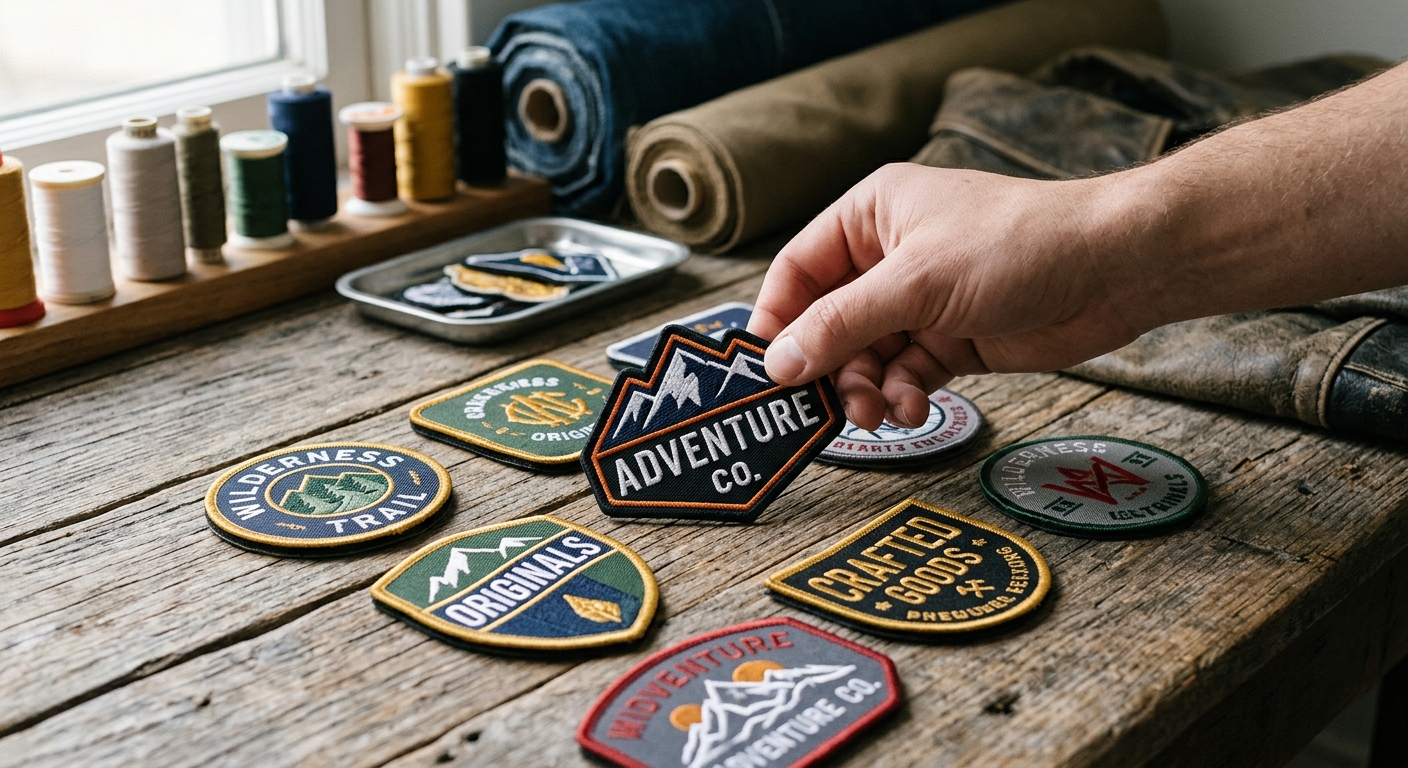
Embroidered patches remain a favorite for brands that want a traditional, textured appearance. The stitching gives the design depth and helps logos stand out against the fabric.
Custom embroidered patches are suitable for many applications, including casual clothing, sportswear, school apparel, company uniforms, and fashion accessories.
They work especially well with bold lettering, recognizable symbols, and logos that do not rely on extremely fine details. Choosing the right thread colors can also help improve visibility and create a balanced design.
For example, a clothing brand selling dark hoodies might use a light-colored embroidered logo to create contrast. A workwear company may prefer a simple design with strong lettering that looks professional on jackets and shirts.
When ordering custom embroidered logo patches, consider the level of stitching coverage. A design with more embroidery may create a fuller appearance, while a lighter stitch pattern can leave more of the background visible.
The best option depends on your artwork, preferred finish, and the garment where the patch will be placed.
Custom Woven Logo Patches for Detailed Designs
Some logos contain small text, fine lines, or intricate shapes that need a smooth and detailed finish. In these cases, custom woven logo patches for clothing can be a practical alternative to embroidery.
Woven patches use fine threads to reproduce artwork on a relatively flat surface. This construction can help preserve smaller details and create a clean appearance that works well with modern clothing designs.
They are often used for clothing labels, jacket branding, casual apparel, and products where a neat, understated look is important.
Woven patches can be particularly suitable for minimalist brands that prefer clean typography and precise logo details. They can also complement garments where a thick or heavily textured patch would feel out of place.
Before choosing a woven patch, review your artwork and intended size with the manufacturer. Very small lettering still needs enough space to remain readable, regardless of the production method.
Custom PVC Patches With Logo Designs for Outdoor Products
If your brand focuses on outdoor clothing, backpacks, sports accessories, or tactical-style gear, custom PVC patches with logo designs may be worth considering.
PVC patches are made from flexible synthetic material and are known for their molded appearance. They can feature raised lettering, layered shapes, and clearly defined colors, making them suitable for bold designs.
Unlike embroidered patches, PVC designs create their visual effect through the shape and surface of the material rather than thread alone.
This style can work well for businesses that want their branding to look modern and distinctive. It is also a practical option for certain accessories where a traditional fabric patch may not match the product's appearance.
When planning a PVC patch, think about the size, thickness, color arrangement, and backing. A simple logo often looks cleaner than an overcrowded design with too many small elements.
You should also confirm that the chosen attachment method is compatible with the product.
Custom Leather Patches for Hats and Premium Clothing
A small leather patch can give a simple product a more refined appearance. Its texture adds visual interest without requiring bright colors or complicated artwork.
Custom leather patches for hats wholesale are commonly used by cap manufacturers, outdoor clothing brands, workwear companies, and lifestyle businesses. They can also be added to denim jackets, beanies, bags, and other accessories.
Leather-style patches often work best with simple logos, initials, and lettering. Depending on the material and production process, the design may be engraved, embossed, or printed onto the patch surface.
Color selection can make a noticeable difference. Brown and tan patches often pair well with denim and canvas, while black designs may suit modern streetwear and darker accessories.
If your business plans to order wholesale quantities, confirm the dimensions, material, finish, and logo placement before production. Consistency matters when multiple hats or garments will be sold as part of the same collection.
Brands that prefer animal-free materials can ask suppliers about synthetic leather alternatives with a similar appearance.
Custom Chenille Patches for Varsity and Streetwear Styles
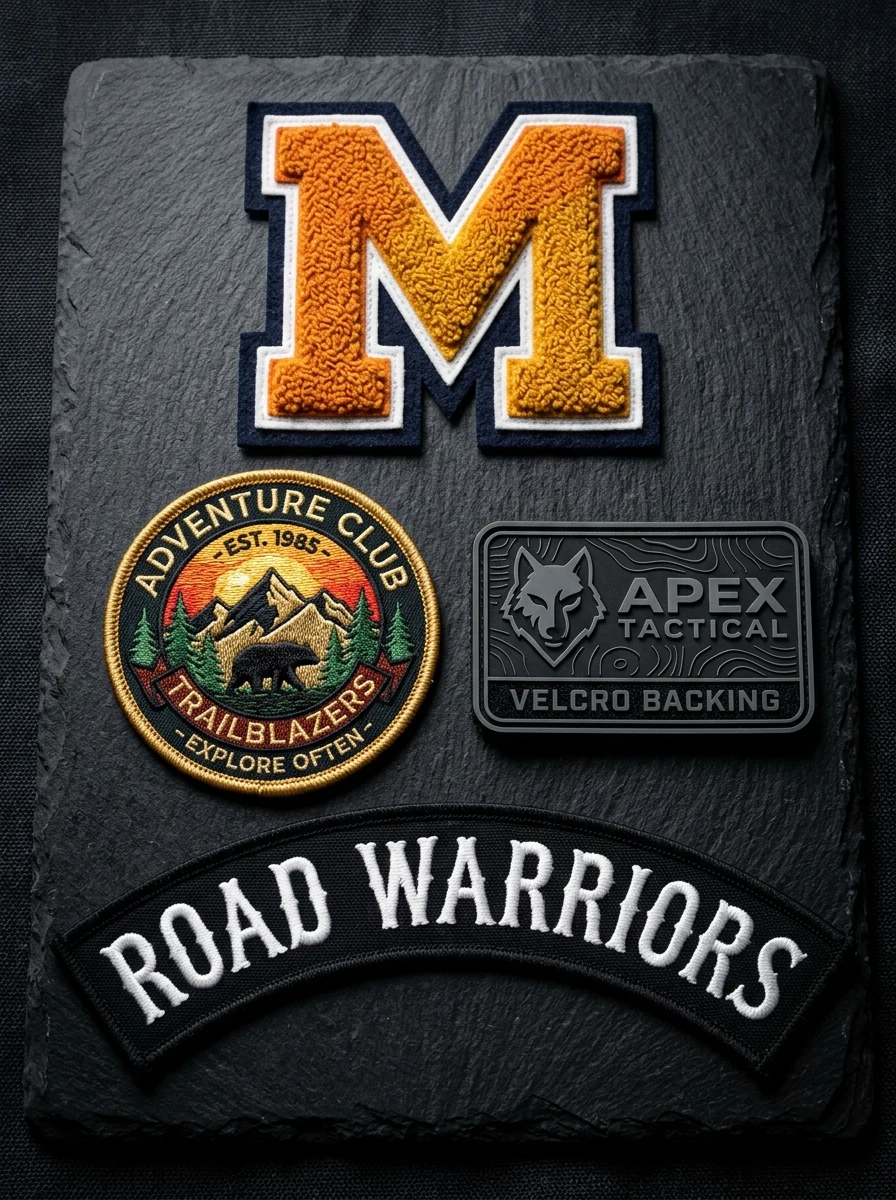
Chenille patches have a distinctive raised texture that makes them easy to recognize. They are especially popular for varsity jackets, college-inspired clothing, sports merchandise, and retro streetwear.
Custom chenille patches for varsity jackets are often designed around large letters, initials, numbers, or simple symbols. Their soft, textured surface creates a bold look that works particularly well on heavier fabrics.
Some brands combine chenille lettering with embroidered outlines to add definition and contrast. This can create a layered design that feels traditional while still allowing room for customization.
Chenille is not always the best choice for small logos or intricate artwork. If your design includes fine lines or detailed text, woven or embroidered patches may provide better clarity.
Think about the overall style of your collection before making a decision. A varsity jacket may benefit from a large chenille emblem, while a lightweight hoodie might look better with a smaller embroidered patch.
Custom Iron-On Logo Patches for Easy Application
The attachment method can be just as important as the patch material. If you want to simplify application, custom iron on logo patches bulk orders may be suitable for compatible garments and production workflows.
Iron-on patches use heat to attach to fabric. They can be convenient for clothing businesses, promotional merchandise, school apparel, and other projects where multiple patches need to be applied.
However, iron-on backing does not work equally well with every material. Heat-sensitive fabrics, textured surfaces, and certain garment constructions may require a different attachment method.
Always follow the manufacturer's application instructions and test the patch on the intended fabric before applying it to an entire batch. Depending on the garment and expected wear, additional stitching may provide extra security.
For businesses placing larger orders, it is worth confirming the backing specifications before production. This helps ensure that the finished patches are suitable for the clothing you plan to sell.
Custom Velcro Patches for Uniforms and Removable Branding
Some products need patches that can be removed or replaced without damaging the garment. Custom Velcro patches for uniforms provide this flexibility when used with compatible hook-and-loop panels.
They are commonly used for certain work uniforms, outdoor equipment, tactical accessories, and garments that require interchangeable identification.
Custom tactical morale patches with Velcro are another popular option. They allow users to personalize compatible bags, jackets, and equipment with symbols, lettering, or other designs.
For businesses, removable patches can be useful when employees need different name labels or role identifiers. Instead of replacing an entire garment, the patch can be changed when necessary.
Before ordering, check the dimensions and attachment compatibility. You should also confirm whether the matching loop panel comes with the patch or needs to be purchased separately.
Custom Patches for Motorcycle Clubs and Specialized Apparel
Custom patches are also widely used by clubs, teams, and groups that want their apparel to reflect a shared identity.
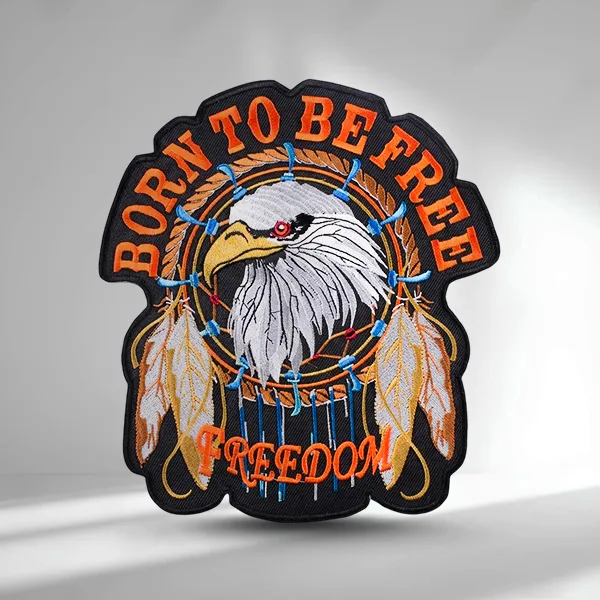
Custom biker club back patches are a good example. These designs often feature large lettering, distinctive symbols, and bold layouts intended to stand out on the back of a jacket.
Because back patches are larger than standard logo patches, the artwork needs careful planning. The design should fit the available space, remain readable, and complement the shape of the garment.
Embroidery is a common choice for traditional biker-style patches, although the ideal material depends on the group's preferred appearance and intended use.
For club orders, make sure the artwork, colors, dimensions, and border are approved before production begins. This is especially important when multiple jackets need matching designs.
Custom Fire Department Uniform Patches for Clear Identification
For fire departments and other public service organizations, uniform patches help communicate identity and display approved department information.
Custom fire department uniform patches should prioritize readability, accurate artwork, and appropriate colors. Department names, unit identifiers, and official symbols need to remain clear at the finished size.
Embroidered patches are often selected for their traditional appearance, but the right material and backing depend on the uniform fabric, expected wear, and applicable department requirements.
When ordering patches for an organization, confirm the approved design and specifications before production. Accurate artwork and consistent sizing help maintain a professional appearance across uniforms.
Custom Patches With No Minimum Order for Growing Businesses
Starting a clothing brand can involve a lot of testing. You may want to try different logos, experiment with patch placement, or release a limited collection before committing to a large order.
Custom patches no minimum order options can make these early stages more manageable. Depending on the supplier, you may be able to order a small quantity rather than purchasing hundreds of patches upfront.
Small orders are useful for product samples, limited-edition designs, personal projects, and businesses that want to evaluate quality before scaling up.
Keep in mind that not every material or design is available without a minimum quantity. Some suppliers have different requirements for embroidered, PVC, leather, or chenille patches.
Before placing an order, ask about sample pricing, production times, and the cost of future reorders. This can help you plan your budget more effectively as your business grows.
How to Order Custom Embroidered Patches in Bulk
When demand increases, ordering custom embroidered patches in bulk can help keep your products consistent and ready for production.
The first step is preparing clear artwork. A high-quality logo file makes it easier for the manufacturer to reproduce the design accurately. If your artwork is not ready for production, ask whether the supplier can help prepare it.
Next, confirm the patch dimensions, shape, thread colors, border, backing, and intended application. These details should be settled before production to reduce the risk of receiving patches that do not suit your garments.
Requesting a digital proof is another useful step. It allows you to check the design, spelling, proportions, and color arrangement before the order moves forward. For a large order, a physical sample may be worth considering as well.
You should also confirm the production timeline, shipping arrangements, packaging, and reorder process. If the patches are needed for a product launch or seasonal collection, allow enough time for approval and delivery.
A reliable supplier should communicate clearly about specifications, pricing, and expected timelines.
How to Choose a Custom Patch Supplier
Finding a supplier is not just about getting the lowest price. The quality of the finished patch, communication during production, and consistency between orders can all affect your business.
Start by reviewing examples of the supplier's work. Look closely at the stitching, edges, color accuracy, material finish, and clarity of lettering.
Ask which patch styles and backing options are available. A supplier that offers embroidery, woven, PVC, leather, and chenille options may make it easier to choose the right material for different products.
It is also important to understand the pricing structure. Patch size, design complexity, backing, and quantity can all affect the final quote.
For a fair comparison, provide each supplier with the same artwork and specifications. This helps you evaluate the actual difference in quality, service, and cost.
Finally, confirm how design revisions and reorders are handled. Having approved artwork and specifications available for future production can help your brand maintain a consistent appearance as your collection expands.
Conclusion:
Custom patches offer clothing brands and businesses a practical way to add personality, improve product presentation, and create a recognizable identity. From embroidered logo patches and woven designs to PVC details, leather hat patches, and chenille varsity emblems, there is an option for almost every style.
The best patch depends on your design, target audience, garment material, and budget. Choosing the right backing is equally important, especially when you need a permanent attachment or a removable patch for uniforms and equipment.
Before placing an order, prepare your artwork, compare materials, confirm the dimensions, and review a sample whenever possible. These simple steps can help you avoid unnecessary production issues and get a result that matches your expectations.
Whether you are launching a new clothing line, ordering custom patches in bulk, or creating branded uniforms, focus on quality and consistency. A well-designed patch does more than display a logo; it adds a finishing touch that helps your products stand out and makes your brand easier to recognize.