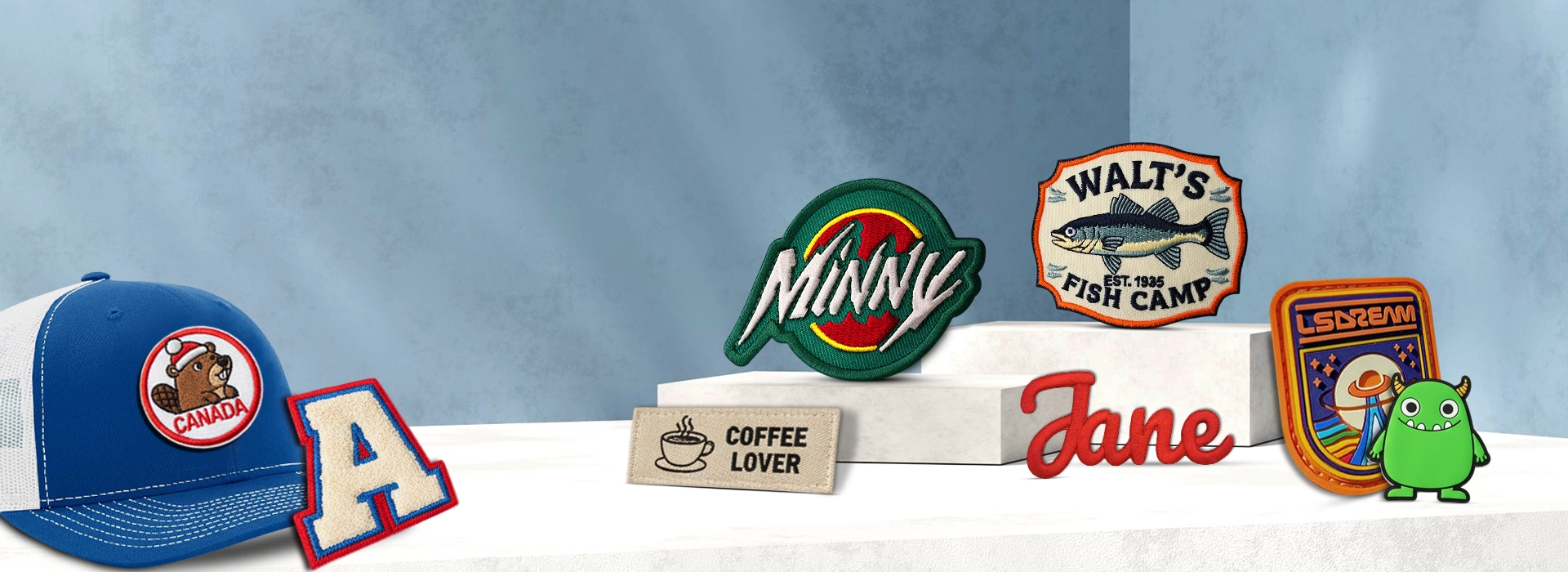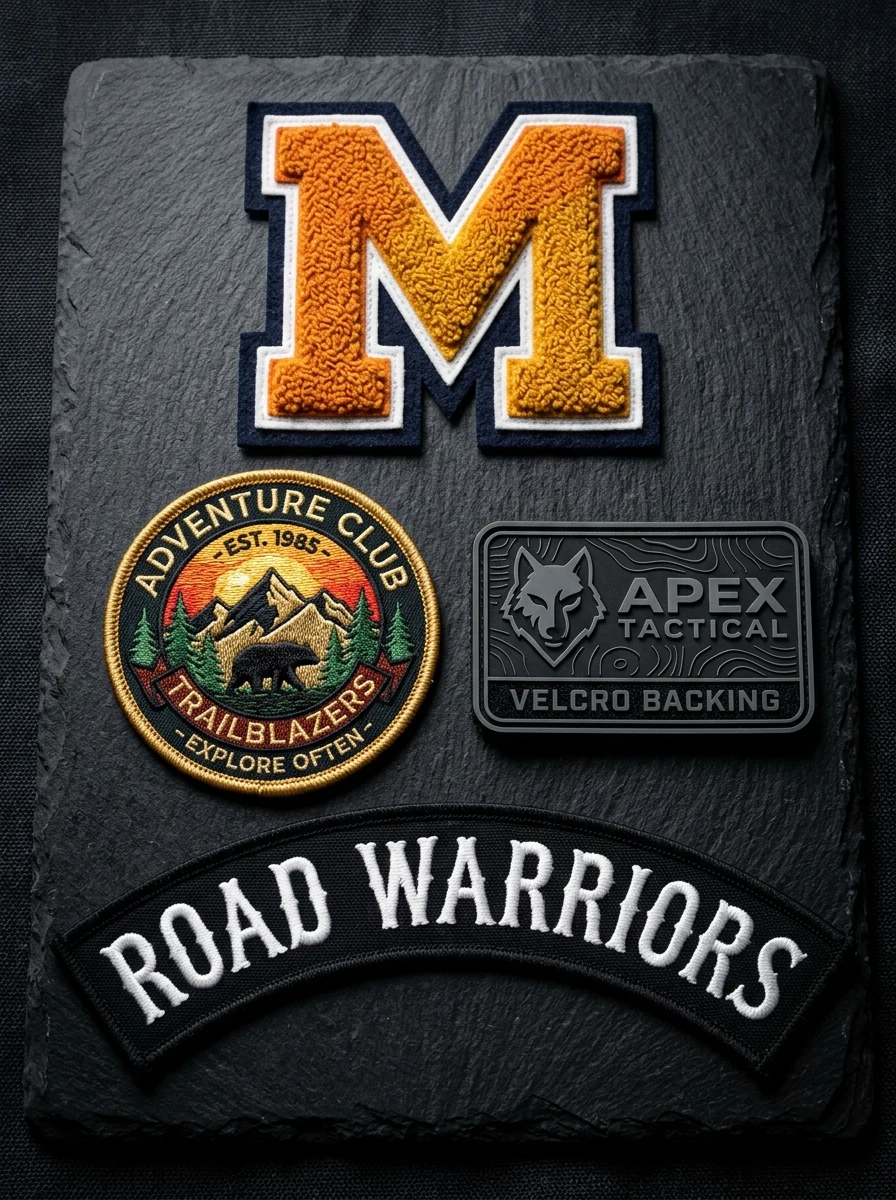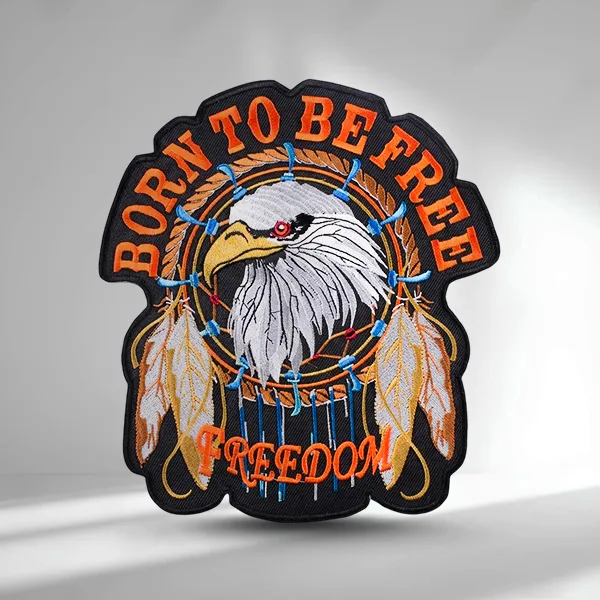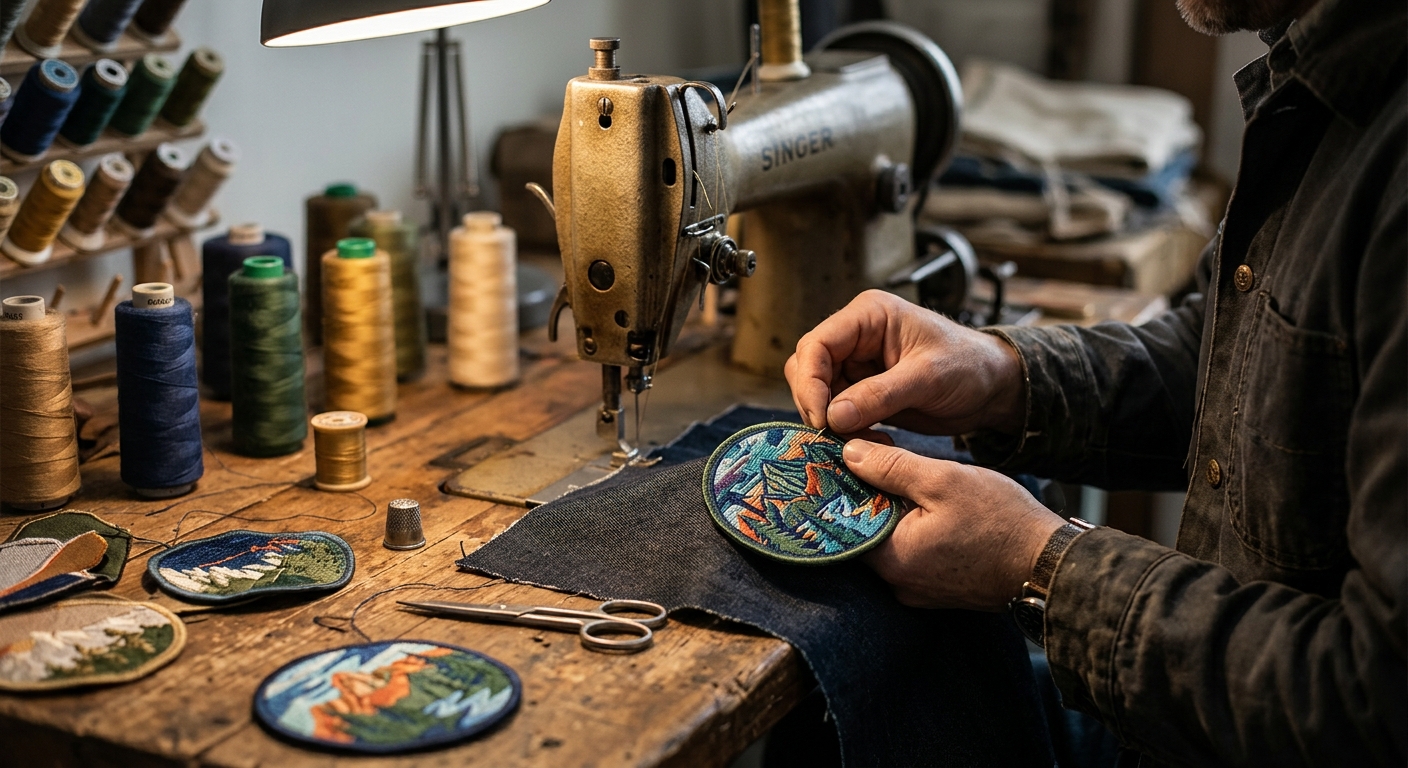
Every great brand has something that makes it recognizable. Sometimes it is a memorable logo, sometimes it is a signature color, and sometimes it is a small detail that people remember long after seeing it. Custom patches are one of those details. They can transform a simple jacket, hat, uniform, or bag into something personal, professional, and instantly connected to a brand.
Whether you are launching a clothing line, managing a growing business, organizing a team, or creating something unique for yourself, custom patches give you the freedom to turn an idea into a physical product. You can choose the shape, size, material, colors, backing, and finishing details to create a patch that reflects your personality or business identity.
Today, custom patches are used across fashion, sports, workwear, outdoor equipment, promotional merchandise, and many other industries. From custom embroidered patches no minimum for small creative projects to custom logo patches wholesale for established businesses, there are options for almost every budget and purpose.
The best part is that you do not need to be a professional designer to get started. With a clear idea and the right manufacturing partner, creating a patch that looks and feels right can be a straightforward process.
Why Custom Patches Make Your Brand More Memorable
Building a recognizable brand takes time. Businesses need consistent colors, a clear message, and visual details that customers can associate with their products. Custom patches can support that effort by adding a distinctive element to clothing and accessories.
Unlike a design printed directly onto fabric, a patch can introduce texture, depth, and a more substantial finish. Embroidered threads, woven details, raised PVC designs, and leather textures each create a different impression.
For a small clothing business, a patch on a cap or jacket can make a product feel more carefully designed. For a company with employees, branded patches can help create a consistent appearance across uniforms. Sports teams, clubs, schools, and event organizers can use them to build a stronger sense of identity.
Custom embroidered patches for small businesses are particularly useful when a brand wants to add its logo to existing products without manufacturing an entirely new range of garments. The same artwork can potentially be used across jackets, shirts, hats, backpacks, and promotional items, depending on the design and attachment requirements.
A patch can also become part of the story behind a product. A limited-edition design, a commemorative badge, or a logo inspired by a company's history can give customers something more meaningful than a standard decoration.
Start With an Idea That Reflects Your Style
Every memorable patch begins with an idea. You might have a finished company logo, a hand-drawn illustration, a team emblem, or simply a concept you want to explore.
Before choosing a material, think about what you want the finished patch to communicate. Is it meant to look professional, playful, traditional, modern, rugged, or premium? Answering this question will make it easier to select the right design style.
For example, a clothing brand with a minimalist identity may prefer a simple woven label or a clean embroidered logo. An outdoor brand might choose a textured leather patch for its hats, while a sports team may prefer bold lettering and colorful chenille details.
If you already have artwork, custom patches from my own design can help turn that concept into a finished product. Many manufacturers can work with suitable digital files, sketches, or reference images and provide guidance on adapting the design for production.
If you are starting from scratch, keep the first version simple. Choose a main symbol, a limited color palette, and readable lettering. You can always introduce additional details once the basic concept is working.
The goal is not to include everything in one patch. It is to create a design that people can recognize, remember, and connect with your brand.
Custom Embroidered Patches for a Classic, Professional Look
Embroidered patches remain a favorite for businesses, clothing brands, sports teams, and personal projects. They use thread stitched onto a fabric base to create a textured design that feels traditional while still allowing plenty of creative freedom.
These patches work particularly well for logos, initials, team emblems, school badges, and decorative jacket designs. Their raised stitching can make a simple symbol look more substantial and give garments a finished appearance.
If you are testing a new concept or ordering for a small group, custom embroidered patches no minimum may be an appealing option where a supplier offers low-quantity production. This approach allows independent creators and small businesses to experiment without committing to a large inventory.
For companies that need a consistent supply, custom logo patches wholesale can be a practical choice. Ordering larger quantities may lower the price per patch, although the final cost depends on factors such as dimensions, stitch coverage, backing, order size, and production requirements.
Good artwork is especially important for embroidery. Small text, complicated shapes, and very fine details may need adjustments to remain clear when stitched. A supplier can help simplify difficult areas while preserving the overall look of your design.
When choosing embroidered patches, consider how they will be used. A patch for a decorative jacket may have different requirements from one intended for workwear that is washed frequently. The fabric base, edge finish, and attachment method should all suit the garment.
Custom Patches With Free Design Proof Make Planning Easier
You may know exactly what you want your patch to look like, but translating that idea into a production-ready design can take a little work. This is where a digital design proof becomes valuable.
Custom patches with free design proof allow customers to review a visual representation of the proposed patch before manufacturing begins, when this service is included by the supplier.
A proof gives you a chance to check the overall shape, text, colors, logo placement, and proportions. You might notice that a line of text needs more space or that a small detail would look better in a contrasting color.
These changes are easier to discuss before production than after the patches have been made. Reviewing the artwork also helps both you and the manufacturer agree on what the finished product should look like.
For larger orders, bulk custom patches with free artwork proof can be especially helpful. Approving the design before producing hundreds of patches gives your business a clear reference for the order.
It is also worth checking whether the supplier offers custom patches with no setup fee. Different manufacturers include different services in their pricing, so ask whether the quote covers artwork preparation, digitizing, revisions, samples, and shipping.
A free proof or no-setup-fee offer can be useful, but the full order price and production quality should remain part of your decision.
Custom PVC Patches With Logo for Bold, Modern Designs
Sometimes a traditional embroidered finish is not the right match for a brand. If your design relies on defined shapes, layered details, or a dimensional appearance, PVC patches may be a better fit.
Custom PVC patches with logo designs are commonly used for bags, outdoor products, sports accessories, equipment, and selected uniform applications. PVC is a flexible, rubber-like material that can be molded into shapes with raised and recessed details.
This construction makes it possible to create bold symbols, distinct color sections, and designs that have a different look from thread-based patches. PVC can also be useful when a logo needs a clean, structured appearance.
The material is not automatically the best choice for every project. Fine details, tiny lettering, and complex color transitions may require design adjustments. Your supplier can explain which features are practical for the size and construction you have in mind.
Think about the final product before ordering. A PVC patch intended for a backpack may need different dimensions and backing from one made for a jacket or an equipment panel.
Choosing the material according to the design and intended use helps create a finished patch that feels like a natural part of the product rather than an afterthought.
Custom Velcro Patches With Logo for Flexible Use
Some patches need to be changed depending on the occasion, team, role, or activity. For these situations, hook-and-loop backing offers flexibility that permanent stitching cannot provide on its own.
Custom velcro patches with logo are often used on compatible uniforms, tactical gear, backpacks, and equipment with loop panels. The patch can be removed and replaced without permanently attaching it to the garment.
This makes them useful for organizations that need interchangeable names, identifiers, symbols, or role markings. Businesses can also use removable patches when uniforms or equipment need to serve more than one purpose.
For applications where secure attachment matters, custom tactical patches with hook backing can be made in suitable sizes and materials for compatible surfaces. It is important to confirm that the receiving garment has a loop panel or another appropriate attachment system.
If you plan to remove the patch regularly, discuss the expected use with your supplier. The patch's size, weight, backing, and material can all affect how well it performs.
The main advantage is convenience. Instead of ordering an entirely new garment for every change, you may be able to update the visible patch while keeping the original item.
Custom Iron-On Logo Patches for Everyday Clothing
Iron-on patches are a popular option for customers who want a relatively simple way to attach a design. They can be used on suitable jackets, jeans, shirts, tote bags, uniforms, and other fabric products.
For businesses that need larger quantities, custom iron on logo patches bulk orders can help provide consistent branding across merchandise and clothing. Iron-on backing can also be convenient for craft projects, school activities, and personalized gifts.
However, heat application is not suitable for every fabric. Some synthetic materials, delicate textiles, and coated surfaces can be damaged by high temperatures. Before applying a patch, check the garment's care instructions and follow the manufacturer's recommended temperature and pressing method.
It is also important to consider how the finished garment will be used. An item that receives frequent washing or heavy wear may need additional stitching, if appropriate for the fabric and patch construction.
When ordering, tell the supplier what type of material the patch will be attached to. This makes it easier to choose a suitable backing and avoid problems during application.
Custom Woven Labels for Clothing Brands That Value Detail
For fashion businesses, branding does not stop at the main logo. The small details inside a shirt, along a hem, or near a garment seam can make a product feel more complete.
Custom woven labels for clothing brands are created by weaving threads together to form text, symbols, and logos. They are especially useful for designs that need a neat fabric finish and fine lettering.
Woven labels are commonly used on T-shirts, hoodies, denim, dresses, hats, and other apparel. Depending on their purpose, they may display a brand name, a small logo, a size, or other product information.
When designing a label, think about comfort and placement. A label for the inside of a shirt should feel appropriate against the skin, while an exterior label may need to complement the garment's overall appearance.
Color contrast and lettering size also matter. The label should be easy to read without becoming too large for the intended location.
For emerging fashion brands, woven labels offer a way to add consistent identity across a collection. Even when different garments have different shapes and materials, a repeated label design can help connect them visually.
Custom Chenille Patches for Jackets With Character
Some designs need texture that immediately catches the eye. Chenille patches are known for their soft, raised appearance and are often associated with varsity jackets, school apparel, sports teams, and vintage-inspired fashion.
Custom chenille patches for letterman jackets frequently feature large initials, numbers, mascots, or team symbols. Their thick texture gives them a distinctive appearance that differs from flatter embroidered designs.
Chenille can also be combined with embroidery to add outlines, smaller lettering, or extra decorative details. This combination gives designers more flexibility while allowing the main shape to remain bold and recognizable.
If you are creating a jacket patch, measure the intended placement area before choosing the final dimensions. A large letter may work beautifully on the chest, while a more elaborate design may be better suited to the back.
Colors should complement the garment rather than compete with it. Schools, clubs, and clothing brands can create a coordinated look by using consistent colors and design elements across multiple jackets.
A well-designed chenille patch can turn a simple garment into something people feel proud to wear.
Custom Leather Patches for Hats and Premium Apparel
Leather patches are a strong option for brands that prefer a natural, understated, or rugged appearance. They are often used on caps, denim jackets, workwear, bags, and outdoor-inspired clothing.
Custom leather patches for hats wholesale can help clothing businesses create a consistent look across larger product collections. Depending on the chosen material and production process, designs may be engraved, embossed, debossed, or printed.
Genuine leather and synthetic alternatives differ in texture, appearance, care requirements, and cost. The right option depends on your brand's preferences and the conditions in which the product will be used.
For hats, size and placement are especially important. A patch that covers too much of the front panel can overwhelm the design, while one that is too small may make the logo difficult to notice.
Before approving the order, review the dimensions and artwork proof carefully. If you are producing several hat styles, check that the patch proportions work with each cap's shape.
Leather-style patches can give a product a distinctive finish, but thoughtful design and suitable materials are what make the final result feel cohesive.
Custom Biker Club Back Patches That Tell a Story
Patches have long been used by motorcycle communities to express identity, shared experiences, and club membership. Large back patches can become a prominent feature of a jacket or vest, making their design and placement particularly important.
Custom biker club back patches may include lettering, illustrations, club symbols, or decorative borders. Since these designs are often larger than standard badges, the artwork should be planned to remain readable from a reasonable distance.
A strong layout usually has a clear visual focus. Too many small elements can make the patch feel crowded, so it helps to prioritize the most important text and imagery.
Before placing an order, measure the garment and confirm the intended placement. Discuss edge finishing, backing, and material choices with the manufacturer, particularly if the jacket will be worn outdoors.
If your club has established design requirements, make sure the artwork follows them before production. Clear communication helps prevent unnecessary revisions and ensures that the final patch reflects the intended identity.
Custom Name Patches for Work Uniforms
In many workplaces, a uniform needs to do more than create a consistent appearance. It may also help customers identify employees and make it easier for team members to recognize one another.
Custom name patches for work uniforms can display employee names, departments, or approved job titles. They are used in settings such as hospitality, retail, maintenance, customer service, and other professional environments.
A clean design is usually the most practical choice. Readable lettering, appropriate contrast, and consistent sizing help names remain visible without distracting from the rest of the uniform.
For businesses ordering patches for multiple employees, prepare a checked list of names before production. Small spelling errors can create unnecessary replacement costs, particularly when ordering in bulk.
You should also consider how uniforms are cleaned and maintained. Patches intended for garments that are washed frequently need an attachment method suitable for that use.
When employees change roles or uniforms, removable patches may offer additional flexibility if the garment includes compatible backing.
A well-planned name patch system supports a professional appearance while making day-to-day uniform management easier.
Custom Morale Patches for Personal Expression
Not every patch needs to represent a company or formal organization. Many people use patches to express humor, celebrate a hobby, display an original illustration, or personalize their equipment.
Custom morale patches for tactical gear are one example of how patches can combine practical attachment with personal style. Depending on the intended application, they may feature embroidered artwork, PVC designs, lettering, or symbols.
These patches are often made with hook-and-loop backing for use on compatible panels. That makes it easy to change the design when you want a different look or need to use the same equipment for different activities.
When developing a morale patch, focus on the main message. A clear symbol or short phrase can often communicate more effectively than a design packed with small details.
Material choice also affects the final appearance. Embroidery creates a textured finish, while PVC can provide defined shapes and dimensional details.
Whether the patch is intended for a bag, jacket, or compatible equipment panel, choosing the right size and attachment system will help it look appropriate for its purpose.
Custom Jacket Patches Made to Match Your Vision
Jackets offer plenty of room for creative expression. A small chest logo can give a garment a subtle branded finish, while sleeve badges and larger back patches can create a more distinctive style.
Custom jacket patches made to order allow you to choose the shape, dimensions, colors, and material that suit the garment. Embroidered, woven, chenille, leather, and PVC styles each offer different visual qualities.
Before ordering, consider the jacket's fabric and construction. A heavy denim jacket may support a different patch style from a lightweight windbreaker. Placement also matters because seams, pockets, and curved panels can affect how a patch sits.
If the jacket is part of a clothing collection, use consistent design elements to connect different products. Repeating a logo, border style, or color combination can make the collection feel intentional.
For personal projects, you have more freedom to experiment. You can combine different patch styles or create a layout that reflects your interests and personality.
The most successful jacket patches are those that work with the garment instead of looking as though they were added without a plan.
Rush Custom Embroidered Patches When Time Matters
Sometimes a project has a firm deadline. You might need patches for an upcoming event, a team launch, a promotional campaign, or a new product release.
Rush custom embroidered patches may be available from manufacturers that offer expedited production. However, availability depends on the order quantity, design complexity, materials, current production schedule, and shipping arrangements.
If you have a deadline, explain it before confirming the order. Ask the supplier to separate production time from delivery time so you understand when the patches are expected to be manufactured and when they may arrive.
Preparing the artwork in advance can help speed up the process. Clear instructions and prompt approval of the design proof also reduce the risk of unnecessary delays.
Keep in mind that rush production may involve an additional charge. Before paying, confirm the expected timeline and ask whether the supplier can realistically meet your requirements.
Planning early is always helpful, but when time is limited, clear communication and a straightforward design can make the process easier to manage.
How to Choose the Right Material and Backing
With so many patch styles available, it can be tempting to choose based only on appearance. However, material and backing should also match the way the patch will be used.
Embroidered patches are suitable for many traditional logo designs and clothing applications. Woven labels can be a better fit for fine lettering, while PVC offers a dimensional finish for suitable products. Chenille works well for bold, textured lettering, and leather-style patches can complement hats and casual apparel.
Backing is equally important. Sew-on patches provide a permanent attachment when stitched properly. Iron-on backing can simplify application to compatible fabrics, while hook-and-loop backing allows patches to be removed and replaced on suitable panels.
Before choosing, ask yourself a few practical questions:
Will the patch be attached to clothing, a hat, a bag, or equipment?
Does it need to be removable?
Will the item be washed or exposed to outdoor conditions?
Does the design rely on fine text or small details?
How many patches do you need, and what is your budget?
Answering these questions gives the manufacturer useful information and helps narrow down the most suitable options.
How to Get Better Value From Bulk Custom Patch Orders
Bulk ordering can make sense when a business needs patches for uniforms, merchandise, product packaging, or multiple locations. However, getting good value involves more than selecting the largest quantity.
Start by estimating how many patches you will realistically use. Ordering a larger quantity may lower the unit price, but unused inventory can reduce the overall value of the purchase.
Request a quote based on your actual specifications. Include the patch dimensions, material, backing, design, quantity, and delivery requirements. This allows you to compare suppliers using similar information.
If you are introducing a new design, consider requesting a sample or starting with a smaller order when available. Reviewing the finished product can help you make a more informed decision before committing to a larger production run.
For businesses, consistency is another important consideration. Keep a record of the approved artwork, colors, measurements, and backing specifications so future orders can follow the same standard.
A well-planned bulk order can simplify purchasing, support consistent branding, and help you manage costs without sacrificing the appearance of the finished product.
What to Look for in a Reliable Custom Patch Manufacturer
Choosing the right supplier can make the entire experience smoother. A manufacturer should be able to explain available materials, recommend suitable production methods, and communicate clearly about costs and timelines.
Begin by reviewing the supplier's range of patch styles. Make sure they can produce the type of patch you need and ask whether they provide artwork assistance or a design proof before manufacturing.
Look closely at the pricing details. Find out whether setup, digitizing, revisions, samples, shipping, and expedited production are included or charged separately.
Communication is just as important as price. A good supplier should be willing to explain limitations and suggest practical changes when a design may not work well at its original size.
If you are ordering for a business, ask how the manufacturer handles repeat orders and maintains consistency. This is especially useful when you plan to use the same logo across uniforms, hats, jackets, and promotional products.
The right partner should help you make informed decisions rather than simply accept an order. Clear expectations at the beginning can prevent confusion later and improve the overall experience.
Turn Your Patch Idea Into a Finished Product
Once your design is ready, the next step is to turn it into a clear production plan. Decide on the intended use, select a suitable material, confirm the size, and choose the backing that works with the garment or accessory.
Prepare your artwork in the best format available and explain any details that are especially important to you. If the design includes small text, multiple colors, or intricate shapes, ask the manufacturer to check whether those features will translate well into the selected material.
Review the proof carefully before approving production. Check spelling, color choices, dimensions, and placement. For a business order, make sure the person responsible for the brand has approved the final version.
You should also confirm the quantity, full price, production schedule, and shipping arrangements. Having these details agreed upon helps keep the project organized from beginning to end.
The process does not need to be complicated. A clear idea, practical design choices, and good communication can take you from an early concept to a patch that looks right on the finished product.
Conclusion
A great patch does more than decorate clothing. It brings an idea to life, gives a brand a recognizable detail, and helps ordinary products feel more personal. From embroidered logos and woven labels to PVC designs, leather hat patches, chenille jackets, and removable hook-backed styles, custom patches offer plenty of ways to express identity.
The best design starts with a clear purpose. Consider where the patch will be used, what you want it to communicate, and which materials and backing options make sense for the finished product. Reviewing artwork proofs, comparing complete quotes, and choosing a dependable manufacturer can also help you avoid common mistakes.
Whether you are a small business owner, clothing designer, team organizer, or someone creating a patch for personal use, you do not need to begin with a perfect design. Start with an idea that matters to you and refine it step by step.
With thoughtful planning and the right production choices, your custom patch can become more than a small detail. It can be a memorable part of your brand, your clothing, or the story you want to share.