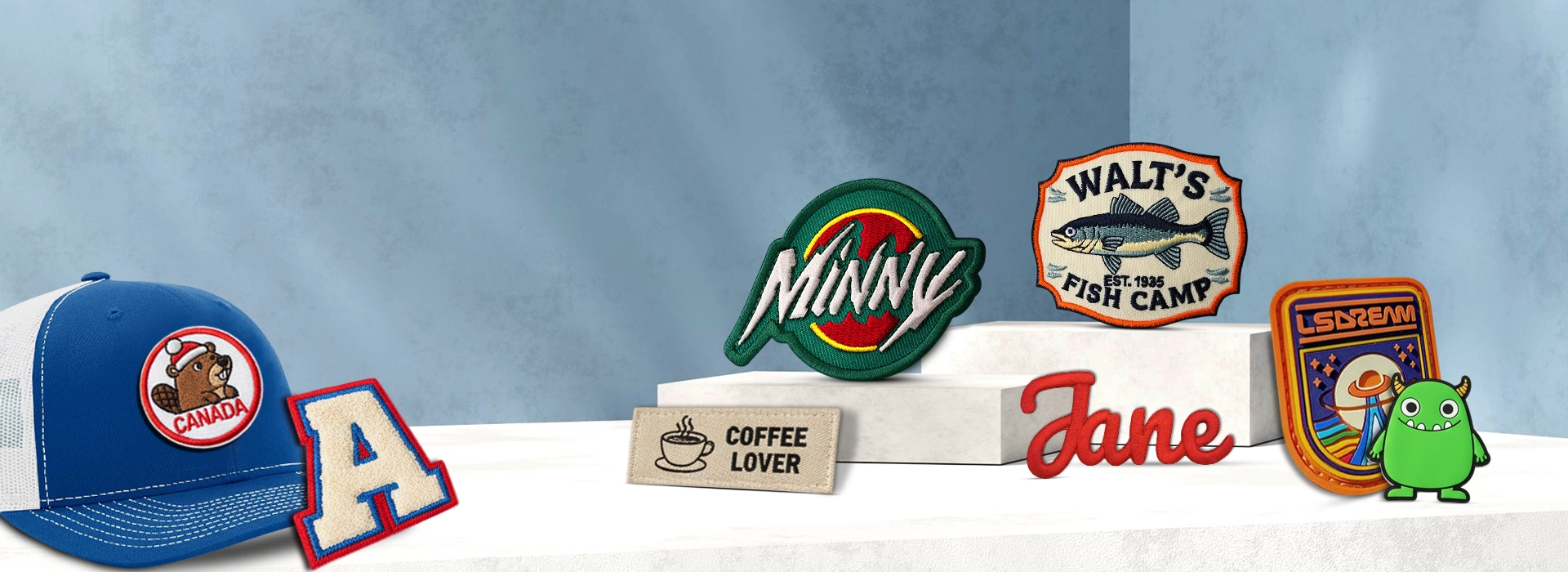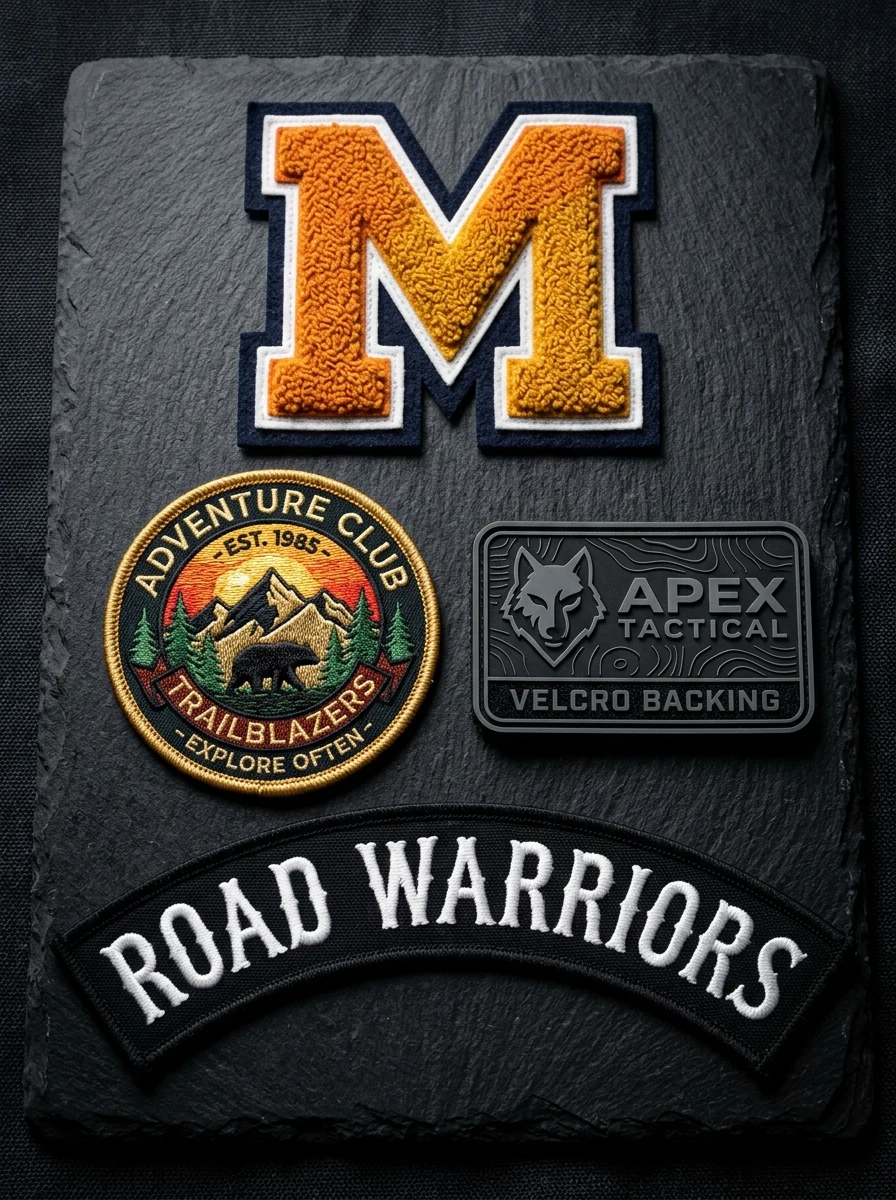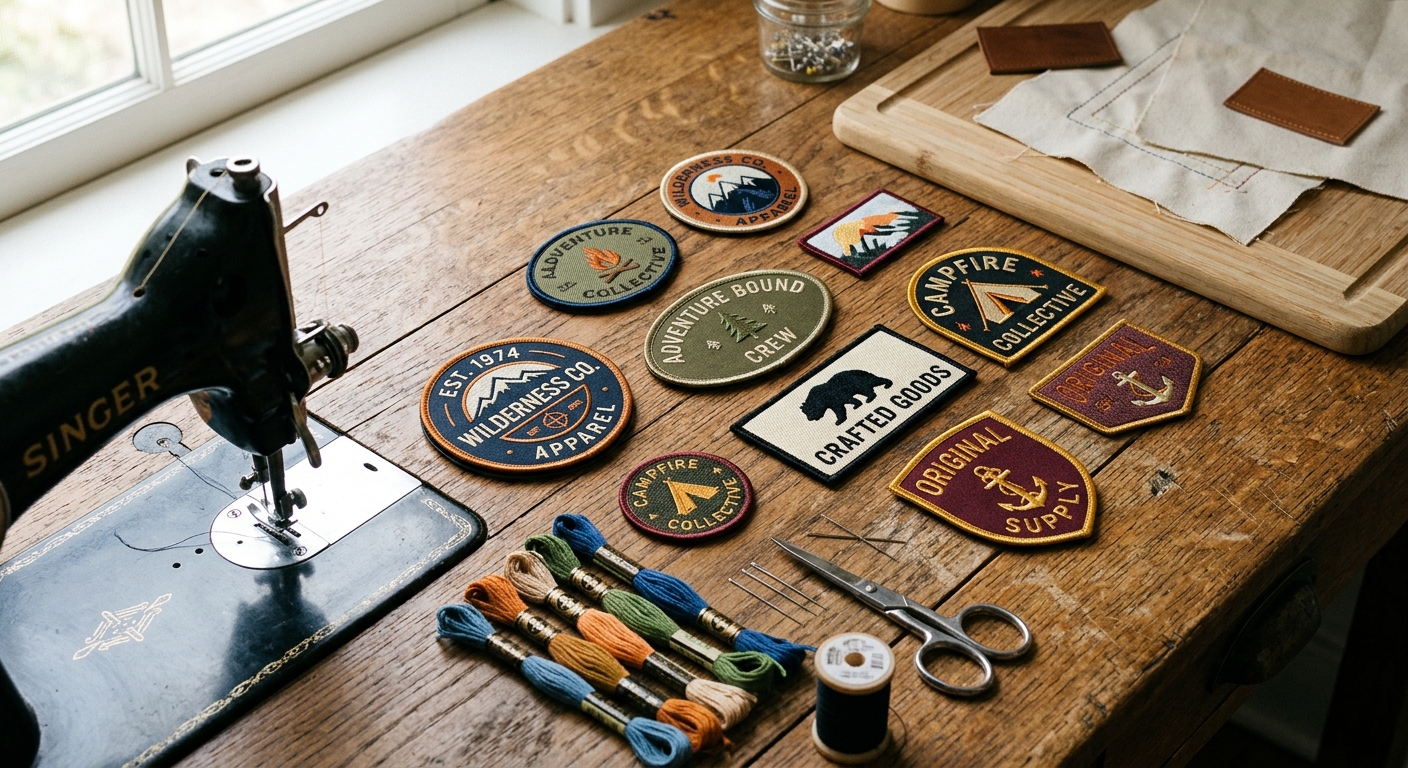
Creating a clothing brand is about more than choosing attractive fabrics and following fashion trends. Customers often notice the small details that make a product feel different from everything else on the market. From the stitching and labels to the logo and overall finish, these details help shape the identity of a brand. One simple way to add personality to clothing is through custom patches.
Custom patches give clothing businesses the freedom to display logos, artwork, slogans, and creative designs on a wide range of products. They can be used on denim jackets, hoodies, caps, shirts, backpacks, and other accessories. Whether you are starting a small fashion business or expanding an established clothing line, patches can help your products look more distinctive and recognizable.
They are also available in different materials, including embroidered fabric, woven fabric, PVC, and leather. Each option offers a different appearance, making it easier to find a style that suits your brand.
In this guide, we will explore how clothing brands can use custom patches, choose suitable materials, create appealing designs, and make smart decisions when ordering patches for their collections.
Why Custom Patches Are Popular Among Clothing Brands
The fashion industry is highly competitive, and customers have plenty of options when shopping for clothing. A recognizable design can help a brand stand out, especially when its products are displayed alongside similar items.
Custom patches provide an opportunity to add branding without changing the entire garment. A simple jacket, for example, can take on a completely different appearance when a well-designed patch is added to the chest, sleeve, or back.
For independent clothing brands, this flexibility can be especially useful. Instead of investing in complicated garment manufacturing for every new design, businesses can personalize existing products with patches that reflect their identity.
Custom embroidered logo patches are a popular option because they create a textured, traditional appearance. They work well for streetwear labels, outdoor clothing companies, casual fashion brands, and businesses producing uniforms or promotional apparel.
Patches can also help create a consistent look across a collection. A brand might use the same logo on jackets, caps, and bags, helping customers connect different products with the same business.
Another advantage is creative freedom. Brands can experiment with shapes, colors, materials, and placement to create products that feel personal rather than generic.
Choose the Right Patch Material for Your Clothing Line
Selecting the right material is one of the most important decisions when creating custom patches. The material affects the patch's texture, appearance, level of detail, and suitability for different garments.
Before placing an order, consider your brand's style, the type of clothing you sell, and the overall look you want to achieve.
Custom Embroidered Patches for a Classic Look
Custom embroidered patches remain a favorite among clothing brands because of their raised stitching and traditional finish. The threads create texture, helping the design stand out against the fabric of a garment.
These patches are suitable for denim jackets, hoodies, workwear, sports apparel, and casual clothing. They can display a brand name, logo, initials, or simple illustration.
For example, a streetwear brand might use an embroidered logo on the chest of a sweatshirt. An outdoor clothing company could add a patch to a jacket or backpack to create a coordinated appearance.
Custom embroidered patches for clothing brands are particularly effective when the design uses bold shapes and readable lettering. However, very small details may need to be simplified so they remain clear after stitching.
If your brand has a complicated logo, ask your manufacturer to review the artwork before production. A small adjustment to the design can make a significant difference in the finished patch.
Custom Woven Logo Patches for Detailed Designs
Woven patches offer a flatter finish and are created using fine threads woven together to form the artwork. This makes them useful for logos with smaller text, narrow lines, or intricate details.
Custom woven logo patches for clothing brands are often used on shirts, jackets, casual wear, and accessories. They can also work well as decorative brand labels on products where a subtle appearance is preferred.
For minimalist clothing labels, woven patches can provide a clean, refined finish without adding too much texture to the garment.
They are worth considering if your branding relies on small lettering or precise shapes. Still, the final level of detail depends on the artwork, dimensions, and production method, so it is wise to review a proof before approving the order.
Custom Leather Patches for Premium Apparel
Leather patches can give clothing and accessories a distinctive, premium appearance. Their texture works particularly well with denim, canvas, outdoor-inspired fashion, and casual headwear.
Many brands use custom leather patches for trucker hats to create recognizable merchandise. A simple engraved logo or brand name can make a cap look more distinctive while maintaining a clean design.
Leather-style patches are also suitable for selected jackets, bags, and other accessories. Depending on your budget and preferences, you may be able to choose genuine leather or alternative materials designed to create a similar appearance.
When selecting leather patches, consider the color, thickness, finish, and placement. A patch should complement the garment rather than overwhelm it.
For businesses ordering custom leather patches for trucker hats in bulk, it is useful to confirm the material specifications and request a sample when possible.
Custom PVC Patches for Modern Fashion
PVC patches have a flexible, rubber-like finish that creates a different look from traditional fabric patches. They can feature raised shapes, bold colors, and layered details.
Although they are often associated with outdoor equipment and tactical accessories, PVC patches can also suit selected streetwear collections, bags, and casual products.
Custom PVC morale patches are a useful example of how distinctive patch designs can communicate identity through graphics, symbols, and colors.
For a clothing brand, PVC may be suitable when the desired aesthetic is bold, modern, or inspired by outdoor culture. However, it will not necessarily suit every garment, particularly collections built around delicate fabrics or a traditional textile appearance.
Consider the weight, flexibility, attachment method, and overall design before choosing PVC for your products.
Create a Recognizable Logo for Your Patches
A patch is often a small part of a garment, so its design needs to communicate the brand clearly without relying on too many details.
Start by identifying the main element customers should recognize. This could be your business name, initials, logo symbol, or a short slogan.
Avoid adding unnecessary text or decorative elements if they make the design difficult to read. A simple, balanced logo often works better on a small patch than an illustration containing many fine details.
Color selection is equally important. Using colors that already appear in your website, packaging, and other branding materials helps create a consistent identity.
Contrast also matters. If your patch uses dark lettering on a dark background, important details may become difficult to see. A contrasting border or background can improve readability.
Before production, consider how the logo will look at the actual patch size. Artwork that appears clear on a large computer screen may look different when reproduced on a small cap or sleeve.
Custom patches should also complement the garment itself. A bold patch might work well on a streetwear jacket, while a smaller woven label could be more appropriate for a minimalist shirt.
Where Should You Place Custom Patches on Clothing?
Patch placement can change the entire appearance of a garment. Even a well-designed patch may look out of place if it is positioned poorly.
The best location depends on the clothing style, the patch dimensions, and the visual effect you want to create.
Chest and Pocket Placement
The chest is a popular location for small logos because it provides a visible but balanced position. Patches placed near a pocket can add branding without making the entire garment feel busy.
This placement works well for polo shirts, jackets, overshirts, and casual workwear.
Sleeve Placement
Sleeve patches offer another way to personalize clothing. They can display a small logo, symbol, or decorative element while leaving the front of the garment relatively simple.
This option is especially useful for brands that want to combine subtle chest branding with a second design detail.
Large Back Patches
Large patches can become the main feature of a jacket or vest. They are particularly suitable for statement pieces, club clothing, and streetwear collections.
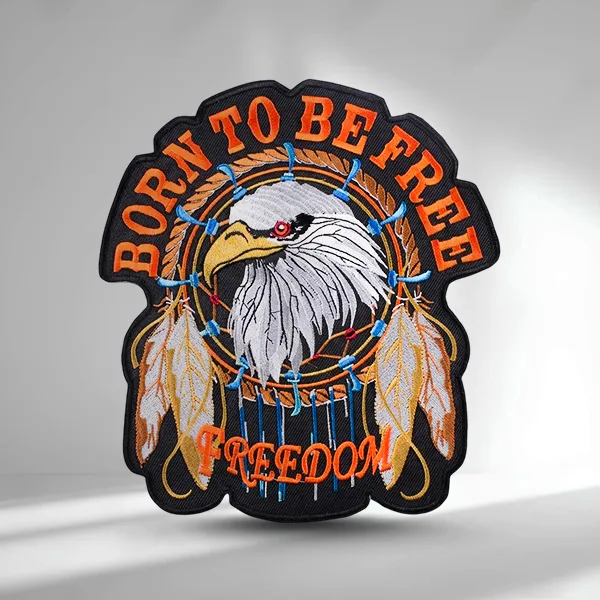
Custom jacket back patches with logo designs can include larger artwork, brand names, or illustrations. Because these patches occupy more space, the design should be planned carefully to maintain balance and readability.
Patches on Hats and Accessories
Caps, tote bags, backpacks, and other accessories can also benefit from custom patches. These products provide additional opportunities for branding without requiring a completely new clothing design.
For example, a business selling casual headwear might use a leather patch on its caps while applying embroidered logos to its jackets.
Before finalizing placement, test the design on the actual product or use a realistic mock-up. This helps you understand how the patch will look when the garment is worn.
How Small Clothing Businesses Can Benefit From Custom Patches
Independent clothing businesses often need to manage product development, marketing, inventory, and customer service with limited resources. Custom patches can provide a flexible way to introduce branding without changing every part of the manufacturing process.
Custom patches for small clothing businesses can be used on handmade garments, limited-edition releases, promotional products, and accessories.
For example, a small business could purchase plain hoodies and personalize them with embroidered patches. Another brand might add woven labels to its shirts or use leather-style patches on caps.
This approach can help create a consistent appearance across products from different suppliers, provided the garments and attachment methods are suitable.
Patches can also support seasonal collections. A business might introduce a special design for a holiday release, collaboration, or local event. Once the campaign ends, the brand can return to its regular logo without redesigning its entire product range.
For new businesses, it may be sensible to start with a limited quantity. This allows you to assess customer interest before investing in a larger production run.
Ordering Custom Patches in Small or Large Quantities
The number of patches you order can affect the total cost of your project. Some manufacturers offer lower prices per patch for larger orders, while others provide options for customers who only need a few pieces.
Custom patches with no minimum quantity can be useful for new brands testing a design, creating samples, or producing limited-edition merchandise. Availability depends on the supplier and the type of patch.
If you are launching your first collection, ordering a small batch may reduce the risk of investing in a design before knowing whether customers will respond positively.
Established businesses with regular demand may find bulk ordering more practical. For example, custom chenille letter patches wholesale orders can suit clothing retailers that produce varsity jackets or apparel featuring large embroidered letters.
However, the lowest price per patch does not always mean the best overall value. Consider storage, cash flow, expected sales, and the likelihood that you will continue using the design.
When requesting a quotation, ask about setup fees, artwork preparation, backing options, packaging, and shipping. Comparing the full cost helps you make a more informed decision.
Use Chenille Patches to Add Texture and Personality
Chenille patches have a soft, raised texture that makes them particularly recognizable. They are often associated with varsity jackets, college-inspired apparel, sports clothing, and retro fashion.
Custom chenille letter patches can display initials, numbers, short words, or other bold designs. Their textured appearance makes them useful when a clothing brand wants to create a statement piece.
For example, a streetwear label could use chenille initials on a jacket, while a school-inspired clothing collection might feature large letters across the chest.
Because chenille designs often use larger shapes, they are generally best suited to garments with enough space to display the patch clearly.
When choosing this style, consider the size, color combination, border, and placement. The raised texture should complement the garment rather than make the design look crowded.
If you plan to order multiple designs, confirm that the supplier can maintain a consistent appearance across the collection.
Select the Right Backing for Your Products
The backing determines how a patch attaches to a garment. Choosing the right method is important for both appearance and practical use.
Sew-on patches are a common option for jackets, bags, uniforms, and many other fabric products. They can provide a secure attachment when applied correctly, although suitability depends on the garment and stitching.
Iron-on patches may be convenient for compatible fabrics, but heat-sensitive materials require care. Always follow the manufacturer's application instructions and check the garment's care label before applying heat.
Hook-and-loop backing allows patches to be removed and replaced when necessary. Custom military patches with hook and loop backing are one example of this attachment style.
Custom Velcro name patches can also be useful for teams and businesses that need to update names or identifiers without replacing the entire garment.
The best backing depends on how the product will be used, how frequently it will be washed, and whether the patch needs to be removable.
Discuss these details with your supplier before ordering so the backing suits your garment and intended application.
Maintain Quality When Ordering Custom Patches
Quality matters because patches are part of the product customers will see and handle. A poorly reproduced logo, unsuitable material, or badly positioned patch can affect the overall appearance of a garment.
Start by preparing clear artwork. Ask the supplier which file formats they accept and whether the design needs adjustments for embroidery, weaving, or another production method.
Request a digital proof before approving production. Check the spelling, dimensions, colors, border, and layout carefully.
If your budget allows, consider ordering a physical sample. A sample can help you evaluate the texture, thickness, finish, and appearance against the actual garment.
It is also worth reviewing the supplier's previous work. Examples of similar designs can help you understand whether the manufacturer has experience producing the type of patch you need.
For repeat orders, save your approved artwork and specifications. This can make future orders easier and help maintain consistency across your product range.
Plan Production for New Collections and Rush Orders
Timing is important when custom patches are part of a clothing launch. Your patches may need to arrive before garments can be completed, photographed, packaged, or shipped to customers.
If you have a specific launch date, discuss it with the supplier before confirming the order. Production time can vary according to the patch material, design complexity, quantity, and current workload.
Rush order custom embroidered patches may be available for urgent projects, but availability and delivery schedules should always be confirmed in advance.
Provide the final artwork and order specifications as early as possible. Changes made after production begins may cause delays or additional costs.
For businesses planning regular collections, creating a production calendar can make the process easier. You can schedule artwork approval, patch production, garment preparation, quality checks, and shipping around the launch date.
Planning ahead gives you more time to compare materials and suppliers instead of making decisions under pressure.
Common Mistakes to Avoid When Buying Custom Patches
One common mistake is choosing a design that is too complicated for the patch size. Fine lines and tiny text may not reproduce clearly, depending on the material and production method.
Another mistake is selecting a material based only on its appearance. A patch should also suit the garment, attachment method, and intended use.
Some businesses order too many patches before testing their products. If a design does not appeal to customers, unused stock can become an unnecessary expense. Starting with samples or a smaller batch may be a safer option.
It is also important to check the complete quotation. Setup charges, backing, packaging, and shipping can affect the final price.
Finally, do not overlook the proofing process. Reviewing the artwork before production helps identify errors while changes are still possible.
Taking time to check these details can make ordering easier and improve the chances of receiving patches that meet your expectations.
Conclusion
Custom patches offer clothing brands a practical way to create distinctive products, strengthen visual identity, and add personality to everyday garments. Whether you choose embroidered logos, woven labels, leather patches, PVC designs, or textured chenille letters, the right option can help your products feel more recognizable and thoughtfully designed.
The most important step is choosing a patch that matches your brand, garment, budget, and intended audience. Clear artwork, suitable materials, careful placement, and the correct backing all contribute to a better finished product.
Small clothing businesses can start with limited quantities, test different styles, and expand their orders as demand grows. Established brands can use patches to create coordinated collections, branded accessories, and special-edition products.
Before placing an order, compare suppliers, review the full cost, confirm production timelines, and check the design proof carefully. These simple steps can help you avoid common mistakes and maintain consistent quality.
Ultimately, successful clothing branding is built through thoughtful details and a recognizable identity. Custom patches can be one of those details, helping your clothing line stand out while giving customers a design they can recognize, appreciate, and enjoy wearing.