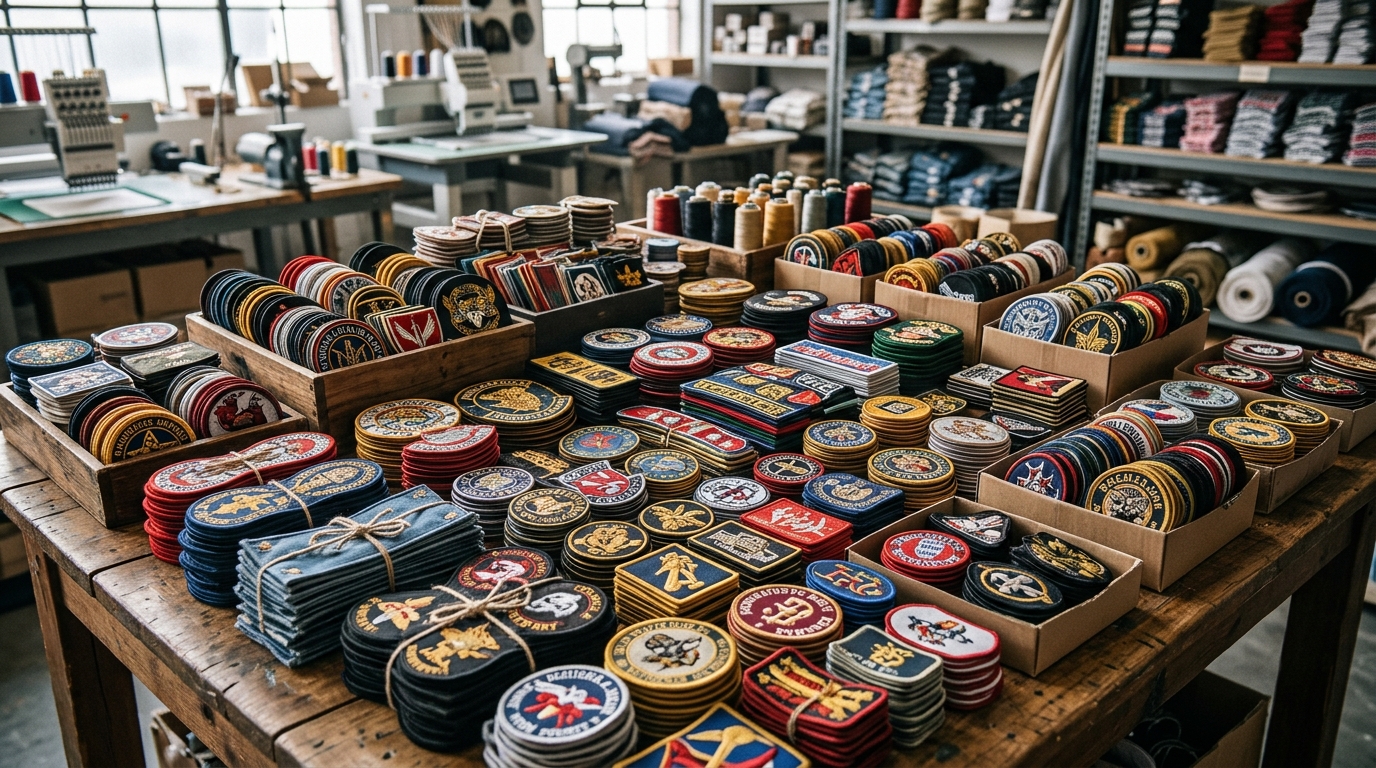
The demand for personalized clothing and branded accessories has created new opportunities for businesses, designers, and creative entrepreneurs. Customers are increasingly interested in products that reflect their identity, interests, and personal style. Businesses also want their branding to stand out through products that look professional and remain recognizable. Custom patches provide an effective solution for both purposes.
Patches are versatile accessories that can be used on jackets, shirts, uniforms, caps, backpacks, jeans, and promotional merchandise. They allow customers to transform simple products into personalized items without changing the entire design of a garment. A carefully designed patch can communicate a brand message, represent an organization, or add an attractive decorative element.
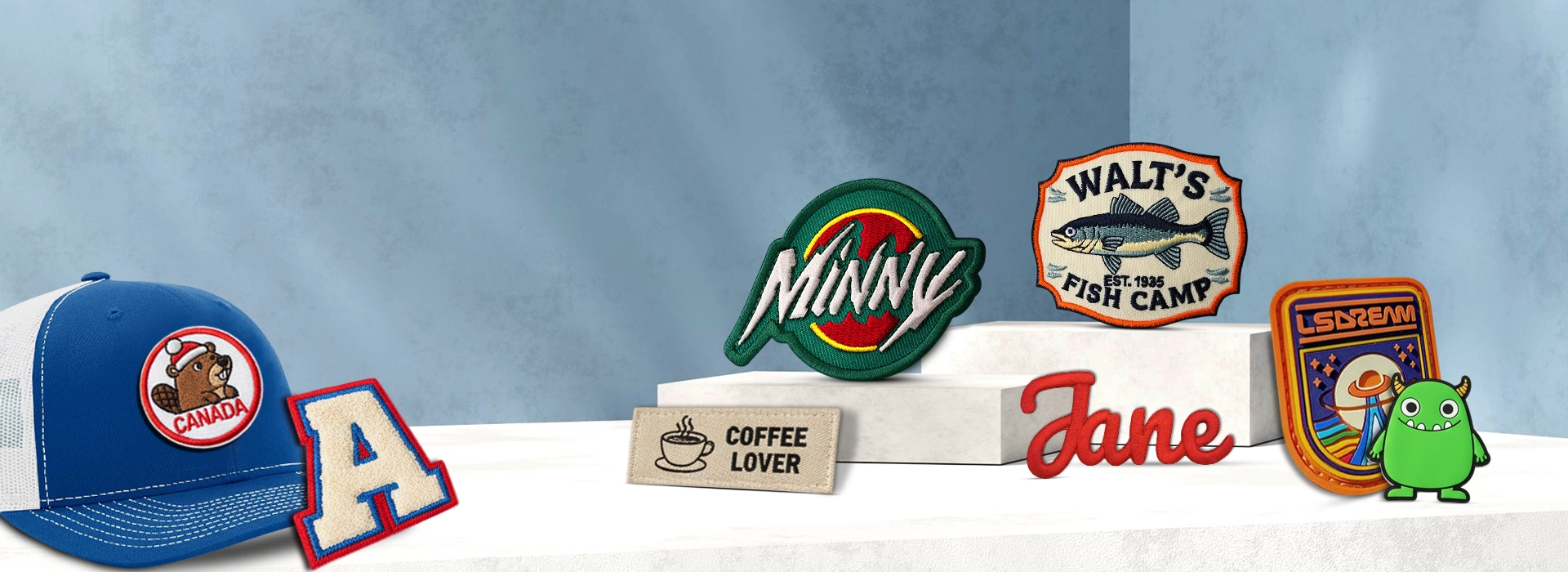
Modern manufacturing techniques have made patch customization more flexible. Customers can choose embroidered, woven, printed, PVC, leather, and other styles according to their requirements. Different shapes, colors, borders, and backing options also make it possible to create products for almost any application.
For a new clothing business, patches can become a recognizable branding feature. For an established company, they can help maintain consistency across uniforms and promotional products. Individuals can also use personalized patches to express their creativity or create meaningful accessories.
However, a successful order involves more than selecting an attractive design. Customers need to consider artwork preparation, material selection, production quality, pricing, quantity, and delivery. Working with a suitable supplier can make the entire process easier and help produce patches that meet the intended requirements.
Why Custom Patches Are Valuable for Modern Clothing and Merchandise
Custom patches offer an easy way to add individuality to clothing and accessories. They can be used as decorative details, branding elements, identification symbols, or promotional products. Their versatility makes them useful for businesses in different industries.
Fashion companies often use patches to create a consistent identity across their products. A small logo on a jacket or cap can become a signature feature that customers associate with a particular clothing label. Larger artwork can also be used to create statement pieces for streetwear and casual fashion collections.
Businesses use patches on employee uniforms to display company logos and department names. This helps create a coordinated appearance and allows customers to recognize staff members more easily.
Sports clubs and community organizations use patches to represent their teams and memberships. Schools can display their emblems on uniforms, bags, and other student accessories.
Promotional agencies can create customized patches for events, exhibitions, and marketing campaigns. These products can be distributed to customers, employees, and event participants as branded merchandise.
Patches are also useful for personal projects. Individuals can create designs based on hobbies, artwork, travel experiences, or special occasions. This combination of personalization and practical use makes them an appealing product for many different customers.
Discover the Right Custom Patch Style for Your Project
Choosing the right patch style is one of the most important decisions in the customization process. Different materials and production techniques offer different appearances, textures, and levels of detail.
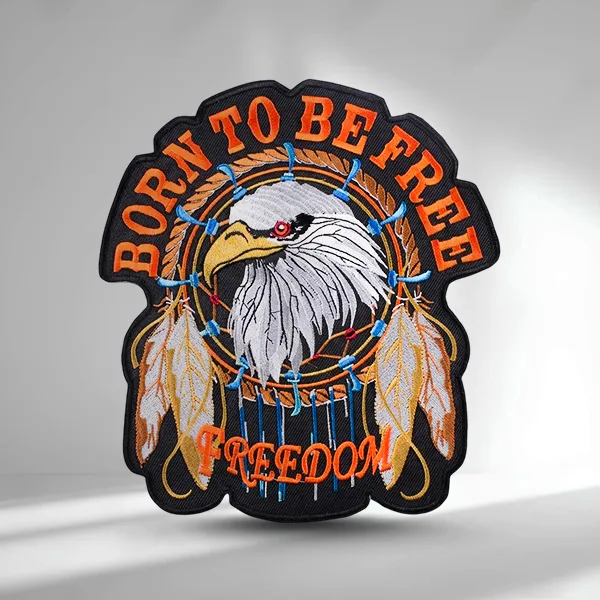
Embroidered patches are a traditional and widely recognized option. They are produced by stitching colored threads onto a fabric base. This creates a textured appearance that works well for logos, symbols, bold lettering, and simple illustrations. Embroidered patches are commonly used on jackets, uniforms, hats, and promotional apparel.
Woven patches use finer threads to create a smoother surface. They are suitable for detailed artwork and smaller text that may be difficult to reproduce through traditional embroidery. Clothing brands often select woven patches when they want a neat, label-like appearance.
Printed patches provide flexibility for artwork that includes photographs, gradients, and complicated color combinations. They can reproduce visual details that may not be practical with stitching alone.
PVC patches have a flexible molded construction. Their raised and recessed details create a dimensional appearance that suits outdoor clothing, equipment bags, and modern accessories.
Leather patches offer a distinctive finish for premium products. They are frequently used on denim jackets, jeans, caps, backpacks, and lifestyle accessories. Depending on the material and process, designs can be engraved, embossed, or printed.
Each option has specific advantages. Customers should select a style based on their artwork, intended application, and preferred appearance rather than choosing a material simply because it is popular.
Buy Custom Patches That Reflect Your Brand or Personal Style
When customers buy custom patches, they usually want something that represents a particular idea. It may be a company logo, a clothing label, a sports emblem, or a personal illustration.
Start by identifying the main purpose of the patch. A business logo may require a clean and professional appearance, while a fashion design may include more decorative elements. A patch for a school or organization may need clear lettering and recognizable symbols.
Prepare the artwork before discussing production. A high-quality image or vector file helps the supplier understand the intended design. If the artwork contains small details, ask whether any adjustments are necessary to make the design suitable for the selected production method.
Dimensions should be based on the available space on the garment or accessory. A patch designed for a cap will generally need a different layout from one intended for the back of a jacket.
Shape selection also affects the overall appearance. Standard circles, rectangles, squares, and shields are useful for many designs. Custom-cut outlines can create a more distinctive result when the patch follows the shape of a logo or illustration.
Consider the backing as well. Sew-on backing is a suitable choice for permanent attachment. Iron-on backing can be convenient for compatible fabrics, while hook-and-loop backing allows patches to be removed or replaced.
A clear understanding of these specifications makes it easier to communicate with the supplier and avoid unnecessary changes during production.
Buy Custom Patches Online and Access More Customization Options
Online ordering has made personalized products more accessible to customers. Buyers can communicate with manufacturers, share artwork, compare production styles, and request quotations without visiting a physical location.
When you buy custom patches online, provide the supplier with detailed information about your project. Explain the design, preferred dimensions, quantity, patch material, shape, colors, and attachment method.
If your artwork is not ready for manufacturing, ask whether the supplier provides design assistance. Some designs need minor adjustments before they can be produced accurately.
Digital proofs are particularly useful. A proof allows you to review the proposed patch layout before production begins. Check the spelling, proportions, colors, borders, and dimensions carefully.
You should also understand the supplier's production schedule and delivery arrangements. Ask whether shipping costs are included in the quotation and whether additional charges apply to special packaging or finishing.
Online purchasing can be especially useful when local manufacturers do not offer the patch style or quantity you need. It allows customers to explore a wider range of production options and communicate with suppliers remotely.
The most important consideration is choosing a supplier that provides clear specifications, transparent pricing, and a reliable approval process.
How a Professional Custom Patch Maker Supports Your Project
A skilled custom patch maker helps transform an idea into a design that can be manufactured successfully. This involves understanding the customer's artwork and selecting a production method that can reproduce it effectively.
Not every design is suitable for every patch style. Small text may become difficult to read in embroidery, while detailed illustrations may require woven or printed production. Some shapes may also need adjustments to achieve clean edges.
A professional supplier can identify these challenges before manufacturing starts. This helps customers avoid approving artwork that may not produce the expected result.
The patch maker can also explain material options, backing types, border styles, and finishing details. Customers who are unfamiliar with production techniques can benefit from this guidance.
Communication is important throughout the process. The supplier should understand the customer's requirements, provide artwork recommendations, and explain what happens after approval.
A good custom patch maker focuses on creating a product that matches the intended use rather than simply accepting an order without reviewing its specifications.
Work With a Reliable Custom Patch Manufacturer for Quality Production
Manufacturing quality affects the appearance, consistency, and usability of finished patches. An experienced custom patch manufacturer understands the requirements of different production techniques and can help customers select suitable materials.
The process usually begins with artwork review and specification confirmation. The manufacturer checks the design, dimensions, colors, shape, backing, and production method.
Once the artwork is approved, the appropriate materials are selected. Embroidered patches require suitable fabric and threads, while woven products use finer thread structures. PVC and leather patches require different materials and finishing processes.
The manufacturing stage follows the selected production method. After the patches are created, finishing work may include trimming, border treatment, backing application, and inspection.
Quality control is important because customers expect their patches to match the approved design. Manufacturers should check for visible defects, inconsistent colors, uneven borders, and differences in dimensions.
This is especially important for clothing companies and organizations ordering large quantities. A consistent appearance across every piece helps maintain a professional image.
Before choosing a manufacturer, review examples of previous products and ask about its experience with your preferred patch style. Clear communication about quality standards and production timelines can also help establish realistic expectations.
Make Your Business Stand Out With Custom Patches With Logo Designs
A company logo represents its identity and helps customers recognize its products or services. Custom patches with logo artwork allow businesses to display that identity on clothing and accessories.
Employee uniforms are one of the most common applications. A company can place its logo on shirts, jackets, caps, and workwear to create a coordinated appearance across its team.
Fashion brands can incorporate logo patches into their collections. A small patch on a sleeve, chest, pocket, or waistband can make a garment more recognizable without using large printed graphics.
Restaurants, hotels, retail businesses, and service companies can use logo patches to create consistent staff uniforms. Sports teams and educational organizations can display their emblems on uniforms, bags, and merchandise.
For the best result, make sure the logo remains recognizable at the selected size. Avoid unnecessary details that could become difficult to reproduce. Use clear colors and suitable contrast so that important design elements remain visible.
Providing approved artwork and brand color references can help the manufacturer create patches that match your business identity.
Expand Product Availability With Custom Patches Wholesale
Businesses that sell clothing, accessories, and promotional merchandise often need patches in larger quantities. Custom patches wholesale services help retailers and manufacturers organize production around their commercial requirements.
Wholesale purchasing can be useful for fashion brands preparing new collections, uniform suppliers fulfilling business orders, and promotional agencies managing campaigns.
Ordering larger quantities can help businesses maintain stock and reduce the need for frequent repeat purchases. It may also provide a lower average cost per piece, depending on the production method and specifications.
Before confirming a wholesale order, finalize the artwork and determine the required quantity. Confirm the dimensions, patch style, colors, backing, and finishing preferences.
If the order contains several designs, provide separate artwork files and clearly identify the quantity required for each version.
Packaging should also be discussed. Retailers may need individually packaged products, while clothing manufacturers may prefer patches grouped according to their production batches.
Wholesale orders should always be based on a clear quotation. Customers should understand the included services, production time, shipping costs, and any additional charges.
Manage Custom Patches Bulk Orders With an Organized Production Plan
Large commercial projects require careful preparation. Custom patches bulk orders may involve hundreds or thousands of patches for clothing collections, company uniforms, sports organizations, schools, and promotional distribution.
Artwork approval should happen before production starts. Every design needs to be checked for spelling, color accuracy, proportions, dimensions, and shape.
Customers should also provide clear quantity information. If different departments or locations require separate designs, organize the specifications so that the manufacturer can identify each version easily.
Production timelines need attention as well. Large orders may require additional time for manufacturing, finishing, inspection, and packaging. Discuss delivery deadlines early so that the supplier can determine whether the schedule is realistic.
A digital proof can serve as a reference for the approved design. For projects with strict specifications, customers may also ask about physical samples.
Organized packaging helps with receiving and distribution. Patches can be separated by design, department, location, or product category.
Planning these details in advance reduces confusion and supports a smoother manufacturing process.
Custom Patches No Minimum for Startups and Independent Designers
Not every customer needs a large quantity. Independent artists, new clothing labels, small businesses, and individuals may only require a few pieces for their projects.
Custom patches no minimum options can make personalization accessible to customers who do not want to purchase a large production batch.
A startup can test a new logo patch before using it throughout a clothing collection. An independent artist may want a small quantity for an online store or special event. A local club may only need enough patches for its current members.
Small orders are also useful for evaluating materials and design choices. Customers can compare the appearance of embroidery, weaving, printing, or PVC before investing in a larger production run.
It is important to ask about setup charges and minimum manufacturing requirements. Some production processes involve fixed preparation costs, which can influence the unit price of a small order.
By starting with a manageable quantity, customers can evaluate the finished product and increase production when demand grows.
Find Custom Patches Near Me and Compare Available Suppliers
Searching for custom patches near me can help customers find local manufacturers and suppliers. Nearby businesses may provide convenient consultations, direct communication, and easier discussions about materials or samples.
A local supplier can be useful when customers want to inspect product examples before placing an order. It may also be convenient for discussing special requirements or arranging local delivery.
However, location should not be the only deciding factor. Customers should evaluate production experience, material options, quality standards, and customer service.
Ask whether the supplier can create the patch style you need. Review previous products and examine the quality of stitching, printing, borders, shapes, and finishing.
If nearby suppliers do not offer the required services, online manufacturers can provide additional options. Many accept digital artwork and ship completed orders to customers in different areas.
The right supplier should provide a combination of suitable production capabilities, clear communication, reasonable pricing, and dependable service.
Understand Custom Patch Pricing Before Choosing a Supplier
Custom patch pricing depends on the specifications of each order. Factors such as dimensions, material, production method, design complexity, quantity, backing, and finishing can all influence the final amount.
Larger patches generally require more material and production work. Unusual shapes may involve additional cutting and edge finishing.
The manufacturing method also matters. Embroidered, woven, printed, PVC, and leather patches use different production techniques and materials, so their costs may vary.
Artwork complexity can influence preparation requirements. A simple logo may need less production preparation than a detailed illustration with many small elements.
Quantity is another important consideration. Larger orders may reduce the average price per patch because preparation expenses can be distributed across more units. Small orders may have a higher unit cost.
Special backing options, metallic threads, unusual borders, and packaging requirements may also affect the quotation.
When comparing suppliers, review the complete specifications rather than focusing only on the advertised price. A detailed quotation should explain what is included and identify additional charges clearly.
Request Custom Patches Free Quote for a Clear Project Estimate
Requesting custom patches free quote information is a useful way to understand the expected cost before committing to manufacturing.
To receive an accurate quotation, provide the supplier with your artwork, preferred dimensions, patch style, quantity, backing, and delivery location.
Explain how the patches will be used. A design for a corporate uniform may require different materials from one intended for a fashion accessory or promotional giveaway.
If you are unsure which production method is appropriate, describe the appearance you want. The supplier can recommend a suitable option based on the artwork and application.
Ask whether artwork preparation and digital proofing are included. Confirm production time, shipping arrangements, payment terms, and any minimum quantity requirements.
For commercial orders, requesting quotations for different quantities can help you compare the cost of smaller and larger production runs.
A clear quotation makes it easier to plan your budget and select a supplier based on product quality and overall value.
Design Better Patches With Clear Artwork and Accurate Specifications
Artwork preparation has a direct impact on the final product. A design that appears clear on a screen may need adjustments before it can be manufactured.
Use a high-quality image or vector file whenever possible. Blurry or compressed artwork can make small details difficult to identify.
Keep text readable by considering the final patch dimensions. If the design contains too many words, simplifying the layout may improve the result.
Color selection should also be discussed with the supplier. Available thread and material shades may not perfectly match every digital color. Providing brand references can help maintain consistency.
The border and shape should be clearly defined. If the patch needs a custom outline, explain whether the edge should follow the artwork or use a standard shape.
Before production begins, carefully review the proof. Check the spelling, colors, dimensions, proportions, and placement of all design elements.
Good preparation saves time and helps ensure that the finished patch matches the original concept.
Use Custom Patches to Support Promotional and Marketing Campaigns
Promotional products help businesses introduce their brands and maintain customer relationships. Custom patches provide an alternative to traditional promotional materials because they can be attached to clothing and accessories.
Businesses can create patches for trade shows, exhibitions, product launches, community events, and special campaigns. Designs may include company logos, event names, campaign graphics, or limited-edition artwork.
A good promotional patch should be attractive, recognizable, and suitable for its intended audience. Simple designs often communicate brand identity more effectively than overcrowded artwork.
Organizations can also create commemorative patches for anniversaries, achievements, and special occasions. These designs can become meaningful keepsakes for participants and customers.
Quantity planning is important. Businesses should estimate the number of recipients and request pricing based on their expected distribution requirements.
Build a Reliable Long-Term Relationship With Your Patch Supplier
For businesses that regularly need patches, working with a consistent supplier can improve production planning. A long-term manufacturing partner becomes familiar with the company's preferred materials, artwork, colors, dimensions, and quality standards.
This can make repeat orders easier to manage. It may also reduce the amount of preparation needed when the same design is manufactured again.
Consistency is particularly important for clothing brands and companies with several locations. Maintaining the same patch specifications helps ensure that uniforms and merchandise have a coordinated appearance.
Before choosing a long-term partner, review its communication practices and production capabilities. Discuss how it manages artwork changes, repeat orders, quality inspections, and delivery schedules.
A dependable supplier should provide realistic information, transparent pricing, and consistent results. Building a strong working relationship can make future projects more efficient and predictable.
Conclusion
Custom patches are a valuable option for clothing brands, growing businesses, creative entrepreneurs, organizations, and individuals who want to create personalized products. Their flexibility allows customers to use them for branding, uniforms, fashion collections, promotional merchandise, and personal projects.
Whether you want to buy custom patches for a small creative project or buy custom patches online for commercial production, choosing the right design and supplier is essential. A professional custom patch maker can help prepare your artwork, while an experienced custom patch manufacturer can turn your approved specifications into finished products.
Businesses can explore custom patches wholesale and custom patches bulk options to support larger production requirements. Independent designers and smaller customers can benefit from custom patches no minimum services, while those searching for custom patches near me can compare local businesses with online manufacturers.
Before confirming production, understand custom patch pricing and request a custom patches free quote based on your exact requirements. Review the material, dimensions, backing, artwork, production timeline, and delivery arrangements.
With thoughtful planning and a reliable manufacturing partner, custom patches can become more than decorative accessories. They can represent a brand, communicate a message, and give clothing and merchandise a distinctive identity that customers recognize and appreciate.
Discussion & Feedback 0
Write a CommentNo comments yet
Have a question or feedback regarding this topic? Be the first to share your thoughts below!
Leave a Reply
Your email address will not be published. Required fields are marked *