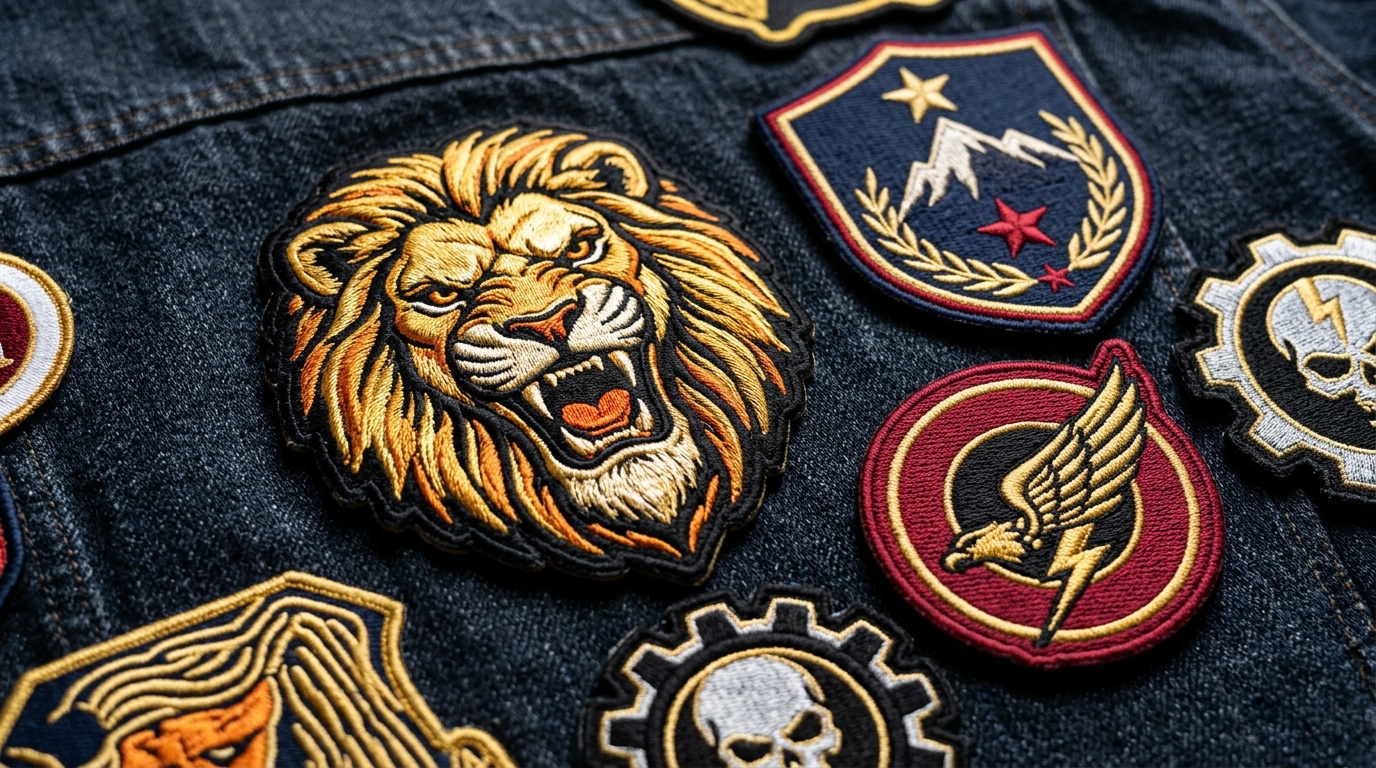
A well-designed embroidered patch can give a brand, team, or clothing item a more personal and recognizable look. When you want something that stands out beyond ordinary flat stitching, 3D embroidered patches are worth considering. Their raised texture adds depth to logos, lettering, and simple artwork, creating a finish that catches the eye.
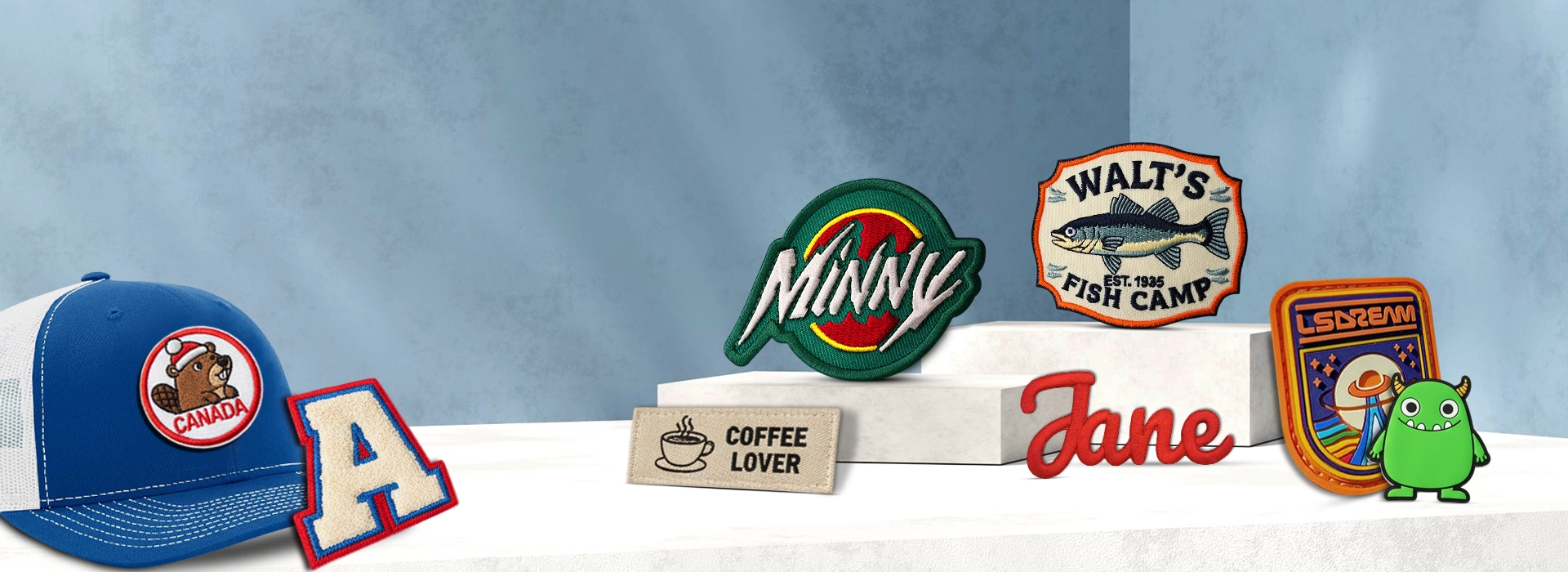
These patches are popular with clothing brands, sports teams, motorcycle clubs, and businesses that want their logos to look distinctive on hats, jackets, bags, and uniforms. They combine the familiar appearance of embroidery with a raised finish that gives selected parts of a design more dimension.
If you are considering custom 3D embroidered patches for a personal project or business, it helps to understand the design process, available materials, backing options, and factors that affect the final price. Whether you need a small batch for a new clothing line or 3D puff patches wholesale for a larger order, careful planning can help you get a result that matches your expectations.
What Makes 3D Embroidered Patches Different
Traditional embroidered patches use thread to create designs directly on a fabric surface. They are suitable for detailed artwork, small lettering, and patterns with several elements. However, the finished stitching usually has a relatively flat appearance.
Three-dimensional embroidery creates a different effect by placing a layer of foam beneath selected areas of the design. The embroidery thread covers the foam, giving those sections a raised and textured finish. This technique is commonly known as puff embroidery.
The added height makes bold lettering, initials, and simple logos more noticeable. Instead of blending into the background, the raised sections give the artwork a stronger visual presence.
3D puff embroidery patches are especially popular for caps and other types of headwear. They are also used on jackets, streetwear, uniforms, promotional products, and accessories.
The finished appearance depends on several details, including the artwork, foam thickness, thread quality, stitch density, and finishing. A well-planned design usually combines raised elements with flat embroidery where smaller details need to remain clear.
Why Businesses Choose Custom 3D Embroidered Patches
Branding is more effective when people can recognize a logo easily. Raised embroidery gives a design a distinctive texture, helping it stand apart from printed graphics and traditional flat stitching.
For clothing brands, custom 3D patches can add a premium-looking detail to caps, hoodies, jackets, and other products. A raised logo can become a recognizable feature of a clothing collection and give customers something different from standard printed branding.
Sports teams use embroidered patches to display team names, initials, and symbols on uniforms and merchandise. Motorcycle clubs and outdoor groups may choose them for jackets, bags, and other items that represent their organization.
Businesses can also use raised embroidery on staff uniforms, promotional products, and branded accessories. Since patches can be made in different sizes, colors, and shapes, the design can be adjusted to suit different products.
Before choosing a design, consider where the patch will be placed. Its size, shape, and raised details should work with the fabric and the overall appearance of the finished item.
How 3D Puff Embroidery Is Made
Producing 3D puff patches involves more than placing foam under embroidery thread. The artwork must be prepared carefully so the raised areas look clean and hold their shape.
The process begins with artwork preparation. The manufacturer reviews the logo or design and identifies which sections are suitable for raised stitching. Bold lettering and simple shapes usually work well, while very small details may need to remain flat.
Next comes digitizing. During this stage, the artwork is converted into a digital embroidery file that guides the embroidery machine. The file contains information about stitch direction, density, thread changes, and the areas that require foam.
During production, foam is placed over the selected parts of the design. The machine stitches over it to create the raised effect. Any excess foam is then carefully removed to leave neat edges and a defined finish.
After stitching, the patch is checked for loose threads, uneven areas, missing details, and other visible issues. The selected backing and finishing options are then applied.
Accurate digitizing is essential throughout this process. Even good materials cannot produce a clean result if the artwork has not been prepared properly.
Choosing the Right Design for Raised Embroidery
Not every part of a logo needs to be raised. In many cases, the best-looking custom 3D embroidered patches combine puff embroidery with traditional flat stitching.
Bold letters, large initials, simple symbols, and clear shapes are generally suitable for raised embroidery. These elements provide enough space for the foam and stitching to create a defined appearance.
Small text, thin lines, and intricate details can be harder to reproduce with the puff technique. Adding foam to these areas may reduce their clarity or make the design look crowded. Keeping smaller details flat can help preserve the original artwork.
For example, a clothing brand could use raised stitching for its main logo while keeping a small tagline flat. A sports team might choose puff embroidery for its initials and use traditional stitching for the surrounding details.
When preparing artwork for custom 3D puff patches, provide a clear and high-quality logo file. Vector artwork is often useful because it can be resized without losing important details.
If your design is not finalized, discuss your ideas with the manufacturer before production. They may be able to suggest adjustments that make the artwork more suitable for raised embroidery.
Popular Uses for 3D Hat Patches
Caps are one of the most common products to feature raised embroidery. Their front panels provide a suitable area for bold logos, initials, and lettering, making 3D hat patches a popular choice for clothing brands and businesses.
Baseball caps, trucker hats, snapbacks, fitted caps, and promotional headwear can all feature raised designs. Depending on the cap style, a patch may be placed on the front panel, side, or another suitable area.
Streetwear brands often use raised logos to give their caps a distinctive look. Businesses may choose embroidered puff patches for staff headwear, while sports teams and clubs can use them for merchandise and event accessories.
The shape of the cap should be considered before finalizing the patch dimensions. A design that looks balanced on a flat screen preview may need adjustments to fit a curved front panel.
The height of the raised embroidery also matters. It should be noticeable without making the design look bulky or affecting the overall shape of the patch.
Puff Embroidery Compared With Traditional Embroidery
Traditional embroidery and puff embroidery serve different design needs. Neither method is automatically the better choice. The right option depends on the artwork and the appearance you want to achieve.
Flat embroidery is generally suitable for detailed logos, fine lines, small lettering, and designs with several visual elements. Its flatter surface makes it easier to reproduce intricate details.
Puff embroidery focuses on height and texture. It works particularly well for bold lettering, large initials, and simple symbols that need to stand out.
You can also combine both methods in one design. This approach allows the main logo or lettering to have a raised finish while smaller details remain flat and readable.
If you are unsure which method suits your artwork, ask the manufacturer to review the design. An experienced supplier can help identify which sections should be raised and which would look better with traditional stitching.
Materials That Affect Patch Quality
The materials used during production influence the appearance, durability, and overall finish of an embroidered patch. Choosing suitable materials is especially important when ordering custom 3D patches for regular use.
The base fabric provides support for the embroidery and helps the patch maintain its shape. It should be stable enough to handle the stitching without becoming distorted.
Embroidery thread creates the visible design. Its quality and color consistency contribute to the overall appearance of the patch. Selecting suitable thread colors can also help maintain accurate brand colors.
Foam is responsible for the raised effect in 3D puff patches. Its thickness should match the design. Foam that is too thin may not create enough height, while excessive thickness can affect the shape and edges.
The border gives the patch a finished outline. Merrowed borders and heat-cut edges are common options, depending on the patch shape and production requirements.
When ordering 3D embroidered patches in bulk, discuss the fabric, thread, foam, and finishing details before production begins. Agreeing on these specifications helps maintain consistency throughout the order.
Selecting the Best Backing for Your Patches
Backing affects how a patch is attached to a garment or accessory. The right choice depends on the product, fabric, and whether the patch needs to stay in place permanently or be removed when required.
Sew-on backing is a reliable option for permanent attachment. It is commonly used on jackets, bags, uniforms, and other garments where the patch can be stitched directly onto the fabric.
Iron-on backing uses heat-activated adhesive to attach the patch. It can be convenient for compatible fabrics, but the application instructions should be followed carefully. Some materials may not tolerate the heat required for attachment.
Hook and loop backing is useful when patches need to be removed or replaced. It is often used on uniforms, equipment, and bags that require interchangeable identification patches.
Adhesive backing may work for temporary applications, although its performance depends on the surface and how the patch will be used.
Before placing an order, tell the manufacturer where the patch will be attached. Details about the fabric, washing requirements, and intended use can help them recommend a suitable backing.
How to Order Custom 3D Puff Patches Online
Ordering custom 3D puff patches becomes easier when you have the main design details ready. Clear information also helps the manufacturer prepare an accurate quotation and avoid unnecessary changes during production.
Start with your logo or artwork. A high-quality image gives the manufacturer a better understanding of the design, including its shapes, colors, and lettering. If you only have an idea rather than finished artwork, explain what you want and ask about available design support.
Next, decide on the patch size and shape. Consider the product where it will be used. A large design may work well on a jacket, while a smaller version may be more suitable for a cap.
You should also identify which parts of the artwork need raised embroidery. The main lettering or logo may use puff stitching, while smaller details can remain flat.
Choose your thread colors and preferred backing. If the patch represents an existing brand, matching its official colors can help maintain a consistent appearance.
Once the specifications are clear, request a quotation. Ask the manufacturer to explain the price, order quantity, backing, production options, and estimated turnaround time.
Before production starts, review the digital proof carefully. Check the spelling, dimensions, colors, layout, and placement of the raised sections. For larger orders, ask whether a physical sample is available so you can inspect the materials and stitching before approving the full batch.
What Affects the Price of 3D Embroidered Patches
The price of 3D embroidered patches varies according to the design and production requirements. There is no fixed price for every order because patch size, artwork, quantity, and finishing options can all affect the quotation.
Patch dimensions are one of the main factors. Larger patches generally require more material, thread, and production time.
Design complexity also matters. A simple logo with a few raised sections may require less preparation than an intricate design with multiple colors and different embroidery areas.
Order quantity can influence the cost per patch. Larger orders may spread setup and digitizing costs across more pieces, which can reduce the individual price. This is why buyers often compare standard orders with wholesale options.
Backing and finishing choices may also affect the final cost. Sew-on, iron-on, and hook and loop options can involve different materials and production steps.
To get an accurate estimate, share your artwork, required dimensions, quantity, preferred backing, and any special finishing instructions. When comparing the price of custom 3D patches, consider stitching quality, material consistency, and communication rather than choosing a supplier based on price alone.
Ordering 3D Embroidered Patches in Bulk
Businesses that sell clothing, uniforms, promotional products, or branded accessories may need a large number of patches for their products. Ordering 3D embroidered patches in bulk can make production more manageable and help maintain a consistent look across a collection.
Wholesale orders are useful for apparel manufacturers, retailers, sports organizations, uniform suppliers, and promotional product businesses.
Before confirming a large order, approve the artwork and production specifications. These should include the patch size, thread colors, raised sections, border style, and backing.
Consistency is particularly important when patches will be attached to many products. Differences in size, color, or stitching can affect the appearance of an entire collection.
If you are comparing 3D puff patches wholesale, ask suppliers about minimum order quantities, bulk pricing, sample availability, and production capacity. It is also worth checking whether the manufacturer can use the same approved artwork and specifications for future orders.
A dependable production partner should explain the expected schedule and keep you informed if any changes are needed during the process.
Finding the Right Custom 3D Patches Manufacturer
Choosing a suitable custom 3D patches manufacturer is an important part of getting a good result. Raised embroidery requires careful artwork preparation, accurate digitizing, and proper control of foam and stitching.
Start by reviewing examples of the manufacturer's previous work. Look for clean raised lettering, consistent stitching, neat borders, and well-finished edges. A portfolio with different patch styles can give you a better idea of the supplier's experience.
Communication matters just as much as production quality. A reliable manufacturer should be willing to review your artwork, explain available options, and discuss any changes that could improve the finished patch.
Ask about digitizing, samples, quality checks, production timelines, and shipping arrangements before placing an order. You can also confirm whether the supplier manages production directly or works with another facility.
For businesses that plan to reorder, consistency should be a priority. Ask whether approved artwork and production specifications can be retained for future orders. This can make repeat production easier and help keep the appearance of your patches consistent.
Getting an Accurate Quote for Embroidered Puff Patches
A clear quote request helps the manufacturer understand your requirements and makes it easier to compare different suppliers.
Start by sending your logo or artwork. Include the approximate patch dimensions and the total quantity you need. If you are ordering several designs, explain the size and color requirements for each one.
Mention which areas should have raised embroidery so the manufacturer can assess the foam and stitching requirements. You should also share your preferred backing and border style.
Your quote request should include the following details:
Logo or artwork file
Preferred patch size and shape
Required quantity
Thread color preferences
Areas that need raised or flat embroidery
Backing requirements
Border and finishing preferences
Delivery location
Providing these details at the beginning can reduce delays and help you receive a more accurate quotation.
If you need 3D embroidered patches with no minimum, confirm the supplier's small-order policy before proceeding. Some manufacturers accept individual orders or small batches, while others set minimum quantities to cover setup and production costs.
When No Minimum Order Quantities Are Useful
Not every buyer needs hundreds of patches. Independent clothing brands, small businesses, clubs, and individual creators may only need a few pieces for a new design or personal project.
This is where 3D embroidered patches with no minimum can be useful. They give buyers the option to test a design or order a limited quantity without committing to a large production run.
Small orders can be helpful when launching a new logo, preparing a limited clothing release, creating personalized gifts, or making patches for a small group.
However, a no-minimum order does not always mean a lower price per patch. Digitizing, machine setup, and other production costs still apply, even when only a few pieces are ordered.
Before placing an order, check whether the supplier offers individual samples, small batches, or flexible quantity options. If you expect to order more patches later, ask whether wholesale pricing will be available for future quantities.
Caring for Raised Embroidery Patches
Proper care can help maintain the appearance of embroidered patches over time. The best cleaning method depends on the materials, backing, and product to which the patch is attached.
For garments with raised embroidery, follow the clothing manufacturer's washing instructions. Turning the garment inside out before washing may help reduce friction against the embroidered surface.
Avoid scrubbing directly over raised lettering or logos. Too much friction can affect the thread and the appearance of the foam-supported areas.
If the patch uses heat-activated adhesive, follow the recommended application and care instructions. Incorrect heat settings can damage the patch or the fabric underneath.
For caps, jackets, and bags, gentle cleaning may be enough to remove dust and surface dirt. It is also worth considering how frequently the product will be used when selecting the patch materials and backing.
Discussing care requirements before ordering can help you choose options that suit the product's intended use.
Making Your Brand More Recognizable With 3D Logo Patches
A logo is often one of the most recognizable parts of a brand. Its appearance on clothing and accessories can influence how customers remember a product.
3D logo patches give brand artwork a raised finish that adds texture and makes selected details more noticeable. They can be used on caps, hoodies, jackets, sweatshirts, bags, and workwear.
A complicated design is not always necessary. Simple symbols, clear lettering, and recognizable initials can work particularly well with puff embroidery.
Color selection also plays an important role. Strong contrast between the thread and background can make a logo easier to see, while softer color combinations can create a more understated appearance.
Think about how the logo will look across different products before finalizing the design. A version that works well on a large jacket patch may need to be simplified for a smaller cap.
An experienced manufacturer can help adjust the artwork while keeping the main identity of your brand intact.
What to Check Before Approving Production
Reviewing the design and specifications before production can help prevent avoidable mistakes, especially when you are ordering a large quantity.
Check the spelling, logo proportions, thread colors, and placement of the raised sections. Make sure the flat embroidered details are still clear and easy to recognize.
Compare the patch dimensions with the actual product. A patch that is too large may not fit properly on a cap or jacket, while a very small design may make the lettering difficult to read.
Review the backing, border, and finishing details as well. These choices affect both the appearance and attachment of the finished patch.
A digital proof is useful for checking the layout, but it may not show the exact height and texture of the embroidery. If anything is unclear, ask the manufacturer before approving the design.
For larger orders, a physical sample can provide a better idea of the final result. You can check the thread quality, foam height, border, and overall construction before the full batch is produced.
Once the proof or sample meets your requirements, confirm the final specifications in writing. This gives both you and the manufacturer a clear reference for production.
Conclusion
3D embroidered patches are a practical way to add depth, texture, and character to logos, clothing, and accessories. Their raised stitching works particularly well for bold lettering, brand symbols, sports designs, and cap logos.
Whether you need custom 3D puff patches for a small clothing brand or 3D embroidered patches in bulk for a larger business, the final result depends on thoughtful design choices and reliable production.
Before placing an order, consider the artwork, dimensions, thread colors, foam thickness, backing, and finishing options. Request a detailed quotation, review the proof carefully, and ask about a physical sample when ordering larger quantities.
Choosing an experienced custom 3D patches manufacturer is just as important as selecting the design. A supplier who understands puff embroidery can help turn your artwork into a clean, well-finished patch that suits your product and represents your brand.
With the right preparation and attention to detail, 3D hat patches, embroidered puff patches, and other raised designs can become a distinctive part of your clothing or branding collection.
Discussion & Feedback 0
Write a CommentNo comments yet
Have a question or feedback regarding this topic? Be the first to share your thoughts below!
Leave a Reply
Your email address will not be published. Required fields are marked *