Introduction
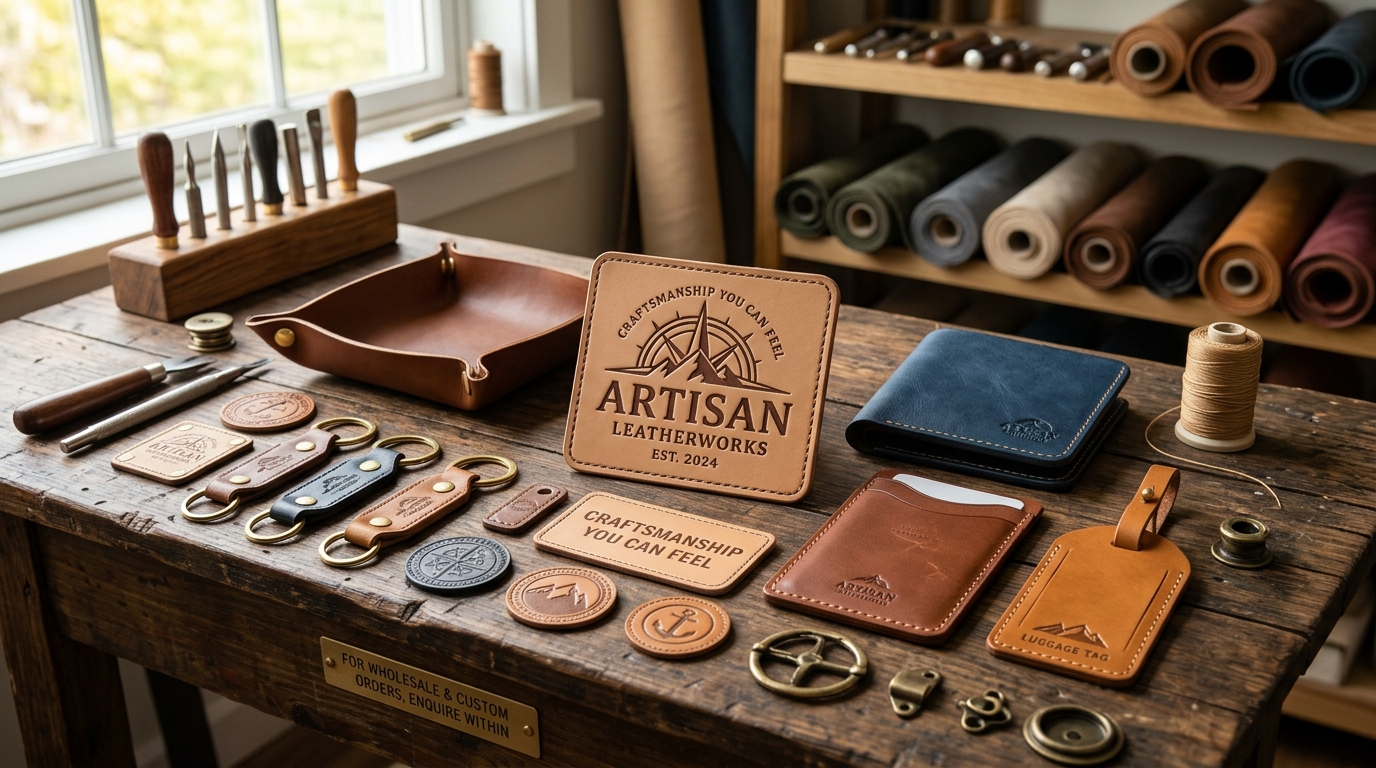
Some branding details are easy to overlook, while others give a product its own personality. A well-designed leather patch can do exactly that. Whether it appears on a denim jacket, a canvas backpack, a premium cap, or a handmade accessory, leather adds a distinctive texture that helps products feel more refined and recognizable.
For clothing brands and manufacturers, leather patches are more than decorative additions. They can become an important part of a product's identity, especially when the design, material, and finishing complement the garment.
As businesses expand their product lines, many look for a dependable custom patches wholesale partner who can deliver consistent quality across larger orders. The challenge is finding a manufacturer who understands the details of leather patch production as well as the practical requirements of commercial buyers.
From choosing genuine or synthetic leather to selecting embossing techniques, backing options, and custom shapes, every decision affects the finished product.
This guide explores how businesses can source leather patches in bulk, work with the right manufacturing partner, and develop branded products that balance appearance, durability, and cost.
Why Leather Patches Remain Popular in Apparel Branding
Leather has a distinctive appearance that works well with many clothing styles. Its natural grain, subtle texture, and range of finishes make it suitable for traditional workwear, modern streetwear, denim collections, outdoor accessories, and premium-inspired products.
A leather patch can display a brand name, logo, monogram, or simple graphic without overwhelming the overall design. Depending on the material and finishing method, it can create a clean, understated appearance or a more rugged look.
Businesses can choose from different colors, thicknesses, shapes, and edge treatments. Some prefer a natural brown finish, while others choose black, tan, or custom-colored materials to match their branding.
For companies producing multiple garments, consistency matters just as much as appearance. The patch should complement the fabric, remain securely attached, and maintain the intended look throughout normal use.
Working with an experienced custom patches manufacturer helps buyers evaluate these details before production begins. A knowledgeable supplier can explain the practical differences between leather types and recommend suitable construction options based on the intended application.
Finding the Right Custom Patches Manufacturer for Leather Designs
Leather patch manufacturing requires attention to materials, cutting accuracy, surface preparation, and finishing. The right production process depends on whether the design uses genuine leather, synthetic leather, or another leather-like material.
When evaluating a custom patches manufacturer, ask about its experience with leather products rather than relying solely on its general patch catalog.
Find out which materials are available, how logos are applied, what thicknesses can be accommodated, and whether custom shapes are possible. If your design includes fine lettering or a detailed logo, ask the supplier to explain which marking technique will produce the clearest result.
Embossing creates a pressed impression in the surface, while debossing produces a recessed design. Laser engraving can be useful for selected materials and designs, and printing may be appropriate when a more colorful appearance is required.
Each method has different limitations, so a sample is valuable before committing to a large quantity.
Businesses should also discuss color consistency, edge finishing, backing, packaging, and quality inspections. A reliable manufacturing partner will help establish clear specifications and explain any design adjustments needed for production.
Custom Patches Wholesale for Growing Clothing Businesses
Ordering leather patches in larger quantities can help clothing businesses standardize their products and simplify repeat purchasing.
A professional bulk custom patches supplier should be able to explain minimum order quantities, available customization options, production schedules, and pricing based on your requirements.
Before requesting a quotation, prepare the basic details of your project. Include the patch dimensions, material preference, artwork, logo application method, backing, quantity, and delivery destination.
These specifications help manufacturers estimate the production work accurately.
For example, a simple embossed logo may involve a different production setup from a multicolor printed design with a custom-cut shape. Similarly, a patch with decorative stitching or special finishing may require additional manufacturing steps.
When comparing suppliers, make sure the quotations cover equivalent products. A low price may exclude sampling, packaging, shipping, or other services that affect the final cost.
Wholesale sourcing works best when buyers understand what they are paying for and know which product specifications matter most to their business.
Understanding Custom Patches Bulk Pricing
Price plays an important role in wholesale purchasing, particularly for businesses that need patches for ongoing production.
Custom patches bulk pricing depends on several factors, including material type, patch size, thickness, design complexity, marking technique, finishing, and quantity.
Larger orders may reduce the unit cost because certain setup expenses can be distributed across more pieces. However, savings vary depending on the manufacturing process and the supplier's pricing structure.
When requesting prices, ask whether the quotation includes material preparation, tooling or embossing setup where applicable, sampling, finishing, packaging, and shipping.
It is also important to compare the cost of different materials fairly. Genuine leather and synthetic alternatives can differ in price, texture, appearance, and performance. The best option depends on your product positioning and budget.
Businesses should avoid making decisions based only on the lowest quote. An inconsistent finish, incorrect dimensions, or poorly applied logo can create additional costs if an entire batch needs correction.
A pre-production sample helps confirm that the design and material meet expectations before the full quantity is manufactured.
By comparing complete quotations and reviewing samples, buyers can make more informed decisions about their sourcing budget.
Custom Logo Patches Wholesale for Distinctive Leather Branding
A leather patch often works best when the design is clear and balanced. Because the material itself has a strong visual character, a simple logo or carefully spaced lettering can create an effective result.
Businesses ordering custom logo patches wholesale should consider how their branding will appear on the selected material.
Embossed logos are a popular option for designs that benefit from depth without additional colors. Debossed lettering can create a subtle, refined finish, while laser engraving may suit certain logo styles and material types.
The size of the logo is important. Small lettering may become difficult to read if the patch is too small, while a large design can overpower a garment.
Color also influences the final appearance. A dark logo on a lighter leather surface may create a different effect from a design pressed into black or dark brown material.
For brand merchandise, consistent logo placement and finishing help products look connected across different collections.
Businesses should provide clear artwork and request a sample when precise reproduction is important. Keeping approved specifications on file also helps maintain consistency when additional orders are placed.
Custom Patches for Clothing Brands and Denim Manufacturers
Leather patches are particularly familiar in denim and casual apparel. They are often used on the waistbands of jeans, jackets, workwear, and other garments where a textured branding detail complements the fabric.
Custom patches for clothing brands can be developed in a variety of shapes, including rectangles, rounded corners, shields, and custom-cut outlines.
A denim manufacturer may prefer a classic brown patch with an embossed logo, while a contemporary streetwear label may choose black material with a minimalist design.
The material should be selected according to the garment's intended use and care requirements. Businesses should consider how the patch will respond to regular wear, moisture, washing, and contact with other surfaces.
Not every leather or synthetic material is suitable for every garment-care process. Manufacturers should confirm the relevant limitations and provide appropriate care guidance.
Attachment also matters. Sewing is common for many apparel applications, but the stitch pattern, edge distance, and placement should be agreed upon before production.
For brands introducing a new clothing line, testing a sample on the actual garment can reveal issues that are not obvious when reviewing the patch separately.
This extra step helps ensure the finished product looks right and works as intended.
OEM Custom Patches Manufacturer for Private Designs
Businesses that want leather patches manufactured according to their own specifications may benefit from working with an OEM partner.
An OEM custom patches manufacturer can produce patches based on approved artwork, dimensions, material choices, finishing requirements, and other agreed details.
This arrangement is useful for clothing manufacturers, established fashion labels, accessory brands, and retailers developing products for their own customers.
The process generally starts with a technical brief. Buyers provide the design, preferred material, measurements, logo application method, and estimated quantity. The manufacturer reviews the requirements and determines whether the proposed design is suitable for production.
A sample should be reviewed before bulk manufacturing begins. Buyers can check the color, texture, logo clarity, dimensions, and overall finish before approving the order.
It is also sensible to establish who owns the artwork, how design files will be handled, and what quality standards apply to the finished products.
For businesses with multiple patch designs, separate product specifications can help prevent confusion between versions.
An organized OEM process gives buyers more control over the finished product and makes repeat manufacturing easier to manage.
Private Label Patches Manufacturer for Fashion and Retail Brands
Private labeling allows a business to sell products under its own brand rather than the manufacturer's identity.
A private label patches manufacturer may support businesses with customized leather patches, branded product presentation, and production tailored to their specifications.
This can be useful for clothing labels, online retailers, accessories businesses, and merchandise companies that want to develop a recognizable product range.
For example, a fashion brand might use custom leather patches on jackets and denim products, while an accessories retailer could introduce branded patches for canvas bags, backpacks, and travel goods.
Private-label production requires clear decisions about material, appearance, packaging, and quality expectations. Buyers should confirm whether the supplier offers custom packaging, individual labeling, or other branding services.
It is also worth discussing minimum quantities and whether the same design can be reordered later.
A consistent product specification helps ensure that the patches supplied for future collections match the original approved version as closely as practical.
For growing businesses, this makes private labeling easier to manage without having to develop a completely new manufacturing process for every order.
Custom Patches Factory Direct: What Leather Patch Buyers Should Check
Purchasing custom patches factory direct can provide more direct communication with the production team. This may be helpful when discussing leather types, embossing depth, cutting methods, logo placement, and finishing details.
Direct communication can also make it easier to resolve technical questions before manufacturing begins.
However, factory-direct sourcing does not automatically guarantee better pricing or quality. The important factors are the supplier's actual capabilities, transparency, production experience, and service arrangements.
Ask where the patches are made, whether cutting and logo application are performed in-house, and whether any processes are outsourced.
Request information about sample approval, inspection procedures, production lead times, and how problems are handled if the finished goods do not match the agreed specifications.
For international orders, review shipping costs, payment terms, customs responsibilities, and packaging requirements before confirming the purchase.
A dependable supplier should explain these details clearly rather than leaving important costs or responsibilities uncertain.
A Bulk Custom Patches Supplier for Different Industries
Leather patches are not limited to denim manufacturers. They can also be used by accessory brands, footwear businesses, outdoor-product companies, gift retailers, and promotional merchandise providers.
A custom patches supplier for businesses should understand the different requirements of these industries.
For apparel brands, appearance and garment compatibility may be the main priorities. Bag manufacturers may focus on resistance to regular handling and secure attachment. Retailers may need consistent product presentation and packaging suitable for resale.
Promotional merchandise companies might require custom shapes and logos for branded gifts, corporate events, or campaign merchandise.
Before ordering, explain the intended application and the conditions in which the patch will be used. This helps the manufacturer recommend suitable materials and finishing options.
If your business expects recurring orders, discuss how product specifications will be retained and how future production can be coordinated.
The more clearly your requirements are defined, the easier it becomes to compare suppliers and identify a manufacturing partner that fits your needs.
Custom Patches for Uniform Companies and Workwear Suppliers
Leather-style patches can add a distinctive branding detail to selected workwear and casual uniform products. They may be suitable for companies producing outdoor apparel, denim workwear, branded jackets, or uniforms with a rugged design.
Custom patches for uniform companies should be selected according to the garment's function rather than appearance alone.
Consider the work environment, cleaning requirements, fabric type, and frequency of use. Genuine leather and synthetic materials can behave differently under moisture, heat, and repeated washing.
If the uniforms require frequent industrial laundering, confirm material compatibility and care limitations before approving production.
Readability should also be considered. Company names and logos need to remain recognizable at the chosen patch size, especially when the design includes small lettering.
A supplier should be able to discuss suitable materials, attachment methods, and finishing options based on the intended application.
For repeat uniform orders, keeping approved samples and design specifications on file helps maintain consistency across replacements and new batches.
Custom Patches for Promotional Products and Accessories
Promotional merchandise gives businesses an opportunity to put their branding on products customers can use beyond a single event.
Custom patches for promotional products can be incorporated into bags, caps, notebooks with fabric covers, gift sets, jackets, and selected accessories.
Leather patches can be especially suitable when a business wants a textured, understated finish rather than a highly colorful design.
For corporate gifts and promotional campaigns, buyers should confirm the artwork, material, quantity, packaging, and delivery deadline well in advance.
The manufacturing schedule should include enough time for sampling, revisions, production, shipping, and inspection.
Packaging may also affect the budget. Bulk-packed patches may be suitable for large distributions, while individual presentation cards or branded packaging can be useful for retail products and gift sets.
When ordering several designs, confirm whether the supplier can produce them under one coordinated order and how the quantities will be divided.
Clear planning helps promotional businesses deliver products that meet their clients' expectations without unnecessary last-minute changes.
Custom Patches Contract Manufacturing for Long-Term Supply
Businesses that use leather patches regularly may benefit from a structured manufacturing relationship rather than arranging every order from scratch.
Custom patches contract manufacturing can establish agreed specifications, quality expectations, production schedules, pricing terms, and procedures for repeat orders.
This approach can suit denim manufacturers, apparel brands, accessory companies, and distributors with recurring demand.
A manufacturing agreement may cover minimum order quantities, sample approval, material availability, lead times, packaging, and inspection procedures.
It should also explain how changes will be handled. If a business updates its logo, changes the leather color, or introduces a different patch size, the revised specifications should be approved before production.
Demand forecasts can help manufacturers plan materials and capacity, although estimated quantities should be distinguished from confirmed purchase orders.
Both parties should agree on how defects, delays, or material substitutions will be communicated.
A well-managed contract manufacturing arrangement helps businesses plan more confidently and gives the supplier a clearer understanding of ongoing requirements.
How to Maintain Quality Across Bulk Leather Patch Orders
Consistent quality is particularly important when patches are used across an entire clothing collection or supplied to multiple retail customers.
Start by creating a clear specification for each design. Record the material type, color, thickness, dimensions, logo method, edge finish, backing, and attachment instructions.
Approve a physical sample before authorizing the full order. Keep that sample as a reference for future purchases.
During production, clarify what inspections will take place and which characteristics will be checked. These may include cutting accuracy, logo clarity, color consistency, surface finish, and attachment quality.
It is also useful to establish acceptable tolerances for dimensions and other measurable details.
For international buyers, request confirmation of the packaging method and shipping arrangements. Appropriate packaging helps protect finished patches during transit.
If a problem occurs, documented specifications and an approved sample make it easier to explain the issue and agree on a practical solution.
These simple measures help buyers manage risk and maintain more predictable results as order quantities increase.
Conclusion
Leather patches can give clothing and accessories a distinctive appearance, but successful wholesale production depends on much more than choosing an attractive design.
Businesses need to consider material quality, logo application, garment compatibility, pricing, production capacity, and the supplier's ability to maintain consistent specifications across orders.
Whether you are sourcing custom logo patches, developing a private-label collection, working with an OEM manufacturer, or planning ongoing contract production, a clear specification and approved sample are valuable starting points.
Take the time to compare complete quotations, ask practical questions, and confirm how quality will be checked before committing to a large order.
The right manufacturing partner can help transform a simple leather detail into a consistent part of your brand identity, giving your products a professional finish while supporting your business as it grows.
Discussion & Feedback 0
Write a CommentNo comments yet
Have a question or feedback regarding this topic? Be the first to share your thoughts below!
Leave a Reply
Your email address will not be published. Required fields are marked *