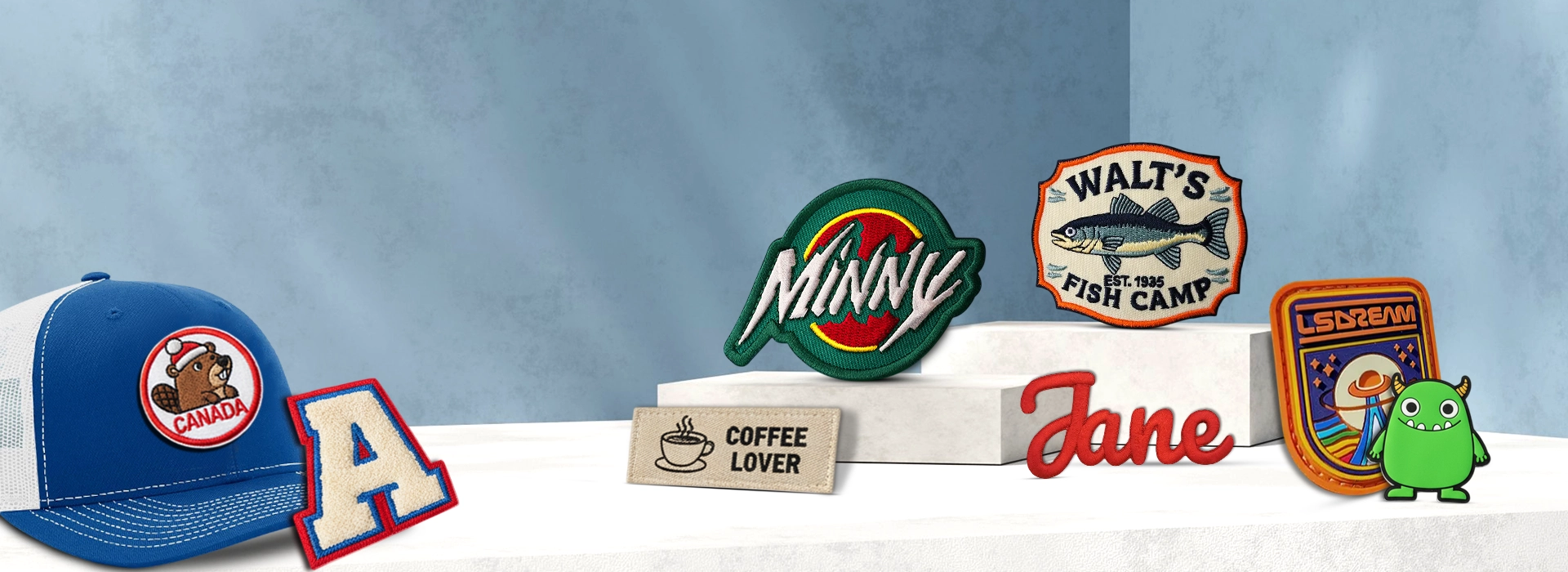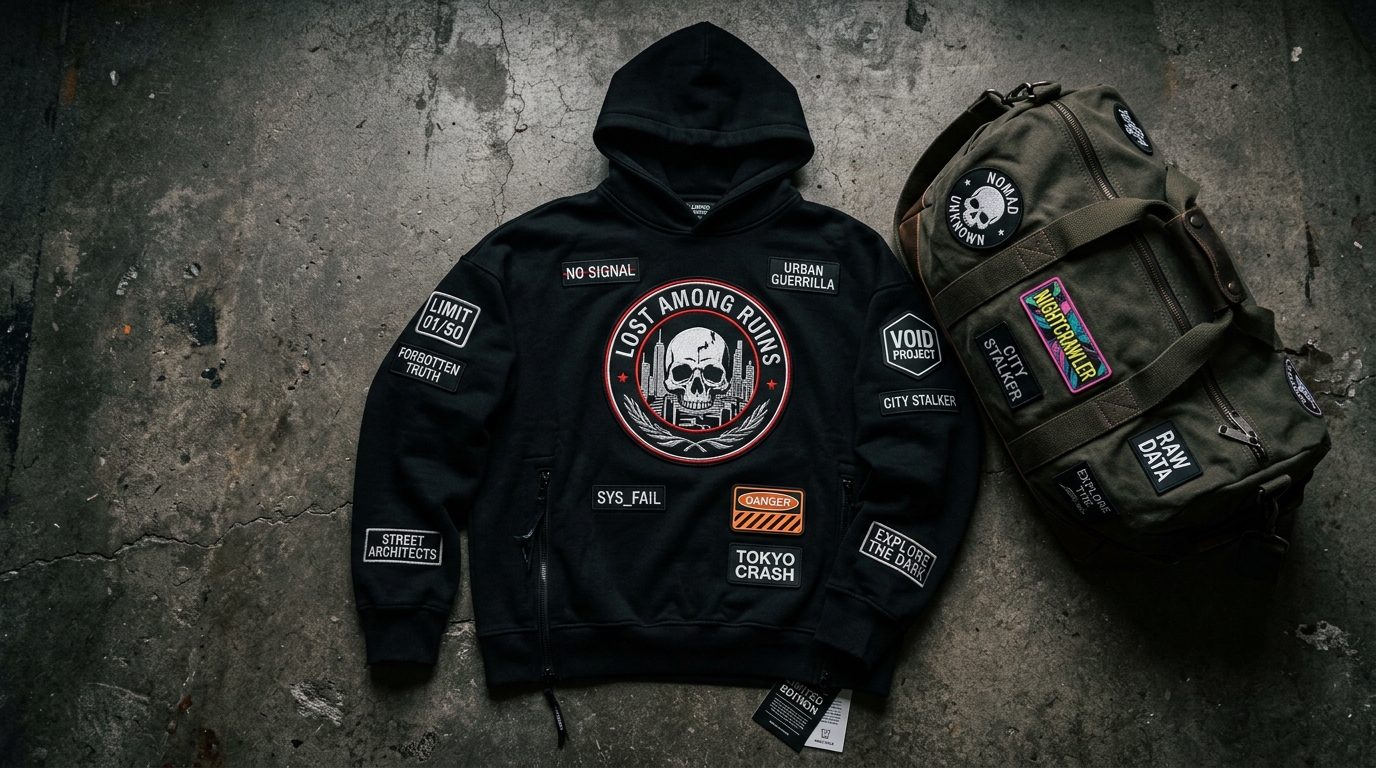
In the hyper-competitive landscape of modern streetwear and independent apparel branding, launching another collection of flat screen-printed graphic t-shirts or basic vinyl-pressed hoodies is a fast track to brand fatigue. Consumers today crave tactile luxury, architectural three-dimensional depth, and high-craft storytelling in their garments.
This is why top-tier streetwear heavyweights—from pioneer labels like Stüssy, Supreme, and Chrome Hearts to avant-garde designers like Fear of God and Human Made—consistently harness custom patches as their premier design weapon. A heavy 450 GSM French terry hoodie with a screen-printed graphic rarely commands more than $50 at retail. But transform that exact same blank into a multi-texture masterpiece with an arched collegiate chenille script across the chest, a laser-engraved leather hem tag, and a 3D embroidered micro-patch on the wrist cuff, and its perceived retail value instantly leaps to $140 to $220+.
In this streetwear manufacturing manual from Patched Custom, our apparel strategists reveal how modern clothing founders use custom patches to elevate merch capsules, maximize production margins, and build cult brand loyalty.
The Economics of Custom Patches for Independent Brands
For emerging clothing labels and direct-to-consumer apparel startups, cash flow and inventory risk are the two greatest operational bottlenecks. Ordering custom patches in bulk enables agile on-demand modular production, eliminating dead inventory and protecting operating capital.
Mixing Textures: The Multi-Medium Streetwear Aesthetic
The most visually captivating streetwear drops do not rely on a single decorative method. They juxtapose contrasting textures to create complex sensory appeal:
- Chenille + Screen Printing Fusion: Screen print a subtle, tonal halftone photo or illustration across the entire chest, and then heat-press a bold, fluffy chenille letter or wordmark right over top of the print. The contrast between flat ink and 3D yarn loops creates stunning visual depth.
- Raw Denim + Full-Grain Leather Patches: A raw 14oz Japanese selvedge denim jacket finished with an antique saddle brown leather patch on the rear waistband and small brass rivets communicates uncompromised heritage workwear quality.
- Matte Ballistic Nylon + 3D PVC Rubber: For techwear jackets, utility vests, and sling bags, pair waterproof ripstop fabrics with 3D sculpted PVC rubber patches in stealth black or subdued coyote brown.
Retail Merchandising: Selling Patches as Standalone Collectibles
Beyond sewing patches onto finished garments, smart streetwear brands monetize custom patches as standalone collectible merchandise:
- Custom Printed Backer Cards: Mount your custom patches onto heavy 400 GSM matte cardboard backing cards with full-color graphic artwork, brand story copy, and instructions. Sealed inside clear cellophane sleeves, these retail for $12 to $25 each at pop-up shops and web stores.
- Limited Edition Capsule Drops: Produce numbered runs of 100 or 250 patches commemorating specific art exhibitions, album releases, or geographic locations. Patches trigger intense collector enthusiasm because they are inexpensive to collect and easy to display.
- DIY Customization Kits: Sell a denim tote bag or chore coat bundled with a 5-pack of themed iron-on patches, empowering your customers to customize their own one-of-a-kind wearable art.
Professional Application on Heavy Heavyweight Garments
When applying custom patches to luxury heavyweight garments (such as 400+ GSM fleece or 14oz raw denim), follow these manufacturing rules:
- Preheat the Fabric: Heavyweight fleece contains dense cotton loops that absorb moisture. Pre-press the application zone for 10 seconds at 340°F before positioning the patch.
- High Pneumatic Pressure: Use at least 60 PSI of pressure to force the molten thermoplastic adhesive through the thick fleece surface pile into the garment’s structural yarn core.
- Rear Platen Second Pass: Always flip the garment inside-out and press for an additional 12 seconds from the interior to heat the glue line directly.
Streetwear Retail Pricing & Margin Multipliers
To illustrate why top apparel founders prioritize custom patches over flat screen printing, examine this real-world unit economics model for a 100-piece limited streetwear drop:
By investing just $2.30 more per garment in multi-texture custom patches, the brand quadruples its net profit margin while cementing its reputation as a high-end luxury streetwear label rather than a commodity print-on-demand vendor.
Turnkey Retail Packaging & Merchandising Cards
Selling standalone custom patches directly to consumers at pop-ups, concerts, and e-commerce stores requires retail packaging that looks as high-end as the patch itself:
- 400 GSM Heavy Silk Cardstock Backers: Full-color offset printed backing cards featuring your brand storytelling, limited edition numbering (e.g., "042 / 250"), and iron-on instructions on the reverse side.
- Crystal-Clear Hanghole Polybags: Sealed with resealable peel-and-seal adhesive strips and pre-punched with universal Euro-slot holes for immediate retail pegboard display.
- Branded Holographic Authenticity Stickers: Metallic tamper-evident hologram labels that prove authenticity and turn a simple fabric patch into an ultra-collectible art piece.
Quality Control & Shrinkage Testing for Fashion Brands
When applying custom patches to luxury heavyweight garments, apparel designers must account for garment shrinkage rates:
- Pre-Washing Cotton Blanks: Heavy 100% cotton fleece can shrink 3% to 5% on its first warm wash. If a rigid, non-shrinking 10-inch patch is heat-pressed onto an unwashed blank, the fabric around the patch will shrink while the patch stays flat, causing puckering ridges.
- The Pre-Shrunk Protocol: Always source pre-shrunk cotton blanks, or perform garment garment garment-dye washing prior to final patch tailoring to ensure a lifetime of wrinkle-free drape.