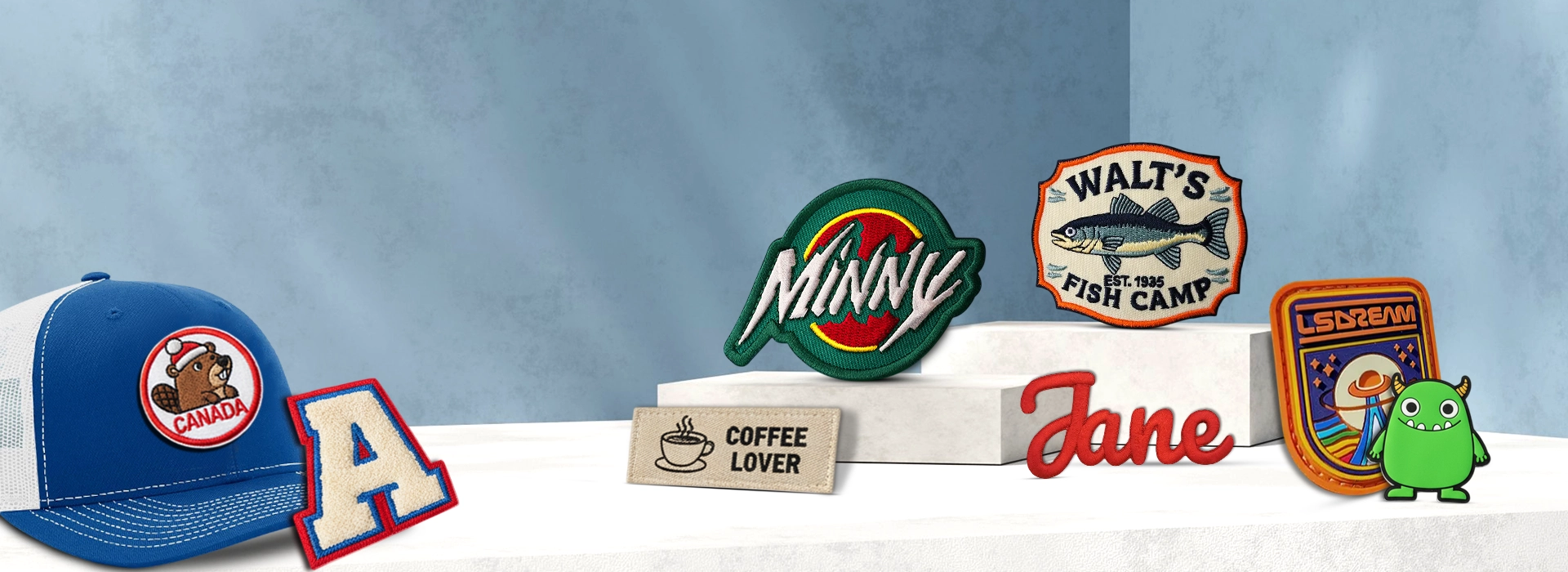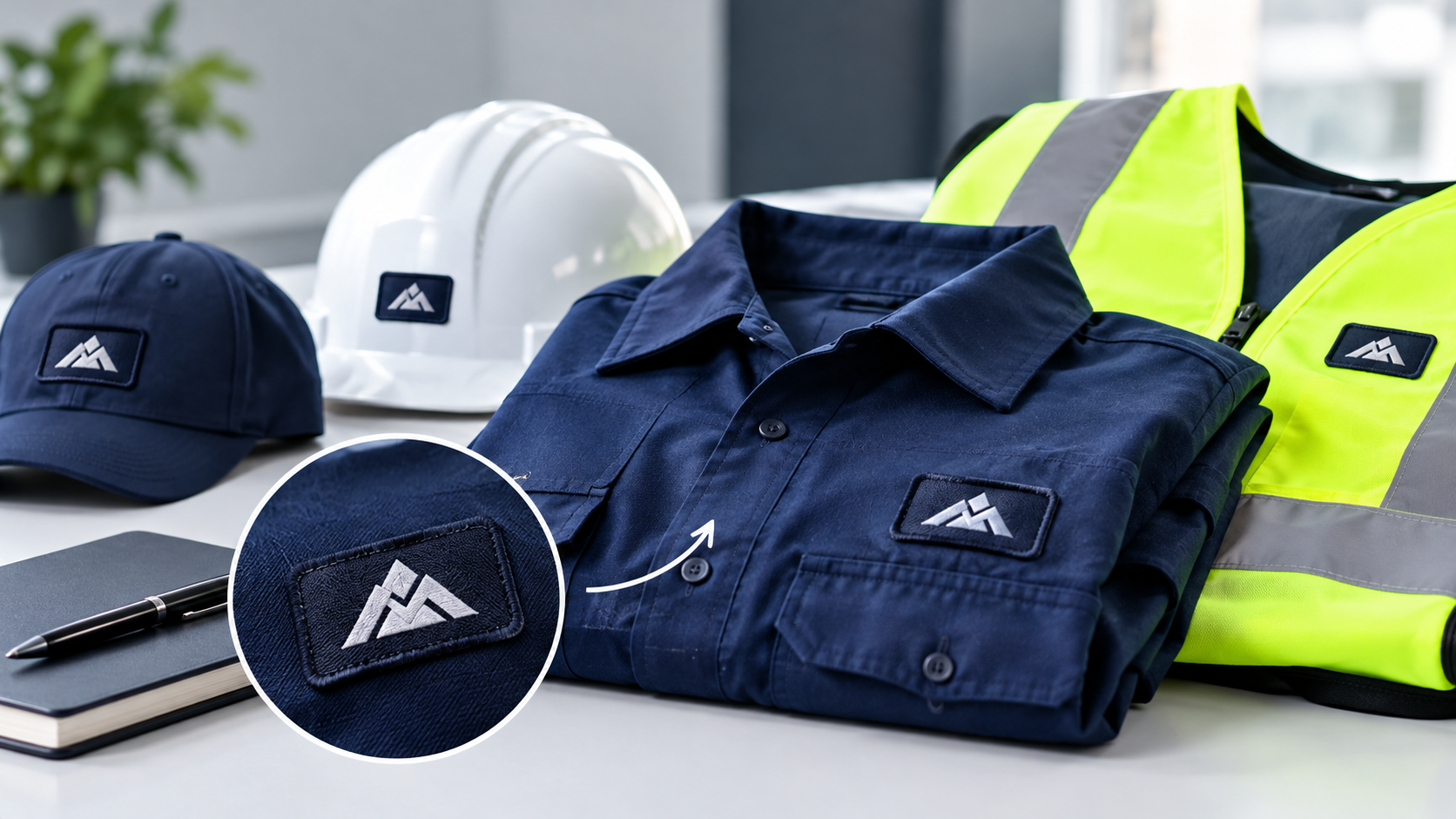
A professional work uniform is more than a piece of clothing. It represents a company's values, creates a recognizable appearance, and helps employees present themselves confidently in the workplace. Even small details can make a significant difference in how a uniform looks and how customers perceive the business. Custom name patches are one of the simplest ways to turn ordinary workwear into a consistent and professional brand identity.
Businesses across different industries use personalized patches to display employee names, company logos, department titles, and other identifying information. These details help customers recognize staff members while creating a coordinated appearance throughout the organization. Whether a company operates in hospitality, retail, construction, manufacturing, healthcare, or security, carefully designed uniform patches can support its professional image.
Small patches may occupy only a limited area of a garment, but their contribution to branding can be substantial. A clear name, recognizable logo, and consistent design can connect employees to the company they represent. When these elements are repeated across the workforce, they help create a unified appearance that customers can recognize.
The Importance of Small Details in Professional Uniforms
Professional branding often depends on the consistency of small visual details. A company may invest in an attractive logo, carefully designed marketing materials, and a polished website, but its employees also need a recognizable appearance when interacting with customers.
Uniform patches provide a practical way to connect everyday workwear with the company's wider identity. By incorporating approved colors, logos, and lettering, businesses can make their uniforms look more organized without introducing complicated design elements.
Employee identification is one of the most useful functions of a name patch. When names are displayed clearly, customers can recognize individual employees and communicate with them more comfortably. This can be especially valuable in busy environments where people need to identify staff members quickly.
Matching patches also create consistency across the workforce. When employees wear the same style of identification, the team looks coordinated even when individuals wear different garment types.
For businesses with several locations, standardized patches help maintain a consistent image across branches. Customers can encounter the same branding elements regardless of where they interact with the company.
These benefits demonstrate why small uniform details deserve careful planning. A well designed patch can support identification, improve presentation, and strengthen the connection between employees and the business.
How Custom Name Patches Create a Stronger Identity
Custom name patches allow businesses to personalize their uniforms while maintaining a consistent design. They can display employee names, company logos, department information, or other details relevant to the workplace.
The combination of personal identification and company branding creates a balanced appearance. Employees remain recognizable as individuals, while the shared design communicates that they belong to the same organization.
For example, a restaurant may use patches featuring employee names and a company logo on shirts or aprons. A maintenance company may choose durable patches that display names and department information on work jackets. A retail business may use simple embroidered labels to help customers identify sales associates.
Each application has different requirements, but the underlying principle remains the same. The patch should communicate information clearly while complementing the garment and supporting the company's visual identity.
Custom patches also provide flexibility when employee details change. Businesses can order replacement patches for new employees or updated roles without replacing every uniform. This makes personalized identification easier to manage as the organization grows.
When the design is consistent and the information is accurate, small patches become a useful part of the company's overall branding strategy.
Choosing the Right Design for Custom Uniform Patches
The design of a uniform patch should reflect the company's personality and practical requirements. A successful design is easy to read, visually balanced, and suitable for the garment on which it will be displayed.
Typography is especially important because the employee name is often the primary purpose of the patch. Simple lettering usually provides better readability than highly decorative fonts. The text should remain clear at the final patch size.
Color selection should complement the company's existing brand palette. Using the same colors across uniforms, signage, packaging, and marketing materials creates a stronger visual connection. A contrasting background can also help the name stand out.
Company logos should be positioned carefully. A small patch has limited space, so the logo should not overwhelm the employee name. A simplified version of the logo may be more suitable when the original design contains many details.
Shape and dimensions also affect the appearance. Rectangular patches are popular because they provide enough room for names and simple logos. Rounded designs can create a softer look, while shield shaped patches may suit businesses that prefer a more structured style.
The patch should also be proportionate to the garment. A design that works well on a heavy jacket may appear too large on a lightweight shirt. Reviewing the patch on the actual uniform helps ensure that the finished result looks natural.
Why Custom Embroidered Name Patches Remain Popular
Custom embroidered name patches are widely used because their stitched construction creates a textured and professional appearance. Embroidery can reproduce employee names, company logos, and simple decorative elements using different thread colors.
The raised texture adds depth to the design and can help distinguish the patch from the surrounding fabric. This makes embroidered patches suitable for many types of professional clothing, including work shirts, jackets, aprons, and selected outerwear.
Businesses can customize embroidery through different fonts, border styles, colors, and dimensions. A simple design may suit a corporate office, while a more distinctive emblem may be appropriate for a specialized service team.
The quality of the final patch depends on the fabric base, thread, stitching density, and design complexity. Small lettering and intricate logos may require careful adjustments to ensure that the details remain recognizable.
Businesses should request a design proof before approving production. A sample can help confirm the spelling, colors, proportions, and stitching quality. It also provides an opportunity to check how the patch looks when attached to the intended uniform.
Choosing an appropriate design and suitable materials helps embroidered patches maintain their appearance during normal workplace use.
Strengthening Brand Recognition Through Uniform Consistency
Brand recognition develops when customers repeatedly encounter consistent visual elements associated with a company. Uniforms provide an opportunity to reinforce these elements during everyday interactions.
Custom name patches can display a recognizable logo and the company's approved colors. When these details remain consistent across employees and locations, they help connect the workforce to the business identity.
For companies with multiple departments, a standardized patch design can include different names or job titles while preserving the same overall style. This allows employees to display relevant information without making the uniforms look unrelated.
Businesses with several branches can benefit from centralized design guidelines. These guidelines should define approved artwork, patch dimensions, lettering, colors, and placement. Maintaining these specifications helps prevent inconsistencies when additional patches are ordered.
Consistent uniforms can also improve the customer experience by making employees easier to identify. In retail stores, hotels, restaurants, and service environments, clear identification helps customers know whom to approach for assistance.
Over time, the repeated use of consistent uniforms can contribute to a more recognizable business image. The patch becomes one of several visual details that connect employees with the company's broader identity.
Custom Patches for Different Professional Industries
Different industries require different uniform styles, but many can benefit from personalized identification and consistent branding.
Hospitality and Food Service
Hotels, restaurants, cafes, and catering businesses use uniforms to create a welcoming and organized environment. Name patches help customers identify employees while adding a personalized detail to shirts, aprons, and jackets.
Patches for hospitality uniforms should be easy to read and compatible with regular washing. The design should complement the garment and maintain a professional appearance during everyday use.
Retail and Customer Service
Retail employees frequently help customers locate products, answer questions, and complete purchases. Custom name patches make it easier to identify team members and can create a more approachable appearance.
A coordinated design featuring the company logo and employee name helps maintain consistency across sales teams, store managers, and customer service departments.
Construction and Manufacturing
Construction workers, maintenance personnel, and manufacturing teams often need uniforms that can withstand regular wear. Custom patches can identify employees, departments, and approved job titles.
Businesses should choose suitable materials and secure attachment methods. Patch placement must remain compatible with protective garments and workplace safety requirements.
Healthcare and Care Services
Healthcare facilities can use name patches to help patients and visitors identify staff members. Readable names and accurate professional titles can support communication and make the workplace easier to navigate.
Material selection should take garment cleaning requirements into account. The patch design should remain clear without creating unnecessary discomfort or interfering with the uniform.
Security and Professional Services
Security companies and other service providers may use patches to display employee names, company logos, and approved identification details. A consistent design can help create a professional appearance while distinguishing authorized staff members.
Organizations should ensure that patches accurately represent their employees and avoid any symbols that could suggest unauthorized affiliations or official status.
Understanding Custom Military Patches
Custom military patches feature distinctive shapes, symbolic designs, and embroidered details. They may display organization names, unit inspired graphics, or other identifying elements for suitable authorized applications.
Businesses seeking a structured and distinctive uniform appearance can draw inspiration from these design features. Shield shapes, contrasting borders, and carefully arranged lettering can create a strong visual identity.
However, military inspired styling should not be confused with official military identification. Protected emblems, rank indicators, and official insignia should only be used with appropriate authorization.
For standard business uniforms, original company symbols and department logos provide a practical way to create distinctive patches without suggesting an official military affiliation.
Custom military patches may also be used by authorized tactical organizations, collectors, outdoor communities, and other groups with specific design requirements. The selected materials and attachment methods should suit the intended garment and conditions of use.
The main objective is to create a patch that is recognizable, appropriate for its setting, and consistent with the identity of the organization using it.
Adding Personality Through Custom Morale Patches
Custom morale patches allow teams to express their personality, shared interests, and organizational culture. They often feature mascots, creative illustrations, slogans, or symbolic artwork.
Unlike traditional name patches, morale patches generally focus on team spirit rather than personal identification. They can be used by outdoor groups, recreational clubs, tactical communities, and businesses with suitable workplace policies.
Companies can create morale patches for employee recognition, team building activities, training programs, and special events. A design representing a shared achievement can become a meaningful keepsake for employees.
A company mascot or original symbol can also make the patch more distinctive. By incorporating approved brand colors or a small logo, businesses can maintain a connection to their visual identity while allowing more creative expression.
Morale patches should complement standard uniform identification rather than replace employee names or essential job information. This balance helps preserve the practical purpose of professional workwear while giving teams a way to express their shared identity.
Selecting Suitable Materials for Durable Patches
Material selection influences how a patch looks, feels, and performs during everyday use. Businesses should consider the garment type, expected frequency of wear, and cleaning requirements before selecting a material.
Embroidered patches provide a textured finish and work well for many conventional uniform designs. Woven patches can accommodate finer lettering and detailed graphics, while printed patches can reproduce more complex artwork.
The fabric base should support the chosen design and remain compatible with the uniform material. Thread quality and edge finishing are also important for embroidered patches because they affect the overall appearance and construction.
Businesses operating in demanding environments may require more durable materials than organizations whose employees work primarily indoors. Outdoor personnel, maintenance teams, and industrial workers may need patches designed for frequent handling and regular cleaning.
It is also important to consider the weight and flexibility of the patch. A very stiff design may not suit lightweight clothing, while an oversized patch may interfere with the garment's appearance.
Choosing materials according to the actual application helps businesses create patches that are both practical and professional.
Choosing the Best Patch Attachment Method
The attachment method determines how a patch is secured to the garment and whether it can be replaced easily.
Sew on patches are often selected for uniforms that require a secure and relatively permanent attachment. They are suitable for many work shirts, jackets, aprons, and other garments.
Hook and loop backing allows patches to be removed and replaced when employee names or roles change. This can be useful for organizations that need flexible identification systems.
Heat applied backing may work for selected fabrics, but businesses should confirm compatibility before use. Incorrect application can damage the garment or affect the patch's attachment.
The size and weight of the patch should also be appropriate for the uniform. A suitable backing helps the patch sit neatly and remain secure during normal movement.
Businesses should consider washing frequency and maintenance procedures when selecting an attachment method. The correct option helps preserve both the patch and the garment.
Managing Uniform Costs With Custom Name Patches
Uniform expenses can increase as a business hires more employees or opens additional locations. Custom patches provide a flexible way to personalize workwear without necessarily replacing every garment.
Businesses can use standard shirts, jackets, or aprons and add patches featuring company branding and employee identification. When names change, individual patches may be replaced instead of purchasing entirely new uniforms.
This approach can make uniform management more adaptable, particularly for organizations with frequent staffing changes. However, the overall value depends on material quality, attachment methods, production costs, and expected replacement needs.
Companies should compare suppliers based on the quality and suitability of their products rather than selecting an option solely because it has the lowest initial price.
Ordering appropriate quantities can also simplify management. Businesses should keep accurate records of their designs and consider reasonable replacement needs without purchasing excessive quantities of personalized patches.
A carefully planned patch program can help organizations maintain a consistent professional appearance while making practical use of their existing workwear.
Maintaining the Appearance of Professional Uniform Patches
Proper care helps patches remain readable and attractive. The correct cleaning process depends on the patch material, garment fabric, attachment method, and manufacturer's recommendations.
Employees should follow the uniform's washing instructions and avoid treatments that could damage the stitching or weaken adhesive backing. Turning garments inside out may help reduce friction during washing.
Excessive heat can affect some fabrics and attachment methods. Businesses should check whether ironing, tumble drying, or commercial laundering is appropriate for their chosen patches.
Regular inspections help identify loose threads, damaged borders, fading, or detached edges. Addressing these issues early helps maintain a professional appearance.
Organizations should also keep approved design files and production specifications. This makes it easier to reproduce matching patches when uniforms require replacements or new employees join the team.
Consistent maintenance helps ensure that small branding details continue to support the company's identity.
Planning a Successful Custom Patch Order
A successful patch order begins with a clear understanding of the company's needs. Businesses should determine the number of employees, uniform styles, required information, preferred dimensions, and intended working conditions.
The design brief should include accurate logo artwork, approved colors, employee name formatting, and the preferred attachment method. Providing these details helps the manufacturer produce a patch that meets the company's expectations.
Before approving production, businesses should review the design proof carefully. Names must be spelled correctly, logos should remain recognizable, and lettering should be readable at the intended size.
A physical sample can help confirm material quality, color accuracy, and overall appearance. It also allows the business to check how the patch looks on the actual uniform.
Supplier selection should consider communication, customization options, production standards, and delivery expectations. Maintaining accurate records of the final design makes future orders easier to manage.
With a clear process, businesses can create consistent patches that support their uniform requirements as the organization grows.
Creating a Strong Professional Identity Through Small Patches
Small patches can make a meaningful difference to the appearance of professional work uniforms. Custom name patches combine employee identification with company branding, helping businesses create a coordinated and recognizable workforce.
By selecting clear lettering, appropriate colors, durable materials, and suitable attachment methods, organizations can improve their uniforms without introducing unnecessary design complexity.
Custom embroidered name patches offer a refined appearance for many workplaces. Custom military patches provide distinctive styling for suitable authorized applications, while custom morale patches offer opportunities to express team spirit and organizational culture.
The most effective designs balance branding with practicality. Every patch should remain easy to read, comfortable to wear, and appropriate for the working environment.
Standardized designs and organized ordering procedures help businesses maintain a consistent appearance across departments and locations. Proper care and replacement planning further support the long term usefulness of branded workwear.
Ultimately, small patches can help create a strong professional identity through simple and recognizable details. When carefully designed and appropriately manufactured, they turn everyday uniforms into an effective part of the company's brand presentation while helping employees represent their organization with confidence.