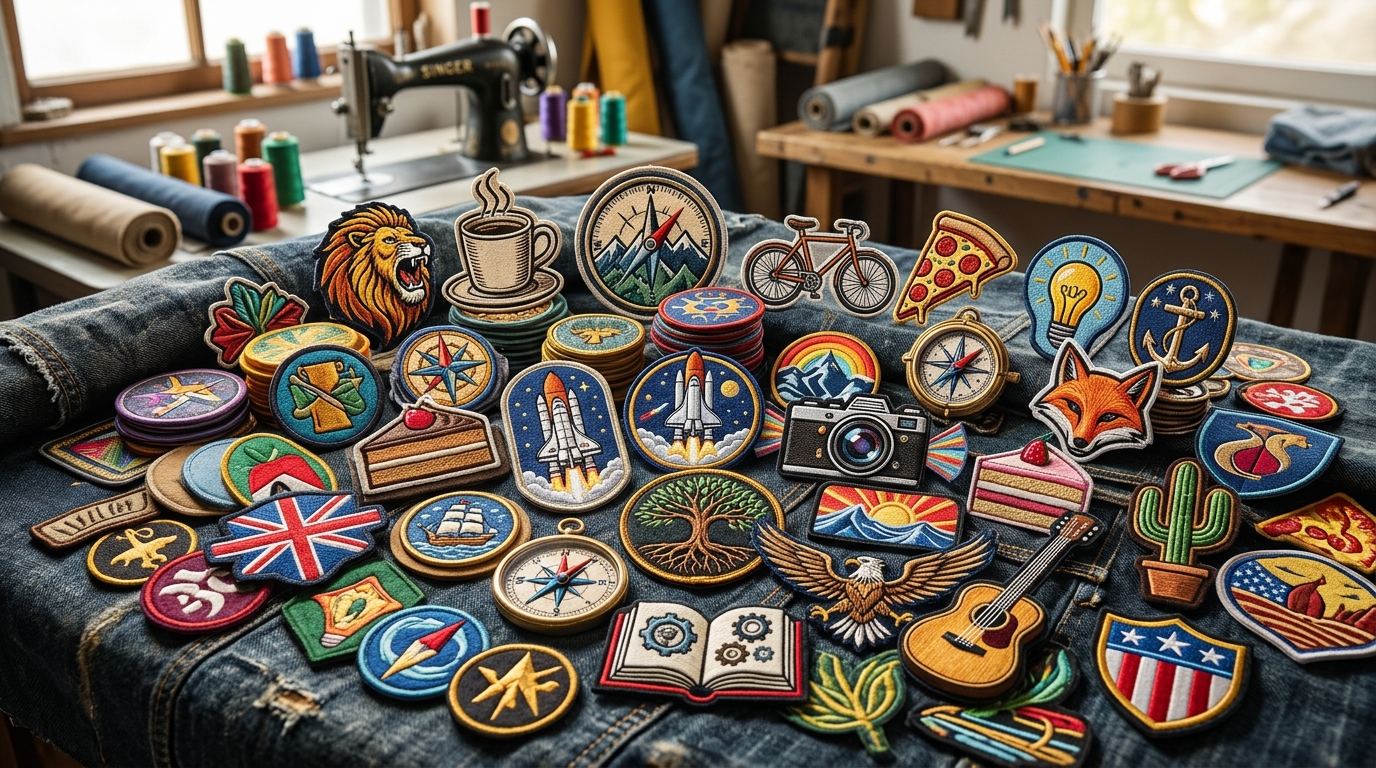
Sometimes, the smallest details are the ones that make a product memorable. A well-placed logo, a distinctive texture, or a carefully chosen color can change how customers see a garment. Custom patches offer businesses a practical way to add these details while making clothing, accessories, and uniforms feel more personal.
From small online clothing stores to established apparel manufacturers, businesses use patches for branding, decoration, identification, and product customization. They can be attached to caps, jackets, backpacks, workwear, and promotional merchandise, giving companies plenty of opportunities to create products that reflect their identity.
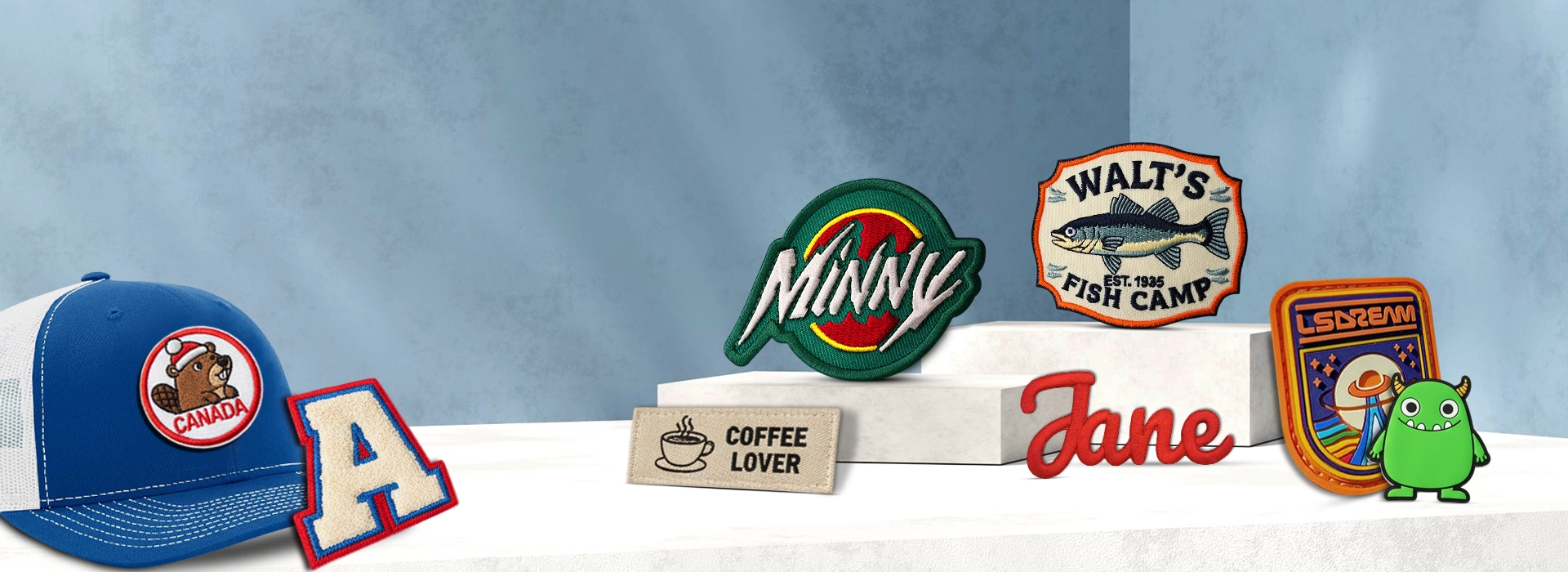
Another reason patches remain popular is the variety of options available. Some designs have a traditional embroidered finish, while others feature smooth PVC surfaces, textured chenille, or the distinctive appearance of leather. Different backing methods also allow businesses to choose between permanent and removable applications.
Still, finding the right patch involves more than selecting a design that looks attractive. Material quality, order quantity, production time, and the supplier's experience all influence the final result.
Whether you're developing a new clothing collection or ordering patches for a business, understanding these factors can help you make a more informed decision.
Give Your Products a Recognizable Identity
A strong brand identity helps customers distinguish your products from competing options. While packaging and advertising contribute to recognition, the products themselves should also communicate something about your business.
Custom patches with logo designs make this possible without requiring complicated changes to the original garment. A patch can be added to a jacket, cap, bag, or uniform, creating a consistent visual element across different products.
For example, a streetwear company might use embroidered patches on hoodies and leather patches on hats. A business supplying workwear could use clearly visible patches to display its company name, while a sports club might prefer colorful designs that reflect its team identity.
The key is choosing a design that suits the intended product. A complicated logo may need to be simplified so that small details remain clear when reproduced as a patch.
Color contrast, lettering, dimensions, and placement all affect the final appearance. A design that looks attractive on a computer screen may need a few adjustments to work well on fabric.
Businesses should also think about future production. Keeping the approved artwork and specifications makes it easier to maintain a consistent appearance when ordering additional patches.
When the design fits the product naturally, a patch becomes more than decoration. It becomes part of the brand's visual identity.
Why Wholesale Purchasing Makes Sense for Growing Companies
As orders increase, businesses often need a more organized approach to sourcing patches. Buying small quantities repeatedly may become inconvenient, particularly when patches are required for ongoing apparel production or regular merchandise sales.
Custom patches wholesale services can help retailers, clothing manufacturers, promotional companies, and organizations purchase larger quantities through a single order.
One potential benefit is a lower cost per patch. Manufacturing setup expenses may be distributed across more units, although the actual savings depend on the design, material, quantity, and supplier.
Before placing an order, ask for a complete quotation. It should clearly explain production costs, setup fees, backing options, packaging, and shipping wherever applicable.
A custom patches bulk order also requires careful inventory planning. Purchasing a large quantity can make sense when demand is predictable, but ordering too many patches may leave your business with unnecessary stock.
Start by estimating how many patches you expect to use for upcoming product launches, uniform requirements, and promotional activities. This provides a more practical basis for deciding the order quantity.
Consistency is equally important. If you expect to reorder the same design, ask whether the manufacturer can retain the approved artwork and reproduce it according to the same specifications.
A reliable supplier can help your business manage repeat purchases while maintaining the appearance and quality customers expect.
Small Orders for Businesses That Want to Test New Designs
New businesses do not always have the budget or customer demand needed for a large production run. Independent designers, small retailers, clubs, and individual creators may only need a limited number of patches.
Custom patches no minimum options can make it easier to test an idea without committing to a substantial purchase.
For instance, a startup clothing label could order a small batch of logo patches before deciding whether to use them across an entire collection. An artist might create limited-edition merchandise, while a local organization could purchase patches for a particular event.
Small orders usually have a higher unit price because some production costs remain fixed. However, they can reduce the financial risk associated with an untested design.
Before ordering, confirm that the supplier offers low quantities for your chosen material. Minimum requirements can differ between embroidered, PVC, chenille, and other patch styles.
It is also worth asking about sample production. A sample allows you to inspect the material, colors, stitching, and backing before placing a larger order.
For businesses still learning what their customers prefer, a smaller initial purchase can provide useful feedback and help guide future product decisions.
The Lasting Appeal of Embroidered Patches
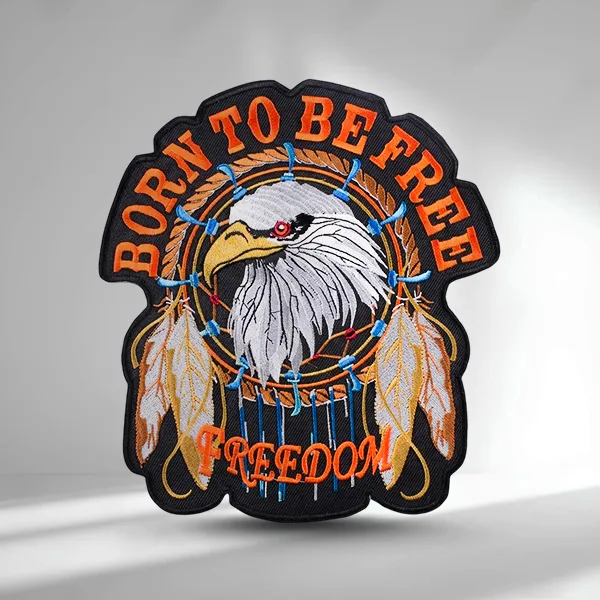
Embroidered patches have a familiar look that works well across many types of clothing. Their stitched texture creates depth and gives logos a traditional appearance without making the design overly complicated.
Custom embroidered patches are commonly used on uniforms, denim jackets, caps, hoodies, bags, and promotional apparel. They can display company logos, team emblems, decorative illustrations, and lettering.
The quality of an embroidered design depends partly on how well the artwork translates into stitches. Fine lines, tiny text, and complicated details may need to be simplified to remain readable.
Thread colors should also be selected carefully. Strong contrast can make important elements easier to recognize, while coordinated shades can create a more understated result.
Another factor is stitch coverage. Dense embroidery may produce a fuller appearance, but it can also make the patch heavier or less flexible. The best balance depends on the garment and the desired finish.
Border selection can influence the style as well. Traditional borders suit many classic designs, while cut edges can accommodate unusual outlines.
If your patches are intended for retail products, consider reviewing a sample before approving the full order. The actual texture and stitching often provide a better understanding of the finished product than a digital preview alone.
When PVC Offers a Better Solution
Not every product calls for a fabric-based patch. Some designs look better with a smooth surface, clearly defined edges, or raised details.
Custom PVC patches are made from flexible synthetic material and can feature molded lettering, layered colors, recessed shapes, and dimensional artwork.
They are often used on backpacks, outdoor accessories, sports products, and certain tactical equipment. Their appearance can suit brands that want a modern alternative to traditional embroidery.
PVC also allows designers to create visual details that may be difficult to reproduce using thread alone. Depending on the material and construction, it can be appropriate for products exposed to moisture or regular outdoor use.
However, the intended application should guide the decision. A PVC patch might suit a technical backpack, while a soft embroidered design could be a better match for a classic clothing collection.
When discussing your order with a manufacturer, ask about material thickness, flexibility, color options, backing, and durability. If the patch will be used in demanding conditions, confirm that its construction is suitable for those requirements.
Choosing the material based on practical needs as well as appearance can help you avoid unnecessary changes later.
Make Products More Flexible With Removable Patches
Some businesses need patches that can be changed whenever identification or design requirements change. A removable fastening system provides that flexibility.
Custom Velcro patches use a hook-and-loop attachment method that allows them to connect to a compatible surface. They are commonly used on uniforms, backpacks, equipment, and clothing designed with dedicated patch panels.
This option can be useful for organizations that need to update employee names, departments, or identification details without replacing an entire garment.
Retail businesses can also use removable patches to offer customizable accessories. Customers might purchase different designs for the same bag or jacket, creating a more personal product experience.
Before placing an order, check whether the patch includes the hook backing and whether the garment has a compatible loop surface. If the receiving product does not have one, a matching panel may be necessary.
Custom morale patches with Velcro offer another use for this attachment method. These designs often feature expressive artwork, humorous messages, symbols, or themes associated with outdoor and tactical communities.
Consider how often the patch will be removed and how much movement it will experience. The attachment system should be appropriate for the product's intended use.
For brands that value customization, removable patches can provide practical advantages while giving customers more choice.
Custom Iron On Patches for Easy Application
A patch can be beautifully designed, but it also needs an attachment method that works with the garment. For suitable fabrics, iron-on patches offer a convenient option.
Custom iron on patches typically feature a heat-activated adhesive that bonds to compatible textile surfaces when applied according to the manufacturer's instructions.
They are often used on jackets, jeans, bags, and other clothing items. Small businesses may find them useful for merchandise, while individuals can use them to personalize garments without needing advanced sewing skills.
However, heat application is not suitable for every fabric. Some synthetic materials, delicate textiles, and coated surfaces can be damaged by high temperatures.
The adhesive's performance depends on several factors, including fabric composition, application pressure, temperature, and washing conditions. Following the manufacturer's instructions is essential.
For garments that experience frequent washing or heavy use, additional stitching may provide better long-term attachment.
If you're purchasing iron-on patches for commercial use, confirm that the adhesive is appropriate for your intended fabric. Testing a sample garment before applying patches to a large batch can help prevent damage and wasted inventory.
A convenient application method is most effective when it matches the material and the conditions in which the garment will be worn.
Custom Hat Patches With Logo Designs That Attract Attention
Hats are useful products for both fashion and business branding. They are easy to wear, suitable for different audiences, and provide a visible space for displaying a logo.
Custom hat patches with logo artwork are popular among streetwear labels, outdoor brands, sports organizations, and businesses selling promotional products.
The material can change the overall appearance of the cap. Embroidered patches provide a classic textile finish, leather creates a more rugged or premium look, and PVC offers a modern style.
Getting the size right is particularly important. A patch that is too large can dominate the front panel, while very small lettering may become difficult to read.
The shape of the hat also matters. Curved panels may require particular dimensions to help the patch sit neatly without creating unwanted folds or distortion.
Before placing a large order, confirm the patch measurements against the actual cap style. Reviewing a sample can help you assess the proportions and make any necessary adjustments.
It is also worth discussing the attachment method with your supplier. Sewing, heat application, and other techniques may be suitable depending on the hat material and patch construction.
For businesses selling multiple cap styles, consistent sizing and placement can help create a recognizable product range.
Add Texture With Custom Leather Patches for Hats
Leather patches offer a distinctive alternative to embroidered or molded designs. Their surface texture and understated appearance work particularly well with denim caps, workwear, outdoor apparel, and heritage-inspired clothing.
Custom leather patches for hats can feature engraved logos, embossed lettering, debossed designs, or other finishing methods depending on the material and manufacturing process.
Genuine leather often has natural variations in texture, which can contribute to its character. Synthetic alternatives may offer a more consistent appearance across large orders and can suit different budgets.
The right choice depends on the product and the brand's priorities. A premium clothing label may prefer genuine leather, while a business producing promotional hats might focus on uniformity and cost.
Simple artwork often works well with leather. A clear logo, balanced spacing, and a suitable patch shape can complement the material without making the design feel crowded.
Before approving production, ask about material composition, thickness, color options, finishing, and attachment methods. These details influence both the final appearance and the patch's suitability for the hat.
For apparel businesses, leather can provide a recognizable finish that distinguishes their products from more conventional cap designs.
Bring a Bold Style to Apparel With Chenille Patches
Some garments need a more expressive design element than a standard embroidered patch. Chenille offers a soft, raised texture that can give clothing a bold and distinctive appearance.
Custom chenille patches are commonly associated with varsity jackets, school apparel, sports teams, clubs, and fashion collections inspired by collegiate styles.
Large initials, numbers, and simple symbols are particularly suitable because their shapes remain visible against the fuzzy surface. Strong color combinations can make the finished design even more noticeable.
However, chenille is not ideal for every type of artwork. Small text and intricate illustrations may lose clarity because of the material's thicker texture.
Combining chenille with embroidered borders can improve definition and create additional contrast. This approach is often useful when the design needs a more polished outline.
When planning your patch, consider the weight of the garment, the finished dimensions, and the intended placement. A large chenille patch can look excellent on a structured jacket but may feel unsuitable for lightweight fabric.
For brands developing distinctive clothing collections, chenille provides a tactile design option that customers can appreciate visually and physically.
Custom Name Patches for Uniforms and Professional Teams
Uniforms help businesses present a consistent image, but identification is often just as important as appearance. Employees need to be recognizable, and customers should be able to identify the people assisting them.
Custom name patches for uniforms offer a practical way to display names, job titles, departments, or company details.
They are commonly used by hospitality businesses, maintenance teams, security companies, schools, retailers, and organizations with large workforces.
Readability should guide the design. Select a clear font, maintain sufficient contrast, and choose a text size that allows names to be recognized comfortably.
Businesses must also decide whether the patches should be permanent or removable. Sew-on designs may suit uniforms assigned to individual employees, while hook-and-loop patches can be more convenient when staff members change roles.
For large orders, establish consistent specifications for dimensions, colors, borders, and placement before production begins.
Check every name and job title carefully before approving the artwork. Correcting mistakes after manufacturing can be expensive, particularly when the order includes many individual patches.
A consistent identification system can help uniforms look more organized while making everyday interactions easier for employees and customers.
Choosing a Custom Patches Manufacturer USA
The quality of a finished patch depends not only on the artwork but also on the supplier responsible for manufacturing it.
Businesses searching for a custom patches manufacturer USA may be interested in domestic production, convenient communication, or shipping arrangements that fit their schedules.
However, it is important to confirm where production actually takes place. Some suppliers manufacture patches in-house, while others coordinate production through external facilities.
Ask about the available materials, minimum order quantities, quality-control process, and options for reviewing samples.
A sample can reveal details that are difficult to judge from a digital mockup, including stitch quality, material thickness, color accuracy, and backing strength.
It is also useful to understand how the supplier handles artwork revisions and production problems. Ask what happens if the finished order does not match the approved specifications.
Communication is another important consideration. A dependable manufacturer should explain the available options, provide realistic timelines, and identify potential design limitations before production begins.
Price matters, but it should be evaluated alongside product quality and service. A supplier who communicates clearly and produces consistent results can offer better overall value than one whose only advantage is a lower initial quotation.
Getting Custom Patches Fast Turnaround When Time Matters
Businesses sometimes need patches for a product launch, trade show, uniform replacement, or promotional event with a fixed date.
Custom patches fast turnaround services may help meet these requirements through expedited manufacturing or shipping. However, availability depends on the design, material, quantity, production schedule, and delivery destination.
The easiest way to reduce delays is to prepare the order details before requesting a quotation. Provide your final artwork, dimensions, quantity, backing preference, and required delivery date.
Ask whether the quoted turnaround includes artwork approval, manufacturing, packaging, and shipping. Production time alone does not determine when the order will arrive.
If the deadline is important, request confirmation of the expected dispatch date and delivery method. Check whether expedited production involves extra charges and whether sample approval is required.
Avoid rushing through the artwork review. Incorrect lettering, unsuitable colors, or an inappropriate backing can create expensive problems if discovered after the patches have been manufactured.
A clear brief and realistic schedule make it easier for the supplier to understand your priorities and deliver a suitable result.
Build a Better Patch Ordering Process
Choosing custom patches becomes easier when you start with the product's purpose instead of selecting a material immediately.
Think about where the patch will be used, how it should look, and whether it needs to withstand regular washing, outdoor exposure, or frequent handling.
Embroidery can suit traditional apparel branding, PVC can provide molded details, leather offers a distinctive surface, and removable patches work well when designs need to be changed.
Next, consider your order quantity. A small batch may be useful for testing a new product, while wholesale purchasing can make more sense when demand becomes predictable.
Before approving production, compare quotations, confirm the material and backing, review the artwork, and check the delivery schedule. For large orders, a sample can help you identify potential problems before they affect the entire batch.
Custom patches are small products, but their effect on branding, identification, and product appearance can be significant. By choosing materials carefully, planning quantities realistically, and working with a dependable manufacturer, businesses can create patches that suit their products and support their long-term goals.
The best result comes from paying attention to the details before production begins. When the design, material, and manufacturing process all fit the purpose, a simple patch can become one of the most recognizable features of your product.
Conclusion
Custom patches provide businesses with a versatile way to strengthen brand identity, personalize products, and create a consistent appearance across apparel and accessories. Whether you choose custom embroidered patches, PVC designs, leather patches for hats, chenille styles, or removable Velcro patches, the right option depends on your design, intended use, and budget. Before placing an order, consider material quality, backing methods, order quantities, production timelines, and the manufacturer's experience. Comparing suppliers and reviewing samples can help you achieve better results while avoiding costly mistakes. From small test batches to custom patches wholesale orders, careful planning makes it easier to balance quality, cost, and durability. By choosing the right design and a reliable manufacturing partner, you can turn simple patches into distinctive details that help your products stand out and leave a lasting impression.
Discussion & Feedback 0
Write a CommentNo comments yet
Have a question or feedback regarding this topic? Be the first to share your thoughts below!
Leave a Reply
Your email address will not be published. Required fields are marked *