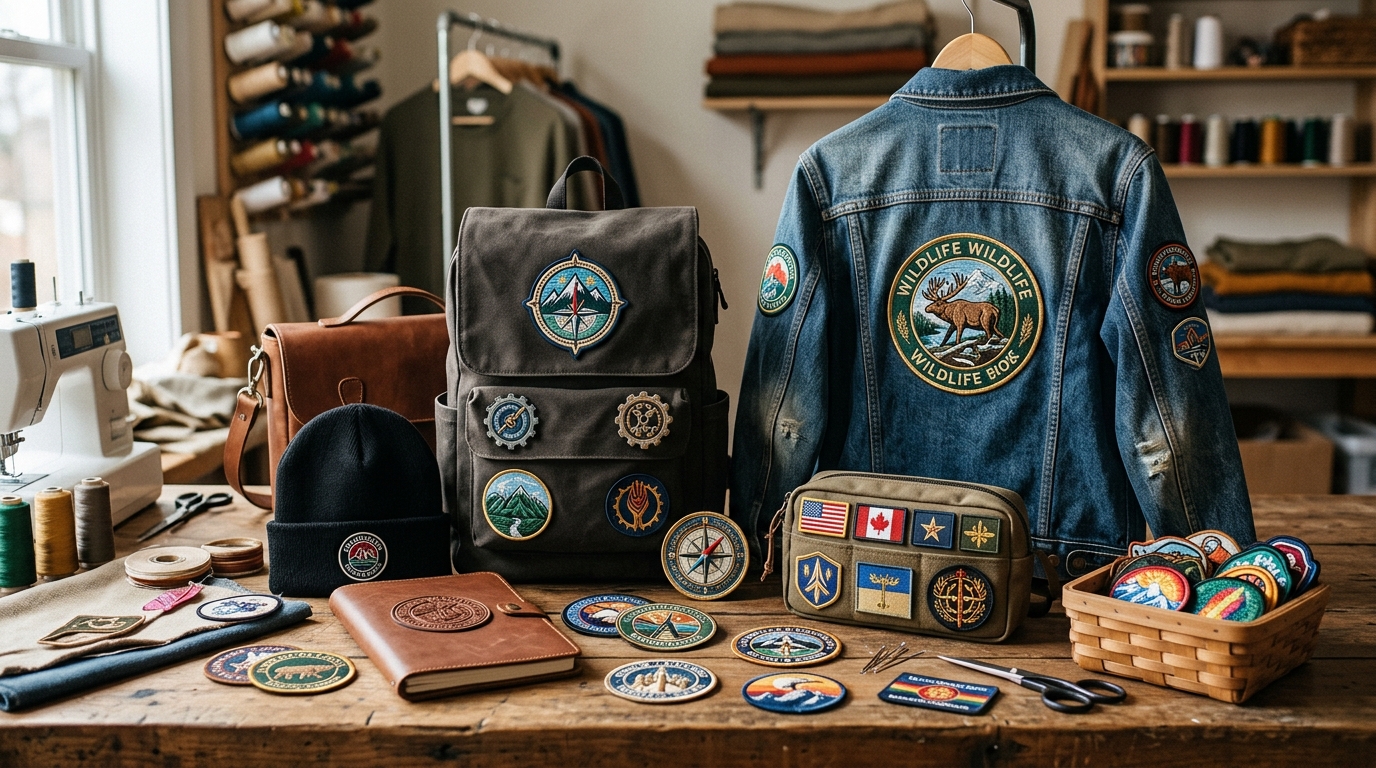
Creating products that customers remember is an important part of building a successful brand. In a competitive market, even small design details can influence how people recognize and connect with a business. Custom patches offer a simple yet effective way to add personality to clothing, strengthen brand identity, and make everyday accessories more distinctive.
From embroidered company logos to creative fabric designs, patches can be customized to suit a wide range of products. Clothing brands use them to add a signature finishing touch, businesses include them on employee uniforms, and individuals choose personalized designs to express their interests.
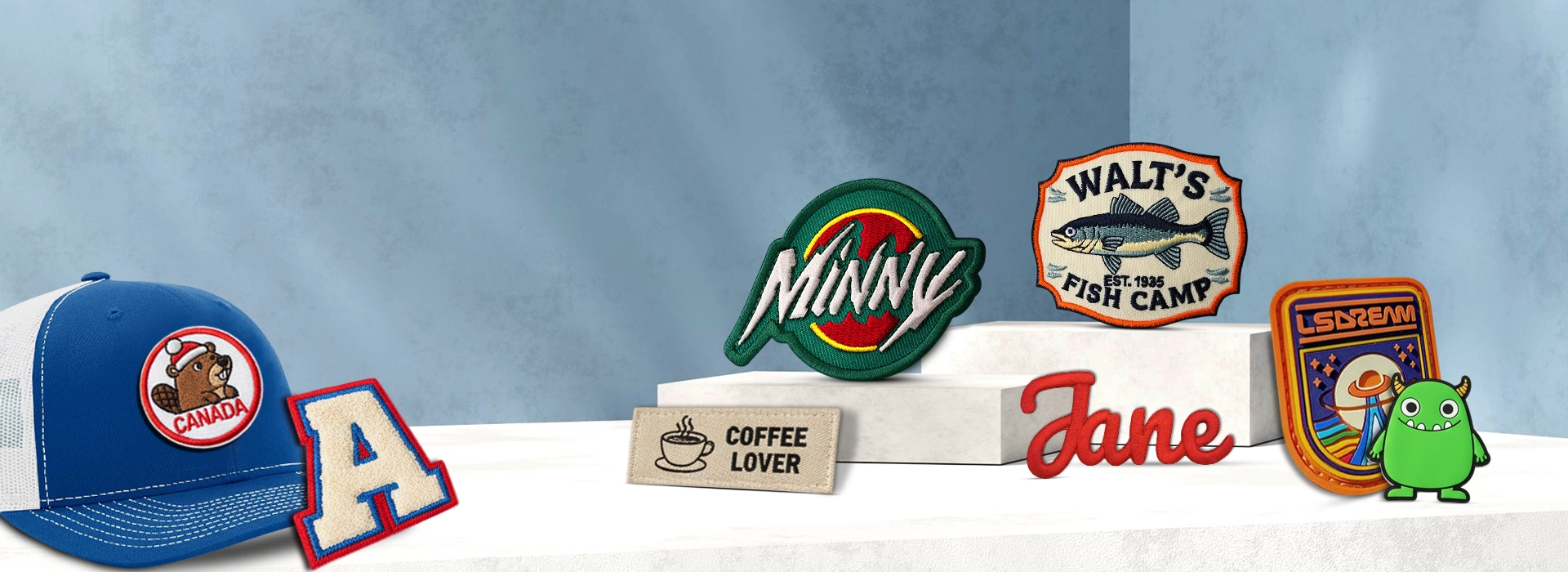
One of the biggest advantages of custom patches is their flexibility. They can be produced in different materials, shapes, sizes, and colors to match specific design requirements. Customers can also select different backing options depending on how the finished patch will be attached.
Whether you need a few patches for a personal project or a larger quantity for commercial production, finding the right supplier can make the process easier. A dependable custom patch maker can help transform your artwork into a finished product that looks professional and represents your original idea.
Why Custom Patches Are Popular Across Different Industries
Custom patches are no longer limited to traditional uniforms and military-style clothing. They have become a popular customization option across fashion, retail, sports, education, and promotional merchandise.
Clothing companies use patches to create recognizable garment designs. A carefully placed emblem can make a jacket, shirt, or cap look more distinctive without requiring complicated printing or decoration.
Businesses also use patches as part of their branding strategy. Adding a company logo to uniforms helps employees present a consistent appearance and makes the organization easier to recognize.
Sports teams, schools, clubs, and community organizations use customized patches to represent membership, achievements, and team identity.
For individuals, patches offer a creative way to personalize existing clothing and accessories. A simple design can add character to a backpack, denim jacket, or casual outfit.
Their wide range of applications makes custom patches a practical choice for customers with different creative and commercial goals.
Custom Logo Patches for Stronger Brand Recognition
A business logo is one of the most recognizable parts of its identity. It appears on websites, packaging, advertisements, uniforms, and promotional products.
Custom logo patches provide another way to display that identity on physical products.
Companies can place logo patches on employee clothing, work jackets, caps, bags, and branded merchandise. This creates a consistent visual appearance and helps customers associate the design with the business.
Fashion brands can also use custom logo patches as a signature detail. Instead of placing a large printed graphic on every garment, they can add a smaller embroidered or woven emblem that complements the clothing.
When preparing a logo for patch production, consider the size and level of detail. Small lettering, narrow lines, and complicated shapes may need adjustments to reproduce clearly.
Color consistency is equally important. Providing brand color references can help the manufacturer understand the intended appearance.
A well-designed logo patch should be recognizable, balanced, and suitable for the product where it will be used.
Custom Embroidered Patches for Clothing and Accessories
Custom embroidered patches are among the most popular choices for customers who prefer a traditional stitched appearance.
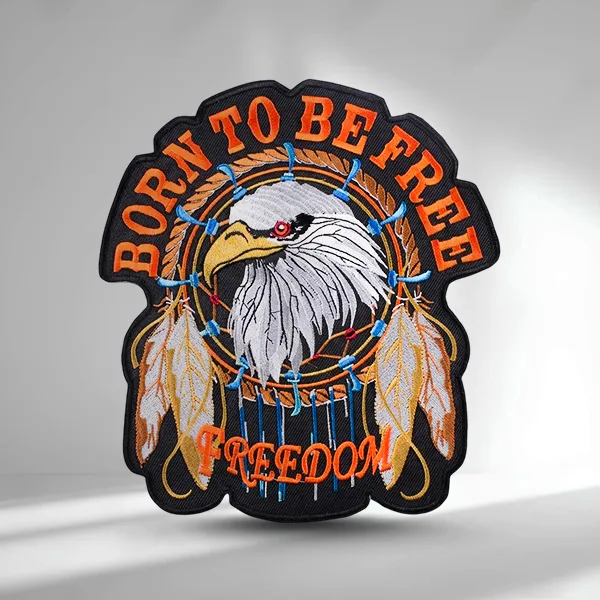
These patches are created by stitching colored threads onto a fabric base. The embroidery gives the design a raised texture that can make logos, lettering, and decorative artwork more noticeable.
They are commonly used on denim jackets, uniforms, hats, backpacks, workwear, and sports apparel.
Embroidered designs are especially suitable for bold artwork with clear shapes and defined colors. They can also be customized with different borders, dimensions, and backing options.
However, embroidery has certain design limitations. Extremely small text and complicated gradients may be difficult to reproduce through thread. A manufacturer may recommend simplifying these details before production.
For customers who want a classic fabric finish, embroidered patches offer a combination of visual appeal and practical versatility.
Custom Woven Patches for Fine Details
Some designs contain small lettering, thin lines, or detailed illustrations that require a smoother finish.
Custom woven patches are often a suitable choice for these requirements.
Unlike embroidery, which uses visible stitches to create a raised design, woven patches use finer threads to form a flatter surface. This construction allows more detail to be included in relatively small designs.
Clothing brands often use woven patches for garment labels, smaller logos, and decorative details. Their smooth appearance works well with products that require a clean and refined finish.
Woven patches can also be useful for designs that contain detailed text or closely spaced elements.
When deciding between woven and embroidered options, consider the artwork rather than choosing based on appearance alone. The right production method should preserve the most important features of your design.
Custom Patches Online Make Ordering More Convenient
Finding suitable suppliers has become easier with the availability of custom patches online.
Customers can explore different styles, compare customization services, and submit their artwork without visiting a manufacturing facility.
Most ordering processes begin with selecting the patch type. You can then provide the desired dimensions, shape, colors, material, and backing.
After receiving your design, the supplier may prepare a digital proof for approval. This step is important because it allows you to check the layout before production begins.
Review the spelling, proportions, color placement, and overall appearance carefully. If something does not match your requirements, request adjustments before approving the design.
When comparing online suppliers, look at more than the listed price. Consider their manufacturing experience, product samples, customer support, available materials, and shipping arrangements.
A reliable supplier should explain the customization process clearly and provide realistic information about production timelines.
Choosing a Professional Custom Patch Manufacturer
The quality of the finished product depends heavily on the manufacturing process.
A professional custom patch manufacturer understands how different materials, production techniques, and finishing methods affect the final appearance.
The process generally includes artwork preparation, material selection, production setup, stitching or printing, cutting, edge finishing, and quality inspection.
For embroidered patches, artwork may need to be converted into a digital embroidery file. This file guides the stitching equipment and helps determine how the design will be reproduced.
Woven patches require different production settings, while printed patches use techniques that reproduce detailed artwork and multiple colors.
A capable manufacturer should be able to explain these differences and recommend an option that fits your design.
Before selecting a supplier, review examples of previous work. Check the stitching, edges, color accuracy, and consistency of the finished products.
For businesses placing regular orders, working with an experienced manufacturer can also help maintain consistent product specifications across future production runs.
Find a Custom Patch Maker That Supports Your Ideas
Choosing a custom patch maker is not only about finding someone who can manufacture a design. It is also about working with a supplier who understands your requirements.
Some customers already have complete artwork, while others need assistance preparing their designs for production.
An experienced patch maker can help identify technical issues before manufacturing begins. They may recommend adjusting small lettering, increasing contrast, or changing certain details to improve readability.
This guidance can be particularly valuable for customers who are creating patches for the first time.
Communication is another important consideration. The supplier should be able to explain available materials, customization options, pricing, and production schedules.
It is also useful to ask whether digital proofs or physical samples are available.
A good working relationship can make future orders easier, especially when a business needs the same design for multiple products or collections.
Custom Patches Wholesale for Retailers and Clothing Businesses
Retailers and clothing manufacturers often require more than a few customized patches. They may need consistent designs for complete collections, uniforms, or merchandise programs.
Custom patches wholesale provide a convenient option for these commercial requirements.
Buying wholesale can help businesses manage larger quantities while potentially reducing the cost per piece. The actual pricing depends on the design complexity, materials, production method, and total order size.
Clothing brands may use wholesale patches for jackets, shirts, caps, and bags. Promotional companies can purchase them for branded merchandise, while retailers may include customized patches in their product selections.
Before confirming a wholesale order, finalize the artwork and specifications. Make sure the manufacturer understands the required dimensions, colors, backing, and finishing style.
Requesting a sample can also help you assess the actual product before moving forward with larger production.
Careful planning makes wholesale purchasing more predictable and helps reduce the risk of receiving products that do not match your expectations.
Custom Patches Bulk for Consistent Large Orders
Large organizations and businesses often need matching patches across multiple products or locations.
Custom patches bulk orders can support these requirements by making it easier to produce larger quantities with consistent specifications.
For example, a uniform supplier may need the same company logo for hundreds of employee garments. A sports organization may require matching team emblems for players, coaches, and staff.
Bulk production can also be useful for clothing brands preparing seasonal collections or promotional campaigns.
Before ordering, estimate how many patches you need and consider whether additional quantities may be required later.
It is important to confirm the production capacity of your supplier, particularly when working with deadlines.
The approved sample and artwork should serve as the reference for the production order. This helps maintain consistency in colors, dimensions, materials, and finishing.
Businesses should also review packaging and delivery arrangements when ordering large quantities.
Custom Patches No Minimum for Small Creative Projects
Not every project requires a large production run. Individuals and small businesses may only need a few patches to complete their designs.
Custom patches no minimum services can be helpful for customers who want flexible order quantities.
For example, someone personalizing a jacket may only need one patch. An independent designer may want a small batch to test a new idea, while a startup clothing brand may prefer to evaluate product quality before investing in larger inventory.
Smaller orders can also provide an opportunity to compare different materials and production styles.
However, minimum quantities vary between suppliers. Some manufacturers accept single-piece orders, while others have minimum requirements for specific patch types.
The cost per patch may also be higher for smaller orders because artwork preparation and setup expenses are distributed across fewer units.
Before placing an order, confirm the available quantity options and ask about any additional charges.
Custom Patches USA for American Businesses and Designers
Businesses and individuals searching for custom patches USA may have different reasons for ordering customized products.
Some need branded uniforms for employees, while others require merchandise for retail stores, sports organizations, schools, or promotional events.
Fashion designers may use patches to create recognizable clothing collections, while local businesses can add logos to workwear and branded accessories.
When selecting a supplier, check whether production takes place in the United States or whether the manufacturer ships products from an international facility.
This distinction may affect pricing, production timelines, shipping costs, and communication.
It is also important to review product examples and ask about repeat-order services if you expect to purchase the same design regularly.
A dependable supplier should be able to explain its production process and provide clear information about delivery expectations.
Personalized Patches for Gifts and Individual Expression
Personalized patches allow customers to create designs that represent their interests, experiences, and personal style.
Names, initials, symbols, favorite illustrations, and meaningful messages can all be incorporated into customized artwork.
These patches are often used on denim jackets, backpacks, hats, and other everyday accessories.
They can also make thoughtful additions to gifts. A design created around someone's hobby, favorite activity, or personal interests can make an ordinary accessory feel more special.
Small businesses and independent creators can offer personalized patches as part of their merchandise collections.
When creating an individual design, consider the size and placement carefully. A patch intended for a small accessory may require simpler artwork than one designed for the back of a jacket.
Clear lettering and balanced colors can help the finished design look attractive without becoming visually crowded.
Select the Best Material for Your Patch Design
Material selection influences the appearance, texture, and practical use of a patch.
Embroidered patches offer a traditional raised finish and are suitable for bold logos and lettering.
Woven patches provide a smoother surface that supports finer details.
Printed patches are useful for colorful artwork, gradients, and illustrations that require complex visual reproduction.
PVC patches provide a flexible, molded appearance and are often selected for bags, outdoor accessories, and equipment.
Chenille patches feature a soft, textured surface and are commonly used on varsity jackets, sports apparel, and fashion products.
Each material has different characteristics, so the best choice depends on your artwork and intended application.
If you are unsure which option will work best, discuss the design with your manufacturer before confirming production.
Choose the Right Patch Backing for Your Products
Backing is another important part of the customization process.
Sew-on backing is a traditional option for customers who want to attach patches using stitching. It is suitable for many garments, bags, and accessories.
Iron-on backing offers a convenient attachment method for compatible fabrics. The application instructions should be followed carefully to achieve the intended result.
Hook-and-loop backing allows patches to be removed and replaced. It is useful for certain uniforms, equipment, and accessories.
Adhesive backing may be appropriate for temporary applications where permanent stitching is unnecessary.
Consider the fabric type, expected use, and whether the patch needs to be removable before selecting a backing option.
The right choice helps ensure that the finished product works well with the item it is designed for.
Quality Checks That Make a Difference
A good-looking design needs proper manufacturing to achieve the desired result.
Before accepting a finished order, consider the overall stitching or printing quality, edge finishing, color accuracy, and dimensions.
For embroidered patches, the stitching should look consistent and the design should be clearly recognizable.
Woven and printed patches should reproduce the artwork without unwanted distortion or unclear details.
The backing should also match the specifications provided during ordering.
Businesses purchasing larger quantities should consider inspecting samples before approving the full production run.
Quality checks are especially important when patches will appear on branded clothing or products sold to customers.
Choosing a supplier that pays attention to finishing details can help reduce production problems and support a more professional final appearance.
Conclusion
Custom patches are a versatile way to give clothing, accessories, and branded merchandise a more recognizable appearance. They allow businesses to display their logos, help clothing brands develop a signature style, and give individuals an opportunity to create personalized designs.
Whether you need custom embroidered patches, woven designs, printed artwork, or personalized patches, choosing the right material and production method can make a significant difference.
Customers can explore custom patches online, work with an experienced custom patch maker, and select a professional custom patch manufacturer according to their project requirements.
For commercial purchasing, custom patches wholesale and custom patches bulk provide useful options for larger orders, while custom patches no minimum services can support smaller projects.
By preparing clear artwork, selecting suitable backing, and reviewing product quality before production, you can create patches that look professional and complement the products they are made for.
The right custom patches do more than decorate clothing. They help communicate identity, add personality, and make products easier to recognize.
Discussion & Feedback 0
Write a CommentNo comments yet
Have a question or feedback regarding this topic? Be the first to share your thoughts below!
Leave a Reply
Your email address will not be published. Required fields are marked *