Introduction
Every successful product has something that makes it recognizable. Sometimes it is a distinctive logo, a carefully chosen color combination, or a small design detail that customers remember long after seeing it. Custom patches offer businesses a practical way to create that recognition without changing the entire product.
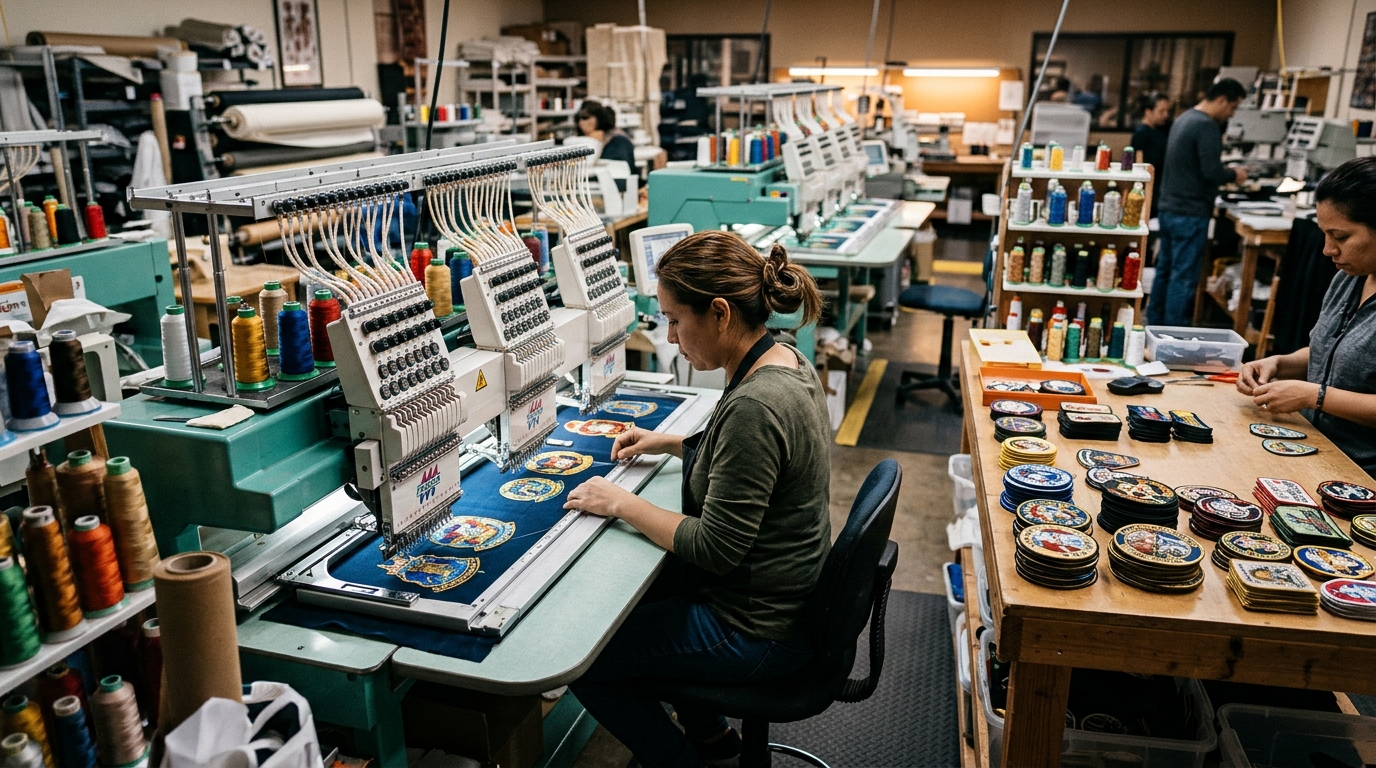
From independent fashion labels and uniform suppliers to promotional merchandise companies and large retailers, more businesses are using customized patches to strengthen their branding and expand their product offerings. As demand increases, sourcing becomes an important part of the process. Finding a supplier who understands your requirements, maintains consistent quality, and delivers orders on time can make a real difference to your business.
For companies purchasing in larger quantities, choosing the right custom patches wholesale partner is about more than getting a competitive price. It involves understanding production methods, comparing materials, managing lead times, and building a supply chain that can support future growth.
Whether you are launching your first branded collection or managing regular commercial orders, knowing what to expect from a manufacturing partner can help you make better purchasing decisions.
Why Custom Patches Are Becoming a Smart Business Choice
Custom patches are no longer limited to traditional uniforms or club jackets. They have become a versatile branding option for fashion products, accessories, workwear, promotional merchandise, and specialty retail collections.
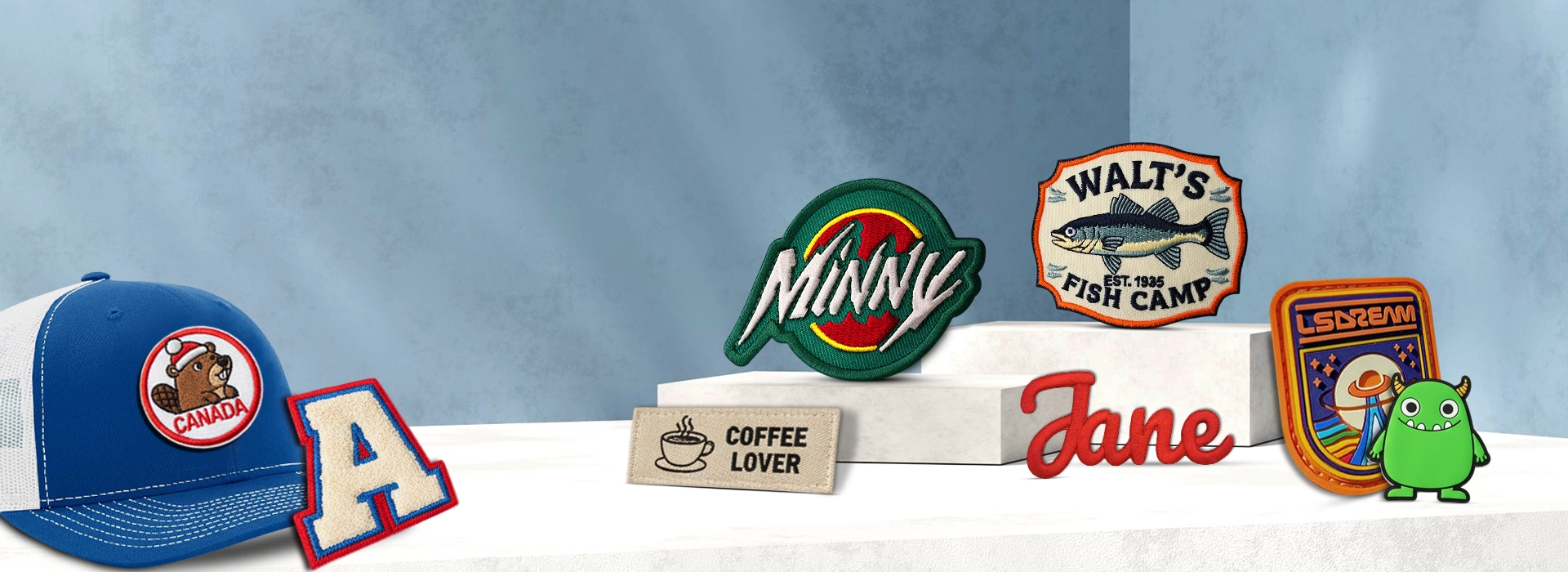
One reason businesses choose patches is their flexibility. They can be designed in different shapes, sizes, colors, and textures to suit almost any brand identity. A simple embroidered logo can create a professional appearance on workwear, while a bold woven design may complement a modern streetwear collection.
Patches can also be produced separately and attached to finished products later. Depending on the application, this can give businesses more flexibility when planning product lines or managing inventory.
For retailers and distributors, customized patches may provide an additional product category without requiring the development of an entirely new garment or accessory.
However, the final result depends on selecting the right materials and production method. Businesses should work with a supplier that understands both the visual requirements of a design and the practical conditions in which the patch will be used.
Choosing a Custom Patches Manufacturer That Understands Your Goals
Not every supplier offers the same level of production expertise. Some focus on smaller customized orders, while others specialize in large commercial runs, private-label products, or ongoing manufacturing contracts.
When evaluating a custom patches manufacturer, begin by explaining what your business needs. Share your artwork, preferred dimensions, expected order quantity, intended application, and delivery requirements.
These details help the manufacturer determine which production method is appropriate and whether your design needs any adjustments.
For example, intricate logos with small lettering may be better suited to woven construction than traditional embroidery. Designs intended for outdoor equipment may require a different material from those used on lightweight fashion garments.
It is also important to understand how the manufacturer handles sampling and quality checks. A pre-production sample gives you an opportunity to review the design before committing to the complete order.
Ask how the company checks dimensions, color consistency, backing, stitching, and finished edges. If you plan to reorder the same design, find out whether approved specifications can be retained for future production.
A supplier that takes these steps seriously can help reduce avoidable errors and make the purchasing process more predictable.
What Wholesale Buyers Should Know Before Placing an Order
Ordering in bulk can offer financial advantages, but the savings depend on the design, production requirements, and quantity ordered.
A professional bulk custom patches supplier should explain how pricing changes with order volume and which costs are included in the quotation.
Production setup, artwork preparation, materials, finishing, packaging, and shipping can all influence the final amount. Some designs require more stitching or additional manufacturing steps, which can increase production costs even when the patch dimensions remain the same.
Before approving a large order, ask for a detailed quotation rather than relying only on the advertised price per piece.
Businesses comparing custom patches bulk pricing should also consider the consequences of inconsistent quality. A cheaper order may not represent good value if patches arrive with uneven stitching, incorrect colors, or dimensions that do not match the approved sample.
It is sensible to compare at least a few suppliers using the same specifications. Request pricing for equivalent quantities, identical patch sizes, matching backing options, and the same packaging requirements.
This creates a more accurate comparison and helps you understand which supplier offers the best overall value.
Wholesale Embroidered Patches for Products That Need Character
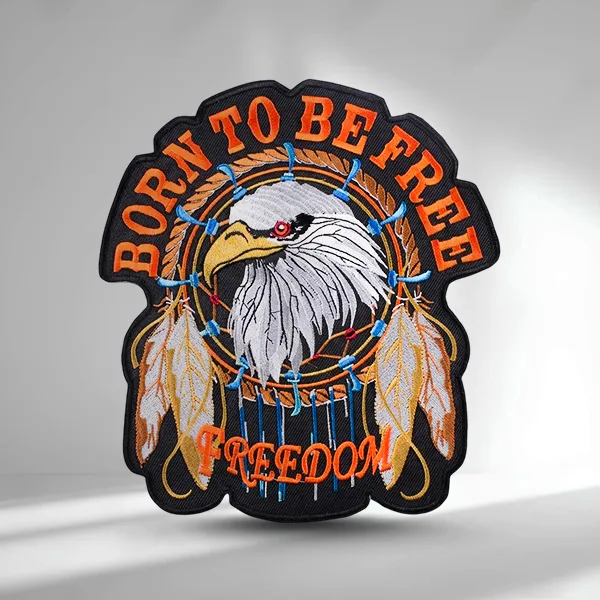
Embroidery remains a popular option for businesses that want a traditional, textured finish. The stitching creates depth and gives designs a physical quality that can be difficult to reproduce with flat printing.
Wholesale embroidered patches are commonly used on jackets, caps, uniforms, backpacks, denim products, and branded accessories.
The technique works particularly well for bold logos, lettering, symbols, and designs that benefit from visible thread texture. However, very small details and complicated gradients may need to be simplified before production.
When ordering embroidered patches, buyers should consider thread colors, embroidery coverage, border construction, patch thickness, and attachment requirements.
A merrowed border can provide a traditional raised edge, while a laser-cut or heat-cut edge may be more suitable for certain shapes and detailed designs.
Backing is another important consideration. Sew-on patches are suitable for many garments, while iron-on options may be convenient for selected applications. Hook-and-loop backing can be useful for uniforms or equipment where patches need to be removed or replaced.
A knowledgeable supplier can explain the benefits and limitations of each option based on the intended use.
Custom Logo Patches Wholesale for Consistent Branding
A logo represents more than a graphic. It communicates the identity of a business and helps customers recognize its products.
For companies ordering custom logo patches wholesale, maintaining consistency between the approved design and the finished product should be a priority.
Start with a clear artwork file and provide the correct brand colors whenever possible. Vector files are often useful because they allow the design to be resized without losing image quality.
If your logo includes very fine lines or small text, ask the manufacturer to review the artwork before production. Certain details may need adjustment to remain readable when translated into stitching or woven threads.
Size also matters. A logo that looks excellent on a large jacket patch may become difficult to read when reduced for a cap or small accessory.
Businesses should approve the dimensions and placement of each design rather than assuming one version will work for every application.
For brand merchandise, consistency across products can help create a more professional appearance. Keeping approved artwork, color references, and production specifications in one place also makes future orders easier to manage.
Custom Patches for Clothing Brands Looking to Stand Out
Fashion brands operate in a competitive market where small design decisions can influence how customers perceive a product. Custom patches offer a way to introduce recognizable details without redesigning an entire garment.
Custom patches for clothing brands can be used on denim jackets, hoodies, caps, bags, trousers, workwear-inspired collections, and streetwear accessories.
Some labels prefer subtle woven patches with minimal branding. Others choose oversized embroidery, chenille lettering, or contrasting colors to create a stronger visual statement.
The best approach depends on the brand's identity, customer expectations, and the type of products being sold.
Before ordering, consider how the patch will interact with the garment fabric. A thick embroidered patch may suit a heavy jacket but feel too rigid on a lightweight shirt. Similarly, a large patch may need additional attachment support to remain secure during regular use.
Requesting a physical sample can help you evaluate appearance, flexibility, thickness, and placement before manufacturing the full quantity.
For growing fashion labels, working with a consistent supplier can also simplify seasonal launches. Once a design and its specifications have been approved, repeat orders may require less development work.
OEM Custom Patches Manufacturer for Product Development
Businesses that want greater control over product design often work with an OEM production partner.
An OEM custom patches manufacturer produces patches according to the buyer's designs, specifications, and agreed manufacturing requirements. This arrangement can be useful for apparel manufacturers, merchandise businesses, retailers, and companies that include customized patches in their own product lines.
OEM production typically begins with a clear technical brief. The buyer supplies artwork, dimensions, materials, backing preferences, quality expectations, and estimated quantities.
The manufacturer reviews these details and identifies any production limitations before creating a sample.
Once the sample has been approved, the agreed specifications can guide the main production run. This process helps reduce misunderstandings about what the finished product should look like.
Businesses should also clarify artwork ownership, confidentiality, packaging, inspection procedures, and responsibilities for correcting defective products.
For companies developing several designs, maintaining separate specifications for each product is particularly important. A documented approval process makes it easier to introduce updates without confusing old and new versions.
Private Label Patches Manufacturer for Retail and E-Commerce
Private-label products allow businesses to sell goods under their own brand instead of marketing them under the manufacturer's name.
A private label patches manufacturer can help retailers, online stores, fashion businesses, and merchandise companies develop customized products for their target customers.
Depending on the supplier, available services may include custom designs, branded packaging, product labels, and specific finishing options. These services should be confirmed before production because not every factory offers the same level of customization.
Private labeling can be useful for businesses selling patch collections, branded accessories, collectible designs, or add-on products for clothing.
For example, an online retailer may develop a themed collection of embroidered patches and package each design under its own brand. A fashion label may offer matching patches alongside jackets and bags.
When developing a private-label range, consider product presentation as well as manufacturing quality. Packaging, labeling, and consistent sizing can all influence the customer's experience.
It is also worth planning how new designs will be introduced and how successful products will be restocked.
A reliable supplier should be able to explain minimum quantities, sample costs, production schedules, and packaging capabilities clearly.
Why Factory-Direct Sourcing Deserves a Closer Look
Buying custom patches factory direct can give businesses more direct communication with the production team and greater visibility into manufacturing requirements.
Instead of passing every technical question through several intermediaries, buyers may be able to discuss materials, artwork changes, production capacity, and sampling directly with the manufacturer.
This can be particularly helpful for businesses with specialized requirements or recurring orders.
However, factory-direct sourcing is not automatically the best choice for every company. Trading companies and sourcing partners can sometimes provide useful support with inspections, consolidation, shipping, and supplier coordination.
The important question is whether the supplier offers the services and reliability your business needs.
Before placing an order, confirm the actual production location, which processes are handled internally, and whether any work is subcontracted. Ask about quality inspections, delivery arrangements, payment terms, and procedures for resolving problems.
International buyers should also clarify shipping responsibilities and customs costs before approving the final quotation.
A transparent supplier relationship makes it easier to plan costs and delivery dates without relying on assumptions.
Custom Patches Supplier for Businesses With Different Requirements
Different industries have different priorities when purchasing customized patches. A supplier should understand those differences rather than recommending the same solution to every customer.
A custom patches supplier for businesses may work with clothing brands, uniform manufacturers, promotional merchandise companies, retailers, and distributors.
Each customer group has its own requirements.
Apparel brands may focus on appearance, material compatibility, and design flexibility. Uniform companies often prioritize durability, consistent sizing, and reliable repeat orders. Promotional businesses may need quick turnaround times and packaging suitable for specific campaigns.
Distributors and wholesalers usually pay close attention to price stability, order quantities, production capacity, and the ability to support multiple customer requirements.
Before requesting a quotation, prepare a short brief that explains your business model, intended use, quantity, preferred construction, and target delivery date.
If you expect recurring demand, mention that as well. A supplier may be able to recommend a production arrangement that works better for repeated orders than for one-time purchases.
Clear information at the beginning helps both parties establish realistic expectations and avoid unnecessary revisions.
Supporting Uniform Suppliers With Reliable Patch Production
Uniforms are often purchased in standardized quantities and need to maintain a consistent appearance over time. This makes patch quality particularly important for businesses supplying workwear, security uniforms, hospitality clothing, schools, or other professional organizations.
Custom patches for uniform companies may include corporate logos, employee identifiers, department markings, and other approved insignia.
Readability should be considered during design development. Small lettering and complicated details may become difficult to recognize when reproduced at a reduced size.
The patch's attachment method also matters. Sew-on patches may be suitable for garments that undergo frequent washing, while hook-and-loop backing may be useful where identification needs to change between users or assignments.
Buyers should discuss washing conditions, fabric compatibility, and replacement requirements with the manufacturer.
For repeat orders, it is helpful to retain approved samples, artwork files, size specifications, and color references. These records provide a clear benchmark when additional quantities are needed.
A dependable supply arrangement helps uniform companies meet customer requirements while reducing the time spent resolving inconsistencies between production batches.
Custom Patches for Promotional Products and Corporate Campaigns
Promotional products are often connected to specific events, campaigns, or launch dates. That means ordering decisions need to account for more than appearance and price.
Custom patches for promotional products can be incorporated into corporate gifts, branded apparel, event merchandise, club accessories, and marketing kits.
A patch can be distributed individually or attached to another product, depending on the campaign's purpose.
When ordering for an event, work backward from the delivery deadline. Allow time for artwork preparation, sample approval, manufacturing, shipping, and any necessary inspection after arrival.
It is risky to approve production before the final design has been reviewed, particularly when the patch contains a company logo or detailed lettering.
Packaging requirements should also be discussed early. Individually packed patches may be appropriate for retail displays or gift sets, while bulk packaging may suit large-scale promotional distributions.
The supplier should confirm realistic production and shipping estimates instead of offering a delivery promise without considering the order's complexity.
Good planning helps promotional businesses manage campaign deadlines while maintaining the quality expected by their clients.
Custom Patches Contract Manufacturing for Repeat Orders
One-time purchases and ongoing production require different approaches. When a business needs the same products throughout the year, a structured manufacturing arrangement can simplify procurement.
Custom patches contract manufacturing involves producing goods according to agreed specifications, quantities, quality requirements, and commercial terms.
This approach can suit distributors, clothing brands, uniform suppliers, and merchandise businesses with predictable or recurring demand.
A manufacturing agreement may cover production schedules, minimum order quantities, pricing conditions, sample approvals, inspection procedures, and communication responsibilities.
It should also explain how changes will be managed. If a business updates its logo, changes the backing, or introduces a new size, both parties need a reliable way to approve and document the revision.
Demand forecasts can help manufacturers plan materials and production capacity, but forecast quantities should be distinguished from confirmed purchase orders.
Businesses should also agree on how defects, late deliveries, and unexpected material changes will be handled.
The goal is to create a process that supports consistent production without making either party dependent on unclear assumptions.
How to Build a Better Wholesale Sourcing Strategy
Finding a suitable supplier is only the first step. A well-organized purchasing process can make future orders easier, faster, and more consistent.
Begin by documenting the specifications for every patch design. Include dimensions, materials, colors, backing, border style, packaging, and the approved artwork version.
Next, request samples before committing to a large production run. Review the finished product under normal lighting and, where appropriate, test it on the intended garment or accessory.
Compare supplier quotations using equivalent requirements. Check whether pricing includes setup, packaging, shipping, and other relevant costs.
Keep communication records and confirm important production decisions in writing. This is especially useful when several people in your organization are involved in approving designs or managing purchases.
For larger orders, agree on inspection expectations before production begins. If you require photographs, sample checks, or third-party inspections, clarify the process and any associated costs in advance.
Finally, evaluate supplier performance over time. Track product quality, communication, delivery reliability, and how effectively issues are resolved.
These practical steps help turn purchasing from a series of separate transactions into a more reliable business process.
Conclusion
Choosing the right custom patch supplier can influence product quality, purchasing costs, customer satisfaction, and the ability to grow your business.
From wholesale embroidered patches and custom logo designs to OEM manufacturing, private-label collections, and recurring production contracts, every sourcing decision should reflect your actual business requirements.
Rather than choosing a supplier based on price alone, review samples, compare complete quotations, confirm production capabilities, and establish clear specifications before placing a bulk order.
A reliable manufacturing partner should understand your goals, communicate honestly, and deliver products that meet agreed expectations.
With careful planning and a well-managed supplier relationship, businesses can create customized patches that strengthen their brand identity while supporting efficient, consistent, and sustainable growth.
Discussion & Feedback 0
Write a CommentNo comments yet
Have a question or feedback regarding this topic? Be the first to share your thoughts below!
Leave a Reply
Your email address will not be published. Required fields are marked *