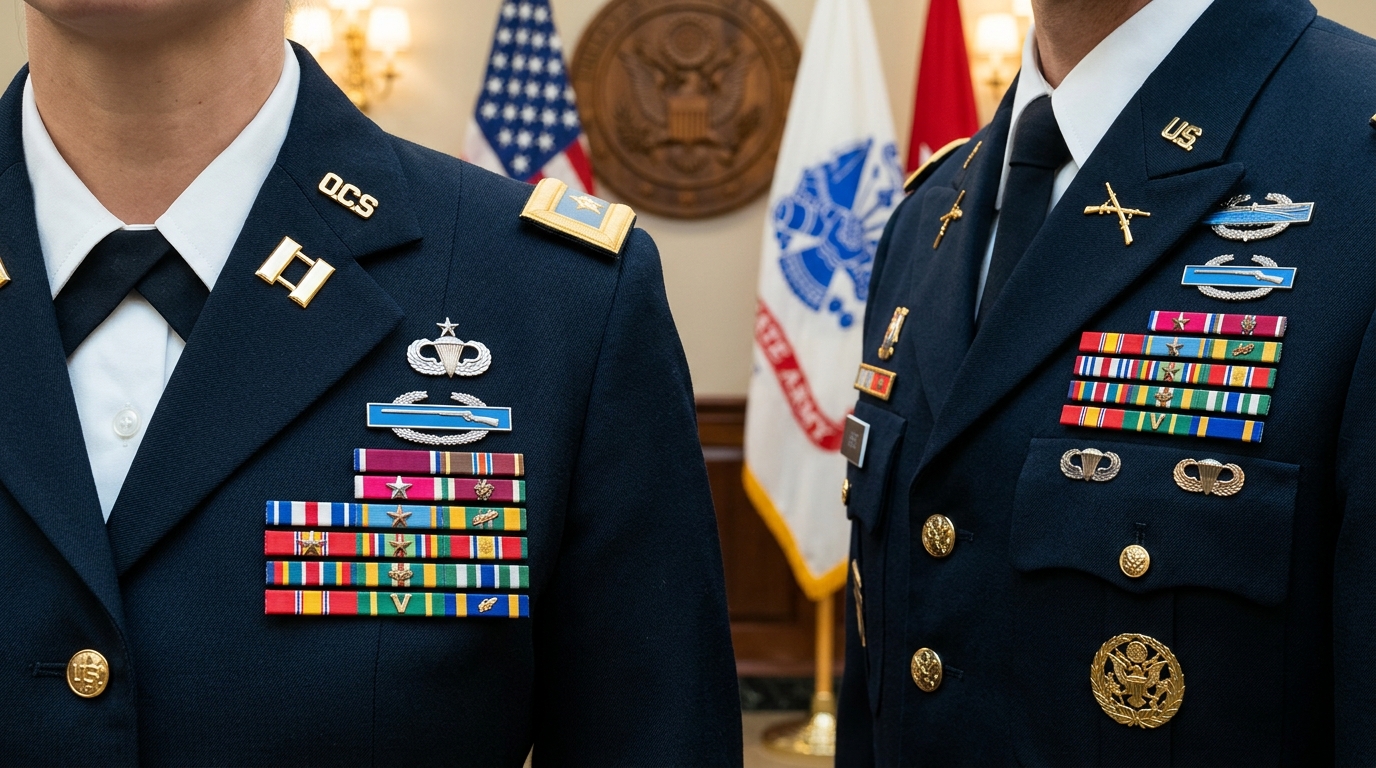
A soldier's uniform is more than a standard set of clothing. Every detail has a purpose, from the fabric and fit to the insignia, name tapes, unit emblems, and military patches attached to different parts of the garment. These details help identify personnel, represent military affiliations, and maintain a consistent appearance within a unit. The placement of each patch is particularly important because it affects how a uniform looks and how clearly its identifying information can be recognized.
Authentic military uniform placement follows specific guidelines rather than personal preference. Different branches, units, uniforms, and operational environments may have their own requirements for positioning insignia and identification patches. A shoulder patch, name tape, flag patch, or unit emblem should be placed according to the applicable uniform regulations. Even a small difference in placement can change the overall appearance of a uniform.
For military organizations, uniform suppliers, authorized manufacturers, and collectors, understanding patch placement helps create products that look accurate and professionally finished. Custom military patches also make it possible to reproduce approved designs with the correct dimensions, colors, materials, and borders.
Whether the requirement involves embroidered insignia, name patches, flag patches, or hook-and-loop military patches, proper planning is essential. The goal is to maintain an organized appearance while respecting the traditions and regulations associated with military uniforms.
Why Authentic Military Uniform Placement Matters
Military uniforms represent discipline, organization, and a shared identity. Each visible element contributes to the overall appearance of the uniform, and patches play an important role in that presentation.
Correct placement helps distinguish different types of insignia and makes identification easier. For example, a name tape serves a different purpose from a unit patch or a national flag emblem. Positioning these elements consistently helps maintain a professional appearance.
Authentic placement is also important for organizations that produce or purchase custom military patches. A patch may have excellent stitching and accurate colors, but if its dimensions or position are incorrect, the finished uniform may not meet the intended standard.
For authorized military personnel, following the official uniform guidance of their branch or unit is essential. Uniform requirements can change, and placement rules may differ between combat uniforms, dress uniforms, training clothing, and specialized garments.
Manufacturers should therefore work from approved references rather than assuming that every military uniform follows the same arrangement.
Understanding the Main Parts of a Soldier's Uniform
A soldier's uniform contains several components that work together to create a recognizable and functional appearance. Although designs vary between military branches and countries, many uniforms include similar identification elements.
Name Tape
A name tape displays the service member's name or approved identification information. It is usually a rectangular fabric patch designed to fit a designated area of the uniform.
Name tapes are commonly produced using embroidered or woven materials. Clear lettering is important because the information should remain readable at the intended size.
The exact position and format depend on the applicable uniform regulations. Some uniforms use removable name tapes, while others feature permanently attached identification.
Unit Insignia
Unit insignia represent a military organization, formation, or other approved group. They may include distinctive symbols, numbers, lettering, or heraldic designs.
These patches often carry historical and organizational significance. Their appearance should match the officially approved artwork, including the correct colors and proportions.
Unit insignia may be embroidered, woven, or produced using other approved materials, depending on the uniform and its intended use.
National Flag Patch
A national flag patch represents a country's identity. It may appear on certain military uniforms, particularly those designed for operational or field use.
Flag patches need accurate proportions, recognizable colors, and correct orientation according to the applicable uniform policy.
Manufacturers should pay attention to these details when reproducing flag designs. Even minor differences in color or arrangement can affect the accuracy of the finished patch.
Rank Insignia
Rank insignia identify a service member's position within the military hierarchy. Their design and placement differ considerably between countries, branches, and uniform types.
Rank may be represented through embroidered symbols, metal insignia, shoulder boards, sleeve markings, or other approved formats.
Because rank identification is regulated, reproductions should follow the official specifications and should only be used by authorized individuals or organizations.
Qualification and Specialty Badges
Some uniforms include qualification badges or specialty insignia. These may recognize approved training, professional qualifications, or particular military roles.
The design, number, and placement of these badges depend on the relevant regulations. They should not be treated as interchangeable decorative patches.
For manufacturers, accurate artwork and clear production specifications are especially important when creating these items.
Shoulder Patch Placement on Military Uniforms
Shoulder patches are among the most recognizable elements of many military uniforms. They can display unit insignia, organizational emblems, or other approved identification.
The shoulder provides a visible area for insignia, but the exact placement depends on the uniform design and official regulations. Some garments include dedicated patch panels, while others use designated stitched areas.
Custom shoulder patches are commonly produced in shield, circular, rectangular, and other approved shapes. Their dimensions should be selected according to the intended uniform rather than based only on the artwork.
Embroidered patches are a traditional option because they create a textured finish with clearly defined stitching. Woven patches may be suitable for detailed artwork, while PVC options are used on certain tactical-style garments when permitted.
When producing shoulder patches, manufacturers should confirm the approved design, finished dimensions, border style, and attachment method before beginning production.
Consistency is particularly important when patches are ordered for an entire unit or organization. Every patch should follow the same approved specifications.
Chest Patch Placement and Identification
The chest area is another important location for military uniform identification. Depending on the uniform, it may contain name tapes, service identification, organizational labels, or other approved insignia.
Chest placement should follow the relevant uniform instructions. The available space, garment construction, and type of identification all influence the final arrangement.
Name tapes are generally designed with a simple rectangular layout. Their lettering should be clear, evenly spaced, and appropriate for the specified dimensions.
Some uniforms also include additional chest insignia. These should be positioned according to the applicable regulations rather than added wherever space is available.
For custom production, it is useful to provide the manufacturer with a photograph or approved placement reference. This helps ensure that the patches are produced in suitable dimensions and that their appearance matches the intended garment.
Sleeve Insignia and Their Purpose
Sleeve insignia can communicate organizational identity, service history, or other approved information. Their appearance varies depending on the uniform and the military organization.
Some sleeve patches feature unit emblems, while others represent specific formations or authorized assignments. They may also include historical designs that carry significance for a particular organization.
The position of sleeve insignia is not universal. Requirements can differ between left and right sleeves, uniform types, and military branches.
When creating custom sleeve patches, the approved artwork should be followed carefully. Colors, proportions, lettering, and border finishing all contribute to the accuracy of the final product.
A well-made sleeve patch should fit the designated area without interfering with the garment's construction or other uniform components.
Military Flag Patches and Correct Orientation
Flag patches are recognizable symbols of national identity. Their appearance on military uniforms may follow specific orientation and display requirements.
A flag patch should reproduce the correct colors, proportions, and design elements of the national flag. Some uniform systems also specify the direction in which the flag should face.
These requirements should always be checked against the official uniform guidance. A manufacturer should not assume that one orientation is suitable for every branch or garment.
Custom embroidered flag patches are a popular option because thread colors can reproduce recognizable flag details. Woven materials can also be useful when the design requires a smooth finish or fine detail.
Before production, customers should provide the approved flag artwork and confirm the intended size and application.
Different Uniform Types and Patch Placement
Not all military uniforms use the same patch arrangement. Operational clothing, dress uniforms, training garments, and specialized uniforms may follow different requirements.
Combat Uniforms
Combat uniforms are designed for operational use and practical performance. Depending on the organization, they may include removable insignia, name tapes, national identification, and designated unit patches.
Many modern combat garments feature hook-and-loop panels. These allow compatible patches to be attached and removed without permanent stitching.
The location and permitted insignia depend on the applicable regulations. A patch arrangement suitable for one military organization may not be appropriate for another.
Dress Uniforms
Dress uniforms are designed for formal military occasions, ceremonies, official functions, and other designated events.
Their insignia arrangements may be more detailed than those of operational uniforms. They can include metal badges, embroidered elements, shoulder boards, ribbons, and other authorized decorations.
Because dress uniforms often have strict presentation requirements, placement and spacing should be checked carefully.
Custom embroidered patches may be used for certain dress uniform components, but the material and design must match the official specifications.
Training Uniforms
Training uniforms are worn during instruction, exercises, and other organized activities. Their identification requirements vary depending on the military institution and training program.
Some training clothing includes name identification and approved organizational patches. Others may use simplified insignia arrangements.
Manufacturers should confirm the intended uniform type before producing custom patches for training purposes.
Specialized Uniforms
Certain military roles use specialized clothing designed for particular working environments. These may include aviation garments, cold-weather clothing, protective equipment, or other specialized uniforms.
Patch placement can differ because of garment construction, safety considerations, and operational requirements.
The manufacturer should always follow the approved specifications for the specific garment.
Choosing the Right Material for Military Uniform Patches
Material selection has a direct effect on the appearance and construction of a military patch. Different manufacturing methods produce different textures and levels of detail.
Embroidered Military Patches
Embroidered patches are made by stitching colored threads onto a fabric base. They have a traditional appearance and are widely used for organizational emblems, flags, and other insignia.
Their raised stitching creates texture and gives designs a distinctive finish.
Embroidery works particularly well for artwork with clear shapes, bold lettering, and recognizable symbols. However, very small text or extremely fine lines may need adjustment before production.
Woven Military Patches
Woven patches are produced by weaving threads together to create the design. This method allows finer details and smaller lettering than some traditional embroidery applications.
Their surface is flatter and smoother, which can make them suitable for insignia containing intricate artwork.
Woven patches are a useful option when design clarity is a priority.
PVC Military Patches
PVC patches are made from flexible molded material. They offer a modern appearance with raised and recessed design elements.
They are commonly associated with tactical-style clothing and equipment, although their use on official uniforms depends on the applicable regulations.
PVC allows manufacturers to create bold shapes and clearly separated design sections.
Leather Military Patches
Leather patches are generally selected for specialized apparel, jackets, caps, and military-inspired accessories.
They offer a different appearance from embroidered or woven fabric and can be customized with various shapes and engraved or embossed designs.
Their suitability for an official military uniform depends on the uniform policy.
The Importance of Accurate Patch Dimensions
Patch dimensions influence both appearance and functionality. A patch that is too large may not fit the designated uniform area, while a patch that is too small can make its details difficult to recognize.
The correct dimensions should be taken from the applicable uniform specifications.
For manufacturers, it is important to distinguish between the overall patch size and the actual artwork area. Borders, stitching margins, and finishing details can affect the usable space.
For embroidered patches, the design should be prepared with the final dimensions in mind. Text and small symbols need sufficient space to remain clear.
Woven patches may allow more intricate designs, but they still have practical limitations. PVC patches also require suitable spacing between raised elements.
Before approving a production order, customers should review the final dimensions and compare them with the approved uniform reference.
Custom Military Patches with Hook-and-Loop Backing
Hook-and-loop backing is commonly used on uniforms and equipment designed with compatible attachment panels. It allows patches to be removed and replaced when necessary.
This option is particularly useful for organizations that use interchangeable identification on authorized clothing.
The patch can be manufactured using embroidery, woven fabric, or PVC, with the hook component attached to the reverse side.
One important consideration is the size of the existing loop panel. The patch should match the available area to ensure a proper fit.
Hook-and-loop backing also makes replacement easier if a patch becomes damaged or an approved design changes.
However, removable patches should still follow the organization's uniform policy. The ability to change a patch does not mean that every design is appropriate for official use.
How to Maintain an Authentic Appearance
Authentic military uniform presentation depends on more than placing patches in approximately the right areas. The design, material, colors, dimensions, and spacing should all match the relevant specifications.
Using approved artwork is the first step. Unit emblems, national flags, rank insignia, and other official symbols should be reproduced accurately and only where authorized.
The second consideration is consistency. Patches produced for the same approved uniform should match in size, shape, and color.
The third consideration is garment compatibility. A patch should suit the material and construction of the uniform. An unsuitable backing or finishing method may affect the appearance and durability of the garment.
It is also important to avoid unnecessary additions. Adding extra decorative patches to an official uniform may conflict with uniform regulations.
For collectors and military-inspired clothing, there may be greater creative freedom, but designs should not falsely imply official service, rank, or affiliation.
How to Order Custom Military Uniform Patches
Ordering custom military uniform patches requires clear specifications and accurate artwork. A professional manufacturer can help turn an approved design into a finished product that matches the intended requirements.
The process generally starts with the artwork. Customers can provide a digital design, existing logo, or approved reference image.
The manufacturer then reviews the design and recommends a suitable production method. Embroidery, weaving, and PVC molding each have different capabilities.
After selecting the material, the customer confirms the dimensions, colors, border style, and backing.
A final artwork review is important before production. This allows the customer to check the spelling, design proportions, and other details.
Once the specifications are approved, manufacturing can begin. Finished patches should be checked for design accuracy, clean edges, consistent colors, and suitable backing.
For larger orders, it is useful to organize different patch designs separately. This helps prevent confusion between name tapes, unit insignia, flags, and other uniform components.
Custom Military Patches Wholesale
Organizations and authorized uniform suppliers may need military patches in larger quantities. Custom military patches wholesale production makes it possible to coordinate multiple matching patches within a single order.
Bulk manufacturing is useful when an organization needs to supply uniforms to several employees or replace existing patches across a unit.
Consistency is one of the main advantages. Producing patches according to the same approved artwork and specifications helps maintain uniformity throughout the order.
Customers should provide the required quantities, design files, material preferences, dimensions, and backing details before production.
It is also helpful to separate different patch styles into clearly identified groups. For example, name tapes, shoulder insignia, and flag patches should have their own approved specifications.
This makes the production process easier to manage and reduces the possibility of mixing designs.
Finding a Reliable Military Patch Manufacturer
A reliable military patch manufacturer should understand the differences between embroidery, weaving, PVC molding, and other production techniques.
Experience with uniform-related products is valuable because military insignia often require accurate dimensions, colors, and finishing.
Design preparation is another important part of the process. The manufacturer should be able to identify artwork that may need adjustments before production.
Customers should also consider the quality of materials and backing. A well-made patch should have clean edges, consistent stitching or molding, and a finish suitable for its intended application.
Communication matters as well. The manufacturer should understand the specifications and provide clear information about the production process.
For official insignia, authorization should be confirmed before manufacturing. Reproducing restricted emblems, rank markings, or unit symbols without permission may violate applicable rules.
Common Mistakes in Military Patch Placement
One common mistake is assuming that every military branch uses the same patch arrangement. Uniform standards can vary significantly between organizations and countries.
Another mistake is using an outdated placement reference. Uniform policies can change, so current official guidance should be consulted before preparing an order.
Incorrect dimensions can also affect the appearance. A patch may look suitable in a digital design but fail to fit the actual uniform panel.
Choosing an unsuitable material is another issue. Some designs require detailed woven artwork, while others are better suited to traditional embroidery.
Color inconsistencies can make a uniform look less professional. This is particularly important when producing patches that must match existing insignia.
Finally, using unauthorized symbols or rank insignia can create confusion about a person's actual affiliation or position.
These problems can be avoided by working with approved references, confirming the uniform type, and reviewing the artwork before production.
Custom Military Patches for Collectors
Military patches are also popular among collectors because they represent organizational history, service traditions, and distinctive designs.
Collectors may look for embroidered unit insignia, historical-style emblems, flag patches, and commemorative designs.
Custom production allows collectors to create original pieces inspired by military aesthetics without misrepresenting them as official insignia.
A collector's patch can be designed for display boards, jackets, bags, or personal collections.
Material selection depends on the desired appearance. Embroidery provides a traditional military-style texture, woven fabric supports finer details, and PVC offers a modern molded finish.
When reproducing historical designs, it is important to distinguish authorized reproductions from original or officially issued items.
Conclusion
The soldier's uniform is carefully designed to represent identity, discipline, and organizational standards. Every patch, name tape, flag, and insignia contributes to its overall appearance. Authentic placement is important because these elements are not simply decorative additions; they communicate specific information and follow established uniform requirements.
Choosing the right custom military patches requires attention to approved artwork, accurate dimensions, suitable materials, and proper finishing. Embroidered patches provide a traditional appearance, woven patches support fine details, and PVC patches offer a modern option for certain tactical applications.
For military organizations, authorized suppliers, and manufacturers, consistency is essential. Every patch should match the approved specifications and suit the garment for which it is intended.
Most importantly, official military uniform placement should always be checked against current branch-specific regulations. By combining accurate references with quality manufacturing, organizations can produce military patches that maintain a clean, professional, and authentic appearance while respecting the traditions and requirements behind the uniform.

Discussion & Feedback 0
Write a CommentNo comments yet
Have a question or feedback regarding this topic? Be the first to share your thoughts below!
Leave a Reply
Your email address will not be published. Required fields are marked *