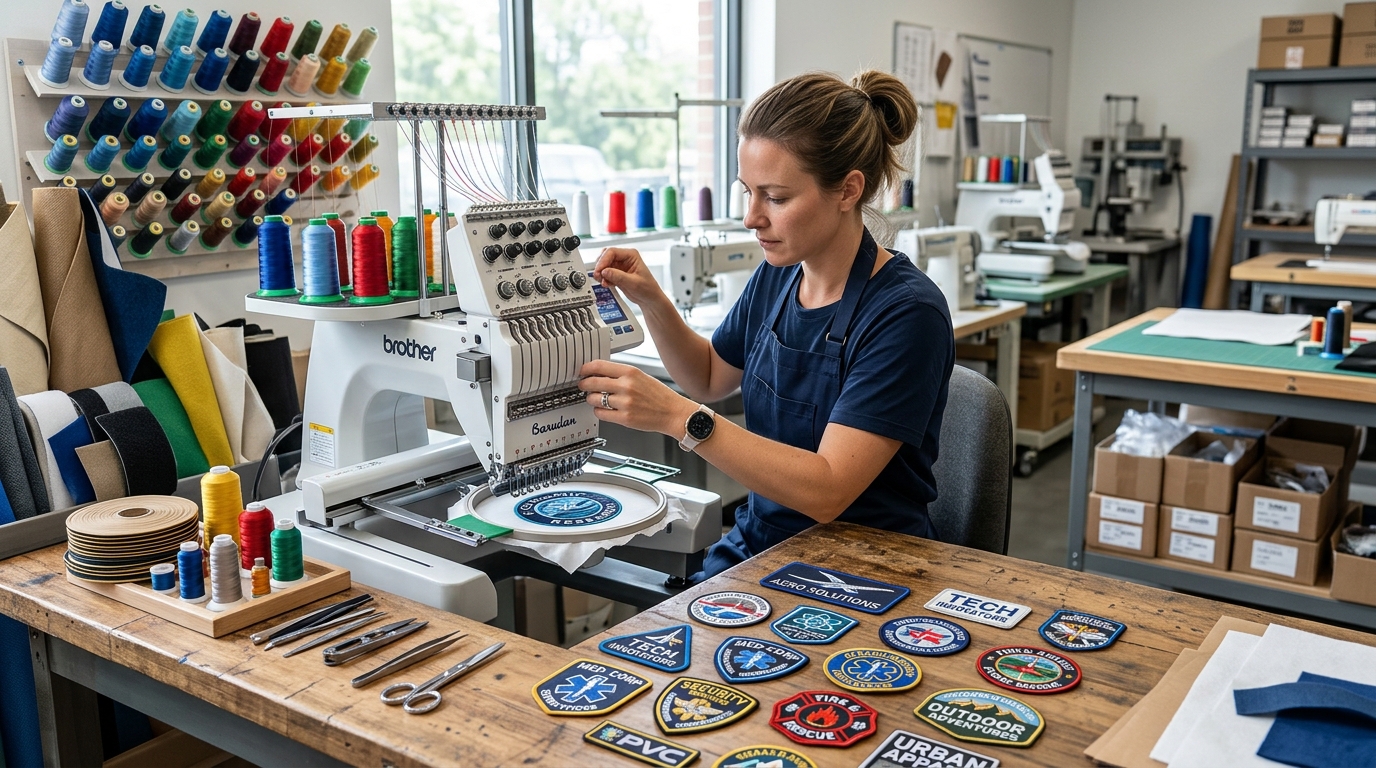
Custom patches have developed into an important product for fashion, branding, uniforms, promotional merchandise, and personal expression. What was once mainly used for military uniforms, sports teams, and traditional clothing has become a popular customization option for businesses, designers, organizations, and individuals. Today, patches are available in countless styles and can be created to represent almost any idea, logo, illustration, or message.
Their popularity comes from their ability to combine visual appeal with practical functionality. A patch can improve the appearance of a jacket, identify a team member, promote a business, or give an ordinary accessory a distinctive personality. Unlike many temporary promotional materials, patches can remain attached to clothing and accessories for extended periods, allowing a design to continue representing its message.
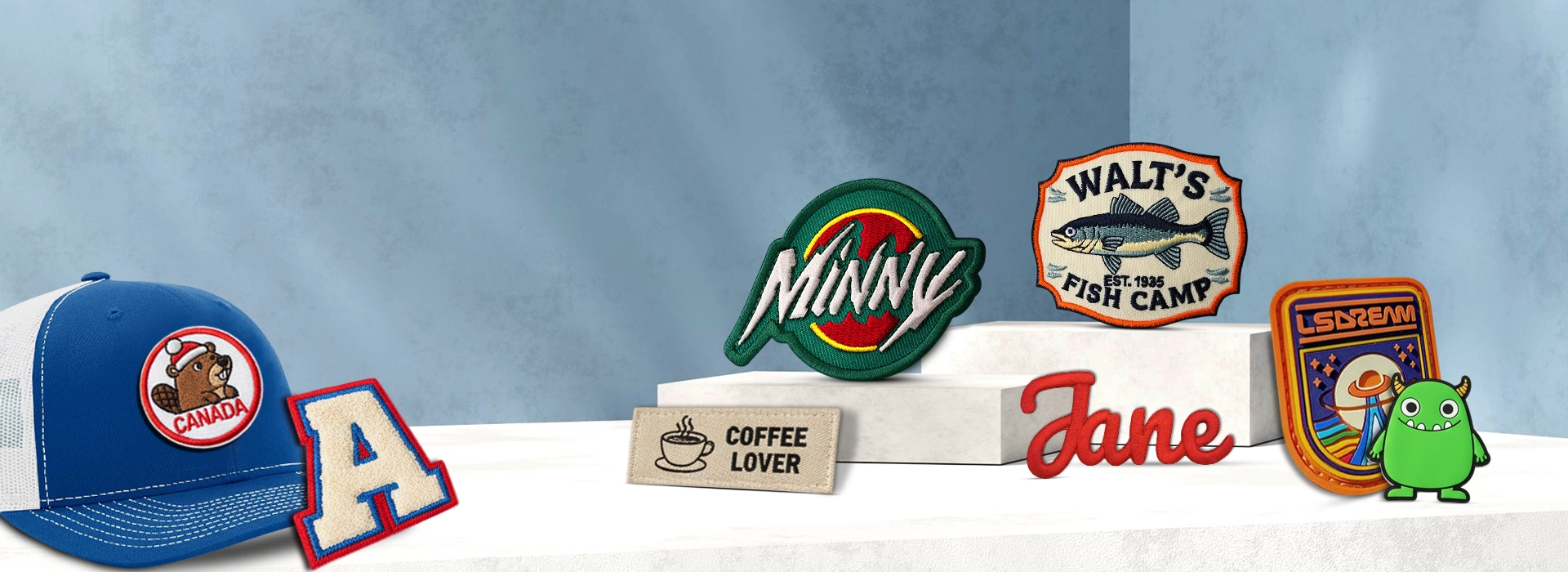
Modern customers also have more flexibility than ever before. They can select embroidered, woven, printed, PVC, leather, and other patch styles. They can choose custom shapes, different backing options, specific dimensions, and a wide range of colors. This makes it possible to create products for small personal projects as well as professional commercial applications.
Finding the right supplier is an important part of getting the desired result. Customers need a manufacturer that understands their artwork, provides suitable production recommendations, maintains consistent quality, and explains pricing clearly. Whether you need a limited quantity or a large commercial shipment, understanding the customization process can help you avoid common ordering problems.
The Versatility of Custom Patches Across Different Industries
One of the strongest advantages of custom patches is their ability to serve different industries. Their appearance and construction can be adjusted according to the product, environment, and purpose.
In the fashion industry, patches are frequently used to add branding details to jackets, sweatshirts, jeans, caps, and bags. Clothing designers can use them to create recognizable collections and give their products a unique visual identity. A small logo patch can become an important part of a brand's overall style.
Businesses use patches to create professional uniforms. Employees working in retail, hospitality, construction, transportation, and customer service can wear garments displaying company logos or department names. This creates a consistent appearance and makes it easier for customers to identify staff members.
Educational institutions and sports organizations also use patches to represent teams, schools, clubs, and achievements. They can be attached to uniforms, jackets, backpacks, and other accessories.
Promotional agencies use customized patches for campaigns, exhibitions, product launches, and special events. They provide an alternative to ordinary promotional items because recipients can continue using them on personal belongings.
Individuals also appreciate patches for their creative value. They can represent hobbies, personal interests, favorite designs, travel memories, or original artwork. With different production methods available, customers can turn almost any suitable concept into a personalized accessory.
Choose the Best Material and Production Style for Your Patch
Before placing an order, customers should understand the main differences between patch materials and manufacturing methods. The correct selection depends on the complexity of the artwork, desired texture, application, and budget.
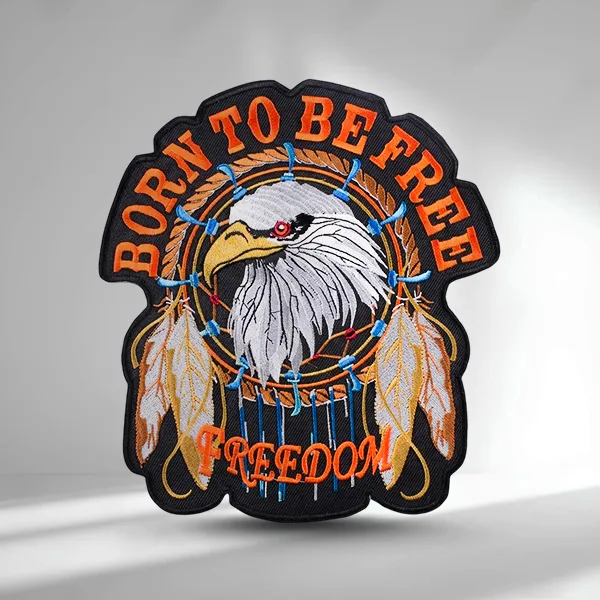
Embroidered patches are a classic option. They are made by stitching colored threads onto a fabric base. The stitching creates a raised texture that gives logos and symbols a traditional appearance. This style is widely used for uniforms, jackets, hats, and branded clothing.
Woven patches offer a smoother surface and allow finer details. Their construction uses thinner threads, which can make small lettering and intricate lines easier to reproduce. They are suitable for designs where precision and a clean finish are important.
Printed patches are useful for artwork that includes photographs, gradients, detailed illustrations, or many colors. Instead of relying on stitched threads to reproduce the image, the design is printed onto the selected surface.
PVC patches are manufactured from flexible material and can feature raised or recessed details. Their modern appearance makes them popular for outdoor products, bags, uniforms, and accessories.
Leather patches provide a premium look that works particularly well with denim, caps, jackets, and lifestyle products. Depending on the manufacturing process, designs can be engraved, embossed, or printed onto the material.
Each option has different visual and practical characteristics. Discussing the intended use with a professional supplier can help you select a style that matches your expectations.
Buy Custom Patches for Personalization and Professional Branding
When customers buy custom patches, they usually have a particular purpose in mind. Some want to customize their clothing, while others need branded merchandise, uniform accessories, or products for resale.
The first step is to define the purpose of the patch. A design intended for a business uniform may need a clear logo and readable lettering. A fashion patch may focus more on artistic appearance, colors, and placement. A commemorative patch may include a date, event name, or special illustration.
Once the purpose is clear, prepare the artwork. High-quality artwork makes it easier for the manufacturer to understand the design and prepare it for production. Vector files are often preferred because they can be resized without losing quality. However, many suppliers can also work with high-resolution image files.
The dimensions should be selected according to the area where the patch will be attached. A small cap design requires a different layout from a large back patch. The shape should also complement the artwork rather than making the design look crowded.
Customers should consider the backing before ordering. Sew-on backing is suitable for permanent attachment. Iron-on backing provides a convenient option for compatible fabrics. Hook-and-loop backing is useful when the patch needs to be removed or replaced.
A good purchasing decision considers the complete product rather than focusing only on the appearance of the artwork.
Buy Custom Patches Online and Simplify Your Ordering Experience
Online ordering provides an accessible way to purchase personalized patches from suppliers that offer different manufacturing capabilities. Customers can share artwork, discuss specifications, compare options, and receive quotations without needing to visit a production facility.
When you buy custom patches online, provide the supplier with clear instructions. Explain the design, preferred dimensions, production style, quantity, backing, and intended application.
If you have a logo or illustration, upload the best available version. If you do not have production-ready artwork, ask whether the supplier can assist with preparing the design.
A digital proof is another important part of the process. It allows you to review the proposed layout before manufacturing starts. Check the spelling, colors, proportions, dimensions, and placement of every element.
It is also important to understand the supplier's delivery arrangements. Ask about estimated production time, shipping charges, packaging, and payment requirements. If you have a specific deadline, communicate it before confirming the order.
Online purchasing can be particularly helpful when your preferred patch style is not available from local suppliers. It also gives you the opportunity to compare different production options and find a service that matches your project.
Work With a Skilled Custom Patch Maker for Better Results
A professional custom patch maker helps turn an initial concept into a product that can be manufactured successfully. This requires an understanding of design, materials, production techniques, and finishing details.
Some artwork needs adjustments before production. Very small text may become difficult to read, thin lines may not reproduce properly, and complicated shapes may require a different manufacturing approach.
An experienced supplier can identify these issues before the order enters production. For example, a detailed logo may be more suitable for woven or printed construction than traditional embroidery. A design that needs a raised appearance may work better with embroidered or PVC production.
The supplier should also help customers understand the available backing and border options. These details influence how the finished patch looks and how it can be attached to the intended product.
Clear communication is important throughout the project. Customers should receive information about artwork preparation, approval, production, inspection, and delivery.
A reliable patch maker does not simply accept an order. The supplier should help customers make informed decisions that support the appearance and function of the finished product.
Select a Dependable Custom Patch Manufacturer for Consistent Quality
The quality of a patch depends heavily on its manufacturing process. Choosing an experienced custom patch manufacturer can help ensure that the product is produced according to the approved design and specifications.
Manufacturing generally begins with artwork review. The design is checked for clarity, size, color requirements, and compatibility with the selected production technique. Any necessary adjustments should be discussed before approval.
Materials are then selected according to the patch style. Embroidered patches require suitable fabric and threads, while woven designs use finer thread structures. PVC patches require appropriate flexible materials, and leather patches need a suitable base material.
Production follows the approved specifications. The method depends on the type of patch being manufactured. After production, each patch may go through trimming, edge finishing, backing application, and inspection.
Quality control is particularly important for commercial orders. Customers expect patches within the same batch to maintain consistent dimensions, colors, shapes, and finishing. A manufacturer should have a process for identifying visible defects before products are packed.
When selecting a production partner, ask about its experience, available patch styles, quality procedures, and ability to handle your required quantity. Reviewing previous work can also help you evaluate the manufacturer's capabilities.
Make Your Brand More Recognizable With Custom Patches With Logo Designs
A company logo is a visual representation of its identity. Using custom patches with logo artwork makes it possible to display that identity on clothing and accessories in a professional and attractive way.
Businesses can use logo patches on employee uniforms, work jackets, promotional shirts, caps, and bags. This helps create a coordinated appearance across different departments and locations.
Clothing brands can use patches as a signature detail within their collections. A small embroidered logo on a sweatshirt or a woven label-style patch on a jacket can make the product more recognizable.
Sports teams can display their symbols and sponsor artwork on uniforms, training apparel, and merchandise. Schools and organizations can also use patches to represent membership, achievements, and institutional identity.
For successful logo production, the artwork should be clear and appropriately sized. Small text and complicated details may need simplification. Color contrast should also be considered so that the design remains easy to recognize.
It is useful to provide the supplier with an approved brand logo file and any specific color references. This can help maintain a consistent appearance across future orders.
Expand Your Business With Custom Patches Wholesale Supply
Businesses that sell customized apparel and accessories often require a consistent supply of patches. Custom patches wholesale orders are useful for retailers, clothing manufacturers, promotional companies, and merchandise distributors.
Wholesale production allows customers to purchase larger quantities for resale or ongoing business requirements. It can also make inventory planning easier because companies can organize production according to expected demand.
Before placing a wholesale order, finalize the artwork and product specifications. Confirm the patch dimensions, material, shape, backing, colors, and total quantity.
If the order contains multiple designs, provide separate artwork files and clearly identify the required quantity for each design. This reduces the possibility of confusion during manufacturing and packing.
Packaging should also be discussed. Retailers may need individual packaging, while clothing manufacturers may prefer patches grouped according to product type or production batch.
Wholesale pricing depends on several factors, including the order quantity, material, production method, and design complexity. Larger orders may offer a lower average cost per patch, but customers should compare complete quotations before making a decision.
Organize Custom Patches Bulk Orders for Commercial Projects
Large orders require detailed planning because even a small mistake can affect many finished products. Custom patches bulk production is suitable for organizations and businesses that need substantial quantities for uniforms, clothing collections, promotional campaigns, or distribution programs.
The first priority is artwork approval. Make sure every design is complete and checked before production begins. Review the colors, spelling, dimensions, shape, and placement of all design elements.
Next, establish the exact quantities. If patches are being produced for different departments, locations, or teams, organize the order information clearly.
It is also important to discuss the manufacturing schedule. Large orders may require more production time, especially when several designs or specialized materials are involved. Providing a realistic delivery deadline helps the manufacturer plan the work.
A sample or approved digital proof can be useful as a reference for the finished batch. Customers should understand the expected quality and construction before the full quantity is manufactured.
Finally, consider how the finished patches will be packed and distributed. Organized packaging can simplify stock management and help ensure that the correct products reach the correct destinations.
Custom Patches No Minimum for Startups, Artists, and Individual Customers
Not every project requires a large production run. Startups, independent designers, artists, and individual customers may only need a few pieces to begin with.
Custom patches no minimum options can provide flexibility for people who want personalized products without purchasing hundreds of units. This can be useful for limited-edition merchandise, small clothing collections, personal gifts, and creative experiments.
A new clothing brand may want to test a patch design before using it across a complete collection. An artist may need a small quantity for an exhibition or online store. A local club may only need enough patches for its current members.
Small orders can also help customers compare materials and production styles. They can evaluate the appearance of embroidery, weaving, printing, or PVC before making a larger commitment.
However, some suppliers have setup costs that affect small quantities. Customers should ask about minimum production requirements and any preparation charges before confirming an order.
Flexible small-order services can make customization more accessible and allow projects to grow gradually.
Find Custom Patches Near Me and Compare Local Production Services
Searching for custom patches near me can help customers identify nearby suppliers and manufacturers. Local services may offer convenient communication, direct consultations, and easier discussions about artwork or samples.
A nearby supplier can be useful when customers want to inspect material options or discuss a project face to face. Local communication may also make certain delivery arrangements easier.
However, choosing a manufacturer based only on location can lead to unnecessary compromises. Product quality, production experience, available materials, and customer service should also influence the decision.
Ask the supplier whether it can manufacture your selected patch style. Review examples of previous work and check the quality of the borders, stitching, printing, and finishing.
If local options are limited, online suppliers can provide an alternative. Many manufacturers accept digital orders and ship completed products to different cities and regions.
The goal should be to find a supplier that understands your requirements and can deliver the desired quality at a reasonable cost.
Understand the Factors That Influence Custom Patch Pricing
Custom patch pricing varies because every project has different specifications. The final quotation usually depends on the dimensions, production method, materials, quantity, design complexity, backing, and finishing requirements.
Size is one of the main considerations. Larger patches generally require more material and production work. Special shapes may also involve additional cutting and finishing.
The design itself can influence cost. Simple artwork may require less preparation than a detailed illustration containing many small elements. The selected production method also affects the overall price because embroidery, weaving, printing, PVC molding, and leather finishing use different processes.
Quantity can have a significant impact. A large production run may reduce the average cost per patch because setup expenses are distributed across more units. Smaller orders may have a higher price per piece.
Backing options and special features can add to the total. Hook-and-loop backing, custom borders, metallic threads, special materials, and packaging requirements may affect the quotation.
When comparing prices, make sure that suppliers are quoting for the same specifications. A lower price does not necessarily mean that the product includes the same materials or finishing quality.
A transparent quotation should explain the product details and identify any additional costs.
Request Custom Patches Free Quote Before Starting Production
A custom patches free quote helps customers understand the estimated cost of their project before making a purchase decision.
To receive an accurate quotation, provide the supplier with your artwork, preferred dimensions, quantity, production style, backing option, and delivery location.
If you are unsure about the best patch style, describe the appearance and purpose of the finished product. The supplier can then recommend suitable materials and manufacturing methods.
You should also ask whether artwork preparation and digital proofing are included in the quotation. Confirm the estimated production time, shipping charges, and any minimum quantity requirements.
For commercial orders, requesting prices for different quantities can be helpful. You may find that a slightly larger order offers a better average price, although the final decision should depend on your actual demand and available budget.
A complete quotation gives you a clearer understanding of the project and makes it easier to compare suppliers.
How to Prepare Artwork That Produces Better Custom Patches
Artwork preparation is one of the most important stages of custom patch production. A design that looks clear on a computer screen may need adjustments before it can be manufactured.
Start with a high-quality image or vector file. Avoid blurry graphics and low-resolution artwork because unclear details can create production problems.
Consider the size of the lettering. If the patch is small, complicated text may become difficult to read. Simplifying the wording or increasing the dimensions can improve the final appearance.
Color selection should also be discussed with the manufacturer. Thread and material colors may not match every screen color exactly. If the patch is being produced for an established brand, provide suitable color references whenever possible.
The shape and border should be clearly defined. For custom-cut designs, explain whether the patch should follow the outline of the artwork or use a standard shape.
Before approving production, review the digital proof carefully. Check all spelling, colors, proportions, and design details. Approval should only be given when the artwork accurately represents your intended product.
Use Custom Patches to Create Memorable Promotional Products
Promotional products are often used to introduce a brand to new customers and maintain relationships with existing audiences. Custom patches offer a distinctive option because they can be attached to clothing, bags, caps, and accessories.
Businesses can distribute patches at exhibitions, trade shows, product launches, community events, and promotional campaigns. They can feature company logos, campaign graphics, event names, or special artwork.
A well-designed promotional patch should be easy to recognize and attractive enough for recipients to use. Simple designs with clear branding often work better than crowded layouts.
Organizations can also create limited-edition patches for special occasions. Event dates, commemorative symbols, and campaign artwork can make these products more meaningful.
The quantity should be planned according to the expected audience and distribution strategy. A supplier can help estimate production requirements and provide pricing for different quantities.
Build a Long-Term Relationship With the Right Patch Supplier
Businesses that regularly order patches can benefit from working with the same dependable supplier. A long-term production relationship can make repeat orders easier and support consistency across different product collections.
Once a supplier understands your artwork, materials, dimensions, and finishing preferences, future projects may require less preparation. This can save time and reduce unnecessary communication.
A reliable supplier should also keep clear specifications for repeat orders. This is particularly useful for companies that need replacement patches, seasonal products, or additional stock.
Before establishing a long-term relationship, evaluate communication, production capabilities, pricing transparency, and quality standards. Ask how the supplier handles artwork updates, urgent orders, and production issues.
The best partnership is based on clear expectations and consistent results. A manufacturer that understands your business requirements can become a valuable part of your product development and branding process.
Conclusion
Custom patches are a versatile solution for businesses, fashion designers, organizations, promotional agencies, and individuals who want to create distinctive products. Their ability to combine personalization, branding, and practical use makes them valuable across many industries.
Whether you want to buy custom patches for a personal project or buy custom patches online for commercial purposes, selecting the right style and supplier is essential. A skilled custom patch maker can help prepare artwork, while a professional custom patch manufacturer can turn approved designs into finished products with consistent quality.
Businesses can use custom patches with logo designs to strengthen brand identity and choose custom patches wholesale or custom patches bulk options for larger production requirements. Smaller projects can benefit from custom patches no minimum services, while customers searching for custom patches near me can compare local suppliers with online manufacturing services.
Before confirming an order, review custom patch pricing and request a custom patches free quote based on your exact specifications. Clear communication about artwork, materials, quantities, backing, and delivery can help prevent misunderstandings and make the ordering process easier.
With the right design and a dependable manufacturing partner, custom patches can transform ordinary garments and accessories into recognizable products. They provide a practical way to express creativity, promote a business, and create a lastingvisual identity.
Discussion & Feedback 0
Write a CommentNo comments yet
Have a question or feedback regarding this topic? Be the first to share your thoughts below!
Leave a Reply
Your email address will not be published. Required fields are marked *