Introduction
A small detail can make a product memorable. On a jacket, it might be an embroidered emblem. On a uniform, it could be a company logo that helps employees look professional. For a fashion label, it may be a distinctive patch that customers immediately associate with the brand.
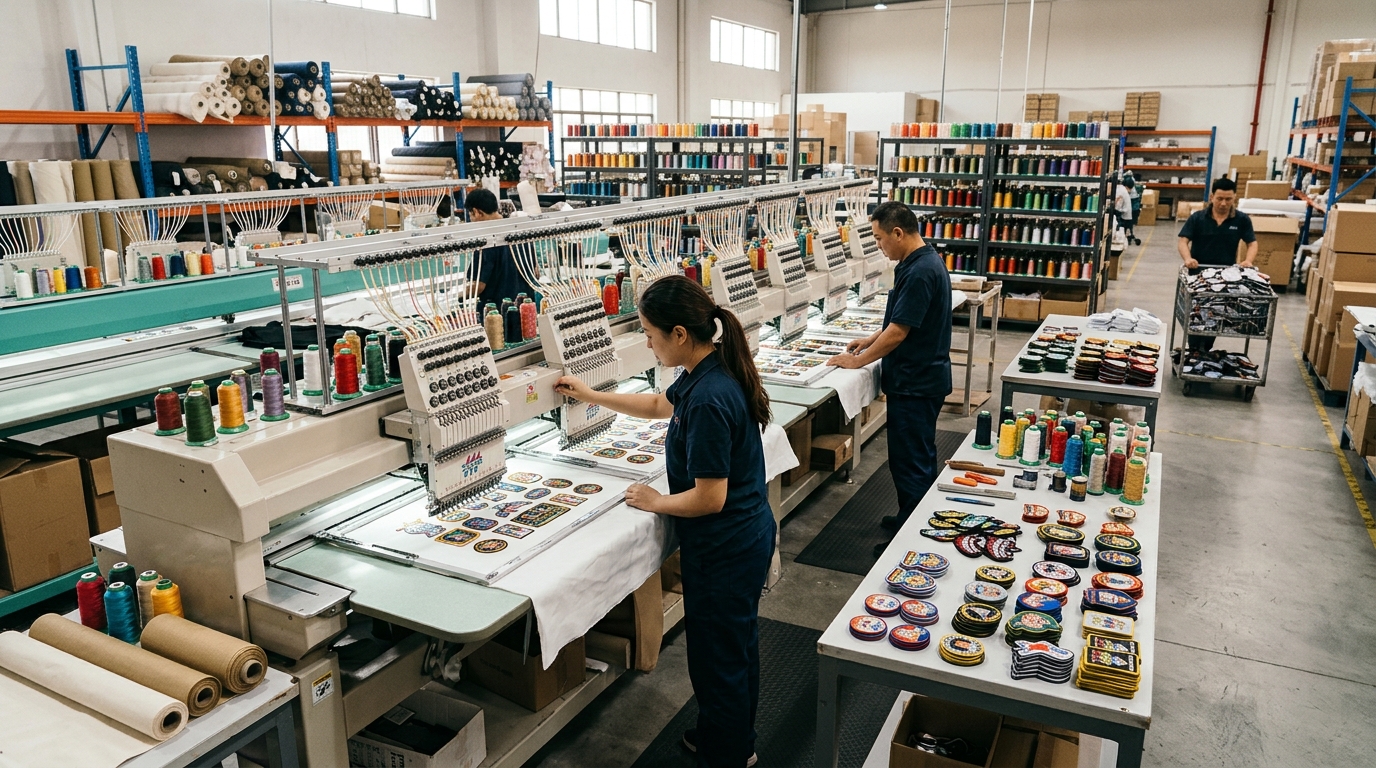
Although patches are relatively small products, producing them for commercial use requires careful planning. Materials, design complexity, stitching methods, attachment options, and quality control all influence the finished result. When orders involve hundreds or thousands of pieces, even a minor production issue can affect costs and delivery schedules.
That is why finding the right custom patches wholesale supplier matters to businesses of every size. Retailers, clothing manufacturers, uniform companies, promotional merchandise providers, and distributors all need products that meet their specifications and arrive when expected.
The challenge is finding a supplier that understands both the creative side of patch production and the practical demands of running a business.
This guide explores how wholesale patch manufacturing works, what buyers should consider before placing an order, and how a dependable supplier can support long-term business growth.
Why Businesses Are Investing in Custom Patch Production
Branding has become an important part of how companies present their products. Customers often notice the smallest details, particularly when they appear consistently across clothing, accessories, packaging, and promotional merchandise.
Custom patches give businesses another way to create that consistency. They can be designed to match a company's logo, complement a clothing collection, identify employees, or add personality to a retail product.
Unlike some direct printing methods, patches can offer a raised texture and a separate physical finish. Depending on the design, they can also be attached to different products without changing the underlying manufacturing process.
For businesses, this flexibility creates several opportunities. A fashion retailer might introduce branded patches as accessories, while a workwear supplier could offer personalized identification patches alongside its regular products.
The key is to choose a construction method that suits the intended use. A decorative patch for a fashion collection may have different requirements from one designed for equipment, uniforms, or frequently washed garments.
Working with an experienced custom patches manufacturer helps businesses make these decisions before production begins, rather than discovering problems after a large order has arrived.
Finding a Wholesale Supplier That Fits Your Business
Every supplier has different strengths. Some specialize in embroidery, while others offer woven, PVC, chenille, printed, or mixed-material patches. Production capacity, customization services, minimum quantities, and delivery arrangements can also vary.
When evaluating a bulk custom patches supplier, start by identifying your most important requirements.
Consider the quantity you need, the level of detail in your design, the products the patches will be attached to, and whether you expect to reorder regularly.
A supplier that handles large quantities efficiently may be ideal for a distributor but less suitable for a small business testing a new design. Similarly, a manufacturer with extensive design support may be particularly useful for a clothing brand developing its first collection.
Ask potential suppliers about their manufacturing process, available materials, sample policy, quality inspections, and typical production timelines.
It is also worth asking how they manage repeat orders. If you intend to purchase the same design several times a year, consistent specifications and reliable communication will become increasingly important.
The best supplier is not necessarily the one with the biggest catalog. It is the one whose capabilities match your commercial requirements.
Understanding Custom Patches Bulk Pricing
Price is naturally one of the first things buyers consider when sourcing products in quantity. However, comparing wholesale quotations requires more than looking at the cost per patch.
Custom patches bulk pricing usually depends on several factors, including size, design complexity, materials, production method, backing, finishing, and order quantity.
A simple embroidered design may cost less to manufacture than a detailed patch requiring multiple thread colors, special borders, or additional finishing. Larger orders may reduce the unit cost by spreading certain setup expenses across more pieces, although the actual savings depend on the product and supplier.
Before requesting quotations, prepare a consistent specification sheet. Include the dimensions, artwork, preferred construction, backing, quantity, packaging, and destination for shipping.
This allows you to compare offers more accurately.
For example, one supplier might quote a lower unit price but exclude packaging and shipping. Another may provide a higher initial quote that includes more services. The better option depends on the total delivered cost and the quality you receive.
Ask whether sample fees, setup charges, revisions, taxes, and freight are included. Confirm the payment schedule and the conditions that apply if the finished products do not match the approved sample.
A clear quotation reduces surprises and makes it easier to plan your purchasing budget.
Wholesale Embroidered Patches: Quality Starts With the Design
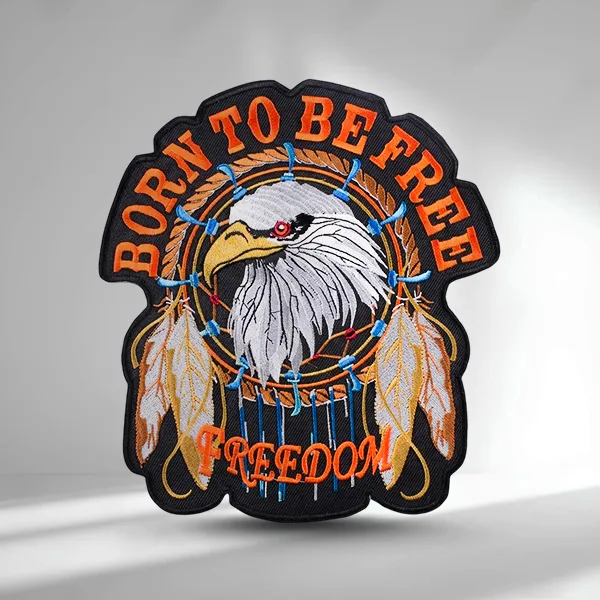
Embroidered patches remain a familiar choice for businesses that want a textured, traditional appearance. They are widely used on jackets, caps, uniforms, backpacks, denim, and branded workwear.
Wholesale embroidered patches are created by stitching thread onto a suitable fabric base. The result can have a raised surface that gives logos and lettering more depth than a flat printed design.
However, embroidery has practical limitations. Very small lettering, thin lines, and intricate details may become difficult to reproduce clearly. A design that looks sharp on a computer screen might need adjustments before it can be stitched successfully.
Before production, discuss the minimum readable text size, thread colors, embroidery coverage, border style, and finished thickness with the manufacturer.
Backing also deserves attention. Sew-on patches are suitable for many garments, while iron-on backing may work for selected fabrics and applications. Hook-and-loop backing can be useful for uniforms or equipment that requires removable identification.
The right choice depends on how the product will be used and maintained.
For businesses purchasing embroidered patches for resale, consistency is especially important. Keeping an approved sample and documenting the original specifications can help maintain a similar appearance across future production runs.
Custom Logo Patches Wholesale for Stronger Brand Recognition
A logo needs to remain recognizable wherever it appears. That becomes more challenging when the design is reproduced on a small surface using thread, woven fibers, or molded materials.
Businesses ordering custom logo patches wholesale should provide clear artwork and communicate how the logo is expected to appear on the finished product.
Vector files are generally useful because they can be resized without losing image quality. If your artwork includes gradients, very fine lines, or small text, the manufacturer may recommend simplifying certain elements.
Color matching should also be discussed before production. Digital colors do not always correspond exactly to available thread or material colors, so physical samples may be helpful when accuracy is important.
Think about placement as well. A logo designed for a large jacket back may need a separate version for a cap, sleeve, or small accessory.
For brand merchandise, a consistent design helps create a more recognizable product range. Businesses should keep approved artwork, dimensions, colors, and placement instructions organized so that future orders follow the same standards.
This small amount of preparation can save time and reduce costly revisions later.
Custom Patches for Clothing Brands and Independent Designers
Fashion businesses often need suppliers who can translate creative ideas into products that work in real manufacturing conditions.
Custom patches for clothing brands can add personality to denim jackets, hoodies, caps, bags, trousers, and streetwear collections. They can also support limited-edition releases or help distinguish one collection from another.
Some brands prefer understated woven designs with small logos. Others use bold embroidered graphics, chenille lettering, or unusual shapes to create a more noticeable look.
The right approach depends on the garment, target audience, and overall brand identity.
Material compatibility should be considered early. A thick patch might work well on a heavy jacket but feel uncomfortable on lightweight fabric. A large design may also require additional attachment support to prevent curling or pulling.
Before placing a bulk order, request a sample and evaluate how the patch looks and feels when attached to the intended garment.
Clothing brands should also consider production schedules. If patches are needed for a seasonal collection, the manufacturer must deliver early enough for garment assembly, inspection, packaging, and distribution.
A reliable sourcing relationship can make these stages easier to coordinate, particularly when a business introduces new collections several times a year.
Working With an OEM Custom Patches Manufacturer
For businesses that want products made according to their own specifications, OEM manufacturing can provide a practical solution.
An OEM custom patches manufacturer produces items based on the buyer's approved designs, dimensions, materials, and other technical requirements. This arrangement can suit clothing manufacturers, merchandise businesses, retailers, and companies incorporating patches into larger products.
The process generally begins with a detailed product brief. Buyers should provide artwork, measurements, construction preferences, backing requirements, and expected quantities.
The manufacturer can then assess whether the design is suitable for the chosen production method and recommend changes where necessary.
A sample is an important part of this process. It allows the buyer to review the actual product before authorizing the main production run.
Both parties should agree on artwork ownership, confidentiality, inspection procedures, packaging, and how defects will be addressed. If a design is updated later, the revised specifications should be approved and documented clearly.
OEM production works best when the buyer and manufacturer share a clear understanding of the expected result.
Private Label Patches Manufacturer for Growing Retail Businesses
Private labeling gives companies the opportunity to sell products under their own brand identity. Rather than offering a manufacturer's standard design, the business develops a product range that reflects its market and customers.
A private label patches manufacturer may support this process with customized designs, finishing options, packaging, and other services, depending on its capabilities.
This model can be attractive to online retailers, clothing labels, promotional merchandise companies, and businesses expanding into accessories.
For example, an e-commerce store could develop a collection of embroidered patches for customers who personalize bags and jackets. A fashion business could sell matching patches alongside its garments, while a retailer might create branded sets for gifting.
Product presentation matters just as much as the patch itself. Packaging, labeling, and consistent sizing help create a more polished retail experience.
Before choosing a supplier, confirm which private-label services are available and whether additional minimum quantities or setup fees apply.
It is also worth discussing how new designs will be introduced and how popular products can be reordered.
A suitable private-label partner should understand your commercial objectives and explain production requirements clearly.
Custom Patches Factory Direct: Is It the Right Option?
Buying custom patches factory direct can help businesses communicate more directly with the people responsible for manufacturing their products.
Direct communication may make it easier to discuss design changes, production methods, sample approvals, quality requirements, and delivery arrangements.
For larger orders, this visibility can be particularly valuable because decisions about materials or specifications may affect the entire production run.
However, purchasing directly from a factory does not automatically guarantee lower prices or better service. Some sourcing companies and trading partners offer useful support with inspections, shipping coordination, and supplier management.
Instead of focusing only on whether a supplier is a factory, assess its capabilities and the services included in the quotation.
Ask where the patches are manufactured, whether production is handled in-house, and whether any processes are outsourced. Confirm how finished goods are inspected and what happens if an order does not meet the agreed specifications.
International buyers should also review shipping terms, customs responsibilities, and payment conditions before confirming the order.
The goal is to establish a transparent purchasing relationship that makes costs, responsibilities, and expectations clear.
A Custom Patches Supplier for Businesses Across Different Industries
The same patch design can serve very different purposes depending on the customer.
A custom patches supplier for businesses may work with fashion companies, uniform manufacturers, distributors, corporate merchandise providers, and promotional agencies. Each group has its own purchasing priorities.
Clothing brands may emphasize visual appeal, material compatibility, and design flexibility. Uniform suppliers may require durable construction, consistent colors, and dependable replacement orders. Promotional merchandise companies may need products delivered before specific events.
Resellers and wholesalers often focus on competitive pricing, predictable production, and the ability to manage several designs or customer orders.
When approaching a supplier, explain how the patches will be used and whether you expect recurring demand. This information can help the manufacturer recommend suitable materials and production methods.
If your requirements change between orders, establish how revisions will be communicated and approved.
Clear specifications reduce misunderstandings and make it easier to maintain consistent results, especially when multiple people within your business handle purchasing, design approval, and inventory.
Custom Patches for Uniform Companies and Workwear Suppliers
Uniforms often need to look consistent across teams, locations, and replacement orders. Patches can help identify an organization, department, employee role, or service category.
Custom patches for uniform companies should be designed with readability, attachment strength, and practical maintenance in mind.
A logo that looks attractive at a large size may be difficult to read when reduced to fit a sleeve or chest pocket. For that reason, artwork should be reviewed at its intended dimensions before manufacturing.
The attachment method also matters. Sew-on backing may suit many work garments, while hook-and-loop backing can help organizations replace identification patches when necessary.
Buyers should consider the fabric, washing conditions, and expected frequency of use before selecting the construction.
Keeping approved samples and specifications on file can simplify future procurement. When replacement quantities are needed, the supplier can refer to the original design rather than recreating it from memory.
For uniform providers managing multiple customers, organized product records help prevent mix-ups and make repeat orders easier to process.
Custom Patches for Promotional Products and Marketing Campaigns
Promotional merchandise often operates around firm deadlines. A patch intended for a conference, product launch, or corporate event has little value if it arrives after the campaign has finished.
Custom patches for promotional products can be included in branded apparel, gift sets, event merchandise, club accessories, and marketing packages.
The first step is to establish a realistic timeline. Allow sufficient time for artwork preparation, sample approval, manufacturing, shipping, and any required inspection.
Do not assume that a supplier's production estimate includes international delivery. Confirm each stage separately and ask when the manufacturing schedule will begin.
Packaging should also be discussed early. Retail-ready packaging may require additional preparation, while bulk packaging may be sufficient for large corporate distributions.
If your campaign involves several patch designs, confirm whether they will be produced together or in separate batches. This can affect both pricing and delivery planning.
Working with an experienced promotional merchandise supplier can help businesses balance budget, quality, and deadlines without making unnecessary compromises.
Custom Patches Contract Manufacturing for Consistent Supply
For businesses with recurring requirements, a one-time purchasing arrangement may not provide enough predictability.
Custom patches contract manufacturing establishes an ongoing production framework based on agreed specifications, quality standards, quantities, and commercial terms.
This can be useful for apparel brands, uniform companies, distributors, and promotional merchandise businesses that regularly replenish stock.
A manufacturing agreement may cover minimum order quantities, production lead times, pricing conditions, artwork approvals, inspection requirements, and delivery arrangements.
Both parties should understand how product changes will be managed. A new logo, revised dimension, or different backing option should not enter production without clear approval.
Demand forecasts can help manufacturers plan materials and production capacity. However, estimated demand should be distinguished from confirmed orders so that inventory commitments remain clear.
Businesses should also agree on how delays, defects, and material substitutions will be communicated.
A well-organized contract manufacturing relationship can improve consistency and reduce repeated administrative work, allowing both parties to focus on maintaining product quality and meeting customer needs.
Conclusion
Successful wholesale patch sourcing begins with understanding what your business needs and finding a supplier capable of delivering it consistently.
Whether you are purchasing embroidered patches, developing a private-label collection, sourcing OEM products, or arranging long-term manufacturing, careful planning can prevent avoidable problems and improve the value of each order.
Compare quotations using identical specifications, review physical samples, confirm production capabilities, and document important decisions before manufacturing begins.
Most importantly, choose a supplier that communicates honestly and understands the practical demands of your industry.
A dependable manufacturing relationship can help businesses maintain consistent product quality, manage purchasing costs, and develop branded products with greater confidence. When the right design is supported by the right production partner, even a small patch can become a valuable part of a larger business strategy.

Discussion & Feedback 0
Write a CommentNo comments yet
Have a question or feedback regarding this topic? Be the first to share your thoughts below!
Leave a Reply
Your email address will not be published. Required fields are marked *