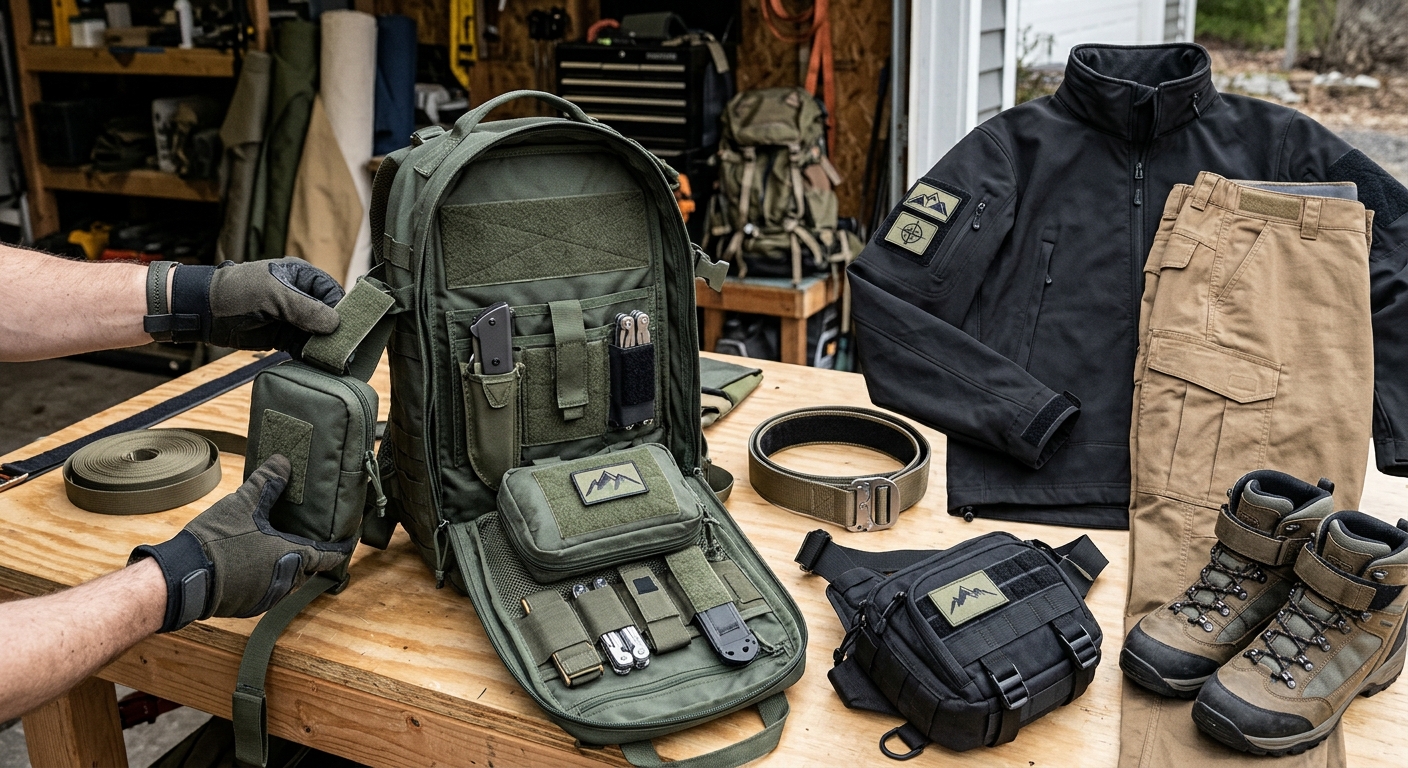
Velcro patches are a practical and versatile way to add identification, branding, and personal style to clothing, uniforms, bags, hats, and tactical gear. Unlike traditional embroidered or printed patches that are permanently attached, Velcro patches feature a hook-and-loop backing that allows them to be attached, removed, and replaced whenever needed. This makes them especially useful for military uniforms, police and security gear, outdoor clothing, sports teams, businesses, and personal accessories.
One of the biggest advantages of Velcro patches is their flexibility. A single jacket, backpack, or uniform can display different patches depending on the occasion, assignment, team, or personal preference. Whether you need a company logo, name tag, unit insignia, flag, morale design, or personalized artwork, Velcro patches offer a convenient way to customize your gear without permanently changing the fabric.
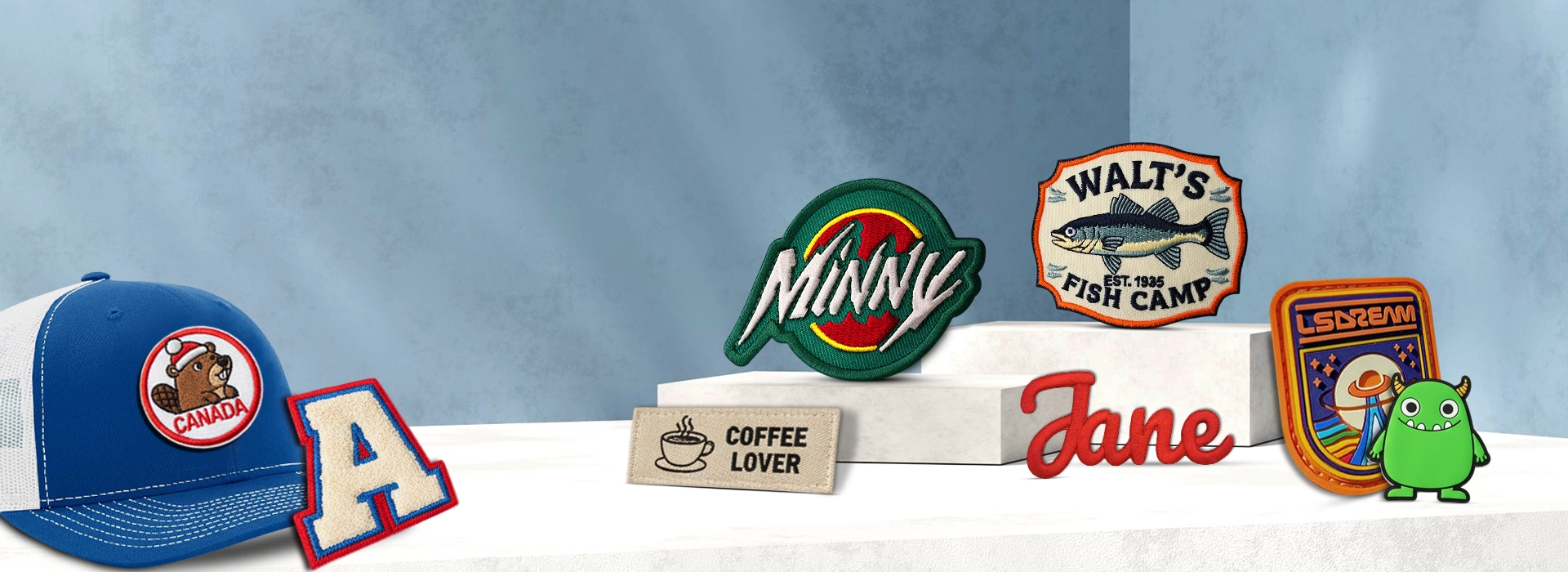
Modern Velcro patches are available in several materials, shapes, colors, and production styles. Embroidered, woven, PVC, and printed designs can all be created with hook-and-loop backing to suit different applications. With the right combination of materials and construction, these patches can deliver a professional appearance while remaining easy to use and maintain.
What Are Velcro Patches?
Velcro patches are decorative or functional fabric pieces designed with a hook-and-loop fastening system on the back. The fastening system consists of two complementary surfaces. One side contains tiny hooks, while the other side contains soft loops. When pressed together, the hooks catch the loops and hold the patch securely in place.
The patch itself usually features the design on its front and a hook backing on its rear. A matching loop panel is attached to the garment, bag, or other surface. This arrangement allows the patch to be removed and replaced without sewing it onto the item every time.
The term Velcro is commonly used to describe hook-and-loop fastening products. These patches are popular because they combine easy attachment with reusable functionality. Instead of permanently stitching a name, logo, or symbol onto clothing, users can switch designs whenever their needs change.
Velcro patches are particularly valuable for equipment that requires frequent updates. Military personnel may need to change rank or unit identification, businesses may use different employee name tags, and outdoor enthusiasts may want to personalize their backpacks with different designs.
How Hook-and-Loop Patch Backing Works
The hook-and-loop fastening system is designed to create a reliable connection while allowing repeated removal. The hook side contains small, flexible hooks that grip the loops on the opposite panel. When both sides are pressed together, the hooks become entangled with the loops and create a secure attachment.
To remove a patch, the user simply lifts one edge and pulls it away from the loop panel. The patch can then be stored, replaced, or attached to another compatible surface.
This simple fastening method makes Velcro patches suitable for everyday use. They do not require needles, thread, glue, or special tools during normal attachment. Once the loop panel is properly installed, changing the patch takes only a few seconds.
The strength of the connection depends on several factors, including the quality of the hook-and-loop material, the size of the patch, the amount of surface contact, and the condition of the fastening panels. A well-made patch with compatible backing can remain securely attached during regular movement and handling.
Popular Types of Velcro Patches
Velcro patches can be produced using different materials and manufacturing methods. The best option depends on the design, level of detail, intended environment, and desired appearance.
Embroidered Velcro Patches
Embroidered Velcro patches are among the most recognizable options. They feature colored threads stitched onto a fabric base to create logos, lettering, symbols, and decorative artwork.
The raised thread surface gives embroidered designs a traditional, textured appearance. This style works especially well for company logos, team emblems, military-inspired designs, school insignias, and personalized name patches.
Embroidered Velcro patches can be made in different shapes and sizes. Their backing can be finished with a hook-and-loop fastening system, making them removable while maintaining the classic look of embroidered artwork.
Woven Velcro Patches
Woven Velcro patches are made by weaving fine threads together to create detailed designs. Because the threads are thinner than typical embroidery threads, woven patches can reproduce small lettering, fine lines, and intricate artwork with greater precision.
They are a good choice when a design contains small text or detailed elements that may be difficult to reproduce with traditional embroidery. Their relatively smooth surface also creates a clean and professional appearance.
Businesses, uniform suppliers, clubs, and organizations often choose woven Velcro patches for identification and branding applications.
PVC Velcro Patches
PVC Velcro patches are made from flexible polyvinyl chloride material. They have a rubber-like appearance and can feature raised or recessed details, multiple colors, and distinctive textures.
Their flexible construction makes them suitable for outdoor equipment, tactical bags, jackets, and accessories that may experience exposure to moisture, dirt, or frequent handling.
PVC designs are also useful for bold graphics and modern artwork. The material allows manufacturers to create detailed shapes and layered effects that are difficult to achieve with ordinary thread.
Printed Velcro Patches
Printed Velcro patches are produced by applying artwork to a suitable fabric or patch surface. This method is useful for designs containing gradients, photographs, complex color combinations, or detailed illustrations.
Printing can reproduce artwork that would be challenging or expensive to create through embroidery. It is particularly suitable for promotional designs, colorful logos, event patches, and personalized graphics.
The final durability depends on the printing process, base material, and finishing method. Choosing suitable materials helps ensure that the design remains attractive during regular use.
Leather Velcro Patches
Leather Velcro patches provide a distinctive appearance with a premium and professional feel. They can be made from genuine leather or suitable synthetic alternatives and customized with engraved, embossed, debossed, or printed artwork.
These patches are commonly used on hats, jackets, backpacks, outdoor accessories, and branded merchandise. Their removable backing makes them a practical option for products that need interchangeable designs.
Benefits of Using Velcro Patches
Velcro patches offer several advantages over permanently attached patches. Their removable construction makes them useful for individuals, organizations, and businesses that need flexible identification or customization.
Easy Attachment and Removal
The most important benefit of Velcro patches is their convenient fastening system. Users can attach or remove a patch without sewing or using adhesive.
This is especially useful when a garment needs to display different identification depending on the situation. A single uniform can support multiple patches without requiring permanent changes to the fabric.
Reusable Design
Velcro patches can be removed and reused as long as the fastening material remains in good condition. Instead of replacing an entire garment when its identification changes, users can simply switch the patch.
This can reduce the need for additional uniforms, bags, or accessories and make equipment easier to customize over time.
Flexible Customization
A hook-and-loop backing makes it possible to create interchangeable designs for different situations. Users can change their name tags, logos, flags, team symbols, or decorative artwork whenever necessary.
This flexibility is valuable for businesses with changing employee assignments, sports teams with different uniform requirements, and individuals who enjoy customizing their accessories.
Professional Identification
Velcro patches provide a clean way to display names, job titles, organizational logos, and unit information. Their removable design makes them suitable for workplaces where identification requirements may change.
They can also help create a consistent appearance across uniforms, jackets, and equipment.
Wide Material Selection
Velcro patches are not limited to one production method. They can be made using embroidery, weaving, PVC, printing, and leather.
This gives customers the freedom to choose a style that matches their design requirements, budget, and intended use.
Common Uses of Velcro Patches
The versatility of hook-and-loop fastening makes these patches suitable for many different industries and activities. Their ability to be changed quickly is especially useful wherever identification or decoration needs to remain flexible.
Military and Tactical Uniforms
Military and tactical equipment is one of the most recognized applications for Velcro patches. Uniforms and gear often require identification that can be changed depending on rank, assignment, unit, or operational requirements.
Removable name tapes, flag patches, rank insignia, and unit symbols allow personnel to update their appearance without permanently stitching new designs onto clothing.
Tactical backpacks, plate carriers, jackets, and equipment panels may also feature loop surfaces designed to hold compatible patches.
Police and Security Clothing
Police departments, private security companies, and other professional organizations may use Velcro patches to display names, department logos, job titles, and identification symbols.
Removable patches can be useful when employees share equipment or when uniforms need to be adapted for different assignments. They also allow organizations to replace outdated identification without changing the entire garment.
Outdoor and Adventure Gear
Outdoor enthusiasts often use Velcro patches to personalize backpacks, hiking jackets, travel bags, and camping equipment.
A removable patch can identify a bag, display a national flag, show a favorite symbol, or add a personal design. Outdoor users may also appreciate the ability to remove patches when cleaning or reorganizing their gear.
For equipment used in demanding environments, material selection is important. PVC and other suitable weather-resistant options may be preferable when exposure to moisture and dirt is expected.
Sports Teams and Clubs
Sports organizations can use Velcro patches to display team logos, player names, membership symbols, and event branding.
Interchangeable patches are particularly useful for clubs and teams that share uniforms or equipment. Designs can be updated for tournaments, special events, or different team divisions.
Corporate Uniforms
Businesses can use Velcro patches to create professional uniforms with removable employee names, company logos, and department identification.
For example, a company may attach its main logo permanently while using Velcro name patches that can be changed when employees move between roles or locations.
This approach offers flexibility without sacrificing a consistent brand appearance.
School and Educational Organizations
Schools, colleges, and educational clubs can use Velcro patches for student groups, sports teams, activity clubs, and special events.
They can display school emblems, team names, membership symbols, and achievement designs. Removable patches are also useful for uniforms or bags that need to be shared or reused.
Personal Accessories
Velcro patches are popular among people who enjoy customizing everyday items. They can be attached to compatible hats, jackets, backpacks, travel bags, and other accessories.
Personalized artwork, favorite symbols, flags, initials, and decorative designs can help make ordinary products more distinctive.
Custom Design Options for Velcro Patches
A successful patch design should balance appearance, readability, and practical use. Since Velcro patches are available in different sizes and materials, customers have plenty of opportunities to create a design that matches their needs.
Shapes and Sizes
Velcro patches can be manufactured in many shapes, including circular, rectangular, square, oval, shield, and custom-cut designs.
The shape should complement the artwork and the surface where the patch will be attached. Name patches often work well in rectangular shapes, while logos and insignias may look better in circular or shield-style designs.
Size also affects readability and appearance. Small patches are suitable for simple symbols and short names, while larger designs provide more space for detailed artwork and text.
Colors and Artwork
Color selection plays an important role in the overall appearance of a Velcro patch. Customers can choose colors that match a uniform, brand identity, team colors, or personal preferences.
High-contrast combinations are useful when the patch contains small lettering or important identification details. For example, light text on a dark background can improve visibility.
Artwork should be prepared in a clear digital format whenever possible. High-quality logo files help manufacturers reproduce the design more accurately.
Text and Personalization
Velcro patches can include names, initials, titles, slogans, department names, and other personalized details.
For identification patches, text should remain easy to read at the intended viewing distance. Choosing an appropriate font size and avoiding overly complicated lettering can improve the final result.
Personalized name patches are particularly useful for uniforms, workwear, tactical equipment, and team apparel.
Border and Edge Finishing
The border helps define the shape of a patch and gives it a finished appearance. Common options include merrowed borders, heat-cut edges, and custom-cut edges.
The most suitable finish depends on the material and design. A traditional embroidered patch may benefit from a stitched border, while a complex custom shape may require a heat-cut edge.
A properly finished edge also helps the patch maintain its shape during regular handling.
Hook and Loop Backing Options
Most removable Velcro patches use a hook backing attached to the rear of the patch. A matching loop panel is installed on the garment, bag, or other surface.
Some products are supplied with both the patch and a separate loop panel. This is useful when customers want to attach the receiving surface to an item that does not already have a compatible loop area.
Customers should confirm whether they need a patch only or a complete hook-and-loop set before placing an order.
Choosing the Right Material for Velcro Patches
The right material depends on how the patch will be used and what appearance the customer wants.
Embroidery is a strong option for traditional logos and textured designs. Woven construction works well for fine details and small lettering. PVC is suitable for bold, flexible designs and applications where moisture resistance is important. Printed patches provide greater freedom for complex artwork and photographic details. Leather offers a distinctive appearance for premium accessories and branded products.
It is also important to consider the environment. A patch used on an indoor office uniform may have different requirements from one attached to a hiking backpack or tactical vest.
Customers should think about expected handling, cleaning, exposure to moisture, and how frequently the patch will be removed. Matching the material to the application helps create a more practical and attractive product.
The Manufacturing Process of Velcro Patches
Producing high-quality Velcro patches involves several steps. Each stage contributes to the appearance, durability, and functionality of the finished product.
Artwork Preparation
The process begins with the customer's design. The artwork is reviewed to determine its colors, dimensions, text, shape, and production requirements.
Manufacturers may adjust certain details to make the design suitable for embroidery, weaving, PVC molding, or printing. Small lettering and fine lines may need special attention to ensure they remain clear.
Material Selection
After reviewing the design, the appropriate patch material is selected. The choice depends on the intended application, desired texture, artwork complexity, and production method.
The backing material and hook-and-loop components are also considered at this stage.
Patch Production
The patch is then produced using the selected manufacturing process. Embroidered designs are stitched with thread, woven designs are created on specialized looms, PVC designs are molded, and printed designs receive their artwork through a suitable printing process.
Each method creates a different appearance and offers different advantages.
Edge Finishing
Once the main design is complete, the patch edges are finished according to the selected style. This helps create a clean outline and improves the overall presentation.
The patch may be cut into its final shape before or after certain finishing operations, depending on the manufacturing method.
Hook Backing Attachment
The hook material is attached to the back of the patch. This creates the removable fastening surface that connects with a compatible loop panel.
The backing should be securely attached and correctly sized to provide suitable contact with the receiving surface.
Quality Inspection
The finished patches are inspected for design accuracy, color consistency, edge quality, backing attachment, and overall construction.
Quality checks help identify problems before the patches are packaged and delivered.
How to Attach Velcro Patches Correctly
Attaching a Velcro patch is generally simple, but using the correct surface and preparing it properly can improve performance.
First, identify whether the garment or accessory already has a loop panel. Many tactical uniforms, bags, jackets, and hats include loop areas specifically designed for removable patches.
If the item does not have a loop panel, a compatible loop piece may need to be attached. Depending on the product, this can involve sewing or another suitable attachment method.
Before placing the patch, make sure the fastening surfaces are clean and free from excessive lint, dust, and debris. Align the patch with the loop panel and press it firmly across the surface.
For larger patches, apply pressure across the entire backing rather than pressing only in the center. This helps create more consistent contact between the hook and loop materials.
When removing a patch, lift one edge and peel it away gradually. Avoid pulling aggressively, particularly when the receiving panel is attached to delicate fabric.
Maintaining and Cleaning Velcro Patches
Proper maintenance helps preserve the appearance and fastening performance of Velcro patches. Although they are designed for repeated use, their hook-and-loop surfaces can collect lint, dust, hair, and other debris over time.
Regularly inspect the fastening surface and remove visible debris. A soft brush or careful manual cleaning can help clear material caught in the hooks. Avoid using sharp objects that may damage the fastening components.
Follow the cleaning instructions for the patch material and the garment. Embroidered, woven, PVC, printed, and leather patches may have different care requirements.
When washing clothing with removable patches, it is often better to detach the patches first if the product instructions allow it. Close the hook-and-loop surfaces before washing to reduce the chance of collecting lint or catching on other fabrics.
Allow patches to dry properly before storing or reattaching them. Leather products may require more specialized care, while PVC and certain synthetic materials may be easier to wipe clean.
Avoid exposing patches to excessive heat unless the manufacturer's care instructions specifically allow it. High temperatures can affect some adhesives, backing materials, and printed surfaces.
Factors That Affect the Durability of Velcro Patches
The durability of a Velcro patch depends on more than its front design. The quality of the hook-and-loop material, construction method, backing attachment, and everyday handling all contribute to its performance.
Quality of Hook-and-Loop Material
The fastening system is responsible for keeping the patch attached. Lower-quality material may lose its grip more quickly, especially when it is repeatedly opened, closed, or exposed to debris.
Choosing suitable hook-and-loop components helps provide a more reliable connection.
Strength of Backing Attachment
The hook material must remain securely attached to the patch itself. If the backing separates from the patch, the fastening system cannot perform properly.
Manufacturing quality and suitable attachment methods are important for preventing this issue.
Patch Size and Weight
Large or heavy patches place greater demands on the fastening surface. A small patch may remain secure with a limited contact area, while a larger design may require more extensive backing.
The patch dimensions should be matched with the available loop panel to ensure sufficient contact.
Environmental Conditions
Outdoor equipment may experience rain, sunlight, dust, dirt, and temperature changes. These conditions can affect certain materials and fastening components.
Choosing a suitable patch material and following the recommended care instructions can help extend product life.
Frequency of Removal
Velcro patches are designed to be removable, but frequent opening and closing can gradually affect the fastening surface. Keeping the hook and loop panels clean and avoiding unnecessary pulling can help maintain their performance.
Velcro Patches for Branding and Business Promotion
Velcro patches are not limited to uniforms and tactical equipment. They can also support business branding and promotional activities.
Companies can use removable patches to display logos on employee jackets, workwear, backpacks, promotional bags, and branded accessories. Since the patches can be changed, businesses can update their designs for new campaigns, departments, or events.
They are also useful for organizations that provide uniforms to employees who work in different locations. A standard garment can feature interchangeable name or department patches, reducing the need to maintain multiple versions of the same uniform.
For promotional merchandise, custom Velcro patches offer a practical alternative to ordinary printed labels. Customers can attach them to compatible bags, hats, jackets, and accessories, allowing the brand to remain visible while offering a reusable product.
A well-designed patch should reflect the company's visual identity. Consistent colors, readable text, and accurate logo reproduction help create a professional appearance.
Why Velcro Patches Are Useful for Tactical and Outdoor Gear
Tactical and outdoor equipment often needs to adapt to changing activities and requirements. Velcro patches provide a simple way to customize compatible gear without permanently altering its appearance.
Backpacks, vests, jackets, and equipment organizers may include loop panels that support removable identification and decorative patches. Users can switch between different designs based on their preferences or practical needs.
For tactical applications, patches may display names, flags, unit symbols, or other identification details. For outdoor activities, they may feature brand logos, adventure symbols, national flags, and personalized artwork.
The choice of material should reflect the environment in which the gear will be used. PVC may be suitable for some outdoor applications, while embroidered and woven patches provide traditional fabric-based options.
It is also important to choose a backing that fits the equipment's loop panel. A patch that is too large or too heavy for its receiving surface may not remain securely attached during active movement.
Tips for Ordering High-Quality Velcro Patches
Ordering custom patches becomes easier when the design and technical requirements are clear from the beginning.
Start by selecting the purpose of the patch. A business logo, employee name tag, tactical insignia, and decorative backpack patch may each require a different material and construction style.
Prepare a clear design file and confirm the required dimensions. If the patch contains text, check that the lettering is large enough to remain readable after production.
Choose the material based on the expected use. Embroidery, weaving, PVC, printing, and leather each offer different visual and practical characteristics.
Confirm the backing requirements before ordering. Some customers need only the hook-backed patch, while others also need a separate loop panel to attach to their clothing or accessories.
Review the edge finishing, color selection, and production details before approving the final design. Requesting a digital proof can help identify layout or artwork issues before manufacturing begins.
For larger orders, it is useful to confirm sample approval, production timelines, packaging, and delivery arrangements. Clear communication with the manufacturer helps reduce misunderstandings and improves the overall ordering experience.
Velcro Patches Compared with Sew-On Patches
Velcro patches and sew-on patches serve similar decorative and identification purposes, but their attachment methods make them suitable for different situations.
Sew-on patches are designed to be permanently attached to clothing or accessories. They are useful when the design does not need to be changed regularly and a fixed attachment is preferred.
Velcro patches provide a removable alternative. They are especially useful when names, ranks, logos, or symbols need to be switched without replacing the garment.
The two styles can also be combined in certain applications. For example, a loop panel may be sewn permanently onto a uniform while different hook-backed patches are used for interchangeable identification.
The best choice depends on the user's requirements. Permanent attachment is suitable for fixed designs, while hook-and-loop backing is ideal when flexibility and repeated changes are important.
The Growing Popularity of Personalized Velcro Patches
Personalized accessories have become a popular way for people and organizations to express identity. Velcro patches make this possible by offering interchangeable designs that can be used across compatible products.
Individuals can create patches featuring initials, favorite artwork, flags, hobbies, or personal symbols. Teams and clubs can use matching designs to build a recognizable identity, while businesses can display their branding on uniforms and promotional merchandise.
Another reason for their popularity is the variety of available production styles. Customers are not limited to traditional embroidered artwork. They can choose woven details, colorful printed graphics, flexible PVC designs, or leather finishes.
This combination of customization and convenience makes Velcro patches suitable for both practical and decorative purposes. As more products include hook-and-loop panels, the opportunities for personalized patch designs continue to expand.
Conclusion
Velcro patches offer a convenient and versatile way to customize clothing, uniforms, backpacks, tactical equipment, hats, and other accessories. Their hook-and-loop fastening system makes them easy to attach, remove, and replace, providing flexibility that traditional permanent patches cannot always offer.
With options such as embroidered, woven, PVC, printed, and leather designs, customers can select a style that matches their artwork, intended application, and preferred appearance. They can also personalize their patches with names, logos, flags, symbols, and custom shapes.
From military and security uniforms to business branding, sports teams, outdoor equipment, and everyday accessories, Velcro patches provide a practical solution for interchangeable identification and decoration. By choosing quality materials, suitable backing, and professional finishing, customers can enjoy patches that look attractive and perform reliably.
Whether you need a simple name patch, a detailed company logo, a tactical insignia, or a personalized design for your favorite backpack, Velcro patches make customization easier, more flexible, and more convenient.
Discussion & Feedback 0
Write a CommentNo comments yet
Have a question or feedback regarding this topic? Be the first to share your thoughts below!
Leave a Reply
Your email address will not be published. Required fields are marked *