Custom patches have become an effective way for businesses to express their identity, strengthen brand recognition, and create a lasting impression. From embroidered logos on uniforms to detailed patches on jackets, bags, hats, and promotional merchandise, these small branding elements can make a significant difference in how a company presents itself. Beyond their decorative purpose, custom patches offer a practical and creative way to communicate a brand’s personality, values, and professional image.
Understanding the Value of Custom Patches
A strong brand identity depends on consistency, visibility, and recognition. Custom patches help businesses achieve these goals by displaying logos, symbols, slogans, and other distinctive design elements in a clear and memorable format. Unlike temporary promotional materials, well-made patches can remain attached to clothing and accessories for extended periods, allowing a brand to maintain visibility through everyday use.
Businesses across different industries use custom patches to establish a recognizable appearance. Restaurants may add branded patches to staff uniforms, outdoor companies may feature them on jackets and backpacks, and corporate teams may use them to create a unified professional look. This flexibility makes custom patches suitable for businesses of different sizes and industries.
Choosing the Right Patch Style
Selecting the right patch style is an important step in creating an effective branding solution. Different materials and production methods offer unique visual effects, textures, and levels of detail.
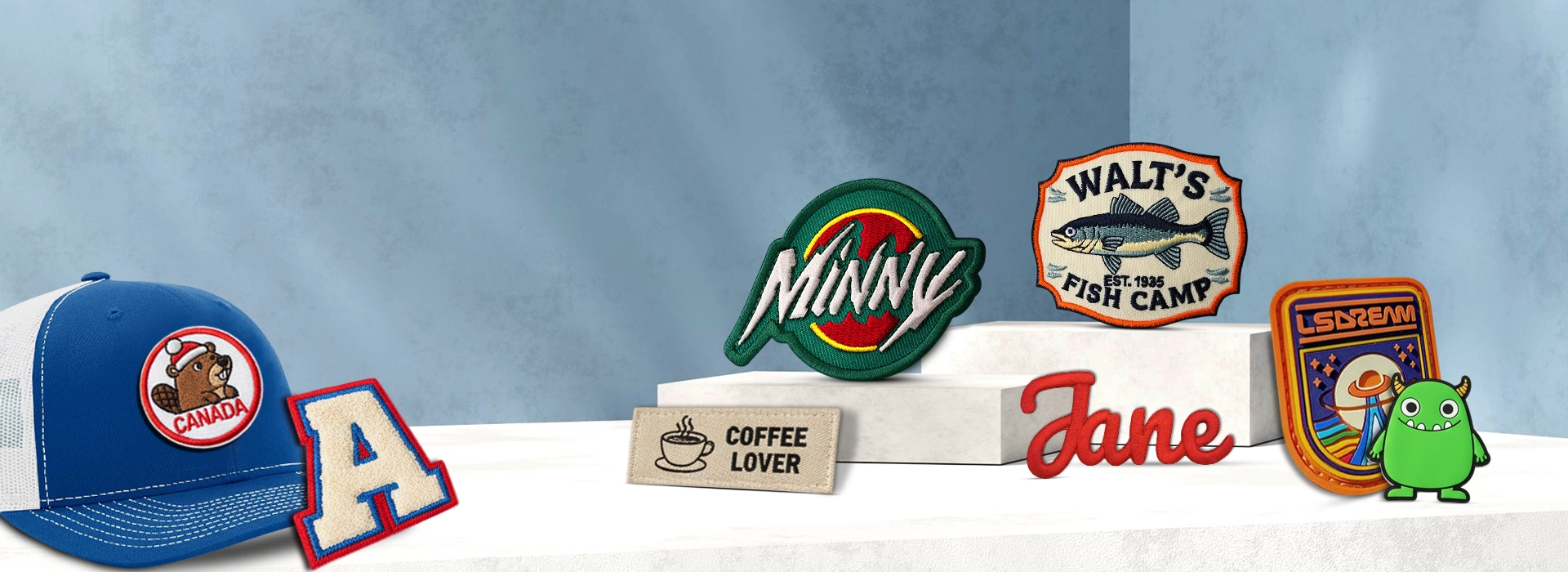
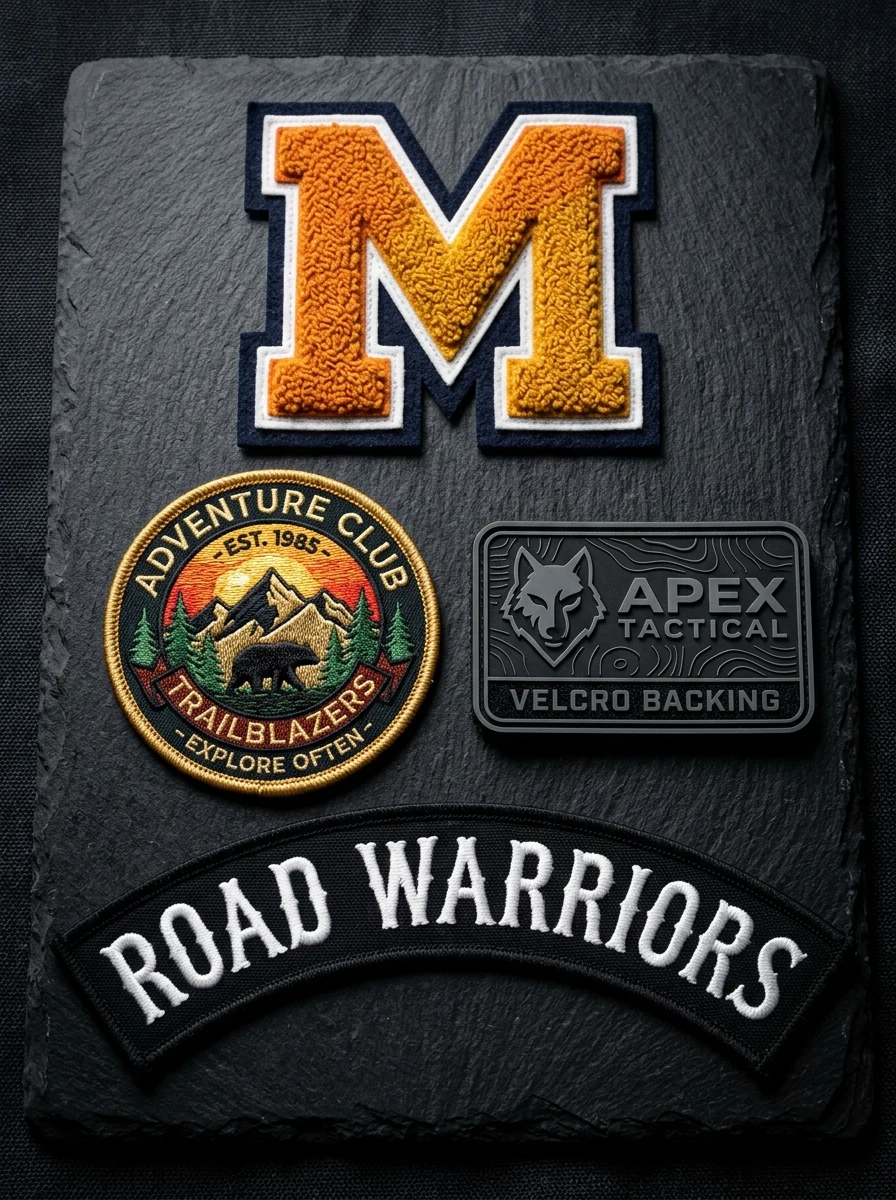
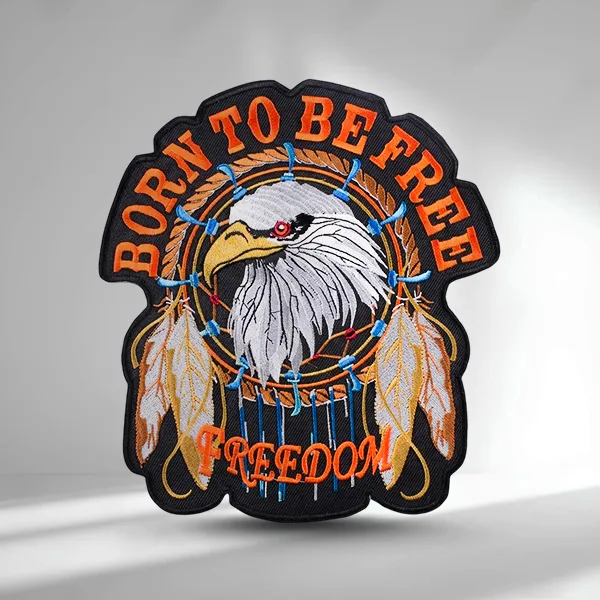
Embroidered patches are a popular option because their raised threads create a textured and traditional appearance. They work particularly well for bold logos, simple lettering, and designs that need a classic finish. Woven patches provide a smoother surface and can capture finer details, making them suitable for intricate symbols, smaller text, and complex artwork.
PVC patches offer a modern appearance with flexible material, defined edges, and strong color contrast. They are often used for outdoor equipment, sportswear, tactical accessories, and products that require a distinctive contemporary style. Leather patches, meanwhile, can create a premium and sophisticated impression, particularly on denim, bags, hats, and workwear.
The best option depends on the intended application, the complexity of the artwork, the desired appearance, and the overall brand identity. Choosing a patch style that complements the product helps create a more cohesive and professional result.
Designing Patches That Reflect Brand Identity
An effective custom patch begins with a clear design concept. The patch should communicate the brand’s identity without becoming overcrowded with unnecessary details. A recognizable logo, carefully selected colors, readable typography, and balanced proportions can help produce a design that looks appealing at different sizes.
Color selection deserves particular attention because colors contribute to brand recognition and influence the overall appearance of a patch. Businesses should consider their existing brand palette and maintain consistency across uniforms, packaging, promotional items, and other branded materials.
Typography is equally important. Small patches have limited space, so complicated lettering and excessive text can reduce readability. Simplifying the design often produces a cleaner and more recognizable result. Before production begins, businesses should review the artwork at its intended size to ensure that important details remain visible.
The patch shape can also contribute to its character. Traditional circular and rectangular patches provide a familiar structure, while custom outlines can follow the shape of a logo or represent a specific product or theme. A thoughtfully selected shape helps distinguish the design without distracting from the brand itself.
Custom Patches for Professional Uniforms
Uniforms are among the most practical applications for custom patches. They help employees present a consistent appearance while making it easier for customers to identify staff members. Businesses can place patches on shirts, jackets, aprons, caps, and other workwear to create a coordinated visual identity.
For customer-facing industries, such as hospitality, retail, healthcare support, and food services, branded uniforms can reinforce professionalism and improve the overall customer experience. A well-designed patch communicates attention to detail and helps employees feel connected to the organization they represent.
Custom patches can also support team identification. Different departments, job roles, or locations may use variations of a shared design while maintaining a consistent brand appearance. This approach allows organizations to introduce useful distinctions without losing visual unity.
Bringing Products and Merchandise to Life
Custom patches can transform ordinary products into branded merchandise with greater personality. Jackets, backpacks, caps, tote bags, and accessories can all benefit from distinctive patch designs. Instead of relying entirely on printed logos, businesses can introduce texture and dimension that make products more visually interesting.
For lifestyle brands and clothing businesses, patches can become part of the product design rather than simply an additional logo. A carefully positioned patch may enhance the appearance of a garment, communicate a particular style, or create a sense of exclusivity.
Promotional merchandise also offers opportunities for creative patch applications. Businesses can develop patches for product launches, customer appreciation campaigns, special collections, and company milestones. When customers find the design attractive and useful, they may continue using the item long after the original campaign has ended.
Creating Stronger Connections Through Personalization
Personalization helps brands establish a more meaningful connection with their audiences. Custom patches allow businesses to move beyond standard logos and create designs that reflect particular communities, interests, achievements, or experiences.
For example, a company may develop patches for employee recognition, customer loyalty programs, annual events, or limited product releases. Each design can communicate a specific message while remaining connected to the organization’s broader identity.
Limited-edition patches can also create interest among customers who appreciate distinctive merchandise. Unique colors, special artwork, and carefully chosen themes can make a patch more memorable. However, successful personalization should remain relevant to the intended audience and consistent with the brand’s values.
Selecting Materials and Attachment Methods
The durability and performance of a custom patch depend on its materials, construction, and attachment method. Businesses should consider where the patch will be used and how frequently the item will be worn, washed, or exposed to outdoor conditions.
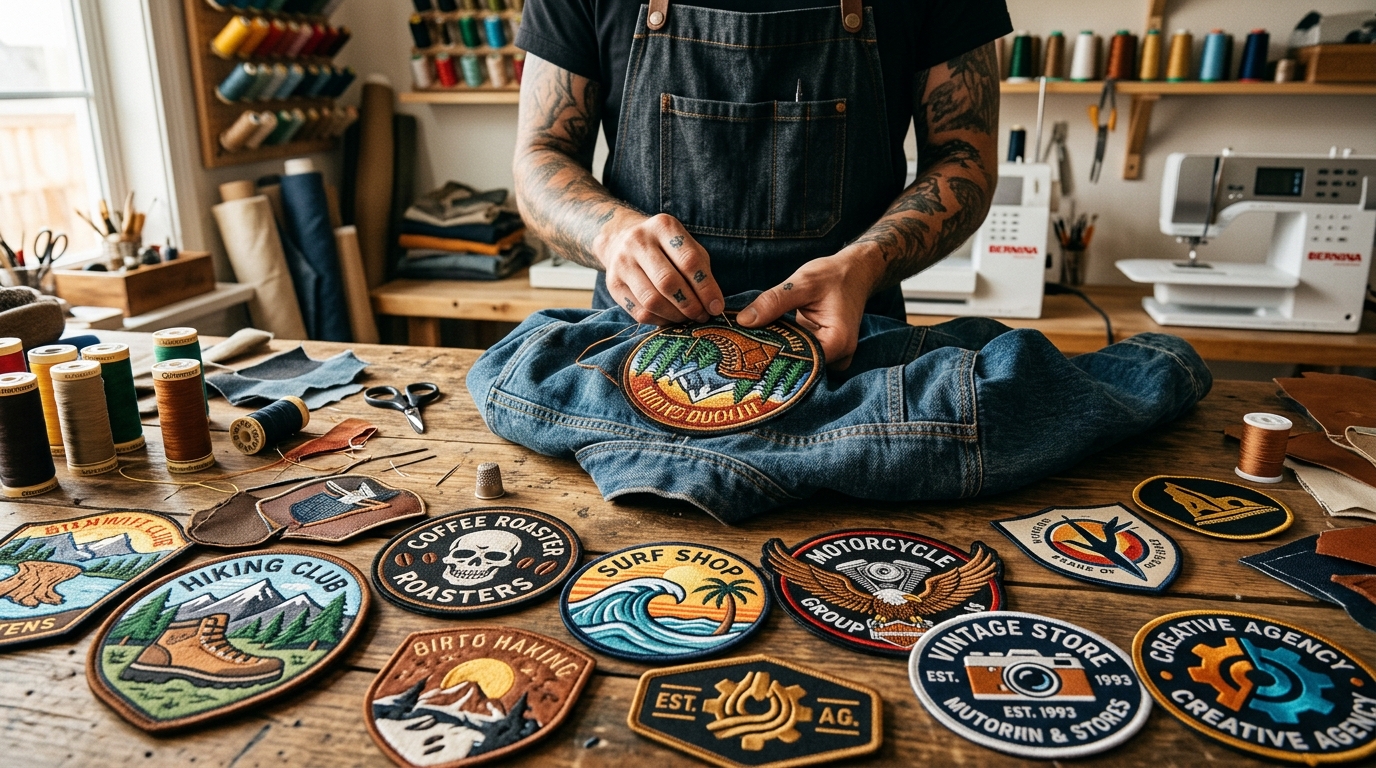
Sew-on patches provide a secure attachment and are often suitable for uniforms, heavy garments, and products that experience frequent use. Iron-on patches offer a convenient application method for compatible fabrics, although heat sensitivity and washing requirements should be considered before selecting this option.
Hook-and-loop backing allows patches to be removed and replaced easily. This makes it useful for organizations that need interchangeable identification, adaptable uniforms, or customizable equipment. Adhesive backing may be suitable for temporary applications or certain accessories, depending on the surface and intended use.
Material selection should also reflect the environment. Products designed for outdoor activities may require weather-resistant materials, while fashion accessories may prioritize texture, color, and visual appeal. Evaluating these requirements before production helps businesses choose patches that perform well in their intended setting.
Maintaining Quality During Production
High-quality custom patches require attention to detail throughout the production process. Businesses should begin with clear artwork and communicate their expectations regarding dimensions, colors, borders, materials, and backing options.
Reviewing a digital proof before manufacturing helps identify design issues early. Organizations should check logo proportions, spelling, color accuracy, and the visibility of small details. For larger orders, requesting a physical sample can provide a clearer understanding of the final texture, stitching, and overall finish.
Consistency is particularly important when patches will be applied across multiple products or employee uniforms. Variations in size, color, or placement can make a brand appear less organized. Working with an experienced manufacturer and establishing clear specifications can help maintain a uniform result across production batches.
Quality should also be evaluated in relation to the intended purpose. A patch used for occasional promotional wear may have different requirements from one designed for industrial workwear or frequently washed garments. Matching construction quality to actual use supports better performance and customer satisfaction.
Using Custom Patches in Marketing Strategies
Custom patches can contribute to a broader marketing strategy by providing a tangible representation of a brand. Businesses can distribute them at trade shows, community events, product launches, and promotional campaigns. Their compact size makes them convenient to package, distribute, and incorporate into different merchandise collections.
Unlike many disposable promotional materials, patches can be retained and reused when they offer attractive designs and practical value. This creates opportunities for continued brand exposure through clothing, accessories, and personal collections.
Companies can also use patches to support storytelling. A design inspired by a company milestone, local heritage, a product collection, or a shared organizational value can communicate more than a simple logo. When the concept is meaningful and relevant, the patch becomes a recognizable representation of the brand’s story.
However, promotional success depends on thoughtful execution. The design should appeal to the intended audience, the quality should reflect the company’s standards, and the distribution strategy should support a clear marketing objective.
Avoiding Common Custom Patch Mistakes
Although custom patches offer considerable creative freedom, certain design and production mistakes can reduce their effectiveness. Overcomplicated artwork is one of the most common problems. Excessive text, too many colors, and tiny details can make a patch difficult to understand at a glance.
Another mistake is choosing a backing or material without considering the final application. A patch that looks attractive but does not attach securely or withstand normal use may create unnecessary replacement costs.
Businesses should also avoid inconsistent branding. Using outdated logos, inaccurate colors, or different design proportions across products can weaken brand recognition. Maintaining approved artwork and clear production guidelines helps prevent these issues.
Finally, ordering large quantities without reviewing a sample can increase the risk of costly errors. Taking time to confirm the design, materials, and construction before full production helps ensure that the finished patches meet expectations.
The Future of Custom Branding With Patches
As businesses continue to explore distinctive branding methods, custom patches remain a versatile option for combining visual appeal with practical use. Advances in manufacturing techniques, improved material choices, and greater design flexibility allow companies to create patches that suit a wide range of applications.
Brands can experiment with textured finishes, creative shapes, detailed woven designs, modern PVC construction, and combinations of different materials. These options provide opportunities to develop distinctive merchandise while preserving recognizable brand elements.
Sustainability can also influence purchasing decisions. Businesses interested in more responsible production may evaluate material sourcing, manufacturing practices, product longevity, and packaging choices when selecting a patch supplier. Durable designs that remain useful over time can support a more considered approach to promotional merchandise.
The most effective approach is to focus on relevance, quality, and consistency rather than following every new design trend. A patch that accurately represents a brand and serves its intended purpose can remain valuable even as marketing styles evolve.
Conclusion
Custom patches offer businesses a practical and creative way to bring their brands to life. From professional uniforms and promotional merchandise to fashion accessories and personalized products, they combine visual identity with everyday functionality.
By selecting suitable materials, developing clear designs, maintaining production quality, and aligning each patch with a broader branding strategy, businesses can create products that strengthen recognition and communicate their values effectively. The real advantage of custom patches lies in their ability to turn a simple branding element into a lasting part of the customer and employee experience.
Beyond the basics, successful custom patch design is about creating something recognizable, durable, and meaningful. When every detail supports the brand’s identity, even a small patch can make a powerful impression.