Introduction
High-quality custom patches have become an important part of modern branding, apparel design, team identity, and business presentation. Whether we operate a clothing brand, manage a sports team, run a growing business, or create uniforms for employees, custom patches offer a practical way to display logos, names, symbols, and unique designs. With the right materials, precise stitching, attractive colors, and professional finishing, we can create patches that enhance our products and communicate our identity effectively.
In today's competitive market, brands and organizations need more than ordinary clothing to stand out. Customers often recognize businesses through their logos, colors, and distinctive product details. Custom patches allow us to incorporate these visual elements into jackets, shirts, hats, uniforms, bags, and other apparel products. They also provide flexibility because we can customize different garments without changing their entire design.
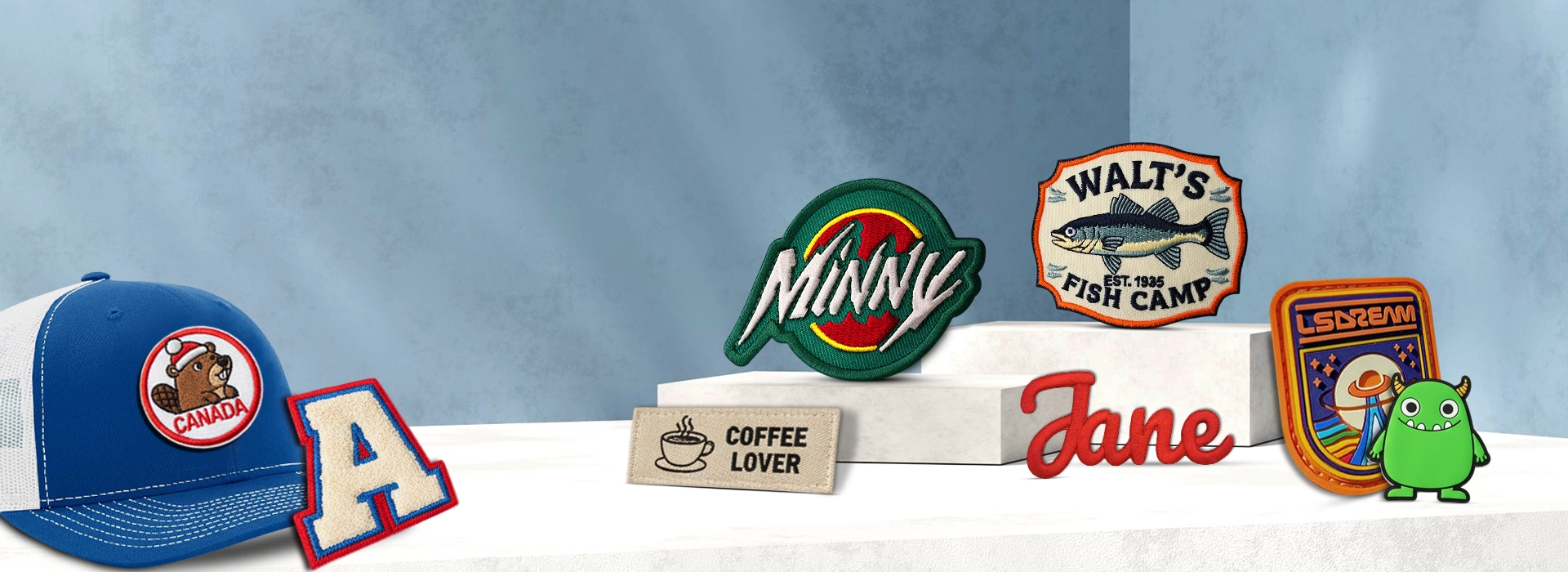
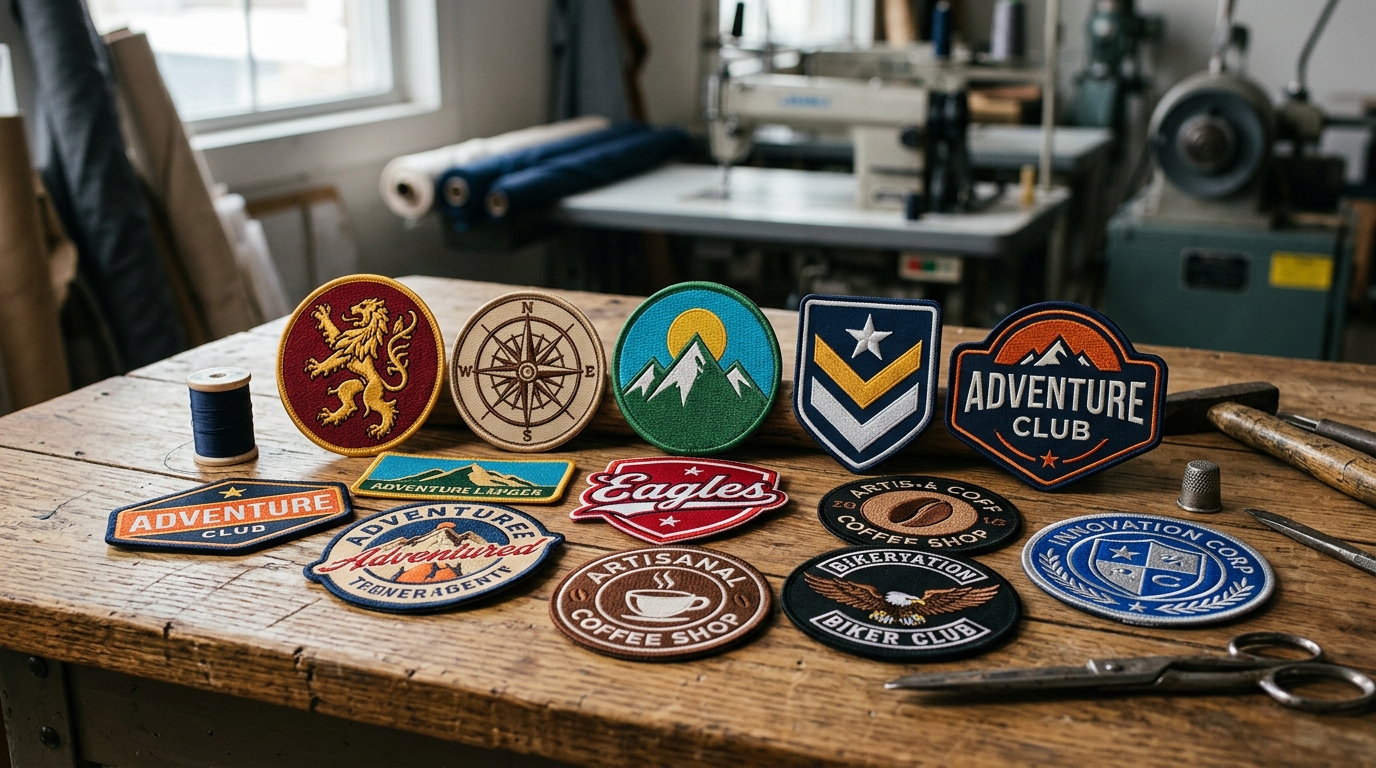
High-quality patches are particularly valuable for apparel brands that want to create recognizable collections, sports teams that need consistent uniforms, and businesses that require professional workwear. Depending on our requirements, we can choose embroidered patches, woven patches, printed patches, PVC patches, chenille patches, or leather-style patches. Each option offers different visual characteristics and practical benefits.
In this guide, we will explore high-quality custom patches for apparel brands, teams, and businesses. We will discuss the available patch types, materials, customization options, applications, attachment methods, quality considerations, and design practices that help us achieve professional results.
What Are High-Quality Custom Patches
High-quality custom patches are personalized pieces made according to specific design and production requirements. They can feature company logos, brand names, team emblems, employee identifiers, initials, slogans, illustrations, or other artwork.
Unlike standard patches with ready-made designs, custom patches allow us to select the dimensions, shape, colors, material, border, and attachment method. This flexibility helps us create products that match our brand guidelines and intended applications.
Quality depends on several factors, including material selection, manufacturing precision, design clarity, edge finishing, color consistency, and attachment strength. A well-made patch should reproduce the approved artwork accurately and suit the garment or accessory to which it will be attached.
For apparel brands, custom patches can add distinctive details to retail products. For teams, they can identify players, represent clubs, and create a coordinated appearance. For businesses, they can display logos and employee information on uniforms and workwear.
By choosing appropriate materials and working with clear specifications, we can create custom patches that balance visual appeal, functionality, and durability.
Why Custom Patches Matter for Apparel Brands
Apparel brands need recognizable design elements that help distinguish their products from competing options. Custom patches provide an effective way to introduce these details while maintaining flexibility across different clothing collections.
Building a Recognizable Brand Identity
A consistent brand identity helps customers recognize our products. When we use the same logo, colors, and visual elements across different garments, we create a more coordinated product range.
Custom patches allow us to place our branding on jackets, hoodies, shirts, hats, and accessories without redesigning the entire garment. For example, we can use an embroidered logo on a denim jacket and a woven label on a lightweight shirt while keeping the same brand identity.
The key is consistency. We should maintain recognizable logo proportions, approved colors, and appropriate placement across our products.
Adding Value to Apparel Designs
A carefully designed patch can make an ordinary garment more distinctive. Embroidered textures, woven details, leather-style finishes, and creative shapes can contribute to the overall appearance of a product.
We can use patches as subtle branding elements or as prominent decorative features. A small chest logo may suit minimalist clothing, while a larger back patch may work better for streetwear or statement jackets.
The patch should complement the garment rather than overwhelm it. Choosing the right size, material, and placement helps us maintain a balanced design.
Supporting Different Clothing Collections
Custom patches allow apparel brands to develop different product variations while preserving a consistent identity. We can create designs for seasonal collections, limited-edition releases, promotional clothing, and everyday apparel.
For example, a clothing brand may use a standard logo patch across its main collection and introduce special designs for selected products. This approach creates room for creativity without abandoning the brand's established visual style.
Different Types of High-Quality Custom Patches
Selecting the appropriate patch type is essential because each manufacturing method produces a different appearance and level of detail.
Embroidered Custom Patches
Embroidered patches are created by stitching colored threads onto a suitable backing material. The stitching produces a textured, raised appearance that works well for bold logos, initials, lettering, and traditional emblems.
These patches are widely used by apparel brands, sports teams, businesses, and organizations. They can be attached to jackets, uniforms, caps, backpacks, and many other fabric products.
Embroidered patches are particularly suitable when we want a classic appearance with visible texture. We can customize the thread colors, dimensions, border, and backing to suit our design.
However, very small lettering and highly intricate artwork can be difficult to reproduce clearly. We should simplify complex details when necessary and ensure that the final patch size supports the design.
Woven Custom Patches
Woven patches are produced by interlacing threads to create the design. Their construction generally supports finer details and smaller lettering than traditional embroidery.
They are suitable for clothing labels, detailed logos, minimalist branding, and designs that require a relatively flat finish.
Apparel brands can use woven patches on shirts, jackets, hats, and accessories where clear typography and neat detailing are important.
Before production, we should check the artwork at its actual size. This helps us confirm that lettering, linework, and spacing remain readable.
Printed Custom Patches
Printed patches reproduce artwork on a suitable material using a printing process. They can accommodate complex illustrations, gradients, detailed images, and multiple colors.
These patches are useful when a design contains elements that are difficult to reproduce through stitching or weaving. They can work well for creative clothing collections, promotional merchandise, and detailed brand graphics.
The final appearance depends on the printing method, material, protective finish, and manufacturing quality. If accurate colors and fine details are important, we should request a sample or review a detailed production proof.
PVC Custom Patches
PVC patches are made from flexible synthetic material and can feature raised details, recessed sections, and distinct color areas. Their dimensional appearance gives them a contemporary style.
They are often used on outdoor apparel, caps, backpacks, performance accessories, and selected workwear products.
PVC can be a suitable choice when we want a modern design with a distinctive surface. However, we should consider flexibility, comfort, weight, cleaning requirements, and compatibility with the intended garment.
Chenille Custom Patches
Chenille patches feature a soft, textured surface created with looped yarn. They are commonly associated with varsity jackets, collegiate clothing, sportswear, and bold lettering.
These patches can be used for team initials, numbers, mascots, and large decorative designs. Their texture creates a recognizable appearance that works well for athletic and casual apparel.
Because chenille patches can be thicker and heavier than other options, we should ensure that the garment and attachment method can support their weight.
Leather and Faux-Leather Patches
Leather and faux-leather patches offer a refined appearance for denim, jackets, hats, bags, and selected workwear.
Depending on the material and production technique, designs can be embossed, debossed, engraved, or marked using other suitable methods.
These patches can complement minimalist branding and premium apparel collections. We should compare genuine leather and synthetic alternatives according to cost, appearance, care requirements, and our brand's material preferences.
Custom Patches for Sports Teams
Sports teams often require consistent uniforms that display team identity and help players look coordinated. Custom patches provide a practical way to incorporate team names, logos, mascots, and other identifying details.
Team Logos and Emblems
A team logo patch helps represent the club or organization. We can place it on jerseys, jackets, training apparel, caps, and bags.
The design should be clear, recognizable, and consistent with the team's established colors. We should also ensure that the patch dimensions suit the uniform and do not interfere with its fit or function.
Player Names and Numbers
Custom patches can display player names, numbers, or other relevant identifiers when appropriate for the uniform design.
Lettering should remain readable at the intended size. We should choose suitable fonts, spacing, and contrast to avoid crowded designs.
Before ordering, we should verify spelling, numbering, and placement for every required variation. This is particularly important when preparing patches for a full team.
Club and Organization Merchandise
Teams often produce merchandise for players, staff, supporters, and events. Custom patches can help create a consistent appearance across jackets, hats, backpacks, and other accessories.
We can use standard team branding for everyday merchandise and specialized designs for tournaments, anniversaries, or selected team collections.
The artwork should remain recognizable while reflecting the purpose of each product.
Custom Patches for Business Uniforms and Workwear
Businesses use custom patches to create a professional appearance and display important identifying information. They can be particularly useful for companies whose employees regularly interact with customers or work in coordinated teams.
Corporate Branding
A logo patch on a shirt, jacket, or uniform helps connect employees to the company's visual identity.
We should use consistent colors, clear artwork, and appropriate placement across different uniform styles. A chest patch may suit a polo shirt, while a larger patch may be more appropriate for a work jacket.
The design should complement the garment and remain visible without interfering with comfort or functionality.
Employee Names and Departments
Custom patches can display employee names, job titles, or department identifiers where needed. This can help customers recognize staff and understand their roles.
We should prioritize readability and avoid unnecessary information that makes the patch crowded.
For businesses with multiple departments, a consistent layout can help maintain a coordinated appearance while allowing relevant identifiers to differ.
Industrial and Service Workwear
Construction companies, maintenance teams, logistics businesses, hospitality providers, and other service organizations may use patches on their workwear.
For these applications, we should consider washing frequency, friction, environmental conditions, and the physical demands of the job.
The best patch is not necessarily the most decorative option. We should prioritize suitable materials, secure attachment, readable details, and compatibility with the garment's care requirements.
Custom patches should not replace required safety markings or certified protective features on workwear. Any safety-related identification should follow the relevant workplace requirements.
Choosing the Right Materials for Custom Patches
Material selection influences the appearance, comfort, durability, and maintenance of custom patches. We should choose materials according to the product's purpose rather than relying on appearance alone.
Fabric and Thread Quality
For embroidered and woven patches, the quality of the threads and backing can affect the clarity of the design and the finished appearance.
We should assess color consistency, stitching quality, edge finishing, and the suitability of the backing for the intended application.
For clothing that receives frequent use, we should also consider how the patch performs under normal washing and handling conditions.
Synthetic Materials
PVC and other synthetic materials can provide different textures, flexibility, and surface finishes.
We should check the material's compatibility with the garment, expected environmental conditions, and care requirements before choosing it.
A synthetic patch designed for a structured outdoor accessory may not be the best choice for a lightweight shirt.
Leather and Alternative Materials
Leather and faux-leather materials offer a different visual style from thread-based patches. They can complement denim, workwear, and selected fashion accessories.
We should confirm how the material reacts to moisture, cleaning, and repeated use. The choice should also reflect our product design and material preferences.
How to Design Effective Custom Patches
A successful patch design begins with a clear understanding of its purpose. By making important decisions before production, we can improve clarity and reduce the likelihood of errors.
Define the Purpose
First, we should identify what the patch needs to communicate. A corporate uniform patch may require a recognizable logo and readable company name, while a fashion patch may focus on decorative artwork.
The intended use helps us determine the size, material, colors, and level of detail.
Prepare Suitable Artwork
High-quality artwork makes it easier for manufacturers to reproduce a design accurately. Vector files are often useful for logos because they can be resized without losing clarity. High-resolution image files may also be appropriate depending on the production method.
We should confirm the manufacturer's preferred file format and provide clear color specifications where necessary.
Select Brand Colors
Colors should reflect our established brand guidelines. However, thread, fabric, printing, and synthetic materials can display colors differently.
When precise color matching matters, we should request a sample or review the manufacturer's available color-matching options.
Choose the Correct Size and Shape
The patch should be proportionate to the available space on the garment. A small logo for a shirt requires different dimensions from a large design for a jacket.
We should measure the intended placement, account for seams and curved surfaces, and review a digital mockup before approving the final dimensions.
Review the Production Proof
Before manufacturing begins, we should inspect the design carefully. We need to verify spelling, colors, dimensions, logo proportions, borders, and attachment requirements.
A production proof helps us identify mistakes before they affect the complete order. For specialized or large projects, a physical sample can provide additional assurance about materials and finishing.
Patch Attachment Methods
The attachment method influences how a patch is applied, how securely it stays in place, and whether it can be removed or replaced.
Sew-On Patches
Sew-on patches are attached using stitching and are suitable for many garments, uniforms, and fabric accessories.
They can provide a secure attachment when the stitching, patch construction, and garment material are compatible.
For heavy patches or products exposed to frequent wear, we should ensure that the attachment method is appropriate for the intended use.
Iron-On and Heat-Applied Patches
Heat-applied patches use a suitable adhesive that bonds under specified temperature and pressure conditions.
They can simplify application, but we must follow the manufacturer's instructions. Some synthetic fabrics, waterproof coatings, and heat-sensitive materials may not tolerate standard application temperatures.
Where frequent washing or demanding use is expected, additional stitching may be appropriate if the materials allow it.
Hook-and-Loop Patches
Hook-and-loop patches can be attached to compatible surfaces and removed when needed.
They are useful for selected uniforms, equipment bags, and products that require interchangeable identifiers.
Before choosing this option, we should confirm that the garment or accessory includes the correct attachment surface.
Adhesive-Backed Patches
Adhesive-backed patches may be suitable for temporary applications or compatible surfaces. Their performance depends on the adhesive and intended conditions.
We should not assume that every adhesive-backed patch is suitable for repeated washing or long-term use on clothing.
Maintaining Quality and Consistency Across Orders
When we order custom patches for an apparel brand, sports team, or business, consistency is essential. Every patch should follow the approved design and meet the agreed specifications.
We should establish clear requirements for dimensions, colors, materials, borders, and attachment methods before production begins.
For repeat orders, keeping the original artwork and production specifications can help us maintain a consistent appearance. We should also confirm whether the supplier can reproduce the same materials and finishes for future batches.
When evaluating samples, we should look for clear artwork, appropriate color matching, neat edges, consistent dimensions, and suitable construction.
We should discuss acceptable manufacturing tolerances with the supplier rather than assuming that every patch will be identical in every detail.
Clear communication helps us identify potential problems early and supports more reliable purchasing decisions.
Cost Factors When Ordering Custom Patches
The cost of custom patches depends on several factors, including size, materials, manufacturing method, design complexity, backing, and order quantity.
Larger patches may require more materials, while highly detailed designs can require additional production work. Embroidered, woven, printed, PVC, and chenille patches also involve different manufacturing processes.
Order quantity can influence the cost per patch, although the best quantity depends on actual demand and available storage. We should avoid ordering more than we reasonably expect to use simply to obtain a lower unit price.
When comparing suppliers, we should provide the same specifications to each one. We should compare the quoted price alongside material quality, sample costs, shipping, production timelines, and finishing requirements.
A lower price does not always represent the best value. We should consider whether the finished patches meet our standards and suit the intended application.
Caring for Custom Patches
Proper care can help preserve the appearance of patches and the garments to which they are attached.
We should follow the garment's care label and any instructions supplied by the patch manufacturer. Different materials and attachment methods may require different cleaning procedures.
When machine washing is permitted, turning the garment inside out may help reduce friction against the patch. We should also avoid excessive heat when it could damage the patch material or adhesive.
It is useful to inspect patches periodically for loose stitching, lifted edges, fading, or surface damage. Repairing minor attachment problems early may help prevent further deterioration.
For hats, structured uniforms, and specialized workwear, we should follow the recommended cleaning method for the complete product.
The lifespan of a custom patch depends on its materials, construction, attachment method, frequency of use, and maintenance. Appropriate care can help keep patches looking presentable for longer.
Conclusion
High-quality custom patches provide apparel brands, sports teams, and businesses with a flexible way to strengthen their identity, improve product presentation, and create recognizable designs. From embroidered and woven patches to printed, PVC, chenille, and leather-style options, we can choose materials and finishes that match our objectives and the requirements of our products.
For apparel brands, custom patches add distinctive details to clothing collections and support consistent branding across different garments. For sports teams, they help display team logos, names, and other identifying elements. For businesses, they contribute to professional uniforms, coordinated workwear, and recognizable branded merchandise.
Achieving the right result requires careful planning. We should prepare clear artwork, select appropriate materials, choose suitable dimensions, confirm attachment methods, and review production proofs before approving an order. We should also consider quality standards, maintenance requirements, and overall costs to ensure that our patches suit their intended applications.
Ultimately, high-quality custom patches are more than decorative additions. They are practical branding elements that help us connect our visual identity with the clothing, accessories, and merchandise we create. By focusing on thoughtful design, consistent specifications, suitable materials, and reliable manufacturing, we can create custom patches that represent our brand professionally and meet the needs of our teams, customers, and business partners.