Introduction
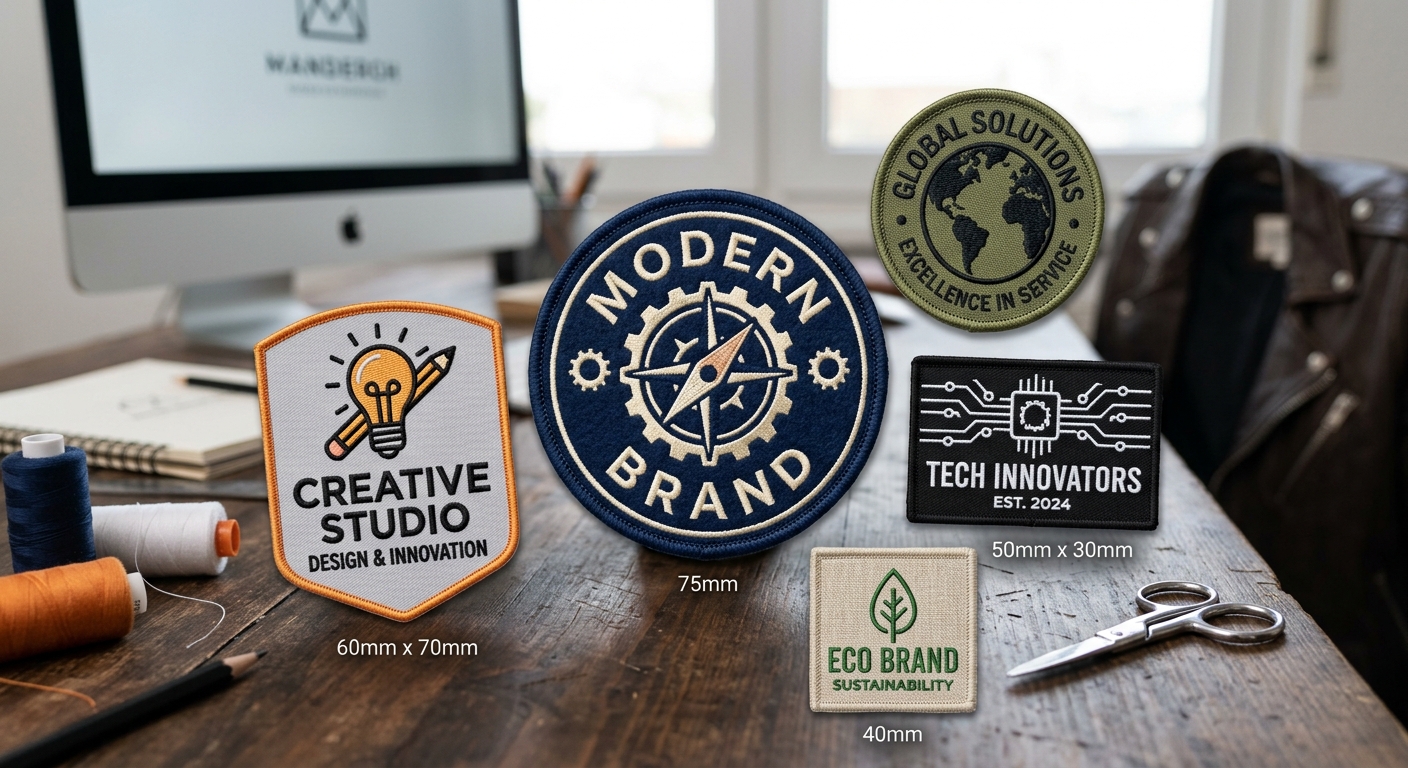
Premium custom patches have become an effective way for modern brands and businesses to establish their identity, enhance their products, and create a professional appearance. Whether we operate a clothing brand, manage a growing company, run a promotional merchandise business, or develop uniforms for a professional team, custom patches allow us to communicate our brand identity through distinctive designs. With high-quality materials, precise detailing, and carefully selected colors, we can create patches that complement our products and reflect the standards of our business.
In today's competitive marketplace, branding is about more than simply displaying a company name or logo. We need consistent visual elements that help customers recognize our products and remember our business. Premium custom patches offer a practical solution because they can be incorporated into clothing, hats, jackets, uniforms, backpacks, and other fabric accessories. They give us the flexibility to customize different products while maintaining a consistent brand image.
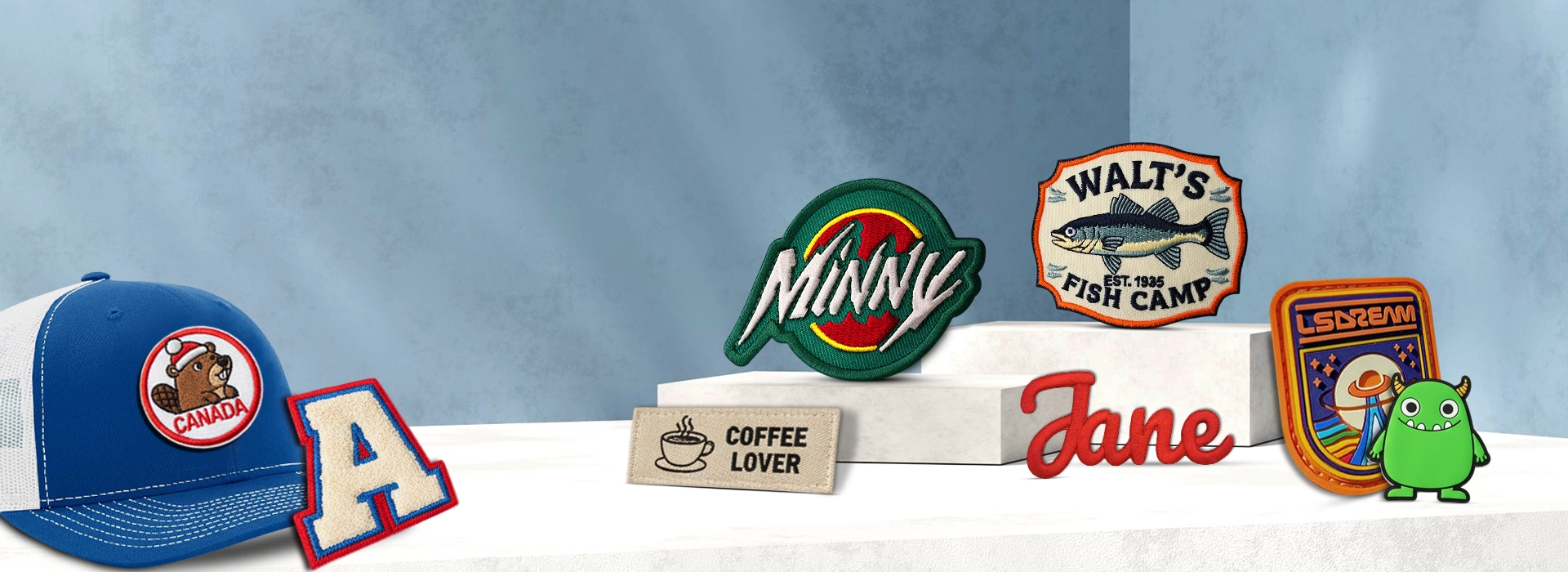
Modern businesses also require customization options that match their individual needs. Some brands prefer embroidered patches with a traditional textured appearance, while others choose woven patches for detailed artwork or PVC patches for a contemporary finish. The right choice depends on the intended application, design complexity, material preferences, and overall brand style.
In this article, we will explore premium custom patches for modern brands and businesses, including their types, benefits, customization options, materials, attachment methods, and practical applications. We will also explain how we can choose the right patches, maintain quality standards, and use customized designs to strengthen our brand identity.
What Are Premium Custom Patches
Premium custom patches are specially designed decorative or identification pieces created according to a brand's specific requirements. They can feature company logos, brand names, initials, symbols, slogans, illustrations, and other visual elements that represent a business or organization.
Unlike standard patches with ready-made designs, premium custom patches allow us to control important details such as size, shape, colors, materials, borders, and finishing techniques. This flexibility helps us create designs that suit our products and communicate our brand personality effectively.
The term premium generally refers to the overall quality of the materials, design execution, manufacturing precision, and finishing. A premium patch should have clear details, balanced proportions, appropriate materials, and a finish that meets the intended use. However, the actual quality depends on the manufacturer's capabilities and the specifications we choose.
For modern brands, these patches can serve several purposes. They can identify employees, enhance retail clothing, distinguish product collections, support promotional campaigns, and create a consistent appearance across branded merchandise.
By selecting the right patch design, we can transform an ordinary garment or accessory into a product that reflects our business identity.
Why Premium Custom Patches Matter for Modern Businesses
Brand recognition is an important part of building a successful business. Customers often recognize brands through visual details, including logos, colors, typography, and product presentation. Premium custom patches help us incorporate these elements into the products our customers and employees use.
Strengthening Brand Identity
A consistent brand identity helps our business appear professional and recognizable. When we use the same logo, colors, and design elements across uniforms, hats, jackets, and merchandise, we create a coordinated visual experience.
Custom patches allow us to apply these elements to different products without redesigning the entire garment. For example, a company can use an embroidered logo on work jackets, a woven patch on polo shirts, and a suitable branded patch on caps.
Although the materials may differ, maintaining a consistent visual identity helps connect these products to the same brand.
Creating a Professional Appearance
Professional presentation matters in industries where employees interact directly with customers. Businesses in retail, hospitality, construction, logistics, and service industries can use custom patches to display company names, employee roles, and organizational logos.
A well-designed patch can make uniforms look more organized and coordinated. To achieve this result, we should choose readable lettering, appropriate colors, suitable materials, and placement that complements the uniform.
Supporting Product Differentiation
Many businesses sell products within competitive markets. Premium patches provide an additional design element that can distinguish our products from similar offerings.
A carefully positioned patch can become a recognizable feature of a clothing collection, outdoor accessory, or branded uniform. The design should support the overall product rather than distract from it.
By experimenting with different shapes, textures, and finishes, we can create distinctive products while preserving our brand's core visual identity.
Types of Premium Custom Patches
Choosing the appropriate patch type is essential because different manufacturing methods produce different textures, details, and finishes. We should consider the artwork, application, durability requirements, and budget before selecting a style.
1. Premium Embroidered Patches
Embroidered patches are made by stitching colored threads onto a suitable fabric backing. The stitching creates texture and gives the design a raised appearance.
These patches are widely used for company uniforms, branded jackets, hats, sportswear, and promotional clothing. Their textured finish works especially well for bold logos, simple illustrations, initials, and lettering.
For businesses seeking a traditional and professional appearance, embroidered patches can be a suitable option. We can choose thread colors, border styles, dimensions, and backing options to complement our brand.
However, very small text and intricate artwork may be difficult to reproduce clearly with embroidery. We should simplify complex designs when necessary and ensure that the final dimensions support the desired level of detail.
2. Premium Woven Patches
Woven patches are created by interlacing threads to form a design. This construction can reproduce finer details and smaller lettering than many conventional embroidered designs.
They are useful for clothing labels, minimalist logos, detailed symbols, and premium apparel branding. Their relatively flat surface also makes them suitable for applications where a thick or heavily textured patch is not desirable.
Businesses that use detailed typography or fine linework may benefit from woven patches. Before production, we should review the design at its intended physical size to ensure that every important element remains clear.
3. Premium PVC Patches
PVC patches are made from flexible synthetic material and can feature raised details, recessed sections, and distinct color areas. Their dimensional appearance makes them suitable for modern product designs.
We can use PVC patches on outdoor clothing, backpacks, caps, work accessories, and selected performance-oriented products. Depending on their construction, they may offer useful resistance to moisture and everyday wear.
PVC is not the ideal choice for every application. We should consider flexibility, garment weight, comfort, cleaning requirements, and the overall style of our products before selecting this material.
4. Premium Printed Patches
Printed patches are designed to reproduce artwork on a suitable material using an appropriate printing process. They can accommodate gradients, complex illustrations, detailed images, and multiple colors.
For businesses with intricate brand artwork, printed patches can provide greater flexibility than thread-based designs. They are particularly useful for promotional merchandise, creative fashion products, and artwork-driven collections.
The finished appearance depends on the printing method, substrate, protective finish, and manufacturing quality. When color accuracy or fine details are important, we should request a sample or approve a detailed production proof.
5. Premium Chenille Patches
Chenille patches feature a soft, textured surface made using looped yarn. They are commonly associated with varsity jackets, athletic apparel, collegiate lettering, and bold decorative designs.
These patches can help businesses create a distinctive visual identity for sports teams, educational organizations, lifestyle brands, and casual clothing collections.
Because chenille patches are often thicker than other options, we should consider the garment's construction and the patch's placement. Appropriate attachment and backing are important for maintaining a neat finish.
6. Premium Leather and Faux-Leather Patches
Leather and faux-leather patches provide a clean, refined appearance that works well for denim, jackets, hats, bags, and selected workwear products.
Depending on the material and manufacturing process, logos can be embossed, debossed, engraved, or otherwise marked onto the surface. These methods can create a subtle design without relying on multiple thread colors.
Genuine leather and synthetic alternatives have different costs, care requirements, and material characteristics. We should select the option that matches our brand identity, product requirements, and material preferences.
Premium Custom Patches for Clothing Brands
Clothing brands can use premium custom patches to add distinctive details to their products and establish a recognizable visual style. Patches can be applied to different garment types, allowing us to develop coordinated collections without using the same placement on every item.
Jackets and Denim Apparel
Jackets and denim products provide versatile surfaces for patch customization. We can place small logos on the chest, add decorative patches to sleeves, or use larger designs on the back.
Embroidered patches can create a traditional appearance, while woven and leather-style patches can support a more understated design. PVC patches may suit contemporary streetwear or outdoor-inspired collections.
Before choosing a patch, we should consider the fabric thickness, seams, lining, and garment construction. The patch should complement the jacket and remain securely attached during normal use.
T-Shirts and Hoodies
T-shirts, sweatshirts, and hoodies are popular products for branded merchandise and retail clothing. Small patches can add a professional detail without covering large areas of the garment.
Lightweight fabrics may require smaller, flexible patches that do not create unnecessary stiffness. Heavier hoodies and sweatshirts may support a wider variety of materials, depending on their construction.
We should also consider comfort, especially when patches are placed near areas that come into contact with the skin.
Workwear and Corporate Uniforms
Businesses can use premium patches to display company logos, employee names, department identifiers, and other relevant information on uniforms.
A coordinated uniform design can help employees present a consistent appearance. Clear lettering and recognizable logos are particularly important when customers need to identify staff members.
For workwear, we should prioritize practical durability, appropriate attachment methods, and materials that suit the working environment and cleaning requirements.
Bags and Fabric Accessories
Custom patches can also enhance backpacks, tote bags, equipment bags, and other suitable accessories. These products give businesses additional opportunities to display their branding beyond traditional clothing.
When designing patches for bags, we should consider the surface material, friction, handling frequency, and attachment area. The patch should be proportionate to the accessory and compatible with its construction.
Premium Custom Patches for Hats and Caps
Hats and caps offer a valuable surface for brand customization. Because the front of a cap is often highly visible, a carefully designed patch can help communicate our brand identity clearly.
Baseball Caps
Baseball caps are commonly used for company merchandise, retail collections, sports teams, and promotional campaigns.
A compact embroidered logo, woven design, or faux-leather patch can create a balanced appearance. We should choose a size that fits the front panel without overwhelming the cap.
The curve and structure of the cap must also be considered. A patch designed for a flat surface may require adjustments to fit a curved panel neatly.
Trucker Hats
Trucker hats are popular in lifestyle apparel, outdoor merchandise, and casual branding. Their structured front panels can accommodate several patch styles, depending on the material and construction.
We can choose embroidered lettering for a traditional appearance, woven artwork for fine details, or PVC for a dimensional finish.
The design should remain proportional to the front panel, with enough spacing around the edges to avoid a crowded appearance.
Beanies and Winter Hats
Beanies provide opportunities for smaller patches and understated branding. Woven labels, embroidered patches, and selected leather-style designs can work well on suitable knitted surfaces.
Because knitted fabrics stretch, we should consider the weight and flexibility of the patch. A patch that is too rigid or heavy may affect the natural fit of the hat.
A simple logo or short wordmark often provides a clean result while preserving comfort.
How Premium Custom Patches Improve Brand Recognition
Brand recognition develops when customers repeatedly encounter consistent and identifiable visual elements. Premium custom patches can help us maintain this consistency across products, uniforms, and promotional materials.
Consistent Visual Elements
We should establish clear guidelines for our logo, brand colors, typography, and patch placement. These guidelines help ensure that different products remain visually connected.
For example, a business may use the same logo proportions and color combination across its employee uniforms, branded caps, and promotional jackets.
Although the patch materials may vary, consistent design choices help maintain a recognizable identity.
Memorable Product Details
A distinctive patch can become a familiar feature of a product line. Customers may associate a particular shape, symbol, or placement with our brand when the design is used consistently.
To achieve this, we should focus on clarity rather than unnecessary complexity. A simple, recognizable design is often more effective than a patch crowded with too many elements.
Flexible Branding Across Product Categories
Custom patches allow us to apply a consistent identity to different products. The same brand can appear on jackets, hats, bags, uniforms, and selected accessories.
This flexibility helps businesses expand their merchandise range while preserving a coordinated appearance.
Designing Premium Custom Patches for Businesses
The design process plays a major role in the quality of the final product. Before manufacturing begins, we should identify our objectives and make decisions that support both visual appeal and practical performance.
Start with a Clear Brand Objective
First, we should decide what the patch needs to communicate. A uniform patch may need to display a readable company name, while a fashion patch may focus on a symbol or decorative design.
Understanding the purpose helps us choose the appropriate size, material, lettering, and placement.
Prepare High-Quality Artwork
Clear artwork makes it easier for manufacturers to reproduce our design accurately. Vector files are often useful for logos because they can be resized without losing clarity. High-resolution image files may also be appropriate, depending on the production method.
We should confirm the manufacturer's preferred file format and provide any necessary color specifications.
Select Appropriate Colors
Colors should match our brand guidelines as closely as the selected materials and production process allow.
Thread, fabric, printed surfaces, and synthetic materials may display colors differently. When precise color matching matters, we should review a physical sample or confirm the manufacturer's color-matching process before approving production.
Choose the Right Size and Shape
The patch should fit its intended location and remain easy to recognize. A small chest patch requires different proportions from a large back design or a front-cap logo.
We should measure the available space, consider nearby seams, and review a digital mockup before finalizing the dimensions.
Review the Final Proof
Before production, we should carefully check the logo, spelling, colors, proportions, border, dimensions, and attachment details.
A final proof helps us identify errors before they affect a full production run. For large or specialized orders, a physical sample can provide additional confidence in the material, appearance, and finishing.
Choosing Materials and Attachment Methods
Premium custom patches should be selected according to the product's intended use. The best material and attachment method will depend on the garment, working environment, desired appearance, and maintenance requirements.
Sew-On Patches
Sew-on patches are attached with stitching and can provide a secure solution for many clothing and accessory applications.
They are suitable for numerous embroidered, woven, chenille, and other compatible patch styles. The final strength depends on the fabric, stitching, patch construction, and quality of application.
Iron-On and Heat-Applied Patches
Heat-applied patches use a suitable adhesive that bonds under specified application conditions. They can simplify application when the garment material and patch backing are compatible.
We should follow the manufacturer's instructions for temperature, pressure, and application time. Heat-sensitive fabrics, waterproof coatings, and some synthetic materials may not tolerate standard heat application.
For garments exposed to frequent washing or demanding use, additional stitching may be appropriate when the materials allow it.
Hook-and-Loop Patches
Hook-and-loop patches are designed to attach to a compatible surface and can be removed or replaced when necessary.
They are useful for certain uniforms, equipment bags, and products that require interchangeable identifiers. We should confirm that the garment or accessory includes the matching attachment panel.
Adhesive-Backed Patches
Adhesive-backed patches may be suitable for temporary applications or specific surfaces. Their performance depends on the adhesive, material compatibility, and intended conditions.
We should not assume that every adhesive-backed patch can withstand repeated washing, heavy friction, or long-term use on clothing.
Quality Standards for Premium Custom Patches
Quality should be a priority when we create patches for our business. Even an attractive design can disappoint if the stitching, material, colors, or attachment are inconsistent.
First, we should assess the quality of the artwork reproduction. Logos and lettering should be clear, properly proportioned, and consistent with the approved design.
Second, we should review the material and finishing. Borders should look neat, edges should be appropriate for the selected construction, and the patch should suit its intended application.
Third, we should consider consistency across the order. Multiple patches produced for the same business should maintain comparable dimensions, colors, and overall appearance within the agreed manufacturing tolerances.
Finally, we should confirm that the selected patch meets our practical requirements. A product designed for everyday casual wear may not require the same specifications as one intended for demanding working conditions.
By defining our expectations before production, we can communicate more effectively with suppliers and make better purchasing decisions.
Benefits of Premium Custom Patches for Businesses
Premium custom patches can support businesses in several ways when they are designed and applied appropriately.
Stronger brand identity: Consistent logos and colors help connect different products to the same business.
Professional presentation: Custom patches can create a coordinated appearance across uniforms, workwear, and branded merchandise.
Product customization: We can personalize clothing and accessories without redesigning every part of the product.
Design flexibility: Different materials and finishes allow us to match patches to different brand styles and product categories.
Promotional opportunities: Branded caps, jackets, bags, and other merchandise can help businesses display their identity through everyday products.
Support for product collections: Patches can help independent designers and established brands introduce distinctive details into selected collections.
Adaptability: With appropriate planning, we can create patch designs for different departments, events, products, and promotional campaigns while maintaining consistent branding.
The actual benefits depend on design quality, product suitability, manufacturing standards, and the way the patches are used.
Cost Considerations When Ordering Premium Custom Patches
The cost of premium custom patches varies according to several factors. Understanding these factors helps us plan our budget and compare suppliers more effectively.
Patch size can influence material use and manufacturing requirements. Larger designs may require more resources, while very small designs with intricate details may need specialized production techniques.
The patch type also affects pricing. Embroidery, weaving, printing, PVC production, chenille construction, and leather-style finishes involve different processes and materials.
Other factors include the number of colors, backing type, border style, order quantity, sample requirements, and packaging. Production timelines and shipping arrangements may also affect the overall cost.
When requesting quotations, we should provide consistent specifications to each supplier. This makes it easier to compare prices fairly and understand what is included.
We should avoid selecting a supplier based on price alone. Material quality, design accuracy, finishing, communication, and delivery expectations are also important when ordering patches for professional use.
Caring for Premium Custom Patches
Appropriate care can help maintain the appearance of custom patches and the garments to which they are attached.
We should always follow the garment's care label and any additional instructions supplied by the patch manufacturer. Different materials and attachment methods may require different cleaning procedures.
When machine washing is permitted, turning the garment inside out may reduce direct friction against the patch. We should use suitable washing and drying settings for the garment and avoid excessive heat when it could damage the patch or adhesive.
We should also inspect patches periodically for loose stitching, lifted edges, fading, or surface damage. Addressing minor attachment problems early may help prevent further deterioration.
For hats and structured accessories, we should follow the recommended cleaning method for the specific product. Excessive water, heat, or mechanical agitation may affect the shape of the hat or the condition of the patch.
With suitable care, many premium patches can remain attractive over time, although their lifespan depends on materials, construction, frequency of use, and maintenance practices.
Conclusion
Premium custom patches for modern brands and businesses provide a practical and creative way to strengthen brand identity, improve product presentation, and create distinctive designs. From embroidered and woven patches to printed, PVC, chenille, and leather-style options, we can choose materials and finishes that match our business objectives and product requirements.
Whether we customize corporate uniforms, retail clothing, jackets, baseball caps, beanies, backpacks, or promotional merchandise, the right patch can help our products maintain a professional and recognizable appearance. By using consistent colors, clear logos, suitable materials, and appropriate attachment methods, we can create customized products that reflect our brand's identity and quality standards.
Successful customization begins with thoughtful planning. We should define the purpose of each patch, prepare high-quality artwork, select appropriate dimensions, review production proofs, and confirm manufacturing specifications before approving an order. We should also consider durability, comfort, maintenance, and total cost to ensure that our choices suit the intended application.
Ultimately, premium custom patches are more than decorative additions. They offer modern businesses a flexible way to communicate their identity, distinguish their products, and maintain consistency across different merchandise and apparel categories. By prioritizing thoughtful design, reliable manufacturing, and appropriate materials, we can create premium custom patches that represent our brand professionally and contribute to a distinctive, cohesive product experience.