A strong brand is more than a name or a logo. It is the feeling people experience when they see a product the trust the quality they recognize and the details that make a company different from its competitors. In a crowded marketplace businesses need more than ordinary advertising to capture attention and create lasting impressions. They need meaningful ways to express their identity through products packaging uniforms accessories and customer experiences. Custom patches offer an effective way to achieve this goal because they combine visual appeal with practical value and long lasting brand recognition.
Custom patches have become an important branding solution for businesses that want to communicate their personality through carefully designed details. They can be added to clothing bags hats jackets workwear promotional products and many other items. Their flexibility allows brands to create a consistent appearance while maintaining a distinctive style. Whether a company operates in fashion hospitality sports outdoor equipment retail or corporate services custom patches can help transform ordinary products into recognizable brand assets.
The real value of custom patches extends far beyond displaying a company logo. They allow businesses to tell stories communicate values highlight craftsmanship and build emotional connections with their audiences. When designed thoughtfully a patch becomes a small but memorable representation of what a brand stands for.
The Growing Importance of Custom Patches in Modern Branding
Modern customers encounter countless brand messages every day. Digital advertisements social media promotions and sponsored content compete for attention across multiple platforms. Although these channels can introduce a business to new audiences they do not always create a lasting physical connection. Customers may scroll past an advertisement or forget a promotional message within minutes.
Custom patches provide a different approach by bringing branding into the physical world. When a patch appears on a jacket backpack uniform or accessory it becomes part of an item that customers can use repeatedly. Each time the item is worn carried or noticed the brand receives another opportunity to make an impression.
This repeated visibility can support brand familiarity over time. Customers begin to recognize the colors shapes symbols and design elements associated with a company. Recognition becomes especially valuable when a brand maintains consistent visual standards across its products and marketing materials.
Custom patches also allow companies to communicate identity without relying on large printed graphics. A carefully positioned patch can create a polished appearance while preserving the overall design of a garment. This makes patches suitable for businesses that prefer subtle branding as well as organizations that want bold and expressive designs.
Another important advantage is their adaptability. Businesses can produce patches in different shapes sizes colors materials and finishes depending on their objectives. A premium clothing label might select a woven patch with fine details while an outdoor equipment company might prefer a durable embroidered design. A technology business may choose a clean rubber patch that complements modern uniforms and accessories.
This flexibility makes custom patches a useful branding investment for companies of different sizes. Small businesses can use them to create a professional identity while established brands can incorporate them into larger merchandising and product development strategies.
Building Brand Recognition Beyond the Logo
A logo is an essential element of brand identity but it represents only one part of the overall brand experience. Customers also notice colors typography materials product quality packaging and the way a company presents itself. Custom patches create an opportunity to combine these elements into a compact visual feature that communicates a broader identity.
For example a clothing brand can use a distinctive border a particular thread combination and a recognizable shape to create a patch that customers associate with its products. Even when the company name is not immediately visible the overall design may help customers recognize the brand.
This approach is particularly valuable for businesses that want to develop recognizable merchandise. A patch can incorporate a symbol a short phrase an established pattern or an illustrated character. These design elements can become familiar over time when used consistently across different products.
Brand recognition also depends on repetition and consistency. When a company uses unrelated designs on every product customers may struggle to identify a clear visual identity. Custom patches help establish continuity by repeating selected colors symbols and design principles throughout a product collection.
A brand might use the same primary colors across jackets caps bags and staff uniforms while adjusting the patch shape to suit each item. This creates visual variety without losing the recognizable qualities that connect the products.
The result is a more complete branding system in which the logo works together with supporting design elements. Rather than serving as an isolated graphic the patch becomes part of a recognizable visual language that customers can associate with the company.
Creating a Distinctive Identity Through Embroidered Patches
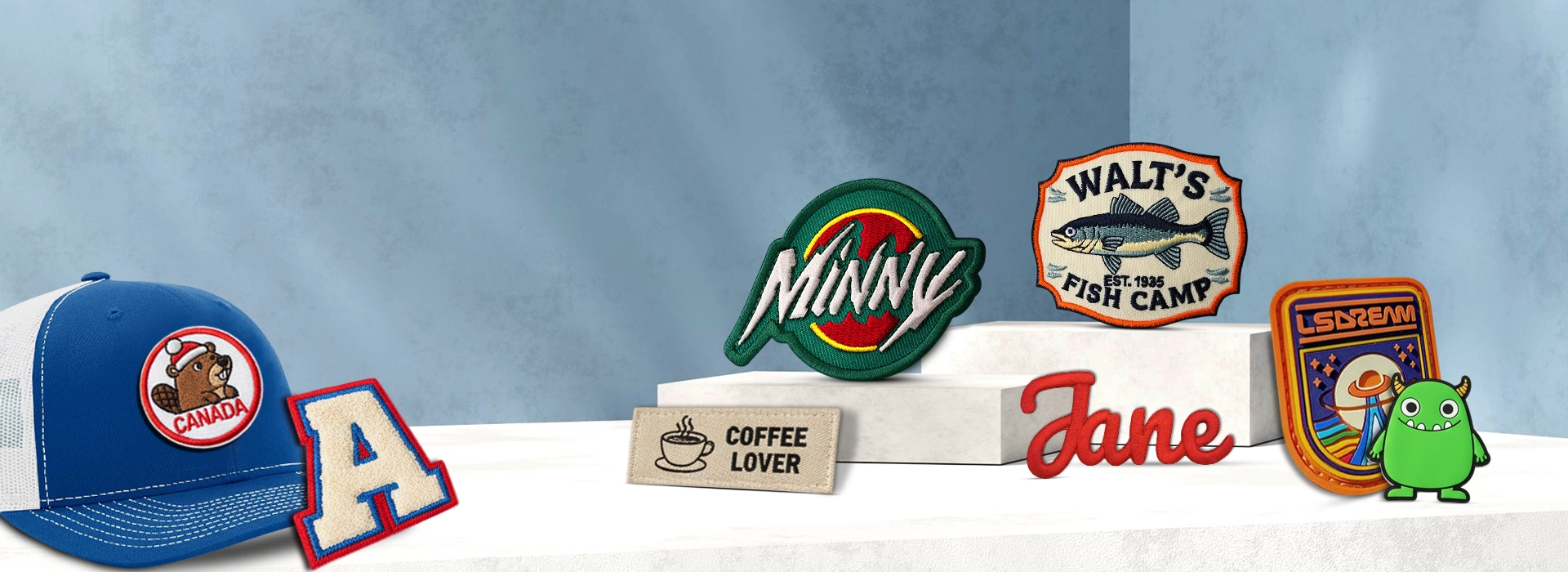
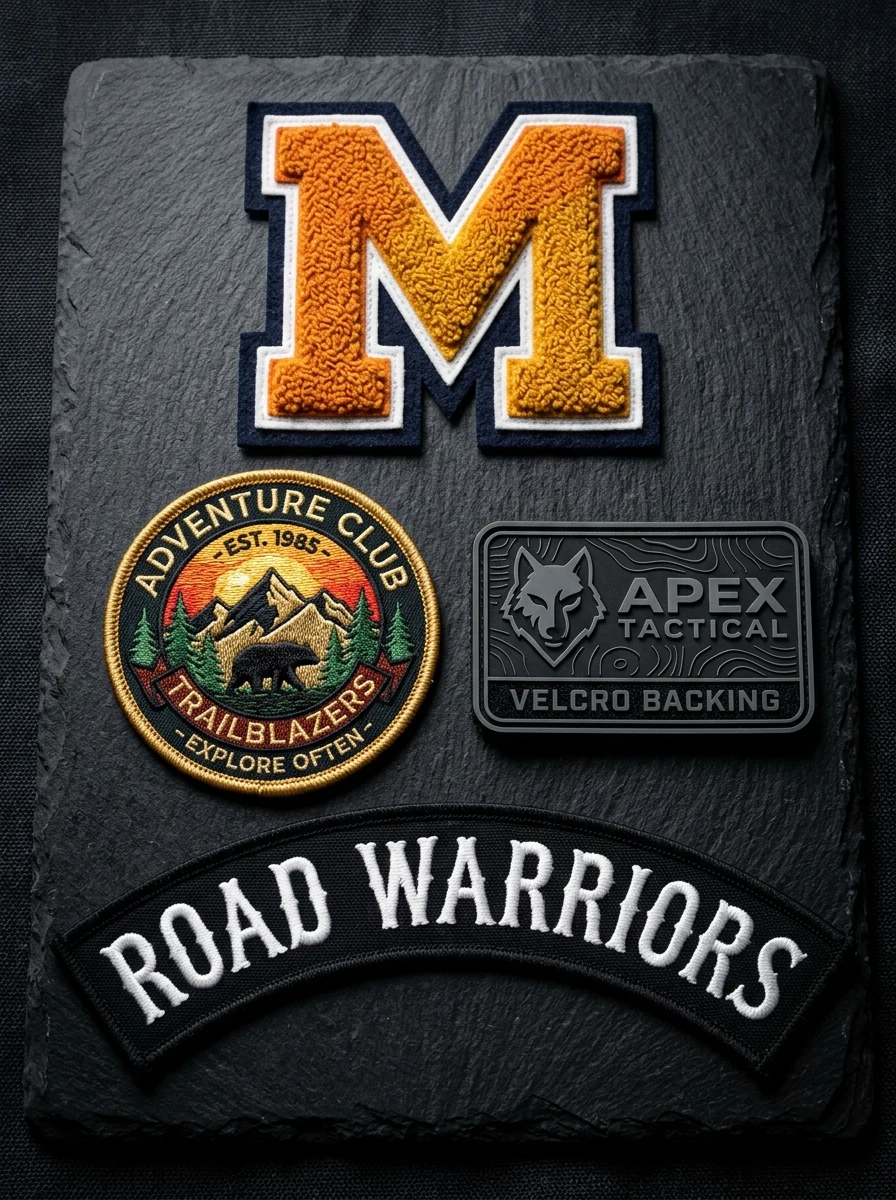
Embroidered patches remain a popular option for brands that want a textured and traditional appearance. They are created by stitching colored threads onto a suitable backing material to produce letters symbols illustrations and decorative patterns.
The raised threads give embroidered patches a tactile quality that printed graphics cannot fully reproduce. This texture can make products feel more substantial and visually interesting while supporting a wide range of branding styles.
Fashion companies often use embroidered patches to add character to denim jackets shirts caps and outerwear. The stitched appearance works particularly well with casual clothing heritage inspired collections and products that emphasize craftsmanship.
Sports organizations can use embroidered patches to display team names mascots championship references and membership symbols. The texture and durability of the stitching make these patches suitable for uniforms and fan merchandise when the materials and construction are selected appropriately.
Businesses can also use embroidered patches to distinguish employee uniforms. A carefully stitched emblem on a shirt or jacket can contribute to a professional appearance while making staff members easier to identify.
Design quality is essential when choosing embroidery. Extremely small lettering complicated gradients and intricate illustrations may not reproduce clearly in thread. Simplifying these details can improve readability and produce a cleaner finished patch.
The choice of thread colors also matters. High contrast combinations can improve visibility while carefully coordinated shades create a more understated appearance. Businesses should consider the background garment and the viewing distance when selecting the final design.
When properly designed embroidered patches provide a practical combination of visual texture brand identity and everyday usability.
Woven Patches for Detailed and Refined Branding
Woven patches offer a different appearance from traditional embroidery. Instead of relying on raised stitched details they use fine woven threads to create a relatively smooth surface. This construction can support smaller lettering and more intricate design elements.
Brands that require precise typography often find woven patches useful because the flatter surface can make fine details easier to reproduce. They are frequently suitable for clothing labels uniforms accessories and products where a neat and refined appearance is important.
Fashion brands can use woven patches to communicate a premium identity without creating a bulky decoration. The smooth texture works well on lightweight garments and products that require a more subtle finish.
Woven patches can also help businesses maintain consistent branding across multiple product categories. A detailed emblem can appear on a shirt sleeve a backpack panel or a fabric accessory while retaining much of its original visual character.
However the best results depend on the complexity of the artwork and the production method. Extremely small details may still require adjustment to remain clear at the selected size. Designers should review sample artwork and confirm that important text and symbols remain readable before approving production.
For businesses that prioritize fine detail and a clean appearance woven patches provide a valuable alternative to more textured embroidered designs.
PVC Patches for Modern and Durable Brand Expression
PVC patches are made from flexible synthetic material that can be molded into raised shapes and layered designs. Their distinctive appearance makes them suitable for brands that want a contemporary visual identity with a strong emphasis on durability.
These patches are commonly used on outdoor equipment tactical style accessories sports products backpacks and selected workwear applications. Their resistance to moisture and their ability to retain raised details can make them useful for products exposed to demanding conditions.
A company that manufactures hiking equipment might use a PVC patch to display a mountain symbol or a recognizable product line emblem. The raised surface can create depth while the material supports a practical and rugged appearance.
Technology inspired brands may also use PVC patches because their smooth finish and dimensional construction can complement modern product aesthetics. Multiple levels and carefully selected colors can help distinguish the design without requiring excessive visual complexity.
PVC patches are available in different thicknesses and finishes. Some designs emphasize a soft flexible surface while others feature sharper raised elements. The appropriate construction depends on the intended application and the visual effect the brand wants to achieve.
Businesses should also consider the environmental conditions in which the finished product will be used. Temperature exposure material compatibility and attachment methods can influence long term performance.
When selected for an appropriate application PVC patches provide another way for brands to move beyond conventional logo placement and create distinctive physical branding.
Custom Patches as a Powerful Tool for Fashion Brands
Fashion brands operate in a highly visual environment where product details can influence purchasing decisions. Customers often look for clothing that expresses personality individuality and personal taste. Custom patches help fashion companies add distinctive features that separate their products from ordinary garments.
A patch can transform a basic jacket into a statement piece or give a simple backpack a recognizable identity. It can introduce a heritage inspired symbol a playful illustration or a modern graphic that reflects the brand personality.
Independent clothing labels can use patches to establish their identity without redesigning an entire garment. A consistent patch design placed on several products can create a recognizable collection while allowing the clothing itself to remain relatively simple.
Established fashion businesses can use patches for limited collections collaborations seasonal releases and special editions. A unique patch can distinguish a particular collection while preserving the broader visual identity of the brand.
Custom patches can also support personalization. Some businesses allow customers to select patches that reflect hobbies interests or personal preferences. This approach creates opportunities for customers to participate in the design of their products.
Personalization can make merchandise more meaningful because customers feel that the item reflects their individual identity. It can also encourage repeat purchases when brands introduce new patch designs that complement existing products.
The most successful fashion applications balance creativity with consistency. Every patch does not need to look identical but the collection should maintain a recognizable connection to the brand through its materials colors visual style or underlying concept.
Strengthening Corporate Identity Through Branded Uniforms
Corporate uniforms are an important part of how many businesses present themselves to customers. In hospitality retail healthcare support services logistics and customer facing industries employees often represent the company through direct personal interaction.
Custom patches can help create a consistent professional appearance across different departments and locations. A company emblem placed on shirts jackets aprons or outerwear allows customers to identify staff members while reinforcing the organization identity.
Uniform patches can also display employee names department names qualifications or specific job functions when the design and workplace requirements permit. These details can improve identification and support a more organized customer experience.
For businesses operating across multiple branches consistency is particularly important. When every location uses different uniform designs the overall presentation may feel disconnected. Standardized patch specifications can help maintain a unified appearance regardless of where employees work.
The selection of materials should reflect the working environment. Employees in physically demanding roles may need patches with durable stitching secure attachment and materials that tolerate regular laundering. Hospitality businesses may prefer refined designs that complement the appearance of their uniforms.
Placement also influences effectiveness. A patch should be visible without interfering with garment comfort or essential safety features. Companies should test sample uniforms before committing to large production quantities.
By incorporating custom patches into uniform programs businesses can create a more cohesive visual identity while helping employees present a recognizable and professional image.
Making Promotional Products More Memorable
Promotional products are frequently used to introduce brands to potential customers and maintain relationships with existing audiences. However the effectiveness of these products depends partly on whether people find them useful attractive and relevant.
Custom patches can improve promotional merchandise by adding a decorative feature that customers may want to keep and use. Instead of relying exclusively on disposable promotional materials businesses can incorporate patches into practical products such as caps bags jackets and organizers.
Patches can also be distributed independently at trade shows conferences community events product launches and brand activations. Their compact size makes them convenient to package and distribute while their varied designs provide opportunities for creative campaigns.
A company launching a new product line might create a patch that represents the central idea behind the collection. A sports event organizer could develop designs that celebrate participation or commemorate a specific event. A community focused business might produce patches that recognize shared interests or local identity.
The key is to create something people genuinely want to retain. A patch that is visually attractive and relevant to the intended audience is more likely to become part of a personal collection or appear on an item used regularly.
Promotional patches should therefore be designed with the same care as other branded products. Poor materials unclear graphics and generic artwork can reduce their appeal even when the distribution strategy is well planned.
A useful promotional patch offers more than a company name. It provides a small product that people can appreciate independently while continuing to represent the business that created it.
Supporting Team Spirit and Community Identity
Custom patches are especially effective when a brand or organization represents a shared experience. Sports teams clubs outdoor groups educational institutions and community organizations often use visual symbols to communicate membership and belonging.
A team patch can represent a club name mascot achievement or established tradition. When members wear the same emblem they gain a visible connection to the group and its shared activities.
Schools and educational organizations can use patches to identify clubs extracurricular programs competitions and special events. Outdoor communities can use them to celebrate expeditions milestones and shared interests.
Businesses can apply similar principles to employee recognition and internal culture. A company might create special patches for completed training programs safety milestones volunteer activities or long service recognition. Such designs can acknowledge participation while strengthening connections between employees and the organization.
The meaning behind a patch is often more important than its physical size. A small emblem can represent an achievement a memorable experience or a relationship with a community. These associations can encourage people to preserve and display the patch long after the original event has ended.
Brands should approach this type of design thoughtfully. Symbols should reflect the values of the group and remain appropriate for the people who will wear them. Authenticity helps prevent the design from feeling like a generic promotional exercise.
When custom patches represent genuine shared experiences they can become meaningful objects that connect brand identity with personal memories.
Choosing the Right Materials for Lasting Quality
Material selection plays a major role in the performance and appearance of custom patches. The best material depends on the intended product the expected conditions of use the desired visual effect and the available production budget.
Embroidery threads create a textured appearance while woven construction supports finer details. PVC offers dimensional designs and useful resistance to moisture. Printed patches can reproduce complex artwork and photographic style color transitions when the selected process supports those requirements.
Backing materials also deserve careful consideration. Fabric backings may suit traditional applications while heat activated adhesive backings can provide convenient attachment to compatible garments. Hook and loop backings allow patches to be removed and replaced where that functionality is needed.
Each attachment method has limitations. Iron on patches require suitable fabric and careful application. Sewn attachment is often appropriate for items that undergo frequent washing or demanding use. Adhesive performance can vary according to the garment material temperature and application process.
Businesses should also consider the weight and flexibility of the patch. A thick rigid patch may work well on a backpack but feel uncomfortable on lightweight clothing. A soft woven patch may be better suited to a garment that needs to drape naturally.
Color durability is another important factor. Brands should ask suppliers about thread quality material specifications and any relevant testing for fading abrasion or laundering.
Requesting samples before approving a large order can help identify problems early. Physical samples allow teams to evaluate color accuracy texture attachment quality and overall appearance under realistic conditions.
Careful material selection helps ensure that the patch supports both the visual identity and practical requirements of the finished product.
Designing Custom Patches That Reflect Brand Personality
A successful custom patch begins with a clear understanding of the brand. Before selecting colors and shapes businesses should identify the message they want the design to communicate.
A premium brand may prioritize restrained typography clean lines and carefully chosen materials. An outdoor company may emphasize rugged shapes natural colors and recognizable landscape symbols. A playful lifestyle brand may prefer bright colors expressive illustrations and unconventional outlines.
These choices should reflect the existing brand identity rather than contradict it. A patch that looks attractive in isolation may still be ineffective if it feels unrelated to the products or values of the company.
The logo itself should be prepared for the selected production method. Fine lines tiny lettering and complex gradients may need to be simplified when translated into embroidery or molded PVC. Designers should determine which elements are essential and which can be adjusted without weakening brand recognition.
Shape is another important consideration. Circular and rectangular patches offer familiar formats while custom outlines can create a more distinctive appearance. However an unusual shape should still support readability and practical placement.
Color contrast should be evaluated against the intended background. A design that looks clear on a computer screen may become difficult to see when placed on a dark jacket or textured bag.
Scale matters as well. A large patch can create a bold statement while a smaller design may communicate a more subtle identity. The correct size depends on the available surface area and the distance from which the design is expected to be viewed.
Finally the patch should be tested in context. Viewing a design on the actual product helps reveal whether the proportions placement and materials work together as intended.
The Role of Custom Patches in Product Differentiation
Product differentiation helps businesses communicate why their products deserve attention in a competitive market. While quality price and functionality remain important a recognizable visual detail can contribute to a more distinctive product experience.
Custom patches provide a practical way to introduce such details without requiring extensive changes to the underlying product. A manufacturer can use a carefully designed emblem to distinguish one product line from another or communicate a specific collection identity.
For example an outdoor equipment company may create different patches for hiking camping and travel collections while maintaining the same core brand elements. Customers can recognize the broader brand while identifying the particular range associated with each product.
Clothing businesses can use patches to distinguish standard collections from premium editions or collaborations. The patch may incorporate a collection name a special symbol or a design element that reflects the theme of the release.
Patches can also help communicate product origin or craftsmanship when the information is accurate and supported by the company. Such details should never imply certifications materials or manufacturing locations that cannot be verified.
The purpose is not to make every product look different without reason. Effective differentiation creates meaningful distinctions that customers can understand and appreciate.
When a patch supports a clear product story it becomes more than decoration. It helps communicate the reason a product exists and the qualities that make it relevant to a particular audience.
Using Custom Patches in Brand Collaborations
Brand collaborations allow businesses to combine audiences creative ideas and complementary products. Custom patches are useful in these partnerships because they provide a compact way to represent two identities within a single design.
A clothing company working with an artist might develop a patch based on original illustrations. A sports brand collaborating with a local organization could create an emblem that celebrates a shared event or community initiative.
Collaborative patches can also be incorporated into limited merchandise collections. Their distinct appearance helps customers identify the collaboration while giving the products an element that differs from the regular collection.
Successful collaboration requires clear planning. Both parties should agree on design ownership production permissions branding guidelines and the intended use of the finished products. The patch should communicate the partnership accurately and respect the visual identity of each participant.
The design should also offer a genuine reason for the collaboration. Combining two logos without a meaningful connection may not create a compelling product. A stronger result emerges when the patch reflects a shared theme audience or creative purpose.
Limited releases should be planned around realistic production quantities and delivery schedules. Businesses need enough time to approve artwork evaluate samples and confirm that the final product meets quality expectations.
When collaboration is based on a clear concept custom patches can help turn a partnership into a tangible product that customers can recognize and keep.
Improving Customer Loyalty Through Collectible Patch Designs
Customer loyalty grows through a combination of reliable products meaningful experiences and a consistent relationship with a brand. Custom patches can support this relationship when they are incorporated into thoughtful customer engagement programs.
One approach is to create a collection of related designs. Customers may receive different patches through purchases memberships events or participation in specific activities. Each design can represent a product category achievement or stage in a broader brand experience.
Outdoor brands could develop patches associated with different activities or destinations. Fitness organizations might recognize participation milestones. Lifestyle companies could introduce seasonal designs that complement their product releases.
Collectibility works best when each patch has a clear purpose and genuine visual appeal. Designs should feel connected to the brand rather than existing solely to encourage repeated spending.
Businesses should also avoid creating unnecessary pressure through artificial scarcity or misleading claims about availability. A transparent approach helps preserve trust while still allowing limited editions to feel special.
Personalization can strengthen the experience further. Offering a choice of colors or a small selection of design variations allows customers to select products that suit their preferences.
Customer feedback can guide future releases. Brands can learn which designs customers appreciate which materials perform well and which applications prove most useful.
By listening to customers and maintaining consistent quality businesses can use custom patches as part of a broader loyalty strategy that emphasizes participation and shared identity.
Sustainable Considerations in Custom Patch Production
Sustainability is an increasingly important consideration for businesses that manufacture clothing accessories and promotional merchandise. Custom patches can support longer product use when they are durable and designed to remain relevant beyond a short campaign.
A well attached patch may allow a garment to continue being worn when a small area requires repair or visual improvement. Decorative patches can also help refresh an existing item instead of replacing it solely for aesthetic reasons.
However the environmental impact of a patch depends on its materials production process transportation expected lifespan and eventual disposal. It is therefore important to evaluate the entire product rather than assuming that every patch is automatically sustainable.
Brands can ask suppliers about recycled materials responsible sourcing manufacturing waste and available material certifications. Any environmental claims should be supported by credible documentation.
Attachment methods also influence product life. A patch that is easy to remove may support garment reuse or customization when the surrounding material remains in good condition. A permanently sewn patch may offer better durability for products that require frequent washing.
Design longevity is equally important. A patch based on a timeless symbol or enduring brand identity may remain useful longer than one tied to a very short lived trend.
Businesses can reduce unnecessary waste by planning production quantities carefully ordering samples before mass production and avoiding excessive packaging.
A thoughtful approach to custom patch production helps companies balance brand expression with practical considerations about material use durability and responsible manufacturing.
Custom Patches for Small Businesses and Growing Brands
Small businesses often need branding solutions that are flexible affordable and easy to integrate into existing products. Custom patches can provide an accessible starting point because they can be applied to a range of items without requiring an entirely new product design.
A small clothing label might begin with one distinctive patch for caps or jackets. A local coffee business could use patches on staff aprons or branded merchandise. A craft business might include a fabric patch with selected products to create a consistent presentation.
The most suitable approach depends on the business model and customer expectations. A company selling premium goods may prioritize material quality and refined finishing while a community organization may focus on visibility and practical durability.
Budget planning should include more than the unit price of the patch. Artwork preparation sampling production shipping attachment labor and packaging may also affect the total cost.
Minimum order quantities can influence the decision as well. Businesses should compare production options and choose an order size that matches realistic demand rather than purchasing large quantities before testing customer interest.
Starting with a focused design can simplify the process. Once the patch has been evaluated in actual use the business can decide whether to expand the collection introduce additional materials or create designs for new products.
Small businesses should also maintain consistent brand guidelines. Even a simple patch can contribute to a professional appearance when its colors proportions and typography match the rest of the company identity.
With careful planning custom patches can help growing brands establish a recognizable presence without requiring a complicated branding system.
Selecting a Reliable Custom Patch Manufacturer
The quality of the finished patch depends on the design as well as the manufacturer responsible for producing it. Businesses should evaluate suppliers based on their production capabilities communication standards material options and quality control processes.
A reliable manufacturer should be able to explain which patch styles are suitable for the intended application. They should also clarify artwork requirements expected production times attachment options and any limitations associated with the selected materials.
Artwork preparation is particularly important. Suppliers may need vector files or high resolution images to reproduce the design accurately. Before production begins businesses should confirm the final dimensions colors border style backing and placement of important details.
Sample approval can reduce the risk of costly mistakes. A physical sample provides an opportunity to inspect thread density edge finishing color accuracy and attachment quality. For PVC designs it also allows the business to assess the raised details and overall flexibility.
Communication should remain clear throughout the process. Changes to the design quantity or materials should be documented so that the final production matches the approved specifications.
Businesses should also ask how defects are handled and whether the manufacturer maintains consistent standards across repeat orders. This is especially important for companies that expect to use the same patch design over several product cycles.
Choosing a supplier solely because of the lowest quoted price can lead to problems if the finished patches fail to meet expectations. A balanced evaluation considers cost alongside quality reliability and service.
A dependable manufacturing relationship helps businesses maintain consistency as their branding needs grow.
Measuring the Effectiveness of Custom Patch Branding
Like any branding activity custom patches should serve a clear business purpose. Companies can evaluate their effectiveness by observing how customers respond to the products and how well the patches support broader marketing objectives.
For merchandise programs businesses can track product sales customer preferences and the popularity of specific designs. Comparing different patch styles may reveal which materials colors and placements appeal most strongly to the intended audience.
For uniforms companies can gather feedback from employees and customers about appearance comfort and brand recognition. They can also review whether the patches remain secure and attractive after regular use.
Promotional campaigns can be evaluated through participation rates product distribution and customer engagement. If a patch is part of an event or product launch the company can compare its reception with other promotional items.
Customer comments can provide useful qualitative information. People may explain why they prefer a particular design how they use a patch or what the symbol means to them. Such feedback can guide future creative decisions.
Businesses should establish realistic expectations. A patch is not guaranteed to increase sales or customer loyalty by itself. Its effectiveness depends on product quality brand relevance audience preferences and the overall customer experience.
The most useful measurements connect the patch to a specific objective. When the purpose is clear businesses can assess whether the design is achieving the intended result and identify opportunities for improvement.
The Future of Custom Patches in Brand Identity
Custom patches continue to offer opportunities for creative branding because they can adapt to different products audiences and visual styles. As businesses explore more personalized merchandise and distinctive product details patches provide a physical format that combines design flexibility with practical use.
Advances in digital artwork preparation and manufacturing technology can help improve consistency and make complex designs easier to develop. Depending on the production method businesses may have more options for layered textures detailed graphics specialized shapes and customized finishes.
Personalization is also likely to remain important. Customers increasingly look for products that reflect their interests and preferences. Custom patches can support this demand through optional designs interchangeable collections and merchandise created around specific communities.
At the same time brands need to preserve quality and authenticity. A visually complicated patch is not necessarily more effective than a simple one. The strongest designs remain connected to a clear brand identity and serve a purpose within the finished product.
Companies that approach patches strategically can use them across uniforms merchandise collaborations product collections and customer engagement programs. Consistency across these applications helps ensure that the patch remains recognizable rather than becoming an unrelated decoration.
The future of patch branding will depend on how effectively businesses combine creative ideas with material quality responsible production and customer relevance.
Conclusion
Custom patches offer businesses a versatile way to build a memorable brand identity that extends beyond the traditional logo. Through distinctive materials carefully selected colors and thoughtful design they can add character to clothing accessories uniforms promotional products and merchandise.
Their value lies in the combination of visibility practicality and meaning. A well designed patch can help customers recognize a brand while communicating its personality values and attention to detail. It can also represent team membership celebrate achievements support collaborations and make products feel more distinctive.
Choosing the right patch requires careful consideration of the intended application material durability design complexity and production quality. Businesses should establish clear objectives work with reliable manufacturers and evaluate samples before committing to larger orders.
Most importantly a custom patch should contribute to a consistent and authentic brand experience. It should feel like a natural extension of the company rather than an isolated decorative feature.
When brands move beyond simply displaying their logos and begin using patches to communicate identity and create meaningful product experiences they gain another opportunity to stand out in a competitive marketplace. A small detail can become a recognizable symbol when it is designed with purpose produced with care and used consistently across the customer journey.