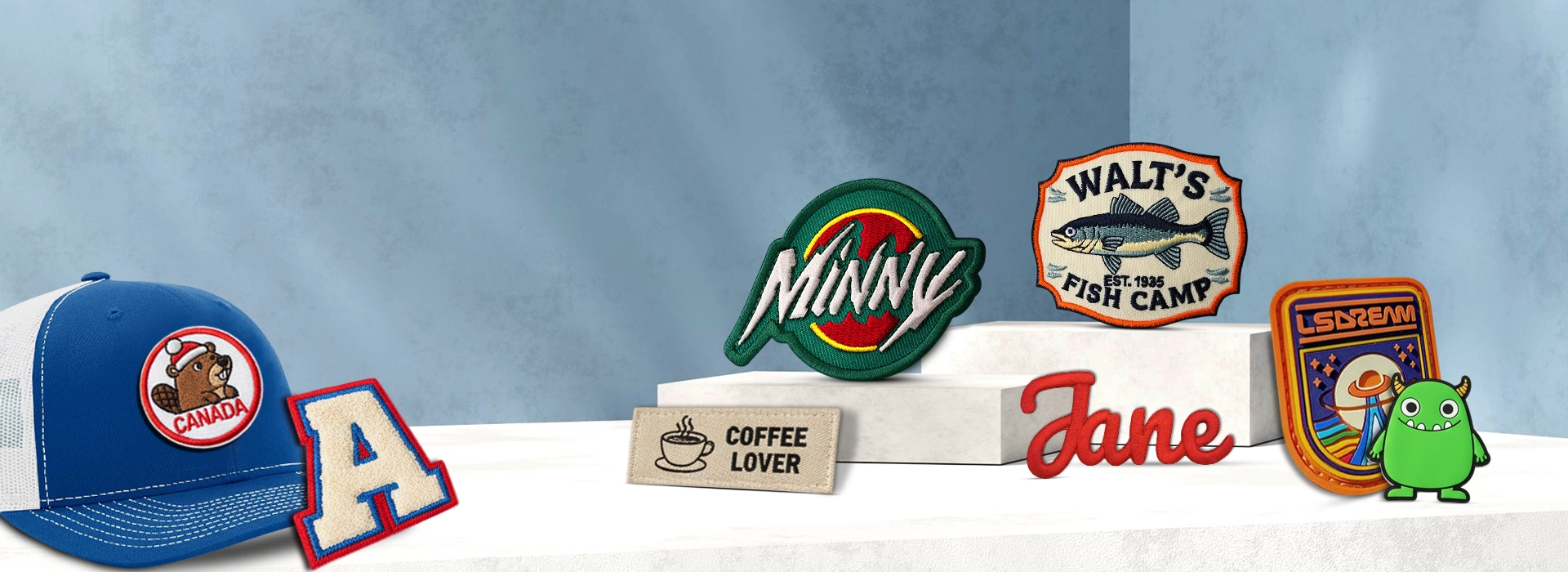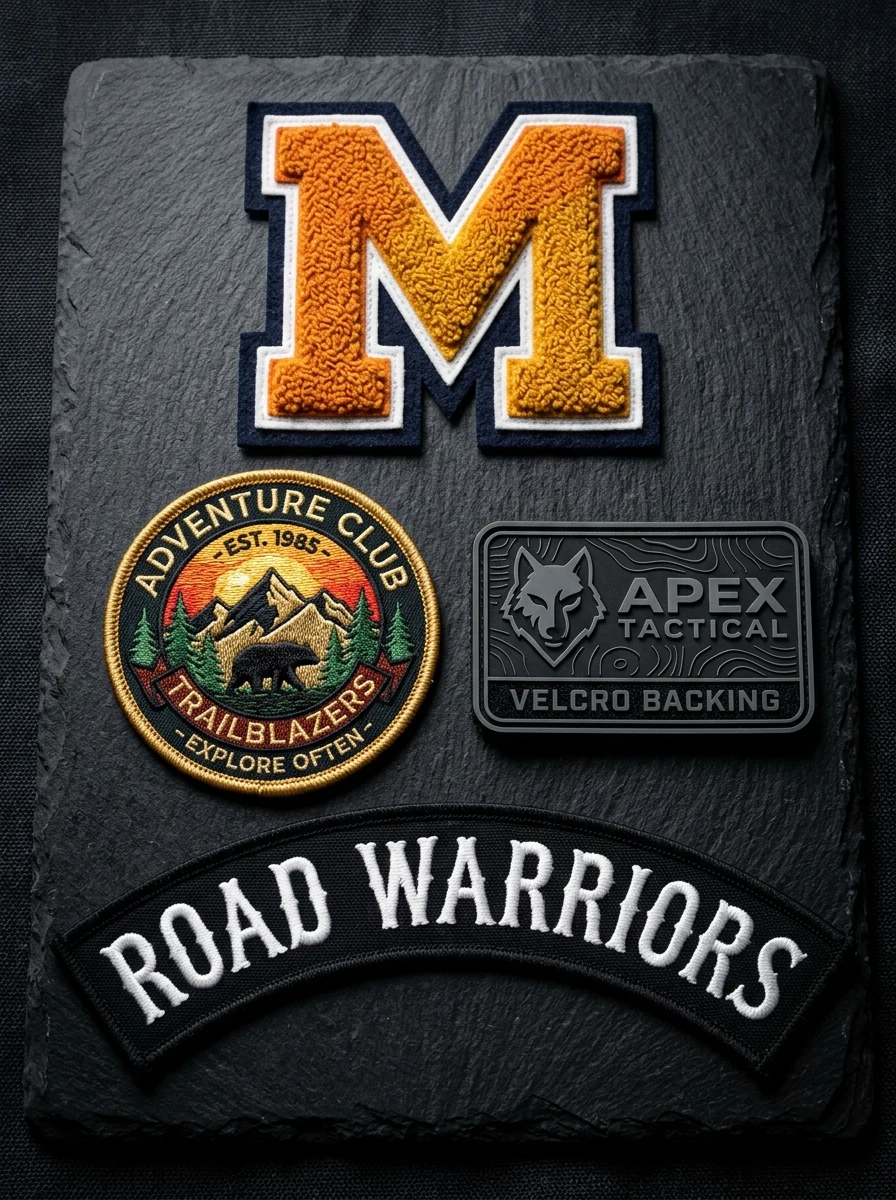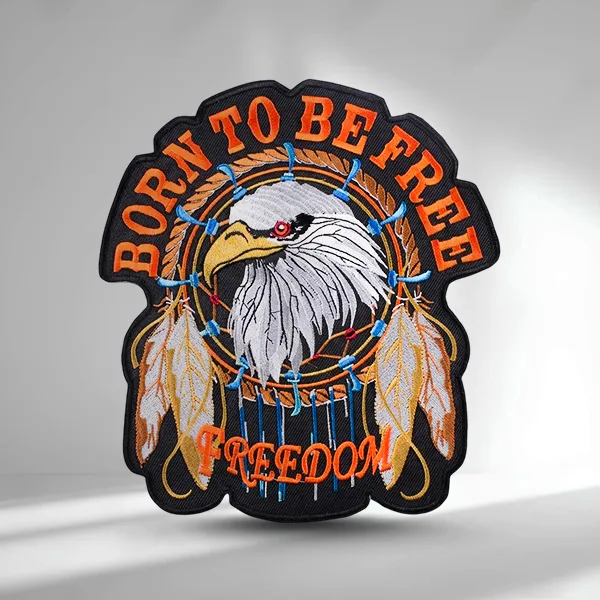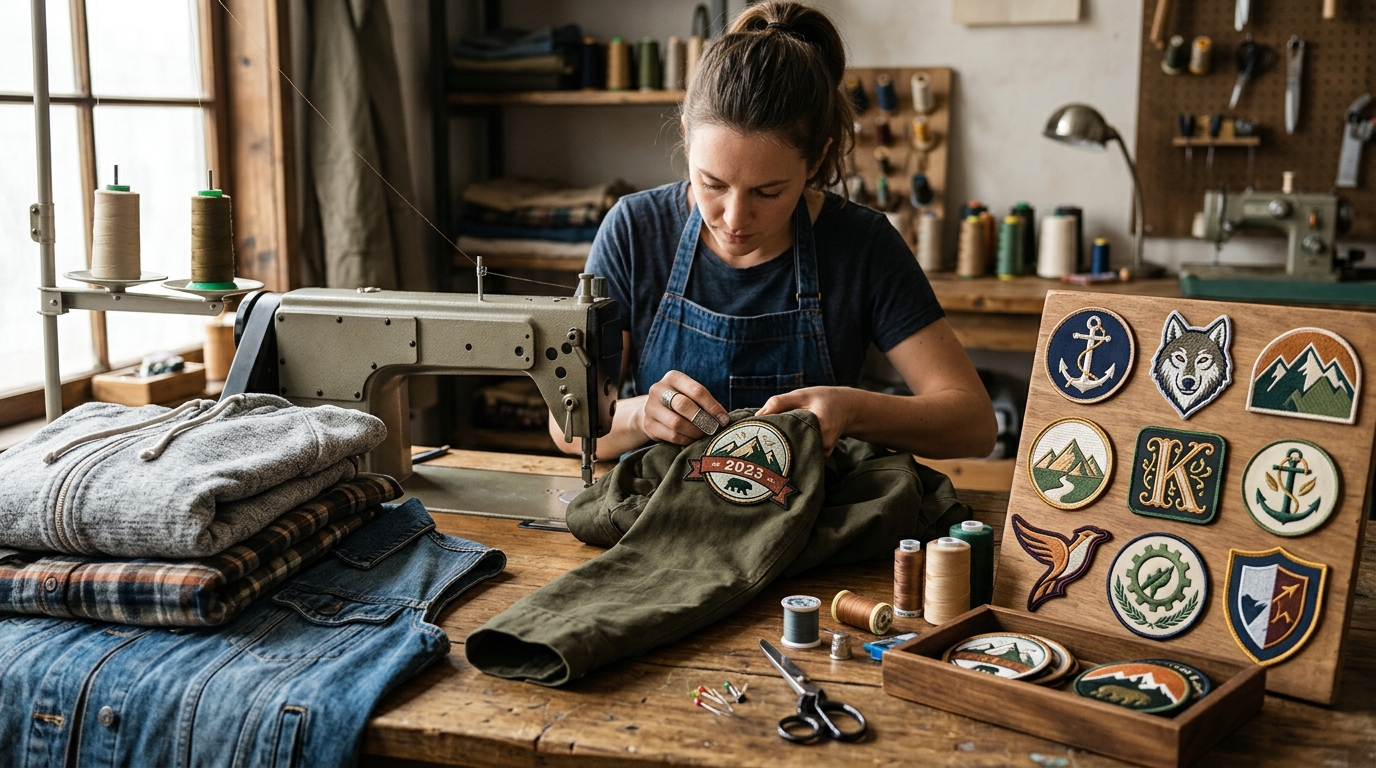
Every brand has a personality. It may be bold and adventurous, clean and modern, classic and refined, playful and creative, or built around a strong sense of community. The way we present that personality matters because customers do not connect with a brand through its name alone. They notice its colours, symbols, materials, products, and the small details that make it feel distinctive. Custom logo patches give us a practical and stylish way to bring those details into the physical world.
A well-designed patch can turn an ordinary garment or accessory into something that feels intentional and recognisable. It can add character to a jacket, give a uniform a professional finish, make a cap feel more personal, or help a clothing collection develop a consistent visual identity. Because patches can be produced in different shapes, sizes, textures, colours, and materials, we have plenty of creative freedom to express what our brand stands for.
Understanding the Personality Behind Our Brand
Before we create a custom logo patch, we need to understand the personality we want people to recognise. A brand’s personality is expressed through its visual choices, but it begins with the values, audience, and experience we want to communicate. If our brand is built around outdoor adventure, our patch might use rugged textures, earthy colours, and a bold emblem. If we represent a premium fashion label, we may prefer a restrained design, refined stitching, and a carefully selected colour palette.
The patch should feel like a natural extension of our identity. It should not look disconnected from the rest of our branding. We can begin by considering the qualities we want our customers to associate with us. These qualities might include reliability, creativity, confidence, craftsmanship, innovation, or a sense of belonging. Once we have identified them, we can translate them into visual decisions.
For example, a brand that values simplicity may benefit from a clean logo with limited colours and clear lettering. A brand that celebrates individuality may choose an unusual shape or a more expressive combination of colours. A company that wants to communicate strength and durability may prefer a structured patch with a firm border and a substantial appearance.
This thoughtful approach helps us avoid designing a patch simply because a particular style looks attractive. Instead, we create a visual element that supports the wider story of our brand.
Making Our Logo More Memorable
A logo is one of the most recognisable parts of our brand identity. It may appear on packaging, websites, labels, advertisements, and products. Custom logo patches allow us to present that identity in a tactile format that customers can see and feel.
Unlike a flat graphic, an embroidered or woven patch introduces texture. The raised stitching, defined edges, and material surface can give a logo a sense of depth. That physical quality may make the design feel more substantial and distinctive, especially when it is placed on clothing or accessories.
We should consider which version of our logo will work best as a patch. Some logos contain fine lines, small text, or intricate details that may become difficult to reproduce at a compact size. A simplified emblem, symbol, or wordmark can sometimes communicate our identity more effectively than a full logo with every detail included.
This does not mean we need to change our brand identity. We can create a patch-ready version that preserves the most important visual features. The goal is to maintain recognition while making sure the design remains clear when produced with thread, woven fibres, printed colour, or another patch material.
A memorable patch does not need to be complicated. Strong shapes, balanced spacing, readable lettering, and a recognisable symbol can create a lasting impression. When we repeat these elements consistently across our products, customers become more familiar with our brand.
Choosing a Patch Style That Reflects Our Identity
The style of patch influences how our branding feels. Different production methods create different visual effects, so we should select one that supports our desired appearance and practical needs.
Embroidered Patches for a Classic, Textured Look
Embroidered patches are a popular choice when we want our logo to have a traditional, dimensional finish. Stitches create texture and can make a design stand out against the fabric of a garment. This style often suits clothing brands, workwear, team apparel, clubs, and merchandise that benefits from a crafted appearance.
We can use embroidered patches to highlight a bold symbol, simple lettering, or a distinctive emblem. Thread colours allow us to match our brand palette, while different stitch directions and densities can add visual interest. A carefully designed embroidered patch can look at home on denim jackets, hoodies, caps, bags, and uniforms.
For designs with very small details, we should work with a patch maker to determine whether embroidery can reproduce them clearly. Simplifying tiny elements may help preserve the overall appearance of our logo.
Woven Patches for Fine Details and Clean Lettering
Woven patches are made by interlacing threads to create the design. Their surface is generally flatter than embroidery, which can make them suitable for smaller lettering and finer visual details.
If our brand identity includes narrow lines, compact text, or a detailed emblem, woven patches may offer the clarity we need. They can provide a neat, precise appearance for labels, clothing, accessories, and products where a flatter finish is preferred.
We should still consider the final patch size. Even a woven design needs sufficient space for its smallest elements to remain legible. Choosing the right dimensions can help us balance detail with readability.
Printed Patches for Complex Artwork
Printed patches can be useful when our logo includes gradients, intricate illustrations, photographic elements, or a wide range of colours. Printing gives us more flexibility with artwork that may be difficult to reproduce through stitching alone.
This style can suit expressive brands, creative merchandise, event products, and designs that depend on precise colour transitions. We should choose the printing method and patch material according to how the patch will be used, how much detail it needs to show, and the finish we want to achieve.
Leather and Leather-Look Patches for a Refined Finish
Leather and leather-look patches can give our branding a distinctive, premium character. They are often used on denim, bags, caps, jackets, and products where a firm material and understated logo create the desired impression.
A logo may be embossed, debossed, engraved, or printed onto the patch, depending on the material and production process. A simple design can work particularly well because the surface itself contributes to the visual effect.
We should select the material with care, especially if our products are exposed to frequent washing, moisture, or outdoor conditions. The patch needs to suit the garment or accessory, not just the aesthetic direction.
PVC and Rubber Patches for a Bold, Modern Appearance
PVC or rubber patches can create a raised, defined look with strong colour separation. They may be appropriate for outdoor products, sports accessories, utility gear, and brands that want a contemporary or rugged visual style.
Their material properties can make them suitable for certain demanding applications, but we should confirm that the selected patch and attachment method meet the conditions in which our products will be used. The design should also feel consistent with our brand rather than adopting a material simply because it appears durable.
Using Colour to Communicate Our Brand’s Character
Colour plays a significant role in how people perceive a brand. The colours we use on a custom logo patch can reinforce the identity already established through our website, packaging, clothing, and marketing.
If our brand has a recognised colour palette, we should use it consistently. This helps customers connect the patch with our wider identity. We can use a primary brand colour for the background, a contrasting shade for the logo, or a neutral base that allows the symbol to stand out.
Contrast is especially important. A logo that blends into its background may become difficult to recognise from a distance. We should check that the lettering, symbol, and border remain visible against the chosen fabric and patch material.
We can also use colour to express a particular mood. Muted shades may support a calm, understated identity. Bright colours can create an energetic and playful appearance. Dark tones may feel bold or formal, while natural shades can complement brands focused on outdoor activities or craftsmanship.
However, we should avoid adding too many colours without a clear purpose. A crowded palette can make the patch feel inconsistent with our visual identity. By choosing colours carefully, we can create a patch that is distinctive without losing brand recognition.
Selecting the Right Shape and Size
The shape of a patch affects how it fits into the overall design. A circle may create a balanced badge, a shield can communicate a sense of tradition or membership, and a rectangle may suit a wordmark or label. Custom-cut shapes allow us to follow the outline of a symbol, mascot, or distinctive logo.
We should select a shape that supports the design rather than forcing the logo into an awkward space. A complex outline may look appealing, but it needs to be practical to manufacture and attach. The patch edge should complement the artwork and the product on which it will appear.
Size is equally important. A small patch can provide subtle branding on a cap, sleeve, or pocket. A larger patch can become a focal point on the back of a jacket, the front of a bag, or a statement garment.
We need to consider both the available placement area and the visibility we want. If the patch is too small, important details may disappear. If it is too large, it may overpower the product or interfere with its design. Reviewing a mock-up at the intended dimensions can help us judge the balance before production.
Placing Patches Where They Make the Most Impact
Placement can change how customers experience our branding. The same patch may feel understated on a sleeve and prominent on the front of a jacket. We should choose locations that support the garment’s design and make the logo easy to recognise.
On jackets, patches can work on the chest, sleeve, pocket, or back. A chest placement often provides clear visibility without dominating the garment. A larger back patch can create a bold statement, particularly for streetwear, team apparel, and brands with expressive graphics.
On caps, the front panel is a natural location because it presents the logo clearly. The patch dimensions and backing should suit the cap’s structure so that it sits neatly rather than bending or pulling the material.
Bags and backpacks offer opportunities for both functional and decorative branding. A patch can appear on a front pocket, flap, or panel, depending on the product’s construction. We should check how the placement interacts with seams, zippers, straps, and other features.
For uniforms, consistency is essential. We need to establish a standard location and size so that the patches look uniform across different garments. Clear placement specifications can help us maintain a professional appearance when producing multiple items.
Creating a Consistent Look Across Our Products
A strong brand identity becomes easier to recognise when its visual elements appear consistently. Custom logo patches can help us create that consistency across different products, even when the products themselves vary in shape, material, or purpose.
We might use the same logo patch on jackets, caps, bags, and selected accessories. The patch can remain consistent while its size or backing changes to suit each product. This gives us a connected visual system rather than a collection of unrelated branded items.
Consistency does not mean every product must look identical. We can adapt the patch placement and scale to suit each item while preserving the core design. For example, a larger patch might appear on a jacket, while a compact version appears on a cap. The colour palette, logo treatment, and overall style can remain recognisable.
We should document the design specifications we want to repeat. These may include the approved artwork, thread or print colours, patch dimensions, border style, material, backing, and placement. Having a consistent reference helps us maintain the same look when we reorder patches or introduce new products.
Choosing the Right Backing for the Intended Use
The backing determines how a patch attaches to a garment or accessory. Choosing the right option helps us achieve the desired appearance, convenience, and durability.
Sew-On Backing
Sew-on patches are attached with stitching. This option can be appropriate for garments and accessories that will be used regularly, especially when we want a secure attachment. It also gives us flexibility in how the patch is positioned during application.
We should consider the fabric and construction of the item before sewing. The attachment needs to hold the patch securely without damaging the garment or creating uncomfortable areas.
Iron-On or Heat-Seal Backing
Iron-on patches use heat-activated adhesive to attach to compatible fabrics. They can make application convenient, but the result depends on the patch backing, fabric, temperature, pressure, and care instructions.
We should confirm that the garment can tolerate the required heat and follow the manufacturer’s application guidance. For products that will be washed frequently or used in demanding conditions, additional stitching may be worth considering.
Hook-and-Loop Backing
Hook-and-loop backing allows a patch to be attached and removed from a compatible surface. This can be useful for products where the branding or identification needs to change, such as certain uniforms, bags, and equipment.
We need to make sure the receiving surface is designed for the backing. If we want a removable patch system, the garment or accessory should include the matching loop panel.
Adhesive Backing
Adhesive-backed patches may suit temporary applications or promotional items, depending on the adhesive and surface. They are not automatically appropriate for every garment or long-term use.
We should select the backing based on the product’s expected conditions and the level of permanence we need. A visually attractive patch will not serve our brand well if it detaches too easily.
Bringing Our Brand Story Into the Design
A patch can communicate more than a logo. It can reflect the story behind our brand, the people we serve, or the values that guide our work.
If our brand has a meaningful symbol, we can incorporate it into the patch design. A motif associated with our origins, a visual reference to our craft, or a simple emblem representing our community can make the patch feel more personal. These details should be relevant and understandable rather than added solely to make the design complicated.
We can also create different patch designs for particular collections, events, or product lines while maintaining a shared brand identity. A core logo patch can establish recognition, while a limited-edition design can express a specific theme or moment.
The most effective designs are those that feel authentic. Customers may appreciate a patch because it looks good, but they may connect with it more deeply when it represents something meaningful about the brand. We should use visual storytelling carefully, ensuring that the patch remains clear and appropriate for its intended product.
Using Custom Logo Patches for Team and Community Identity
For brands built around a group, team, or shared interest, patches can help express belonging. They are commonly used on uniforms, club apparel, event clothing, and merchandise because they can identify a group while giving its members a consistent visual element.
We can create patches for staff, ambassadors, event teams, or community members. The design might feature our main logo, a team emblem, or a variation created for a particular activity. When everyone uses the same approved design, the patch can strengthen the connection between individuals and the wider brand.
We should make sure that any special version remains aligned with our identity. If the patch is intended for a temporary campaign or event, we can distinguish it through a secondary colour or supporting detail while retaining recognisable brand elements.
Patches can also become part of the customer experience. A branded patch included with a product may allow customers to personalise an item or add it to a compatible surface. This approach works best when the patch has genuine design value and fits naturally with the product.
Custom Patches as Part of Our Merchandise Strategy
Merchandise can introduce our brand to people who may not purchase our main products immediately. Custom logo patches offer a compact branding option for merchandise such as caps, tote bags, jackets, backpacks, and selected accessories.
Because patches can be produced separately and applied to different items, they may provide flexibility when developing merchandise collections. We can explore a range of products while keeping a consistent brand element.
We should consider the role of the patch in the overall merchandise design. It may be the central feature, or it may work as a subtle accent. The surrounding product should support the patch rather than compete with it.
For promotional merchandise, we need to think about the audience and context. A patch intended for a fashion-focused audience may require a different finish from one created for a professional uniform or outdoor event. Understanding who will use the product helps us select the appropriate style, material, and placement.
Balancing Design, Quality, and Practicality
A custom logo patch should look good, but it also needs to function well on the product. We should evaluate the artwork, material, construction, backing, and intended use together.
The artwork needs to be suitable for the selected production method. A design created for digital printing may require adjustments before it can be embroidered or woven. We should review the smallest text, narrow lines, gaps, and colour transitions to make sure they can be reproduced.
The patch material should complement the garment or accessory. A thick patch may work well on a structured jacket but feel unsuitable on lightweight fabric. A flexible patch may be more appropriate for a soft bag or garment that moves frequently.
We should also review the border and finishing. Clean edges help the patch look complete and can support its attachment. The border style should match the design, whether we want a traditional outline, a neat cut edge, or a custom silhouette.
Before placing a larger order, we should request a digital proof or sample where possible. Reviewing the patch in its intended size and on a suitable product can help us identify issues that may not be obvious in the original artwork. We can check colour, legibility, placement, texture, and attachment before approving production.
Maintaining Brand Recognition Over Time
Our visual identity may evolve as our business grows, but the elements that customers already recognise still matter. Custom logo patches can help us maintain continuity across product releases and branding updates.
If we refresh our logo, we should decide how the updated design will work with existing products. We may introduce the new patch gradually, use it on a new collection, or establish a transition period. Keeping the core visual features recognisable can help customers understand that the updated design belongs to the same brand.
For repeat orders, we should preserve the approved specifications. Even small differences in colour, dimensions, or border style can affect the appearance of a patch when several products are displayed together. Clear artwork files and production details can help us achieve more consistent results.
We should also review our patches periodically. As products change, we may discover that a different size, material, or placement works better. Improving these details allows us to keep our branding relevant without losing its personality.
Making the Patch Part of the Complete Product Experience
The patch should feel connected to the item it decorates. We can achieve this by considering the garment’s colours, fabric, construction, and overall design before finalising the patch.
For example, a patch on a minimalist jacket may need a restrained design and careful placement. A patch on a bold streetwear piece may be larger and more expressive. A uniform patch should prioritise legibility, consistency, and a professional finish.
We should think about how the product will look from different angles and how the patch will interact with other branding elements. If the item already includes a printed logo, label, or graphic, we need to make sure the patch does not create visual clutter.
The complete product experience also includes comfort and care. A patch should not create an irritating edge or interfere with how the garment is worn. We should follow appropriate care guidance for the patch and the product, particularly when the materials require special handling.
Bringing Our Brand Personality to Life Through Thoughtful Design
Custom logo patches give us an opportunity to express our brand personality through a physical detail that customers can recognise and appreciate. They combine visual identity with texture, material, shape, and placement, allowing us to create branding that feels integrated into our products.
When we begin with a clear understanding of our brand, choose a suitable patch style, use colour thoughtfully, and select the right size and backing, we can create a patch that supports both appearance and function. The result can be a consistent visual element across clothing, accessories, uniforms, and merchandise.
We do not need to make every patch elaborate to make it meaningful. A simple, well-produced design can communicate our identity clearly. What matters is that the patch reflects who we are, suits the product it appears on, and helps customers recognise our brand.
By treating custom logo patches as part of our wider brand experience, we can bring personality into the details people see and use every day. A carefully designed patch can make a product feel more distinctive, reinforce our visual identity, and help our brand leave a memorable impression.
Conclusion
Custom logo patches give us a creative way to bring our brand’s personality into the products our customers see and use every day. By choosing a patch style, colour palette, shape, size, and placement that reflect our identity, we can create a distinctive look that feels consistent across clothing, accessories, uniforms, and merchandise. A thoughtfully designed patch does more than display our logo—it adds texture, character, and a recognisable detail to our products. When we focus on quality, clear design, and practical application, we can make our branding feel authentic and memorable. Custom logo patches help us express who we are through the details, strengthen our visual identity, and create products that leave a lasting impression.
Custom logo patches are more than decorative additions. They are flexible branding elements that can help us create a memorable look across products, uniforms, merchandise, and promotional items. When we choose the right design and application, patches can make our branding feel integrated with the product rather than simply printed on top of it.