Introduction
Custom patches are a versatile branding solution for clothing companies, sports teams, businesses, organizations, and promotional product suppliers. They allow us to display logos, names, symbols, and artwork on garments and accessories while adding a distinctive finishing detail.
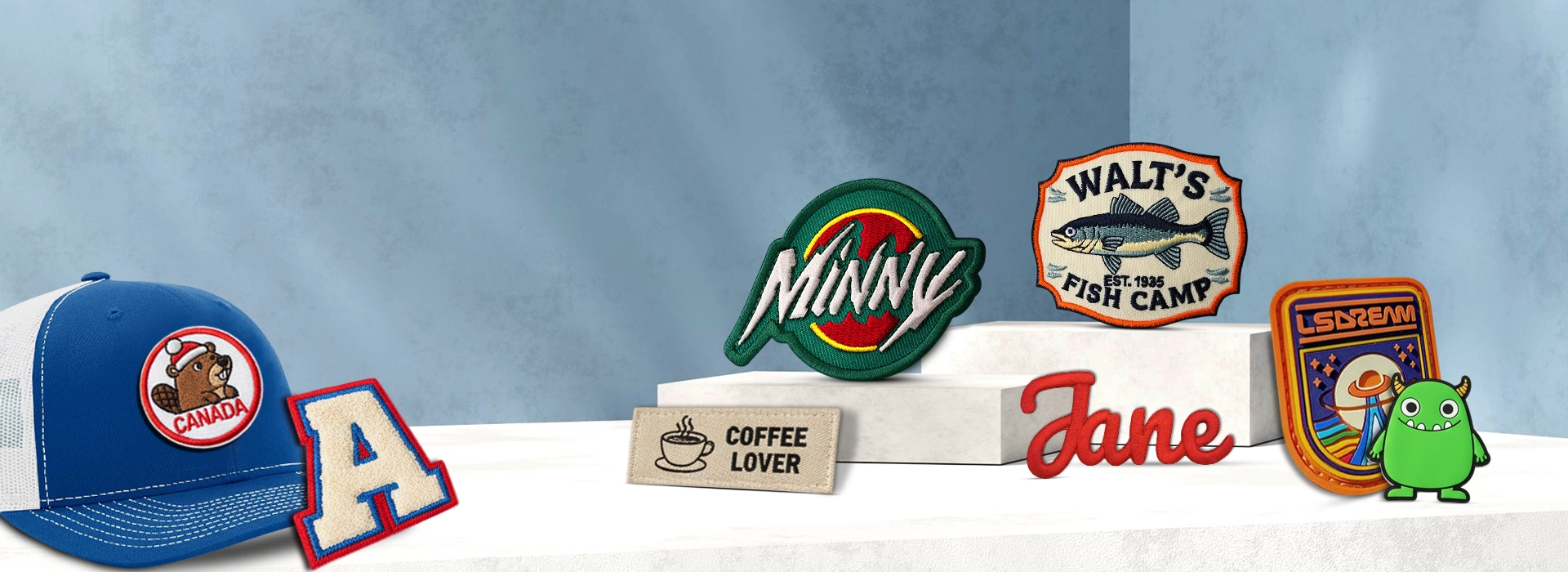
As a custom patches manufacturer, we need to understand how different materials, production techniques, and attachment methods influence the final product. Embroidered patches offer a traditional stitched appearance, PVC patches provide a molded finish, and custom logo patches can be developed in different styles to suit specific branding requirements.
Whether we are developing a clothing collection, producing branded uniforms, or sourcing patches for wholesale distribution, choosing the right manufacturing process is essential. We should consider the intended application, artwork, material, size, backing, and quality requirements before beginning production.
Custom patch manufacturing combines design preparation, material selection, production, finishing, and inspection. By planning these stages carefully, we can create patches that represent our brand accurately and meet the practical needs of our customers.
Understanding Custom Patch Manufacturing
Custom patch manufacturing involves producing a personalized patch according to a specific design and application. The process begins with artwork and product specifications, followed by preparation for the selected manufacturing technique.
Different patch styles require different equipment and production methods. Embroidered patches are created using thread and stitching, woven patches are formed by interlacing threads, and PVC patches are produced through molding.
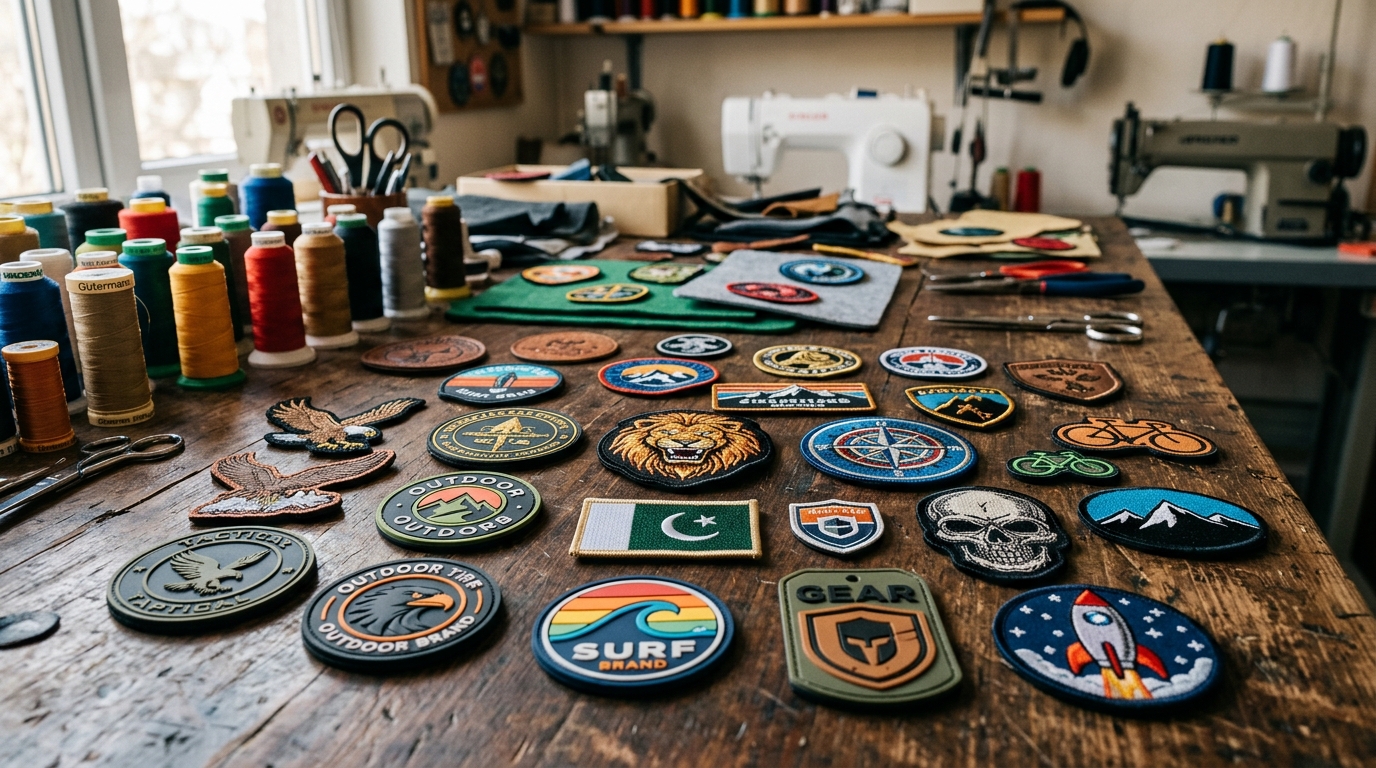
Other options include leather patches, chenille patches, printed patches, and specialty designs. Each technique creates a different appearance and offers particular advantages.
Our choice should depend on what we want the finished patch to achieve. A clothing brand may need a textured logo for a jacket, while a uniform supplier may require a clearly readable emblem with consistent dimensions.
A suitable manufacturing process helps us reproduce the artwork accurately while considering the patch's appearance, construction, and attachment requirements.
Embroidered Patches for Clothing and Branding
Embroidered patches remain a popular option for clothing brands because they provide a textured appearance and a recognizable stitched finish.
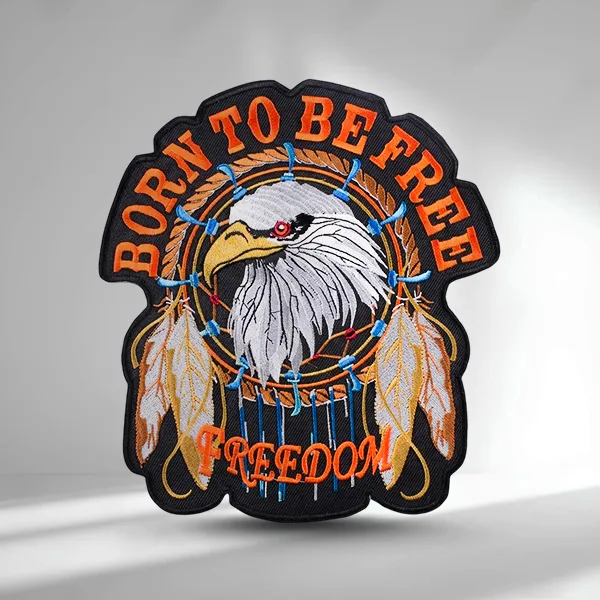
They are made by stitching colored threads onto a fabric base. The design can include lettering, symbols, decorative borders, and brand logos.
The Appearance of Embroidered Patches
Embroidery creates a raised surface that can add depth and visual interest to a garment. Depending on the design, we can use different thread colors, stitch patterns, and coverage levels.
Traditional embroidered patches often feature a fabric background with stitched artwork. Some designs use extensive thread coverage, while others leave portions of the base fabric visible.
The appropriate construction depends on the logo and the appearance we want to achieve.
Applications of Embroidered Patches
We can use embroidered patches on denim jackets, hoodies, caps, uniforms, sportswear, bags, and casual clothing.
They are suitable for brand emblems, team logos, club symbols, and decorative artwork.
For clothing collections, embroidered patches can help create a consistent identity across different garments. We can use a recognizable design on several products while adapting the patch dimensions to suit each item.
Embroidery and Design Detail
Embroidery works particularly well for bold artwork, clear lettering, and recognizable symbols. However, very small text and intricate lines may become difficult to reproduce at limited dimensions.
We should provide the manufacturer with the original logo and explain the intended patch size. The artwork may need to be adjusted for stitch density, line thickness, or lettering clarity.
Reviewing a sample allows us to assess whether the embroidered design matches our expectations.
Borders and Finishing
Embroidered patches can be finished using different border styles. A traditional merrowed border creates a wrapped edge, while other cutting and finishing methods may be suitable for custom shapes.
We should choose a border that complements the artwork and provides an appropriate finish for the intended garment.
The patch's backing should also be selected according to how it will be attached.
PVC Patches for Modern Apparel and Accessories
PVC patches offer a different appearance from traditional embroidered designs. They are manufactured from polyvinyl chloride, a flexible material that can be molded into custom shapes and layered designs.
PVC patches are particularly useful when we want a defined surface, raised logo elements, or a distinctive molded finish. They can be produced in different colors and thicknesses according to the artwork and intended application.
The Design Characteristics of PVC Patches
PVC manufacturing allows us to create designs with raised lettering, recessed details, and multiple visual layers. These features can make logos appear more dimensional than a conventional flat patch.
We can develop simple symbols, brand names, geometric designs, and detailed emblems using suitable molding techniques.
The final appearance depends on the mold design, material, color selection, and manufacturing specifications. We should provide clear artwork and discuss the level of detail that can be reproduced.
Applications of PVC Patches
PVC patches are used on selected outdoor garments, sportswear, workwear, caps, backpacks, and accessories.
Their molded construction can be suitable for products that require a flexible, distinctive patch surface. They are also popular for designs associated with outdoor activities, utility clothing, and contemporary streetwear.
We should evaluate the patch's flexibility and attachment method according to the product. A PVC patch intended for a structured backpack may have different requirements from one designed for a lightweight garment.
PVC Patch Construction
PVC patches can feature flat or raised designs, depending on the mold and artwork.
A two-dimensional design generally uses defined shapes and surface details, while a three-dimensional design can create additional height and depth.
We should explain our preferred appearance to the manufacturer and request a design preview before approving production.
Material thickness and flexibility should also be considered. The finished patch needs to suit its intended application without creating unnecessary discomfort or interfering with the garment's construction.
Custom Logo Patches for Clothing Brands
Custom logo patches help us establish a recognizable identity across our products. They can feature a company name, symbol, monogram, illustrated emblem, or another design associated with our brand.
The design should reflect our visual identity while remaining suitable for the selected patch material.
Developing a Recognizable Logo
A good patch logo should be clear, appropriately proportioned, and easy to recognize at its intended size.
We should consider which parts of our logo are essential. If the artwork includes very small text or complicated decorative details, we may need to adapt it for the patch manufacturing process.
For example, a clothing brand may use a simplified version of its main logo on small embroidered patches while retaining a more detailed design for larger PVC or printed patches.
These adjustments should preserve the brand's identity rather than changing it unnecessarily.
Matching Logos to Patch Materials
Different materials can influence how our logo appears.
Embroidered patches create a textured effect through thread. Woven patches can reproduce smaller details through their construction. PVC patches provide a molded surface, while leather patches can feature pressed or engraved artwork.
We should select a material that complements our logo rather than forcing every design into the same production technique.
Maintaining Consistent Brand Colors
Brand colors help connect our products across different collections.
We should provide color references when requesting custom patches and confirm how the manufacturer will reproduce them using the chosen materials.
Thread colors, printed surfaces, leather finishes, and molded materials may not look identical under different lighting conditions.
If color consistency is important to our business, we should review a sample and document the approved specifications for future production.
Woven, Leather, Chenille, and Printed Patches
Although embroidered and PVC patches are widely used, other patch styles can offer suitable alternatives for particular designs and products.
Woven Patches
Woven patches are produced by interlacing threads to form the artwork. They are useful when our design includes small lettering, thin lines, or fine details.
Their relatively smooth surface can suit clothing labels, compact logos, and minimalist branding.
We should discuss the weave, dimensions, and minimum lettering size with our manufacturer. The design needs to be prepared for the selected weaving process.
Leather Patches
Leather patches can add a distinctive material finish to denim, jackets, trousers, caps, and bags.
They may be manufactured from genuine leather or suitable synthetic materials. Depending on the material, logos can be embossed, debossed, engraved, or printed.
We should consider the garment's style and care requirements before choosing leather. The patch material and attachment method should be compatible with the intended product.
Chenille Patches
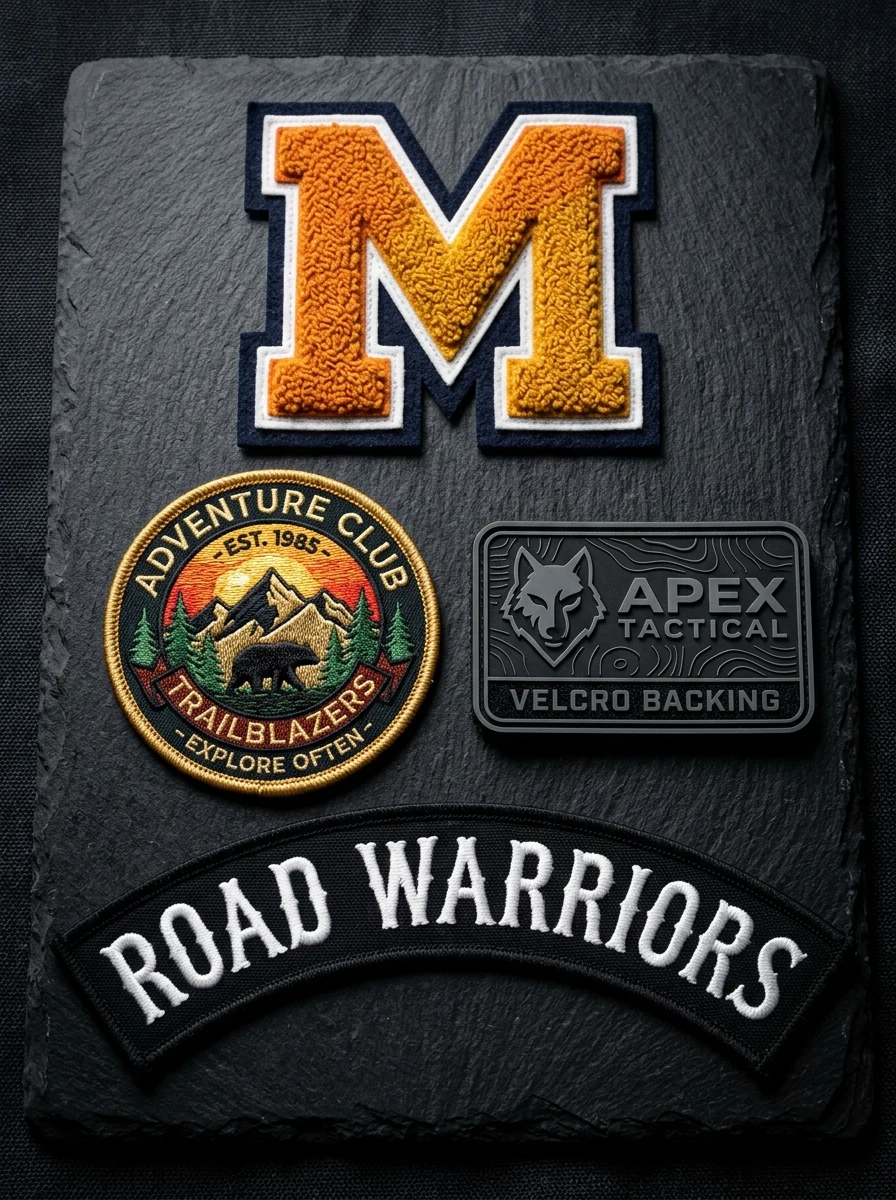
Chenille patches have a soft, raised surface created using yarn. They are often used for varsity jackets, collegiate apparel, and sports-inspired clothing.
We can combine chenille lettering with embroidered outlines to create layered designs.
This style is generally more suitable for bold lettering and larger symbols than for intricate artwork.
Printed Patches
Printed patches are useful when our artwork contains gradients, complex illustrations, or many colors.
The printing method and fabric determine the level of detail, texture, and finish. We should discuss the intended application with the manufacturer and select materials that suit our product requirements.
Selecting Materials for Custom Patch Production
Material selection affects a patch's appearance, construction, flexibility, and suitability for the garment.
We should begin by identifying where the patch will be used and what conditions it needs to withstand.
For example, a patch attached to a frequently washed uniform may require different considerations from a decorative patch on a bag.
The base material should support the chosen design. Embroidered patches require a suitable fabric base, while woven patches rely on their thread construction. PVC patches require an appropriate molding material, and leather patches need a surface compatible with the selected logo treatment.
We should also consider the weight and flexibility of the finished patch. A large, rigid patch may not suit lightweight fabric, while a softer construction may be more appropriate for garments that need to move comfortably.
Our manufacturer can help us compare material options, but we should communicate the product's intended use clearly.
Custom Patch Shapes, Sizes, and Borders
Shape and dimensions influence how a patch fits into a garment's design.
We can select conventional shapes such as circles, rectangles, squares, and shields, or request a custom outline that follows our logo.
A compact patch may suit a shirt or cap, while a larger design may be appropriate for a jacket or bag.
We should provide exact measurements and confirm whether they include the border. This helps prevent misunderstandings during production.
Borders also influence the finished appearance. Embroidered patches may use merrowed or other suitable edges, while woven, PVC, and leather patches require finishing methods appropriate to their materials.
Custom shapes may require specialized cutting or mold preparation. We should confirm whether the design can be manufactured as submitted and whether any adjustments are necessary.
Choosing the Right Patch Backing
The backing determines how a patch attaches to the garment or accessory. We should select it according to the fabric, intended use, and desired attachment.
Sew-On Backing
Sew-on patches are attached using stitching. They are suitable for many clothing applications where a secure, permanent attachment is preferred.
We can use them on jackets, denim, uniforms, bags, and other products that accommodate sewing.
The patch's edges and construction should allow it to be attached properly without damaging the garment.
Heat-Seal Backing
Heat-seal backing uses an adhesive activated by suitable heat and pressure.
It can offer a convenient application method for compatible garments, but the fabric must tolerate the required conditions.
We should follow the manufacturer's application instructions and test the patch on the intended material before using it across a production batch.
Some applications may require additional stitching to provide the desired attachment.
Hook-and-Loop Backing
Hook-and-loop backing allows patches to be removed and replaced using matching fastening surfaces.
It is suitable for selected uniforms, utility products, and accessories that require interchangeable patches.
We should ensure that the garment includes a compatible fastening surface and that the attachment remains appropriate during normal use.
Adhesive Backing
Adhesive backing may be suitable for temporary applications or selected surfaces.
Its performance depends on the adhesive, material, surface condition, and intended use. We should confirm whether it is appropriate for our application rather than assuming that it will provide a permanent attachment.
The Custom Patch Manufacturing Process
A well-managed production process helps us turn our artwork into a finished patch that meets our requirements.
Artwork Preparation
We provide our logo, preferred patch style, dimensions, colors, and application details.
The manufacturer reviews the design and prepares it for the selected production technique. Embroidery may require digitizing, while PVC patches require mold preparation and other patch styles need their own production files or specifications.
We should clarify any proposed artwork adjustments before production.
Design Review and Sampling
A design preview helps us understand how the artwork will be reproduced.
When appropriate, we should request a physical sample to assess the material, color, dimensions, surface, and finishing.
The sample should represent the agreed design closely enough for us to make an informed approval decision.
Bulk Production
After approving the specifications, we can authorize manufacturing.
The production method depends on the patch type. Embroidery requires stitching, weaving requires thread construction, and PVC patches involve molding.
Production time can vary according to order quantity, design complexity, materials, and the manufacturer's workload.
We should agree on the expected schedule before placing the order.
Inspection and Finishing
Finished patches should be checked against the approved design and specifications.
Inspection may include reviewing logo clarity, dimensions, colors, borders, backing, and overall construction.
The patches should then be counted and packaged appropriately for delivery.
We should confirm the manufacturer's inspection procedure and discuss how any defects or discrepancies will be handled.
Wholesale Custom Patch Manufacturing
Wholesale production is useful when we need patches for clothing collections, uniforms, retail inventory, promotional products, or distribution.
The cost per patch depends on the order quantity, material, dimensions, manufacturing method, and design complexity.
Larger orders may reduce unit costs because some setup expenses can be spread across more pieces. However, we should consider our actual requirements before selecting an order quantity.
For a new design, we may want to evaluate a sample or initial batch before ordering a larger quantity.
We should request a quotation that clearly describes the product, quantity, unit price, sample charges, packaging, shipping, and any other applicable expenses.
Comparing quotations is most useful when we provide equivalent specifications to each manufacturer.
We should also consider the supplier's ability to maintain quality across repeat orders. A competitive price is valuable, but it should not come at the expense of our agreed design or construction requirements.
Quality Control for Embroidered and PVC Patches
Quality control is important because patches may be applied across many garments or distributed to different customers.
We should establish our requirements before manufacturing and inspect the finished order against the approved sample.
For embroidered patches, we should examine stitch quality, lettering clarity, thread colors, borders, and loose threads.
For PVC patches, we should inspect the molded details, surface finish, color consistency, shape, and attachment method.
For both styles, we should confirm that the dimensions and backing match the order.
We should also evaluate how the patch performs when attached to the intended garment. If the product will be washed frequently or used in demanding conditions, suitable testing can help us identify potential problems.
Clear specifications and documented approvals make it easier to communicate with our manufacturer and maintain consistent production standards.
Custom Patches for Different Industries
Custom patches can be adapted to a range of products and organizations.
Clothing and Fashion Brands
Fashion brands can use embroidered, woven, leather, or PVC patches to complement their collections.
We should choose a patch style that matches the garment's design, fabric, and intended appearance.
Sportswear and Team Apparel
Sports teams and athletic clothing companies can use patches to display logos, team names, and symbols.
The patch should suit the garment and its intended use. We should consider comfort, attachment, and care requirements when selecting the material.
Uniforms and Workwear
Businesses and organizations can use patches to identify employees, departments, or teams.
The design should be readable at its intended size, and the construction should suit the garment's expected use and maintenance.
Outdoor Clothing and Accessories
PVC patches and other suitable constructions can be used on selected outdoor products, backpacks, and utility accessories.
We should evaluate the material and attachment method according to the product's intended conditions rather than relying on the patch style alone.
Promotional Products
Organizations can use custom patches for merchandise, events, clubs, and branded accessories.
We should choose a design that represents the organization clearly and fits the available product space.
Working with a Custom Patch Manufacturer
A successful manufacturing partnership depends on clear communication and realistic expectations.
We should provide complete artwork and specifications, explain the intended application, and ask the manufacturer to identify any production limitations.
The supplier should confirm the patch style, materials, dimensions, backing, quantity, and finishing before beginning production.
We should also discuss sample approval, quality inspection, packaging, and delivery arrangements.
When we plan repeat orders, keeping approved samples and production specifications can help us maintain consistency.
We should clarify ownership and confidentiality requirements for our artwork, particularly when producing custom logos or private-label designs.
A reliable supplier should communicate clearly and provide enough information for us to make informed decisions throughout the process.
Conclusion
Custom patch manufacturing allows us to develop embroidered, PVC, and other personalized patches for clothing, accessories, uniforms, and branded products.
By choosing appropriate materials, preparing clear artwork, and selecting suitable manufacturing techniques, we can create patches that represent our designs and meet the requirements of their intended applications.
Embroidered patches provide a traditional textured finish, while PVC patches offer molded details and a distinctive surface. Woven, leather, chenille, and printed options provide additional flexibility for different products and branding styles.
We should evaluate manufacturers based on their capabilities, communication, sample quality, production consistency, and ability to meet our specifications.
Careful planning, sample review, and clear quality requirements help us coordinate production and avoid preventable mistakes.
With a suitable manufacturing partner and a well-prepared design, we can develop custom patches that strengthen our product identity and support our clothing or merchandise business.