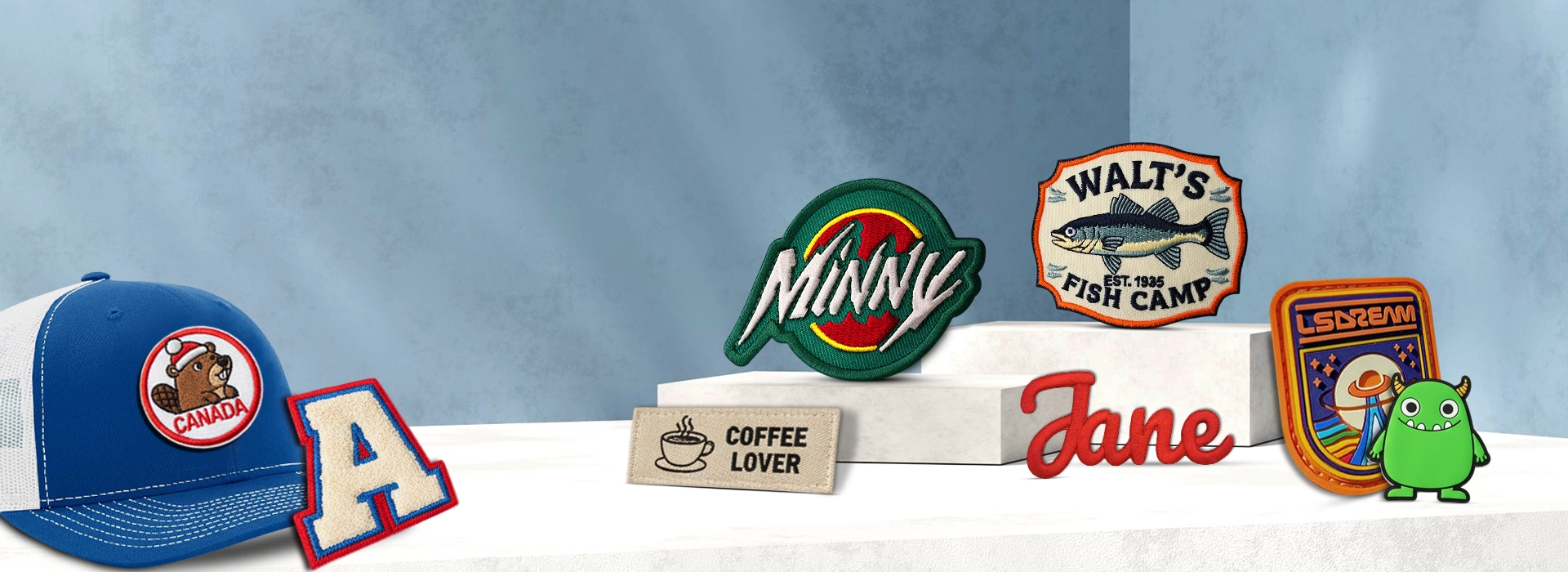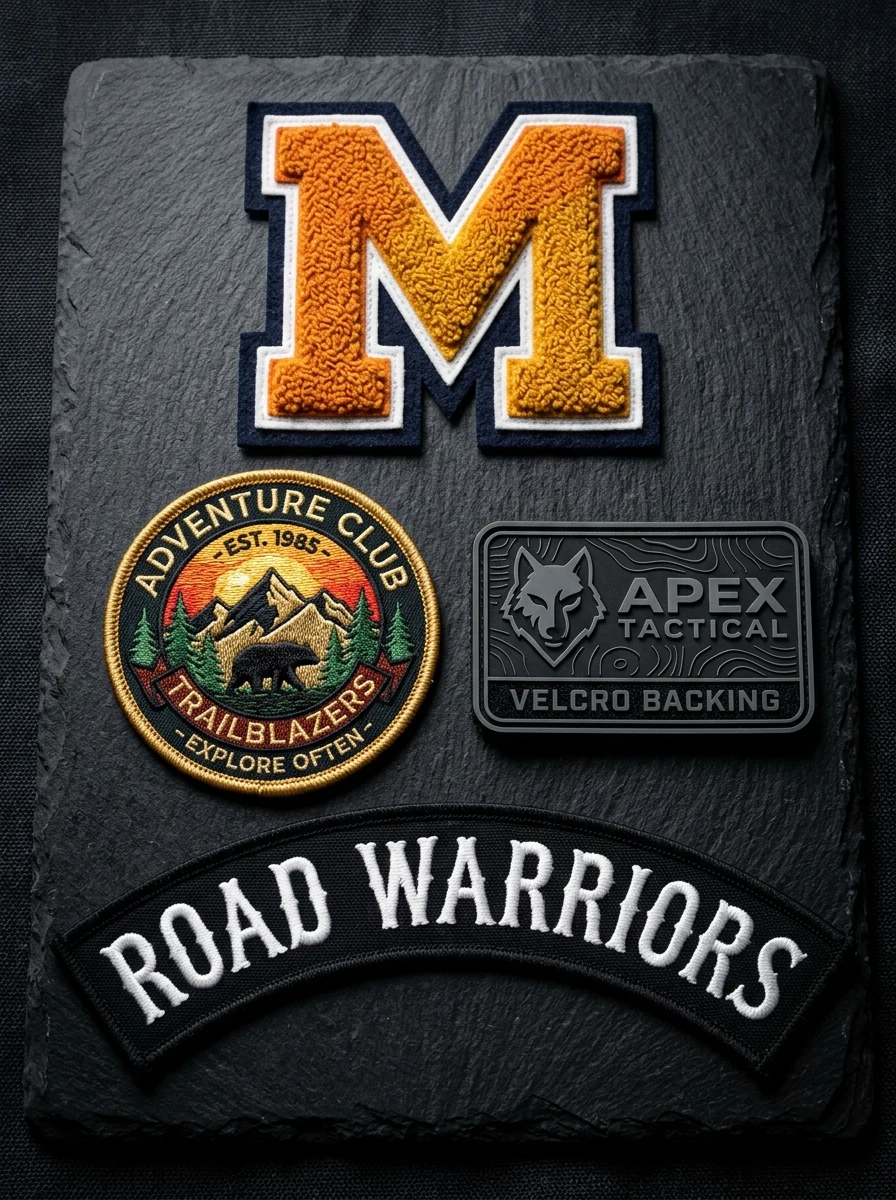
Every brand needs a recognizable identity that helps its products stand out in the market. Custom patches offer a practical way to create that identity through clothing and accessories. They allow businesses to display their logos, names, symbols, and original artwork in a distinctive format. Whether used on jackets, shirts, hats, bags, or uniforms, custom patches can add a recognizable detail that reflects the personality of a brand.
Unlike ordinary printed logos, custom patches can introduce texture, depth, and different finishing options to a product. Embroidered threads, woven designs, printed artwork, and leather finishes each create a different appearance. This flexibility allows clothing brands and businesses to select patches that match their products and branding goals.
A distinctive patch is not simply a decorative element. It can help maintain brand consistency, distinguish product collections, and communicate a business identity through everyday items. When the design, material, and placement are selected carefully, custom patches can become an important part of a brand's visual presentation.
Why Custom Patches Matter for Brand Identity
Brand identity includes the visual elements that make a business recognizable. These elements may include a logo, color palette, typography, symbols, and overall design style. Custom patches bring these elements onto physical products, allowing brands to present a consistent appearance across different garments and accessories.
For clothing brands, patches can make products more recognizable without requiring large printed graphics. A small embroidered logo on a jacket or cap can communicate the brand identity while keeping the overall design simple. This approach works particularly well for businesses that prefer subtle branding.
Companies can also use patches to create a professional appearance across employee uniforms. A logo patch placed on shirts, jackets, or workwear helps connect the clothing to the business. Consistent placement and accurate colors make it easier to maintain a unified appearance across different teams.
Custom patches also give brands more freedom to adapt their visual identity to different products. The same logo can be reproduced in several sizes or patch styles, depending on the garment. A larger patch may suit a jacket, while a smaller version may work better on a cap or sleeve.
The most effective designs maintain recognizable features even when the dimensions change. Businesses should preserve important logo elements, use suitable colors, and avoid adding unnecessary details. A clear design helps customers identify the brand without making the product look overcrowded.
Creating a Distinctive Look with Custom Patch Designs
A distinctive patch begins with a design that reflects the character of the brand. Businesses should consider what they want their products to communicate before choosing colors, shapes, lettering, and artwork. A brand focused on premium clothing may prefer a clean emblem, while a streetwear label may choose bold graphics and expressive typography.
The design should complement the product rather than compete with it. A simple logo can work well on formal workwear, while a more detailed illustration may suit casual jackets or creative merchandise. Selecting the right visual style helps ensure that the patch feels like a natural part of the product.
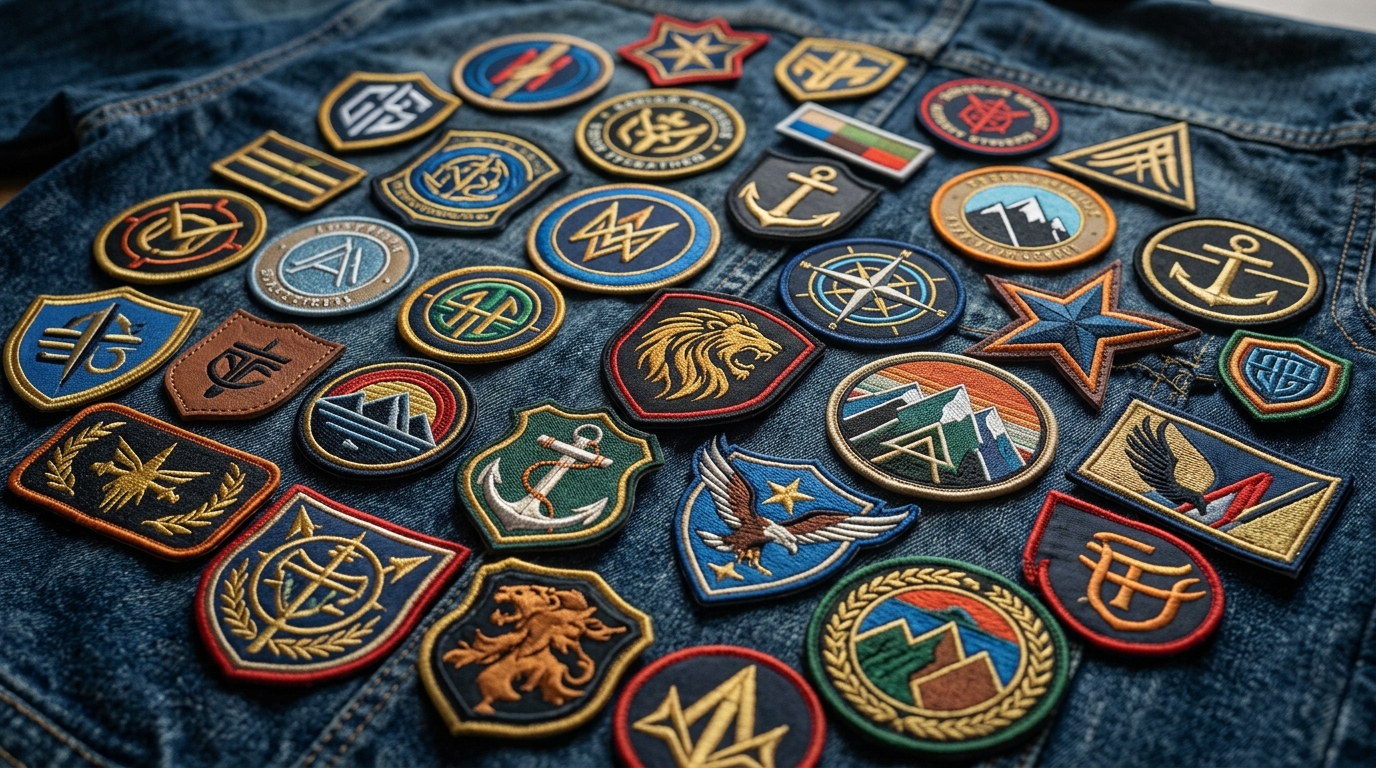
Shape is another important design consideration. Circular patches can create a balanced appearance for logos and emblems. Rectangular patches provide space for names and lettering, while shield shaped designs can suit team logos and organizational symbols. Custom cut shapes are also possible when the artwork requires a particular outline.
Color combinations influence visibility and recognition. Strong contrast between the patch background and its lettering can make the design easier to read. Brands should use colors that complement their existing identity and remain suitable for the material and production method.
Texture can also distinguish a patch from other branding methods. Embroidery creates raised details through stitching, while woven patches provide a flatter finish. Printed patches can reproduce complex artwork, including detailed illustrations and multiple color transitions.
A successful design balances originality with clarity. Too many colors, tiny text, and intricate details can make a patch difficult to recognize, especially when it is small. Keeping the essential elements clear helps create a more professional and distinctive result.
Choosing the Right Custom Patch Style
The production method affects how a patch looks and performs. Different styles are suitable for different designs, so businesses should consider the artwork, garment, and intended use before making a decision.
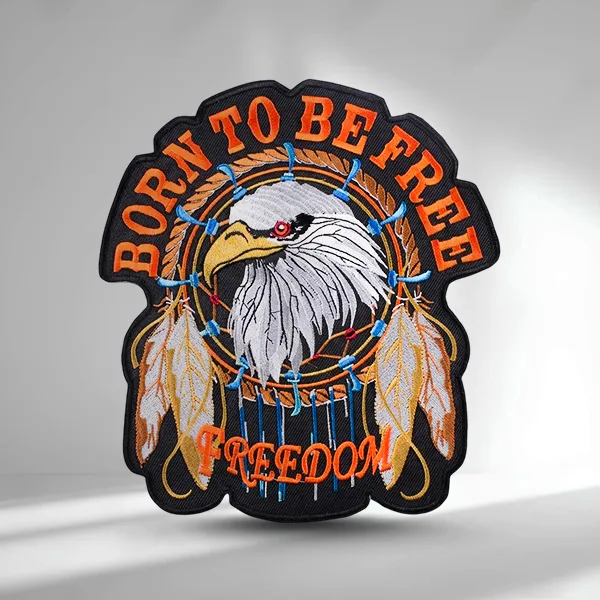
Embroidered patches are popular because they provide a textured appearance. Threads form the design on a fabric background, creating visible depth and a traditional stitched finish. These patches are suitable for logos, bold lettering, symbols, and simple illustrations. They are commonly used on jackets, caps, uniforms, and bags.
Woven patches use finer threads to reproduce smaller details. Their smoother surface can make compact lettering and intricate logos easier to display. Clothing brands that need a precise design without a heavily raised texture may prefer this option.
Printed patches are useful for artwork containing gradients, fine illustrations, or complex color combinations. Instead of relying entirely on thread, printing allows the design to reproduce details that may be difficult to achieve through embroidery. This makes printed patches suitable for brands with detailed artwork.
PVC patches provide a flexible, molded finish with raised design elements. They are often used on bags, outdoor products, uniforms, and accessories. Their appearance can suit brands that want a bold logo with clearly defined shapes.
Leather and faux leather patches can provide a different look for denim, casual clothing, and workwear. Depending on the material and production technique, a logo can be embossed or engraved into the surface. These patches can complement brands that prefer a simple, classic appearance.
The right choice depends on the design requirements and the product. Businesses should compare appearance, detail, material compatibility, and expected use before selecting a patch style.
Using Custom Patches on Clothing and Accessories
Custom patches can be applied to a wide range of clothing and accessories. Jackets, hoodies, shirts, jeans, caps, backpacks, and tote bags all provide opportunities to display brand identity. The placement should be selected according to the product's shape, material, and intended appearance.
Chest patches are commonly used when a brand wants a subtle and recognizable logo. They can work well on jackets, shirts, and uniforms. Sleeve patches provide space for secondary symbols or smaller branding elements. Back patches offer a larger area for designs that need more detail or greater visibility.
Caps often require compact designs because the available surface is limited and curved. Simple logos and recognizable symbols tend to work well in this location. Bags and backpacks can accommodate patches of different sizes, depending on the panel design and the material.
Placement should also account for seams, pockets, fastenings, and fabric movement. A patch that overlaps a seam or sits on an uneven surface may not achieve the intended appearance. Checking the placement on the actual garment before application can help avoid problems.
The attachment method is equally important. Sew on patches can provide a secure finish for products that experience frequent use. Iron on patches may be convenient for suitable fabrics, but heat sensitive materials may require another method. Hook and loop backing can be useful when a patch needs to be removed or replaced.
Choosing an appropriate size and attachment method helps ensure that the patch complements the product and remains suitable for its intended use.
Maintaining Brand Consistency Across Products
Consistency helps customers connect different products with the same business. Custom patches can support this goal by repeating recognizable design elements across clothing collections and accessories.
A clothing brand might use its primary logo on jackets, hoodies, caps, and bags. The patch dimensions may change according to the available space, but the logo proportions and main colors should remain consistent. This allows different products to share a recognizable visual identity.
Businesses can also use patches to distinguish product categories. For example, a company may use its standard logo on everyday clothing and a separate emblem for a specialized collection. These designs can differ in appearance while retaining recognizable brand elements.
Color accuracy is important when producing patches for multiple products. Thread colors, printed shades, and material surfaces can affect the final appearance. Reviewing samples or production proofs helps businesses understand how the selected colors will look in the finished design.
Logo placement should also follow a consistent approach where appropriate. If a brand uses a particular chest position on its jackets, repeating that placement across similar products can create a more organized appearance. Different products may require adjustments, but the overall branding should remain coherent.
Businesses should keep approved artwork and production specifications for future orders. This helps maintain consistency when ordering additional patches or introducing new products.
How Custom Patches Improve Product Presentation
The details on a product influence how its overall design is perceived. A well made patch can add texture, introduce a clear focal point, and help a garment look more distinctive. This can be especially useful for clothing brands that want to differentiate their products through small but recognizable design features.
An embroidered patch can add a raised finish to a plain jacket, while a leather patch can complement denim and casual wear. A printed patch can introduce detailed artwork to a bag or garment without requiring the entire surface to carry a graphic.
The patch should match the quality and style of the product. A premium garment may require precise stitching, clean edges, and a carefully selected material. Workwear may prioritize secure attachment and suitability for regular washing. Decorative merchandise may place greater emphasis on color accuracy and visual detail.
The quality of the patch can affect the overall appearance of the garment. Uneven stitching, unclear artwork, inaccurate colors, or poorly finished edges may distract from the design. Reviewing production samples and confirming specifications can help businesses achieve a more consistent result.
Brands should also consider the comfort of the person wearing the garment. Large or stiff patches may not be suitable for every fabric or location. The backing and attachment method should work with the garment's construction and intended use.
When a patch is selected to complement the product, it can improve the visual presentation without making the design unnecessarily complicated.
Custom Patches for Small and Established Brands
Custom patches can serve businesses at different stages of development. Small clothing brands can use them to introduce recognizable branding without placing large graphics on every product. A simple logo patch can be applied to selected garments and accessories to create a consistent appearance.
New businesses should focus on designs that are easy to reproduce and suitable for their available products. Choosing a versatile logo, a manageable range of colors, and an appropriate patch size can simplify production. The same design can then be used across different items as the product range develops.
Established brands may use custom patches to maintain consistency across larger collections. They can develop patches for specific product categories, collaborations, or limited releases while retaining their main visual identity.
Businesses can also test different patch styles before committing to larger production quantities. Reviewing samples allows them to compare embroidery, weaving, printing, and other finishes. This helps determine which option best suits their products and customers.
Budget should be considered alongside quality. The final cost may depend on dimensions, material, design complexity, order quantity, and backing. Businesses should compare options according to their actual requirements rather than selecting a style based on appearance alone.
A suitable patch design can support both small product runs and larger collections when its specifications are planned carefully.
Designing Custom Patches for a Professional Finish
A professional patch requires accurate artwork and careful preparation. Businesses should provide a clear logo or design file and explain how the patch will be used. This information helps the manufacturer select an appropriate production method and recommend adjustments where necessary.
The artwork should remain readable at the final size. Very small lettering, thin lines, and crowded details may not reproduce clearly in stitched designs. Simplifying these elements can improve the result without changing the essential identity of the logo.
The background, border, and lettering should work together visually. A suitable border can give the patch a finished appearance and help define its shape. The selected background should provide enough contrast for the main design to remain visible.
Before production, businesses should review a digital proof or physical sample when available. Important details include spelling, logo proportions, dimensions, colors, border finishing, and backing. Any changes should be confirmed before the full order is approved.
It is also important to consider the garment material. The manufacturer should know whether the patch will be attached to denim, cotton, polyester, or another fabric. Different materials may require different attachment methods, especially when heat application is being considered.
Careful preparation reduces the risk of avoidable errors and helps the finished patch match the intended design.
Selecting a Reliable Custom Patch Manufacturer
The quality of a custom patch depends on both the design and its production. Businesses should choose a manufacturer that can understand their requirements and explain the available materials, production methods, and finishing options.
A reliable manufacturer should be able to review the artwork and advise whether the design is suitable for the selected patch style. This is particularly important when the logo contains small text, intricate lines, or multiple colors.
Customers should ask about sample availability, minimum order quantities, production timelines, and attachment options. They should also confirm how colors and dimensions will be reviewed before manufacturing begins.
Clear communication is essential when ordering patches for uniforms, product launches, or clothing collections. Businesses should provide accurate artwork, approve the final proof, and confirm the quantity and delivery requirements in advance.
Inspecting a sample can help evaluate stitching, material quality, edge finishing, and overall appearance. For larger orders, maintaining approved specifications can make future production more consistent.
Choosing a manufacturer according to quality, communication, and production suitability helps businesses obtain patches that meet their branding requirements.
Conclusion
Custom patches give brands a practical way to create a distinctive look through clothing and accessories. They can display logos, introduce unique design details, support consistent branding, and improve the visual presentation of products. With options such as embroidered, woven, printed, PVC, and leather patches, businesses can select a style that suits their identity and intended use.
The best results come from clear artwork, suitable materials, accurate colors, appropriate placement, and reliable production. Brands should consider their products, audience, and design requirements before selecting a patch style.
Whether used on jackets, caps, uniforms, bags, or promotional merchandise, custom patches can help a business present its identity in a recognizable and professional way. A carefully designed patch becomes more than a decorative feature. It becomes a consistent visual element that helps distinguish the brand and connects its products through a shared identity.