Introduction
Custom patches are a simple yet effective way to make your brand, clothing line, or team stand out. They add personality to clothing, help people recognize a logo, and create a consistent appearance across uniforms and accessories. Whether you run a small clothing business, manage a sports team, or want to build a recognizable fashion brand, the right custom patches can help you communicate your identity through thoughtful design.
From embroidered logos and detailed woven patches to modern PVC designs and premium leather finishes, there are plenty of options to consider. Each style offers different advantages, so choosing the right one depends on your design, budget, intended use, and the type of products you want to create.
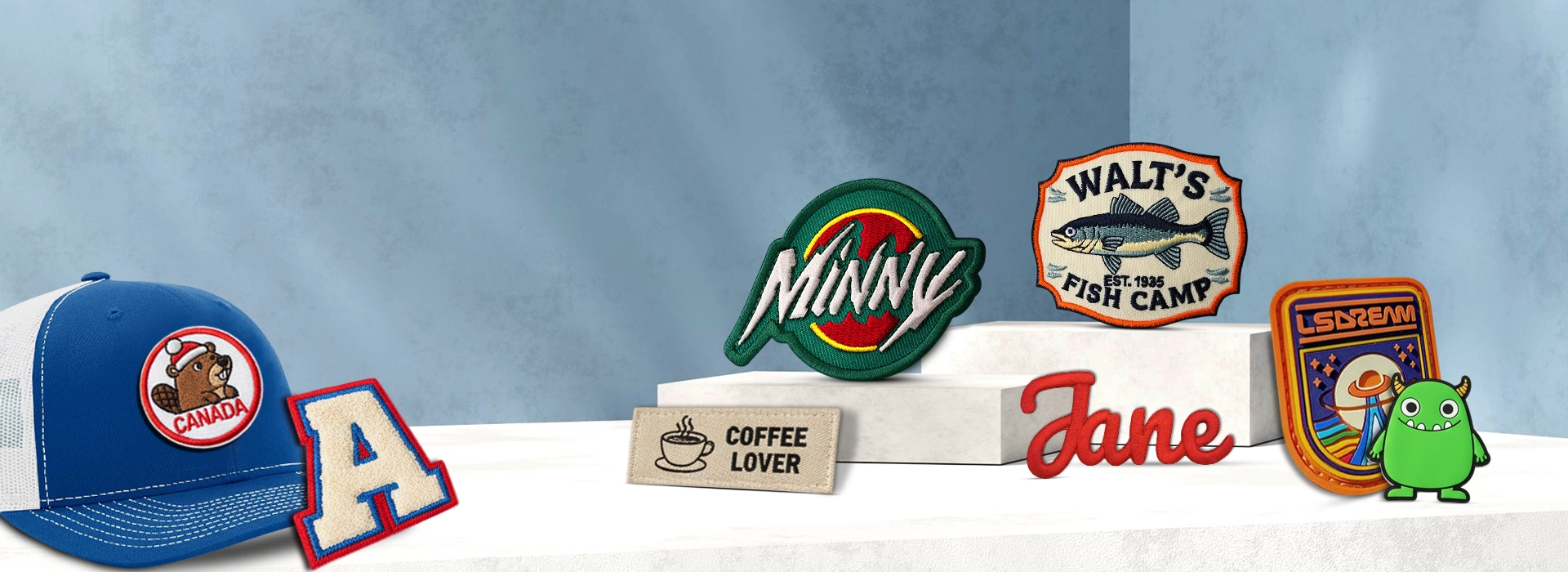
For example, a clothing brand might choose woven patches for small logos on shirts, while a sports team may prefer embroidered patches for jackets and uniforms. A streetwear label could use bold chenille patches to create a distinctive look, whereas a company producing denim products might select leather patches for a refined finish.
The best custom patch is not necessarily the most expensive or complicated option. It is the one that represents your identity, suits your products, and meets your practical requirements.
In this guide, we will explore the different types of custom patches, how to choose suitable materials and backing options, what to consider when designing your patch, and how to find an option that works for your brand, clothing line, or team.
Why Custom Patches Matter for Your Brand
A recognizable brand is built through consistent visual details. Logos, colors, typography, packaging, and product design all contribute to the way people recognize a business. Custom patches can become another useful part of that identity.
Unlike a design printed directly onto fabric, a patch can add texture, depth, and a separate visual element to a product. It can make a simple jacket, shirt, hat, or backpack look more distinctive without requiring a completely different garment design.
For businesses, custom patches provide a practical way to display a company logo on uniforms and workwear. When employees wear clothing with consistent branding, customers can identify staff more easily, and the overall appearance of the business becomes more organized.
For clothing brands, patches offer creative flexibility. They can be placed on sleeves, chest areas, pockets, collars, waistbands, or other suitable locations. A small patch can create a subtle branded detail, while a larger design can become a central feature of a garment.
Sports teams and clubs can also use patches to represent their identity. Team names, initials, symbols, and achievement details can be displayed on uniforms, jackets, bags, and training apparel.
The key is to choose a design that supports your identity instead of making the product look overcrowded. A well-planned patch should complement the garment, remain easy to recognize, and suit the people who will wear it.
Understand Your Purpose Before Choosing a Patch
Before selecting a material or design, decide what you want your custom patches to accomplish. This is one of the most important steps because different purposes require different features.
If you are creating patches for a business, your main goal may be brand recognition. In that case, the company logo should be clear, the colors should match your brand identity, and the patch should be suitable for the uniforms or accessories on which it will appear.
For a clothing line, appearance and product style may be more important. You might want a patch that complements your fabric, enhances the overall design, or gives your collection a distinctive finish.
For a sports team, visibility and practicality may be the main considerations. The patch should represent the team clearly and work well with the uniform material and intended level of activity.
You should also think about how frequently the item will be used. A patch on a frequently washed work uniform may need a different construction and attachment method from one used on a decorative jacket.
Ask yourself a few simple questions before making a decision:
Where will the patch be attached?
Who will wear or use the finished product?
Does the design need to display small text or detailed artwork?
Will the item be washed frequently?
Is the patch mainly decorative, or does it need to support identification?
What budget do you have for production?
Answering these questions will help you narrow down the available options and avoid choosing a patch style that does not suit your requirements.
Embroidered Patches for Classic Branding
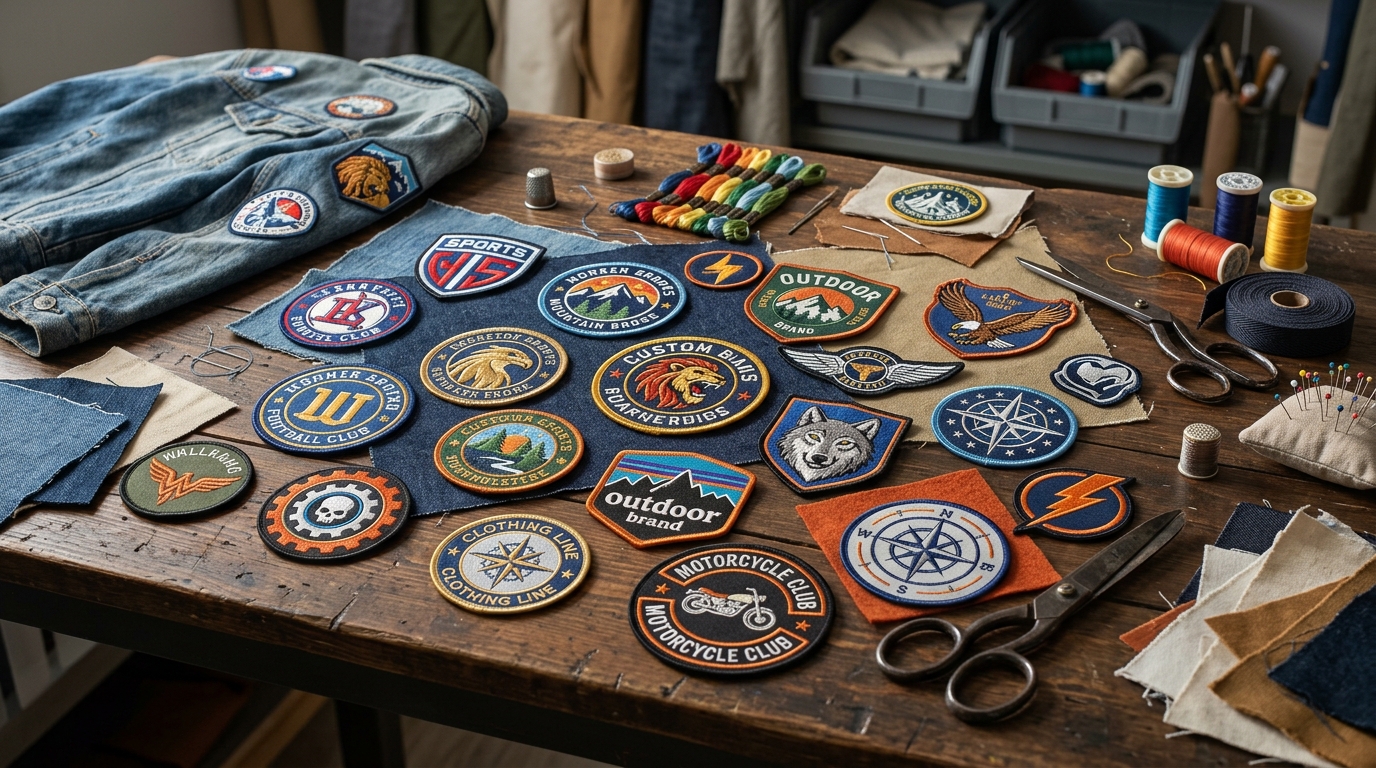
Embroidered patches are one of the most popular options for businesses, clothing brands, and sports teams. They are made by stitching colored threads onto a fabric backing to create a design. The stitching produces a raised texture that gives the patch a traditional appearance.
This style works particularly well for bold logos, simple lettering, team emblems, and recognizable symbols. It is commonly used on uniforms, jackets, caps, backpacks, and workwear.
For a business, embroidered patches can create a professional appearance on staff clothing. A restaurant might use them on uniforms, while a maintenance company could display its logo on work jackets. Sports teams can also use embroidered patches to represent their name or emblem.
Clothing brands often choose embroidery when they want a textured finish rather than a flat printed design. A small embroidered logo on the chest of a jacket or sweatshirt can create a subtle but recognizable branded detail.
However, embroidery is not ideal for every type of artwork. Very small lettering, narrow lines, and complex illustrations may lose clarity because the design is created with thread.
When choosing embroidered patches, keep the artwork clear and avoid unnecessary details. This approach helps the design remain recognizable at the final size.
Choose embroidered patches when you want a classic, textured style that works well across uniforms, fashion products, and everyday accessories.
Woven Patches for Detailed Logos
Woven patches are especially useful when your design contains fine details or small lettering. They are produced by weaving thin threads together rather than using thicker embroidery stitches to create the design.
The result is generally a flatter surface that can reproduce detailed artwork more clearly. This makes woven patches suitable for logos with narrow lines, small text, intricate symbols, and more complex shapes.
For clothing brands, woven patches can be a practical option for labels on jackets, shirts, hats, and other garments. Their relatively lightweight construction also makes them useful when a thick, raised patch would not suit the product.
Businesses can use woven patches when their logos include small lettering that needs to remain readable. Teams and organizations may also choose them for designs that contain several visual elements.
One important consideration is the final size. Even though woven construction can reproduce finer details, very small artwork still needs to be designed carefully. The manufacturer should confirm whether the lettering and lines can be produced clearly.
Compared with embroidered patches, woven patches generally offer less raised texture but greater flexibility for detailed designs.
If your priority is a neat appearance and readable fine details, woven patches are worth considering.
PVC Patches for Modern and Practical Designs
PVC patches are made from polyvinyl chloride, a material that creates a flexible, rubber-like finish. They are popular for modern branding, bold shapes, and designs that benefit from raised or recessed details.
These patches are commonly used on backpacks, outdoor accessories, selected uniforms, equipment, and products that need a distinctive appearance.
For a brand that produces outdoor clothing or accessories, PVC patches can provide a practical alternative to traditional fabric designs. Sports teams and clubs may also use them on bags or equipment to display their logos.
One advantage of PVC is its resistance to moisture. It generally handles exposure to water better than many fabric materials and can often be cleaned with a suitable cloth. However, the complete patch and its attachment should not automatically be considered waterproof.
PVC patches can feature multiple colors, layered designs, and custom shapes. This allows businesses to create logos with a modern, three-dimensional appearance.
The material does have a different visual style from embroidery or woven fabric. It may not suit every fashion collection, especially products that require a soft, traditional finish.
Before choosing PVC, consider your product design, the intended environment, and the overall look you want to achieve.
Leather Patches for Premium Clothing Lines
Leather patches are a popular choice for clothing brands that want to create a refined and distinctive appearance. They are commonly used on jeans, denim jackets, hats, bags, and other fashion products.
These patches can be made from genuine leather or faux leather. The design may be engraved, embossed, debossed, or printed, depending on the material and desired finish.
Leather patches are especially effective for simple logos, brand names, initials, and minimalist designs. Their natural-looking texture can complement denim and canvas while adding a recognizable detail to the finished product.
Many clothing brands place leather patches on the waistband of jeans or on the back of denim jackets. A small patch in a carefully chosen position can make the product look more considered without overwhelming its design.
Faux leather offers an alternative for brands that prefer a leather-like appearance with different material characteristics and cost considerations. The best choice depends on the brand's requirements, target audience, and product specifications.
Care is important when using leather patches. Some materials may not be suitable for repeated machine washing, soaking, or high heat. If the patch will be attached to frequently washed clothing, confirm the manufacturer's care recommendations before placing an order.
For clothing lines that focus on premium details and understated branding, leather patches can be an excellent option.
Chenille Patches for Bold Team Identity
Chenille patches are recognized by their thick, soft, and fuzzy texture. They are especially popular for varsity jackets, school clothing, sports teams, and retro-inspired fashion.
Their raised surface creates a bold appearance that works well with large letters, numbers, initials, and simple symbols.
Schools and sports teams often use chenille patches to display team names, school initials, achievements, and membership details. Clothing brands may also use them to create a vintage or collegiate look.
For example, a team jacket with a large chenille initial can communicate identity without requiring a complicated graphic. The texture itself becomes part of the design.
However, chenille is not the best option for small text or highly detailed artwork. Fine lines and tiny lettering may not remain clear because of the thick yarn.
When choosing chenille patches, consider the size of the design and the garment on which it will be used. This style is particularly suitable for bold, visible designs that need to make a strong visual impression.
Printed Patches for Colorful and Complex Artwork
Printed patches are a useful choice for designs that include detailed illustrations, gradients, multiple colors, or artwork that would be difficult to reproduce with thread.
They are created by transferring a design onto a suitable patch surface using a printing process. Depending on the method and material, they can reproduce fine lines and a wide range of colors.
For clothing brands, printed patches offer flexibility when working with illustrations or graphics that contain many visual elements. Businesses can also use them for promotional designs, while teams may choose them for artwork that requires detailed logos.
One advantage is the ability to reproduce complex imagery without simplifying every element into stitching patterns.
However, quality depends on the printing method, base material, ink, and finishing process. Some printed patches may require extra care to protect the artwork from repeated friction and washing.
If you are considering printed patches for workwear or clothing that will be used frequently, ask the manufacturer about durability and cleaning requirements.
Printed patches are best when the original artwork relies on color, fine details, and visual complexity.
Choosing the Right Patch Size and Shape
The size and shape of a patch affect both its appearance and practicality. Even a well-designed logo can look unbalanced if the patch is too large or too small for the garment.
Start by measuring the area where the patch will be placed. Consider the available space, the shape of the garment, and the distance from nearby seams, pockets, zippers, or other design features.
Common patch shapes include circles, rectangles, squares, shields, ovals, and custom outlines. Each shape can create a different visual effect.
Circular patches often work well for badges and team emblems. Rectangular designs are useful for names and wordmarks, while shield-shaped patches are commonly associated with uniforms and organizations. Custom shapes can follow the outline of a logo or symbol.
The size should also match the level of detail in the artwork. Small patches work best with simple designs, while larger patches can accommodate more visual information.
Before approving production, review the design at its actual dimensions. A logo that looks clear on a large computer screen may become difficult to read when reduced to a small patch.
If possible, request a digital proof or sample to check the proportions and placement before ordering a large quantity.
Select the Best Backing for Your Products
The backing determines how a patch is attached to clothing or another surface. Choosing the correct backing helps ensure that the patch is convenient to apply and suitable for its intended use.
Sew-On Backing
Sew-on patches are attached with a needle and thread or a sewing machine. They are suitable for many garments, including uniforms, jackets, bags, and workwear.
When properly attached, sewing can provide a reliable connection. It is often a practical choice for items that experience frequent movement or regular washing.
The final strength depends on the garment fabric, stitching quality, and patch construction.
Iron-On Backing
Iron-on patches use heat-activated adhesive to attach to compatible fabrics. They are convenient for businesses, clothing makers, and individuals who want to apply patches without professional sewing equipment.
However, some fabrics cannot tolerate the heat required for application. Delicate materials, certain synthetic fabrics, and coated garments may be damaged.
Always follow the manufacturer's instructions and confirm that the fabric is suitable. For items exposed to heavy use, additional stitching may help secure the patch, depending on the design and material.
Hook-and-Loop Backing
Hook-and-loop backing allows patches to be attached and removed easily. It is useful for uniforms, equipment, and products where the displayed design may need to change.
This option can work well for teams or organizations that use interchangeable identifiers.
Adhesive Backing
Adhesive-backed patches use a sticky layer to attach to suitable surfaces. They can be useful for crafts and temporary decorative applications.
However, adhesive backing may not be suitable for garments that require frequent washing or heavy use. Its performance depends on the adhesive and the surface to which it is applied.
When choosing a backing, consider the garment, the expected level of wear, and whether you need a permanent or removable attachment.
How Custom Patches Help Clothing Brands Stand Out
Clothing brands compete through product quality, design, fit, materials, and the details that make their collections recognizable. Custom patches can support this identity by adding a distinctive feature to garments.
A small patch on a shirt or sweatshirt can create a subtle branded look. A larger design on the back of a jacket can become a central visual element. Leather patches can complement denim, while embroidered or woven patches can provide a more traditional fabric-based appearance.
Consistency is important. If you use the same logo, colors, and design style across multiple products, customers may find it easier to recognize your brand.
Patches also provide flexibility for different collections. A brand might use woven patches on lightweight garments, embroidered patches on jackets, and leather patches on denim products.
Before introducing patches across a clothing line, consider how they will affect the garment's comfort, appearance, and care requirements. The patch should complement the product rather than interfere with its fit or function.
The most effective patch designs support the overall collection and give customers a clear visual detail to associate with the brand.
How Teams Can Use Custom Patches
Custom patches help teams display a shared identity across uniforms, jackets, bags, and accessories. They can include team names, initials, symbols, numbers, or other identifying details.
Sports teams may use patches to represent their club, display competition details, or recognize achievements. Schools and community organizations can use them to distinguish groups and create a consistent appearance.
For teams, readability is especially important. A patch should be easy to recognize from an appropriate distance, and its design should suit the uniform on which it will be placed.
The choice of material depends on the garment and the level of activity. Embroidered patches are popular for traditional team logos, woven patches can reproduce fine details, and PVC patches may suit certain bags and equipment.
Backing also matters. Uniforms that are frequently washed or exposed to movement may benefit from a secure attachment method selected for the specific fabric.
If the team requires several patches with different names or numbers, plan these details before production. Reviewing the complete order carefully can help avoid spelling mistakes, incorrect identifiers, or inconsistent designs.
A well-designed patch can help create a coordinated team appearance while allowing individual garments and accessories to remain practical.
Factors That Affect Custom Patch Costs
The price of custom patches depends on several factors, including material, dimensions, design complexity, quantity, backing, finishing, and delivery.
Larger patches generally require more material and production work. Designs with intricate details, unusual outlines, multiple colors, or special finishes may also increase manufacturing complexity.
Material choice can affect the price because embroidered, woven, PVC, chenille, leather, and printed patches use different production methods.
Order quantity is another consideration. Some manufacturers offer a lower price per patch for larger orders because setup costs are spread across more units. However, ordering more patches increases the total amount you spend.
Additional charges may include artwork preparation, samples, special backing, packaging, and shipping.
When requesting a quotation, provide clear information about your design, size, quantity, material, and intended use. Ask the supplier to confirm all specifications and any additional fees before approving production.
Compare quotations based on overall value rather than price alone. A slightly more expensive patch may be worth considering if it better meets your quality and durability requirements.
How to Find a Reliable Custom Patch Manufacturer
Choosing the right manufacturer is an important part of getting a satisfactory result. A supplier should understand your requirements, explain available options, and provide clear information about pricing and production.
Start by reviewing the manufacturer's experience with the type of patch you need. A supplier that produces detailed woven logos may have different strengths from one that specializes in leather or PVC patches.
Look at examples of previous work when available. Pay attention to stitching, color accuracy, edge finishing, clarity of lettering, and overall construction.
Communication is equally important. The manufacturer should be able to explain material options, backing methods, minimum order quantities, production timelines, and care requirements.
Before placing a large order, ask whether a digital proof or physical sample is available. Reviewing a proof helps you check the artwork, while a physical sample can provide a better understanding of texture and construction.
You should also confirm the delivery estimate and the process for handling design changes. Keep the final specifications in writing so both parties have a clear record of the agreed requirements.
Taking time to compare suppliers can help you find a manufacturer that fits your budget and can produce patches that meet your expectations.
Common Mistakes to Avoid When Ordering Custom Patches
One common mistake is choosing a design that contains too much small text. Fine lettering may become difficult to read when reproduced at a small size.
Another mistake is selecting a patch based only on appearance without considering its intended use. A decorative patch may not be suitable for equipment or clothing that experiences heavy wear.
Choosing the wrong backing can also create problems. Iron-on adhesive may not work with every fabric, while an unsuitable adhesive backing may not provide a secure attachment.
Some buyers overlook the final dimensions. Always check how the patch will look on the actual garment rather than judging the design only on a screen.
Spelling mistakes and incorrect colors are also important to check before production. Review the artwork carefully and request a proof whenever possible.
It is equally important to confirm the order quantity, material, backing, border, price, and delivery timeline before approving production.
Finally, avoid assuming that all patches are waterproof, heat-resistant, or machine washable. Performance depends on the materials, construction, and attachment method.
Careful planning helps reduce unnecessary costs and improves the chances of receiving patches that meet your needs.
Conclusion
Finding the right custom patches for your brand, clothing line, or team starts with understanding your goals. The ideal patch should represent your identity, suit your products, and provide the appearance and functionality you need.
Embroidered patches offer a classic textured finish, woven patches are useful for detailed logos, and PVC patches provide a modern look for selected applications. Leather patches are an excellent option for premium clothing, while chenille and printed patches offer different possibilities for bold designs and colorful artwork.
Material, size, shape, and backing all influence the final result. It is important to consider how the patch will be attached, how frequently the garment will be used, and what level of detail the design requires. Reviewing artwork and confirming specifications before production can help prevent common mistakes.
Choosing a reliable manufacturer is equally important. Compare product quality, communication, pricing, production timelines, and available samples before placing a large order.
Whether you are building a clothing brand, updating business uniforms, or creating a coordinated look for your team, custom patches offer a flexible way to communicate identity through design. With thoughtful planning and the right materials, you can create patches that complement your products, support your branding, and give your clothing a distinctive finish.