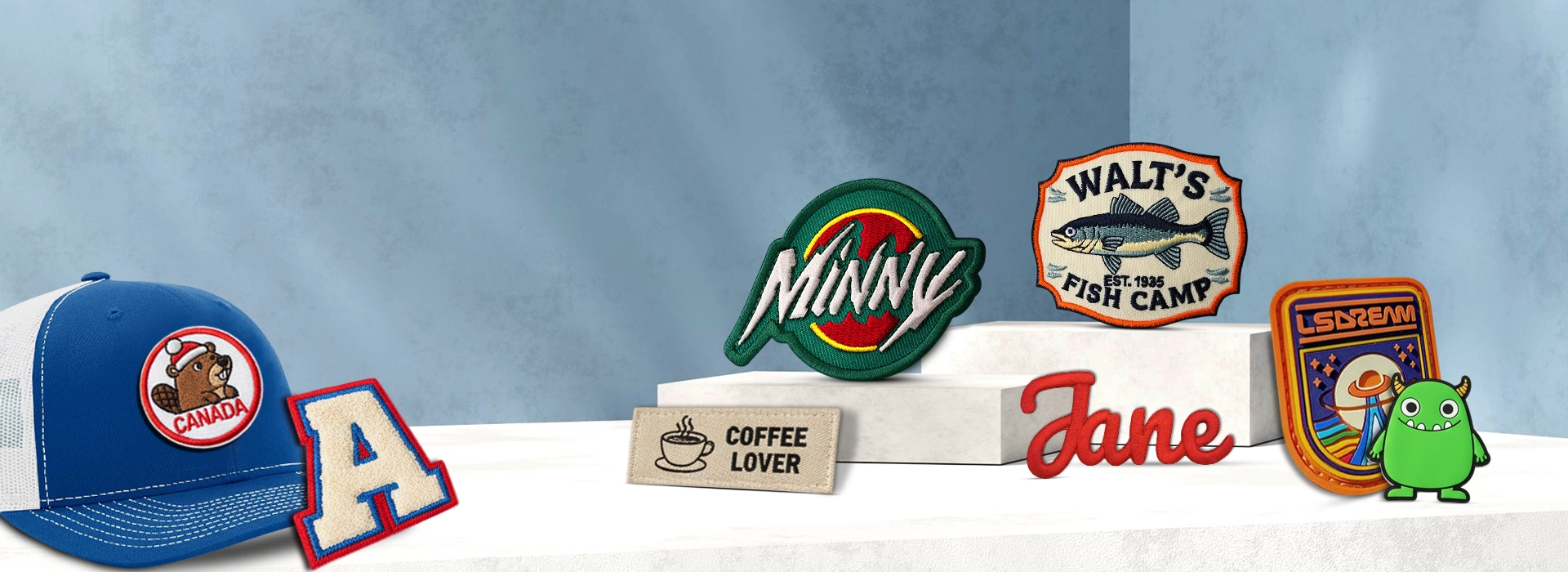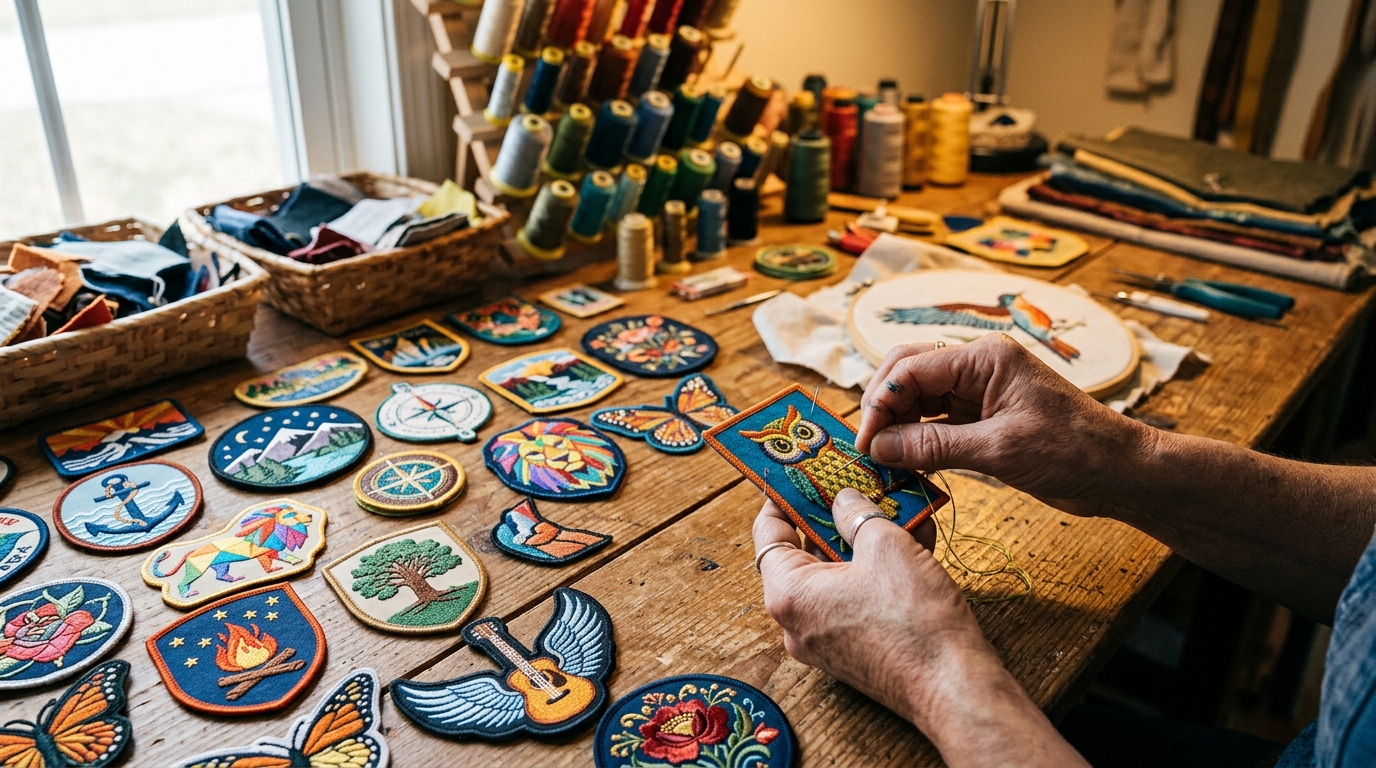
Custom patches are a simple yet effective way to turn ordinary clothing, accessories, and promotional products into something more personal. Whether you want to display a company logo, represent a sports team, promote a clothing brand, or add a creative touch to your favorite jacket, the right patch can make a lasting impression. With different materials, shapes, colors, sizes, and finishing options available, custom patches offer plenty of opportunities to create a design that reflects your identity.
What makes custom patches special is their ability to combine creativity with practicality. A small embroidered logo can help a business look more professional, while a bold woven design can give a streetwear collection a distinctive appearance. Leather patches can bring a premium feel to denim and bags, while PVC patches are suitable for designs that need a clean, modern look. Each style offers its own advantages, making it easier to choose a patch that suits your purpose.
Custom patches are not limited to businesses or professional organizations. Individuals use them to personalize clothing, celebrate hobbies, create meaningful gifts, and express their personalities. They can represent a memory, a favorite activity, a team, or a message that matters to the person wearing them.
The key is to choose a design that feels authentic to you. Instead of following every trend, think about what you want your patch to communicate, where it will be used, and how it should look over time. With thoughtful choices, even a simple logo can become a recognizable design that people remember.
What Makes Custom Patches a Personal Design Choice
Custom patches give you the freedom to create something that matches your style, brand, or purpose. Unlike standard designs that are made for a general audience, custom patches can be tailored to specific colors, artwork, shapes, and details.
For businesses, this flexibility makes it easier to maintain consistent branding. A company can use the same logo patch on uniforms, jackets, bags, and promotional merchandise. Customers and employees can recognize the brand across different products, creating a more professional and unified appearance.
For individuals, custom patches offer a way to make everyday items feel more personal. A plain denim jacket can become a statement piece with a few carefully selected patches. A backpack can reflect someone's interests, while a cap can feature a small emblem that adds character without overwhelming the overall design.
Another advantage is that patches can be practical as well as decorative. They can cover small marks or worn areas on clothing, identify team members, distinguish different departments, and add branding to products without requiring a completely new garment.
The best custom patch designs balance appearance, purpose, and durability. A patch should look attractive, communicate its message clearly, and suit the item it will be attached to.
Exploring the Most Popular Types of Custom Patches
Different patch styles create different visual effects. Understanding the available options helps you choose a design that suits your artwork, budget, and intended use.
Embroidered Patches for a Classic Look
Embroidered patches are a popular choice because of their textured surface and traditional appearance. They are made by stitching thread onto a fabric backing, creating raised details that make logos and lettering stand out.
This style works particularly well for company uniforms, school emblems, sports teams, club jackets, caps, and workwear. Embroidered patches can make a simple logo feel established and recognizable without requiring complicated materials or finishing techniques.
They are especially effective when the design includes bold shapes, clear lettering, and distinct colors. However, extremely small text and intricate details may not reproduce as clearly in embroidery because the stitching requires enough space to remain visible.
If your goal is to create a recognizable logo that looks professional on clothing, embroidered patches are a reliable option.
Woven Patches for Fine Details
Woven patches are produced using thinner threads woven together to create the design. Because of this construction, they can display finer details and smaller lettering than traditional embroidery in many cases.
They are useful for fashion labels, branded merchandise, uniforms, and designs that include detailed illustrations or compact text. Woven patches generally have a flatter surface, giving them a neat and refined appearance.
For clothing brands, this style can be especially useful when the logo includes thin lines, small symbols, or delicate typography. It allows the design to remain clear without the heavy texture associated with some embroidered patches.
When choosing woven patches, consider how the artwork will look at its final size. Even with fine detailing, a design that is too crowded can become difficult to read.
PVC Patches for a Modern Appearance
PVC patches are made from flexible synthetic material and are known for their raised details, defined edges, and clean finish. They can create a three-dimensional appearance that works well for modern logos, outdoor gear, tactical equipment, bags, and sports accessories.
One of their main advantages is their ability to reproduce distinct shapes and layered details. They are also suitable for products that may encounter moisture or rougher everyday conditions, depending on the specific material and construction.
PVC patches can be designed with contrasting colors, raised lettering, and recessed sections. These features help create a distinctive look that differs from traditional fabric patches.
For brands that want a bold, contemporary style, PVC can be an excellent choice. It is important to consider the intended application, however, because its appearance may not suit every garment or brand identity.
Leather Patches for a Premium Feel
Leather patches add a sophisticated, understated touch to clothing and accessories. They are commonly used on denim jeans, jackets, hats, backpacks, and lifestyle products.
A leather patch can feature an embossed, debossed, engraved, or printed design, depending on the material and manufacturing method. These finishes can create a subtle logo that looks refined without relying on bright colors or heavy decoration.
For denim and casualwear brands, leather patches are often associated with craftsmanship and quality. They can also work well for small businesses that want their products to feel distinctive and thoughtfully finished.
Genuine leather and synthetic leather offer different characteristics in appearance, maintenance, cost, and material sourcing. The right choice depends on the brand's preferences and the conditions in which the patch will be used.
If you want a logo that feels elegant and durable, a well-designed leather patch can help give your products a recognizable identity.
Chenille Patches for Bold, Textured Designs
Chenille patches are known for their soft, fuzzy texture and prominent appearance. They are often associated with varsity jackets, school apparel, sports clothing, and collegiate-style fashion.
Their thick texture makes them suitable for large letters, numbers, mascots, and simple graphic shapes. Chenille designs are particularly effective when you want a patch to become a noticeable part of the garment rather than a small decorative detail.
They can also be combined with embroidery to introduce finer outlines, lettering, or additional visual elements.
For example, a varsity jacket might feature a large chenille initial with an embroidered border. This combination creates depth while keeping the design recognizable.
Because chenille patches are more textured, they are best suited to designs that have enough space to show off their shape and construction.
Printed Patches for Colorful Artwork
Printed patches are useful when a design includes gradients, photographic details, complex illustrations, or a wide range of colors. Rather than relying entirely on stitched threads, printing allows the artwork to be reproduced across the patch surface.
This makes printed patches suitable for promotional merchandise, creative apparel, detailed logos, and designs that would be difficult to recreate through embroidery alone.
They can be especially helpful when visual accuracy matters and the original artwork includes subtle color transitions.
The final appearance depends on the printing method, backing material, and production quality. Before placing a large order, reviewing a sample or production proof can help confirm that the colors and details match your expectations.
How to Turn an Everyday Logo into a Standout Patch
A strong custom patch begins with a clear idea. You do not need an elaborate illustration or a complicated design to create something memorable. Often, the most effective patches are built around a recognizable logo, a simple symbol, or a few carefully selected details.
Start With a Clear Purpose
Before choosing colors or materials, decide what the patch needs to achieve.
A business might need a patch that helps customers recognize its logo. A sports team may want a design that represents its identity and encourages team spirit. A clothing brand might be looking for a distinctive detail that makes its products stand apart from similar items.
Your purpose should guide every design decision.
For example, a work uniform may require a readable company name and a professional appearance. A fashion jacket may benefit from a more creative design with unusual lettering or a decorative border.
When the purpose is clear, it becomes easier to avoid unnecessary details and choose a style that works.
Choose Colors That Represent Your Identity
Color plays an important role in how people recognize and remember a design. If you are creating a patch for a business, using established brand colors can help maintain consistency across different products.
For personal designs, color can reflect your style or the appearance of the garment. Neutral shades often create a subtle look, while bright colors can make a patch more noticeable.
Contrast is just as important as color selection. Dark lettering on a dark background may be difficult to read, while a strong contrast between the design and its background can improve visibility.
Try to limit the palette to colors that work together. Too many competing shades can make a small patch look cluttered, especially when the design includes text or intricate shapes.
Select the Right Shape and Size
The shape of a patch influences its overall appearance. Circular patches often suit badges and club emblems, while rectangular patches work well for names and company logos. Shield shapes are common for uniforms and organizations, while custom outlines can help a brand create a more distinctive identity.
Size matters because the patch needs to fit the item without looking out of place.
A small logo on a cap should remain clear without covering too much of the front panel. A jacket back can accommodate a larger design, while sleeves and pockets generally work better with compact patches.
Consider the available space before finalizing your artwork. If a design includes small lettering, making the patch slightly larger may improve readability.
Keep the Design Easy to Recognize
A patch often needs to communicate its message quickly. Too many details, several competing fonts, or excessive decorative elements can make it harder to recognize.
Focus on the most important part of the design. This could be a company name, a symbol, a team mascot, or a distinctive letter.
If additional details are necessary, organize them so they support the main design rather than compete with it. A clean layout can make a patch look more professional and help it remain recognizable from a distance.
Add Details That Make It Yours
Personal touches can turn a standard design into something more meaningful. These might include a unique border, a custom shape, a special date, a meaningful symbol, or a small phrase connected to your brand or group.
For example, a hiking club could include a mountain outline, while a local coffee brand might use a simple illustration related to its identity. A family jacket could feature initials, and a sports team might incorporate a founding year.
The important thing is to choose details that have a reason to be there. Meaningful design choices tend to create a stronger identity than decorative elements added simply to fill space.
Choosing the Best Material for Your Custom Patch
The material affects how a patch looks, feels, performs, and fits into your budget. The right choice depends on the garment, the design, and the conditions in which the patch will be used.
For everyday uniforms and classic logos, embroidered patches are often a practical option. Their textured surface gives designs a traditional appearance that works across many industries.
Woven patches may be more suitable when the design includes small text or fine lines. They provide a flatter finish that can complement modern clothing labels and detailed branding.
PVC patches are worth considering for outdoor products, bags, and accessories that need a defined, raised appearance. Their suitability for specific conditions depends on the material formulation and construction.
Leather patches work well when the goal is a premium or understated look. They are particularly popular on denim, hats, and lifestyle products.
Printed patches can be a strong choice for colorful artwork and illustrations that require precise color reproduction.
When comparing materials, think beyond appearance. Consider washing requirements, exposure to moisture, expected wear, attachment method, and the surface to which the patch will be applied.
It is also worth asking the manufacturer about material specifications and care recommendations. A patch intended for frequently washed workwear may need different construction from one designed mainly for a decorative jacket.
Selecting the Right Attachment Method
The attachment method affects how easily a patch can be applied and whether it can be removed later. Choosing the correct backing helps ensure that the finished patch works with the intended garment or accessory.
Sew-On Patches
Sew-on patches are attached with stitching and are a popular choice for uniforms, jackets, denim, bags, and workwear. They offer a secure attachment when properly sewn and are suitable for items that receive regular use.
This method is especially useful when durability is a priority or when the fabric may not be suitable for heat application.
Sew-on patches can also be removed or replaced, although doing so may leave needle marks or affect the fabric.
Iron-On Patches
Iron-on patches use a heat-activated adhesive that bonds to compatible fabrics when applied according to the manufacturer's instructions.
They are convenient for many clothing projects because they can often be attached without sewing. However, not every fabric can tolerate the required heat, and the strength of the bond depends on the adhesive, garment material, and application process.
For items that will experience frequent washing or heavy use, additional stitching may improve long-term security when the patch and garment allow it.
Always check the care label and patch instructions before applying heat.
Hook-and-Loop Patches
Hook-and-loop patches are commonly used when a patch needs to be removed, exchanged, or repositioned. They are useful for tactical clothing, outdoor equipment, uniforms, and bags designed with compatible attachment panels.
This option allows users to switch between different names, team identifiers, or designs without permanently attaching each patch to the garment.
If flexibility is important, hook-and-loop backing can be a practical choice.
Adhesive-Backed Patches
Adhesive-backed patches are designed for convenient application to suitable surfaces. Depending on the adhesive, they may be appropriate for temporary displays, promotional use, or selected accessories.
They are not automatically suitable for every fabric or for garments that are frequently washed. Confirm the manufacturer's recommendations before choosing this method for long-term use.
Custom Patches for Businesses and Brands
Custom patches can help businesses create a consistent visual identity across their products, uniforms, and promotional materials. They provide a flexible branding option that can be adapted to different garments and accessories.
Build Brand Recognition
A recognizable logo helps customers identify a company. Placing that logo on employee uniforms, caps, jackets, or bags creates more opportunities for people to see it.
Consistency is important. Using the same logo proportions, core colors, and visual style across different patch designs helps the brand maintain a unified appearance.
For example, a delivery company might use embroidered logo patches on staff uniforms, while a clothing business could use woven or leather patches on its products. The material changes, but the brand identity remains consistent.
Add Value to Clothing Products
For fashion labels, custom patches can become part of the product's design rather than serving only as a logo.
A carefully positioned patch can help a garment feel more finished and recognizable. Leather patches on jeans, woven labels on shirts, and embroidered emblems on jackets are examples of how branding can become an integrated design feature.
The patch should complement the product instead of competing with its overall style.
Support Promotional Campaigns
Businesses can use custom patches for events, product launches, employee recognition, customer gifts, and limited-edition merchandise.
A patch designed for a specific campaign can give participants something tangible to keep. Unlike some disposable promotional materials, a well-made patch may remain in use for a long time if it is attached to a useful item.
For the best results, connect the design to the campaign's message and choose a size and material that people will want to wear or display.
Create a Consistent Team Appearance
Custom patches can help distinguish departments, identify staff members, or represent different roles within an organization.
A clear design makes it easier to recognize the relevant information without overwhelming the uniform. For professional settings, readability and consistency should generally take priority over unnecessary decoration.
Custom Patches for Clothing, Sports, and Personal Style
Custom patches are equally useful outside business settings. Their versatility makes them suitable for personal projects, team apparel, creative fashion, and memorable gifts.
Personalize Jackets and Denim
Denim jackets, bomber jackets, and casual coats offer plenty of space for patch designs. A few patches can create a subtle personal touch, while a larger arrangement can turn the garment into a statement piece.
You can choose a coordinated theme, combine symbols that represent your interests, or use one distinctive patch as the main feature.
Before attaching anything permanently, arrange the patches on the garment and check their spacing. This helps you see how the final design will look and makes it easier to balance the placement.
Represent Sports Teams and Clubs
Sports teams, school clubs, and community organizations can use custom patches to create a shared identity. A logo, mascot, team name, or founding year can help members feel connected to the group.
Patches can be used on jackets, bags, uniforms, and event merchandise. For teams that need interchangeable identifiers, hook-and-loop backing may be useful where compatible garments are available.
The design should reflect the team's personality while remaining clear and easy to recognize.
Make Bags and Accessories More Distinctive
Backpacks, caps, travel bags, and other accessories can benefit from small custom patches. They provide a way to personalize everyday items without changing the product itself.
For outdoor enthusiasts, a patch might represent a favorite activity or destination. For businesses, it can display a logo on staff bags or merchandise. For individuals, it may simply add color and character to an otherwise plain accessory.
Always check whether the material and attachment method are appropriate for the surface. Some bags and synthetic fabrics may not tolerate heat or stitching in the same way as ordinary cotton garments.
Create Thoughtful Gifts
Custom patches can also be meaningful gifts because they can reflect a person's interests, achievements, or memories.
A patch designed around a shared hobby, a memorable trip, or a special event can feel more personal than a generic accessory. Small patches can be included with jackets, caps, bags, or other items that suit the recipient's style.
The most effective gift designs focus on a detail that matters to the person receiving it. A simple symbol or short phrase may communicate more than a complicated design.
How to Order Custom Patches With Confidence
Planning before placing an order helps reduce mistakes and makes the production process smoother.
Prepare Your Artwork
Start with a high-quality version of your logo or design. Vector artwork is often useful because it can be resized without losing clarity. If vector files are unavailable, ask the manufacturer which image formats and resolution levels it accepts.
Make sure the artwork reflects the intended final appearance. Check spelling, spacing, logo proportions, and color choices before approving the design.
If the manufacturer needs to simplify very small details for production, review those changes carefully.
Confirm the Final Dimensions
Decide how large the patch should be and measure the area where it will be placed. Do not rely only on a digital preview, because the design may appear larger or smaller on an actual garment.
Ask for a mock-up or production proof showing the intended dimensions. This is particularly useful when the patch contains text or detailed artwork.
Request a Sample When Appropriate
For larger orders, a sample can help you evaluate the material, stitching, color accuracy, edge finish, and overall quality before committing to the full quantity.
A digital proof is useful for checking the layout, but it cannot always show the exact texture or feel of the finished patch.
If the order is intended for a clothing line or ongoing business use, testing a sample on the actual product can also reveal whether the patch suits the fabric and placement.
Compare More Than the Price
Cost is an important consideration, but the cheapest option may not be the best fit for your needs.
Compare material quality, available sizes, attachment methods, finishing options, production time, and minimum order quantities. Ask whether the quoted price includes setup charges, shipping, or other fees.
A clear quotation makes it easier to compare suppliers fairly and avoid unexpected costs.
Review the Proof Before Production
Before approving the final design, carefully check every detail. Confirm that the logo is correct, the text is spelled properly, the colors are suitable, and the size matches your requirements.
Pay attention to borders, spacing, and small design elements. Once production begins, corrections may be more difficult or expensive.
Taking a few extra minutes to review the proof can prevent avoidable mistakes and help ensure that the finished patches match your expectations.
Common Mistakes to Avoid When Designing Custom Patches
Even a strong concept can lose its impact if important details are overlooked. Avoiding a few common mistakes can improve both the appearance and usability of your patches.
Choosing the wrong material: A delicate woven patch may suit a fashion label, while an embroidered design may be better for a traditional uniform. Match the construction to the intended use.
Making the design too complicated: Too many small elements can make a patch difficult to read. Simplify the artwork where necessary and prioritize the most important information.
Ignoring the garment color: A patch should complement the item it is attached to. Check contrast and color compatibility before finalizing the design.
Selecting an unsuitable attachment method: Heat-sensitive fabric may not be appropriate for iron-on backing, and some surfaces may not support secure stitching. Confirm compatibility before ordering.
Forgetting about maintenance: If the garment will be washed regularly, review the care instructions for both the fabric and the patch. A suitable attachment method and proper care can help maintain the finished product.
Skipping the final proof: Small spelling errors, incorrect colors, or misplaced details can affect the entire order. Review the artwork and specifications before giving approval.
Avoiding these issues does not require a complicated process. Clear planning, realistic expectations, and careful review can make a significant difference.
How to Make Custom Patches Last Longer
The lifespan of a custom patch depends on its material, construction, attachment method, and everyday use. Proper care can help preserve its appearance and reduce unnecessary wear.
Follow the manufacturer's cleaning instructions, especially when the patch is attached to clothing that requires frequent washing. If machine washing is permitted, turning the garment inside out and using a suitable wash cycle may help reduce friction.
Avoid applying excessive heat directly to materials that may be sensitive to it. Leather, PVC, printed surfaces, and embroidered patches can each have different care requirements.
Check the edges occasionally for loose stitching or signs that the backing is lifting. Addressing a small issue early may help prevent further separation.
For outdoor equipment and frequently used bags, inspect the patch and its attachment points after periods of heavy use. The appropriate maintenance routine depends on the patch type and the conditions it encounters.
It is also worth remembering that not every patch is designed for the same level of wear. A decorative patch on a fashion accessory may have different durability requirements from one used on workwear or outdoor gear.
Choosing the right material from the beginning is one of the best ways to ensure that your patch remains suitable for its intended purpose.
Why Custom Patches Are Worth Considering
Custom patches offer a practical way to combine identity, creativity, and everyday usefulness. They can help businesses present a consistent image, give clothing brands a recognizable finishing detail, and allow individuals to express their personalities through the items they wear.
Their flexibility is one of their greatest strengths. A small embroidered logo, a detailed woven emblem, a textured chenille design, or a premium leather patch can each create a different impression.
Patches can also be adapted to changing needs. A business can use one design across several products, a team can create matching apparel, and an individual can personalize a favorite jacket without redesigning the entire garment.
The best results come from making informed decisions about design, material, placement, and attachment. Rather than choosing an option simply because it looks attractive in a sample image, consider how it will perform in its actual setting.
When these elements work together, a custom patch becomes more than an extra decoration. It becomes a small but meaningful part of the product's identity.
Conclusion
From everyday logos to standout designs, custom patches offer a simple way to make clothing, accessories, and branded products feel uniquely yours. They bring together personal expression and practical branding, allowing businesses, clothing labels, teams, and individuals to create designs that reflect their identities.
The right patch begins with a clear purpose. Once you know what you want to communicate, you can select a suitable material, shape, color scheme, size, and attachment method. Embroidered patches offer a classic appearance, woven patches support finer details, PVC creates a modern finish, leather adds a premium touch, and printed patches provide flexibility for colorful artwork.
Good design is not about adding as many details as possible. It is about choosing the elements that matter and presenting them in a way that feels clear, balanced, and memorable. Paying attention to placement, durability, fabric compatibility, and maintenance can also help ensure that your patches remain useful and attractive over time.
Whether you are building a recognizable business identity, developing a clothing collection, creating matching team apparel, or personalizing a favorite jacket, custom patches give you the freedom to make ordinary items more meaningful. With thoughtful planning and the right design choices, even a simple logo can become a distinctive detail that people recognize, appreciate, and remember.