Introduction
Sometimes, the smallest details make the biggest difference. A plain denim jacket can become a personal statement with a carefully designed patch, while a simple backpack can feel more distinctive with an embroidered logo or colorful design. These little additions can transform ordinary items into something that reflects personality, creativity, and individual style. This is one of the reasons custom patches have remained popular in fashion, branding, and everyday accessories.
Custom patches offer an easy way to personalize clothing without completely changing its original design. They can feature names, logos, illustrations, meaningful symbols, or artwork that reflects a particular interest. Whether someone wants to refresh an old jacket, create a unique fashion collection, or promote a business, personalized patches provide plenty of creative possibilities.
For clothing brands, custom patches are also a practical branding tool. They help businesses add recognizable details to garments while maintaining consistency across different products. Small businesses, sports teams, outdoor brands, and creative entrepreneurs can use patches to express their identity in a way that feels natural and appealing.
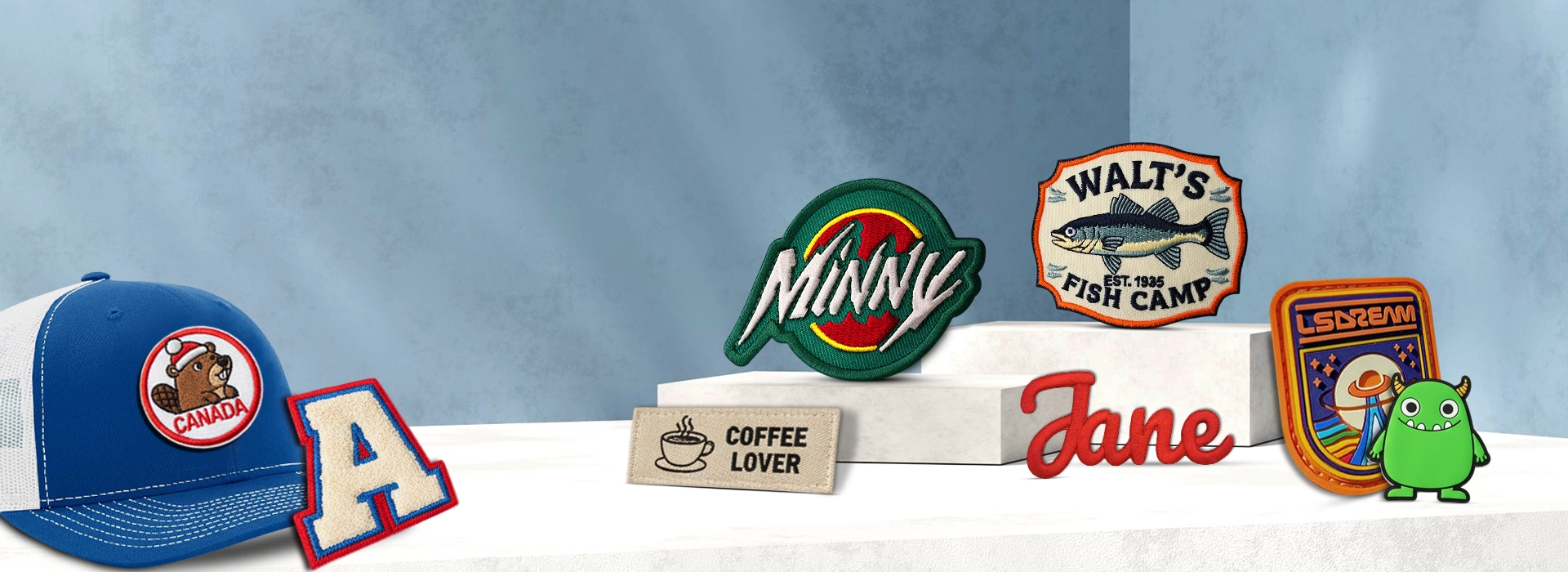
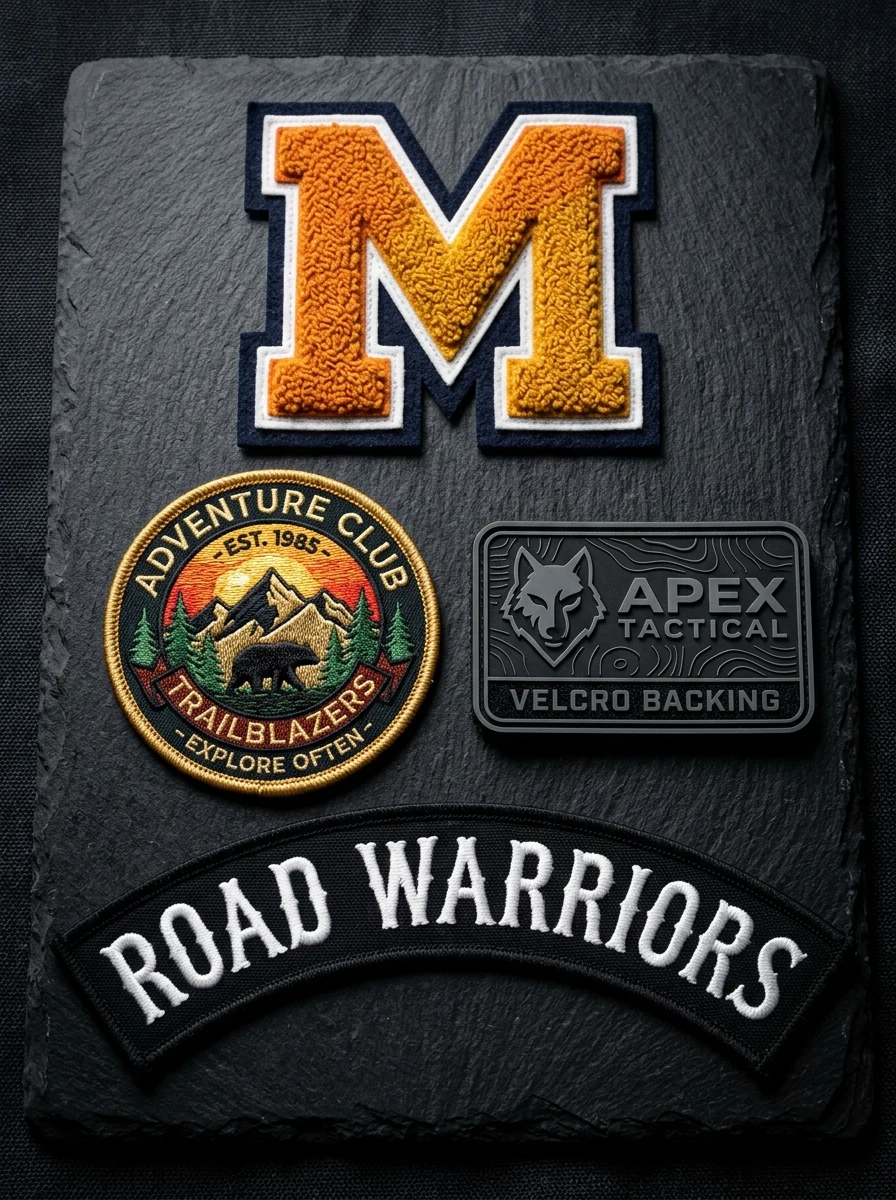
Another advantage is their versatility. Custom embroidered patches, woven patches, printed patches, and PVC patches each offer a different appearance, allowing people to choose a style that suits their needs. They can be attached to jackets, caps, jeans, bags, uniforms, and many other compatible products.
Beyond their visual appeal, patches can carry personal meaning. A design might represent a favorite hobby, a memorable trip, a team achievement, or a brand someone genuinely enjoys supporting. When a product reflects something important to its owner, it often becomes more than just another item in a wardrobe.
Understanding how custom patches add personality and value to everyday clothing can help individuals and businesses make better choices about design, materials, and placement.
Why Custom Patches Are More Than Simple Decorations
At first glance, a patch might seem like a small decorative accessory. However, its purpose can extend well beyond improving the appearance of a garment.
Custom patches give people an opportunity to express themselves through clothing. Fashion is often a reflection of personal taste, and adding a patch allows someone to make an item feel more individual. A simple symbol, favorite phrase, or creative illustration can communicate something about the wearer's interests without requiring an entirely new outfit.
Patches can also make clothing more recognizable. A unique design on a jacket or backpack can become a signature detail that distinguishes the item from similar products. For businesses, this same quality can support brand recognition by making products easier to identify.
Another important benefit is flexibility. Instead of purchasing a completely different garment, someone may be able to update an existing piece with a patch that changes its appearance. This can be particularly appealing for people who enjoy experimenting with fashion but prefer not to replace their entire wardrobe.
Custom patches also work across different styles. Minimalist designs suit people who prefer understated details, while bold graphics and colorful embroidery appeal to those who enjoy expressive clothing.
Their value comes from this combination of creativity, practicality, and personal meaning. A well-chosen patch does more than fill an empty space on a garment. It helps give the item a more distinctive identity.
Giving Old Clothes a Fresh and Creative Look
Fashion trends change, but that does not mean every older garment needs to be replaced. Sometimes, a small update is enough to make an item feel interesting again.
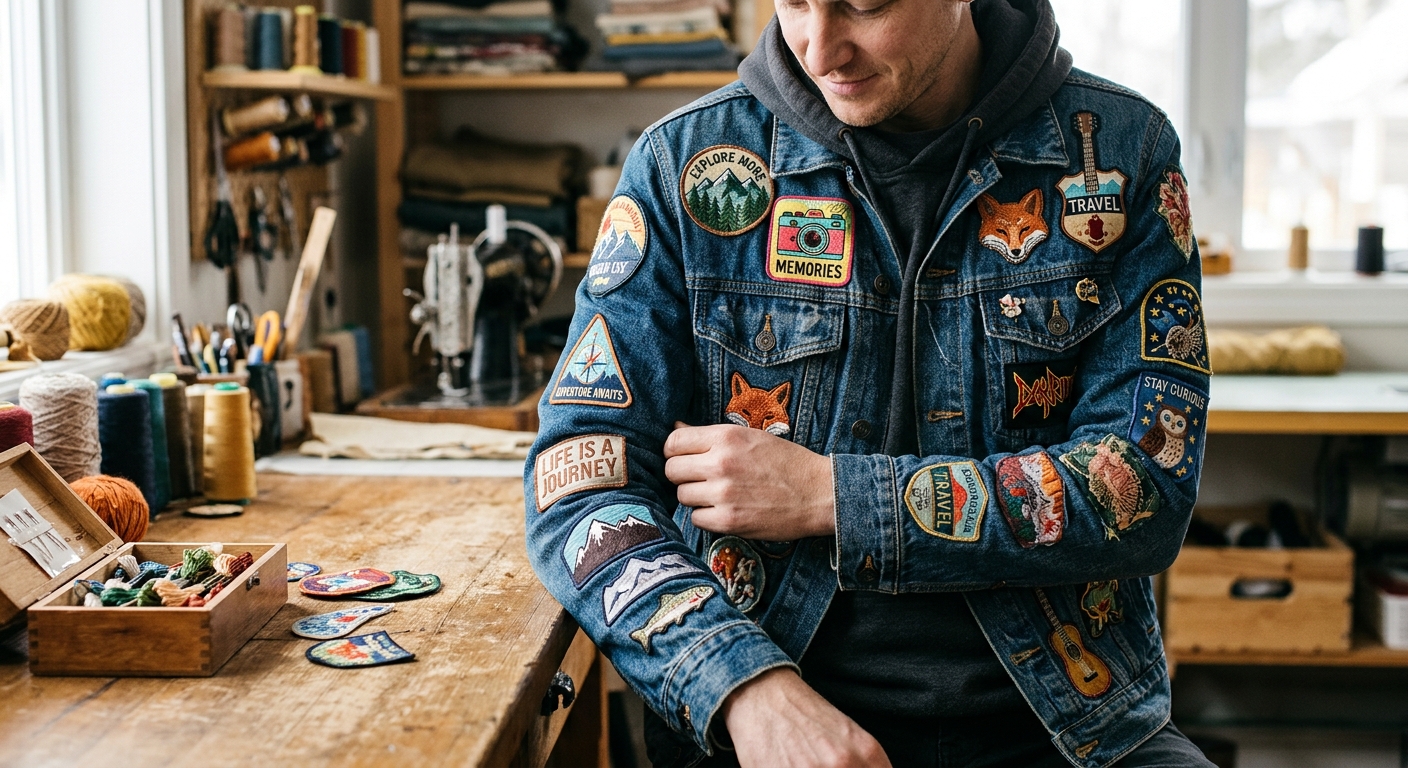
Custom patches offer a creative way to refresh clothing that has become less exciting or no longer reflects someone's current style. An old denim jacket, for example, can take on a completely different appearance with a few carefully placed embroidered designs.
A plain hoodie can become more distinctive with a small chest patch, while a backpack may gain personality through a colorful design on its front pocket. Even work jackets and casual shirts can benefit from thoughtful customization when the fabric and garment construction allow it.
Patches may also help cover certain small stains or minor surface imperfections. However, the underlying fabric should be checked first to ensure that the damaged area is stable and that the patch will attach securely.
The design should complement the garment rather than overwhelm it. A vintage jacket might look better with traditional embroidered artwork, while a contemporary streetwear piece could suit bold graphics or contrasting colors.
Before applying a patch, consider its size, placement, and attachment method. Some fabrics are suitable for sewing, while others may not tolerate the heat required for iron-on backing.
Refreshing existing clothing with custom patches can be a satisfying way to experiment with personal style. It allows people to create something that feels new while keeping garments they already enjoy wearing.
Custom Embroidered Patches for a Classic Style
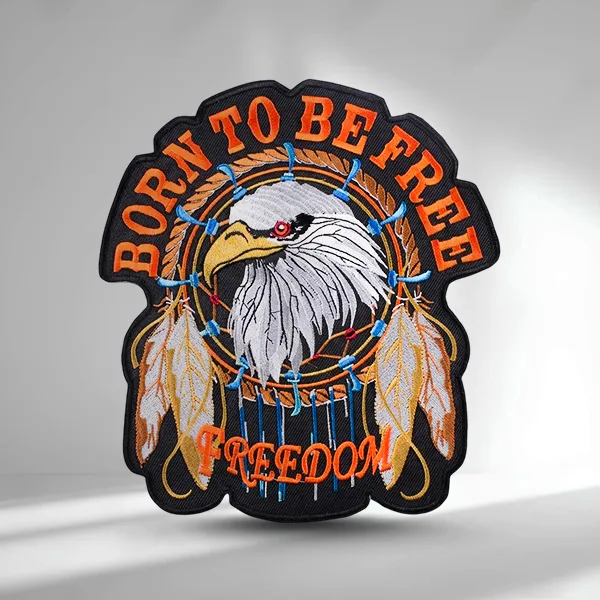
Custom embroidered patches remain one of the most recognizable options for clothing personalization. Their raised stitching creates texture and gives designs a traditional, handcrafted appearance.
These patches work especially well on denim jackets, baseball caps, workwear, backpacks, and casual outerwear. Their textured finish can add depth to simple artwork, making even a small logo or symbol more noticeable.
One reason embroidered patches are so popular is their versatility. They can feature initials, flowers, animals, geometric shapes, company logos, and countless other designs. Different thread colors and border styles allow the finished patch to match a wide range of clothing aesthetics.
For fashion brands, embroidery can communicate craftsmanship and attention to detail. A small embroidered emblem on a jacket or polo shirt can create a polished look without requiring a large graphic.
However, the artwork should be suitable for the embroidery process. Very fine lines and tiny lettering may lose clarity when stitched, especially on small patches. Simplifying the design often produces a cleaner result.
It is also important to consider the fabric. Heavy denim and canvas can generally support more substantial patches than very lightweight materials, although the suitability of a particular garment depends on its construction.
When the design, material, and placement work together, custom embroidered patches can add a timeless quality to clothing while allowing people to express their individual style.
Woven Patches for Clean and Detailed Designs
Woven patches provide another option for clothing personalization, especially when a design includes smaller details or fine lettering.
Unlike embroidered patches, which create a raised texture through stitching, woven patches generally have a flatter surface. Their construction can allow finer visual elements to appear more clearly, depending on the design and production specifications.
This makes woven patches useful for clothing brands that want to display detailed logos, compact text, or intricate illustrations.
They are also suitable for people who prefer a smooth finish rather than a heavily textured design. Woven patches can work well on lightweight jackets, shirts, bags, and selected accessories.
Their appearance can feel modern and understated, which makes them a good choice for minimalist branding. A simple logo woven in contrasting colors can create a distinctive detail without drawing too much attention away from the garment.
As with other patch styles, the final result depends on the artwork and manufacturing quality. Designers should confirm that the lettering is large enough to remain readable and that the selected colors provide sufficient contrast.
Choosing between embroidered and woven patches comes down to the desired appearance and level of detail. Both options can add character to clothing, but each offers a different visual experience.
How Custom Patches Support Personal Style
Personal style is not always about following the latest trends. For many people, it is about choosing clothing that feels comfortable, meaningful, and representative of who they are.
Custom patches make it easier to personalize everyday garments in ways that reflect individual interests. Someone who enjoys music might choose artwork inspired by a favorite genre, while an outdoor enthusiast may prefer designs featuring mountains, forests, or wildlife.
Travel-inspired patches can represent places someone has visited, while initials or meaningful symbols can add a more personal touch.
The possibilities are especially appealing for people who enjoy creative fashion. A denim jacket can become a collection of memories, with each patch representing an experience, interest, or milestone.
Some people prefer a carefully coordinated look with one or two small patches. Others enjoy combining different shapes and colors to create a more expressive design.
There is no single correct approach. The best patch arrangement is one that suits the garment and feels authentic to the person wearing it.
For a balanced result, consider the garment's existing colors and details before choosing a patch. Contrasting colors can make artwork stand out, while similar tones create a more subtle appearance.
Custom patches give people the freedom to create clothing that feels less generic and more personal, turning everyday outfits into an expression of individual taste.
Custom Patches for Jackets, Jeans, and Denim
Denim is one of the most popular materials for patch customization because it provides a durable surface and works with a wide range of design styles.
A classic denim jacket can support small embroidered symbols, larger back patches, or a combination of coordinated designs. Jeans may suit smaller patches placed on pockets or selected areas, depending on the garment's construction.
The appeal of denim customization comes from its flexibility. A jacket can look traditional with a simple embroidered emblem or more expressive with bold artwork and contrasting colors.
Custom patches also work well with vintage-inspired clothing. Retro typography, classic symbols, and traditional embroidery can complement the appearance of worn denim.
When planning a design, think about how the garment will look from different angles. A patch on the chest may create a subtle focal point, while a larger design on the back can become the main feature.
Placement should also account for seams, pockets, and areas that bend frequently. Attaching a patch directly over a thick seam may be difficult, and areas exposed to repeated friction may need a more secure attachment method.
For jeans and jackets that are washed regularly, sewn-on patches are often worth considering. Iron-on options may also be suitable for compatible fabrics, provided the manufacturer's instructions are followed.
With the right design, custom patches can help denim pieces feel more individual while preserving the character that makes them popular.
Personalizing Bags, Backpacks, and Everyday Accessories
Clothing is not the only place where custom patches can make a difference. Bags and backpacks provide another practical surface for creative expression.
A plain backpack can become easier to identify with a distinctive patch, particularly when several people use similar bags. A personalized design can also reflect the owner's interests or complement the style of their everyday accessories.
Travel bags can feature patches inspired by destinations, outdoor activities, or personal milestones. Students might choose playful illustrations, while professionals may prefer subtle initials or understated branding.
Custom patches are also useful for organizations that want their members to carry coordinated accessories. Clubs, sports teams, schools, and outdoor groups can use matching designs to create a recognizable identity.
The material of the bag should guide the choice of patch and attachment method. Canvas and many fabric backpacks can support sewn-on patches, while certain synthetic materials may require additional care. Some products are compatible with hook-and-loop patches, which can be removed and replaced when desired.
Before attaching a patch, check the manufacturer's care instructions and consider whether sewing or heat application could damage the material.
A carefully selected patch can make an everyday accessory feel more personal without changing its basic function. It is a small detail that can add character to something people carry almost everywhere.
Custom Patches for Clothing Brands and Small Businesses
For clothing brands, custom patches offer a way to create products that feel distinctive without redesigning every garment from scratch.
A brand can incorporate its logo into jackets, shirts, hats, tote bags, and accessories, creating a consistent visual identity across its collection.
Small businesses can use the same approach to develop branded merchandise. A local shop might create patches inspired by its logo or community, while an independent fashion label could introduce limited-edition designs that reflect its creative direction.
Patches also provide flexibility when developing different product collections. A brand can retain its main logo while introducing seasonal artwork or collaborative designs.
For example, a clothing company might release a collection featuring nature-inspired patches during one season and geometric designs in another. The visual style can evolve while maintaining recognizable brand elements.
Custom patches may also help businesses test new ideas. Depending on production minimums, a company could order a smaller quantity to evaluate customer interest before expanding a particular design.
Quality remains essential. Poor stitching, unclear artwork, or unsuitable attachment methods can affect how customers perceive the finished product.
Businesses should choose materials that match the intended garment and ensure that the patch complements the overall design.
When custom patches are integrated thoughtfully, they can help clothing brands create merchandise that feels more recognizable, coordinated, and appealing to their target audience.
Choosing the Right Patch Material for Your Needs
The material used for a custom patch influences its appearance, texture, durability, and suitability for different garments.
Embroidered patches are a strong option for people who enjoy raised stitching and a traditional finish. They are commonly used on denim, jackets, caps, uniforms, and backpacks.
Woven patches are useful when finer details or smaller lettering need to remain clear. Their flatter surface suits designs that require a clean, compact appearance.
Printed patches can reproduce complex illustrations, gradients, and detailed artwork. They may be preferable when a design includes many colors or visual elements that are difficult to represent with thread.
PVC patches offer a more contemporary appearance, with molded details and a flexible surface. They are often used on outdoor accessories, backpacks, and selected garments where their construction is appropriate.
The backing is equally important. Sew-on patches can provide a durable attachment for many fabrics. Iron-on backing offers convenience for compatible materials, while hook-and-loop backing allows patches to be changed when the garment or accessory is designed for that purpose.
Consider how the item will be used before selecting a style. A patch for a frequently washed jacket may have different requirements from one intended for a decorative tote bag.
If the design includes small text, confirm that the selected production method can reproduce it clearly. A sample can help you evaluate the finished appearance before placing a larger order.
Taking time to compare these options helps ensure that the patch looks right and performs well in its intended setting.
Using Custom Patches to Make Gifts More Personal
Finding a gift that feels thoughtful can be difficult, especially when the recipient already has plenty of ordinary accessories and clothing.
Custom patches provide an opportunity to add a personal detail to a useful item. A patch featuring a meaningful symbol, shared memory, favorite activity, or personalized artwork can make a gift feel more carefully chosen.
For example, a travel enthusiast might appreciate a collection of destination-inspired patches. Someone who enjoys crafting could receive patches that complement their creative projects, while a friend might enjoy a personalized design for a jacket or backpack.
Custom patches can also be incorporated into group gifts. A sports team, school group, or club might create a design that commemorates a shared experience.
For businesses, personalized patches can serve as employee appreciation gifts, event keepsakes, or customer thank-you items.
The most successful designs reflect the recipient's interests rather than relying solely on decorative appeal.
It is worth checking the size, material, and attachment method before purchasing. If the patch is intended for a particular garment, make sure it is suitable for the fabric and the recipient's intended use.
A personalized patch may be small, but the thought behind its design can make it feel memorable and meaningful.
Practical Tips for Designing Custom Patches
A successful custom patch begins with a clear idea of how the finished design should look and where it will be used.
Start by identifying the main purpose of the patch. Is it meant to express personal style, display a company logo, represent a group, or refresh an existing garment? Knowing the purpose helps guide decisions about artwork and materials.
Next, consider the size and shape. Small patches are suitable for subtle details, while larger designs provide more room for illustrations and lettering. The shape should complement the artwork rather than make it difficult to recognize.
Color selection is another important factor. High contrast can improve readability, while coordinated colors create a more understated appearance.
Keep the design clear. Excessive detail may become difficult to reproduce on smaller patches, so simplifying the artwork can improve the finished result.
Think carefully about placement. Patches should complement the garment's construction and avoid areas where seams, friction, or repeated movement may affect their appearance.
Finally, choose a suitable attachment method. Sewing, iron-on backing, and hook-and-loop options each have different requirements, and not every method works with every fabric.
If you are ordering patches from a manufacturer, request a mock-up or sample when possible. Reviewing the design before production helps identify issues with size, colors, and finishing.
These practical steps make it easier to create patches that look attractive and suit the intended purpose.
Custom Patches and the Value of Reusing Clothing
Many people enjoy updating their wardrobes, but replacing clothing frequently can become expensive. Custom patches offer another way to approach personal style by helping people refresh items they already own.
An older jacket may look more interesting with a new embroidered design, while a plain bag can become more distinctive with a patch that reflects its owner's interests.
Patches can sometimes help cover minor cosmetic marks, provided the fabric is suitable and the underlying damage does not compromise the garment.
This approach can encourage people to think creatively about the clothing they already have. Rather than immediately replacing an item that feels outdated, they can explore whether a small change will make it enjoyable to wear again.
However, patches are not a solution for every damaged garment. They may not work well on heavily worn fabric, large tears, or materials that cannot support the chosen attachment method.
Material choices also matter when considering environmental impact. The production process, patch composition, garment lifespan, and care requirements all influence how responsible a particular choice may be.
The most practical approach is to choose a patch that improves an item you genuinely intend to keep using.
When personalization extends the useful life of a garment, it can offer both creative satisfaction and practical value.
Conclusion
Custom patches offer a simple way to add personality, creativity, and practical value to everyday clothing and accessories. Whether attached to a denim jacket, backpack, cap, uniform, or tote bag, a well-designed patch can transform an ordinary item into something more distinctive.
Their appeal comes from their versatility. Embroidered patches provide a classic textured appearance, woven patches support detailed designs, and printed or PVC options offer different ways to express individual style. With the right materials and placement, each option can serve a specific purpose.
For individuals, custom patches make it easier to personalize clothing, refresh older garments, and express personal interests. For businesses, they offer opportunities to strengthen brand identity, develop distinctive merchandise, and create recognizable products.
The best results come from thoughtful design rather than unnecessary complexity. Choose artwork that reflects your personality or brand, consider the material carefully, and make sure the patch suits the item on which it will be used.
Ready to give your clothing a more personal touch? Start exploring custom patch designs that reflect your style, interests, or brand identity. Whether you want to refresh a favorite jacket, personalize a backpack, or create custom merchandise for your business, choose a design that feels meaningful and fits your needs. With the right patch, an everyday item can become something more distinctive, memorable, and uniquely yours.