Introduction
Every brand has a story to tell, but not every brand knows how to tell it in a way that people remember. In a competitive market where businesses are constantly looking for creative ways to stand out, small details can make a meaningful difference. The way a brand presents itself through clothing, accessories, packaging, and promotional products can influence how customers recognize and connect with it. This is where custom patches become a valuable branding tool.
Custom patches are more than decorative pieces attached to jackets, hats, bags, uniforms, or other products. They offer a practical way to communicate a brand's personality, values, and visual identity. With the right design, colors, and materials, a simple patch can turn an ordinary item into something distinctive and memorable.
From small businesses and clothing brands to sports teams, outdoor communities, and established companies, custom patches provide a flexible way to create a recognizable look. They can feature a company logo, a meaningful symbol, a creative illustration, or a short message that reflects what a brand stands for.
Unlike temporary promotional materials that may be discarded after a short period, well-made patches can remain on clothing and accessories for years. Every time someone wears or uses an item featuring a patch, the brand receives another opportunity to be seen.
Understanding how custom patches support brand identity helps businesses make more thoughtful decisions about their visual branding. When creativity meets quality and consistency, these small details can become a lasting part of a brand's story.
Understanding the Connection Between Custom Patches and Brand Identity
Brand identity is the combination of visual elements, messaging, and experiences that help people recognize a business. It includes the logo, colors, typography, packaging, tone of voice, and the overall impression a company creates.
A strong brand identity is not built through a logo alone. It develops when different elements work together to communicate a consistent message. Custom patches can support this process by bringing a brand's visual identity into everyday life.
For example, a clothing company might use embroidered patches featuring its signature logo and colors. A local coffee shop could create patches inspired by its original artwork, while a hiking company might choose mountain imagery that reflects adventure and exploration. Although these brands operate in different industries, each can use patches to make its identity more recognizable.
The physical nature of patches also creates a different experience from seeing a logo on a screen. Customers can touch the stitching, notice the texture, and appreciate the craftsmanship behind the design. This tangible quality can make branded merchandise feel more personal and valuable.
When customers repeatedly see the same visual elements across clothing, accessories, and promotional products, recognition becomes more natural. Custom patches help connect these touchpoints while giving brands another creative way to express their personality.
Turning Simple Ideas into Distinctive Visual Designs
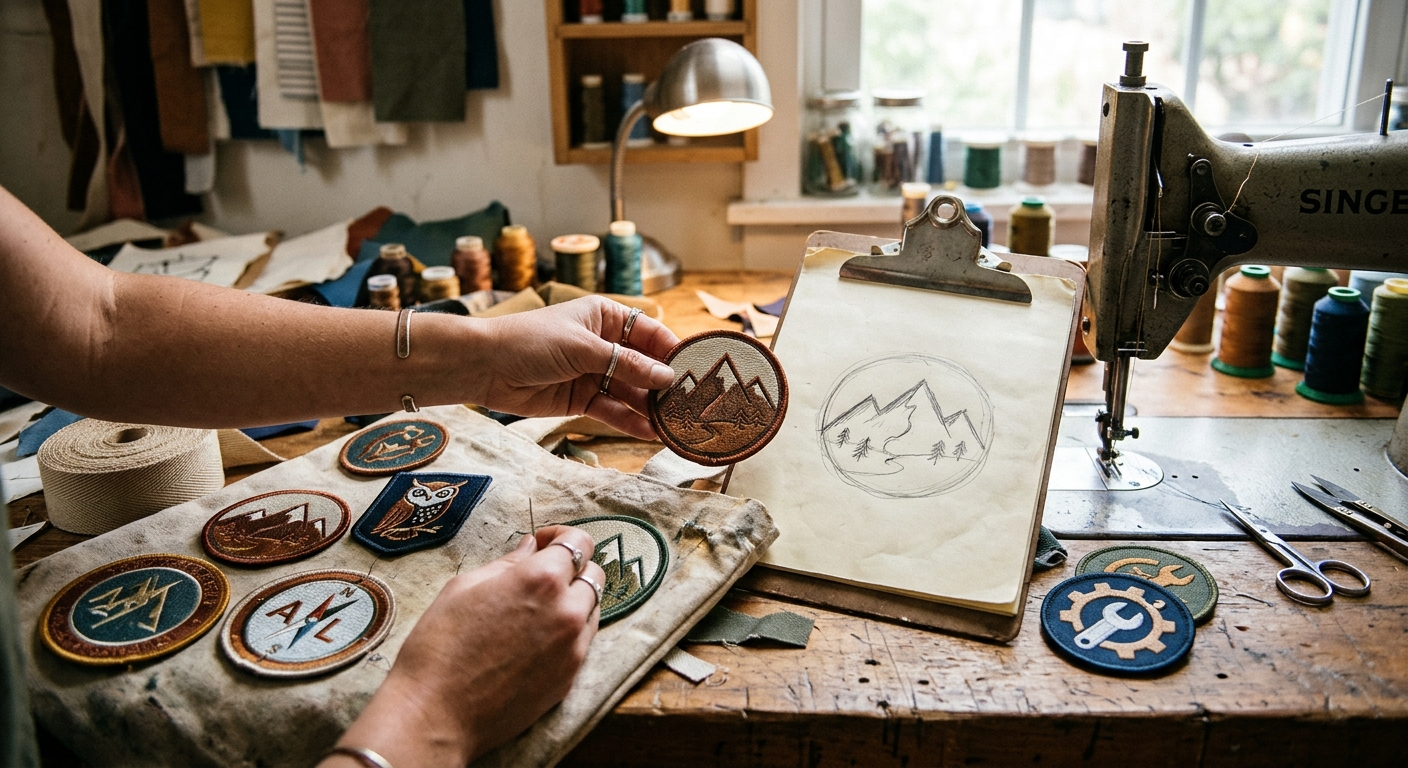
Many memorable brands begin with a simple idea. It might be a meaningful symbol, a unique phrase, a recognizable shape, or a color combination associated with a particular experience. The challenge is turning that idea into a design that looks appealing and remains recognizable.
Custom patches make this process easier because they offer considerable creative flexibility. A design can be minimal and understated or bold and expressive, depending on the brand's audience and purpose.
A small business might choose a clean patch featuring only its initials. A streetwear label could experiment with oversized artwork, contrasting thread colors, and unusual shapes. An outdoor brand might use natural imagery to communicate durability, freedom, and adventure.
The best patch designs do not necessarily contain the most detail. In many cases, simplicity creates a stronger visual impression. A clear logo, balanced colors, and readable lettering can make a patch easier to recognize from a distance.
Businesses should also consider where a patch will be placed. A design intended for a small cap may need fewer details than one created for a large jacket back. Understanding the available space helps designers create artwork that remains clear and attractive after production.
By transforming an initial concept into a well-planned patch design, brands can create something that looks distinctive without losing the original meaning behind the idea.
Creating Brand Recognition Through Consistent Visual Elements
Consistency plays an important role in building brand recognition. When customers encounter the same logo, colors, and design style across different products, they begin to associate those elements with a particular business.
Custom patches can reinforce this familiarity by extending a brand's identity beyond traditional marketing channels.
A company might use its logo patch on employee uniforms, branded caps, staff jackets, event merchandise, and customer giveaways. Although the products may differ, the repeated visual elements create a unified appearance.
This approach is especially useful for businesses that want to build a recognizable presence without relying entirely on digital advertising. Physical branding allows people to encounter a business in workplaces, public spaces, social gatherings, and everyday activities.
Consistency does not mean every patch must look identical. Brands can introduce seasonal artwork, limited-edition designs, or special patches for particular campaigns while retaining familiar colors, symbols, or typography.
For example, a clothing brand could release different patch designs for summer and winter collections while maintaining the same visual language. Customers would still recognize the brand even when the artwork changes.
The key is finding a balance between creativity and familiarity. Custom patches can evolve with a brand while preserving the visual elements that make it recognizable.
Why Quality Matters in Custom Patch Branding
A brand's reputation is influenced not only by how its products look but also by how well they are made. Poor stitching, fading colors, peeling edges, or weak attachment methods can reduce the appeal of a patch and create an unfavorable impression.
High-quality custom patches help businesses present a more professional image. Carefully selected materials, clean edges, precise stitching, and durable backing contribute to a finished product that looks intentional rather than inexpensive.
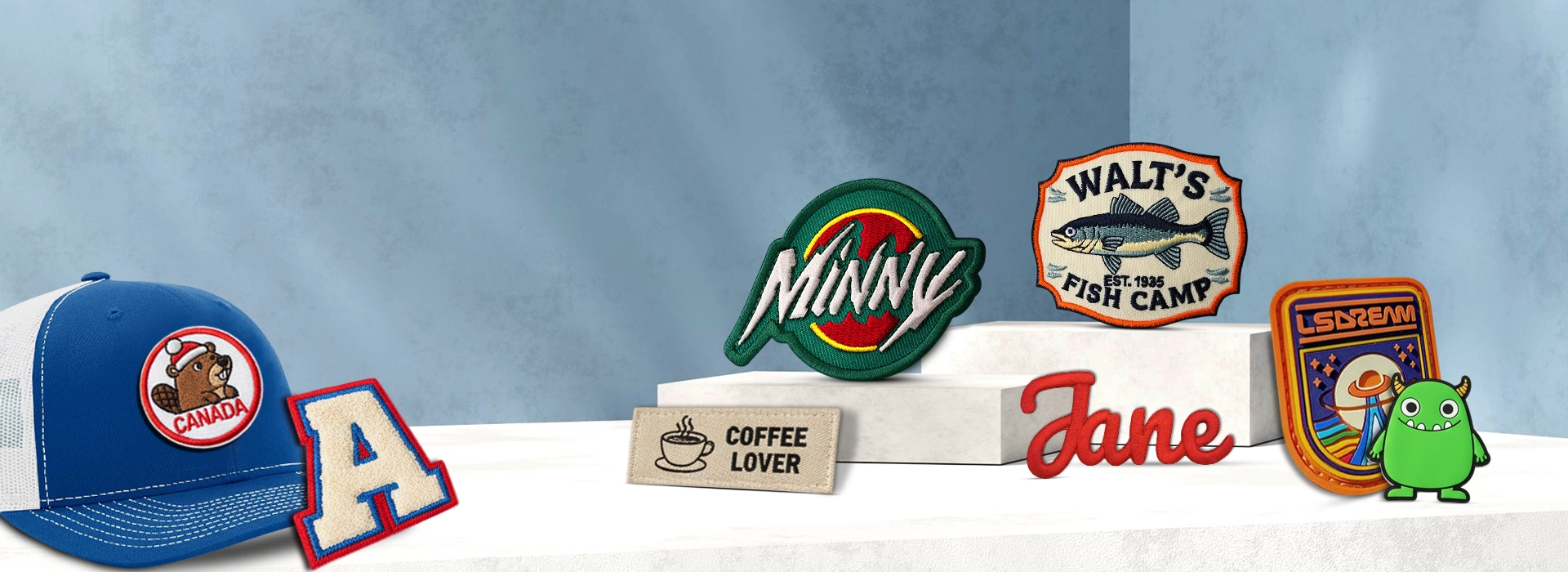
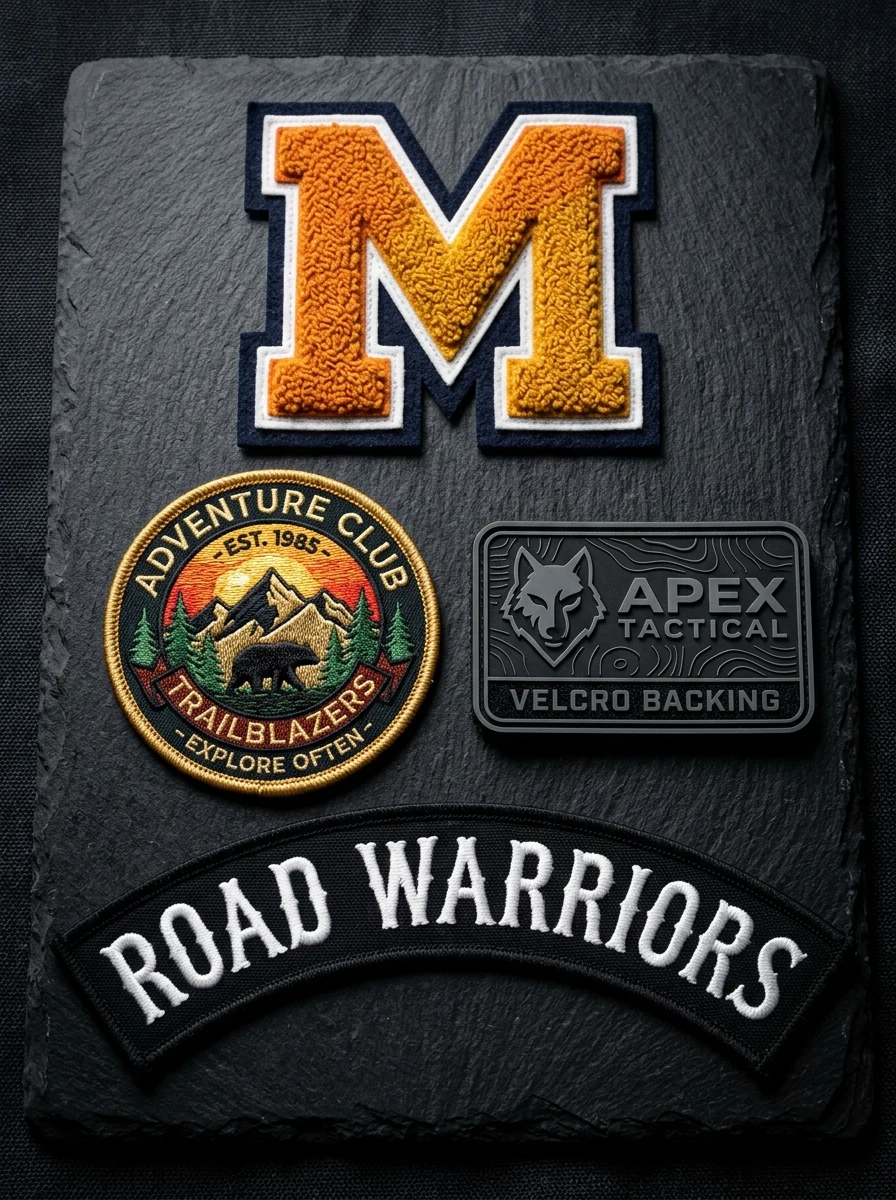
Embroidery is a popular option for brands that want a textured, traditional appearance. Woven patches are useful when a design includes fine lettering or smaller details, while printed patches can accommodate gradients, complex illustrations, and photographic-style artwork.
The choice depends on the design, intended use, budget, and desired appearance. A company producing workwear may prioritize durability, while a fashion label might focus more heavily on texture, color, and visual impact.
Attachment methods also deserve attention. Sew-on patches offer a durable option for many garments, while iron-on backing can provide convenience for suitable fabrics. Hook-and-loop backing works well when patches need to be removed or replaced, such as on certain uniforms and tactical-style gear.
Investing in appropriate materials and production quality helps ensure that custom patches remain attractive during regular use. When a patch lasts, it can continue representing the brand long after the initial purchase or campaign.
Custom Patches as a Tool for Emotional Brand Connection
People often form stronger relationships with brands when they feel that a product represents something meaningful. It may reflect their interests, personal style, community, achievements, or values.
Custom patches can help create these connections because they are often associated with identity and belonging.
A sports team might award patches to celebrate participation or achievement. An outdoor club could use them to represent completed adventures. A business might create special patches for employees who reach important milestones or contribute to a successful project.
In these situations, the patch becomes more than a branding element. It represents a shared experience.
Customers may also appreciate patches that allow them to personalize their belongings. A patch attached to a backpack, denim jacket, or travel bag can become part of the owner's individual style. When the design reflects an interest or lifestyle, the product may feel more relevant and personal.
This emotional value can strengthen the relationship between a customer and a brand. Rather than viewing the item as another advertisement, people may see it as something worth keeping.
Brands should approach this strategy thoughtfully. Meaningful artwork, relevant messaging, and genuine connections with the intended audience are more effective than placing a logo on merchandise without considering its purpose.
Choosing the Right Patch Style for Your Brand
Different patch styles communicate different visual messages. Selecting the right option depends on the brand's personality, the complexity of its artwork, and the products on which the patch will appear.
Embroidered Patches for a Classic and Professional Look
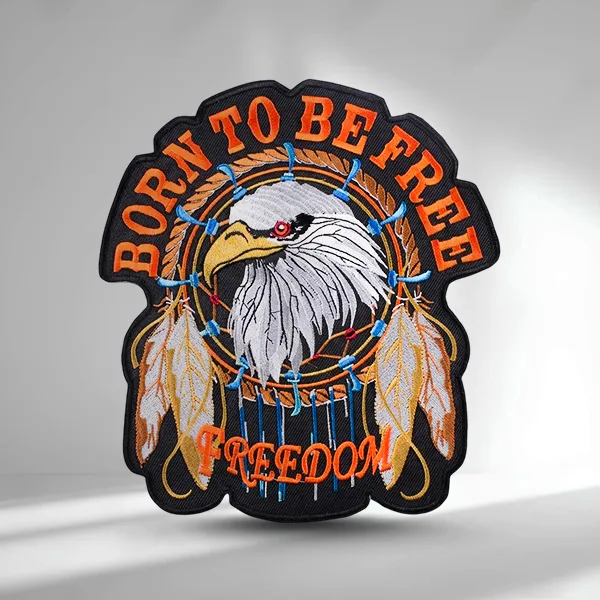
Embroidered patches feature raised thread that creates a textured appearance. They are widely used on uniforms, jackets, hats, bags, and promotional apparel.
Their traditional look works well for businesses that want to communicate craftsmanship, reliability, or heritage. Sports teams, workwear companies, schools, and outdoor brands often benefit from this style.
Embroidered patches are particularly effective when the design includes bold shapes, clear lettering, and strong color contrasts. Extremely fine details may require simplification to ensure that the finished patch looks clean.
Woven Patches for Detailed Artwork
Woven patches use thinner threads to create a flatter surface with greater detail in many designs. They can be a suitable choice when a brand needs small lettering, intricate linework, or a more refined appearance.
Fashion labels, accessory brands, and businesses with detailed logos may prefer woven patches because they can preserve elements that might be difficult to reproduce through heavier embroidery.
Their relatively smooth finish can also work well on lightweight clothing and products where a less bulky patch is desirable.
PVC Patches for Modern and Durable Branding
PVC patches are made from flexible synthetic material and often feature raised or recessed design elements. Their clean lines and bold appearance make them suitable for outdoor equipment, bags, uniforms, and certain lifestyle products.
They can offer a practical solution for brands that need a water-resistant surface and a design that stands out visually.
PVC patches are often associated with outdoor activities, tactical equipment, sports, and contemporary merchandise. However, the right choice depends on the brand's overall aesthetic and the intended environment.
Printed Patches for Complex Graphics
Printed patches allow artwork to include gradients, intricate illustrations, and a broader range of visual details. They are useful when a brand's identity relies on colorful imagery that may be difficult to reproduce through stitching alone.
Creative businesses, event organizers, and fashion brands may find printed patches particularly useful for limited-edition artwork or promotional campaigns.
Selecting a patch style should begin with the purpose of the design rather than the production method alone. When appearance, durability, and functionality work together, the final product becomes a stronger extension of the brand.
Using Custom Patches to Build a Memorable Fashion Brand
Fashion brands operate in a market where originality and visual storytelling matter. Customers often look for clothing that reflects their personality, interests, and sense of style.
Custom patches offer fashion businesses an accessible way to add distinctive details to their products. A simple denim jacket can become more expressive with an embroidered logo, while a plain cap can gain character through a carefully designed woven patch.
Patches can also support different fashion aesthetics. Minimalist brands may choose small monochrome designs, while streetwear labels might experiment with oversized graphics, playful illustrations, or bold typography.
Another advantage is flexibility. A clothing brand can introduce new patch designs without completely changing the underlying garment. This makes patches useful for capsule collections, seasonal releases, collaborations, and limited-edition merchandise.
For example, a brand could release a basic jacket and offer several interchangeable patches inspired by music, travel, or local culture. Customers could personalize their jackets while remaining connected to the brand.
This approach gives customers more creative freedom and provides businesses with opportunities to refresh their collections.
However, successful fashion branding depends on more than adding decoration. The patch should complement the garment's material, fit, colors, and intended audience. A thoughtful design feels like a natural part of the product rather than an afterthought.
Strengthening Corporate Identity with Custom Patches
Corporate branding is often associated with websites, business cards, signage, and digital campaigns. While these elements remain important, physical merchandise can also help organizations communicate a consistent identity.
Custom patches can be incorporated into employee uniforms, branded jackets, event apparel, and customer merchandise. They offer a practical way to display company logos while maintaining a polished appearance.
For businesses with customer-facing teams, branded uniforms can make staff easier to identify. A carefully designed patch can help create visual consistency across different departments or locations.
Custom patches may also support internal branding. Organizations can create special designs for employee recognition, company anniversaries, team achievements, and workplace events.
These designs can contribute to a sense of shared identity, particularly when they recognize genuine accomplishments or represent important company milestones.
Corporate patches should reflect the organization's established visual guidelines. Using consistent logo proportions, approved colors, and readable typography helps maintain a professional appearance.
The patch should also suit the working environment. Businesses that require frequent washing or demanding physical use may need durable materials and secure attachment methods.
When planned carefully, custom patches become a practical branding asset that supports both external recognition and internal culture.
Building Community Through Team and Club Patches
Some of the strongest brand identities develop around shared interests and communities. Sports teams, motorcycle clubs, hobby groups, school organizations, and outdoor communities often use patches to represent membership and common experiences.
These patches help members recognize one another while expressing the identity of the group.
A sports club might use embroidered patches on jackets and training bags. A hiking group could design patches featuring mountain ranges or local landmarks. A school organization may create special patches for competitions, achievements, or annual events.
The meaning behind the design often matters as much as its appearance. A symbol connected to a memorable event or shared achievement can become an important part of the group's history.
Businesses can apply a similar idea by building communities around their products. A brand that organizes customer events, creative workshops, or outdoor activities might produce patches that commemorate participation.
This strategy works best when the patch represents a genuine connection rather than simply promoting a company name.
Community-focused custom patches can encourage people to express their affiliation naturally. When members enjoy wearing or collecting them, the brand or organization gains visibility through authentic participation.
Custom Patches for Events, Promotions, and Brand Campaigns
Events provide opportunities for businesses to introduce themselves to new audiences and create memorable experiences. Custom patches can add value to event merchandise because they are compact, customizable, and easy to distribute.
Businesses can include patches in welcome kits, conference gifts, product launch packages, festival merchandise, and promotional giveaways.
Unlike many disposable promotional items, a well-designed patch may be attached to a backpack, jacket, or cap and used long after the event ends.
The design can also reflect the occasion. A company celebrating an anniversary might create a commemorative patch, while a music festival could offer artwork inspired by the event's visual theme.
Limited-edition patches can make merchandise feel more distinctive. When a design is associated with a particular event or collaboration, it may carry personal meaning for attendees.
However, promotional patches should offer value beyond displaying a logo. Attractive artwork, useful placement, and a design that fits the audience's interests can make the item more appealing.
Businesses should also consider how the patch connects to the broader campaign. Consistent colors, messaging, and visual themes can help customers recognize the brand across event signage, digital promotions, packaging, and merchandise.
With the right planning, custom patches can extend the impact of an event well beyond the day it takes place.
How Custom Patches Support Brand Storytelling
A recognizable brand often has a story behind its products, values, and identity. That story might involve local heritage, creative inspiration, sustainability, craftsmanship, or a commitment to a particular community.
Custom patches offer a compact way to express these ideas through visual symbols.
A company inspired by its hometown could incorporate local architecture or a familiar landscape into its patch artwork. A business focused on adventure might use imagery associated with exploration, while a heritage clothing label could draw inspiration from traditional patterns or archival designs.
These visual choices help transform abstract brand values into something customers can see and recognize.
A patch can also represent a specific chapter in a brand's journey. Businesses may create special designs for product launches, collaborations, anniversaries, or important achievements.
Over time, different designs can form a collection that reflects the brand's development. Customers who follow the company may become interested in the stories behind individual releases.
The most effective storytelling remains authentic. A design should reflect the brand's actual history, values, or audience rather than relying on symbols that have little connection to the business.
When visual storytelling is supported by genuine experiences, custom patches can become meaningful reminders of what a brand represents.
Making Custom Patches Work Across Different Products
One advantage of custom patches is their adaptability. A single design can often be used across several suitable products, helping businesses create a consistent visual identity without developing completely new artwork for every item.
Jackets, caps, backpacks, tote bags, workwear, and selected accessories can all provide opportunities for patch-based branding.
The placement and size may change depending on the product. A small patch can work well on the front of a cap, while a larger design may be better suited to a jacket back or backpack panel.
Material compatibility is important. Some fabrics are better suited to sewing, while others may not tolerate the heat required for iron-on application. Products exposed to moisture, friction, or frequent washing may also require specific materials and attachment methods.
Brands should consider how each item will be used. A decorative patch on a fashion accessory may have different requirements from one attached to workwear or outdoor equipment.
A consistent design system can make this process easier. By defining approved colors, logo variations, patch shapes, and minimum lettering sizes, businesses can adapt their branding while maintaining a recognizable appearance.
This flexibility helps custom patches serve as a connection between different products, campaigns, and customer experiences.
The Role of Color and Typography in Patch Design
Color and typography influence how people interpret a brand. They can communicate energy, sophistication, tradition, playfulness, or reliability before a customer even reads the company name.
Custom patches provide an opportunity to apply these visual elements in a physical format.
Brands should begin by considering their existing color palette. Using familiar colors helps connect the patch with other marketing materials and products. Strong contrast can improve readability, particularly when the design includes small lettering.
Typography also requires careful consideration. Decorative fonts may look attractive in large artwork but become difficult to read when reproduced on a small patch.
Simple, well-spaced lettering often works better for company names, initials, and short messages. Longer phrases may need to be shortened or arranged differently to fit the available space.
Color selection should also account for the production method. Thread, woven material, printed surfaces, and PVC may reproduce colors differently. A digital mock-up can provide a useful starting point, but a production sample offers a more realistic view of the final appearance.
Careful attention to these details helps businesses create patches that are attractive, readable, and consistent with their existing brand identity.
Balancing Creativity with Practical Design Choices
Creative freedom is one of the most appealing aspects of custom patches, but practical considerations should guide the final design.
A patch may look impressive on a computer screen yet become difficult to reproduce when reduced to a small size. Fine lines, tiny lettering, complicated gradients, and crowded illustrations can lose clarity during production.
Before approving a design, businesses should consider its dimensions, intended placement, and production method.
A logo for a small sleeve patch may require a simplified version of the original artwork. A larger patch can accommodate more detail, but the design should still have a clear visual focus.
It is also worth considering the audience. A playful design may suit a youth clothing brand, while a corporate uniform may require a more restrained appearance.
Budget and production quantities matter as well. Different materials, shapes, backing options, and manufacturing techniques can influence the final cost. Businesses should request clear specifications before placing larger orders.
A sample can help confirm the colors, stitching, dimensions, and overall quality before full production begins.
The goal is not to limit creativity. It is to make sure that the original idea translates successfully into a practical, durable product.
Custom Patches as a Long-Term Branding Investment
Marketing budgets are often divided between short-term campaigns and long-term brand development. Custom patches can support the latter by creating physical products that remain useful after their initial distribution.
A patch attached to a frequently worn jacket or regularly used backpack may continue to display the brand for an extended period. This provides repeated opportunities for recognition without requiring a new advertising placement every time the item is used.
The value of this exposure depends on the product's quality, the design's appeal, and how often people use the item. A patch that customers dislike or find impractical may not deliver the same lasting benefit.
Businesses should therefore evaluate more than the initial production price. They should consider durability, customer interest, product relevance, and the likelihood that the patch will remain in use.
Custom patches can also be produced in different quantities to suit the needs of a business. Smaller runs may work well for testing a new concept, while larger orders can support uniforms, retail merchandise, or established promotional campaigns.
Although patches cannot guarantee sales or brand loyalty, thoughtful design and quality production can make them a worthwhile part of a broader branding strategy.
How Businesses Can Measure the Impact of Custom Patches
Branding efforts become more useful when businesses understand what works and where improvements are needed. Custom patches can be evaluated through several practical indicators.
Customer feedback is a useful starting point. Businesses can ask whether customers like the design, find the product useful, or feel that it reflects the brand accurately.
For retail merchandise, sales figures and repeat purchases can help reveal which designs appeal most to customers. Comparing different styles may also provide insight into preferences for color, artwork, material, and placement.
For promotional campaigns, businesses can track how many patches are distributed, how recipients respond, and whether the merchandise supports broader campaign goals.
Social media engagement may offer additional clues when customers voluntarily share photographs of branded clothing or accessories. Such activity can indicate that the design resonates with the audience, although it should not be treated as a complete measure of brand recognition.
Employee feedback can be valuable for corporate patches, particularly when they are used on uniforms. Comfort, durability, and appearance all influence whether staff members are happy to wear branded items.
These observations help businesses make informed decisions about future designs and production choices.
The purpose of measurement is not simply to count how many patches have been distributed. It is to understand whether the products contribute to a stronger, more consistent, and more memorable brand experience.
Common Mistakes to Avoid When Designing Custom Patches
Even a promising branding idea can lose its impact when important details are overlooked.
One common mistake is including too much information. A patch is a relatively small design surface, so excessive text and complicated graphics can make the finished product difficult to understand.
Another mistake is choosing colors without considering contrast. If the lettering blends into the background, customers may struggle to recognize the logo or message.
Ignoring material compatibility can also create problems. A patch intended for heavy outdoor use may need different construction from one designed for a lightweight fashion accessory.
Some businesses focus entirely on the lowest price and overlook stitching quality, edge finishing, backing options, or sample approval. These decisions may affect the finished product's appearance and durability.
Inconsistent branding is another concern. If every patch uses unrelated fonts, colors, and symbols, customers may find it harder to connect the designs with the same company.
Finally, businesses sometimes create patches without considering what customers would actually want to wear or use. A design that reflects the audience's interests is more likely to remain in circulation.
Avoiding these mistakes begins with clear objectives, thoughtful artwork, suitable materials, and a realistic understanding of the product's intended use.
The Future of Custom Patches in Brand Identity
Branding continues to evolve as businesses explore new ways to combine physical products, digital communication, and customer participation.
Custom patches remain relevant because they can adapt to changing visual styles while preserving the appeal of a tangible product.
Fashion labels can experiment with limited-edition designs, while businesses may explore personalized patches for customers, employees, or special events. Collectible designs can also create opportunities for collaborations and themed releases.
Digital design tools make it easier to explore different shapes, colors, and layouts before production. Businesses can compare mock-ups, gather feedback, and refine artwork before committing to a manufacturing run.
There is also growing interest across many industries in making more thoughtful purchasing decisions. Businesses evaluating custom patches can consider material sourcing, production waste, packaging, and product lifespan when choosing suppliers.
The best approach will depend on the brand's priorities and the options available from manufacturers. Sustainability claims should always be supported by clear information about materials and production practices.
As customer expectations continue to change, the most effective patch designs will likely be those that combine originality, practical quality, and a genuine connection to the brand.
Conclusion
Custom patches demonstrate how a simple idea can become a meaningful part of a lasting brand identity. Through thoughtful artwork, recognizable colors, suitable materials, and quality production, businesses can turn ordinary clothing and accessories into distinctive expressions of their personality.
Their value extends beyond decoration. Custom patches can strengthen brand recognition, support corporate identity, encourage community participation, and create emotional connections with customers. They can also contribute to fashion collections, promotional campaigns, team merchandise, and everyday branded products.
The key is to approach patch design with a clear purpose. A successful patch should reflect the brand's values, appeal to its intended audience, and suit the product on which it will be used. Durability and visual consistency are equally important because they help ensure that the design remains recognizable over time.
Whether a business is launching a new identity or refining an established one, custom patches offer a flexible way to communicate its story through a physical product. When the idea is meaningful and the execution is thoughtful, even a small patch can leave a lasting impression.
Ultimately, strong branding is built through details that work together. Custom patches bring those details to life, helping simple creative concepts become recognizable symbols that people can wear, share, and remember.