Introduction
Building a recognizable brand takes more than creating an attractive logo or launching a marketing campaign. Businesses need creative ways to make their identity visible, memorable, and meaningful to the people they want to reach. In a competitive marketplace, even small details can influence how customers perceive a brand. This is one reason custom patches are becoming an increasingly popular choice for modern branding.
Custom patches offer a simple yet effective way to add personality to clothing, accessories, uniforms, and promotional merchandise. Whether a company wants to display its logo, introduce a new product line, or create a distinctive look for its team, personalized patches provide plenty of opportunities for creativity.
From embroidered company logos to colorful designs for fashion collections, custom patches can be adapted to different industries and branding goals. They work well on jackets, hats, backpacks, workwear, and many other products that people use regularly. Their versatility makes them appealing to small businesses, established companies, clothing brands, sports teams, and creative entrepreneurs.
Another reason businesses appreciate custom patches is their lasting nature. Unlike some promotional materials that are quickly forgotten, a well-made patch can remain attached to a favorite garment or accessory for years. This creates repeated opportunities for brand visibility while giving customers something practical and attractive to use.
As businesses continue to look for branding solutions that combine creativity, quality, and affordability, custom patches offer an appealing option. Understanding their benefits and potential applications can help companies make better decisions about how to represent their identity.
What Makes Custom Patches Different from Traditional Branding?
Traditional branding often focuses on digital advertisements, printed materials, packaging, and large-scale promotional campaigns. These methods remain important, but they are not the only ways to create brand awareness. Physical branding elements can provide a more personal connection between a company and its audience.
Custom patches bring branding directly onto products that people wear and carry. Instead of displaying a logo only on a website or brochure, businesses can incorporate their identity into jackets, caps, bags, uniforms, and other everyday items.
This creates a more tangible experience. Customers can see the design up close, notice the stitching or texture, and associate the patch with the quality of the product it represents.
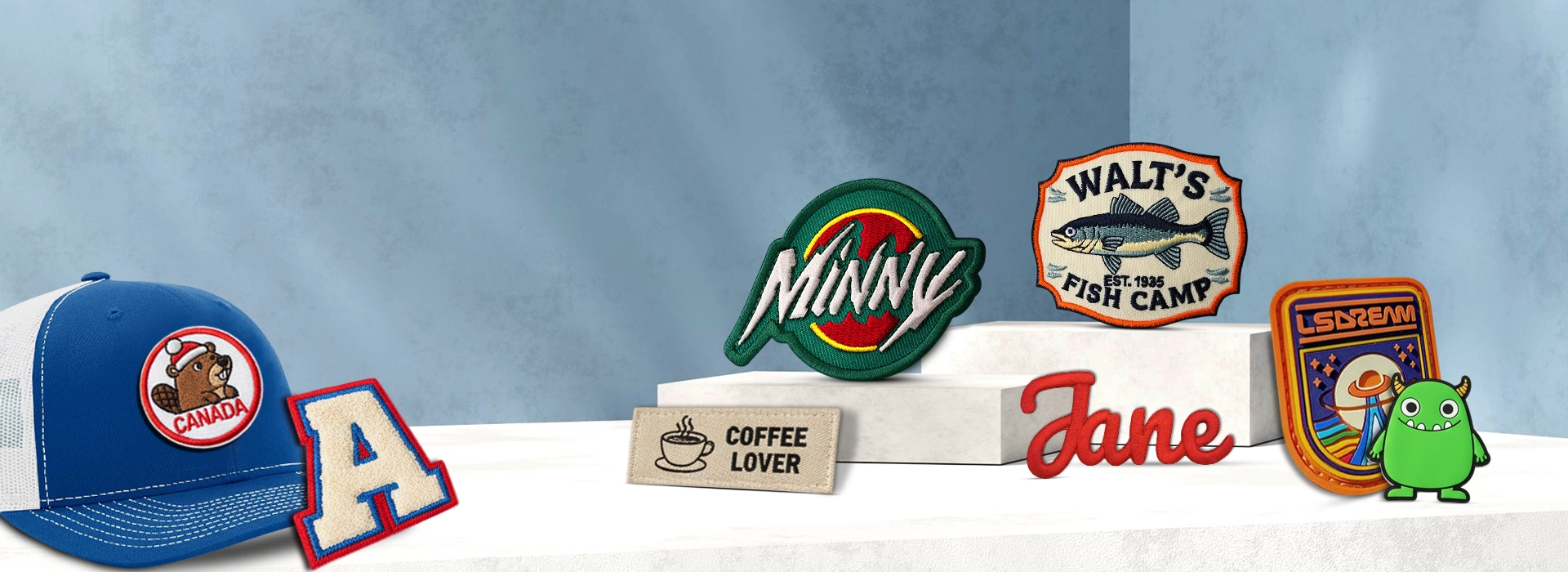
Custom patches also offer greater flexibility than many businesses expect. A brand can create a classic embroidered logo, a modern PVC design, a detailed woven patch, or a colorful printed patch depending on its needs. Different shapes, sizes, borders, and backing options allow businesses to develop designs that match their visual identity.
Another important difference is how patches can become part of a customer's personal style. People often choose clothing and accessories that reflect their interests and personality. When a branded patch looks attractive and feels relevant, customers may be more willing to wear it naturally.
This combination of practical use, visual appeal, and creative freedom makes custom patches a valuable addition to a modern branding strategy.
Creating a Strong Brand Identity with Custom Patches
Brand identity includes the visual and emotional elements that help people recognize and understand a business. Logos, colors, typography, messaging, and product presentation all contribute to this identity.
Custom patches allow businesses to carry these elements into the physical world. A carefully designed patch can communicate a brand's personality through its shape, artwork, color scheme, and material.
For example, a premium clothing brand might choose a minimal embroidered patch with subtle colors and clean lettering. An outdoor equipment company could use a bold design inspired by mountains, forests, or exploration. A creative lifestyle brand might prefer bright colors and playful illustrations.
Each design communicates something different, even when the patches serve the same basic purpose.
Consistency is particularly important when using patches for branding. If a company uses the same logo, recognizable colors, and overall design style across its products, customers have more opportunities to become familiar with its identity.
Businesses do not need to make every patch identical. They can introduce special designs for seasonal collections, events, or collaborations while maintaining recognizable elements that connect everything to the main brand.
The goal is to create a visual identity that feels natural across different products. When custom patches complement the brand rather than compete with it, they can help build a more professional and memorable image.
Why Embroidered Patches Remain a Popular Option
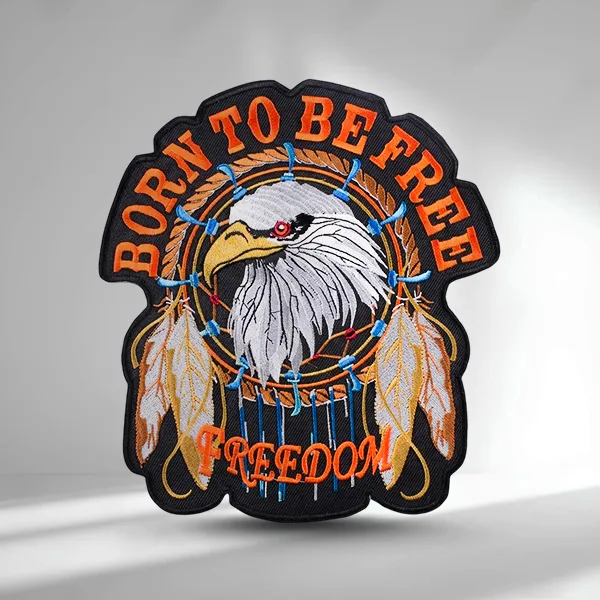
Embroidered patches continue to be a favorite choice for businesses because they offer a distinctive textured appearance. The raised threads create depth and give the design a traditional, carefully crafted look.
This style works particularly well for company logos, uniforms, sports merchandise, school apparel, and fashion accessories. It can communicate reliability and craftsmanship while adding visual interest to otherwise simple products.
One of the biggest advantages of embroidered patches is their versatility. They can be produced in different shapes and sizes, with a variety of thread colors and border finishes. Businesses can create circular logos, shield-shaped designs, rectangular name patches, or custom outlines that reflect their branding.
Embroidered patches are also suitable for many everyday products. They can be sewn onto jackets, caps, backpacks, denim garments, and selected workwear items.
However, the design needs to suit the embroidery process. Very small lettering and intricate details may not reproduce clearly, particularly on smaller patches. Simplifying the artwork can help improve readability and create a cleaner final result.
For businesses that want a classic appearance with noticeable texture, custom embroidered patches offer an attractive solution. Their familiar style works across many industries without making the branding feel overly complicated.
How Custom Patches Help Small Businesses Stand Out
Small businesses often work with limited marketing budgets and need to make thoughtful decisions about how they promote their products or services. Custom patches can provide a practical way to develop branded merchandise without requiring a large advertising campaign.
A local clothing store, independent coffee shop, creative studio, or handmade accessories business can use patches to create a recognizable visual identity.
For example, a coffee shop might introduce embroidered patches featuring its logo or a playful illustration inspired by its neighborhood. Customers could purchase them as merchandise or receive them as part of a promotional offer.
A small fashion label could attach custom patches to denim jackets, caps, or tote bags to create products that feel different from mass-produced alternatives.
Patches can also help small businesses maintain a consistent appearance at markets, exhibitions, and community events. Branded uniforms or accessories make it easier for visitors to recognize staff members and associate them with the business.
The appeal lies in their flexibility. Companies can start with a relatively simple design, test customer interest, and expand their merchandise range when demand grows.
Custom patches will not replace every form of marketing, but they can support other efforts by giving customers something physical that represents the business. When the design is attractive and the product is useful, the branding can continue beyond the original interaction.
Custom Patches in Fashion and Streetwear
Fashion is one of the most natural industries for custom patches because clothing provides a creative surface for personal expression. Patches can transform basic garments into distinctive pieces while helping brands develop their own visual language.
Streetwear labels frequently use graphic elements, bold typography, and recognizable symbols to create products that stand out. Custom patches can support this approach through unusual shapes, contrasting colors, oversized artwork, or carefully positioned logos.
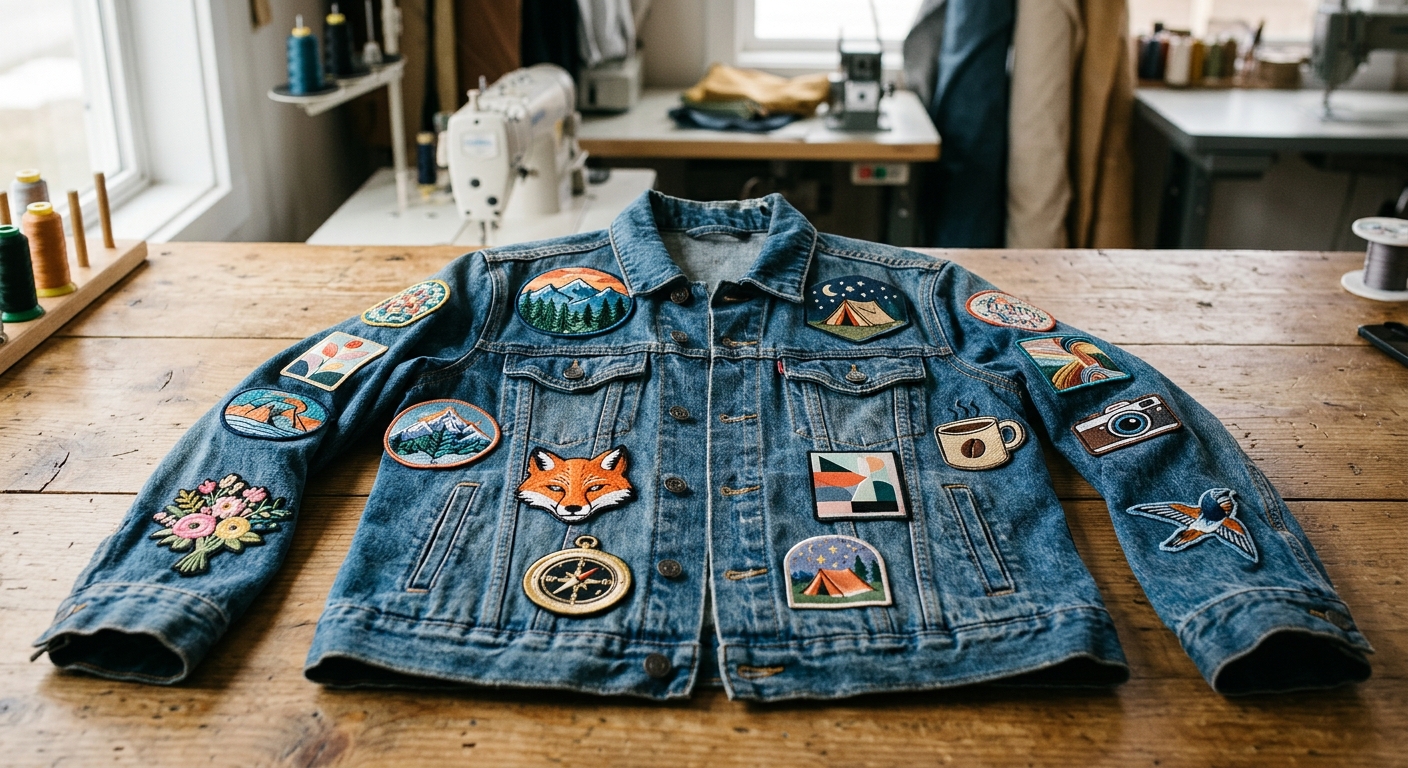
A simple hoodie can gain a more distinctive appearance with a small chest patch. A denim jacket can feature several coordinated patches, while a cap may use a single embroidered emblem as its main design feature.
Fashion brands can also experiment with removable patches, allowing customers to personalize selected garments and accessories. Hook-and-loop backing can be useful for compatible products where changing designs is part of the intended experience.
Limited-edition patches provide another opportunity. A brand might create artwork for a collaboration, seasonal collection, or special release. These designs can give merchandise a unique identity while encouraging customers to explore new products.
Successful fashion branding requires a balance between originality and wearability. A patch should complement the garment's fit, fabric, colors, and overall style.
When this balance is achieved, custom patches can help fashion brands express their creativity while giving customers more ways to make a product their own.
Using Custom Patches for Corporate Uniforms
Corporate uniforms play an important role in businesses where employees regularly interact with customers. Restaurants, retail stores, hospitality companies, delivery services, and maintenance teams often use branded clothing to create a consistent professional appearance.
Custom logo patches offer a practical way to identify employees without relying entirely on printed designs.
A well-made patch can be attached to shirts, jackets, aprons, or outerwear, depending on the garment and workplace requirements. It can feature the company logo, department name, or employee role where appropriate.
Patches can also be useful for organizations that want to update their uniforms without replacing every garment. If a uniform design allows for it, replacing an existing patch may be more practical than ordering entirely new clothing.
Durability should be a priority when selecting patches for workwear. Garments may experience frequent washing, friction, and repeated use, so materials and attachment methods need to suit those conditions.
Businesses should consider whether embroidered, woven, or another patch style offers the best balance of readability and longevity.
A consistent uniform design can make a company appear organized and professional. Although patches alone cannot determine customer trust, they contribute to the overall presentation that customers experience when interacting with a business.
Custom Patches for Sports Teams and Clubs
Sports teams and clubs have long used patches to represent membership, achievements, and shared identity. From school teams to recreational leagues, patches can help members feel connected to a group.
A team logo on a jacket or training bag creates a recognizable symbol that members can carry beyond the playing field. Special patches can also commemorate tournaments, championship seasons, anniversaries, or significant team achievements.
Custom patches are suitable for many kinds of clubs, including cycling groups, hiking communities, fitness organizations, and hobby associations.
For example, a hiking club might create a patch featuring a local mountain range. Members could receive it after participating in a group expedition, making the patch a reminder of a shared experience.
Sports organizations may choose embroidered patches for a traditional look, while clubs that prefer bold, modern graphics might consider PVC patches.
The design should reflect the group's personality and be easy to recognize. Using consistent colors and symbols across uniforms, bags, and merchandise can strengthen the group's visual identity.
When patches represent meaningful experiences rather than simply displaying a name, they can become valued keepsakes that members continue using for years.
Choosing the Right Material for Custom Patches
Selecting the right material is an important part of creating effective custom patches. Different materials offer different appearances, textures, and practical benefits, so the best choice depends on the intended design and application.
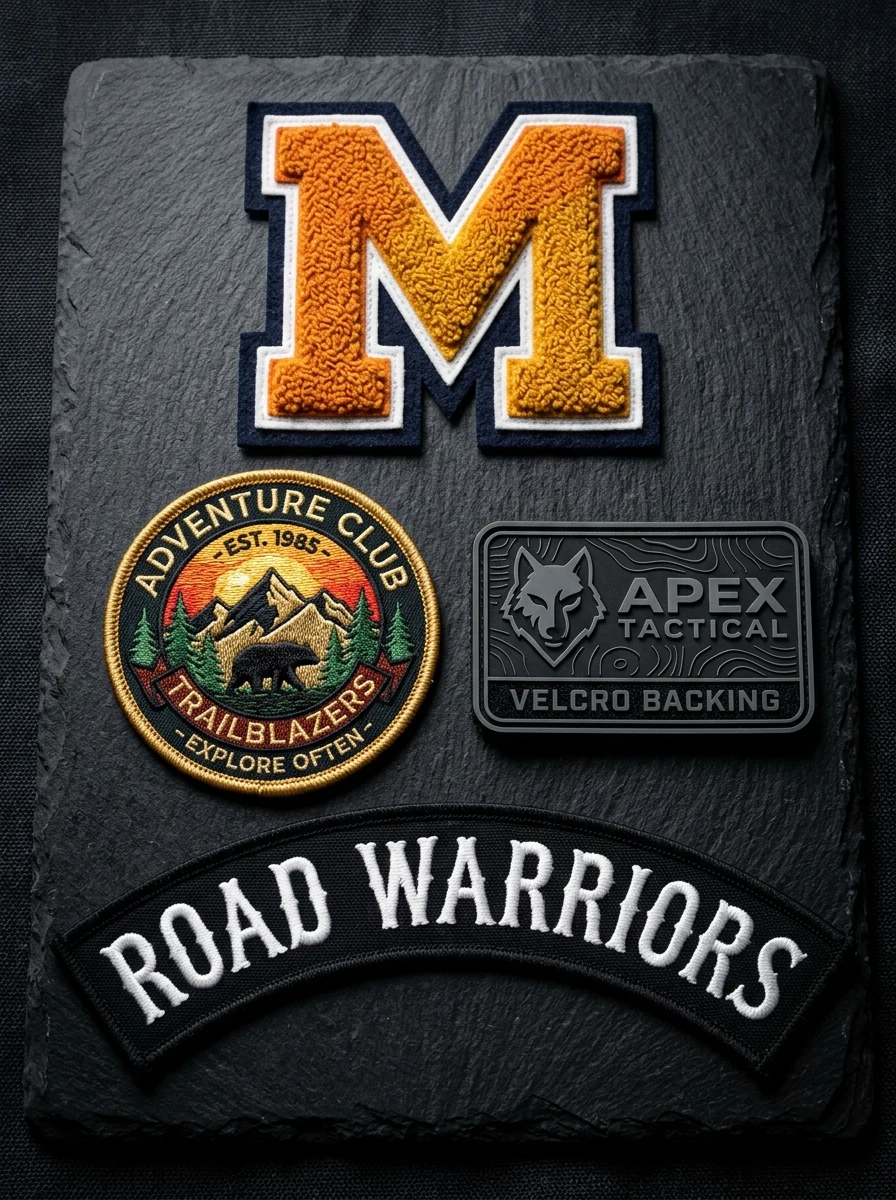
Embroidered patches are known for their raised stitching and traditional appearance. They work well for bold logos, uniforms, caps, and jackets.
Woven patches have a flatter surface and can reproduce finer details in many designs. They may be suitable for smaller logos, detailed lettering, and products where a smooth finish is preferred.
PVC patches offer a flexible, molded appearance with raised or recessed details. They are often used on outdoor gear, backpacks, selected uniforms, and accessories that benefit from a durable, water-resistant surface.
Printed patches are another option for designs that include complex illustrations, gradients, or many colors. They allow artwork to retain details that may be difficult to reproduce with thread alone.
Businesses should also think about the patch backing. Sew-on options are suitable for many garments, while iron-on backing may be convenient for compatible fabrics. Hook-and-loop backing is useful when a patch needs to be removed or replaced.
Before making a final decision, consider the fabric, expected use, washing requirements, budget, and desired appearance. Requesting a sample can help confirm that the chosen material meets expectations.
The Importance of Quality in Custom Patch Production
A custom patch represents the business behind it, which makes production quality an important consideration. Even an attractive design can lose its impact if the finished patch has uneven stitching, unclear lettering, poorly finished edges, or unsuitable backing.
High-quality custom patches begin with artwork that has been prepared for the selected production method. Designers may need to adjust small details, improve color contrast, or simplify complicated elements before manufacturing.
Material selection also affects the final result. The threads, fabric, backing, and border should work together to create a patch that looks professional and suits its intended purpose.
Businesses should review samples carefully before approving large orders. Checking dimensions, color accuracy, logo placement, stitching, and edge finishing can help identify problems early.
Durability matters just as much as appearance. A patch intended for outdoor clothing or frequently washed uniforms needs suitable construction and attachment.
It is also helpful to communicate clearly with the manufacturer. Providing high-resolution artwork, accurate measurements, preferred colors, and information about the intended application makes it easier to achieve the desired outcome.
Taking time to review these details can reduce production issues and help ensure that the finished patches reflect the brand's standards.
Custom Patches as Promotional Merchandise
Promotional merchandise gives businesses an opportunity to reach customers outside traditional advertising channels. While pens, flyers, and printed materials can serve useful purposes, custom patches offer a different combination of practicality and personal style.
They are compact, easy to distribute, and suitable for many audiences. Businesses can include them in event welcome kits, product packages, customer appreciation gifts, or promotional campaigns.
For a product launch, a company might create a patch that reflects the campaign's artwork. A festival organizer could produce a commemorative design, while a local business might offer patches featuring recognizable neighborhood imagery.
The most effective promotional patches offer something beyond a company logo. Attractive artwork and a connection to the audience's interests can make them more appealing to keep and use.
Limited-edition designs can also make promotional merchandise feel more special. When a patch represents a memorable event or collaboration, recipients may associate it with that experience long after the campaign has ended.
Businesses should choose merchandise that fits their audience rather than producing items simply because they are inexpensive. A useful, well-designed patch is more likely to become part of someone's everyday belongings.
Personalization Makes Custom Patches More Meaningful
Personalization has become an important part of many customer experiences. People often appreciate products that reflect their names, interests, achievements, or individual preferences.
Custom patches can support this trend by allowing businesses to offer designs that feel more personal.
A clothing brand might provide a choice of patch styles for selected products. A sports organization could create patches for individual teams or events. A company might produce employee patches recognizing different roles or milestones.
Personalization can also involve more than adding a name. Customers may be able to select colors, shapes, symbols, or artwork that reflects their preferences.
These options can make branded merchandise more engaging because customers have a role in shaping the final product.
However, personalization should remain practical. Businesses need to consider production time, design limitations, minimum order quantities, and the additional cost of customized variations.
A clear set of options can make the experience easier for both customers and manufacturers. When personalization is thoughtfully planned, custom patches can combine brand recognition with a stronger sense of individual ownership.
Sustainable Thinking in Custom Patch Branding
As businesses become more attentive to product lifespan and material choices, sustainability is an increasingly relevant consideration in branding decisions.
Custom patches can support garment personalization and, in some situations, help refresh clothing that people already own. A patch may cover a small damaged area, update the appearance of an older jacket, or give an existing bag a new look.
This does not mean every patch is automatically sustainable. Its environmental impact depends on the materials, manufacturing process, transportation, packaging, and lifespan of the finished product.
Businesses interested in more responsible production should ask suppliers about material composition, sourcing, production practices, and packaging. They should also avoid making environmental claims that cannot be supported with reliable information.
Durability is another important factor. Products that remain attractive and functional for longer may be less likely to require frequent replacement.
Designing patches that customers genuinely want to keep can support a more thoughtful approach to merchandise. Rather than producing large quantities of items with limited appeal, businesses can test designs and order quantities that better match demand.
By considering product quality and material choices together, brands can make more informed decisions about their custom patch collections.
How to Design Custom Patches That Customers Remember
Creating a memorable patch begins with a clear understanding of the brand and its audience. Before selecting colors or materials, businesses should identify what the patch needs to communicate.
Is the goal to improve logo recognition, represent a community, promote a new product, or create merchandise customers will want to wear? Defining the purpose helps guide the design process.
The next step is to focus on the visual elements. A recognizable symbol, balanced color palette, and readable typography can make the design more effective. Avoiding unnecessary details helps ensure that the patch remains clear at its intended size.
It is also important to consider placement. A patch designed for a cap may need a different layout from one intended for a jacket back or backpack.
The production method should match the artwork. Embroidery can provide texture, weaving can preserve fine details, and printing can accommodate more complex graphics.
Before placing an order, review a digital mock-up and, where possible, a physical sample. This allows the business to check the design in its intended context.
Finally, gather feedback from people who represent the target audience. Their opinions may reveal whether the design feels attractive, relevant, and consistent with the brand.
The most memorable patches are not necessarily the most complicated. Often, a simple idea executed well creates the strongest impression.
Conclusion
Custom patches have become a popular choice for modern branding because they combine visual appeal, flexibility, and practical use. They allow businesses to bring their identity into everyday products while creating opportunities for recognition, personalization, and customer engagement.
From embroidered logo patches on corporate uniforms to creative designs on streetwear, backpacks, and promotional merchandise, these small branding elements can serve a wide range of purposes. Their versatility makes them suitable for businesses of different sizes and industries.
However, successful custom patch branding requires more than choosing an attractive design. Companies should consider their target audience, brand identity, material selection, production quality, and intended use. Clear artwork and durable construction help ensure that patches remain useful and recognizable over time.
When thoughtfully designed, custom patches can become more than simple decorations. They can represent a company's values, celebrate shared experiences, support customer creativity, and strengthen the connection between a brand and the people who engage with it.
For businesses looking to create a distinctive and lasting impression, custom patches offer a practical way to turn creative ideas into physical branding that customers can wear, use, and remember.