Introduction
Every business wants to be remembered, but creating a recognizable brand takes more than a good logo or an attractive website. People connect with brands through the products they use, the experiences they enjoy, and the small details that make a company different from its competitors. In today's crowded marketplace, businesses need creative ways to express their personality and make a lasting impression. Custom patches offer a simple yet effective way to achieve this.
Custom patches have become a popular choice for clothing brands, small businesses, corporate teams, sports organizations, and promotional campaigns. They allow companies to display their logos, communicate their values, and create distinctive designs that customers can wear or use in everyday life. From embroidered patches on jackets to personalized logo patches on caps and backpacks, these small accessories can contribute to a brand's overall identity.
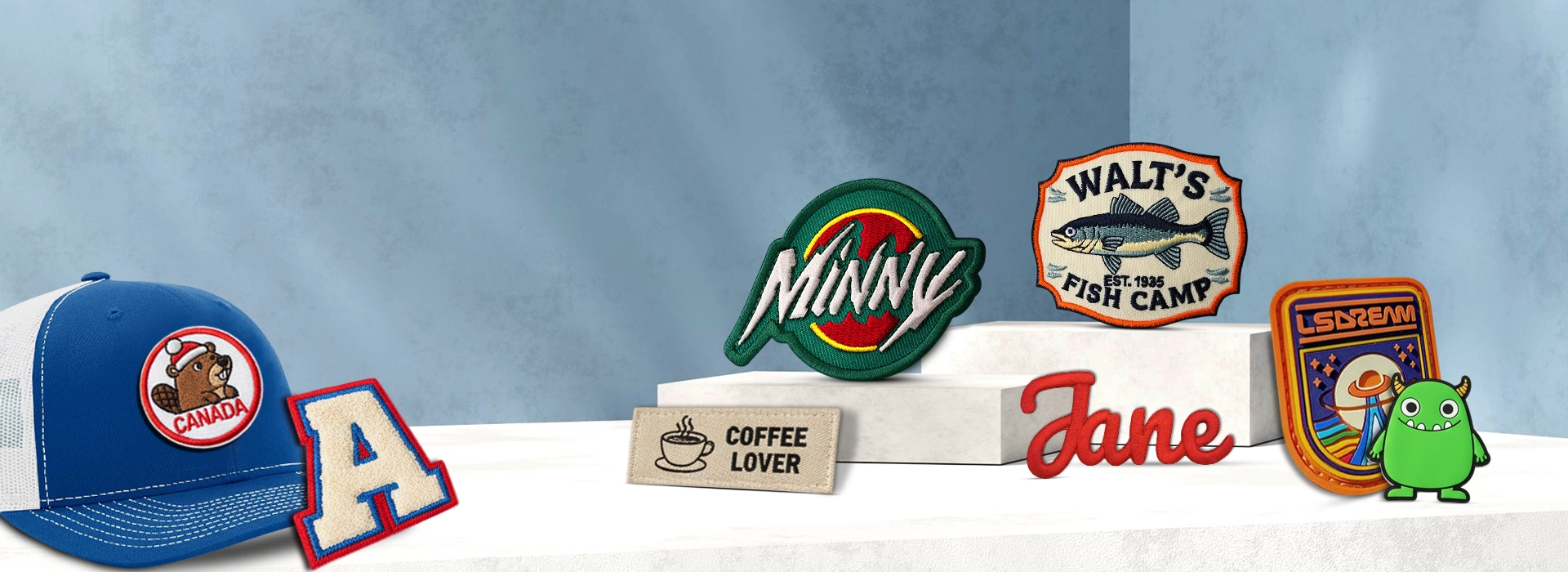
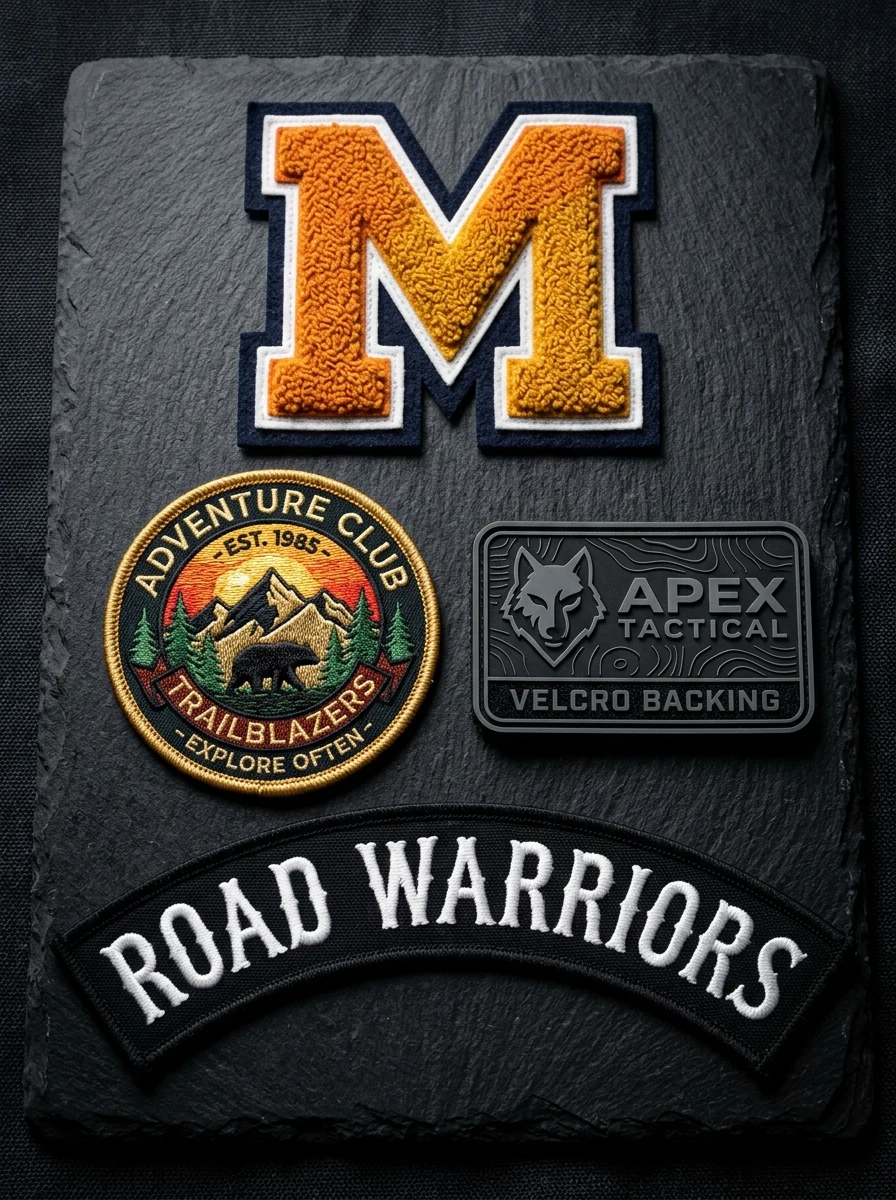
What makes custom patches particularly useful is their versatility. They can be designed in different shapes, sizes, colors, and materials to suit almost any branding style. A business looking for a traditional appearance might choose embroidered patches, while a modern clothing label may prefer woven or PVC patches with a more contemporary finish.
Beyond appearance, custom patches offer a practical advantage. When attached to a product that people regularly use, they can keep a brand visible long after the initial purchase. A well-designed patch may remain on a favorite jacket or backpack for years, creating repeated opportunities for brand recognition.
For businesses looking to combine creativity, practicality, and consistent branding, custom patches provide an opportunity to turn simple ideas into recognizable visual elements.
Understanding the Importance of a Unique Brand Identity
Brand identity is what helps customers recognize a business and distinguish it from similar companies. It includes the logo, colors, typography, packaging, messaging, and visual style that communicate what a brand represents.
A strong brand identity creates familiarity. When customers repeatedly encounter the same visual elements across different products and marketing channels, they begin to associate those elements with a particular business.
Custom patches can strengthen this identity by bringing branding into physical products. Instead of limiting a company logo to websites, advertisements, or printed materials, businesses can incorporate it into clothing, accessories, uniforms, and merchandise.
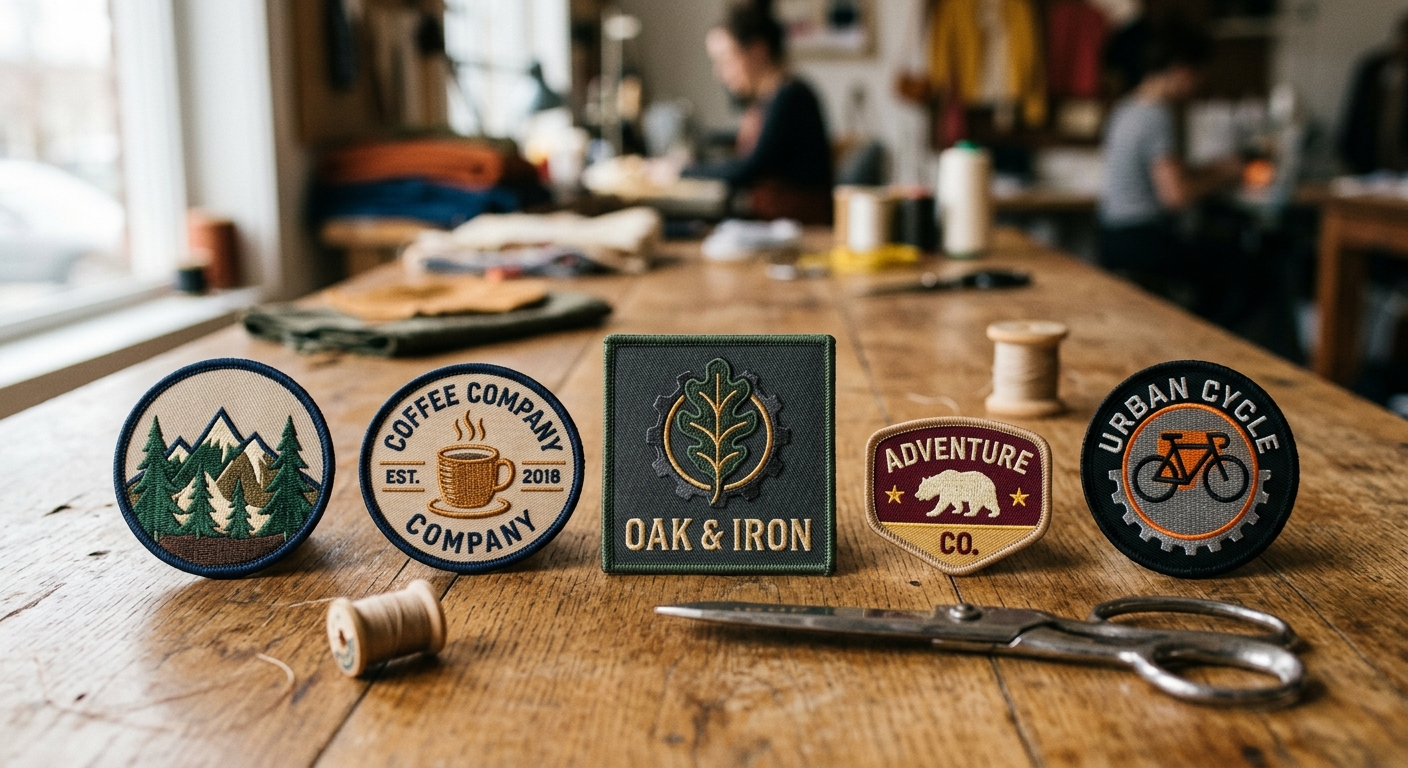
For example, an outdoor clothing company might use a mountain-inspired patch to communicate adventure and exploration. A fashion label could choose a minimalist embroidered logo, while a local business might create a patch featuring artwork inspired by its community.
Each approach reflects a different personality, but all demonstrate how a small design can communicate something meaningful about a brand.
The key is consistency. Custom patches should complement the company's existing visual identity rather than introduce unrelated colors, symbols, or design styles. When the patch feels like a natural extension of the brand, it becomes easier for customers to recognize and remember.
A unique brand identity is built through repeated, meaningful interactions. Custom patches provide another way to create those interactions while giving businesses greater freedom to express their creativity.
Why Custom Patches Are Becoming Popular Among Businesses
Businesses are constantly exploring new ways to promote their products and connect with customers. Digital marketing remains important, but physical branding continues to offer something valuable: a tangible connection between a company and its audience.
Custom patches fit naturally into this approach because they combine decoration with practical use. They can be attached to garments, bags, hats, and other accessories that people already own or purchase.
Their adaptability makes them suitable for businesses across different industries. Small clothing brands can use patches to personalize their collections, while larger organizations may incorporate them into uniforms or promotional merchandise.
Another reason for their popularity is the wide range of available designs. Businesses can choose embroidered, woven, printed, or PVC patches depending on their artwork and intended application. They can also experiment with different shapes, borders, thread colors, and backing options.
Custom patches can support both established branding and creative experimentation. A company can maintain a recognizable logo while introducing seasonal designs, special collections, or limited-edition merchandise.
They are also relatively easy to distribute compared with some larger promotional products. Patches can be included in gift packages, event merchandise, customer appreciation kits, or retail collections.
Although their impact depends on design quality and customer interest, custom patches offer businesses a flexible way to make branding more visible and personal.
Custom Logo Patches Create Lasting Brand Recognition
A logo is often the first visual element customers associate with a business. However, recognition develops when people encounter that logo repeatedly in different settings.
Custom logo patches help extend a company's visual identity beyond traditional advertising. When a logo appears on jackets, caps, backpacks, or employee uniforms, customers have more opportunities to become familiar with it.
The physical nature of a patch can also make the logo more noticeable. Embroidered stitching creates texture, while woven and printed designs can preserve different types of detail. These characteristics give businesses options for presenting their logos in ways that suit their products.
A well-designed logo patch should remain clear at its intended size. Overly complicated artwork may become difficult to recognize when reduced to fit a small cap or sleeve.
For this reason, businesses should consider simplified logo variations when necessary. Clean shapes, readable lettering, and appropriate color contrast can make a significant difference.
Placement also matters. A small patch on the chest of a jacket may provide subtle branding, while a larger design on the back can create a stronger visual statement.
When the same logo appears consistently across relevant products, it helps connect different parts of the customer experience. Over time, these repeated visual encounters can support stronger brand familiarity.
Choosing the Right Custom Patch Style for Your Brand
Selecting the right patch style is an important part of creating effective branded merchandise. Different materials and production methods offer different visual effects, so the choice should reflect the brand's personality and practical requirements.
Embroidered Patches for a Classic Appearance
Embroidered patches are popular because their raised stitching creates a textured, traditional look. They work particularly well for company logos, uniforms, sports apparel, jackets, hats, and workwear.
This style can communicate craftsmanship and reliability while adding depth to a design. It is especially suitable for artwork featuring bold shapes and clear lettering.
However, extremely fine details may be difficult to reproduce through embroidery. Simplifying small elements can help ensure that the finished patch looks clean and professional.
Woven Patches for Fine Details
Woven patches use thinner threads to create a relatively smooth surface. They can be useful for designs containing small lettering, detailed linework, or intricate symbols.
Fashion labels and businesses with compact logos may prefer woven patches when preserving fine details is important.
Their flatter construction can also suit products where a less raised appearance is preferred.
PVC Patches for a Modern Finish
PVC patches feature molded designs with raised or recessed details. They often have a clean, contemporary appearance and are commonly used on outdoor gear, backpacks, accessories, and selected uniforms.
Their material can provide water resistance, making them useful for some products exposed to outdoor conditions.
PVC patches may be particularly suitable for brands that prefer bold shapes and a modern visual style.
Printed Patches for Colorful Designs
Printed patches can accommodate complex illustrations, gradients, and a broad range of colors. They are useful when a brand's artwork includes details that may not translate easily into stitching.
Creative businesses, event organizers, and fashion brands can use printed patches for colorful promotional artwork or special collections.
The best option depends on the design itself, the product it will be attached to, and the appearance the business wants to achieve.
How Custom Patches Improve Branded Clothing
Clothing offers a natural opportunity for businesses to express their identity. A simple garment can become more distinctive when it features a thoughtfully designed patch.
Custom patches are commonly used on denim jackets, hoodies, polo shirts, caps, uniforms, and outerwear. Their placement can be subtle or prominent, depending on the product and the intended audience.
For fashion brands, patches provide a way to introduce visual interest without changing the entire garment design. A small embroidered logo can give a jacket a refined appearance, while several coordinated patches can create a more expressive streetwear style.
Businesses can also use patches to maintain a consistent look across different clothing items. A recognizable design on caps, jackets, and shirts helps connect products that might otherwise appear unrelated.
For corporate apparel, branded patches can create a professional appearance while making employees easier to identify. Their suitability depends on the garment, washing requirements, and attachment method.
The design should always complement the clothing. A patch that is too large, poorly positioned, or inconsistent with the garment's style may reduce its appeal.
When the size, material, color, and placement work together, custom patches can turn ordinary clothing into an effective expression of brand identity.
Custom Patches for Small Businesses and Startups
Small businesses and startups often need to build brand recognition while managing limited resources. Custom patches can provide a practical starting point for creating branded products and promotional merchandise.
A startup does not necessarily need a large collection of merchandise to establish its identity. A simple logo patch on a cap, tote bag, or jacket can help introduce the brand in a physical format.
For example, a handmade accessories business might create patches inspired by its original artwork. A neighborhood café could produce merchandise featuring its name and a recognizable local symbol. A new clothing label could use patches to make basic garments feel more distinctive.
Smaller production runs may also allow businesses to test customer interest before committing to larger quantities, depending on the manufacturer's minimum order requirements.
This approach can be useful when experimenting with different designs, materials, and colors.
Custom patches can also support local events, product launches, and collaborations with other small businesses. These opportunities allow brands to reach new audiences while maintaining a consistent visual identity.
The most important consideration is relevance. The patch should reflect the business and appeal to its target customers rather than functioning as an advertisement without a clear purpose.
When chosen carefully, custom patches can help smaller companies develop a recognizable presence without relying exclusively on expensive marketing campaigns.
Using Custom Patches to Strengthen Corporate Branding
Corporate branding extends beyond logos on business cards and websites. It also includes how employees, products, and physical environments represent an organization.
Custom patches can contribute to this consistency through branded uniforms, work jackets, promotional apparel, and company merchandise.
For businesses with customer-facing employees, logo patches can help staff members appear coordinated and professional. They can also make it easier for customers to identify team members in busy environments.
Organizations may use patches to distinguish departments, identify specific roles, or recognize employee achievements. Special designs can commemorate company anniversaries, successful projects, or important internal events.
These applications provide opportunities to create a stronger sense of shared identity within the workplace.
Corporate patches should follow the company's established branding guidelines. Logo proportions, approved colors, and typography should remain consistent with other visual materials.
Practical requirements matter as well. Employees working in demanding environments may need patches that withstand frequent washing and regular wear. Businesses should select materials and attachment methods that suit the intended garments.
When these details are handled properly, custom patches can become a useful part of a broader corporate branding strategy.
Building Customer Loyalty Through Personalized Patches
Customer loyalty develops through positive experiences, product quality, and a sense of connection with a business. Personalized merchandise can contribute to that relationship by giving customers something that feels relevant to their interests.
Custom patches offer several opportunities for personalization. Businesses can create different designs for particular collections, events, hobbies, or customer communities.
A clothing brand might release patches featuring different symbols or illustrations, allowing customers to choose the design that best matches their style. An outdoor company could introduce patches inspired by travel and exploration.
Customers may also appreciate patches that represent a shared experience, such as attending a special event or participating in a community activity.
These designs can carry meaning beyond their commercial purpose. A patch received during a memorable trip or purchased as part of a favorite collection may become a keepsake.
However, customer loyalty should not be treated as an automatic result of branded merchandise. The patch needs to offer genuine appeal, and the overall customer experience must support the relationship.
When personalization reflects real customer interests, it can make branded merchandise feel more engaging and encourage people to interact with the brand in a natural way.
Custom Patches for Events and Promotional Campaigns
Events give businesses an opportunity to meet customers, introduce products, and communicate their identity in a memorable setting.
Custom patches can be included in promotional campaigns because they are compact, customizable, and suitable for a wide range of audiences.
Companies can distribute patches at trade shows, exhibitions, product launches, festivals, conferences, and community gatherings. They can also include them in welcome kits or customer appreciation packages.
The artwork can reflect the event's theme, the company's campaign message, or a special collaboration. For example, a business celebrating an anniversary might produce a commemorative patch that customers can keep as a reminder of the occasion.
Limited-edition patches can add another layer of interest. A design created for a particular event may feel more personal than a standard promotional item.
The most effective promotional patches combine attractive design with a clear connection to the event or audience. A logo alone may not be enough to encourage people to keep and use the item.
Businesses should also maintain consistency across the campaign. Matching visual elements across patches, signage, packaging, and digital materials helps customers recognize the same brand throughout the experience.
A thoughtfully designed patch can therefore serve as a small but lasting reminder of a positive interaction with a business.
The Role of Color and Design in Custom Patch Branding
Color is one of the first things people notice about a visual design. It can communicate a brand's personality, create contrast, and make a logo easier to recognize.
Custom patches give businesses an opportunity to use their existing color palette in a physical product. Repeating familiar colors can connect the patch with websites, packaging, uniforms, and other branded materials.
Contrast is particularly important for smaller designs. If lettering blends into the background, customers may struggle to read the company name or recognize the symbol.
Typography deserves similar attention. Decorative fonts can look attractive in large artwork, but they may become difficult to read when reproduced on a small patch.
Businesses should choose lettering that suits the design and remains clear at the intended size. Shorter text is often easier to reproduce than long messages.
Shape and border selection also influence the final appearance. Circular patches can suit compact logos, shield shapes may work well for teams and clubs, and custom outlines can follow the silhouette of a particular design.
Before production, businesses should review a mock-up and confirm that the artwork will work with the selected manufacturing method.
A balanced design does not need to be complicated. Clear visuals, appropriate colors, and thoughtful proportions often create a stronger result than unnecessary detail.
Why Patch Quality and Durability Matter
A branded patch becomes part of the product on which it appears. Its quality can therefore influence how customers perceive the business.
Uneven stitching, faded colors, loose threads, and poorly finished edges may make a product appear less professional. A well-made patch, by contrast, can complement the garment and contribute to a polished overall appearance.
Businesses should consider durability when selecting materials and production methods. A patch intended for a frequently washed uniform may have different requirements from one designed for a decorative accessory.
The attachment method matters too. Sew-on patches can provide a secure option for many fabrics, while iron-on backing may be suitable for compatible materials. Hook-and-loop backing is useful when a patch needs to be removed or changed.
Manufacturers can provide guidance on material compatibility and care requirements.
It is also worth requesting a sample before approving a large order. A physical sample allows businesses to inspect the dimensions, color accuracy, stitching, border, and backing.
Investing time in quality control can help prevent avoidable production problems and ensure that the finished patches match the brand's expectations.
Durability is especially important for businesses that want their branding to remain visible over time. A patch that continues to look good through regular use has a better chance of remaining part of the customer's everyday belongings.
Custom Patches as a Long-Term Branding Investment
Businesses often evaluate marketing materials according to their initial cost, but long-term usefulness is also worth considering.
Custom patches can remain in circulation for an extended period when they are attached to products that customers regularly use. A patch on a favorite backpack or jacket may continue displaying the brand long after a promotional event or purchase.
This repeated exposure can support brand familiarity without requiring a new advertisement every time the item is used.
However, the actual value depends on several factors, including the design's appeal, product quality, audience relevance, and frequency of use. A patch that customers do not want to wear may offer little lasting visibility.
Businesses should therefore look beyond the production price. They should consider how well the patch fits the audience, whether it serves a practical purpose, and whether its design is likely to remain appealing.
Testing different designs in smaller quantities can provide useful information before larger orders are placed.
Custom patches can complement digital marketing, retail promotions, corporate apparel, and customer loyalty activities. They are most effective when integrated into a broader branding plan rather than treated as an isolated promotional product.
With careful planning, they can become a useful investment in the physical side of a company's identity.
Common Mistakes to Avoid When Ordering Custom Patches
Even a strong branding concept can lose its impact when important production details are overlooked.
One common mistake is creating artwork that contains too much information. Small patches have limited space, and excessive text or complicated graphics can make the design difficult to recognize.
Another issue is choosing colors without checking contrast. A logo may look clear on a computer screen but become harder to read when reproduced with thread or other materials.
Businesses should also avoid selecting a production method without considering the artwork. Embroidery, weaving, printing, and PVC molding each have different strengths and limitations.
Ignoring the intended application can cause additional problems. A patch designed for lightweight clothing may not be suitable for demanding workwear or equipment exposed to harsh conditions.
Some companies also skip sample approval to save time. This can make it harder to identify issues with color, size, or construction before the full order is manufactured.
Finally, inconsistent branding can weaken recognition. Using unrelated fonts, colors, and symbols across different patches may make it difficult for customers to connect the products with the same business.
A clear brief, suitable materials, realistic specifications, and careful quality checks can help avoid these problems.
Conclusion
Custom patches offer businesses a creative and practical way to build a unique and recognizable brand. They bring visual identity into everyday products, helping companies express their personality through clothing, accessories, uniforms, and promotional merchandise.
From custom embroidered patches and woven logo designs to modern PVC and printed options, businesses can choose styles that suit their audience, industry, and branding goals.
Their value goes beyond appearance. Custom patches can support brand recognition, strengthen corporate identity, encourage personalization, and create meaningful connections with customers. They can also help small businesses develop branded merchandise and give established companies more ways to maintain a consistent visual presence.
Achieving these benefits requires thoughtful planning. Businesses should focus on clear artwork, suitable materials, durable construction, and designs that reflect their actual identity. The patch should feel relevant to the product and appealing to the people who will use it.
When these elements come together, a simple patch can become a lasting part of a brand's story. It can turn ordinary clothing and accessories into recognizable products while giving customers something they are happy to wear, carry, and keep.
In a marketplace where memorable details matter, custom patches provide an accessible way to make branding more tangible, personal, and distinctive.