Everyday clothing is an essential part of personal style. From denim jackets and casual shirts to hoodies and baseball caps, familiar garments provide countless opportunities for creative expression. However, wearing simple clothing does not mean settling for an ordinary appearance. Custom patches offer a practical and stylish way to transform basic garments into distinctive fashion pieces without completely changing a wardrobe.
Custom patches bring together creativity and functionality. They introduce texture, color, personality, and unique design elements to clothing that might otherwise look plain. Whether someone prefers a minimalist appearance or a bold streetwear style, the right patch can make an outfit more memorable. Businesses and clothing brands can also use custom patches to create recognizable designs that distinguish their products from standard apparel.
From embroidered logos and woven designs to chenille lettering and leather accents, custom patches provide different ways to personalize clothing. Understanding how to choose the right style and apply it effectively can help anyone create a wardrobe that feels more individual and visually appealing.
The Growing Appeal of Custom Patches in Fashion
Custom patches have become a popular option for personalizing everyday clothing because they offer flexibility that suits different fashion preferences. A single patch can change the appearance of a garment without requiring a completely new design or expensive alterations.
For individuals, patches provide an opportunity to express personal interests and creativity. A denim jacket featuring an embroidered symbol can reflect a favorite hobby, while a sweatshirt with a distinctive woven emblem can create a more personalized everyday look.
For fashion brands, custom patches serve another purpose. They provide a recognizable design element that can appear across multiple products. A consistent patch design on jackets, shirts, caps, and bags can help establish a unified visual identity.
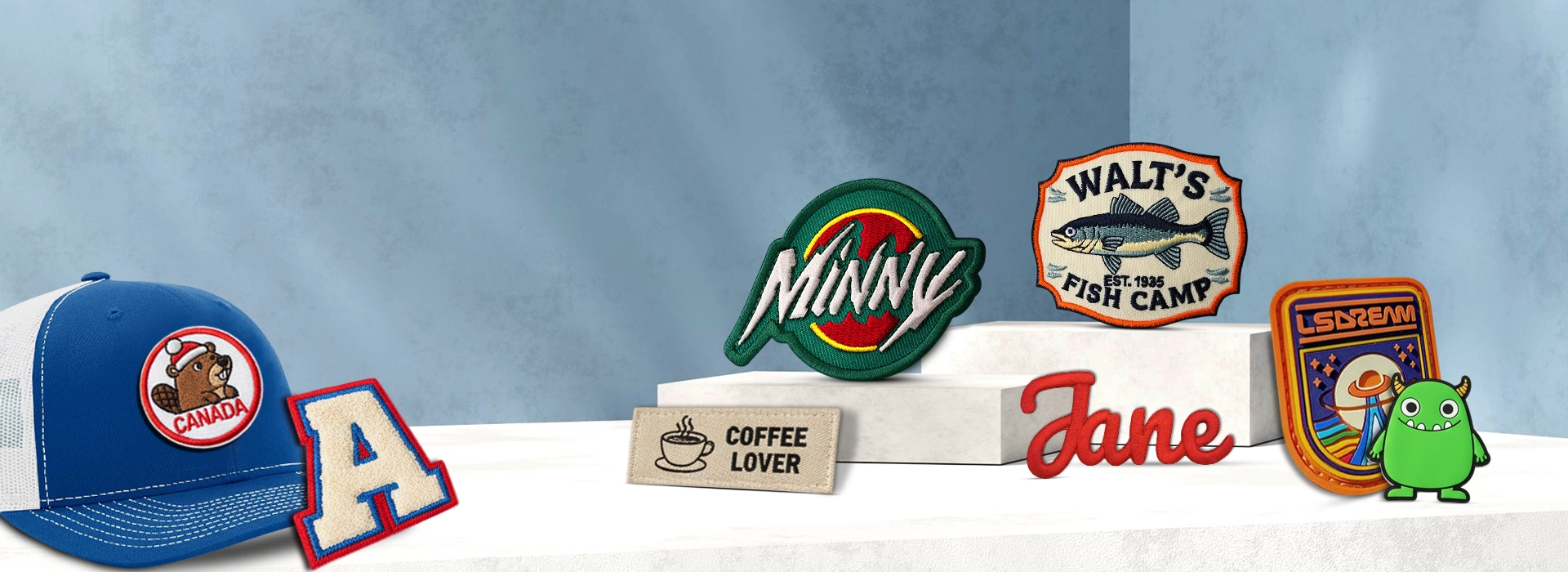
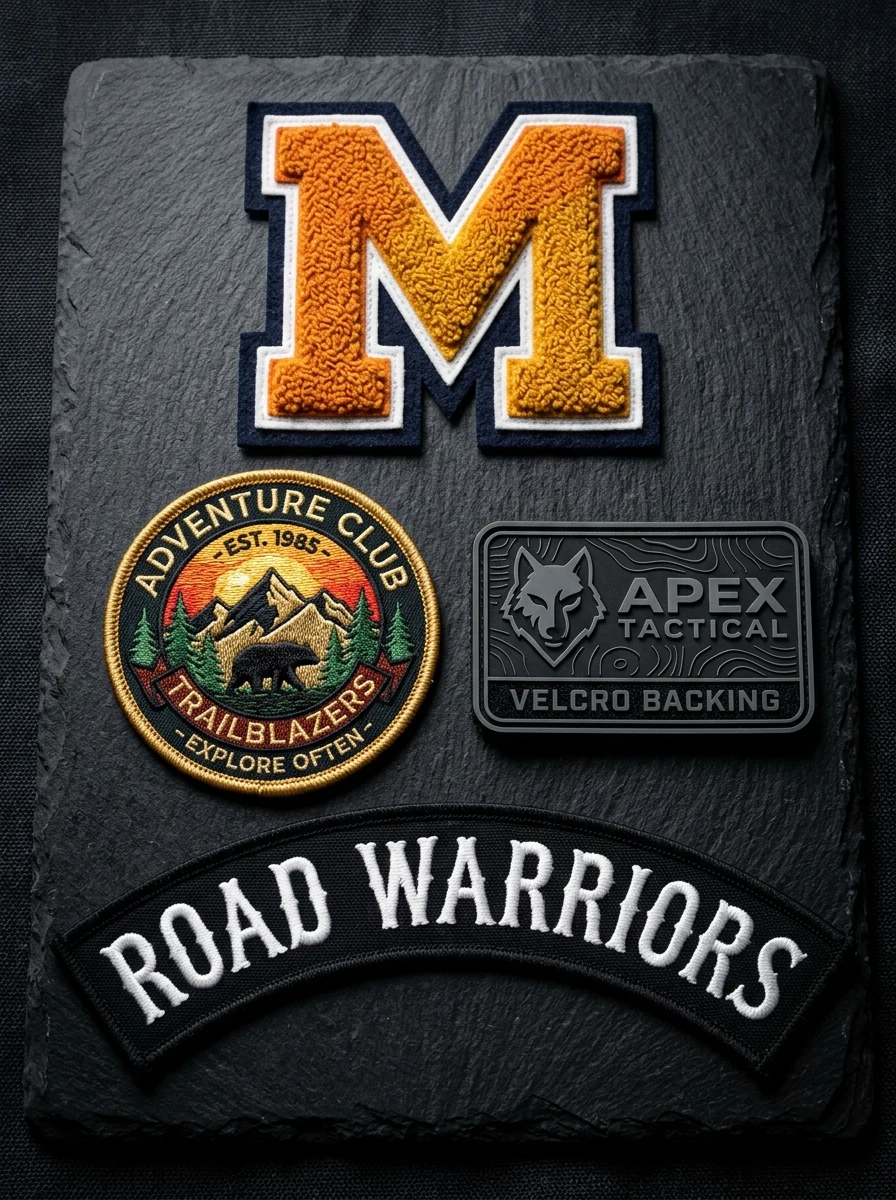
Another reason patches remain appealing is their variety. Different materials and production methods create different finishes. Embroidered patches offer traditional texture, woven patches provide detailed artwork, chenille patches create a raised appearance, and leather patches add a refined touch.
This range of options makes custom patches suitable for casual fashion, contemporary streetwear, workwear, sportswear, and personalized accessories.
Transforming Simple Garments Into Stylish Pieces
One of the biggest advantages of custom patches is their ability to improve the appearance of basic clothing. Plain garments provide a simple foundation that allows decorative details to become more noticeable.
A basic denim jacket can gain personality through an embroidered patch on the back. A plain hoodie can look more distinctive with a small logo on the chest. A simple baseball cap can become a recognizable accessory with a carefully designed patch.
The most effective transformations usually begin with a clear idea of the desired style. Someone who prefers understated fashion may choose a small patch in a complementary color. Someone who enjoys expressive clothing may select a larger design with contrasting colors and detailed artwork.
The patch should work with the garment rather than compete with it. Its size and placement should complement the clothing's proportions while keeping the overall appearance balanced.
Custom patches also make it possible to refresh clothing that already exists in a wardrobe. Instead of purchasing new garments simply to achieve a different look, people can personalize familiar pieces with designs that better reflect their current preferences.
Custom Embroidered Patches for Classic Everyday Fashion
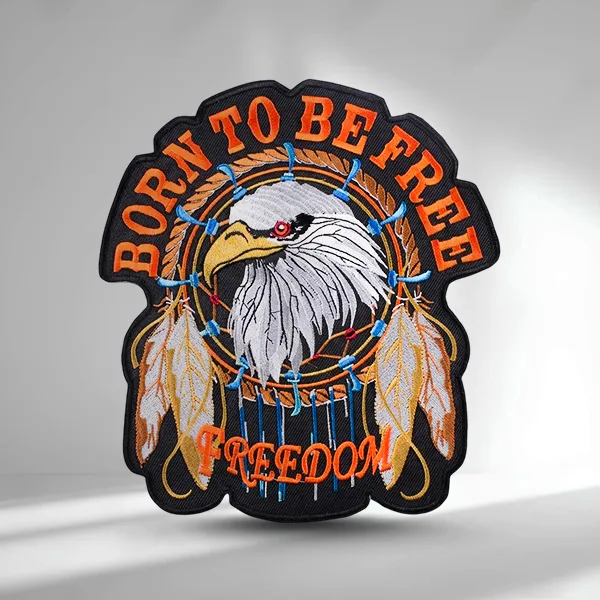
Embroidered patches are among the most versatile choices for customizing clothing. Their stitched construction creates a textured surface that adds depth and visual interest to different fabrics.
These patches can feature logos, lettering, decorative illustrations, symbols, or original artwork. Their appearance ranges from traditional and understated to bold and contemporary, depending on the design.
On denim jackets, embroidered patches can create a classic casual appearance. On sweatshirts and hoodies, smaller designs offer a subtle way to introduce personality. On caps and bags, embroidered logos can provide a recognizable finishing detail.
For clothing businesses, embroidered patches offer a practical way to display brand identities on garments and accessories. A carefully produced logo can create a consistent appearance across different products while adding a textured finish.
When selecting embroidered patches, the complexity of the artwork should match the intended size. Large designs can accommodate more details, while smaller patches generally benefit from clear shapes and readable lettering.
Choosing suitable thread colors and an appropriate border also contributes to a polished result. The finished design should remain easy to recognize and complement the garment's overall appearance.
Woven Patches for Clean and Detailed Designs
Woven patches are an excellent option when a design requires fine details or small lettering. Their construction creates a relatively smooth surface that can reproduce intricate artwork more clearly than some thicker decorative methods.
This makes woven patches suitable for clothing brands that want to display detailed logos or maintain a clean and professional appearance.
A woven patch on a polo shirt can introduce a subtle branding detail. On a casual jacket, it can provide a modern accent without creating excessive texture. Woven patches are also useful for everyday shirts and accessories where a flat finish is preferred.
For individuals who enjoy minimalist fashion, a small woven emblem can add personality while keeping the garment simple. The design can be placed on the chest, sleeve, or pocket to create a restrained visual feature.
Before production, the artwork should be reviewed at its actual size. Small text and thin lines need sufficient clarity to remain recognizable. Careful attention to these details helps ensure that the patch looks attractive once attached to the garment.
Chenille Patches for Bold and Sporty Clothing
Chenille patches are recognized for their soft texture and raised appearance. They are commonly associated with varsity jackets and letterman clothing, where large initials and athletic symbols create a distinctive collegiate look.
Their thick texture makes them particularly suitable for garments that need a noticeable design feature. A large chenille letter on a jacket can become the main visual element, while smaller designs can introduce a sporty accent to a sweatshirt.
Chenille patches can feature initials, numbers, team names, and decorative shapes. They work well with varsity-inspired fashion and can also complement contemporary streetwear.
Placement is important when working with larger chenille designs. The back of a jacket offers space for prominent lettering, while the chest and sleeves may suit smaller details.
The patch should be proportional to the garment. A carefully chosen design can make clothing stand out without requiring multiple decorative elements.
For fashion brands, chenille patches also provide opportunities to create distinctive collections with a recognizable textured finish.
Leather Patches for a Refined Appearance
Leather patches bring a different character to everyday clothing. Their distinctive texture and defined edges can create a premium appearance that works particularly well with denim, workwear, jackets, hats, and canvas accessories.
A leather patch on jeans can introduce a traditional detail. On a denim jacket, it can reinforce a rugged style. On a cap or bag, it can create a refined accent that complements the product's material.
Depending on the material and manufacturing process, leather patches can feature engraved artwork, debossed logos, or printed designs. These options allow businesses and individuals to create personalized details without relying on bright colors or complex stitching.
Clothing brands can use leather patches as a recurring signature feature. A recognizable emblem placed consistently across different products helps establish a cohesive appearance.
Material selection should reflect the intended use of the garment. Genuine leather and alternative leather materials may have different care requirements, so washing instructions and attachment methods should be considered before production.
PVC Patches for Contemporary Streetwear
PVC patches provide a modern alternative to traditional embroidered and woven designs. Their molded construction allows for defined outlines, strong color contrasts, and dimensional details.
These patches can complement streetwear, outdoor clothing, utility-inspired garments, backpacks, and caps. Their appearance works particularly well when a design needs a bold outline or a distinctive graphic effect.
PVC patches can feature logos, symbols, lettering, and custom shapes. Some designs are also available with hook-and-loop backing, allowing users to remove or replace the patch on compatible garments and accessories.
For everyday clothing, PVC patches can create an interesting contrast against plain fabrics. A distinctive patch on a neutral jacket or backpack can become a focal point without requiring additional decoration.
Choosing the right design involves considering flexibility, size, material compatibility, and intended use. The patch should suit the garment and maintain a consistent appearance with the rest of the outfit.
Iron-On Patches for Convenient Customization
Iron-on patches offer a convenient method for personalizing compatible garments. They generally use a heat-activated adhesive that attaches to suitable fabrics when applied according to the manufacturer's instructions.
This makes them useful for people who want to customize denim jackets, jeans, sweatshirts, and certain accessories without sewing every patch by hand.
Iron-on patches are available in many styles, including embroidered designs and decorative logos. Their appearance can range from simple lettering to detailed artwork.
Before application, the garment's care label should be checked carefully. Some fabrics cannot tolerate the necessary heat, and delicate materials may be damaged by unsuitable application methods.
Following the manufacturer's instructions for temperature, pressure, and cooling time helps improve adhesion. For garments that experience frequent washing or heavy wear, additional stitching may be suitable when recommended.
The convenience of iron-on patches makes them attractive for personal projects and certain clothing customization tasks. However, selecting a suitable fabric and following application guidance are essential for achieving a satisfactory result.
Making Denim Jackets Stand Out With Custom Patches
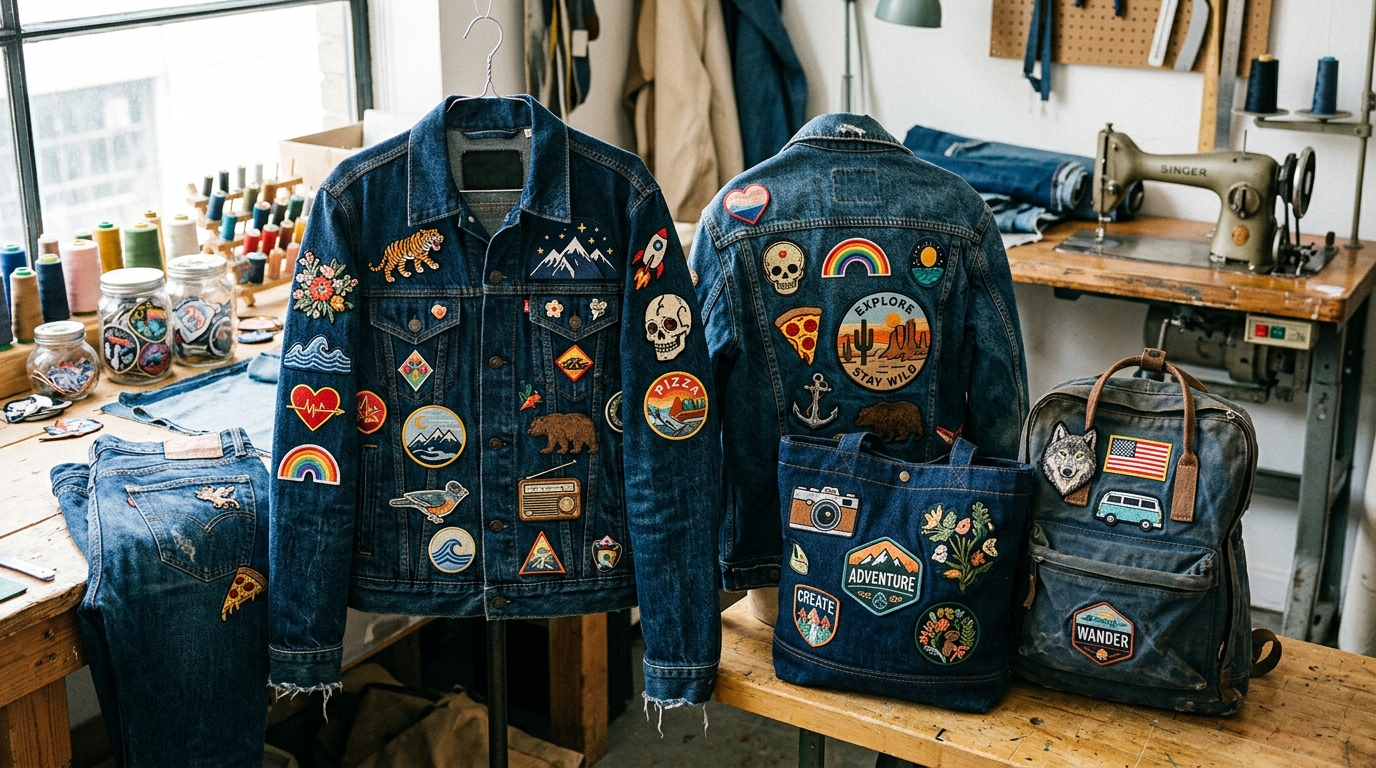
Denim jackets are especially suitable for customization because their sturdy fabric supports many patch styles. Their familiar casual appearance also allows room for both subtle details and bold designs.
A large embroidered patch on the back can become the centerpiece of a jacket. Smaller patches across the sleeves or chest can create a coordinated arrangement. A single patch on the front can also provide a minimalist finish.
The desired style should guide the design. Vintage-inspired jackets may suit traditional embroidered lettering, while modern streetwear designs may benefit from bold graphics and contrasting colors.
Before attaching patches permanently, it is helpful to arrange them on the jacket and evaluate their positions. This allows the wearer to check spacing and make sure the design does not interfere with buttons, pockets, or seams.
A thoughtful layout creates a more intentional appearance. It also helps the garment remain comfortable and practical for everyday wear.
Customizing Hoodies and Sweatshirts
Hoodies and sweatshirts are everyday essentials that can become more distinctive through carefully selected patches. Their simple shapes provide space for decorative details without requiring major changes to the original design.
A small embroidered emblem on the chest creates a subtle branded appearance. A larger patch on the back can introduce a bolder visual element. Sleeve patches can add interest while leaving the front of the garment relatively simple.
Chenille patches are suitable for sporty and collegiate-inspired designs, while woven patches can provide a cleaner finish for logos and small illustrations.
The garment's fabric should influence patch selection. Heavy patches may feel uncomfortable on lightweight sweatshirts, while rigid materials may affect flexibility in certain areas.
Clothing brands can use patches to create consistency across different hoodie designs. A recurring logo or emblem can help customers recognize the collection while allowing each product to feature different colors and garment styles.
Adding Personality to T-Shirts and Casual Shirts
T-shirts and casual shirts offer another opportunity for customization. A small patch near the chest or sleeve can add a distinctive detail without making the garment appear overly decorated.
Woven patches are useful for clean logos and detailed designs, while lightweight embroidered patches can introduce texture. The best choice depends on the fabric's thickness and construction.
Because many T-shirts are made from lightweight or stretchy materials, patch weight and attachment methods deserve special attention. A heavy or rigid patch may affect the way the fabric hangs or moves.
Placement also influences the final appearance. A small patch near the chest creates a familiar branding detail, while a sleeve patch can add a more subtle element.
For clothing businesses, patches can provide a recognizable feature that appears across different products. This helps create a consistent brand identity without requiring every garment to use the same overall design.
Custom Patches for Hats and Everyday Accessories
Custom patches are not limited to garments. Hats, backpacks, tote bags, and other accessories provide additional opportunities to introduce distinctive design elements.
An embroidered patch on a cap can create a classic casual look. A leather patch can add a refined appearance, while a PVC patch can complement modern outdoor accessories.
Backpacks and tote bags offer more room for larger designs or multiple coordinated patches. A consistent color palette can help connect these accessories with jackets, sweatshirts, and other clothing.
For businesses, branded accessories can extend visual recognition beyond traditional apparel. A distinctive patch on a cap or bag allows the brand to appear on products that customers may use regularly.
The patch material and attachment method should match the accessory's construction. Items that experience frequent handling or exposure to outdoor conditions may require suitable materials and secure attachment.
Expressing Personal Identity Through Clothing
Fashion is a way to communicate personality and interests. Custom patches make this expression more visible by allowing people to incorporate meaningful designs into their everyday wardrobes.
Some people choose patches inspired by travel, music, sports, outdoor activities, or creative hobbies. Others prefer initials, abstract symbols, and original artwork that complements their preferred clothing style.
A patch can also represent a meaningful experience or shared memory. When attached to a favorite jacket or bag, it can become part of the item's personal story.
The most effective designs reflect the wearer's preferences rather than following trends without consideration. A patch that feels authentic is more likely to remain appealing over time.
Personalization also encourages creativity. People can experiment with placement, color combinations, and different patch materials to create clothing that feels unique while remaining practical.
Custom Patches for Clothing Brands and Small Businesses
For clothing brands and small businesses, custom patches offer a flexible way to create distinctive products. A recognizable emblem can appear across jackets, shirts, caps, bags, and other merchandise.
Patches can also support limited-edition collections, collaborative products, and special event merchandise. Different materials allow brands to match each design to the collection's overall identity.
Embroidered patches may suit traditional apparel brands, while woven patches can complement minimalist clothing. Chenille patches work well with varsity-inspired collections, and leather patches can reinforce a heritage-focused appearance.
Consistency is essential when patches are used for branding. Businesses should maintain approved logos, accurate colors, and clear production specifications to ensure that every patch represents the brand correctly.
Quality is equally important. Clean stitching, suitable materials, and secure attachment help create a professional finish that reflects the overall quality of the garment.
When used thoughtfully, custom patches can help businesses establish recognizable details without changing the entire construction of their products.
Choosing the Right Patch Size and Placement
The size and placement of a patch can determine whether a customized garment looks balanced or overcrowded.
Small patches are suitable for subtle branding and minimalist fashion. They can be placed on the chest, sleeve, pocket, or waistband to introduce a restrained decorative detail.
Medium-sized patches provide more space for illustrations and lettering. They work well on jackets and sweatshirts where the design should remain visible without dominating the garment.
Large patches often serve as focal points on the backs of jackets or other prominent areas. Their size can create a bold statement, but the design should remain proportional to the garment.
Placement should also account for movement and comfort. Areas that bend frequently or experience friction may require special consideration when choosing patch materials and attachment methods.
Before applying a patch permanently, position it temporarily and review its appearance from different angles. This helps identify spacing problems and makes it easier to achieve the desired result.
Matching Patch Colors With Everyday Outfits
Color coordination helps custom patches complement the clothing rather than appear disconnected from it.
Neutral patches on neutral garments can create a clean and refined appearance. A dark patch on a light jacket provides contrast while maintaining a relatively understated style.
Brighter colors can be useful when the patch is intended to attract attention. Colorful embroidery on denim or a bold PVC emblem on a neutral backpack can create a more expressive look.
Clothing brands may benefit from repeating signature colors across different patches and products. This creates a consistent visual identity and helps customers recognize the brand.
It is important to consider how the patch colors appear against the actual fabric. Reviewing artwork before production or examining a sample can help prevent unexpected differences in color and contrast.
A well-coordinated design makes the patch feel like a natural part of the garment rather than an unrelated decoration.
Maintaining Custom Patches for Long-Term Use
Proper care helps preserve the appearance of customized clothing. Different materials and attachment methods may require different cleaning procedures, so following the manufacturer's recommendations is important.
Turning garments inside out before washing can help reduce friction against embroidered and woven surfaces. Gentle washing methods may also be appropriate for delicate designs.
Leather and specialty materials may require additional care. Excessive heat and unsuitable cleaning products can affect their texture or appearance. PVC patches should also be maintained according to the manufacturer's instructions.
It is useful to inspect patch edges periodically for loose stitching or signs of adhesive failure. Repairing small problems early can help prevent the patch from becoming detached.
For frequently worn garments, durability should be considered before purchasing or producing patches. Suitable materials and secure attachment methods can reduce maintenance and help the clothing remain presentable.
Common Mistakes to Avoid When Using Custom Patches
One common mistake is adding too many patches without a clear design plan. Although heavily decorated clothing can suit certain styles, excessive decoration may make the garment look crowded.
Another mistake is choosing a patch that does not suit the fabric. A heavy patch on a lightweight shirt may affect comfort, while an unsuitable adhesive may fail during normal use.
Poor color coordination can also reduce the effectiveness of a design. Patches should either complement the garment's existing colors or provide deliberate contrast that supports the intended appearance.
Overly complicated artwork is another potential problem. Small lettering and intricate details may become difficult to recognize when reproduced at a small size. Simplifying the design can often improve clarity.
Ignoring care requirements can also reduce the life of customized clothing. Understanding how the garment should be washed and maintained helps protect both the patch and the fabric.
Avoiding these mistakes makes it easier to create garments that look stylish and remain practical for everyday use.
Custom Patches and Sustainable Wardrobe Choices
Custom patches can support more thoughtful use of existing clothing. A garment that feels plain or outdated may gain renewed appeal through a carefully selected design.
Instead of replacing a favorite jacket because its appearance has become familiar, someone can personalize it with an embroidered emblem or decorative patch. This may extend the garment's usefulness and reduce unnecessary purchases.
Patches can also contribute to creative repairs when used appropriately. A suitable patch may cover a small area of damage or reinforce a decorative feature, although structural damage may require a separate repair.
For clothing businesses, durable patch designs can contribute to products intended for repeated use. Selecting appropriate materials and creating timeless designs can support a more practical approach to clothing customization.
The environmental benefits depend on the materials, manufacturing methods, and useful life of the garment. However, refreshing existing clothing can be one way to make a wardrobe more versatile.
The Future of Custom Patches in Everyday Fashion
Custom patches continue to provide opportunities for creativity as fashion preferences evolve. Developments in embroidery, weaving, molded materials, and production techniques allow designers to explore new shapes, textures, and decorative effects.
Minimalist logos, detailed illustrations, varsity lettering, and contemporary graphics can all be adapted into patch designs. This flexibility allows patches to complement different clothing categories and personal styles.
Businesses can also use patches to develop recognizable product details, personalized merchandise, and distinctive collections. Individuals can experiment with different materials and placements to create garments that reflect their interests.
As fashion continues to combine practicality with self-expression, custom patches remain a useful way to refresh familiar clothing. Their long-term appeal comes from the ability to create designs that suit different tastes and applications.
The most successful results depend on thoughtful design, suitable materials, and appropriate placement rather than simply following temporary trends.
Conclusion
Custom patches make everyday clothing stand out by adding personality, texture, and visual interest to simple garments. From denim jackets and hoodies to T-shirts, sweatshirts, hats, and bags, they provide a flexible way to create a more distinctive appearance.
Embroidered patches offer a classic textured finish, woven patches support detailed artwork, chenille designs create a bold sporty look, leather patches add a refined touch, and PVC patches introduce a contemporary alternative. Choosing the right style helps ensure that the patch complements the garment and the intended fashion statement.
Successful customization involves more than selecting an attractive design. Size, placement, color coordination, fabric compatibility, attachment methods, and proper care all contribute to the finished result.
For individuals, custom patches offer a practical way to express personal identity and refresh familiar clothing. For clothing brands and businesses, they provide another method of building brand recognition and creating distinctive apparel.
Ultimately, transforming simple clothing into something stylish does not require a complete wardrobe change. A thoughtfully designed patch made with suitable materials and placed in the right position can turn an ordinary garment into a memorable piece that reflects personal taste and creativity.