Introduction
A great outfit does not always depend on expensive clothing, luxury brands, or the latest fashion trends. Often, what makes an outfit memorable is the way small details come together. A carefully chosen accessory, a distinctive texture, or a contrasting design can turn a simple combination of clothes into something that attracts attention.
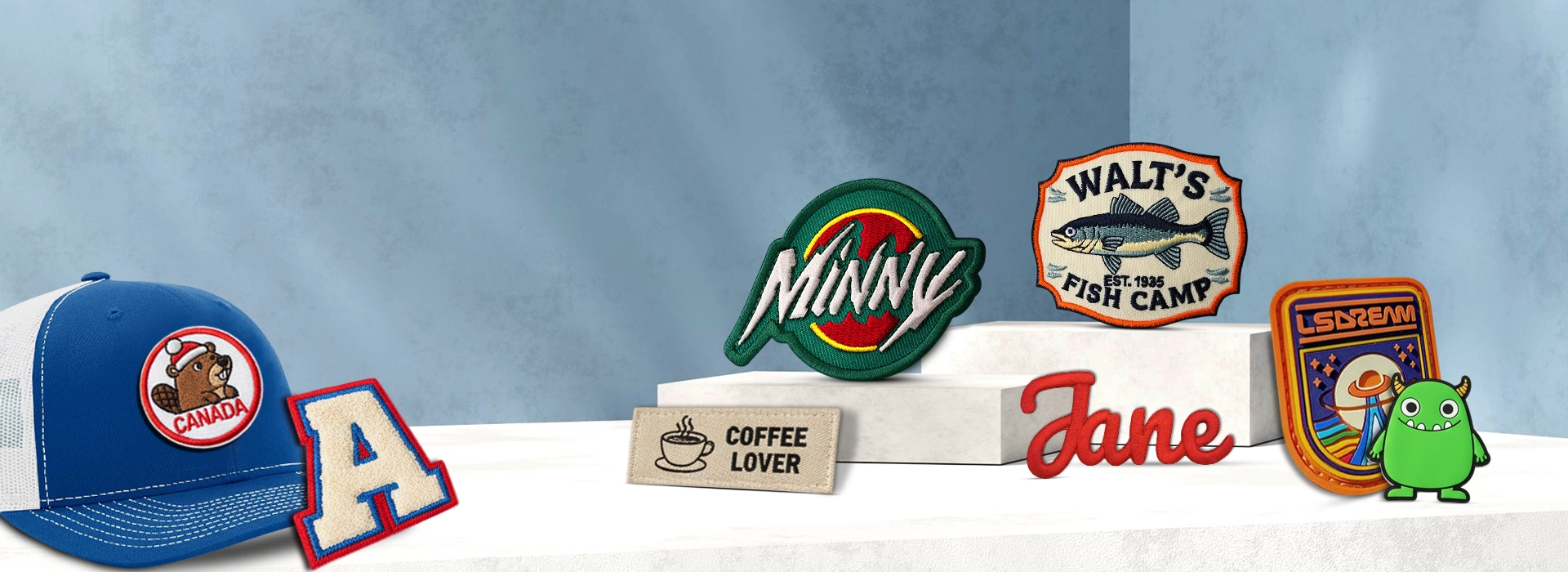
Custom patches are an excellent way to create that difference. These versatile decorative pieces can add color, character, and individuality to almost any casual garment. A plain denim jacket can become a bold statement piece, a simple hoodie can gain personality, and an ordinary backpack can become a creative accessory.
Custom patches also provide an opportunity to explore different fashion aesthetics. Some people prefer subtle embroidery that complements their existing wardrobe, while others enjoy expressive graphics, vibrant colors, and multiple patches arranged together.
Because patches come in different materials, sizes, and designs, they can be adapted to suit a wide range of styles. They can also help refresh older clothing, making familiar garments feel new again.
In this article, we will explore how custom patches make outfits stand out, how to style them effectively, and how to transform basic clothing into bold, personalized fashion.
From Basic to Bold: Understanding the Impact of Custom Patches
Basic clothing provides a useful foundation for building outfits. Plain shirts, jeans, jackets, and hoodies are easy to combine and suitable for many occasions. However, wearing simple garments does not mean personal style has to remain ordinary.
Custom patches introduce visual interest without requiring a complete wardrobe makeover.
Creating an Instant Focal Point
Every strong outfit benefits from a focal point: an element that naturally attracts attention.
A large embroidered patch on the back of a denim jacket can become the centerpiece of the look. A colorful design on a plain hoodie can create a focal point near the chest, while a small patch on a cap can add a distinctive finishing detail.
The most effective focal point depends on the garment and the intended aesthetic. A single statement patch often works well when the rest of the outfit is relatively simple.
Adding Personality to Neutral Clothing
Neutral colors such as black, white, gray, navy, and beige are popular because they are easy to style.
However, these colors can sometimes make an outfit feel plain. Custom patches offer a way to introduce color and personality while preserving the versatility of neutral clothing.
A white embroidered design on a black jacket creates a clean contrast. A bright red patch on gray clothing can add energy, while a muted floral design on beige fabric may create a softer appearance.
The right patch can help a neutral outfit feel more intentional and expressive.
Choosing Bold Patch Designs That Reflect Your Style
The design of a patch strongly influences the overall impression of an outfit.
Graphic and Illustrative Designs
Illustrated patches can feature original artwork, abstract shapes, animals, nature, or other visual themes.
These designs work well for people who want their clothing to feel creative and distinctive.
A jacket with a few coordinated illustrations can create an artistic look, while a single graphic patch may provide a more restrained statement.
Typography and Lettering
Text-based patches can introduce names, initials, short phrases, or meaningful words.
They are particularly useful when the goal is to create a clean, recognizable design.
For the best result, choose lettering that remains readable at the intended size. Consider the font, thread color, and available space before finalizing the design.
Vintage-Inspired Emblems
Classic lettering, retro illustrations, and traditional emblem shapes can give clothing a nostalgic character.
These designs work especially well on denim jackets, canvas bags, and casual outerwear.
Pairing vintage-inspired patches with simple garments can help create a balanced outfit that feels distinctive without being overly complicated.
Textured and Dimensional Patches
Some patches stand out because of their construction rather than their colors.
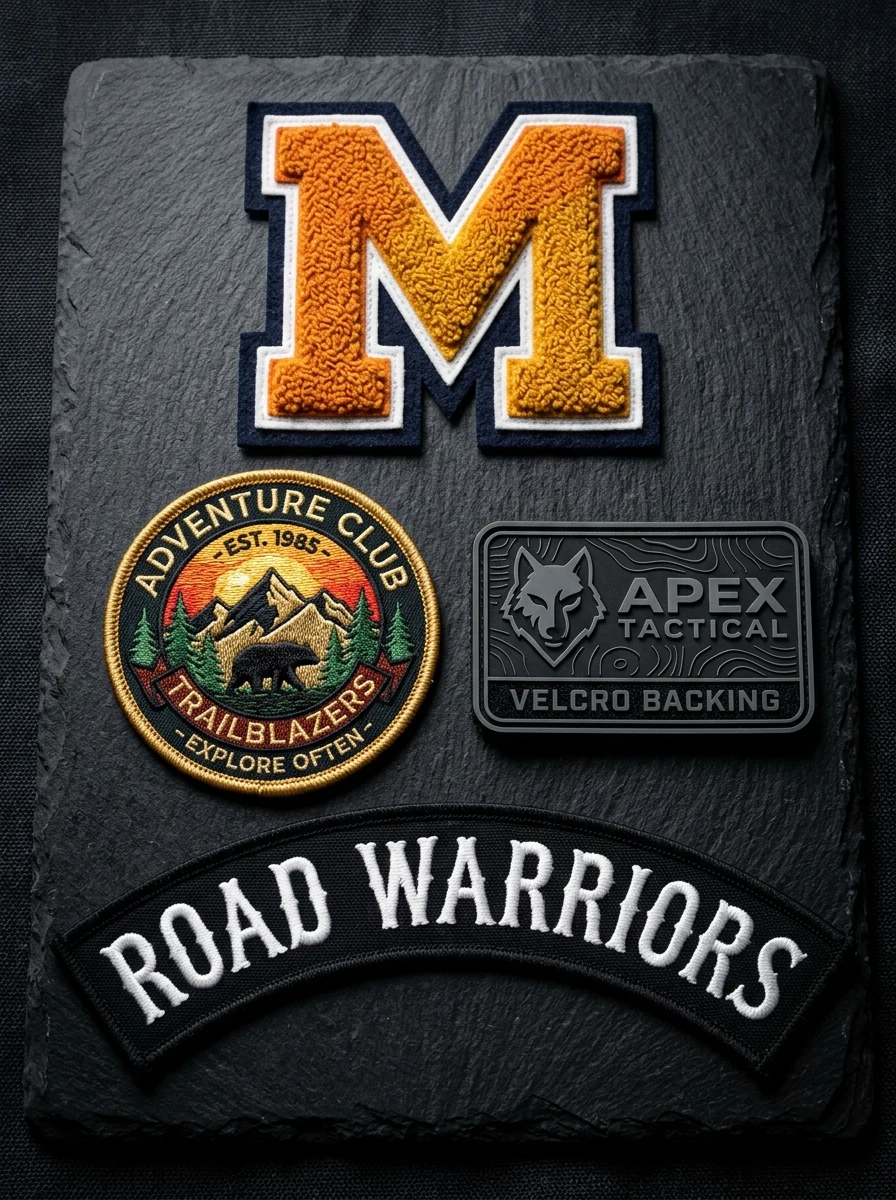
Embroidered patches provide raised stitching, while chenille designs offer a soft, textured appearance. Leather and faux-leather patches create a more structured finish.
Choosing an appropriate texture can make an outfit visually interesting even when the color palette remains restrained.
3. Styling Custom Patches on Denim Jackets
Denim jackets provide an excellent surface for bold customization.
Their casual appearance and sturdy construction make them suitable for many patch styles, from subtle embroidery to larger statement designs.
The Single-Statement Approach
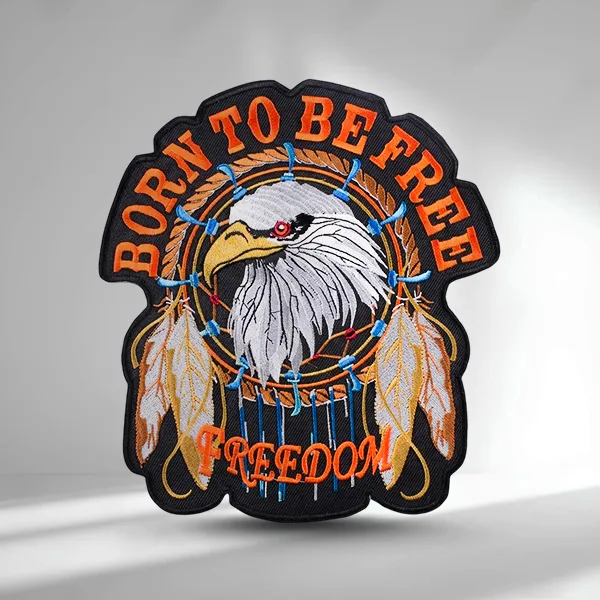
For a simple but striking look, choose one large patch for the back of the jacket.
The design might feature original artwork, a distinctive emblem, or a graphic that reflects your interests.
Keep the remaining areas relatively simple so the main design receives attention.
This approach is useful for people who want a bold result without covering the entire jacket in decoration.
The Coordinated Collection Approach
Another option is to use several patches that share a common theme.
For example, a collection of nature-inspired designs can create a cohesive artistic look. A group of retro graphics can complement vintage fashion, while coordinated typography and symbols may suit streetwear.
Before attaching the patches, arrange them on the jacket and review the overall spacing.
Creating an Asymmetrical Design
Patches do not always need to be arranged evenly. An asymmetrical layout can introduce movement and make the jacket feel more creative.
For example, a larger design on one side can be balanced by two smaller patches on the opposite sleeve.
The arrangement should still feel intentional. Consider the garment's seams, pockets, and silhouette to avoid creating an overcrowded appearance.
Making Everyday Streetwear More Expressive
Streetwear often combines casual clothing with distinctive graphics, relaxed silhouettes, and accessories that reflect individual identity.
Custom patches can support this style by adding original artwork and visual contrast.
Patches on Hoodies
A hoodie with a small chest patch can look clean and understated. A sleeve patch can introduce a modern detail, while a larger back design can create a stronger statement.
For a coordinated streetwear outfit, pair a customized hoodie with simple trousers and sneakers. Let the patch provide visual interest instead of adding competing graphics to every item.
Patches on Casual Trousers
Small patches can also introduce character to jeans and casual trousers.
A design near the pocket or lower leg may be enough to change the appearance of the garment. For a more expressive look, several coordinated patches can be used.
Because trousers bend and move frequently, pay attention to placement and attachment quality.
Completing the Look with Accessories
A customized cap or backpack can reinforce the theme of an outfit.
For example, a jacket featuring graphic patches may pair well with a cap carrying a small emblem in a complementary color.
Repeating one or two visual elements creates consistency without requiring every item to match exactly.
Using Color Contrast to Make Patches Stand Out
Color is one of the most effective ways to influence the appearance of an outfit.
High-Contrast Combinations
A bright patch against a dark garment can immediately draw attention.
Red, yellow, white, and vibrant blue can stand out against black or navy fabric. Conversely, dark embroidery may provide a subtle contrast against lighter clothing.
High contrast is useful when the goal is to make a patch the main feature of the outfit.
Coordinated Color Palettes
Bold fashion does not always require clashing colors.
Selecting patches that repeat shades already present in the outfit can create a cohesive appearance.
For example, a jacket with blue and white patches can pair well with jeans and a white T-shirt. A beige garment with olive and brown details can complement an earthy color palette.
Monochrome Styling
Black, white, and gray patches can create a striking appearance without introducing multiple colors.
Monochrome designs work particularly well for minimalist fashion, modern streetwear, and outfits built around neutral clothing.
They demonstrate that contrast and design can make an impact even when the color palette is limited.
Transforming Old Clothes into Bold New Outfits
One of the most practical uses of custom patches is updating garments that already exist in a wardrobe.
A jacket that feels outdated can gain a fresh appearance through a new design. An old backpack can become more distinctive, while a plain hoodie can be personalized to reflect changing interests.
Refreshing Faded Denim
Faded denim often works well with embroidered patches because its texture provides a natural background for decorative details.
A few well-placed designs can help an older jacket feel more contemporary or give it a vintage-inspired appearance.
Choose patch colors that complement the denim wash and consider whether the desired result is understated or expressive.
Covering Minor Cosmetic Damage
Patches can sometimes cover small marks or worn areas when the surrounding fabric remains strong.
However, a patch should not be expected to repair extensive tearing or severely weakened fabric. In those cases, more substantial repair may be necessary.
Select a patch large enough to cover the intended area and use an attachment method suitable for the garment.
Building a More Flexible Wardrobe
Customizing existing clothing creates more styling possibilities without requiring a completely new collection of garments.
A simple jacket can become suitable for different looks depending on how it is personalized and what it is paired with.
This flexibility can help people experiment with fashion while making greater use of clothing they already own.
How to Choose the Right Patch Size and Placement
Even an attractive patch may not look effective if it is poorly positioned.
Small Patches for Subtle Details
Small designs work well on shirt pockets, sleeves, caps, and the upper chest.
They are suitable for people who prefer a clean appearance and want personalization to remain relatively understated.
Medium Patches for Everyday Styling
Medium-sized patches can introduce visible character without dominating the garment.
They often work well on denim jackets, hoodies, and canvas bags.
Large Patches for Statement Looks
Large patches can become the central feature of jackets and other garments with enough available surface area.
Because they attract attention, it is generally helpful to keep nearby details relatively simple.
Testing Placement Before Attachment
Before sewing or applying a patch, position it on the garment and assess how it looks from different angles.
Check the spacing around seams, pockets, buttons, and zippers. Taking a photograph can help reveal whether the arrangement feels balanced.
Selecting Materials That Suit Your Outfit
Patch materials affect both appearance and practicality.
Embroidered Patches
Embroidered patches feature textured stitching and work well for symbols, lettering, and traditional designs.
They are particularly suitable for denim jackets and other sturdy garments.
Woven Patches
Woven patches can reproduce small lettering and fine details with a relatively smooth finish.
They are useful when the design requires greater detail than conventional embroidery can easily provide.
Printed Patches
Printed patches support detailed artwork and colorful illustrations.
They can be useful for designs that include gradients or complex images.
Iron-On and Sew-On Patches
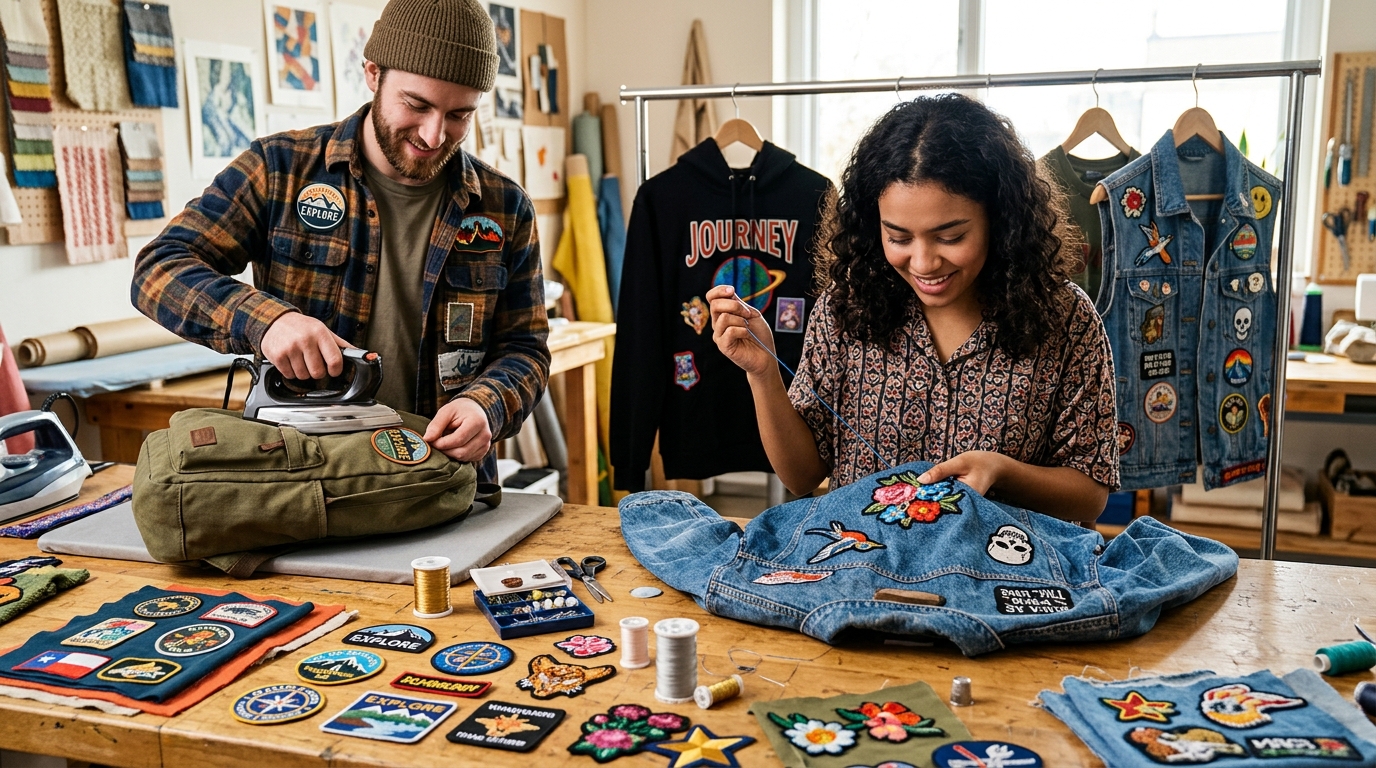
Iron-on patches offer convenience when the fabric tolerates the required heat. Sew-on patches may provide a more secure attachment for heavy garments or items that undergo frequent washing.
Some patches can be attached using both methods.
Always follow the manufacturer's instructions and check fabric compatibility before beginning the process.
Keeping Bold Fashion Comfortable and Practical
A distinctive outfit should still be comfortable and appropriate for its intended use.
Avoid placing patches where they interfere with movement, pockets, or essential garment functions. Consider the patch's weight and texture, especially when customizing lightweight shirts.
For clothing exposed to frequent washing, choose suitable materials and durable attachment methods.
If the garment has a professional, protective, or safety-related purpose, ensure that customization does not interfere with required features or identification.
These practical considerations help preserve both the appearance and usefulness of the finished garment.
Common Mistakes When Creating a Bold Look
One mistake is assuming that more patches automatically produce a better result. A large collection can look effective when coordinated, but unrelated designs may compete for attention.
Another mistake is ignoring the garment's original color and shape. A patch should complement the clothing unless a deliberate contrast is part of the design.
Poor placement can also affect the finished result. Patches that overlap seams or sit too close together may look cramped.
Finally, do not overlook maintenance. Heat, moisture, friction, and washing can affect different materials, so follow the relevant care instructions.
Conclusion
Custom patches make it possible to transform basic outfits into bold, personalized fashion without replacing an entire wardrobe. They introduce visual contrast, texture, color, and individuality to everyday garments while creating opportunities for creative expression.
From denim jackets and hoodies to jeans, hats, and backpacks, patches can complement almost any casual style. A single statement design can create a striking focal point, while several coordinated patches can build a more expressive look.
The key is to choose designs that reflect your personality, suit the garment, and create a balanced appearance. With thoughtful placement and appropriate materials, even a simple outfit can become memorable.
Ultimately, standing out in fashion is not necessarily about wearing more or spending more. It is about making thoughtful choices that reflect who you are. Custom patches make that process accessible, creative, and personal—turning everyday clothing from basic to bold.