Everyday clothing does not have to look ordinary to be comfortable and practical. Simple T-shirts, denim jackets, hoodies, jeans, caps and tote bags can become stylish fashion pieces with the right details. One of the easiest ways to achieve this transformation is through custom patches. These decorative pieces allow people to express their personality and improve the appearance of their clothing without replacing their entire wardrobe.
Custom patches have become a popular choice for people who want to make basic outfits look more interesting. They offer creative possibilities for personal fashion and provide a simple way to refresh garments that may otherwise feel outdated. From embroidered designs to colorful woven artwork and modern printed graphics, custom patches can suit different clothing styles and personal preferences.
Understanding the Appeal of Custom Patches
Fashion often depends on the small details that make an outfit memorable. A plain denim jacket may look similar to thousands of other jackets. Adding a carefully selected custom patch can give it a distinctive appearance and make it feel more personal.
Custom patches are decorative designs created for specific preferences or purposes. They can feature symbols, lettering, illustrations, artwork, brand identities or meaningful messages. Because these designs can be personalized, they allow individuals to choose details that reflect their interests and fashion sense.
Their appeal comes from their versatility. A single patch can add color to a neutral outfit or introduce texture to a simple garment. Multiple patches can create a bold statement while a small design can provide a subtle finishing touch.
Custom patches also allow people to experiment with their style without making major changes to their existing clothing. Instead of purchasing a completely new jacket or bag, they can update an item they already own.
Turning Plain T-Shirts Into Stylish Outfits
Plain T-shirts are essential wardrobe items because they are easy to wear and combine with different clothing pieces. However, a basic T-shirt can sometimes look repetitive when worn frequently. Custom patches offer a creative way to give these simple garments a fresh appearance.
A small embroidered patch on the chest can create a clean and understated look. A colorful design near the sleeve can add a playful detail. Larger graphics can transform a basic T-shirt into a statement piece that attracts attention.
The placement of a patch can influence the overall appearance of the garment. Designs near the chest often create a balanced look while sleeve patches can add interest without making the front of the shirt feel crowded. For a more artistic appearance, patches can be arranged across the back.
Color coordination is also important. A neutral T-shirt can work well with a bright patch that creates contrast. A colorful shirt may look better with a design that complements its existing shades.
Choosing the right patch allows people to maintain the comfort of their favorite T-shirts while introducing a more personalized fashion element.
Giving Denim Jackets a Modern Makeover
Denim jackets are particularly suitable for custom patches because their sturdy fabric provides a useful surface for decorative designs. They have remained popular across different fashion trends and can work with casual outfits throughout the year.
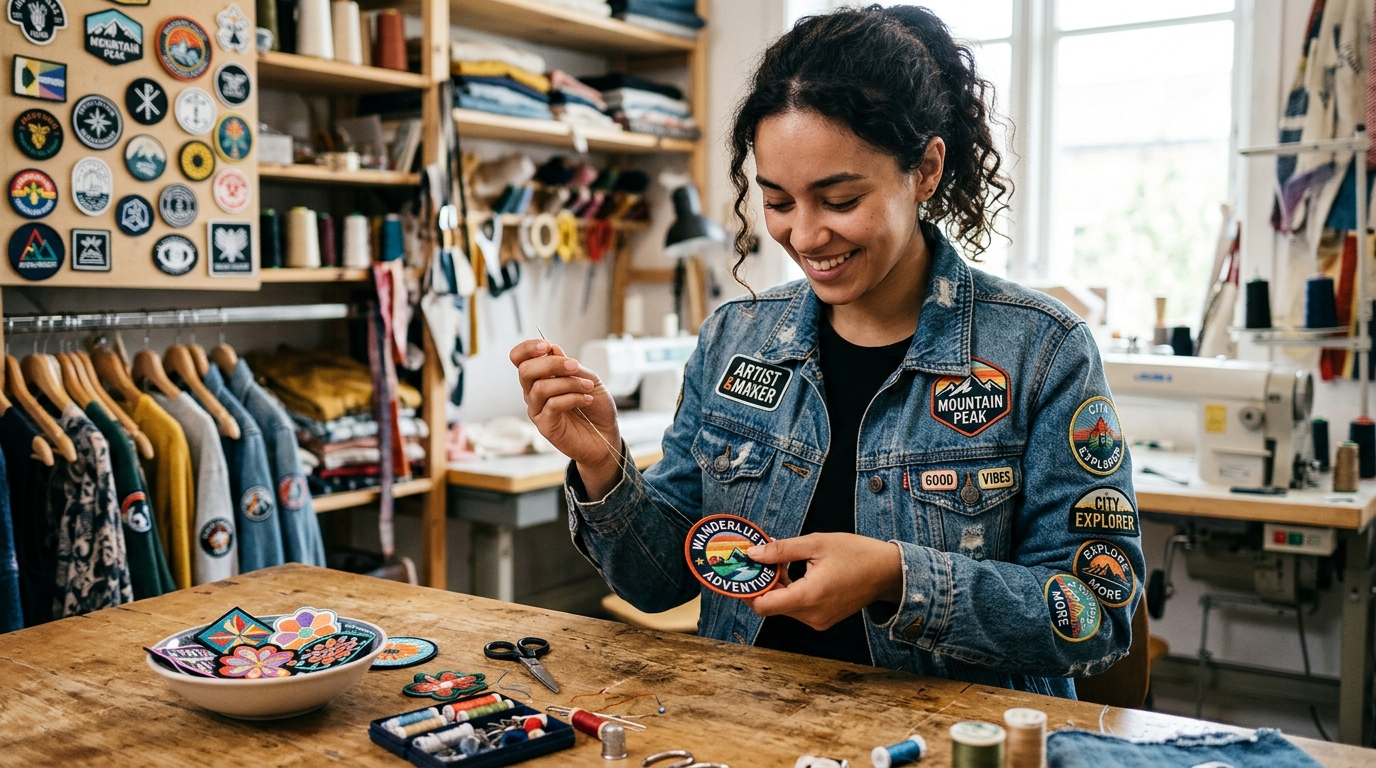
A plain denim jacket can be transformed with embroidered flowers, creative lettering, abstract artwork or themed designs. A single patch can create a minimal look while a collection of coordinated patches can give the jacket a more expressive appearance.
The back panel is often a suitable place for a larger design because it provides enough space for detailed artwork. Smaller patches can be placed on the chest pockets, sleeves and front panels to create a coordinated arrangement.
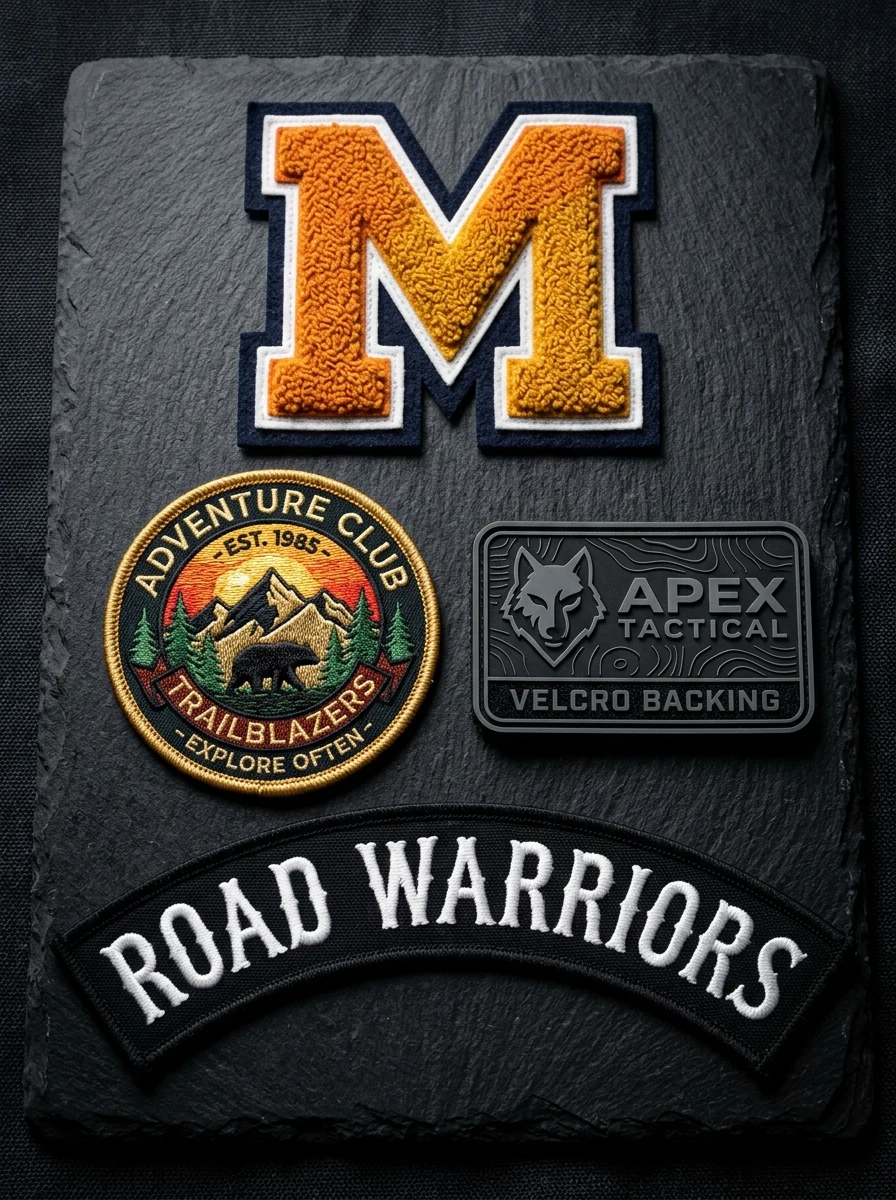
The choice of patch material can also influence the final result. Embroidered patches provide texture and a classic appearance. Woven patches can accommodate fine details and smaller lettering. Printed patches can reproduce colorful artwork and complex illustrations.
When customizing a denim jacket, it is helpful to consider the garment's wash and color. Light denim can complement darker designs while dark denim can provide a strong background for bright artwork.
The goal is to create a jacket that feels distinctive without losing its everyday practicality.
Making Hoodies More Fashionable With Custom Patches
Hoodies are valued for their comfort and relaxed appearance. They are suitable for casual outings, travel, school activities and everyday wear. Custom patches can add a personal touch while preserving the relaxed character that makes hoodies appealing.
A small patch near the chest can create a simple and polished look. Sleeve patches can make a hoodie more distinctive without changing its overall design. Larger patches can introduce a stronger visual feature when the goal is to create a bold casual outfit.
Minimalist designs work well for people who prefer understated clothing. Graphic symbols and colorful artwork can suit those who enjoy expressive fashion.
Material selection matters when customizing hoodies. Soft garments may stretch during wear and washing so the patch should be suitable for the fabric. Lightweight patches can be more appropriate for thinner materials while sturdy options may work well with heavier hoodies.
Attachment methods should also be chosen carefully. Sewing can provide a durable finish when performed correctly. Iron-on patches may be convenient for suitable fabrics but the garment's care label should always be checked before applying heat.
With thoughtful placement and suitable materials custom patches can make an ordinary hoodie feel more individual and stylish.
Refreshing Jeans With Creative Patch Designs
Jeans are another practical clothing item that can benefit from customization. Even a familiar pair of denim jeans can develop a different appearance when decorated with carefully selected patches.
Small patches can be placed near the pockets or along the lower legs for a subtle effect. Larger patches can add visual interest to selected areas of the denim. Designs can also be used to cover certain worn areas when the fabric underneath remains suitable for repair.
Custom patches can support many different styles. Floral artwork can create a softer look while geometric shapes can provide a modern appearance. Vintage-inspired graphics may complement classic denim while colorful designs can give casual outfits more personality.
Balance is important when choosing patch placement. A few carefully arranged designs can look intentional and coordinated. Too many unrelated graphics may make the garment feel visually crowded.
The color of the jeans should also influence the choice of patches. Dark denim can work well with bright or light-colored designs while faded denim can complement vintage-inspired artwork.
Customizing jeans offers an opportunity to refresh familiar clothing and create a look that feels different from standard retail designs.
Adding Personality to Caps and Everyday Accessories
Custom patches are not limited to shirts and jackets. Caps, backpacks and tote bags can also become more distinctive through personalized designs.
A small patch on a cap can introduce a recognizable symbol or a simple graphic. Because caps have limited space, compact designs with clear shapes and readable details often work best.
Backpacks provide more room for creativity. Patches can reflect hobbies, travel experiences, favorite themes or personal interests. A coordinated collection can create a recognizable appearance while individual designs can make the accessory feel more spontaneous.
Tote bags can also benefit from decorative patches. A plain fabric tote can become a personalized accessory for shopping, commuting or casual outings. A simple design may create a clean appearance while several complementary patches can produce a more artistic result.
The fabric and intended use of the accessory should guide the choice of patch. Items that receive frequent handling may require durable materials and secure attachment methods.
By extending customization beyond clothing, people can create a consistent style across their everyday wardrobe and accessories.
Choosing the Right Type of Custom Patch
Selecting an appropriate patch is an important part of achieving a stylish result. Different patch types offer different visual qualities and practical advantages.
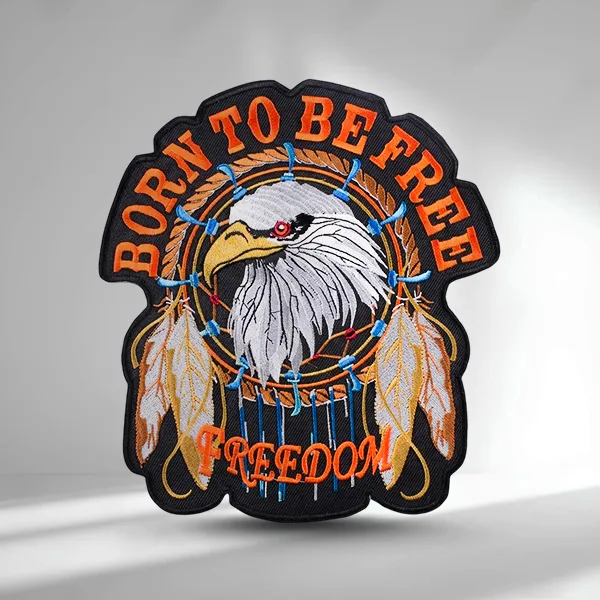
Embroidered patches are known for their textured stitching. They can create a traditional appearance and work well for bold symbols, logos and simple illustrations. Their raised texture adds depth to clothing and accessories.
Woven patches use finer threads to produce detailed designs. They can be suitable for small text, delicate lines and artwork that requires greater definition. Their flatter surface can also work well on garments where excessive thickness is undesirable.
Printed patches allow complex graphics and multiple colors to be reproduced on a surface. They are useful when the design contains gradients, detailed illustrations or photographic elements that may be difficult to represent through stitching alone.
Chenille patches have a soft and textured appearance that is often associated with varsity jackets and collegiate-inspired clothing. They can create a bold decorative feature on suitable garments.
Leather and faux leather patches can provide a clean and structured finish. They are often used on denim, caps, bags and casual outerwear.
The best option depends on the design, garment fabric, desired appearance and intended use. A patch should complement the clothing rather than compete with its overall style.
Understanding Patch Placement and Visual Balance
The position of a custom patch can make a significant difference to the finished garment. Even a well-designed patch may look out of place when positioned without considering the clothing's shape and existing details.
Chest placement is suitable for small designs that need to remain visible without dominating an outfit. Sleeve placement can introduce a subtle decorative element and may work well with jackets and hoodies.
Back placement allows larger artwork to become a central feature. It is particularly useful for denim jackets and other garments with broad uninterrupted panels.
Pocket placement can create a compact detail that feels integrated into the garment. Lower-leg placement on jeans can also add interest while keeping the upper part of the outfit simple.
Before attaching a patch permanently it is helpful to position it temporarily and examine the garment from different angles. This makes it easier to evaluate scale, alignment and spacing.
The design should be proportionate to the garment. A very large patch may overwhelm a small accessory while a tiny design may become difficult to notice on a large jacket panel.
Good placement creates a deliberate appearance and helps custom patches look like a natural part of the clothing.
Using Color to Improve Everyday Fashion
Color is one of the most effective ways to make basic clothing more visually interesting. Custom patches can introduce contrast or reinforce the colors already present in an outfit.
Neutral garments such as black, white, gray and beige provide a flexible background for many designs. Bright patches can create a noticeable focal point while monochromatic designs can preserve a more restrained appearance.
When working with colorful clothing it is helpful to choose patches that complement the garment's existing shades. Matching every color is not necessary but the combination should feel intentional.
A denim jacket with a blue base may work well with white, red or yellow details. A black hoodie can provide a strong background for light-colored embroidery. A cream tote bag can complement earthy shades and simple botanical artwork.
Color can also help create a theme across several clothing items. Matching patch styles or related shades can connect a jacket, cap and backpack without making them identical.
A thoughtful color combination helps custom patches enhance an outfit while maintaining visual harmony.
Creating a Personal Style Through Custom Patches
Personal style becomes more meaningful when clothing reflects individual interests and preferences. Custom patches make this possible by allowing people to select designs that have personal significance.
Someone interested in music may choose instruments or artistic graphics. A person who enjoys travel may prefer location-inspired designs or symbols connected to memorable experiences. Nature enthusiasts may select botanical illustrations while sports fans may prefer designs related to their favorite activities.
Patches can also communicate a particular fashion mood. Minimal symbols can support a clean appearance while vintage graphics may complement retro clothing. Bold lettering and contrasting colors can work well for people who prefer expressive streetwear.
Personalization does not require a large collection of designs. Sometimes a single carefully chosen patch creates a stronger effect than numerous decorative elements.
The most successful customized garments are those that feel authentic to the wearer. When the artwork reflects genuine preferences it becomes more than decoration and helps create a recognizable personal style.
Making Old Clothing Feel New Again
Fashion trends change frequently but replacing clothing every time a style becomes less exciting can be expensive and wasteful. Custom patches provide an alternative by helping people update garments they already own.
An old denim jacket may gain a fresh appearance with new artwork. A faded backpack may become more interesting with a carefully placed design. A plain hoodie can feel different when decorated with a patch that complements its color and shape.
Customization can also provide a practical opportunity to repair certain garments. A patch may cover a small hole or worn area when the surrounding fabric is still strong enough to support it. However the patch should be selected according to the condition of the material and the intended use of the garment.
Repairing and refreshing existing clothing can encourage people to use their wardrobes for longer. This approach supports more thoughtful consumption because it focuses on making better use of items that are already available.
The result is a wardrobe that feels more personal without requiring constant replacement.
Applying Custom Patches With Care
The attachment method affects both the appearance and durability of a patch. Choosing the right method helps prevent unnecessary damage to clothing and keeps the design secure during regular use.
Sew-on patches are often a suitable option for garments that require a durable attachment. They can be used on many types of fabric and may provide greater flexibility when heat-sensitive materials are involved.
Iron-on patches offer convenience when the garment and patch are designed for heat application. The manufacturer's instructions should be followed carefully because excessive heat can damage some fabrics or affect the patch's adhesive.
Adhesive-backed patches may be useful for temporary decoration or suitable accessories but their durability can vary depending on the material and how frequently the item is handled.
Before applying a patch it is important to inspect the garment's care label and test the chosen method when appropriate. Stretchy fabrics, delicate materials and waterproof surfaces may require special consideration.
Correct placement and secure attachment help the patch sit smoothly against the garment. Careful application also reduces the risk of loose edges and uneven stitching.
Maintaining Customized Clothing
Custom patches can remain attractive for a long time when clothing is cared for appropriately. The best maintenance method depends on the patch material, attachment method and garment fabric.
Checking the care instructions before washing is an important first step. Turning garments inside out can help reduce friction against decorative surfaces. Gentle washing may be suitable for some customized garments while delicate or heavily decorated pieces may require more careful treatment.
High heat can affect certain adhesives and synthetic materials. For this reason it is sensible to follow the garment and patch manufacturer's recommendations for drying and ironing.
Loose stitching should be repaired before it becomes a larger problem. Patch edges should also be inspected occasionally to identify lifting or wear.
Accessories such as caps and bags may require spot cleaning instead of regular machine washing. The correct method depends on the construction and materials of the item.
Proper care helps preserve the appearance of custom patches and supports the continued use of personalized clothing.
Custom Patches for Different Fashion Preferences
One of the strongest advantages of custom patches is their ability to suit different styles without requiring a completely different approach to clothing.
People who prefer minimalist fashion can select small designs with simple shapes and restrained colors. These patches add detail without disrupting a clean outfit.
Streetwear enthusiasts may choose oversized graphics, bold lettering and contrasting colors. When placed thoughtfully these designs can create a stronger visual identity.
Vintage-inspired fashion can benefit from classic symbols, retro lettering and textured embroidery. These designs often work well with denim jackets, faded jeans and neutral garments.
People who prefer artistic clothing may choose illustrations, abstract patterns and unusual color combinations. A carefully selected design can turn an ordinary garment into a more expressive piece.
Custom patches also work for coordinated group clothing. Clubs, teams, creative communities and organizations can use consistent designs to create a shared appearance while still allowing individuals to personalize their garments.
The flexibility of patch design makes customization suitable for many different fashion preferences.
Avoiding Common Customization Mistakes
A successful customized garment depends on more than selecting an attractive design. The size, placement, material and colors should all work together.
One common mistake is choosing patches that are too large for the garment. An oversized design can overwhelm a small shirt or accessory. Selecting a proportionate size helps maintain balance.
Another mistake is combining unrelated designs without a clear visual direction. A collection of patches can look appealing when the artwork shares a theme or complementary colors. A more random arrangement may work for an intentionally eclectic style but still benefits from thoughtful spacing.
Fabric compatibility is also important. A heavy patch may not sit comfortably on a lightweight shirt while heat application may not suit delicate materials.
Poor attachment can affect both appearance and durability. Taking time to follow application instructions helps reduce lifting edges and uneven finishes.
Finally it is important to consider the garment's intended use. Clothing that requires frequent washing or regular movement needs an attachment method that can handle those conditions.
Avoiding these mistakes makes it easier to create customized clothing that looks stylish and remains practical.
Conclusion
Custom patches offer a simple and creative way to upgrade everyday clothing from plain to trendy. They can refresh T-shirts, transform denim jackets, personalize hoodies and add character to jeans, caps, backpacks and tote bags.
Their versatility allows people to experiment with colors, textures, artwork and placement while keeping their existing wardrobe useful. With suitable materials and thoughtful design choices even a basic garment can become a distinctive fashion piece.
The key is to select patches that complement the clothing and reflect personal preferences. Careful placement, secure attachment and proper maintenance help preserve the finished look.
Whether the goal is to create a subtle detail or a bold statement custom patches provide an accessible way to explore personal style. They make everyday fashion more expressive and offer a practical opportunity to give familiar clothing a fresh identity.