Introduction
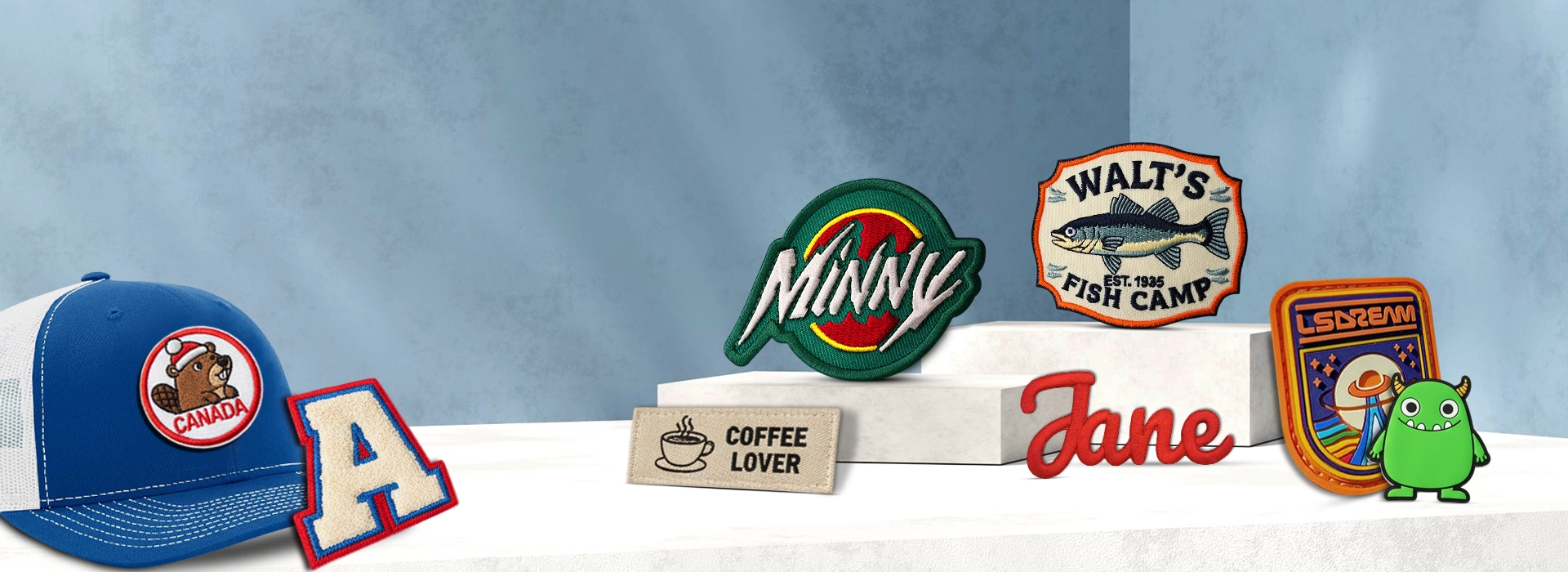
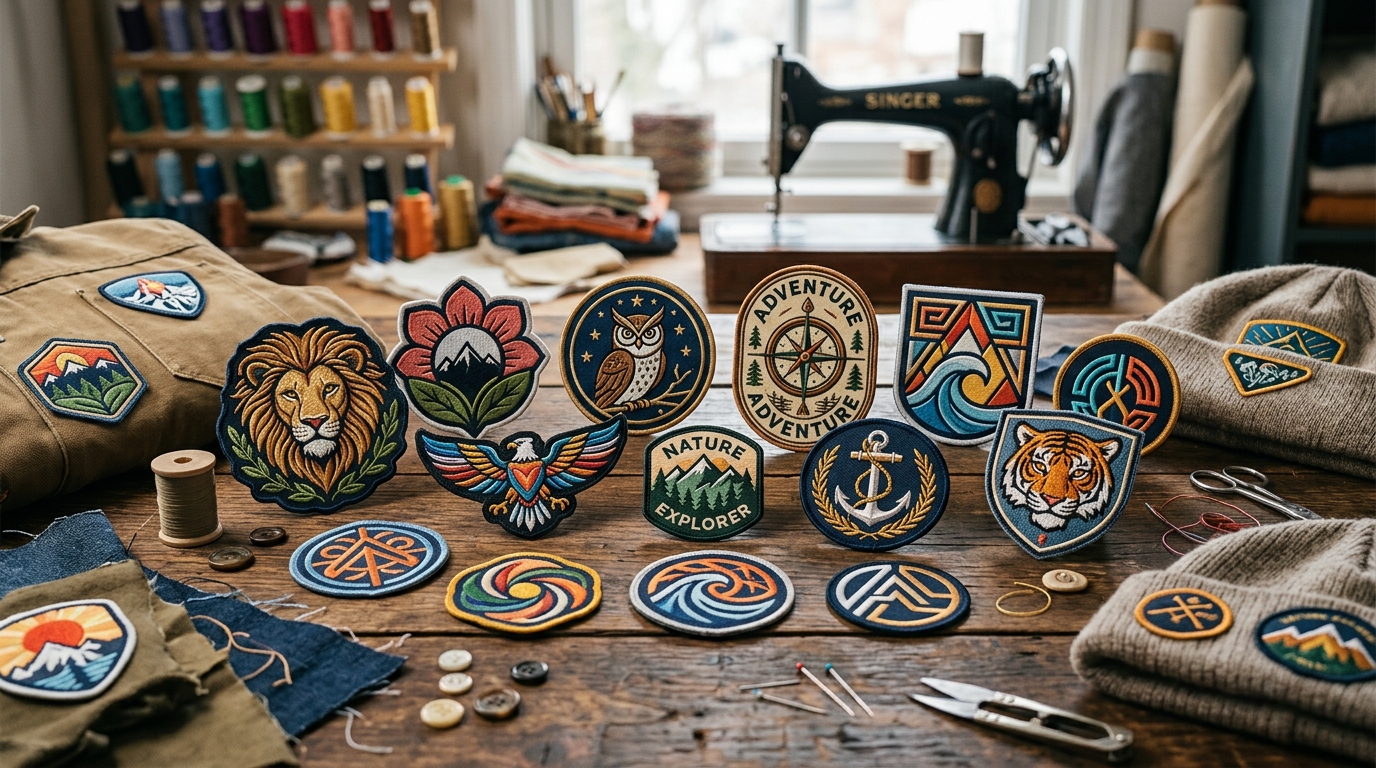
Personalized custom patches are a creative and practical way to add personality, identity, and professional style to clothing, hats, uniforms, bags, and other fabric products. Whether we want to promote a business, create branded merchandise, design team apparel, or express our individual style, custom patches give us the flexibility to turn simple ideas into distinctive designs. With different shapes, sizes, colors, materials, and attachment options available, we can create patches that reflect our vision and meet our specific needs.
Today, custom patches are widely used by clothing brands, small businesses, sports teams, schools, organizations, fashion designers, and individuals. They offer an effective way to display logos, names, symbols, artwork, and messages without requiring us to redesign an entire garment. A well-designed patch can make a basic jacket, cap, hoodie, or uniform look more recognizable and visually appealing.
At the same time, personalized patches allow us to maintain consistency across our products. Businesses can use them to strengthen brand recognition, while clothing manufacturers can add distinctive details that help their products stand out. From embroidered logos to woven labels and printed artwork, we have several options for creating patches that suit different styles and budgets.
In this guide, we will explore personalized custom patches for clothing, hats, and unique brand designs. We will explain the available patch types, customization options, materials, attachment methods, design considerations, and practical benefits so that we can make informed decisions when creating our next custom patch collection.
What Are Personalized Custom Patches
Personalized custom patches are decorative or functional fabric pieces designed according to specific requirements. They can feature a company logo, brand name, initials, illustration, slogan, team emblem, or another original design. Instead of choosing a standard design, we customize the patch to match our preferred appearance and intended use.
These patches can be attached to jackets, shirts, jeans, hats, backpacks, workwear, uniforms, and many other textile products. Depending on the design and manufacturing method, they can feature raised embroidery, detailed woven patterns, printed graphics, textured materials, or molded rubber finishes.
The main advantage of personalized patches is flexibility. We can choose a traditional look for a heritage clothing brand, a modern appearance for a streetwear collection, or a clean and professional design for business uniforms. We can also create different patch styles for seasonal collections, special events, product launches, and promotional campaigns.
Because patches can be produced in different quantities, they can work for both small projects and larger production requirements. The right choice depends on our design complexity, intended application, expected durability, and budget.
Why Personalized Custom Patches Matter for Clothing Brands
In a competitive clothing market, visual identity plays an important role in how customers recognize and remember a brand. Personalized custom patches help us create a recognizable feature that distinguishes our clothing from similar products.
A carefully designed patch can communicate our brand identity without overwhelming the garment. For example, a small embroidered logo on the chest of a sweatshirt can create a clean and premium appearance. A larger patch on the back of a denim jacket can become the central design element. A simple woven patch on a shirt can add a subtle, professional finishing touch.
Custom patches also provide flexibility when developing new collections. Instead of creating a completely different garment for every design variation, we can use selected patch styles across multiple products. This approach can help maintain a consistent visual identity while allowing us to experiment with colors, placements, and garment styles.
For independent designers and emerging clothing businesses, patches can be especially useful. They provide an accessible way to personalize basic garments and create products that feel more distinctive. With the right combination of materials, artwork, and placement, we can give everyday clothing a more intentional and branded appearance.
Different Types of Personalized Custom Patches
Choosing the right patch type is one of the most important steps in the customization process. Each option offers different visual qualities, levels of detail, and practical advantages.
1. Embroidered Custom Patches
Embroidered patches are among the most popular choices for clothing and hats. They use colored threads stitched onto a fabric backing to create a textured design. The raised stitching gives the patch a traditional appearance that works well for logos, lettering, badges, and bold illustrations.
We can use embroidered patches on denim jackets, uniforms, caps, backpacks, workwear, and casual clothing. They are particularly suitable for designs that benefit from texture and strong visual contrast.
However, embroidery may not reproduce extremely small text or highly detailed artwork as clearly as other methods. We should simplify intricate designs when necessary and select thread colors that remain easy to distinguish.
2. Woven Custom Patches
Woven patches are created by weaving threads together to form the design. Their construction generally allows finer details and smaller lettering than conventional embroidery.
This makes woven patches a suitable option for clothing labels, minimalist logos, detailed symbols, and designs with thin lines. They can provide a relatively flat, neat finish that works well with modern apparel and premium branding.
When we need a patch that communicates detailed information without excessive texture, woven construction is worth considering.
3. Printed Custom Patches
Printed patches reproduce artwork directly onto a suitable material. This method can accommodate gradients, photographic elements, complex illustrations, and multiple colors.
Printed patches are useful when our design includes details that would be difficult to represent with stitching or woven threads. They can be suitable for promotional merchandise, creative fashion collections, and artwork-driven designs.
The final appearance and durability depend on the printing process, material, protective finish, and care instructions. We should review samples whenever color accuracy and long-term performance are important.
4. PVC Custom Patches
PVC patches are made from flexible synthetic material and are often associated with a modern, dimensional appearance. They can feature raised and recessed details, distinct color sections, and a smooth or textured finish.
These patches are frequently used on outdoor clothing, tactical-style accessories, backpacks, caps, and performance-oriented products. Their resistance to moisture and wear can make them useful for applications where fabric embroidery is not the preferred option.
However, PVC patches may not suit every garment. We should consider the weight, flexibility, intended washing conditions, and overall design before choosing them.
5. Chenille Custom Patches
Chenille patches have a soft, textured surface created using looped yarn. They are commonly associated with varsity jackets, school apparel, sportswear, and bold collegiate lettering.
We can use chenille to create large initials, numbers, mascots, and decorative shapes. Their thick texture helps designs stand out and gives garments a classic athletic appearance.
Because chenille patches are often bulkier than woven or printed options, we should select suitable garment placements and ensure that the attachment method supports their weight.
6. Leather and Faux-Leather Patches
Leather and faux-leather patches provide a refined, understated look. They are often used on denim, jackets, workwear, hats, and accessories.
We can customize them through embossing, debossing, engraving, or other suitable marking methods, depending on the material. These techniques can create a clean logo or wordmark without relying on multiple thread colors.
Genuine leather and synthetic alternatives have different care requirements, costs, and environmental considerations. We should select the material according to our brand values, product design, and expected use.
Personalized Custom Patches for Clothing
Clothing is one of the most versatile applications for personalized patches. We can use them to decorate new garments, refresh existing pieces, repair selected areas, or introduce recognizable branding into a collection.
Jackets and Denim
Jackets and denim garments provide plenty of space for creative patch placement. Small patches on the chest or sleeve can create a subtle branded appearance, while larger back patches can become the main visual feature.
Embroidered, chenille, woven, and leather patches can all work well, depending on the garment style. For a vintage-inspired collection, we might choose textured embroidery and classic lettering. For a minimalist fashion line, a small woven or faux-leather patch may be more appropriate.
Before attaching a patch, we should consider the garment's fabric thickness, seams, lining, and intended washing method. Heavy patches may require additional support to remain securely attached.
T-Shirts and Hoodies
Custom patches can add character to T-shirts, sweatshirts, and hoodies. Small chest designs, sleeve patches, and decorative accents offer ways to introduce branding without covering the entire garment.
For lightweight T-shirts, we should avoid patches that are too heavy or stiff. A lightweight woven or printed option may provide a more comfortable result. Hoodies and thicker sweatshirts can generally accommodate a broader range of patch styles, depending on their construction.
We should also check how the patch feels against the skin, especially when it is positioned inside or near a garment's inner surface.
Workwear and Uniforms
Businesses, service providers, and organizations can use custom patches to display employee names, company logos, departments, and other identifying details.
A consistent patch design helps us create a coordinated appearance across uniforms. It can also make employees easier to identify in workplaces where branding and role recognition matter.
For workwear, durability and legibility should be priorities. We should choose suitable materials, readable lettering, and attachment methods that can withstand the garment's expected working conditions and cleaning routine.
Bags and Accessories
Personalized patches can also be applied to backpacks, tote bags, travel accessories, and selected fabric products. These applications allow us to extend our brand identity beyond clothing.
A patch on a bag can identify its owner, promote a business, or add a decorative detail. When designing patches for accessories, we should consider surface curvature, material thickness, friction, and frequent handling.
Personalized Custom Patches for Hats and Caps
Hats and caps are excellent products for custom patches because they offer a visible area for logos, initials, symbols, and brand names. They are also popular choices for promotional merchandise, team apparel, outdoor products, and streetwear collections.
Baseball Caps
Baseball caps commonly feature patches on the front panel, where the design remains visible when the cap is worn. Embroidered, woven, PVC, and faux-leather patches can all work, depending on the intended appearance.
A compact logo or bold emblem often works better than an overly complicated design. We should consider the curve of the front panel, the size of the patch, and the structure of the cap before finalizing the artwork.
Trucker Hats
Trucker hats often feature a structured front panel that accommodates a variety of patch styles. Their casual appearance makes them suitable for lifestyle brands, outdoor businesses, events, and promotional products.
We can create a vintage-inspired design with embroidered lettering, a contemporary logo with a woven patch, or a distinctive outdoor aesthetic with a PVC emblem.
The patch should be proportionate to the front panel and positioned carefully so that it does not interfere with seams or distort the hat's shape.
Beanies and Winter Hats
Beanies offer a different surface for customization. Folded cuffs can provide a suitable area for small woven labels, embroidered patches, or selected leather-style designs.
Because knitted fabrics stretch, we should pay particular attention to patch weight and attachment technique. An overly rigid patch may affect the natural flexibility of the beanie.
A simple logo, short wordmark, or compact symbol can provide an attractive result while preserving the comfort and fit of the hat.
Choosing the Right Patch for Hats
When selecting patches for hats, we should consider the cap's construction, fabric, curvature, and intended use. A patch that works well on a flat denim jacket may not perform equally well on a curved cap panel.
We should also check whether the patch will be sewn on, heat-applied, or attached through another suitable method. The best choice balances appearance, comfort, durability, and ease of production.
Creating Unique Brand Designs with Custom Patches
Custom patches offer businesses a practical way to express their brand personality. They can communicate a company's name, values, visual style, and product identity through a compact design.
Logo-Based Patches
A logo patch is one of the most direct ways to establish brand recognition. We can reproduce a business logo using embroidery, weaving, printing, PVC, or another suitable process.
For the best results, we should start with a clear, high-quality logo file. We should also review the logo at its intended physical size, because fine lines and small text may become difficult to reproduce on a compact patch.
If necessary, we can develop a simplified version of the logo specifically for smaller applications.
Personalized Name and Initial Patches
Names and initials are useful for uniforms, personalized gifts, team clothing, and individual accessories. We can create patches featuring a person's name, monogram, department, or selected identifier.
Lettering should remain readable at the final size. We should choose an appropriate font, spacing, and contrast so the text does not become crowded or difficult to recognize.
Creative Artwork and Symbols
Custom patches can feature original illustrations, mascots, icons, abstract shapes, and other artwork. This flexibility makes them suitable for fashion designers, creative businesses, clubs, and independent brands.
When designing a complex image, we should consider which production technique can reproduce the details accurately. Simplifying unnecessary elements can improve clarity and create a stronger visual result.
Consistent Brand Colors
Colors contribute significantly to a brand's visual identity. Using consistent colors across patches, clothing, hats, and packaging helps us create a coordinated product range.
We should specify the intended colors clearly and request a sample when exact color matching matters. Thread, fabric, print, and synthetic materials can display colors differently, so digital artwork alone may not guarantee an identical physical result.
Choosing the Right Size, Shape, and Material
The appearance of a personalized patch depends on more than its artwork. Size, shape, border, backing, and material all influence how the finished product looks and performs.
Size and Proportion
We should choose a patch size that fits the available garment area. A patch that is too large can overwhelm a design, while one that is too small may make its logo or lettering difficult to recognize.
Before production, we should measure the intended placement and review a digital mockup or physical sample. This is particularly important for hats, sleeves, small chest logos, and curved surfaces.
Shape and Border
Patches can be produced in common shapes such as circles, rectangles, squares, and ovals, as well as custom outlines.
A simple geometric shape can create a clean, professional appearance. A custom-cut silhouette may work better for mascots, symbols, and distinctive brand artwork.
The border should complement the design and provide a neat finish. We should ensure that the outline remains suitable for the selected manufacturing method.
Material Selection
Material choice should reflect the intended application. Embroidery provides texture, woven construction supports fine detail, printing accommodates complex artwork, PVC creates dimensional designs, and leather-style materials offer a refined appearance.
We should compare these options according to the desired finish, flexibility, durability, comfort, care requirements, and budget rather than selecting a material based on appearance alone.
Patch Attachment Methods
The attachment method affects how securely a patch stays in place and how easily it can be applied or removed.
Sew-On Patches
Sew-on patches are attached with stitching and are suitable for many clothing and accessory applications. They can provide a secure attachment when the patch and garment are compatible and the stitching is appropriate.
We should consider the fabric type, patch weight, and intended use when selecting a sewing method.
Iron-On and Heat-Applied Patches
Iron-on patches use a heat-activated adhesive backing. They can be convenient for suitable garments, but the application process depends on the adhesive, fabric, temperature, pressure, and time recommended by the manufacturer.
We should always follow the supplied instructions and test an inconspicuous area when appropriate. Heat-sensitive fabrics, waterproof coatings, and certain synthetic materials may not tolerate standard heat application.
For garments exposed to frequent washing or heavy use, additional stitching may be advisable if compatible with the patch and fabric.
Hook-and-Loop Patches
Hook-and-loop backing allows patches to be attached and removed from compatible surfaces. This is useful for certain uniforms, tactical-style accessories, equipment bags, and products where interchangeable designs are desirable.
We should ensure that the garment or accessory includes the matching attachment surface before selecting this option.
Adhesive-Backed Patches
Adhesive-backed patches can be useful for temporary or decorative applications on suitable surfaces. Their performance depends on the adhesive and the material to which they are applied.
We should not assume that every adhesive-backed patch is appropriate for regular washing, rough handling, or long-term use on clothing.
How to Design High-Quality Custom Patches
A successful patch begins with a clear design plan. By making key decisions before production, we can reduce errors, improve consistency, and achieve a result that matches our expectations.
First, we should define the purpose of the patch. A company uniform may require a readable logo, while a fashion accessory may prioritize creative artwork and visual texture. The purpose determines which design elements matter most.
Next, we should prepare suitable artwork. Vector files are often helpful for scalable logos, while high-resolution raster images may be acceptable depending on the manufacturer's requirements. We should confirm the preferred file format before submitting the design.
We should then select the production method, colors, dimensions, shape, border, and attachment style. Each choice should support the intended appearance and application.
Before approving a large production run, we should review the digital proof carefully. We should check spelling, logo proportions, color choices, placement, and overall dimensions. If the project requires precise color matching or specialized materials, a physical sample can help us evaluate the final appearance.
Finally, we should confirm production quantities, delivery expectations, care instructions, and quality requirements with the supplier. Clear communication helps us avoid misunderstandings and makes the production process more predictable.
Benefits of Personalized Custom Patches for Businesses
Personalized patches can offer several practical benefits for businesses and organizations.
Improved brand recognition: Consistent logos and colors make it easier for customers to recognize our products and uniforms.
Flexible product customization: We can use patches to create variations in clothing designs without changing every part of the garment.
Professional appearance: Carefully selected patches can help uniforms and branded merchandise look coordinated and purposeful.
Creative freedom: We can experiment with textures, shapes, materials, and artwork to reflect our brand personality.
Useful promotional merchandise: Custom hats, jackets, bags, and accessories can carry our branding in a wearable format.
Support for small collections: Patches can help independent designers personalize selected garments and develop distinctive product ranges.
The actual value depends on design quality, material selection, production standards, and how well the patch suits its intended application.
Caring for Clothing and Hats with Custom Patches
Proper care helps preserve the appearance of personalized patches. The correct approach depends on the patch material, adhesive, stitching, and garment fabric.
We should follow the garment's care label and any additional instructions provided by the patch manufacturer. When washing is permitted, turning the garment inside out may help reduce friction against the patch. Gentle washing and avoiding unnecessary heat can also be helpful when compatible with the garment's requirements.
We should inspect patches periodically for loose stitching, lifting edges, cracking, or other signs of wear. If a patch begins to loosen, repairing it early may prevent further damage.
For hats, we should follow the recommended cleaning method for the cap material and patch construction. Some hats should not be machine-washed or exposed to excessive heat, particularly when they contain structured panels or heat-applied patches.
With appropriate care, many custom patches can remain attractive and functional for an extended period, although actual durability varies by construction and use.
Conclusion
Personalized custom patches for clothing, hats, and unique brand designs provide a versatile way to combine creativity, personalization, and brand identity. From embroidered logos and woven labels to printed artwork, PVC emblems, chenille lettering, and leather-style finishes, we have a wide range of options for creating patches that suit different products and purposes.
By choosing the right material, size, shape, attachment method, and design, we can create patches that enhance jackets, T-shirts, hoodies, uniforms, caps, beanies, and accessories. Businesses can use them to strengthen visual consistency, while designers and individuals can use them to express distinctive styles and ideas.
The key to achieving a successful result is careful planning. We should consider the intended application, prepare clear artwork, select suitable materials, review proofs, and confirm production details before placing an order. We should also follow the appropriate care instructions to help maintain the finished product.
Ultimately, personalized custom patches are more than decorative additions. When designed and produced thoughtfully, they can become recognizable elements of our clothing, merchandise, and brand identity. By focusing on quality, clarity, and purpose, we can create custom patches that look professional, communicate our message, and complement the products on which they appear.