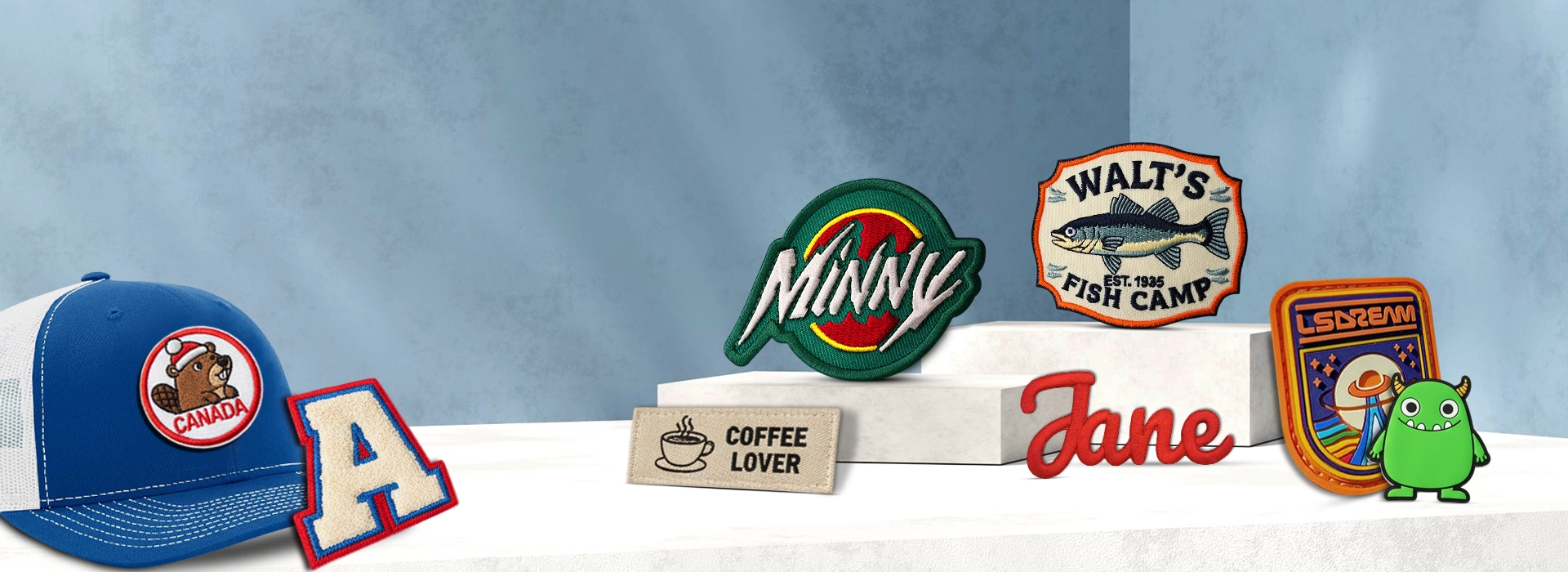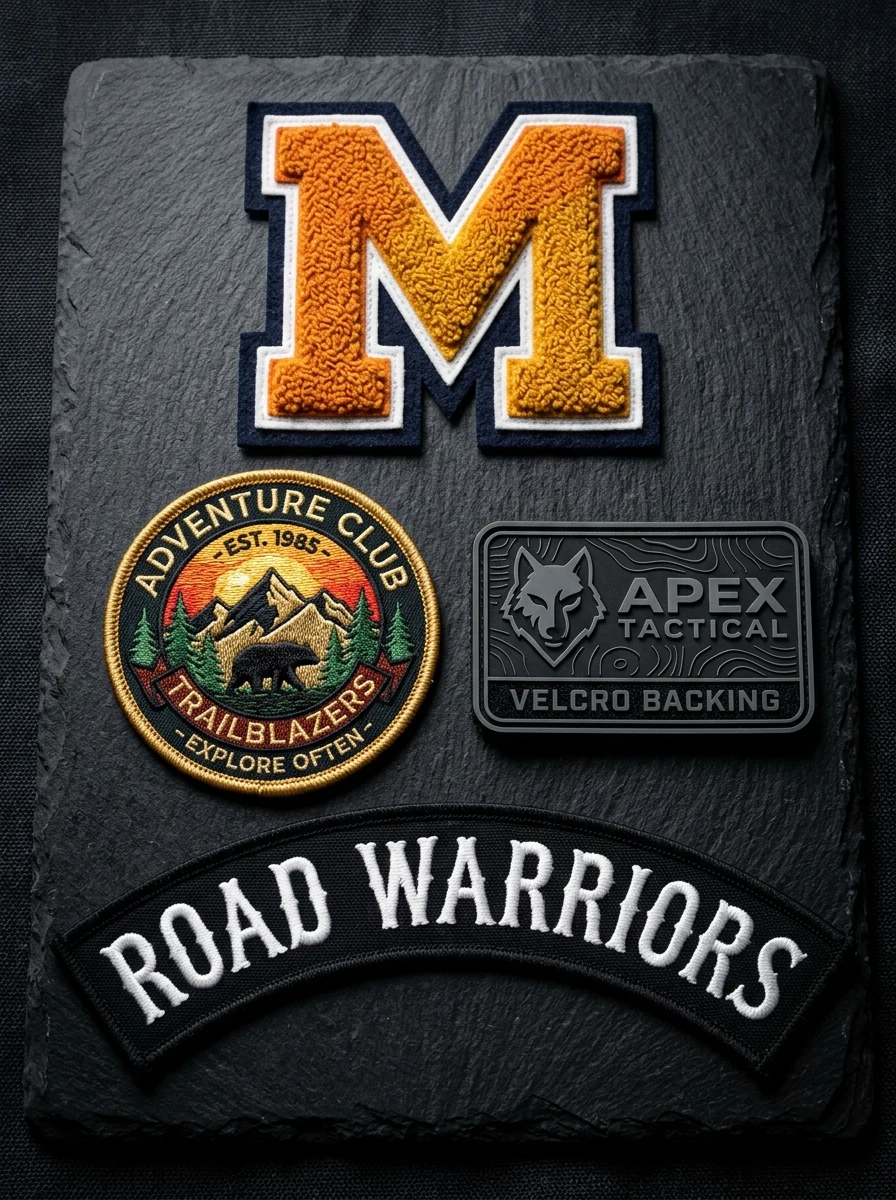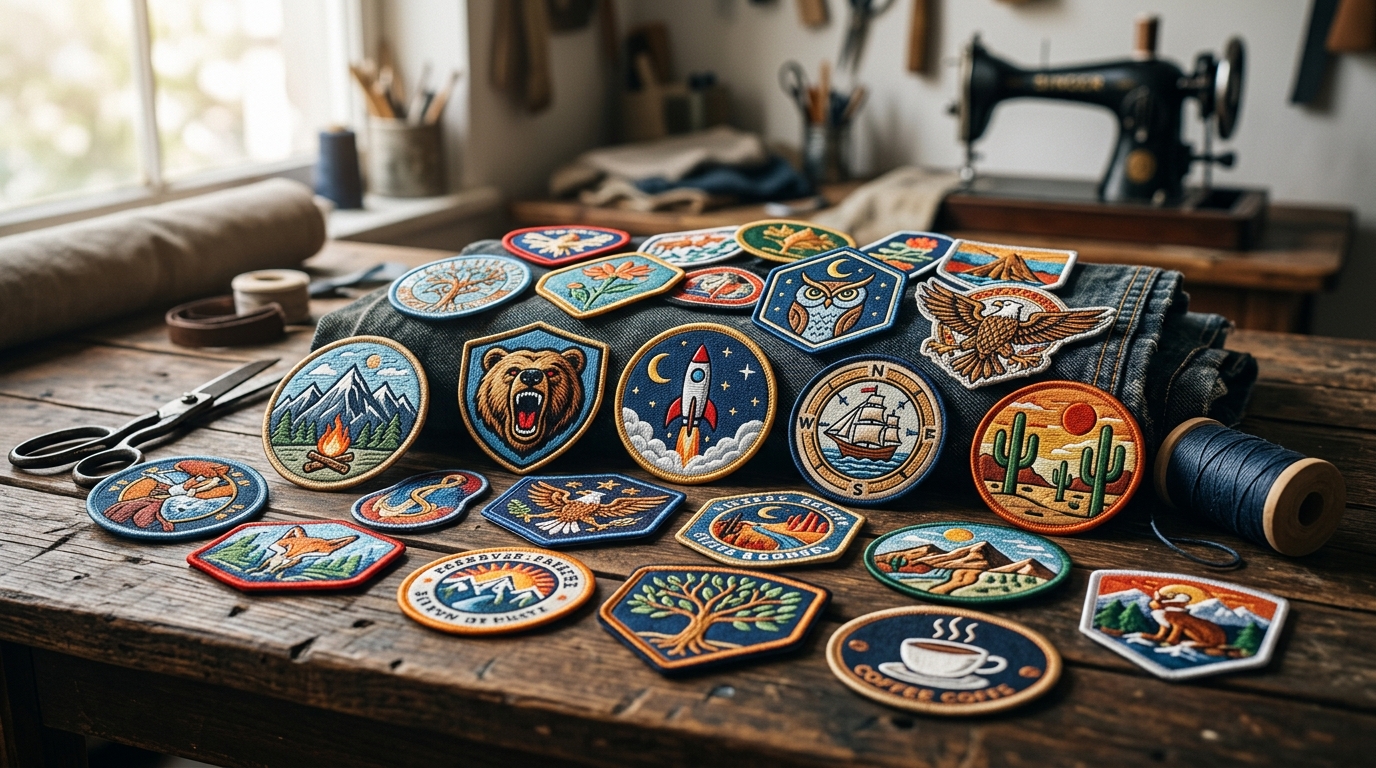
Personalized patches are an effective way for brands, businesses, and clubs to express their identity through clothing and accessories. They allow organizations to display their logos, names, symbols, and custom artwork in a distinctive and professional format. Whether used on uniforms, jackets, caps, bags, or promotional products, personalized patches help communicate who an organization is and what it represents.
Unlike generic designs, personalized patches are created according to specific requirements. Businesses can choose the shape, size, colors, materials, and finishing details that best represent their identity. Clubs can create patches that reflect their membership and shared interests, while clothing brands can use them to add recognizable details to their products.
The right patch combines attractive design with suitable materials and reliable construction. When these elements are carefully selected, personalized patches can become a valuable part of a brand's visual identity and a practical addition to everyday clothing.
Why Personalized Patches Are Important for Brands
A recognizable brand identity helps customers identify products and distinguish one business from another. Personalized patches provide a physical way to display important brand elements on clothing and accessories. A well designed patch can feature a company logo, brand name, slogan, or symbol that reflects the business's identity.
For clothing brands, patches can create a consistent appearance across different collections. A company might use the same logo patch on denim jackets, hoodies, shirts, and caps. Although the garments may differ in color and style, the repeated design helps connect them to the same brand.
Personalized patches also allow brands to introduce unique details into their products. An embroidered emblem can give a jacket a textured finish, while a woven patch can display fine lettering with a smooth appearance. These options allow businesses to select a style that complements their clothing rather than relying on the same printing method for every product.
Brand consistency is especially important when products are sold across different categories. A recognizable patch can connect clothing, accessories, and promotional merchandise through a shared visual element. The design should remain clear and consistent so customers can easily associate it with the business.
When creating a personalized patch, brands should consider their target audience, product style, and existing visual identity. Colors, typography, and symbols should work together to communicate the intended message. A simple and recognizable design is often more effective than one containing too many small details.
Personalized Patches for Businesses and Employee Uniforms
Businesses use personalized patches for branding, employee identification, and professional presentation. A patch displaying the company logo can be attached to uniforms, work jackets, shirts, aprons, and other garments. This creates a consistent appearance and helps customers identify staff members when assistance is needed.
Different industries have different requirements for uniform patches. A retail business may prefer a clean logo patch on the chest of a shirt, while a construction company may require durable patches suitable for workwear. Hospitality businesses may choose designs that complement their uniforms and maintain a professional appearance.
Personalized patches can also distinguish departments and job roles. A business may use its primary logo alongside smaller patches that identify specific teams. This can be useful in workplaces where employees perform different responsibilities and need to be recognized easily.
The choice of material is important when patches are used on uniforms. Garments worn frequently may require patches that withstand regular washing, movement, and everyday use. Embroidered patches can provide a durable option when properly produced and attached. Woven or printed patches may be more suitable when the design includes small lettering or detailed artwork.
Attachment methods should also match the garment. Sew on patches can provide a secure finish for uniforms that experience frequent use. Iron on patches may be suitable for certain fabrics, provided the material can tolerate the required heat. Businesses should follow the manufacturer's instructions and consider professional application when necessary.
Before ordering patches for a team, businesses should confirm the logo, dimensions, colors, placement, and quantity. Reviewing these details helps maintain consistency across all uniforms and reduces the likelihood of mistakes during production.
Custom Patches for Clubs and Membership Groups
Clubs often use personalized patches to represent membership, shared interests, and group identity. A patch can display the club name, emblem, founding year, or a symbol associated with its activities. When members wear the same design, it creates a recognizable connection between the group and its members.
Sports clubs can use personalized patches on team jackets, training clothing, bags, and other equipment. These patches may feature the team logo, club colors, or a specific division name. Consistent designs help maintain a unified appearance during training sessions, competitions, and club events.
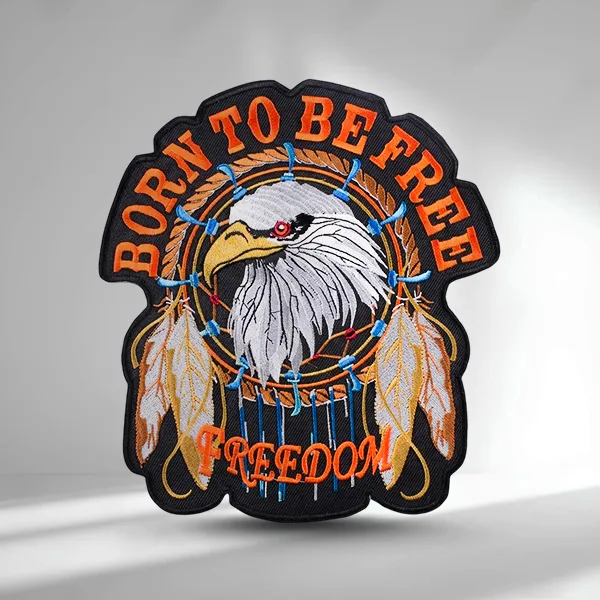
Motorcycle clubs may use patches to represent their identity and traditions. Hobby groups, outdoor organizations, school societies, and community clubs can also develop designs that reflect their interests. The artwork should be appropriate for the organization and should clearly communicate the intended identity.
For membership groups, the design often carries personal significance. Members may value a patch because it represents their participation in a club or their connection with other members. This makes accurate artwork and consistent production particularly important.
Clubs should decide whether their patches will be worn on jackets, shirts, caps, or bags before selecting a design. A large jacket patch may accommodate more details, while a smaller patch on a cap requires a simpler layout. The lettering must remain readable, and the colors should provide enough contrast against the background.
The backing should also suit the intended use. Sew on patches are useful for permanent placement, while hook and loop backing allows designs to be removed or replaced when required. The best option depends on the garment, the club's preferences, and the conditions in which the patch will be used.
Choosing the Right Material for Personalized Patches
Material selection affects the appearance, texture, and suitability of a personalized patch. Different production methods support different design requirements, so businesses and clubs should choose an option that matches their artwork and intended application.
Embroidered patches are widely used for logos, symbols, and lettering. Colored threads create a raised surface that gives the patch a traditional stitched appearance. This style works well on jackets, uniforms, caps, and bags. It is particularly suitable for designs with clear shapes and bold lettering.
Woven patches use finer threads to reproduce smaller details. Their smoother surface can accommodate intricate symbols and compact text more clearly than some embroidered designs. Clothing brands and businesses may prefer woven patches when precision and a relatively flat finish are important.
Printed patches offer flexibility for detailed illustrations, gradients, and multiple color transitions. They are suitable for artwork that cannot easily be reproduced using thread alone. Businesses can use printed patches when their logo contains complex visual elements that need to remain accurate.
PVC patches provide a flexible, molded appearance with clearly defined raised details. They are often selected for bags, outdoor products, uniforms, and accessories where a bold visual effect is preferred. Their suitability depends on the intended product and the manufacturer's available options.
Leather and faux leather patches are commonly used on denim, casual clothing, caps, and workwear. Logos can be embossed or engraved to create a distinctive finish. These materials may suit brands that prefer a classic or understated appearance.
The best material depends on the design, budget, garment, and expected use. Businesses should compare the available options and request a sample when possible. This makes it easier to assess the texture, color, and overall finish before approving a larger order.
Designing Personalized Patches That Look Professional
A professional personalized patch begins with a clear and well planned design. The artwork should communicate the intended identity without becoming difficult to recognize. Company logos, club emblems, names, and symbols should be arranged carefully so that the most important elements remain visible.
Color selection is one of the most important design decisions. Brands should use colors that match their existing identity as closely as possible. Clubs may select colors associated with their team or organization, while businesses may follow their established corporate palette. Strong contrast between the background and lettering helps improve readability.
Size and shape should reflect the intended placement. A small chest patch needs a compact design that remains clear at a limited size. A larger back patch can accommodate additional artwork and text. Circular, rectangular, shield shaped, and custom cut designs each provide different possibilities.
Typography requires special attention when a patch includes names or slogans. Thin lettering and very small text can become difficult to reproduce, especially when the design is embroidered. Choosing readable fonts and suitable letter spacing helps maintain clarity.
The quality of the artwork also matters. High resolution images or vector files can help manufacturers reproduce logos accurately. Before production begins, customers should review a digital proof showing the proposed layout, dimensions, and colors.
Spelling, alignment, and logo proportions should be checked carefully. A small error can affect the appearance of the entire patch, particularly when company names or club titles are included. Approving the final artwork before manufacturing helps reduce unnecessary corrections.
A professional design should also suit the product. A patch intended for a formal business uniform may require a restrained appearance, while a creative clothing label may prefer more expressive artwork. Matching the design to its purpose helps ensure that the finished patch looks appropriate.
Personalized Patches for Clothing and Promotional Products
Personalized patches can be used on many different products, making them suitable for both branding and merchandise. Clothing brands may attach patches to denim jackets, hoodies, shirts, jeans, and outerwear. Businesses can use them on employee clothing, while clubs can display their emblems on jackets, bags, and caps.
Caps are a practical option for smaller logo patches. A compact emblem on the front can make the design easy to recognize without taking up too much space. Bags and backpacks provide additional areas for branding, particularly when a patch needs to be visible on an everyday accessory.
Promotional merchandise offers another application. Businesses can create branded patches for customers, employees, or event participants. These products can carry the company logo and provide a consistent visual connection with the business.
Clothing brands may also offer patches as separate merchandise. Customers can attach them to suitable garments or accessories to personalize their belongings. This allows brands to offer additional designs without producing an entirely new garment for every variation.
However, the patch should always suit the product material. Lightweight fabrics may require smaller patches, while thicker garments can support larger designs. Placement should avoid interfering with seams, pockets, fastenings, or the natural movement of the fabric.
The attachment method should be selected according to the product's intended use. A patch on frequently washed workwear may require secure stitching, while a removable patch may be more suitable for interchangeable equipment identification. Following the manufacturer's care instructions can also help preserve the patch and the garment.
How Personalized Patches Support Brand Recognition
Brand recognition depends on the consistent use of visual elements that customers can identify. Personalized patches can contribute to this consistency by displaying logos and symbols across multiple products. When the same design appears on different garments and accessories, customers have more opportunities to become familiar with the brand.
A recognizable patch should reflect the business's identity rather than simply decorate a product. Its colors, typography, and artwork should match the company's wider visual presentation. This makes the patch feel like a natural part of the product instead of an unrelated addition.
Quality also affects how a patch contributes to brand presentation. Clean stitching, clear artwork, accurate colors, and suitable materials can support a professional appearance. Poorly finished patches may distract from the garment and weaken the intended impression.
Businesses can create different patch designs for specific collections while keeping their primary branding consistent. For example, a clothing brand may use its standard logo on everyday products and introduce a special design for a particular collection. Clubs can create patches for different teams or membership groups while maintaining a recognizable core emblem.
The design should remain appropriate for the intended audience. A patch for professional uniforms may need a simple and clear appearance, while a streetwear brand may choose a more expressive style. Understanding the audience helps businesses create patches that complement their products and communicate the intended message.
Personalized patches cannot guarantee customer loyalty or sales, but they can support a consistent brand presentation. Their value comes from combining recognizable design with suitable products and reliable quality.
Ordering Personalized Patches for Your Organization
Ordering personalized patches requires careful planning to ensure that the finished products meet expectations. The first step is to determine the purpose of the patch. Businesses may need employee identification, clubs may require membership emblems, and clothing brands may want decorative patches for their collections.
Once the purpose is clear, the design, quantity, size, and material can be selected. Customers should provide the correct logo or artwork and explain where the patch will be attached. These details help the manufacturer recommend a suitable production method.
The expected quantity should be considered before placing an order. Small quantities may be appropriate for samples or limited projects, while larger quantities may be suitable for uniforms or retail collections. Minimum order requirements and production costs vary by manufacturer, so customers should confirm these details before proceeding.
A sample or digital proof can help identify potential problems before full production. Customers should check the dimensions, spelling, colors, borders, and backing. If the patch will be attached to a specific garment, confirming fabric compatibility is also important.
Delivery schedules should be discussed in advance when patches are required for a particular event, product launch, or uniform order. Businesses should allow sufficient time for design approval, production, and delivery.
Clear communication with the manufacturer helps avoid misunderstandings and supports a smoother ordering process. Keeping the approved artwork and specifications can also make future orders more consistent.
Conclusion
Personalized patches provide brands, businesses, and clubs with a practical way to display their identity on clothing and accessories. They can represent company logos, identify employees, distinguish club members, and add distinctive details to clothing collections. Their flexibility allows organizations to select materials, shapes, colors, and attachment methods according to their specific requirements.
The most suitable patch begins with clear artwork and a well defined purpose. Choosing the right material, maintaining readable lettering, confirming accurate colors, and selecting an appropriate backing all contribute to the final result.
Whether used on uniforms, jackets, caps, bags, or promotional products, personalized patches can help organizations maintain a consistent visual identity. With thoughtful design and careful production, they become useful additions to products that represent a brand, business, or club.