Introduction
Personal style is one of the simplest ways to express individuality. The colors we wear, the accessories we choose, and the details we add to our clothing all contribute to how we present ourselves. While fashion trends change regularly, the desire to look different and feel confident in what we wear remains constant. Custom patches offer a creative way to achieve that individuality without completely changing a wardrobe.
A simple jacket, plain T-shirt, or ordinary backpack can look completely different with the addition of a well-designed patch. These small decorative elements introduce color, texture, personality, and meaning to everyday items. Whether embroidered with a favorite symbol, designed around a personal interest, or created to match a particular aesthetic, custom patches help transform mass-produced clothing into something more personal.
Their appeal lies in their versatility. They can complement minimalist outfits, enhance streetwear, add character to vintage clothing, and even help refresh older garments. Instead of purchasing an entirely new outfit, people can experiment with different designs and create looks that reflect their own preferences.
In this article, we will explore why custom patches make every outfit unique, how small details influence personal style, and how to use patches creatively to make everyday fashion more expressive.
The Power of Small Details in Fashion
Fashion is not always about dramatic designs or expensive accessories. Often, the smallest details are what make an outfit memorable. A distinctive button, contrasting stitching, a patterned scarf, or a personalized patch can change the appearance of an otherwise simple garment.
Custom patches work because they add a new visual element without requiring a complete redesign. A plain denim jacket, for example, may look familiar and understated. Adding a carefully selected embroidered design introduces a focal point that gives the jacket more character.
These details can influence the overall impression of an outfit. A floral patch may create a relaxed, artistic appearance, while a geometric emblem can give clothing a modern feel. A vintage-inspired design may introduce nostalgia, and a colorful illustration can make an outfit feel playful.
The important thing is that a patch does not have to be large to make an impact. Even a small design placed on a sleeve, pocket, or chest can become a recognizable part of someone's style.
Custom Patches Make Personal Expression Easier
One of the main reasons people choose custom patches is the ability to express themselves through clothing.
Ready-made fashion often follows popular trends, meaning many people may own similar garments. Custom patches create opportunities to personalize those pieces and make them feel different.
Showcasing Hobbies and Interests
A patch can represent almost any interest, from photography and music to travel, sports, nature, and art.
A music enthusiast might choose a patch featuring an original musical illustration. Someone who enjoys hiking may prefer mountain landscapes, camping symbols, or nature-inspired embroidery. A traveler might collect patches representing meaningful destinations.
These designs provide a simple way to incorporate personal interests into everyday outfits.
Expressing Individual Values
Some people use patches to represent personal mottos, creative philosophies, or causes that matter to them. Typography, symbolic illustrations, and original artwork can all communicate a message.
When selecting a design, consider whether it reflects your personality and fits the style of the garment. A meaningful design often feels more distinctive than a patch selected only because it follows a temporary trend.
Creating a Recognizable Signature Style
A signature style develops when certain visual elements become associated with a person's appearance. Custom patches can contribute to that process.
For example, someone might consistently choose monochrome embroidery, nature-inspired symbols, or vintage lettering. Repeating similar design elements across jackets, backpacks, and hats can create a cohesive personal aesthetic.
Rather than copying every new trend, patches allow people to develop a style that feels authentic and recognizable.
Turning Ordinary Clothing into Unique Fashion Pieces
Custom patches make it possible to transform simple garments without changing their basic structure.
Denim Jackets
Denim jackets are especially suitable for personalization because their sturdy fabric supports many patch styles.
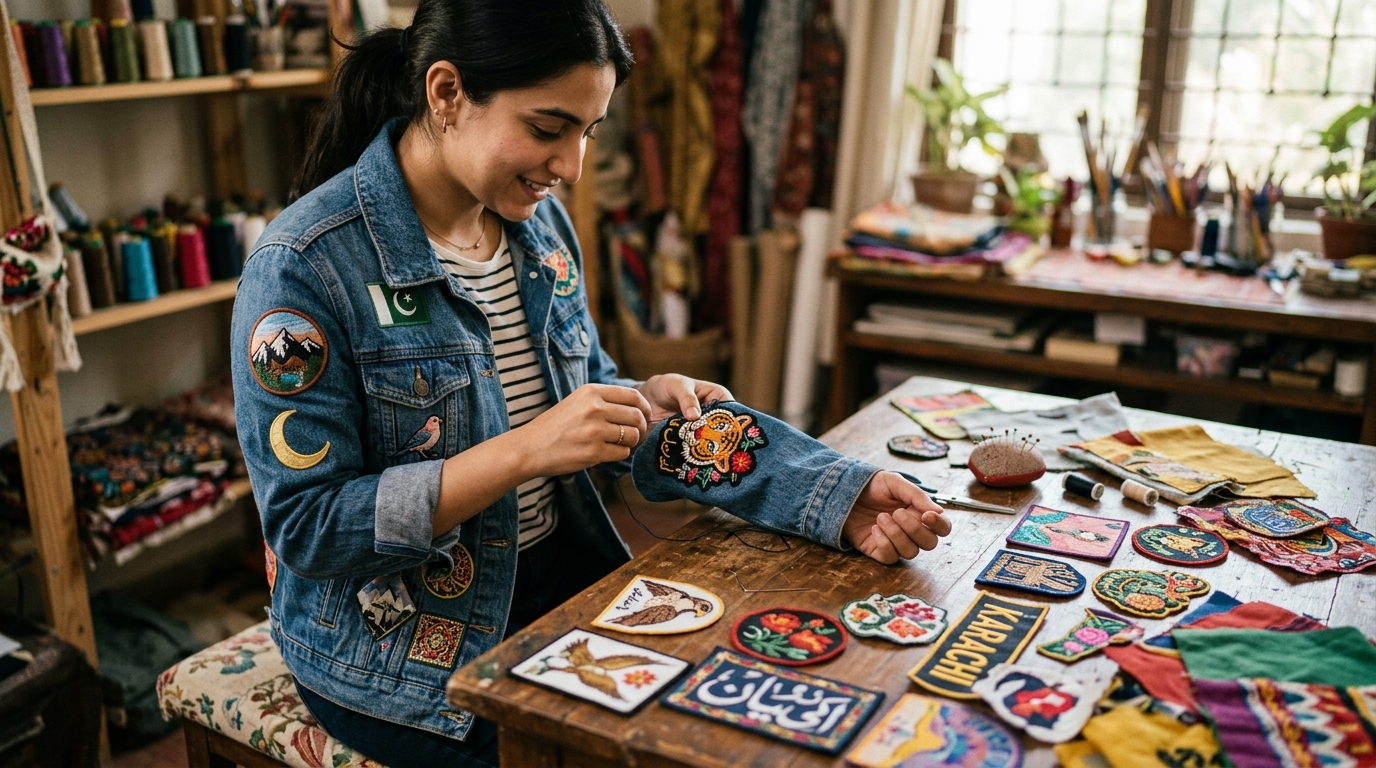
A large patch on the back can serve as the main feature, while smaller designs on the chest or sleeves add complementary details. A few coordinated patches can create a polished appearance, while a larger collection may suit an expressive vintage or streetwear look.
Choose colors that work with the denim. White, red, yellow, and contrasting embroidery can stand out against darker denim, while muted shades often complement faded blue jackets.
Jeans and Trousers
Patches can also add character to jeans and casual trousers. Designs placed near pockets, along the sides, or close to the hem can introduce subtle visual interest.
For a playful look, colorful illustrations can work well. For a more understated appearance, small embroidered shapes or neutral designs may be a better choice.
If using patches to cover damaged fabric, first make sure the material is strong enough to support the repair. Areas that experience frequent bending may require additional reinforcement.
T-Shirts and Hoodies
Basic T-shirts and hoodies offer another opportunity for creative customization.
A small chest patch can give a T-shirt a more personalized appearance without making it look crowded. A sleeve patch creates a slightly different visual effect, while a larger back design can become the main feature.
Because T-shirts often use lighter fabric, choose patches that do not weigh down the material. Hoodies can generally accommodate a wider range of patch sizes, depending on their construction.
Bags and Hats
Accessories are ideal for people who want to experiment with customization before modifying their clothing.
Canvas tote bags, backpacks, caps, and fabric pouches can all feature personalized designs. A small emblem may be enough to make a basic accessory look distinctive.
Using coordinated patch styles across clothing and accessories can also help create a consistent overall appearance.
How Colors and Textures Influence Personal Style
Custom patches do more than introduce new artwork. They also change the color balance and texture of a garment.
Creating Color Contrast
A bright patch against a neutral garment immediately attracts attention. For example, a red embroidered design can stand out against a black jacket, while a white patch can create a clean contrast on dark denim.
For a more coordinated appearance, select patch colors that repeat shades already present in your outfit.
A navy jacket might work well with blue, white, and gray designs. A beige overshirt could complement earthy tones such as olive, brown, and cream.
Adding Texture
Different patch materials produce different visual effects.
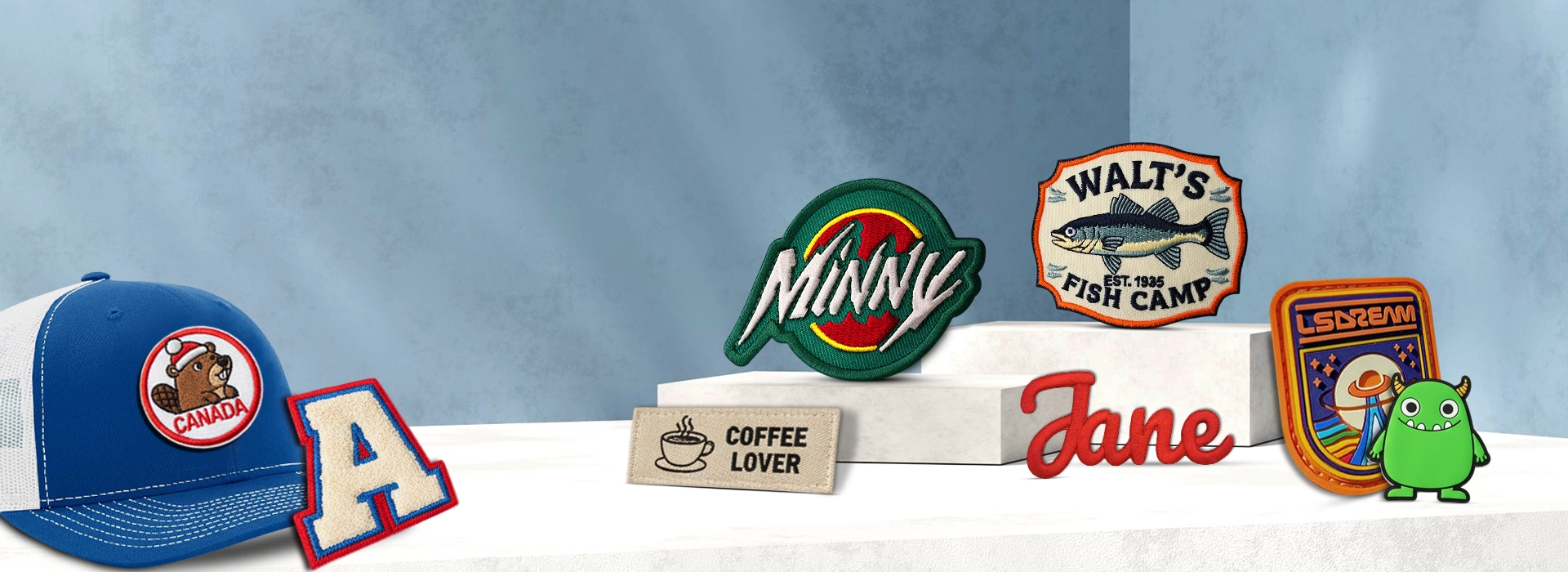
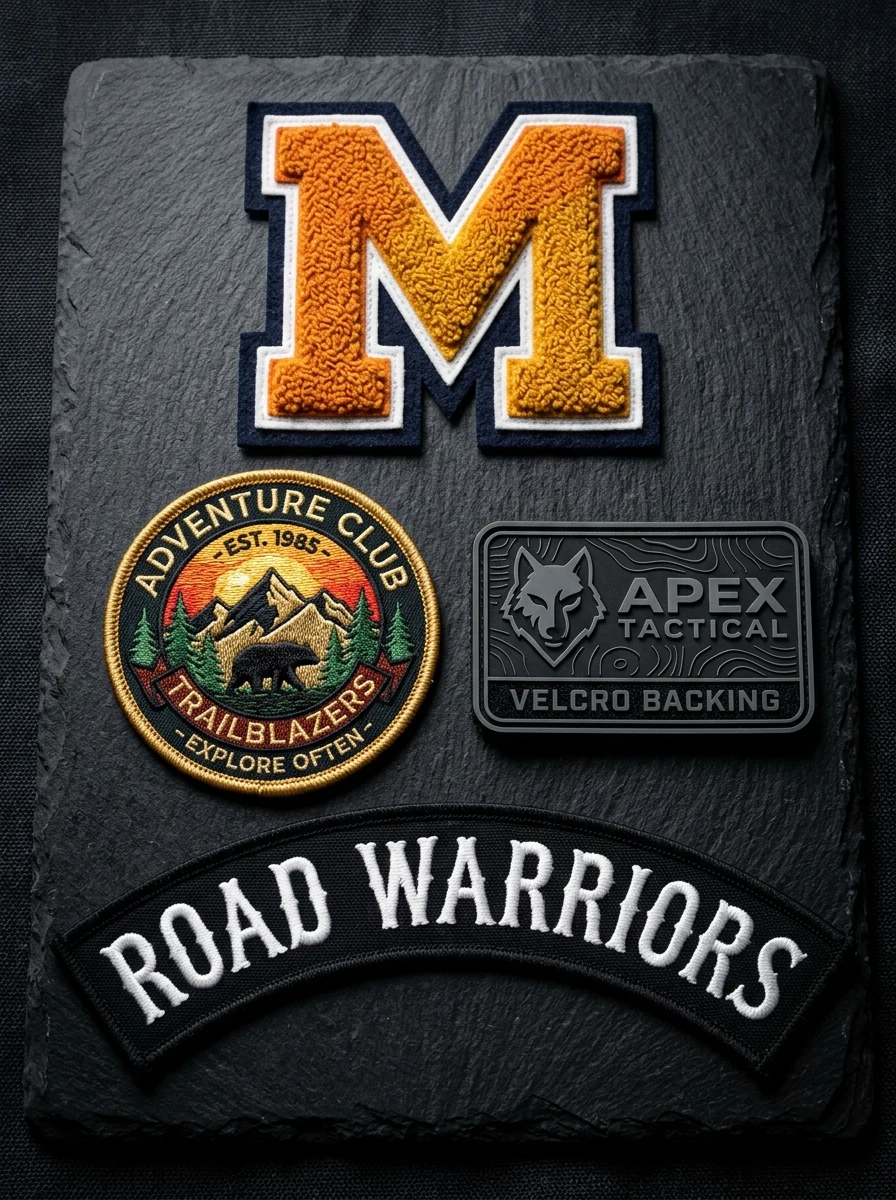
Embroidered patches provide raised stitching and a traditional decorative finish. Woven patches can reproduce fine details and small lettering. Chenille patches introduce a soft, textured appearance, while leather or faux-leather patches offer a more structured finish.
Texture can make an outfit interesting even when the colors remain relatively simple.
Balancing Bold and Subtle Designs
Not every outfit needs a bright or oversized patch. Sometimes, one carefully selected design creates a stronger result than several competing elements.
If the clothing already includes prominent graphics, consider using smaller patches in complementary colors. If the garment is plain, a larger or more colorful design may work as a focal point.
The goal is to create a deliberate visual balance.
Custom Patches for Different Fashion Aesthetics
Different fashion styles call for different approaches to patch selection.
Minimalist Fashion
Minimalist clothing focuses on clean lines, neutral colors, and simple silhouettes. Small monochrome patches, subtle geometric designs, and restrained lettering work well with this aesthetic.
A single embroidered symbol on a black jacket or white shirt can introduce individuality without compromising simplicity.
Streetwear
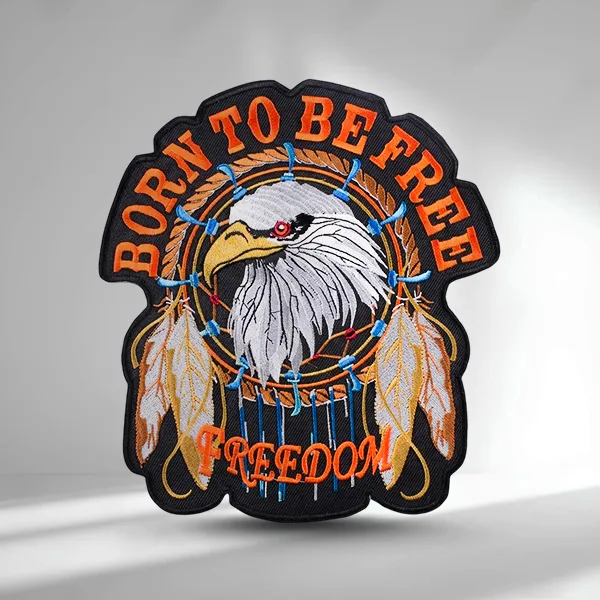
Streetwear often uses graphic designs, expressive colors, and distinctive accessories. Custom patches can complement this style through bold lettering, original illustrations, and coordinated graphic themes.
A patch-covered denim jacket paired with simple sneakers and casual trousers can create an expressive outfit without requiring additional decoration everywhere else.
Vintage Fashion
Vintage-inspired clothing often features faded denim, retro graphics, traditional lettering, and nostalgic color palettes.
Custom patches featuring classic illustrations, floral designs, or old-school motifs can enhance this appearance. Choosing patches with compatible colors and visual styles helps maintain a consistent look.
Outdoor and Utility Fashion
Outdoor-inspired fashion frequently uses durable fabrics and practical silhouettes. Nature-themed patches, simple emblems, and earthy colors can complement jackets, overshirts, and backpacks.
For clothing used in professional or safety-critical settings, make sure any customization follows the relevant garment requirements.
Using Custom Patches to Refresh an Existing Wardrobe
An important benefit of patches is that they provide a way to update clothing people already own.
A jacket that has been sitting unused in a closet may become appealing again after a small customization. An ordinary backpack can gain a fresh appearance, and a plain pair of jeans can become more expressive.
This approach also encourages creativity. Rather than replacing a garment immediately when it begins to feel boring, consider whether changing a small detail could make it enjoyable to wear again.
Patches may also cover certain minor cosmetic marks when the underlying fabric is still in good condition. However, they are not a substitute for repairing major structural damage.
Choosing durable materials and suitable attachment methods can help ensure that customized garments remain wearable for longer.
Choosing the Right Patch for the Right Garment
Successful customization depends on more than finding an attractive design.
Consider Fabric Compatibility
Denim and canvas generally work well with sewn patches. Lightweight cotton requires careful selection because heavy patches can affect how the fabric hangs.
Stretch fabrics need flexible customization methods to prevent pulling or discomfort. Heat-sensitive materials should not be exposed to iron-on application temperatures unless the fabric manufacturer confirms that it is safe.
Think About Placement
The location of a patch can change the overall appearance of a garment.
Chest placement is useful for small, understated designs. Sleeves provide opportunities for secondary details, while the back of a jacket can accommodate a larger focal point.
Before attaching anything permanently, place the patch on the garment and assess the spacing. Take a photograph to see how the arrangement looks from a distance.
Choose the Appropriate Attachment Method
Iron-on patches are convenient when the garment tolerates the required heat. Sew-on patches can offer stronger attachment, particularly on heavier clothing or items that undergo frequent washing.
Some designs combine adhesive backing with stitching for additional security.
Always follow the patch manufacturer's instructions and the garment's care recommendations.
Common Custom Patch Styling Mistakes
One common mistake is using too many unrelated designs. Although an eclectic arrangement can work, combining patches with completely different colors, themes, and styles may create a cluttered appearance.
Another mistake is overlooking garment proportions. A very large patch may overwhelm a lightweight shirt, while a tiny design might look insignificant on a large jacket.
Ignoring fabric compatibility can also create problems. Heavy patches on delicate clothing may pull the fabric, while unsuitable adhesive application can damage materials.
Finally, remember that personalization should complement the garment. Consider its color, silhouette, and intended use before choosing a design.
Conclusion
Custom patches prove that small details can make a significant difference in fashion. They transform plain clothing into personalized pieces, introduce color and texture, and help people express their interests through everyday outfits.
From denim jackets and hoodies to jeans, backpacks, and hats, patches offer countless opportunities to create distinctive looks. They can support minimalist styling, enhance vintage fashion, complement streetwear, and refresh garments that might otherwise remain unused.
The best results come from selecting designs that reflect your personality, suit the garment, and create a balanced appearance.
Ultimately, fashion becomes more interesting when it reflects individuality. Custom patches make that possible by turning small decorative details into meaningful expressions of personal style.