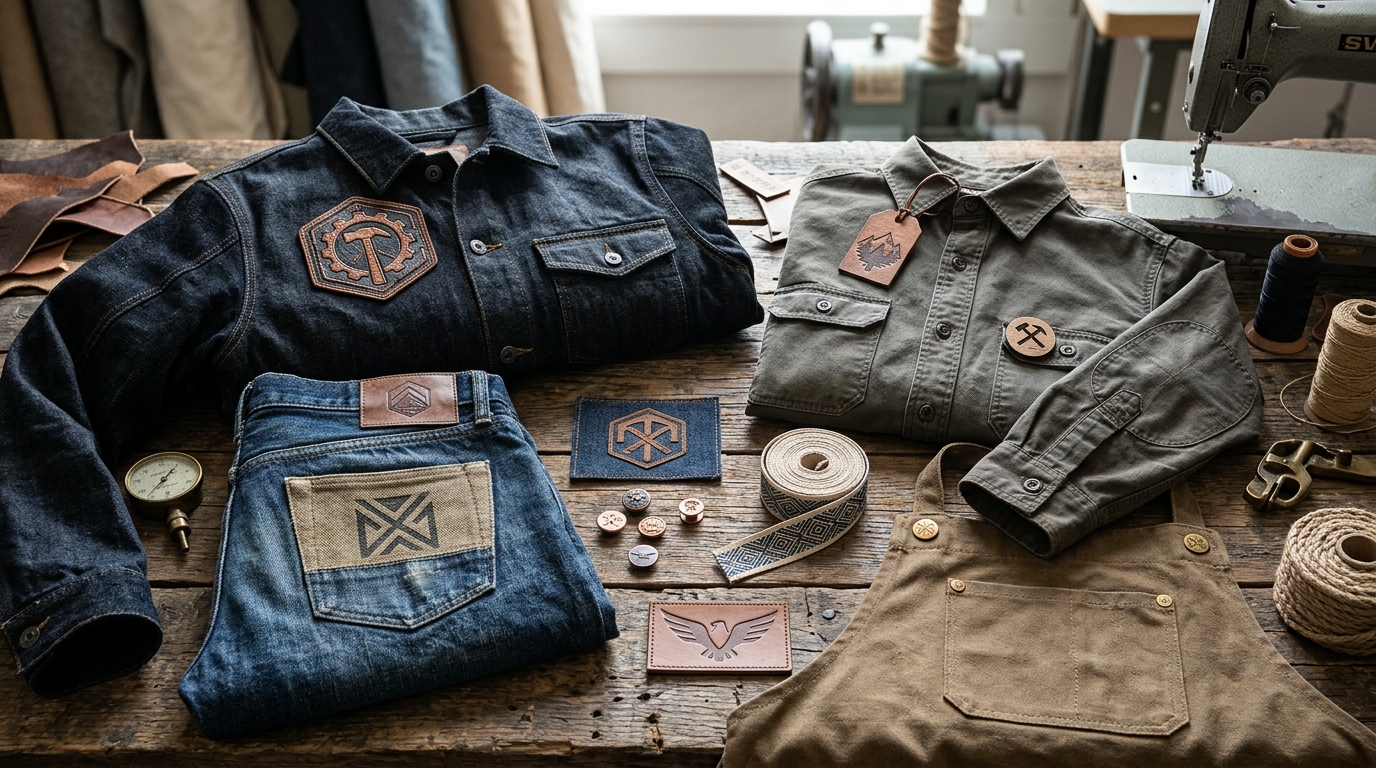
Custom patches are a versatile way to enhance jackets, shirts, jeans, uniforms, and other clothing products. They help clothing brands create a unique identity, allow businesses to display their logos professionally, and give ordinary garments a distinctive appearance. From embroidered patches on denim jackets to woven labels on shirts and durable patches on workwear, there are many ways to customize apparel for different purposes.
Whether you run a clothing brand, manage a business, or want to create personalized garments, custom patches offer a flexible solution for combining style, durability, and branding.
Custom Patches for Jackets
Jackets are one of the most popular garments for custom patches because they provide enough space for creative designs. Denim jackets, leather jackets, bomber jackets, varsity jackets, and work jackets can all be customized with patches in different shapes and sizes.
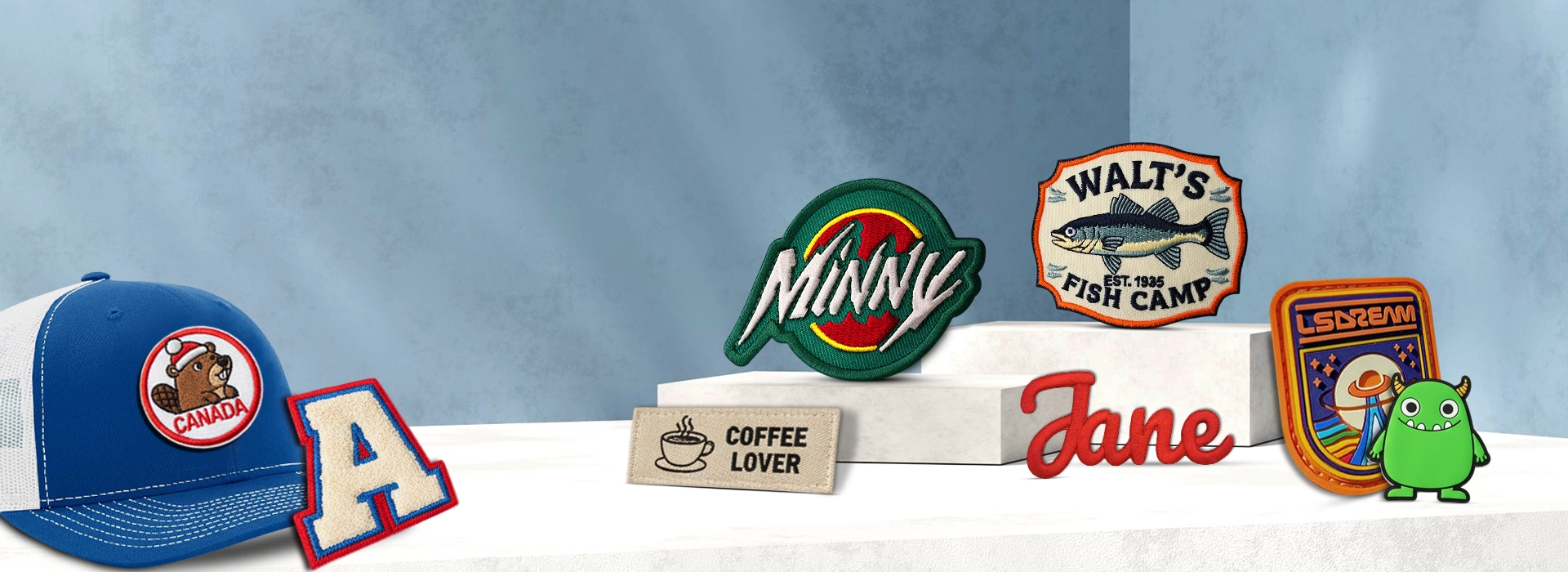
Embroidered patches are ideal for bold logos, lettering, and traditional designs. Woven patches are useful for artwork with finer details, while leather patches can create a premium appearance for fashion and outdoor clothing.
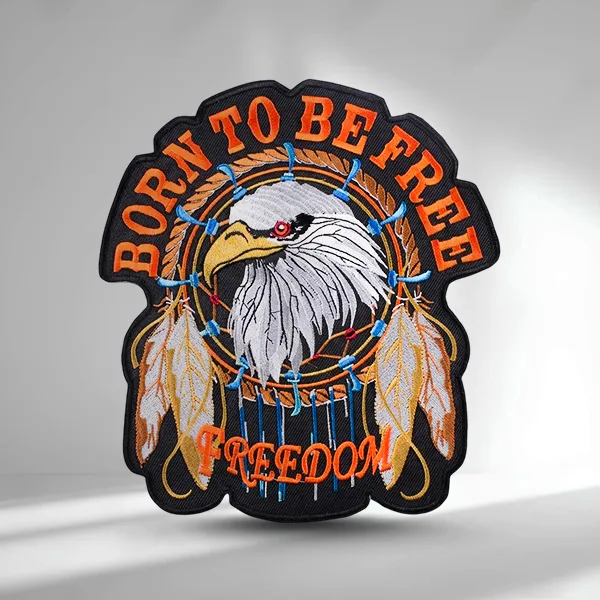
Patches can be placed on the chest, sleeves, shoulders, or back of a jacket. Clothing brands often use larger back patches to create statement pieces, while smaller chest patches provide a clean and understated look.
Custom Patches for Shirts and Uniforms
Custom shirt patches are an effective option for businesses that want their employees to look professional. They can display company names, department information, logos, or other brand elements on polo shirts, work shirts, and uniforms.
Unlike directly embroidered logos, separate patches can be produced in advance and attached to different garments. This can be particularly useful when a business needs consistent branding across multiple clothing styles.
For corporate uniforms, simple designs with readable lettering and appropriate colors usually work well. For casual shirts and fashion collections, decorative shapes, creative artwork, and contrasting thread colors can add personality.
When choosing patches for shirts, consider the fabric weight and intended use. Lightweight shirts may require smaller, lighter patches, while heavier work shirts can accommodate more substantial designs.
Custom Patches for Jeans and Denim Clothing
Denim is an excellent material for custom patches because it works well with different textures and decorative styles. Patches can be used on jeans, denim jackets, denim shirts, shorts, and other denim products.
Embroidered patches add color and texture, while leather and leatherette patches provide a classic appearance. Woven patches can also be used when a design includes small text or detailed artwork.
Fashion brands may use patches to display their logos, create signature collections, or give plain denim garments a more distinctive look. Decorative patches can also be used to cover small areas of worn fabric, provided the garment and patch are suitable for that purpose.
The attachment method should be selected according to the denim thickness and how the garment will be washed and worn.
Custom Logo Patches for Clothing Brands
A recognizable logo helps customers identify a clothing brand. Custom logo patches make it possible to apply the same branding across jackets, shirts, jeans, sweatshirts, bags, and other products.
Brands can choose embroidered, woven, printed, or leatherette patches depending on their preferred style. Embroidered designs offer a textured finish, woven patches support finer details, and leatherette patches can give garments a premium or contemporary appearance.
Consistent placement and sizing can make a clothing collection look more coordinated. For example, a brand might use a small logo patch on the chest of a shirt, a matching patch on a denim jacket, and a leatherette logo patch on jeans.
Before production, review the logo's proportions and colors to ensure that the design remains clear at the chosen size.
Leather Patches for Jeans, Jackets, and Shirts
Leather patches are widely associated with denim jeans, but they can also be used on jackets, bags, and selected apparel products.
Genuine leather offers a natural texture, while leatherette provides an alternative for brands seeking a similar visual effect. Both options can be customized with embossed, debossed, or engraved-style branding, depending on the material and manufacturing process.
These patches are especially useful for clothing labels that want a refined, premium finish. A simple logo or brand name often works well because it allows the material's texture to remain part of the design.
When selecting leather patches, consider thickness, flexibility, color, edge finishing, and compatibility with the garment's care requirements.
Embroidered and Woven Patches for Apparel
Choosing the right patch type depends on the design, garment, and desired appearance.
Embroidered patches use stitched threads to create a raised, textured design. They are suitable for bold logos, lettering, uniforms, jackets, and casual clothing.
Woven patches use finer threads to reproduce smaller details and thinner lettering. They are useful for clothing labels and designs that require greater visual precision.
Printed patches are suitable for artwork containing gradients, photographs, or colors that are difficult to reproduce through stitching alone.
Leather and leatherette patches offer a different texture and are popular for denim, outerwear, and premium apparel.
Comparing these options before ordering can help you choose a patch that complements the garment rather than overpowering it.
Custom Patches for Workwear and Industrial Clothing
Workwear patches help businesses identify employees, departments, and company branding. They are commonly used on work shirts, jackets, coveralls, safety clothing, and uniforms.
For these applications, durability and readability are particularly important. Patches should be suitable for the garment's fabric and expected washing conditions. Businesses should also ensure that decorative patches do not interfere with required safety markings, reflective elements, or protective equipment.
A practical workwear patch generally uses a clear logo, readable text, and colors that remain visible against the garment. Sew-on patches may be appropriate for garments that undergo frequent use, while other attachment methods may suit different requirements.
Companies ordering patches for large teams should establish consistent specifications to maintain a uniform appearance across all garments.
Wholesale Custom Patches for Apparel Manufacturers
Wholesale custom patches can help apparel manufacturers, retailers, uniform suppliers, and clothing brands maintain a consistent supply of branded components.
Ordering larger quantities may reduce the cost per patch, although actual pricing depends on the design, material, dimensions, backing, and order size.
Before placing a bulk order, confirm the following details:
Patch dimensions and shape
Material and stitching style
Thread colors and logo accuracy
Border finishing and backing type
Minimum order quantity and total cost
Production schedule and shipping arrangements
If you are launching a new collection, ask whether the supplier offers samples, small test orders, or low minimum quantities. Reviewing a sample can help you evaluate the quality before committing to a larger production run.
How to Choose the Right Custom Patch Supplier
A reliable supplier should be able to explain the available materials, production methods, customization options, and pricing structure.
Look for clear communication throughout the design and approval process. A digital proof should show how your artwork will be adapted for the selected patch type, including the placement of text and important design details.
It is also helpful to confirm whether the supplier offers design assistance, different backing options, bulk pricing, and international shipping when needed.
Do not compare suppliers on price alone. Stitching quality, material consistency, accurate colors, production timelines, and customer support can all affect the overall value of an order.
Conclusion
Custom patches offer clothing brands and businesses a practical way to personalize jackets, shirts, jeans, uniforms, and workwear. With options ranging from embroidered and woven designs to leather and leatherette finishes, patches can suit everything from everyday fashion to professional apparel.
The best results come from matching the patch material to the garment, choosing a clear and attractive design, and working with a supplier who can meet your quality requirements. Whether you need a few personalized patches or a wholesale order for an entire clothing collection, well-designed custom patches can strengthen your branding and make your apparel stand out.
Discussion & Feedback 0
Write a CommentNo comments yet
Have a question or feedback regarding this topic? Be the first to share your thoughts below!
Leave a Reply
Your email address will not be published. Required fields are marked *