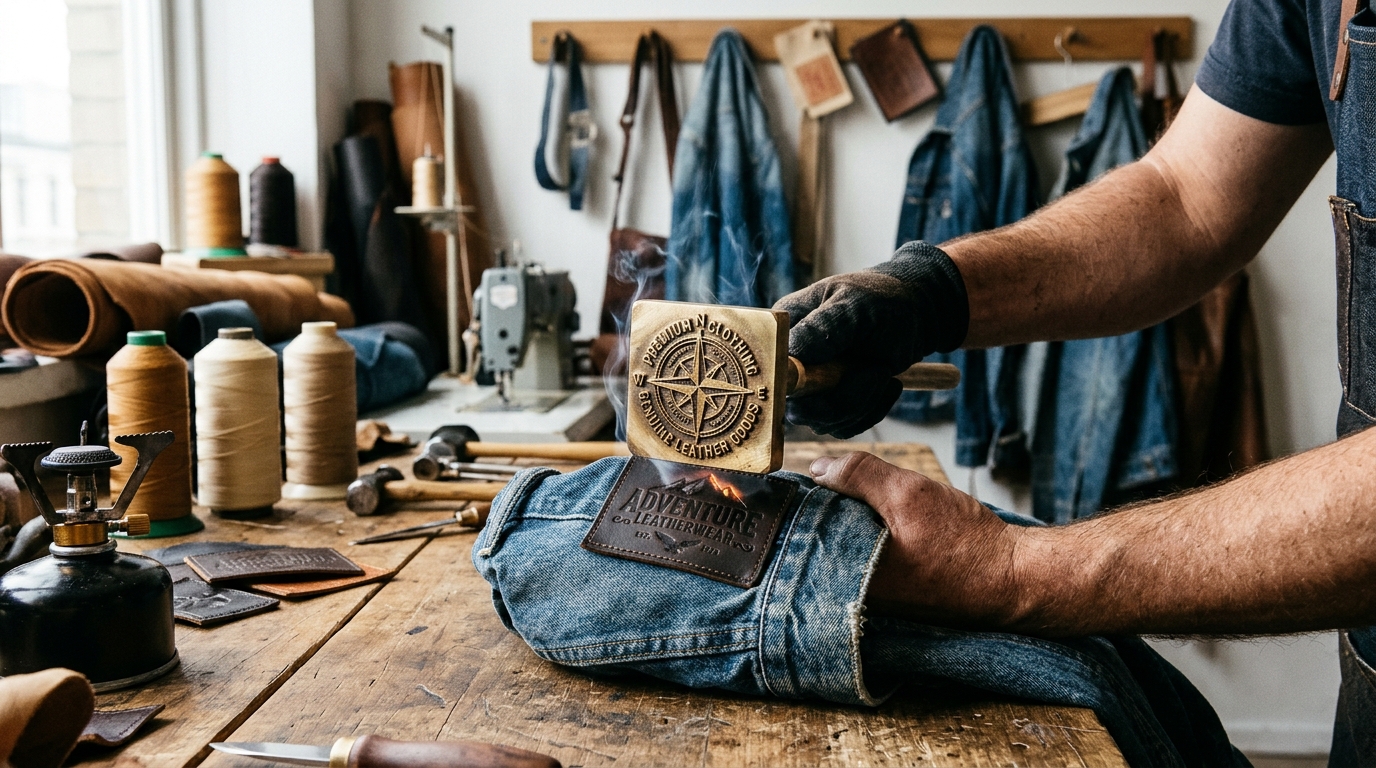
Custom leather patches are a popular choice for clothing manufacturers, fashion designers, and apparel businesses that want to create distinctive, professional-looking products. From genuine leather patches on premium leather jackets to personalized labels on denim jackets, jeans, shirts, and workwear, these versatile accessories combine practical branding with attractive design.
In today's competitive clothing market, small details can make a significant difference in how customers perceive a product. A carefully designed leather patch can make a garment look more refined, communicate a brand's identity, and help distinguish a clothing collection from similar products. With options such as embossed logos, debossed lettering, laser engraving, and customized shapes, leather patches can be tailored to suit a wide range of fashion styles.
Whether you operate a leather jacket manufacturing business, manage a clothing brand, or produce customized apparel for retail customers, choosing the right leather patches can improve the appearance and consistency of your products. Understanding available materials, design techniques, attachment methods, and production options will help you make better decisions for your next collection.
What Are Custom Leather Patches?
Custom leather patches are specially designed labels or decorative pieces made from genuine leather or synthetic leather alternatives. They can feature company logos, brand names, initials, symbols, decorative artwork, or other identifying details.
Unlike ordinary fabric labels, leather patches have a distinctive surface texture that adds character to garments. Depending on the material and finishing technique, they can appear rugged, vintage, minimalist, or luxurious.
These patches are commonly used on leather jackets, denim jackets, jeans, coats, shirts, bags, and other fashion accessories. Clothing manufacturers often use them to display brand information, while independent designers use them to create a signature appearance for their collections.
Customization options include the patch's shape, size, thickness, color, edge finish, logo treatment, and attachment method. This flexibility makes leather patches suitable for both small creative projects and large commercial production orders.
The best patch design depends on the garment itself. A thick leather jacket may accommodate a substantial leather label, while a lightweight shirt may require a smaller and more flexible option.
Custom Leather Patches for Leather Jackets
Leather jackets have remained an important part of fashion because of their durability, versatility, and timeless appearance. Custom leather patches can complement these qualities by adding distinctive branding without overwhelming the jacket's original design.
Manufacturers can place patches on selected areas, including the chest, sleeves, back panels, or inner lining. The most suitable location depends on the jacket's construction, the intended appearance, and the size of the logo.
A small patch on the chest can create a subtle branded finish. A larger patch on the back may work better for statement jackets, motorcycle-inspired fashion, or limited-edition collections.
Color selection is particularly important. Black leather patches can create a coordinated appearance on black jackets, while brown or tan patches can provide contrast against darker materials. For lighter leather jackets, a darker patch may improve logo visibility.
Material compatibility should also be considered. Genuine leather patches may complement genuine leather jackets, while leatherette patches can provide an alternative for certain synthetic or mixed-material garments.
Before attaching a patch, manufacturers should evaluate the jacket's surface and construction. Stitching through leather can leave permanent holes, so placement and attachment should be planned carefully. A suitable professional method can help preserve the garment's appearance and structural integrity.
Leather Patches for Denim Jackets
Denim jackets are ideal for creative customization because their durable fabric works well with a variety of patch styles. Combining denim with leather creates a familiar contrast that suits casual fashion, streetwear, workwear, and premium clothing collections.
Brown leather patches are a traditional choice for blue denim, while black patches can create a modern and understated finish. Other colors may be suitable when they complement the clothing brand's visual identity.
Custom patches can display a logo, collection name, brand initials, or decorative symbol. A patch positioned near the hem can create a classic denim-label appearance, while a chest patch can provide more visible branding.
Large back patches are another option for brands that want to create distinctive designs. Depending on the garment, a manufacturer might combine a leather patch with embroidery or printed artwork to produce a layered visual effect.
For denim jackets that will be washed regularly, the patch material and attachment method must be selected with care. Leather and leatherette products have different cleaning requirements, and some finishes may not tolerate high heat or aggressive washing.
Clothing brands should confirm care instructions before production and test the finished combination when frequent laundering is expected.
Custom Leather Logo Patches for Clothing Brands
A recognizable logo helps customers identify a clothing brand across different products. Custom leather logo patches provide a consistent way to display that identity on jackets, jeans, shirts, coats, and accessories.
A clothing business can use the same logo treatment throughout its collection while adjusting patch size and placement for individual garments. For example, a leather jacket might feature a medium-sized chest patch, while jeans use a smaller label near the waistband.
Logo patches can be customized with embossed designs, debossed lettering, engraved artwork, or other suitable marking methods. The right technique depends on the logo's complexity and the selected material.
Simple logos often work particularly well on leather because the material itself contributes texture and visual interest. Fine details and very small lettering may require adjustments to remain readable after production.
When preparing a logo, provide clear artwork and confirm the intended dimensions. A professional supplier can help determine whether the design is suitable for embossing, engraving, or another finishing process.
Consistency matters as well. Matching colors, proportions, and placement across products can make a clothing collection feel more organized and recognizable.
Genuine Leather Patches vs. Leatherette Patches
Choosing between genuine leather and leatherette is an important decision for apparel manufacturers. Both materials can provide attractive branding, but they differ in composition, texture, appearance, and care requirements.
Genuine Leather Patches
Genuine leather patches are made from animal hide and feature natural grain patterns. These variations can give each patch a distinctive appearance, making genuine leather suitable for premium jackets, heritage-inspired fashion, and traditional denim products.
Depending on the leather grade and finishing process, patches may have a smooth, textured, matte, or slightly polished surface.
Genuine leather can work well for embossed and debossed branding, although the results depend on the material's thickness, finish, and manufacturing process.
Brands considering genuine leather should also account for sourcing requirements, product labeling, care instructions, and any relevant animal-material policies.
Leatherette Patches
Leatherette patches are made from synthetic materials designed to resemble leather. They can offer consistent colors and a uniform surface, making them useful for clothing businesses seeking a particular appearance across larger production runs.
Depending on the product, leatherette may support engraving, embossing, debossing, or other decorative treatments.
However, not every synthetic material is suitable for every process. Manufacturers should confirm material compatibility with the supplier before approving a design.
Leatherette can be a useful alternative for brands that do not want to use animal leather, but the precise material composition should be verified rather than assumed.
How to Choose the Right Material
Consider the jacket's construction, the expected use of the garment, the desired visual style, and the brand's material requirements.
Genuine leather may be appropriate for traditional premium outerwear, while leatherette can be suitable for products requiring a consistent synthetic finish.
Neither option is automatically best for every application. Reviewing samples and testing the finished patch on the intended garment can help you make an informed decision.
Embossed, Debossed, and Engraved Leather Patches
The finishing technique determines how a logo appears on a leather patch. Selecting the right process can help communicate the style and quality of a clothing brand.
Embossed Leather Patches
Embossing creates a raised design on the patch surface. It is often used for brand names, bold logos, initials, and simple symbols.
The raised effect can make a design more noticeable while preserving the material's natural texture. Embossed leather patches are commonly used on premium apparel, jackets, jeans, and accessories.
The design should have enough space and definition for the raised details to remain clear. Extremely fine lines may not reproduce as effectively as broader shapes.
Debossed Leather Patches
Debossing creates an indented design by pressing the artwork into the material. This technique can produce a subtle, refined finish that works well for minimalist logos and understated branding.
Debossed patches are particularly suitable for clothing labels where the material's texture should remain the main visual feature.
Depending on the leather and production method, the indentation may create a noticeable contrast between the logo and the surrounding surface.
Laser-Engraved Leather Patches
Laser engraving uses a laser to mark a compatible material. It can be useful for detailed artwork, lettering, and logos that require accurate lines.
The final appearance depends on the material's composition, color, coating, and engraving settings. Some synthetic materials may not be suitable for laser processing, so compatibility must be confirmed in advance.
When choosing a finishing technique, consider how clearly the design will appear at the final patch size. Requesting a digital proof or sample can help identify issues before bulk production.
Custom Leather Patches for Jeans and Denim Pants
Leather patches have a long association with denim jeans because they provide a convenient area for brand identification near the waistband.
A patch can display a logo, brand name, product line, or other design element. Traditional rectangular patches remain popular, but brands can also choose rounded corners, custom outlines, and other shapes.
Brown and tan patches are common choices for blue denim, while black labels may suit dark or contemporary collections. The best color depends on the garment and the overall branding strategy.
For premium denim brands, a carefully finished leather patch can become a recognizable part of the product's appearance. Consistent sizing and placement across different jean styles can further strengthen the visual identity of a collection.
Manufacturers should also consider flexibility and comfort. A patch that is too thick or stiff may not work well in areas that bend frequently or come into contact with the wearer.
The attachment method must be appropriate for both the patch and the denim. Testing the finished garment can help identify problems with stitching, washing, or everyday use before the design is introduced across a full collection.
Leather Patches for Shirts and Overshirts
Although leather patches are often associated with jackets and jeans, they can also enhance shirts and overshirts.
Heavy cotton shirts, denim shirts, flannel overshirts, and workwear-inspired designs can accommodate leather or leatherette labels when the patch is sized appropriately.
A small patch on the chest or lower hem can create a subtle branding detail. For casual fashion, a simple logo or monogram often works better than a complicated design with numerous small elements.
Lightweight shirts require additional consideration because thick patches may affect the garment's drape and comfort. Smaller patches or lighter materials may be more suitable for these products.
Brands should also assess how the patch behaves during cleaning. If the shirt requires regular washing, confirm that the patch material and attachment method can tolerate the intended care process.
When designed correctly, leather patches can create a distinctive look for casual shirts without making the garment feel unnecessarily heavy.
Custom Leather Patches for Biker and Motorcycle Jackets
Biker-inspired clothing often uses strong visual elements, including bold logos, distinctive lettering, and contrasting materials. Custom leather patches can complement this style on motorcycle jackets and fashion outerwear.
A patch might feature a brand name, initials, decorative artwork, or a simple symbol. Traditional designs often use black and brown materials, while contemporary collections may introduce contrasting colors.
Placement should follow the jacket's overall construction. Chest and sleeve patches may provide visible branding, while larger back designs can create a statement appearance.
For actual motorcycle protective garments, decorative patches should never compromise protective panels, safety markings, important seams, or manufacturer instructions. Attachment should be evaluated carefully because modifications can affect the garment's construction.
Material selection is also important for jackets exposed to rain, sunlight, friction, and changing temperatures. Ask the supplier about suitable finishes and care requirements rather than assuming every leather patch is weatherproof.
Leather Patches for Workwear and Corporate Apparel
Businesses can use custom leather patches to create a distinctive appearance on selected workwear products. Leather or leatherette labels may be suitable for heavy jackets, utility clothing, overshirts, aprons, and some uniforms.
These patches can display a company logo, brand name, department identity, or other approved design.
For corporate clothing, consistency is often more important than elaborate decoration. A clear logo, appropriate patch size, and coordinated colors can help create a professional appearance across a team.
Before choosing leather patches for industrial workwear, consider the conditions in which the clothing will be used. Heat, chemicals, repeated washing, abrasion, and other workplace factors may affect the patch material and attachment.
Leather patches should not replace required safety labels, reflective markings, or protective features. If the garment is intended for a regulated work environment, confirm that customization complies with applicable requirements.
Custom Leather Patches for Bags and Fashion Accessories
Leather patches can also be used on backpacks, travel bags, handbags, wallets, and other accessories. These applications provide opportunities for clothing brands to extend their visual identity beyond garments.
A patch on a backpack or travel bag can display a logo while complementing the product's material and color. For wallets and smaller accessories, compact patches with simple designs may be more appropriate.
The patch should match the accessory's intended use. Items exposed to regular handling may require durable attachment, while products made from delicate or coated materials may need a specialized method.
For accessories intended for outdoor use, ask about resistance to moisture, friction, and sunlight. Performance varies depending on the material and finish, so claims should be confirmed for the specific product.
Using coordinated patch designs across clothing and accessories can help a brand create a consistent product range.
Wholesale Custom Leather Patches for Apparel Manufacturers
Wholesale leather patches can be useful for clothing factories, fashion labels, retailers, uniform suppliers, and businesses that produce garments in larger quantities.
Ordering in bulk may reduce the cost per patch, although the final price depends on several factors, including material, dimensions, artwork complexity, finishing technique, quantity, and production requirements.
Before placing a wholesale order, prepare a clear specification for the patch. Include the material, shape, measurements, color, logo treatment, border finish, attachment method, and expected quantity.
Ask the supplier whether a digital proof or physical sample is available. A sample can help you assess the patch's texture, color, thickness, and overall appearance before approving a larger order.
Small businesses should also ask about minimum order quantities. Some manufacturers offer low minimums or no-minimum options, while others require larger production runs.
Compare the complete order cost rather than looking only at the unit price. Setup charges, shipping, sample fees, and production timelines can all affect the value of a wholesale order.
How to Design a Professional Custom Leather Patch
A successful leather patch design combines readability, suitable proportions, and a style that complements the garment.
Start by identifying the main purpose of the patch. A brand logo for a premium leather jacket may need a different treatment from a decorative label for a casual denim collection.
Choose a shape that fits the available space. Rectangular and square patches work well for many logos, while custom-cut shapes can provide a more distinctive appearance.
Next, select the material and color. Consider whether genuine leather or leatherette better suits your brand, and determine whether the design should be embossed, debossed, or engraved.
Keep the artwork clear. Small lettering, intricate lines, and tightly packed details can become difficult to reproduce on a compact patch. Simplifying the design may improve the finished result.
Think about contrast as well. A logo should remain visible against the patch surface, and the patch itself should complement the garment rather than compete with it.
Finally, review the proof carefully. Confirm the spelling, logo proportions, alignment, dimensions, and color selection before production begins.
Choosing the Best Attachment Method for Leather Patches
The attachment method affects the appearance, durability, and practicality of a finished garment.
Sew-On Leather Patches
Sewing can provide a secure attachment for many jackets, denim garments, bags, and heavy clothing. However, stitching through genuine leather or a finished leather jacket creates permanent holes and should be planned carefully.
The garment's construction and the patch thickness will determine whether sewing is appropriate.
Adhesive-Backed Patches
Adhesive-backed patches may be suitable for certain applications, but compatibility depends on the adhesive, patch material, garment surface, and expected conditions.
Adhesive alone may not provide reliable long-term attachment to every leather surface. Test the method before using it on finished products.
Heat-Applied Patches
Some patches use heat-activated adhesive, but this method is not appropriate for every leather or synthetic material. Heat can damage, discolor, or deform certain jacket surfaces.
Always verify the manufacturer's instructions and material compatibility before applying heat.
For valuable leather garments, professional installation may be the safest option.
How to Care for Leather Patches on Jackets and Clothing
Proper care can help preserve the appearance of leather patches and the garments to which they are attached.
Always follow the cleaning instructions for the garment and patch material. Genuine leather, leatherette, coated materials, and textile fabrics may require different care methods.
Avoid assuming that a jacket can be machine-washed simply because the patch appears durable. Some leather garments require professional cleaning, while other products may tolerate specific washing methods.
Excessive heat, harsh chemicals, and unsuitable cleaning products can damage the surface or affect the attachment. If the garment gets wet, follow the care instructions provided by the manufacturer.
For clothing brands, including accurate care guidance with products can help customers maintain the garment's appearance.
Before introducing a new patch design across a collection, test a finished garment under the expected cleaning conditions. This can help reveal potential problems with fading, peeling, deformation, or attachment.
Common Mistakes to Avoid When Ordering Leather Patches
A few preventable mistakes can affect the final quality of custom leather patches.
One common problem is choosing a design with too much detail for the selected size. Very small text and thin lines may not reproduce clearly, especially with certain embossing techniques.
Another issue is selecting a material based on appearance alone. Genuine leather and synthetic leather alternatives have different properties, so the composition should be confirmed before production.
Incorrect measurements can also create problems. A patch that looks suitable in a digital design may appear too large or too small when placed on the actual garment.
Some businesses approve bulk orders without reviewing a proof or sample. This can make it more difficult to identify issues with color, texture, logo placement, or finishing before the full quantity is produced.
Finally, choosing an unsuitable attachment method can damage the garment or cause the patch to detach. Consider the material, intended use, and cleaning requirements before making a final decision.
How to Select a Reliable Custom Leather Patch Supplier
A reliable supplier should explain available materials, customization options, production processes, and pricing clearly.
Review examples of previous work to understand the supplier's finishing quality and design capabilities. If possible, examine a physical sample to evaluate the patch's texture, thickness, edge quality, and logo definition.
Ask whether the supplier can work with your artwork and provide a digital proof before production. Confirm the expected manufacturing timeline, shipping arrangements, payment terms, and minimum order requirements.
If you need genuine leather, leatherette, or a particular finish, request confirmation of the material specification. This is especially important when the product must meet a brand's sourcing or labeling requirements.
For wholesale orders, consistent quality across the entire batch matters. Discuss how the supplier manages colors, dimensions, and finishing so that patches remain consistent across different garments and production runs.
The best supplier is not necessarily the one offering the lowest initial price. Material quality, accurate customization, communication, reliable delivery, and appropriate production support all contribute to the overall value.
Why Custom Leather Patches Are Valuable for Clothing Brands
Custom leather patches do more than display a logo. They can become part of the visual identity that customers associate with a clothing brand.
A consistent patch design across leather jackets, denim jackets, jeans, shirts, and accessories can make a collection feel cohesive. It also gives manufacturers a practical way to maintain recognizable branding across different products.
Leather patches can suit several fashion directions, including classic denim, contemporary streetwear, premium outerwear, rugged workwear, and minimalist apparel.
They also offer flexibility for future collections. A brand may retain its core logo while changing patch colors, shapes, or finishes to match seasonal products.
Although a patch alone cannot guarantee stronger sales or customer loyalty, thoughtful design and consistent product quality can contribute to a more professional presentation.
Conclusion
Custom leather patches provide an effective way to enhance leather jackets, denim jackets, jeans, shirts, workwear, and premium fashion accessories. Their combination of texture, customizable branding, and varied finishing options makes them suitable for clothing manufacturers, independent designers, and established apparel businesses.
From genuine leather labels and synthetic leather alternatives to embossed logos, debossed lettering, and laser-engraved designs, there are many ways to create a patch that complements a garment's style. Selecting the right material, size, color, and attachment method is essential for achieving an attractive and practical result.
Whether you are developing a small clothing collection or ordering wholesale leather patches for large-scale production, take time to review the artwork, confirm material specifications, and approve a sample or proof before manufacturing. With careful planning and a reliable supplier, custom leather patches can help your apparel look distinctive, maintain consistent branding, and deliver a polished finish that customers appreciate.

Discussion & Feedback 0
Write a CommentNo comments yet
Have a question or feedback regarding this topic? Be the first to share your thoughts below!
Leave a Reply
Your email address will not be published. Required fields are marked *