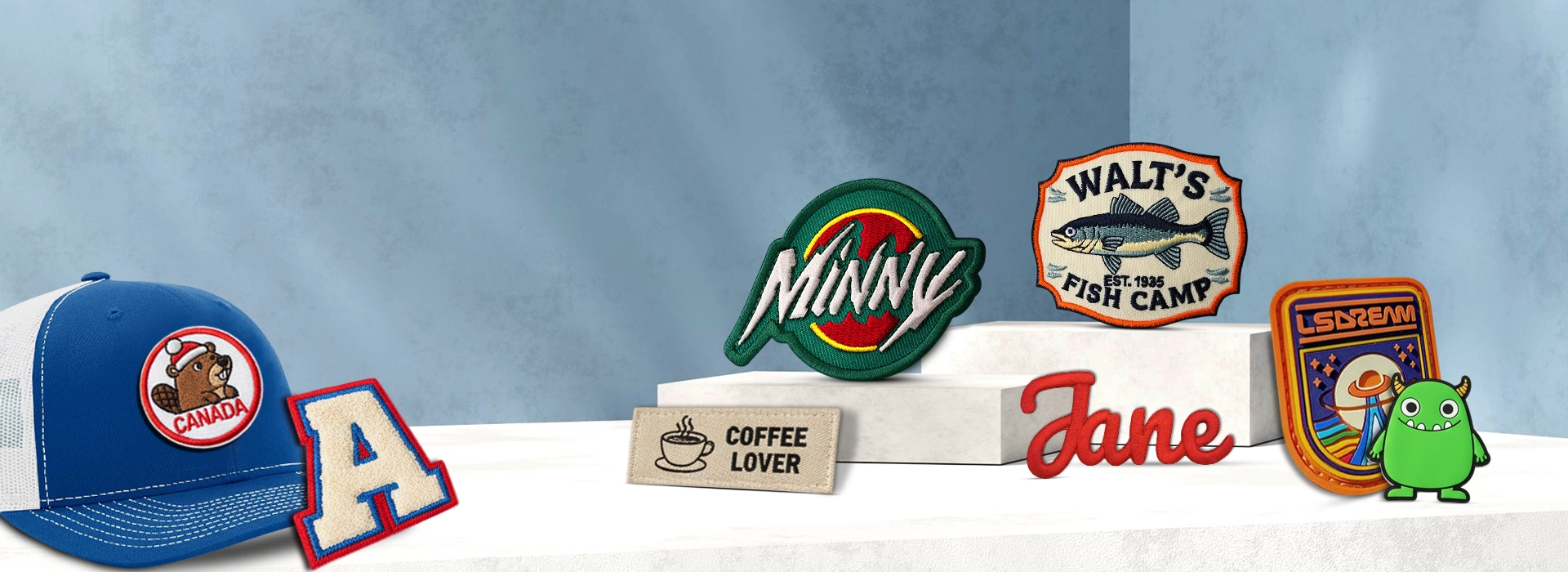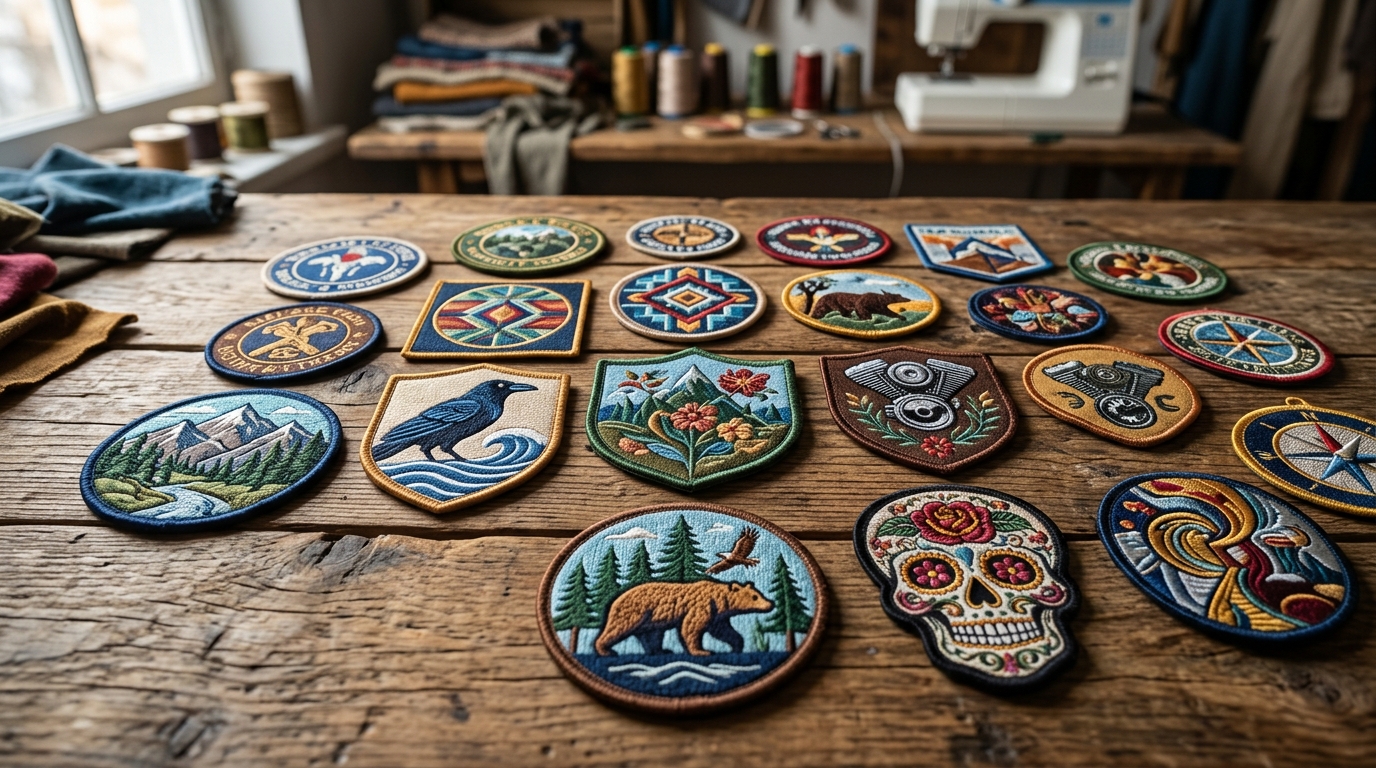
Creating products that people remember starts with thoughtful design. Whether you run a clothing brand, manage a small business, or produce uniforms for a team, the details you choose can influence how customers perceive your products. Custom embroidered patches offer a simple way to add logos, lettering, and unique artwork to clothing and accessories while maintaining a professional appearance.
From small logo patches on caps to large designs on denim jackets, embroidered patches are suitable for many different applications. They combine colored threads with a fabric base to create a textured finish that can complement casual clothing, workwear, sports apparel, and promotional merchandise.
Another reason businesses choose custom patches is their versatility. You can select different shapes, sizes, borders, and backing options according to the garment and your intended use. Small businesses can also explore low-quantity orders, making it easier to test a design before investing in larger production runs.
If you are considering custom embroidered patches for your products, understanding the design process, available options, and ordering requirements can help you make a more informed decision.
Why Custom Embroidered Patches Remain Popular
Embroidered patches have been used on clothing for generations, but they continue to be popular because they combine practical branding with a distinctive appearance.
Unlike a flat printed logo, embroidery creates texture through stitching. This can make a design stand out on jackets, hoodies, uniforms, caps, and bags. The finished appearance depends on the thread colors, stitch density, fabric backing, and overall artwork.
For businesses, custom embroidered logo patches provide a consistent way to display a company name or symbol across different products. A single approved design can often be adapted for several garments, provided the dimensions and construction are suitable.
Fashion brands can use patches to create a recognizable visual identity, while organizations may use them for team identification or uniform branding. Independent designers can also experiment with decorative artwork and limited-edition designs.
The key is choosing a design that works with the intended garment rather than treating the patch as an afterthought.
Custom Patches for Small Clothing Brands
Starting a clothing business involves many decisions, from choosing fabrics and suppliers to developing packaging and marketing materials. Keeping initial production costs manageable is especially important when you are still learning what your customers prefer.
Custom patches for small clothing brands provide a flexible way to introduce branding without investing in a completely new garment design.
For example, a new streetwear label might add an embroidered logo to the chest of a hoodie, a small patch to a cap, or a larger design to a denim jacket. These details can help connect different products to the same brand identity.
Small quantity orders are particularly useful for testing new designs. If a supplier offers custom embroidered patches with no minimum order, you may be able to purchase individual samples or a small batch before committing to bulk production.
However, minimum quantities and setup charges vary between manufacturers. Always request a complete quote so you understand the cost of producing a small order.
Starting with a manageable quantity allows you to evaluate the finished product, gather customer feedback, and improve your design before placing a larger order.
Choosing the Right Design for Your Logo
Your logo should remain recognizable when it is reproduced as a patch. A design that looks attractive on a computer screen may need adjustments before it can be embroidered successfully.
Very small lettering, thin lines, and intricate details can be difficult to reproduce with thread. Simplifying the artwork can often improve readability without changing the core identity of your brand.
Consider the intended patch size when preparing your logo. A design for a small cap patch may need different proportions from artwork intended for the back of a jacket.
Color selection also matters. Contrasting thread colors can make lettering easier to read, while a limited color palette can create a clean, understated appearance.
If you already have established brand colors, provide them to your manufacturer along with your logo file. Ask whether the available thread colors can approximate your references, since physical thread may not match digital colors exactly.
Before production begins, review a digital proof and check the proportions, spelling, colors, and border.
Custom Patches for Streetwear and Casual Fashion
Streetwear brands often use graphics, logos, and distinctive details to communicate their identity. Custom embroidered patches for streetwear can add texture to hoodies, denim jackets, overshirts, caps, and accessories.
A small embroidered symbol can work well for minimalist clothing, while a larger patch can create a statement design. Some brands prefer monochrome embroidery, while others use contrasting colors to make their graphics more noticeable.
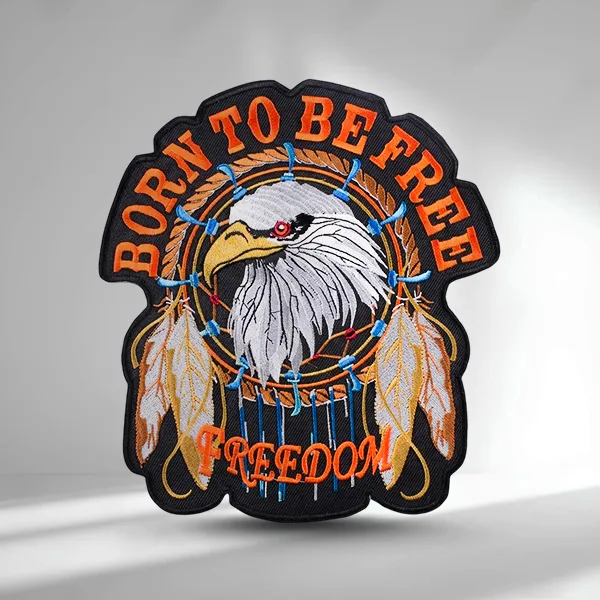
Patch placement can influence the overall appearance. A design on the chest or sleeve may create a subtle branded finish, whereas a large back patch can become the main feature of a jacket.
When developing a collection, consider how each patch fits with the garment's shape, fabric, and color. A well-planned design should complement the product and feel consistent with the rest of the collection.
Limited-edition patches can also be useful for seasonal releases and special collaborations. They provide a way to introduce new artwork without changing every aspect of an existing garment.
Custom Embroidered Patches for Work Uniforms
Businesses frequently use embroidered patches to create consistent uniforms for employees. Restaurants, construction companies, maintenance teams, delivery businesses, and other organizations may use branded patches on shirts, jackets, aprons, and outerwear.
Custom embroidered patches for work uniforms can display company logos, approved department names, or other relevant identification.
When choosing patches for workwear, think about how the garments will be used. A uniform worn occasionally in an office may have different requirements from clothing used during physical work or frequent washing.
Sew-on patches can provide a practical attachment method for many work garments. Their durability depends on the stitching, fabric, patch construction, and care routine.
Iron-on patches may also be suitable for compatible fabrics, but heat application is not appropriate for every material. Check the garment manufacturer's instructions before choosing this option.
For large uniform orders, standardize the patch size, logo placement, thread colors, and backing. Reviewing a sample before production can help prevent inconsistencies across the order.
Custom Name Patches for Professional Clothing
Name patches help identify employees and can contribute to a consistent uniform appearance. They are used in various workplaces, including hospitality, security, retail, maintenance, and customer service.
Custom name patches for uniforms can feature an employee's name, an approved company logo, or a department label. The design should be easy to read at the intended size.
For businesses ordering patches for multiple employees, it is useful to prepare a verified list of names before production. Check spelling, capitalization, and any required job titles carefully.
You should also consider whether every employee will use the same patch dimensions and colors. Consistent specifications make uniforms look more organized and simplify future orders.
If the patches are intended for specialized uniforms, confirm that the design and materials comply with the organization's requirements.
Custom Leather Patches for Hats and Caps
Embroidered patches are not the only option for branded headwear. Leather patches offer a different appearance and are often selected by outdoor brands, workwear labels, and lifestyle businesses.
Custom leather hat patches can feature a logo created through engraving, embossing, debossing, or other suitable processes.
Real leather provides natural texture and variation, while synthetic leather may offer a more consistent finish. The best choice depends on the desired appearance, budget, and product specifications.
When designing a leather patch for a cap, consider the curvature of the front panel. The patch should fit comfortably within the available space without interfering with seams or other construction details.
Simple artwork often works particularly well for leather because bold shapes and clear lettering remain easy to recognize.
Before ordering, confirm the dimensions, material, finish, and attachment method with the manufacturer. The method should be compatible with the hat fabric and construction.
Woven Patches for Detailed Artwork
Some logos contain small text or intricate lines that may be difficult to reproduce with traditional embroidery. Woven patches can be a useful alternative because the artwork is created by interlacing threads, producing a relatively flat surface.
Custom woven patches for clothing are commonly used for compact logos, garment labels, and designs that require clear details.
They can be attached to shirts, jackets, bags, and other fabric products. Depending on the intended application, they may feature different edge finishes or be folded for integration into garment seams.
When comparing woven and embroidered patches, consider the overall appearance you want. Embroidery offers a raised, textured finish, while woven construction may be better suited to fine details.
Neither option is universally superior. The right choice depends on the artwork, dimensions, and intended application.
PVC Patches for Outdoor and Tactical Gear
PVC patches are often chosen for products that benefit from a molded appearance rather than a traditional fabric texture.
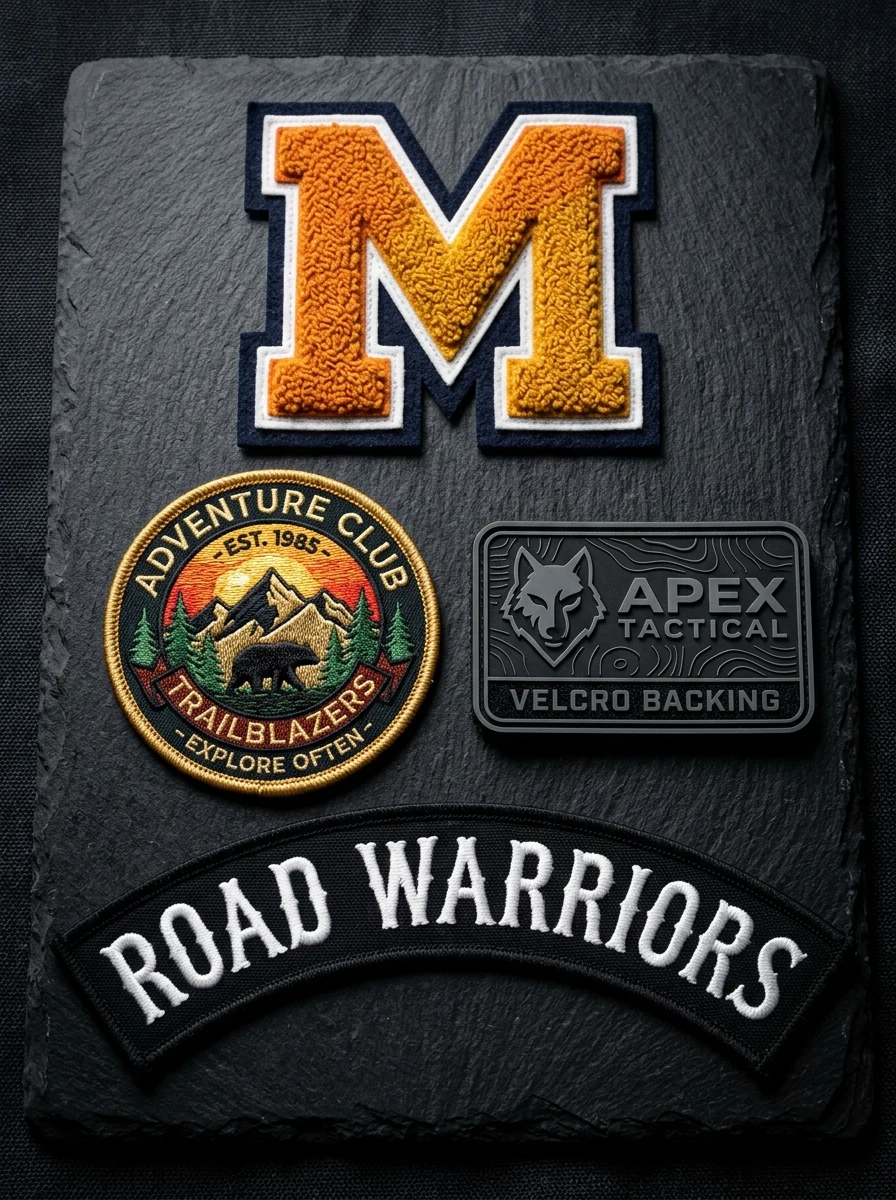
Custom PVC patches with Velcro backing are used on compatible backpacks, bags, equipment panels, and tactical-style accessories. Their raised designs can feature bold lettering, symbols, and clearly separated colors.
The hook-and-loop backing allows a patch to be removed and replaced when the item has a compatible loop panel.
For outdoor products, ask the supplier about the material's suitability for the intended environment. Exposure to sunlight, moisture, temperature changes, and repeated abrasion can affect materials differently.
If your design contains small lettering, confirm that the details can be reproduced clearly using the selected manufacturing process.
Also check whether the order includes the hook component only or a matching loop panel. This can affect both the final price and how the patch will be installed.
Chenille Patches for Varsity and Collegiate Clothing
Chenille patches have a soft, raised surface that gives them a distinctive appearance. They are commonly associated with varsity jackets, school apparel, collegiate fashion, and sports-inspired clothing.
Custom chenille patches are often used for large letters, initials, team symbols, and decorative designs.
Their textured finish can create a strong visual contrast against wool, felt, denim, and other suitable fabrics. Different border styles and color combinations allow designers to create both traditional and contemporary looks.
If you are ordering chenille patches for a jacket collection, consider the thickness of the patch and the available space on the garment.
Because chenille is generally thicker than many embroidered designs, confirm that the attachment method is appropriate for the fabric and intended use.
A sample can help you evaluate the texture, dimensions, and colors before ordering a larger quantity.
Finding Affordable Custom Embroidered Patches
Price is an important consideration for any business, but the cheapest option may not provide the best overall value.
The cost of custom embroidered patches depends on several factors, including patch dimensions, design complexity, thread colors, quantity, backing, and finishing.
Large patches typically require more material and production work. Detailed designs may require additional preparation, while specialized backing can affect the overall price.
Quantity also influences the cost per piece. Larger orders may offer lower unit pricing, but they require a greater upfront investment.
When requesting a quote, provide your logo, desired dimensions, quantity, backing preference, and delivery location. Ask whether the price includes digitizing, proofing, packaging, and shipping.
For a small business, comparing the complete cost is more useful than looking only at the advertised price per patch.
It is also worth asking about repeat-order pricing if you expect to use the same design across future product collections.
Why Digital Proofs Matter Before Ordering
A digital proof gives you a chance to review the proposed patch design before production begins.
Many manufacturers offer proofing services, although the number of revisions and any associated fees vary.
When reviewing your proof, check the logo proportions, lettering, spelling, thread colors, dimensions, and border. Make sure the design matches your original requirements.
Pay particular attention to small text and fine details. If something looks too crowded, ask whether the artwork can be simplified.
A digital preview is not always an exact representation of the finished patch. Thread texture, material color, and manufacturing tolerances can affect the physical result.
For complicated designs or larger orders, consider asking whether a physical sample is available.
Approving the final artwork carefully can help reduce mistakes and avoid delays caused by changes after production has started.
How to Order Custom Patches for Your Business
A clear order specification makes it easier for a manufacturer to understand your requirements and prepare an accurate quotation.
Start by selecting the patch type that best suits your product. Decide whether you need embroidered, woven, leather, chenille, or PVC construction.
Next, determine the dimensions and shape. If you are unsure about the ideal size, explain where the patch will be attached and ask for recommendations.
Provide your logo in the clearest available format and specify your preferred colors. Include the quantity you need, along with the backing and border style.
You should also communicate your delivery deadline. If you need patches for an event or product launch, allow time for artwork approval, manufacturing, and shipping.
Before confirming the order, review the quote and make sure you understand the payment terms, production timeline, and policies for incorrect or damaged products.
For large orders, approving a sample before full production can be a sensible precaution.
What to Look for in a Custom Patch Supplier
A dependable patch supplier should provide clear communication, consistent product quality, and realistic delivery estimates.
Review examples of previous work to assess stitching, borders, lettering, and finishing. If you need a specialized material, look for examples made using the same construction method.
Ask about minimum order quantities, setup fees, digital proofs, production schedules, and shipping arrangements.
If your business requires small quantities, confirm that the supplier can accommodate your needs without unexpected charges.
For companies that plan to reorder regularly, it is useful to ask whether the manufacturer can retain approved artwork and specifications. This can simplify repeat orders and help maintain consistency.
Customer reviews can provide additional context, especially when they describe communication, delivery reliability, and how the supplier handles problems.
The right supplier should be able to explain the available options and help you choose a patch that suits your intended use.
Conclusion
Custom embroidered patches offer clothing brands and businesses a versatile way to display logos, improve product presentation, and create consistent branding across different garments.
From embroidered patches for streetwear to woven labels, leather hat patches, chenille designs, and PVC options for compatible equipment, there are plenty of ways to adapt a patch to your needs.
The best results come from choosing suitable materials, preparing clear artwork, selecting the right backing, and reviewing the final proof before production.
If you are launching a new clothing brand, start with a design that reflects your identity and consider testing it on a small batch. If you are ordering patches for uniforms or an established product line, focus on consistency, durability, and clear specifications.
With careful planning and a reliable supplier, custom patches can become a valuable part of your branding strategy and help your products stand out for the right reasons.