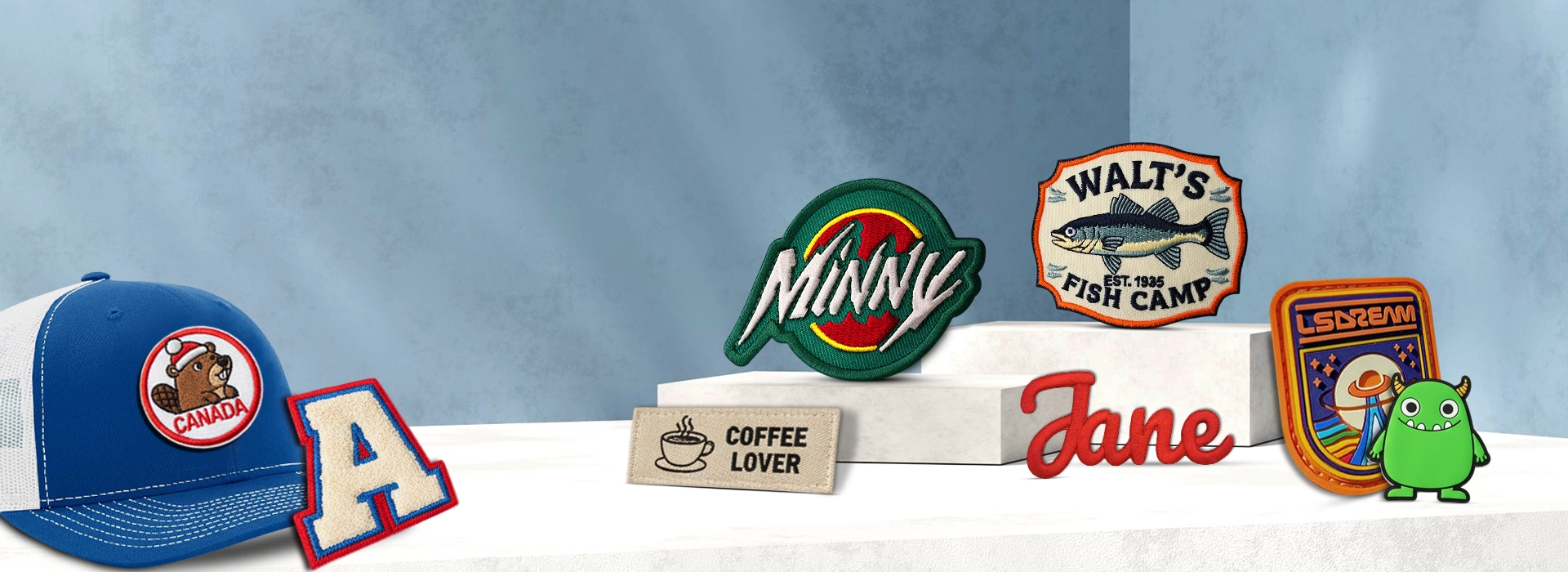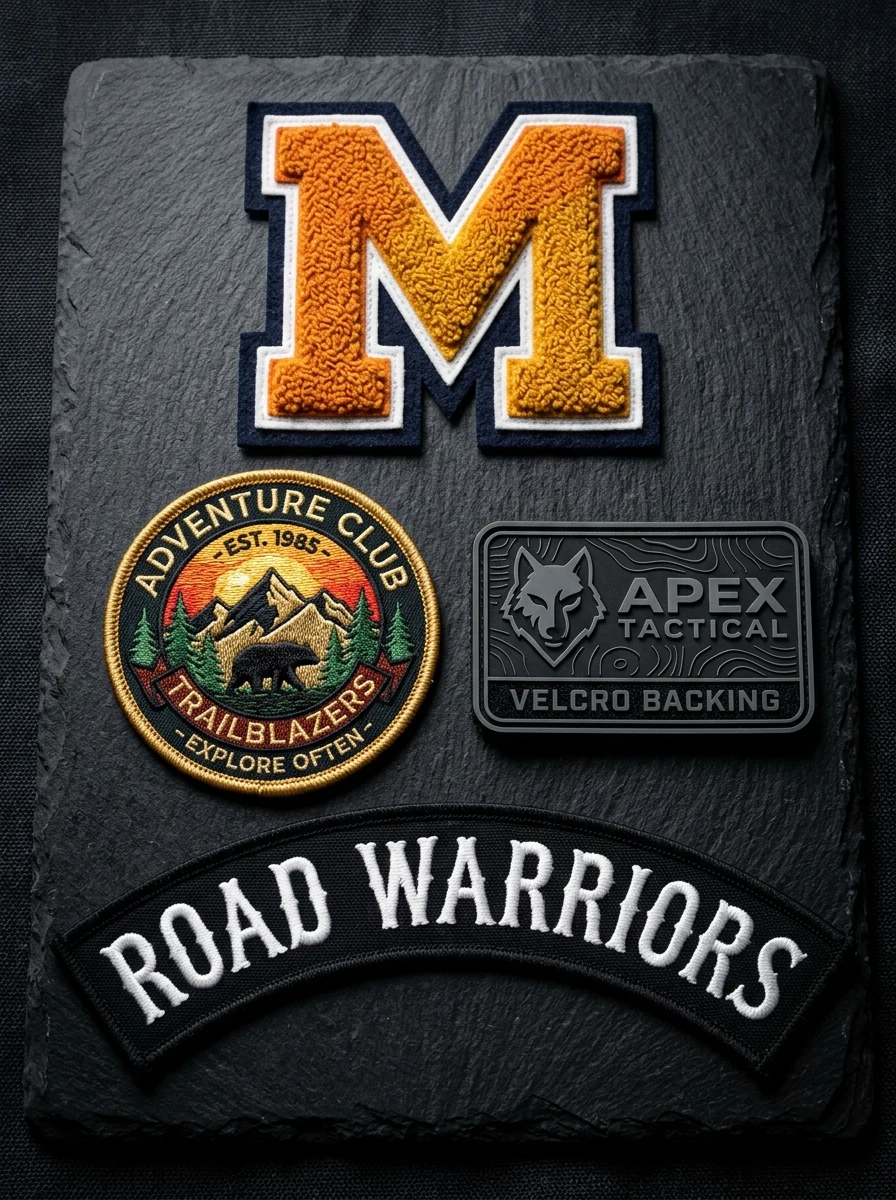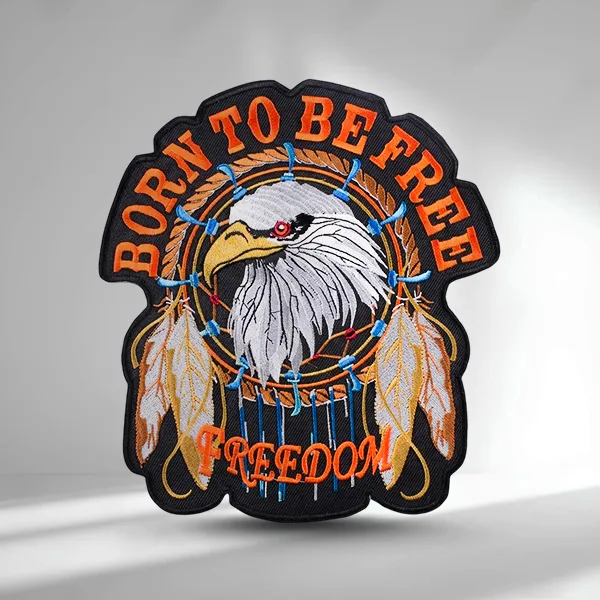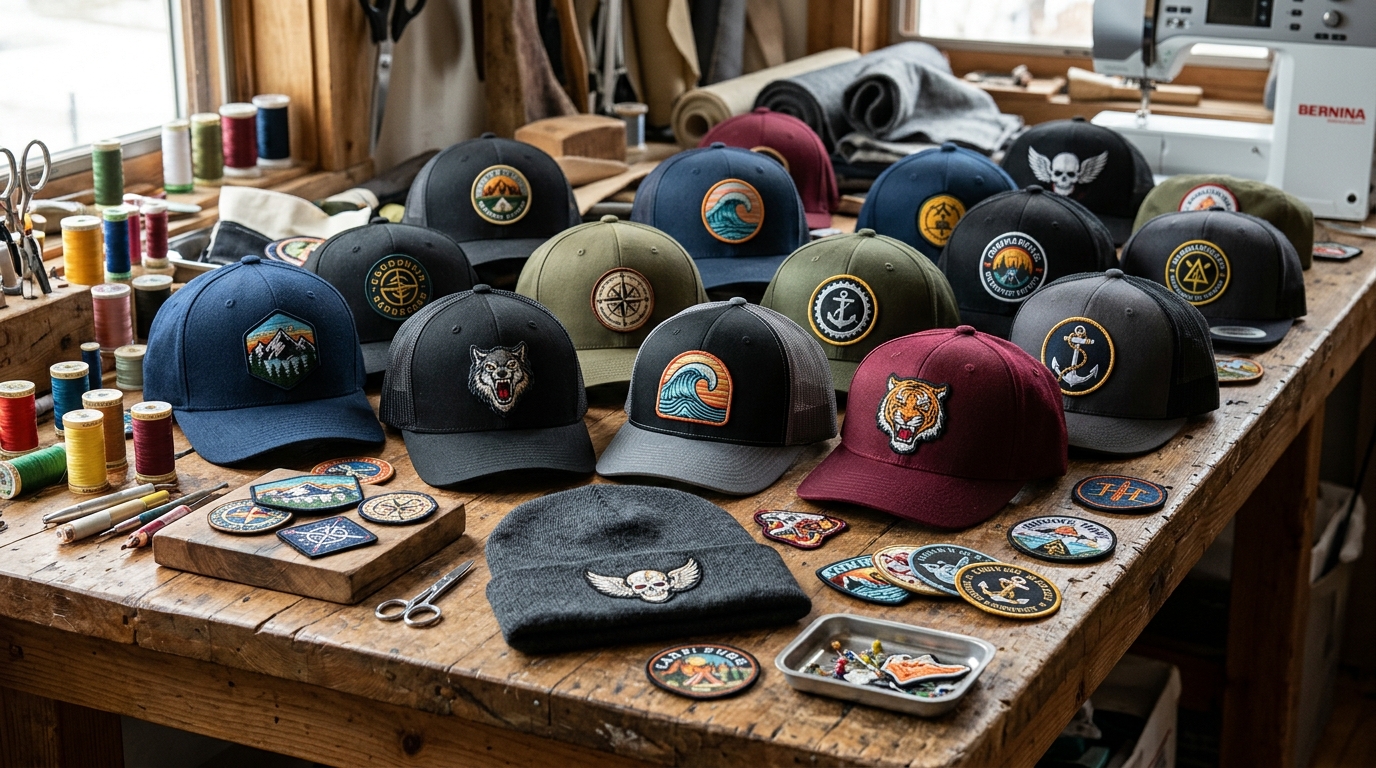
Custom hats and caps have become a popular choice for clothing brands, small businesses, sports teams, outdoor enthusiasts, and organizations looking to create recognizable merchandise. A simple cap can become a powerful branding tool when it features a well-designed logo, embroidered emblem, or personalized patch. Whether you are launching a clothing line, promoting a business, or creating hats for a team, custom patches for hats offer a practical way to make your headwear look distinctive.
Custom hat patches are available in different materials, including embroidery, woven fabric, leather, and PVC. Each option offers a different appearance, allowing businesses and individuals to choose a style that matches their products. Some prefer the traditional look of custom embroidered patches, while others choose leather patches for a rugged finish or PVC patches for a modern design.
Choosing the right patch involves more than selecting a logo. You also need to consider the hat style, patch size, material, attachment method, and overall design. These details influence how the finished cap looks and how well the patch suits its intended use.
In this guide, we will explore the different types of custom patches for hats and caps, explain how to design an attractive patch, and share useful tips for ordering personalized headwear for your brand or business.
Why Custom Patches for Hats Are So Popular
Hats are practical accessories that people wear for fashion, sports, work, travel, and outdoor activities. Because they are used in many different settings, they offer businesses an opportunity to display their branding on an everyday product.
Custom patches make this branding more flexible. Instead of stitching a logo directly into every hat, a business can choose a patch design that can be produced separately and applied to suitable headwear.
This approach is particularly useful for small clothing brands, promotional merchandise companies, sports teams, and businesses that need matching caps for employees.
Create a Recognizable Brand Identity
A custom logo patch can make a cap easier to associate with a particular brand. A clothing company might use a small embroidered symbol, while an outdoor business could choose a leather patch featuring its name and logo.
Using consistent colors, typography, and logo placement helps create a recognizable appearance across different products.
For example, a brand might use the same patch design on baseball caps, trucker hats, and selected jackets. Even when the products have different shapes, the shared branding creates a connection between them.
Make Simple Caps Look More Distinctive
Plain hats are easy to personalize because they provide a clean surface for adding a design.
A carefully positioned custom patch can give an ordinary cap a more finished appearance. The design might feature a company logo, initials, a short slogan, a team emblem, or a decorative illustration.
The key is to choose a design that suits the cap. A large patch may work well on a structured trucker hat, while a smaller patch can look more balanced on a compact or curved front panel.
Create Merchandise Customers Can Use
Branded hats are commonly used for promotional campaigns, company events, sports activities, and clothing collections.
Unlike some promotional items that have limited practical value, caps can be worn regularly when they are comfortable and visually appealing.
For businesses, this creates an opportunity to combine useful merchandise with recognizable branding. However, the design should appeal to the intended audience rather than simply displaying as much company information as possible.
Different Types of Custom Hat Patches
The material you choose influences the appearance, texture, and suitability of the finished patch. Before selecting an option, consider the style of the cap, the complexity of your artwork, and how the product will be used.
Custom Embroidered Patches for Hats
Custom embroidered patches are a popular option for baseball caps, trucker hats, casual headwear, and branded merchandise.
These patches use stitched thread to create a textured design. The raised appearance can give a logo a traditional, premium, or sporty look, depending on the artwork and colors.
Embroidered hat patches work particularly well for bold lettering, simple symbols, and logos with clear outlines. They are suitable for businesses that want a classic appearance without using a molded or printed design.
For best results, avoid squeezing too many small details into a compact patch. Fine text may be difficult to reproduce clearly, especially when the patch is intended for a small cap panel.
Custom Leather Patches for Hats
Custom leather patches are widely used on trucker hats, outdoor-inspired caps, casual clothing, and lifestyle merchandise.
Depending on the material and manufacturing process, a leather patch may feature an embossed, debossed, engraved, or printed logo. The result can look rugged, understated, or refined.
Leather patches are particularly suitable for brands connected to outdoor activities, denim, workwear, travel, and casual fashion.
You can choose genuine leather or synthetic alternatives according to your budget, preferred appearance, and care requirements. Because different materials respond differently to moisture and cleaning, confirm that the selected patch is suitable for the intended use.
Custom PVC Patches for Caps
Custom PVC patches offer a different look from fabric-based and leather patches. Made from flexible synthetic material, they can feature raised details, defined edges, and bold color combinations.
PVC hat patches may suit outdoor brands, modern streetwear collections, sports merchandise, and promotional products.
They work especially well for designs with strong shapes and clear visual elements. However, the final result depends on the design, patch dimensions, and manufacturing capabilities of the supplier.
If your brand prefers a contemporary appearance, PVC patches may be worth considering alongside embroidery and leather.
Custom Woven Patches for Hats
Woven patches use fine threads to create a relatively flat surface. This construction can help reproduce smaller design details and fine lettering.
They are useful when a logo includes elements that may be difficult to reproduce clearly using thicker embroidery threads.
Woven hat patches can suit fashion brands, promotional caps, and designs that require a neat, compact appearance.
When deciding between woven and embroidered patches, consider how much texture you want and how detailed the logo needs to be. A sample can help you compare the two options before ordering a larger quantity.
Printed Patches for Custom Headwear
Printed patches may be suitable for designs that include complex illustrations, color transitions, or details that are difficult to reproduce through traditional stitching.
The finished appearance depends on the printing method and the patch material.
Printed designs can offer greater flexibility for certain types of artwork, but it is important to consider how the surface will look against the hat fabric and how it will hold up under the expected conditions.
Ask your supplier to recommend a suitable process based on your logo and intended product.
Choosing the Best Hat Style for Your Custom Patch
The hat itself affects how the patch looks. Different cap styles have different front-panel shapes, fabric textures, and available attachment areas.
Selecting a patch that suits the headwear is essential for achieving a balanced design.
Custom Patches for Baseball Caps
Baseball caps are a versatile choice for casual clothing, team merchandise, retail branding, and promotional campaigns.
Their front panels provide a recognizable area for displaying logos and symbols. Embroidered patches are particularly popular because their texture complements the sporty appearance of many baseball caps.
When choosing a patch, consider the curvature of the front panel. A patch that is too wide or rigid may not sit properly on a strongly curved surface.
Check the cap's dimensions before approving the final patch size.
Custom Patches for Trucker Hats
Trucker hats are commonly associated with casual fashion, outdoor activities, and lifestyle brands. Many designs feature a structured front panel and a mesh back.
Their front panels can provide a suitable surface for embroidered, leather, woven, or PVC patches, depending on the cap construction.
Leather patches can create a rugged appearance, while embroidered designs may suit brands looking for a more traditional logo.
The best choice depends on the identity of your brand and the visual style you want to achieve.
Custom Patches for Dad Hats
Dad hats generally have a relaxed structure and a curved brim. Their softer appearance often works well with simple, understated branding.
A small embroidered patch featuring a logo or initials can complement the casual design without making the hat look crowded.
Because unstructured caps may have softer front panels, pay attention to the patch's weight, flexibility, and attachment requirements.
Ask the manufacturer whether the selected patch is appropriate for the specific cap style.
Custom Patches for Beanies
Custom patches are also used on knitted beanies and winter hats. A leather, woven, or embroidered patch can add branding to the front cuff or another suitable area.
Beanies have a different surface from structured caps because the material stretches and may have a knitted texture.
The patch should suit the fabric and allow the beanie to remain comfortable. Consider whether the design needs to accommodate stretching and whether stitching is appropriate for the knit.
Custom Patches for Work Caps
Businesses may use branded caps as part of employee uniforms. Construction teams, landscaping companies, delivery services, workshops, and outdoor businesses can all use custom headwear to complement their work clothing.
Embroidered logo patches can help create a consistent appearance across caps, jackets, and shirts.
For work caps, consider cleaning requirements, expected wear, and the working environment. If the cap is part of protective equipment, confirm that modifications are permitted and do not affect its intended protective function.
How to Design a Professional Custom Hat Patch
An effective hat patch should be easy to recognize, visually balanced, and suitable for the available space.
Because cap patches are often relatively small, careful design decisions can make a noticeable difference.
Start With a Clear Logo
Your logo is often the most important part of a branded hat. Use a high-quality file so the supplier can reproduce the design accurately.
Vector artwork is particularly useful because it can be resized without losing clarity. If your only available file is a small image, ask whether it needs to be recreated or simplified before production.
Consider creating a simplified version of your logo specifically for hats. A design that works on a website or large banner may contain too much detail for a small patch.
Choose the Right Colors
Color combinations influence how easily a patch stands out against the cap.
A light-colored logo on a dark patch background can create strong contrast, while matching colors can produce a more subtle look.
If your business has established brand colors, try to maintain them across your merchandise. However, the exact colors may need to be adjusted to suit available threads or materials.
Ask for a digital proof or physical sample if color accuracy is important to your project.
Select an Appropriate Shape
Custom hat patches can be round, rectangular, oval, shield-shaped, or made with a custom outline.
A rectangular patch can work well for horizontal lettering, while a circular design may suit an emblem or compact symbol.
The shape should support the artwork and fit the available surface area. Avoid choosing a shape simply because it looks attractive on its own; consider how it will appear once attached to the cap.
Keep Text Easy to Read
Small patches have limited room for lettering. Long slogans, website addresses, and detailed text can become difficult to read when reduced to fit a hat.
Focus on the company name, initials, or main symbol. If you need to include additional information, consider placing it on packaging, product tags, or another part of your branding.
A simpler patch can often create a stronger impression than a design containing too many elements.
Match the Patch to the Brand Personality
The patch should feel consistent with the product and its intended audience.
A premium fashion label may prefer understated colors and a refined leather patch. A sports team might choose bold embroidered lettering, while an outdoor brand could use a textured design inspired by nature.
Think about the message you want the hat to communicate before choosing materials and colors.
What Is the Best Patch Size for a Hat?
There is no single patch size that works for every cap. The correct dimensions depend on the front panel, hat style, logo proportions, and desired appearance.
A small logo may work well on a compact patch, while a wider company name may require a horizontal layout.
Before production, measure the available area and consider the shape of the cap. Structured caps may provide a more stable surface than soft, unstructured designs.
It is also useful to review a mockup showing the patch on the actual hat style. This can help you understand the proportions more accurately than viewing the patch artwork by itself.
If possible, request a physical sample before ordering a large quantity. A sample allows you to assess how the patch sits against the fabric and whether the finished design looks balanced.
How Are Custom Patches Attached to Hats?
The attachment method is an important part of custom hat production. The correct choice depends on the patch material, cap construction, and intended use.
Sew-On Hat Patches
Sew-on patches are attached with stitching and are commonly used on fabric caps, beanies, and other compatible headwear.
They can provide a practical option for businesses that want a patch securely attached to the cap.
However, sewing through structured panels or thick materials may require suitable equipment and techniques. Confirm that the selected cap can accommodate the patch without damaging its construction.
Iron-On Hat Patches
Some patches use heat-activated adhesive backing. This can be convenient for compatible fabrics, but not all hats are suitable for heat application.
Certain synthetic materials, structured panels, coatings, and decorative finishes may be sensitive to heat.
Always follow the manufacturer's instructions and check the cap's care guidance before applying an iron-on patch. If you are ordering finished hats commercially, ask your supplier to confirm the recommended attachment method.
Adhesive-Backed Patches
Adhesive-backed patches may be suitable for certain temporary applications or products designed for adhesive attachment.
Their performance depends on the adhesive, cap material, surface texture, and exposure to heat or moisture.
They should not automatically be treated as a permanent solution for headwear that will be worn frequently. Confirm the intended use with the manufacturer before selecting this option.
Manufacturer-Applied Patches
If you are ordering custom hats in bulk, having the supplier apply the patches during production may simplify the process.
The supplier can advise on suitable cap styles, patch materials, dimensions, and attachment techniques.
This can be particularly helpful when you need consistent placement across a large order. Request a sample or approve a production proof before the complete order is manufactured.
Custom Hat Patches for Businesses and Clothing Brands
Custom patches for hats can serve different purposes depending on the business.
Promotional Hats for Small Businesses
Small businesses can use custom caps as merchandise, employee accessories, event giveaways, or customer gifts.
A recognizable logo and comfortable hat design can make the product more useful than a cap covered with excessive promotional text.
Choose a patch that reflects your company's branding and works well with the hat's color and shape.
Custom Hats for Clothing Brands
Fashion labels can use personalized hat patches to extend their brand identity beyond shirts and jackets.
For example, a clothing brand might offer embroidered caps alongside hoodies, denim jackets, or casual accessories.
Using consistent visual elements across products can help create a recognizable collection. Limited-edition patch designs may also be useful for seasonal releases or special collaborations.
Custom Hats for Sports Teams
Sports teams, recreational clubs, and school organizations may use patches to display team names, emblems, or event details.
A bold logo can help create coordinated merchandise for players, coaches, volunteers, and supporters.
Before ordering, make sure the artwork is suitable for the selected cap size and that any third-party logos or protected designs are used with permission.
Custom Hats for Outdoor Brands
Outdoor and adventure brands often prefer products that match their visual identity and intended activities.
Embroidered patches can provide a traditional appearance, while leather and PVC patches may suit certain outdoor-inspired styles.
Consider the hat's intended environment and care requirements before selecting a patch material. If the cap will be exposed to moisture, abrasion, or frequent cleaning, ask the supplier which options are suitable.
How Much Do Custom Hat Patches Cost?
The cost of custom hat patches depends on several factors, including material, size, design complexity, quantity, backing, and production method.
A small embroidered logo patch may have different costs from a large PVC design or a leather patch with a specialized finish.
The total cost can also depend on whether you are ordering loose patches or finished caps with the patches already attached.
When comparing suppliers, ask for a quotation based on the same specifications. Confirm whether artwork preparation, sample production, attachment, packaging, and shipping are included.
Ordering larger quantities may reduce the price per item, depending on the supplier's pricing structure. However, it is important to balance any quantity discount against the number of hats your business can realistically use or sell.
If you are launching a new product, a smaller test order can help you evaluate customer interest before committing to a larger inventory.
Tips for Ordering Custom Patches for Hats in Bulk
Ordering custom hat patches in bulk requires careful planning, especially when the patches will be attached to finished caps.
Confirm Your Hat Style First
Different caps have different front-panel dimensions and materials. Choose the hat style before finalizing the patch design so the size and shape can be adjusted accordingly.
Provide High-Quality Artwork
Send a clear logo file and identify any important brand colors. If the artwork contains fine details, ask the supplier whether adjustments are necessary.
Request a Sample or Proof
A digital proof can help you review the layout, while a physical sample allows you to evaluate the actual material and finished appearance.
Check the logo, spelling, dimensions, color balance, and placement before approving the order.
Confirm Production and Delivery Times
Custom production requires time for artwork preparation, approval, manufacturing, and shipping.
If you need caps for an event, product launch, or promotional campaign, confirm the expected delivery schedule in advance and allow room for possible revisions.
Check the Complete Cost
Ask for a clear breakdown of the price per patch or finished cap, setup fees, attachment costs, and shipping.
This makes it easier to compare suppliers and avoid unexpected charges.
Common Mistakes to Avoid When Designing Hat Patches
One common mistake is selecting a patch that is too large for the cap. Even an attractive design can look awkward if it does not fit the front panel properly.
Another issue is using too much detail. Small text and intricate graphics may lose clarity when reproduced at a compact size.
Choosing a patch material without considering the hat fabric can also create problems. A stiff patch may not suit a soft cap, while a particular attachment method may be unsuitable for a structured or heat-sensitive panel.
Businesses should also avoid approving a bulk order without checking a sample or proof. Small errors in color, spelling, dimensions, or placement can become expensive when repeated across hundreds of hats.
Finally, do not focus only on the patch itself. The cap's comfort, shape, color, and overall quality are equally important if the finished product is intended for customers or employees.
How to Care for Hats With Custom Patches
Proper care can help keep custom hats looking presentable over time.
Always follow the care instructions provided by the cap and patch manufacturers. Different materials may require different cleaning methods.
Avoid assuming that every cap is suitable for machine washing. Structured hats may lose their shape, and certain patch materials or adhesives may be affected by excessive moisture or heat.
For embroidered patches, gentle cleaning may help reduce wear on the stitched surface. Leather and PVC patches may require material-specific care.
If the patch begins to lift or the stitching becomes loose, have it repaired where appropriate rather than continuing to wear the cap without checking the attachment.
For businesses ordering hats for staff, providing simple care instructions can help employees maintain the appearance of branded headwear.
Conclusion
Custom patches for hats and caps offer an effective way to personalize headwear for clothing brands, small businesses, sports teams, outdoor organizations, and promotional campaigns. From custom embroidered patches to leather, woven, and PVC designs, there are many options for creating headwear that reflects your brand's personality.
The best patch depends on the cap style, artwork, available space, material, and attachment method. Clear logos, suitable colors, balanced proportions, and careful sample approval can help you achieve a professional finish.
Before placing a bulk order, confirm the patch dimensions, review the production proof, and make sure the selected materials are compatible with your chosen hats.
Whether you need custom logo patches for business merchandise or personalized patches for a new clothing collection, thoughtful design and careful planning can help turn simple caps into distinctive branded products.