Workwear plays an important role in how businesses present themselves. Whether employees work in construction, hospitality, automotive services, manufacturing, retail, or outdoor maintenance, suitable work clothing helps create a professional appearance and supports everyday tasks. Adding custom patches to workwear is a practical way to display company logos, identify employees, and maintain consistent branding across a team.
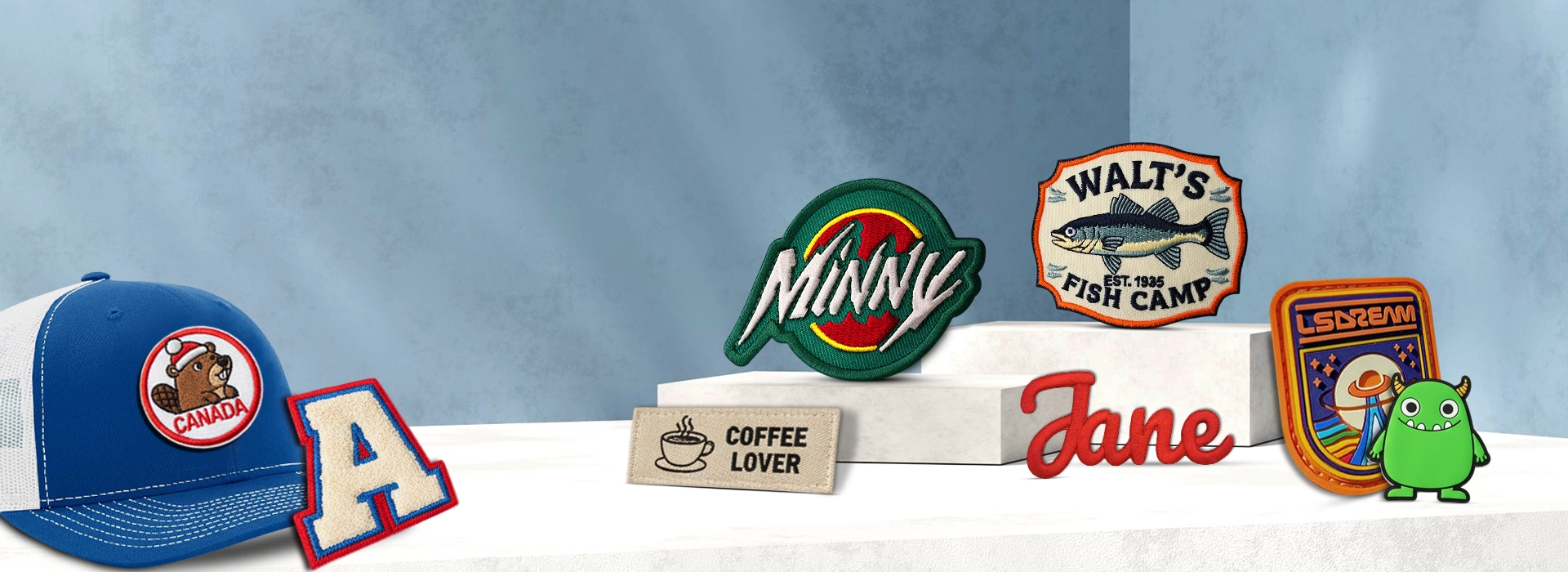
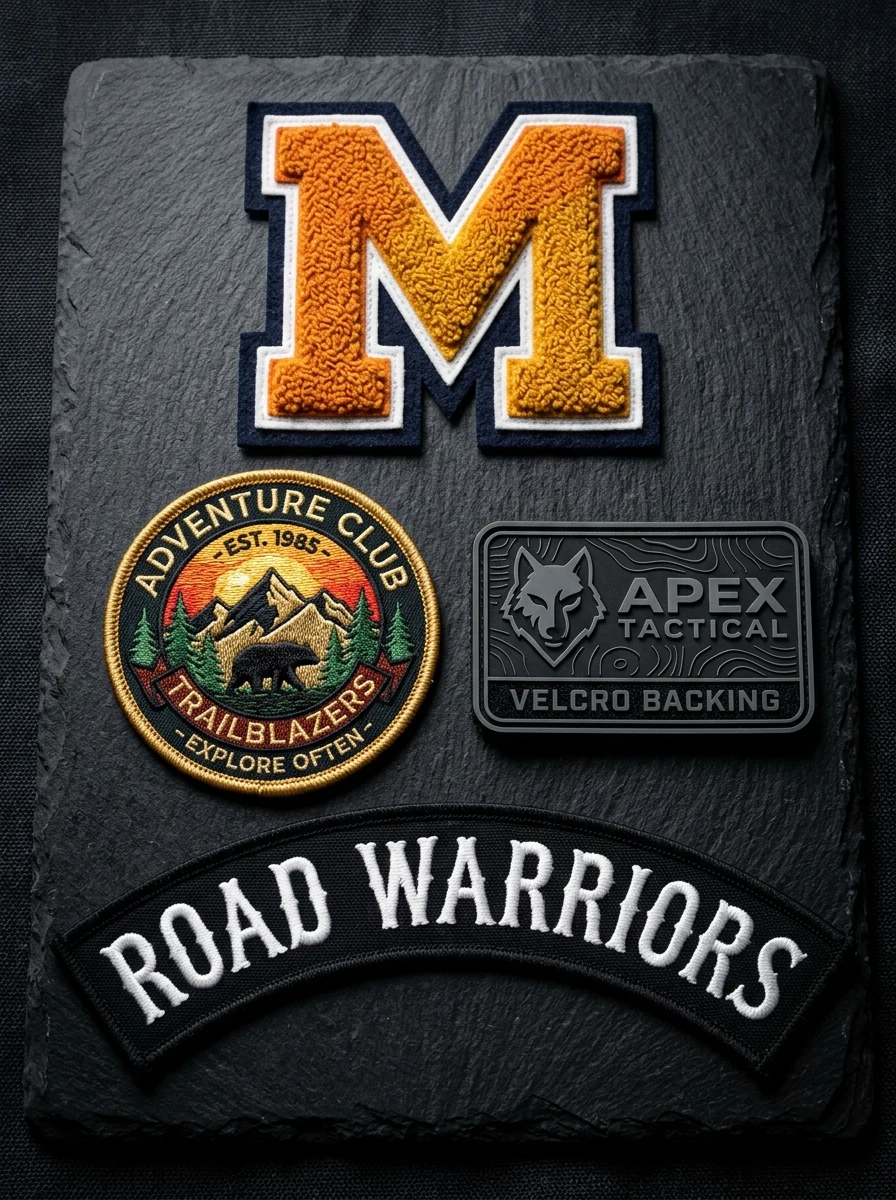
Custom workwear patches are available in different materials, shapes, sizes, and attachment styles. Some businesses prefer traditional custom embroidered patches for uniforms, while others choose woven patches for detailed logos or PVC patches for specialized equipment and outdoor applications. The best option depends on the working environment, garment material, design requirements, and expected level of wear.
For businesses that need branded uniforms, custom patches can also offer flexibility. Instead of ordering every garment with a permanently integrated logo, companies may be able to apply the same patch design to different shirts, jackets, caps, and other uniform items.
This guide explains how to choose custom patches for workwear, which styles suit different industries, and what to consider when ordering patches for employees.
Why Custom Patches Are Useful for Workwear
Workwear often needs to balance comfort, practicality, durability, and professional appearance. Custom patches help businesses add branding to garments while keeping the design consistent across different clothing styles.
A company might use embroidered logo patches on work shirts, jackets, and hats. Employees can wear different garments depending on the weather or their responsibilities while still displaying the same company identity.
Custom patches can also be useful when businesses replace damaged garments or expand their teams. Depending on the garment and attachment method, patches may be applied to suitable clothing purchased separately, helping companies maintain a consistent uniform style.
Another benefit is design flexibility. Businesses can choose different patch shapes, thread colors, borders, and backing options to match their branding and work environment.
Improve Brand Recognition
A recognizable company logo helps customers identify employees when they visit a business location, attend a service appointment, or work at a customer site.
Custom logo patches provide a visible place for a company name or symbol. They can be positioned on the chest, sleeve, back, or another suitable area of a uniform.
For the best result, keep the logo clear and readable. A simple design with appropriate color contrast is often more effective than a patch containing too much text or complicated artwork.
Create Consistent Employee Uniforms
Businesses may purchase uniforms from different suppliers or replace individual items throughout the year. Custom patches can help bring these garments together through consistent branding.
For example, a maintenance company might use the same embroidered logo patch on summer shirts, winter jackets, and employee caps. This creates a coordinated appearance even when the garments have different colors or styles.
Before choosing the patch, confirm that its dimensions and attachment method suit each type of clothing.
Identify Staff Members and Departments
Some organizations use personalized workwear patches to display employee names, job titles, or department names.
Name patches can be especially helpful in customer service, hospitality, healthcare support, maintenance, and other environments where customers need to identify staff members.
For larger teams, using a consistent design for all employee name patches helps maintain a professional appearance. The text should be large enough to read comfortably, with sufficient contrast against the background.
Choosing the Best Custom Patch Material for Workwear
Not every patch material is appropriate for every workplace. A patch used on a lightweight retail shirt may have different requirements from one attached to a mechanic's jacket or an outdoor worker's backpack.
Understanding the most common patch styles makes it easier to select an option that suits your business.
Custom Embroidered Patches for Work Uniforms
Custom embroidered patches are a popular choice for workwear because they provide a traditional stitched appearance. The thread creates texture and gives company logos a distinctive finish.
These patches are commonly used on work shirts, jackets, uniforms, caps, and promotional clothing. They are especially suitable for logos with bold shapes, clear lettering, and recognizable symbols.
Embroidery can provide a professional appearance without making the design unnecessarily complicated. Businesses can choose from different thread colors, shapes, borders, and sizes to match their branding.
However, embroidery may not reproduce very small text or intricate details as clearly as some other methods. If your company logo includes fine lettering, ask your supplier whether the artwork needs to be simplified.
Custom Woven Patches for Detailed Logos
Custom woven patches use fine threads to create a flatter surface than traditional embroidery. This makes them a useful option for detailed logos, smaller lettering, and designs that need a neat, compact finish.
They may suit lightweight uniforms, branded clothing, and workwear where the patch should add minimal bulk.
Woven patches can be particularly useful when a business logo includes thin lines or small design elements that need to remain recognizable.
Before ordering, review the proposed patch size and artwork to ensure the finished design will be easy to read.
Custom PVC Patches for Specialized Workwear
Custom PVC patches are made from flexible synthetic material and can feature raised shapes, bold colors, and defined details.
They are often used on outdoor gear, equipment bags, tactical-style clothing, and certain types of specialized workwear.
PVC patches offer a different appearance from stitched fabric patches, making them suitable for businesses that prefer a modern or equipment-focused design.
Their suitability depends on the product and working conditions. Ask your supplier about temperature exposure, flexibility, cleaning requirements, and attachment compatibility before choosing PVC for demanding applications.
Custom Leather Patches for Branded Workwear
Custom leather patches can add a distinctive finish to denim workwear, canvas jackets, aprons, and certain types of casual uniforms.
They are available in genuine leather and synthetic alternatives, with designs that may be embossed, debossed, engraved, or printed.
Leather patches are often a good fit for workshops, artisan businesses, denim brands, and companies that prefer a rugged or premium appearance.
However, leather and synthetic materials have different care requirements. Check whether the chosen patch is suitable for regular washing and the conditions in which the garment will be used.
Custom Workwear Patches for Different Industries
Every industry has different clothing requirements. Choosing a patch should involve more than selecting a design that looks attractive. Consider the working environment, garment construction, cleaning routine, and purpose of the uniform.
Construction and Building Services
Construction companies, contractors, and building maintenance teams often need branded clothing that can handle regular use.
Custom embroidered patches can display company names and logos on work shirts, jackets, and other suitable garments. A clear logo helps customers recognize workers and gives the team a coordinated appearance.
For construction workwear, pay attention to the garment fabric and the conditions employees experience throughout the day. Clothing may be exposed to dust, abrasion, moisture, and frequent washing.
Choose a patch and attachment method appropriate for these conditions. If the garment is protective clothing or high-visibility safety apparel, confirm that adding a patch will not compromise its certified performance or conflict with the manufacturer's instructions.
Automotive Workshops and Mechanics
Automotive workshops often use uniforms to create a consistent appearance and help customers identify staff members.
Custom patches can display the workshop name, company logo, employee name, or department. They may be placed on mechanic shirts, coveralls, jackets, and caps, depending on the garment design.
A simple embroidered logo is often suitable for workshop uniforms because it provides a familiar, professional look.
Since mechanic clothing can be exposed to grease, dirt, and frequent cleaning, consider the garment's care requirements before choosing the patch material. Ask about suitable thread, backing, and washing recommendations.
Hospitality and Restaurant Uniforms
Restaurants, cafes, hotels, and catering businesses can use custom patches to create coordinated staff uniforms.
An embroidered logo on an apron, shirt, or jacket can reinforce the business's visual identity without requiring an elaborate garment design.
For hospitality uniforms, a clean and readable logo is often the best approach. Small patches can look appropriate on the chest or apron, while larger designs may suit outerwear.
Because hospitality clothing is often washed frequently, choose an attachment method that is suitable for the garment and follow the supplier's care instructions.
Warehousing and Logistics
Warehousing, delivery, and logistics businesses may use branded uniforms to identify employees and maintain a consistent appearance across teams.
Custom logo patches can be applied to suitable work shirts, jackets, and caps. Name or department patches may also be useful where employees have different responsibilities.
When selecting patches for this industry, consider comfort and garment movement. A patch should fit naturally without interfering with pockets, closures, or other functional elements.
If uniforms include reflective or protective features, ensure that the patch placement does not obstruct them.
Landscaping and Outdoor Maintenance
Landscaping companies, groundskeeping teams, and outdoor maintenance services often work in changing weather conditions.
Custom patches can help display company branding on jackets, shirts, hats, and equipment bags. An embroidered logo may suit traditional workwear, while PVC patches may be appropriate for certain outdoor accessories.
Consider how often the clothing will be washed and whether it will experience prolonged moisture or abrasion. The patch material and attachment method should be selected for the intended conditions rather than appearance alone.
Retail and Customer Service
Retail stores and customer service businesses generally need uniforms that look neat and make staff easy to recognize.
Custom embroidered patches can add branding to polo shirts, aprons, lightweight jackets, and caps. A consistent logo helps connect employee clothing with the company's visual identity.
For this type of workwear, comfort, placement, and visual balance are important. Choose a patch that looks professional without making the uniform feel unnecessarily heavy or crowded.
How to Choose the Right Patch Size and Placement
Patch size affects both readability and appearance. A patch that is too small may make the company name difficult to recognize, while an oversized patch can overwhelm the garment.
Start by identifying the most important information you want the patch to communicate. For many businesses, this is simply the company logo and name. Employee names or job titles can be added through separate patches if needed.
Chest Patches
Chest patches are commonly used on work shirts, polo shirts, jackets, and coveralls. This placement provides a visible area for a company logo without dominating the garment.
A compact rectangular or custom-shaped patch may work well, depending on the logo proportions.
Before finalizing the dimensions, check the garment's pockets, buttons, and seams to make sure the patch will fit properly.
Sleeve Patches
Sleeve patches can provide additional branding while leaving the main chest area available for other details.
They are useful for company emblems, department identifiers, and selected event or team designs.
Because sleeves move and curve around the arm, the patch should be sized and shaped to fit the available area. A sample or garment mockup can help you evaluate the placement before ordering in bulk.
Back Patches
Larger back patches may suit jackets, outerwear, and certain types of workwear where a more visible design is appropriate.
They can accommodate larger logos or company names, but the size should be balanced against the garment's shape and intended use.
For protective garments, do not place patches over essential safety markings, reflective panels, or areas where modifications are restricted.
Hat and Cap Patches
Branded hats can complement work uniforms and provide another way to display the company logo.
Embroidered patches are a popular option for structured caps and other suitable headwear. Woven or PVC patches may also be appropriate depending on the design and material.
Check the size and shape of the cap's front panel before choosing the patch dimensions. A design that fits a jacket may be too large for a hat.
Selecting the Right Patch Backing for Workwear
The backing determines how the patch attaches to the garment. Choosing an appropriate option helps ensure the patch suits the intended use and care routine.
Sew-On Patches
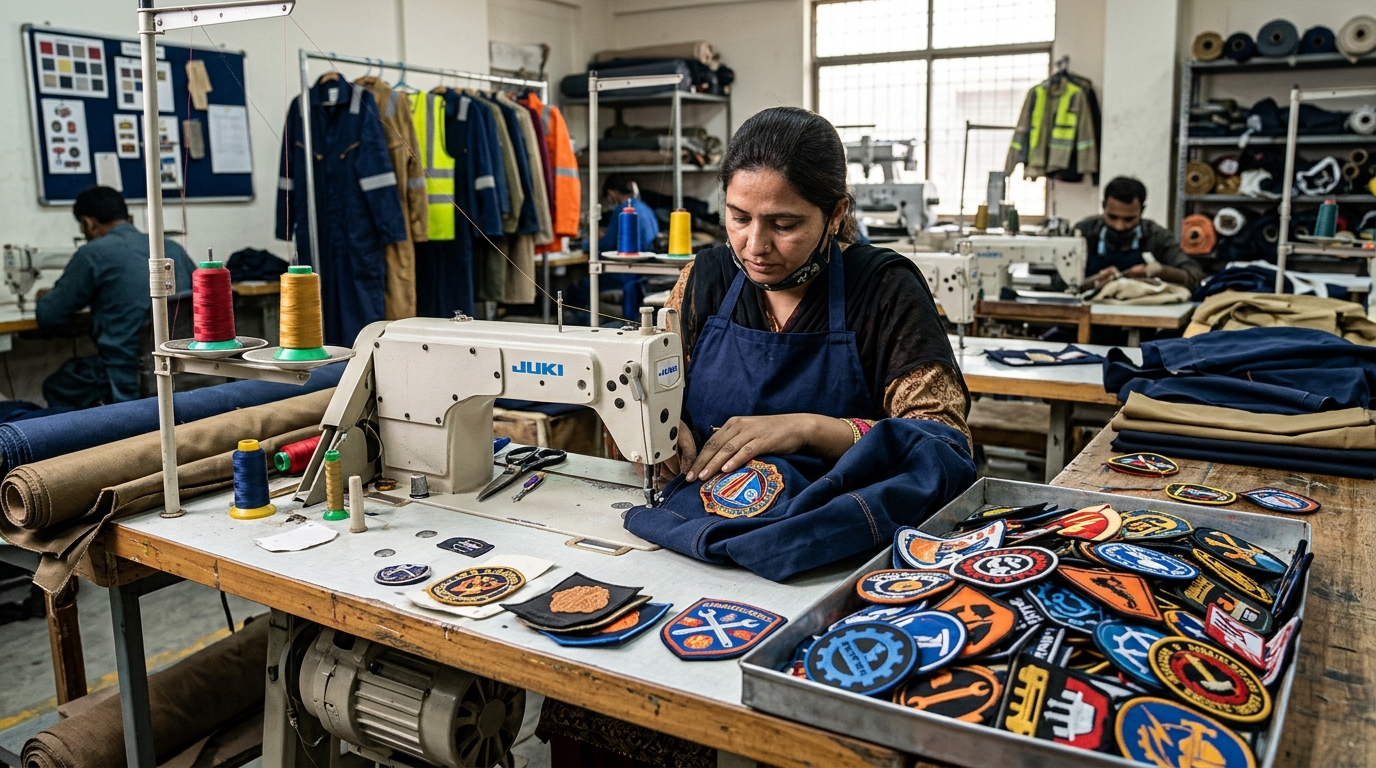
Sew-on patches are attached with stitching and are commonly used on uniforms, jackets, work shirts, and bags.
They can be a suitable choice when a business wants a more permanent attachment. However, the stitching method should be compatible with the garment's fabric and construction.
For thick materials or specialized clothing, confirm that the garment can be stitched without damaging its intended function.
Iron-On Patches
Iron-on patches use heat-activated adhesive and may be convenient for compatible fabrics.
They are not suitable for every workwear material. Some synthetic fabrics, coated garments, and protective textiles may be sensitive to the heat required for application.
Always follow the garment and patch manufacturer's instructions. If the clothing will be washed frequently or used in demanding conditions, ask whether an alternative attachment method is more appropriate.
Hook-and-Loop Patches
Hook-and-loop patches are designed for use with a compatible attachment panel. They allow patches to be removed or replaced without permanently sewing each design to the garment.
This can be helpful for interchangeable name labels, identification patches, and certain specialized uniforms.
Before ordering, confirm that the clothing includes the matching panel and that the patch is intended for the conditions in which it will be used.
Adhesive-Backed Patches
Adhesive-backed patches may be useful for temporary applications or projects where sewing is not practical.
Their performance varies depending on the adhesive, surface, and environment. They should not automatically be considered suitable for workwear that experiences repeated washing, stretching, or heavy abrasion.
Ask the manufacturer whether the adhesive is intended for fabric and whether it is suitable for your application.
Designing Custom Embroidered Patches for Workwear
A good workwear patch should represent the company clearly while remaining practical to produce.
Although elaborate artwork can be attractive, simple designs often work better on uniforms because they are easier to recognize and can be reproduced consistently across different garment sizes.
Use a Clear Company Logo
Start with your existing company logo whenever possible. This helps maintain consistency between workwear, business cards, websites, vehicles, and other branded materials.
Provide a high-quality image or vector file if available. If your logo contains small text or complex details, ask the patch supplier whether a simplified version would work better.
Do not assume that every detail in a digital logo will translate clearly into thread or molded material.
Choose Appropriate Colors
Select patch colors that complement the uniform and provide enough contrast for the logo to remain visible.
For example, a dark patch on a dark shirt may create a subtle appearance, while contrasting colors can improve visibility.
If your company uses specific brand colors, provide the relevant color references. Keep in mind that physical thread and materials may differ slightly from the colors displayed on a screen.
Select a Suitable Border
The border helps define the shape of the patch and gives it a finished appearance.
Merrowed borders are commonly associated with traditional embroidered patches, while some designs use a stitched or laser-cut edge depending on the material and construction.
The best border depends on the patch shape, fabric, design, and intended finish. Ask your supplier which option is most suitable for the selected material.
Avoid Excessive Detail
Workwear patches are often viewed from a distance, so clarity matters.
Long slogans, tiny lettering, and complicated graphics can make the design harder to recognize. Focus on the most important brand elements and use a size that allows them to remain readable.
If you need to display additional information, consider using a separate name or department patch rather than adding everything to one design.
What Makes a Workwear Patch Durable?
Durability depends on several factors, including material quality, construction, attachment, garment compatibility, and care.
A high-quality patch may still perform poorly if it is attached incorrectly or used on a garment for which it was not designed.
Match the Patch to the Working Environment
Consider the conditions the garment will experience. Office uniforms, restaurant clothing, outdoor workwear, and industrial garments may have very different requirements.
Think about moisture, abrasion, temperature, washing frequency, and how much the fabric stretches during use.
Share this information with your supplier so they can recommend suitable materials and attachment options.
Check Stitching and Edge Finishing
For embroidered patches, inspect the stitching and edges. The design should look clean, and the border should be consistent with the chosen style.
For woven, PVC, or leather patches, review the material finish and ensure that the edges are appropriate for the product.
A physical sample can provide a better understanding of construction quality than a digital preview alone.
Follow Care Instructions
Washing and drying can affect both the patch and the garment. Follow the manufacturer's recommendations for cleaning, drying, ironing, and general maintenance.
Turning a garment inside out before washing may help reduce friction on the patch surface. However, the garment's own care label should always take priority.
Inspect workwear patches periodically for loose stitching, lifting edges, or other signs of damage. If a patch starts separating, repair or replace it before the problem becomes worse.
How to Order Custom Workwear Patches in Bulk
Businesses ordering patches for multiple employees need to consider quantity, design consistency, delivery, and overall cost.
Planning these details in advance can help avoid mistakes and keep the uniform project organized.
Confirm the Number of Patches Required
Estimate how many garments need patches and whether employees will receive replacement uniforms.
It may be useful to order a reasonable quantity of extra patches for future replacements, but avoid purchasing more than the business is likely to use.
If different departments need different designs, calculate the quantities for each version separately.
Request a Detailed Quotation
When contacting a supplier, provide the approximate quantity, dimensions, patch type, colors, border, and backing requirements.
Ask whether the quotation includes artwork preparation, setup fees, sample production, packaging, and shipping.
Comparing suppliers using the same specifications makes it easier to understand the differences between their offers.
Review a Digital Proof or Physical Sample
Before approving bulk production, review the logo, spelling, dimensions, color arrangement, and patch shape.
A physical sample is particularly useful when you need to assess texture, stitching, edge finishing, or compatibility with a specific garment.
Make sure any corrections are completed before the order enters production.
Plan Around Delivery Times
Custom patch production takes time, and the schedule may depend on the design's complexity, quantity, and supplier workload.
If the patches are needed for a new employee uniform program, company event, or seasonal project, confirm the estimated production and delivery dates in advance.
Allow extra time for revisions and shipping rather than relying on the earliest possible delivery estimate.
Common Mistakes to Avoid When Buying Custom Workwear Patches
Several common mistakes can affect the final appearance or usefulness of custom patches.
One is choosing a patch based only on its appearance without considering the workplace. A material that suits casual clothing may not be appropriate for a garment exposed to demanding conditions.
Another is selecting a design with too much detail. Fine lettering and complicated graphics can become difficult to reproduce, particularly at smaller sizes.
Businesses should also avoid overlooking attachment compatibility. Iron-on patches may not suit heat-sensitive fabrics, while hook-and-loop patches need a compatible panel.
Finally, do not assume that a patch is automatically suitable for every type of workwear. Protective clothing, high-visibility garments, and specialized uniforms may have requirements that restrict modifications. Always follow the garment manufacturer's instructions and applicable workplace safety requirements.
Careful planning helps ensure that the finished patches suit the garments, the employees, and the intended working environment.
Are Custom Workwear Patches a Good Investment
For many businesses, custom workwear patches provide a practical way to maintain consistent branding across different clothing items.
The value comes from their flexibility. A business may use the same logo patch on several uniform styles, replace individual garments as needed, or create additional name patches without redesigning its entire clothing range.
Patches can also help make employees easier to identify and give workwear a more coordinated appearance.
The actual value depends on the quantity ordered, material, attachment method, expected service life, and quality of production. Compare the total cost with the requirements of your uniform program rather than focusing only on the price per patch.
A well-planned patch design can serve a business across several garment types, provided the material and attachment method are appropriate for each application.
Conclusion
Custom patches for workwear help businesses display their logos, identify employees, and maintain a consistent professional appearance. From embroidered logo patches for construction uniforms to woven patches for detailed branding and PVC patches for selected outdoor applications, different options are available for different needs.
The best choice depends on the industry, garment material, design, working conditions, and attachment method. Clear artwork, suitable sizing, appropriate backing, and careful sample approval can all help produce a better result.
Before placing a bulk order, confirm the specifications with your supplier and check whether the chosen patch is compatible with the intended clothing. For protective or specialized workwear, follow the garment manufacturer's instructions and applicable safety requirements.
With the right design and proper planning, custom workwear patches can help your business create coordinated uniforms, strengthen brand recognition, and present a consistent image wherever your team works.