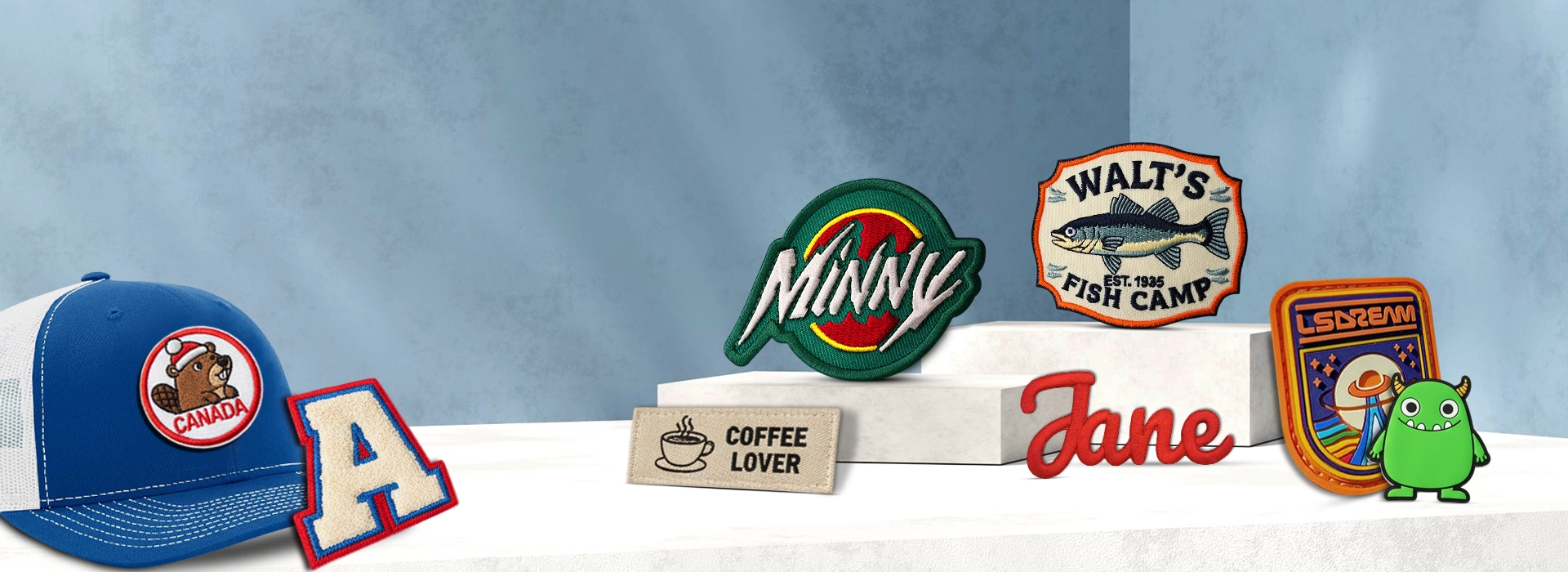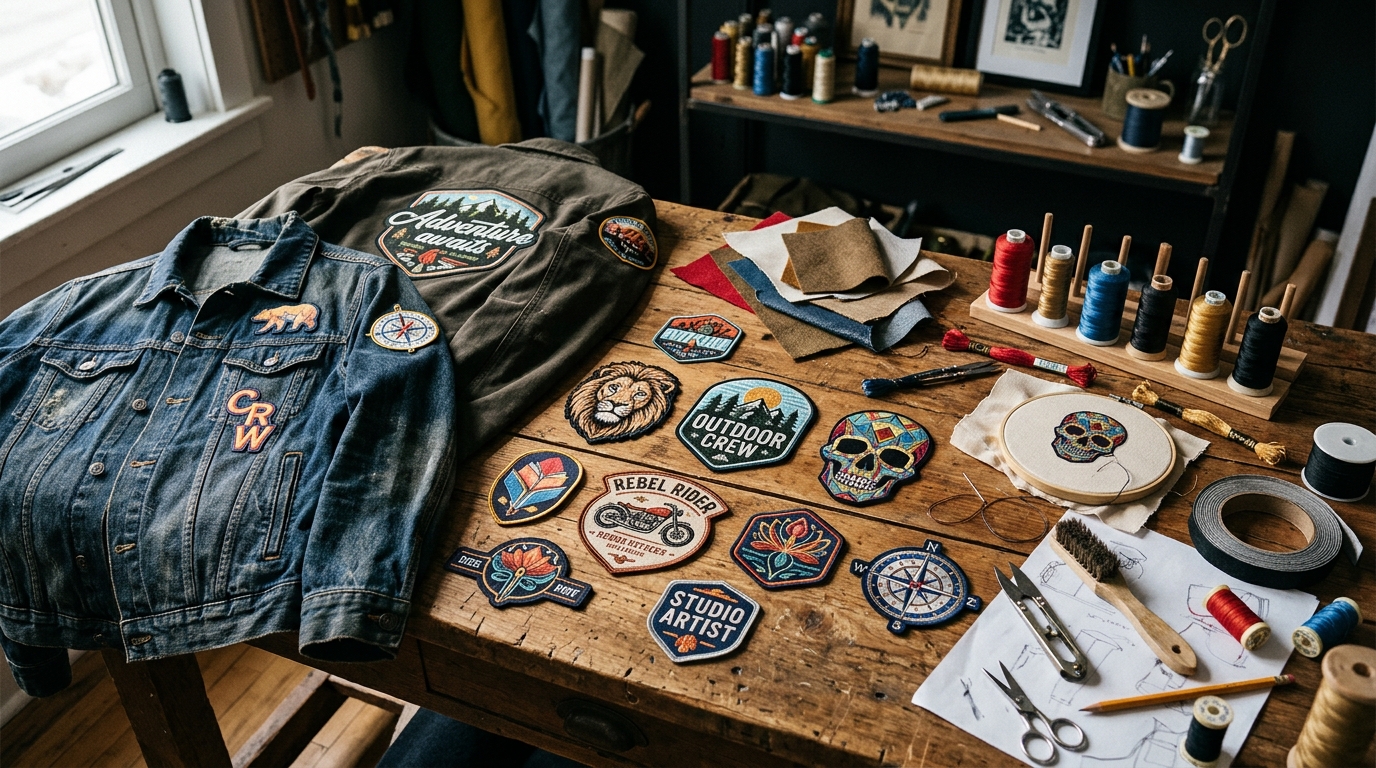
Jackets are one of the most versatile pieces of clothing for personal style, business branding, team uniforms, and promotional merchandise. A well-designed jacket can look even more distinctive with a custom patch that adds color, texture, or a recognizable logo. From embroidered designs on denim jackets to leather patches on casual outerwear, custom patches for jackets offer endless opportunities to personalize clothing.
Custom jacket patches are popular among clothing brands, motorcycle clubs, sports teams, businesses, schools, and individuals who want to create something unique. They can display a company logo, team emblem, personal artwork, club name, or decorative graphic. With the right design and placement, a patch can transform a plain jacket into a recognizable piece of clothing.
Choosing the right patch involves several considerations, including material, size, shape, attachment method, and the type of jacket. A design that works well on a denim jacket may not be suitable for a lightweight windbreaker or a leather riding jacket. Understanding these differences can help you make a better decision before ordering.
In this guide, we will explore different types of custom patches for jackets, share creative design ideas, explain how to select the right materials, and provide practical tips for ordering patches for personal use or business branding.
Why Custom Patches for Jackets Are So Popular
Custom patches have remained a popular way to personalize outerwear because they combine visual appeal with flexibility. A jacket provides a larger surface area than many other garments, making it possible to display small logos, decorative symbols, or detailed artwork.
Patches also allow people to personalize existing clothing instead of buying an entirely new jacket. A carefully chosen design can update an older garment, represent a club or team, or give a fashion product a more recognizable appearance.
For businesses and clothing brands, custom jacket patches offer another way to maintain consistent branding across different products.
Personalize Everyday Clothing
A plain jacket can become more distinctive with a patch placed on the chest, sleeve, shoulder, or back. The design might feature initials, a favorite symbol, a decorative illustration, or a custom logo.
Some people prefer a minimal look with one small patch, while others combine several designs to create a more expressive style.
The best approach depends on the jacket and the intended appearance. A few carefully selected patches can create a balanced look without making the garment feel crowded.
Build a Recognizable Brand Identity
Clothing brands often use custom patches to make their products easier to recognize. A logo patch on a denim jacket, varsity jacket, or casual coat can become part of the brand's visual identity.
Businesses can also use patches on employee jackets, promotional outerwear, and branded merchandise. Using consistent logo artwork and colors across different garments helps create a coordinated appearance.
Create Meaningful Club and Team Clothing
Motorcycle clubs, sports teams, school groups, and community organizations often use patches to communicate membership and shared identity.
Custom patches can feature group names, emblems, founding years, event details, or other meaningful designs. They may be placed on the chest, sleeves, or back of a jacket, depending on the garment and the group's preferences.
When using organization logos or protected symbols, make sure you have permission to reproduce the artwork.
Best Types of Custom Patches for Jackets
The right patch material can influence the jacket's overall appearance, texture, and suitability for everyday wear. Different materials offer different advantages, so it is helpful to compare them before selecting a design.
Custom Embroidered Patches for Jackets
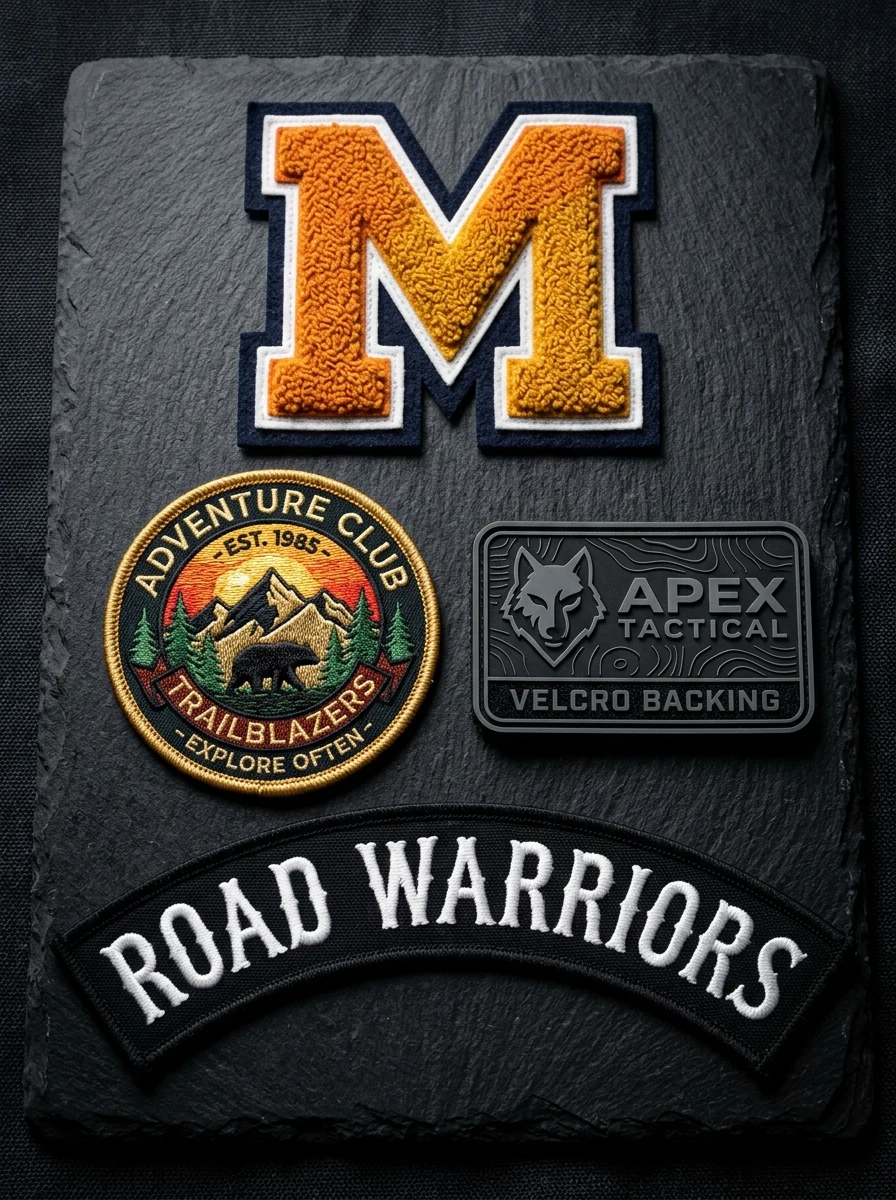
Custom embroidered patches are among the most popular choices for jackets. They use stitched thread to create a textured design that gives logos and artwork a traditional, distinctive appearance.
Embroidered jacket patches are commonly used on denim jackets, varsity jackets, casual outerwear, workwear, and team clothing.
They are particularly suitable for bold lettering, simple illustrations, recognizable symbols, and company logos. Different thread colors and border styles can help match the patch to the jacket's fabric and overall design.
For smaller patches, avoid adding too much fine detail. Thin lines and tiny lettering may be difficult to reproduce clearly through embroidery.
Custom Leather Patches for Jackets
Custom leather patches can add a rugged or refined finish to jackets. They are especially popular on denim, canvas, casual outerwear, and selected workwear products.
Depending on the material and production method, leather patches may feature embossed, debossed, engraved, or printed artwork.
A leather logo patch can work well for clothing brands that want a premium appearance or a design inspired by traditional craftsmanship.
Genuine leather and synthetic alternatives have different characteristics and care requirements. Choose a material that suits your budget, preferred appearance, and the conditions in which the jacket will be worn.
Custom PVC Patches for Jackets
Custom PVC patches are made from flexible synthetic material and can feature raised details, bold colors, and clearly defined shapes.
They are often used on outdoor clothing, tactical-style jackets, equipment, and casual outerwear with a modern design.
PVC patches can be useful for logos that rely on strong outlines and distinct color areas. They offer a different look from stitched fabric patches, which may suit brands that want their outerwear to have a more contemporary appearance.
Before choosing PVC, consider the jacket material, expected temperature exposure, and attachment requirements.
Custom Woven Patches for Jackets
Custom woven patches use fine threads to create a flatter surface than traditional embroidery. This construction can help reproduce smaller details and fine lettering.
They are suitable for clothing brands, lightweight jackets, and designs where a neat, compact appearance is important.
Woven patches may be worth considering if your logo contains details that could be difficult to reproduce clearly with thicker embroidery threads.
Custom Chenille Patches for Varsity Jackets
Chenille patches are known for their soft, textured surface. They are commonly associated with varsity jackets, school clothing, sports apparel, and retro-inspired fashion.
Large letters, numbers, and bold symbols work particularly well with chenille because the texture makes the design visually prominent.
Many varsity-style designs combine chenille lettering with embroidered borders or smaller embroidered details.
If you are creating a school or team jacket, consider how the chenille patch will look alongside the jacket's colors, sleeves, and other design elements.
Custom Patches for Different Jacket Styles
Not every patch suits every jacket. The fabric, construction, and intended use should influence your choice.
Custom Patches for Denim Jackets
Denim jackets are a natural fit for custom patches because their sturdy fabric can accommodate many types of decorative designs.
Embroidered patches are popular for traditional denim styles, while leather patches can create a more understated appearance. Larger back patches may work well for statement designs, and smaller chest or sleeve patches can provide subtle branding.
You can choose a single focal patch or combine several smaller designs to create a personalized look.
Before attaching patches, check the jacket's seams, pockets, and fabric condition. Placement should feel intentional rather than interfere with the garment's structure.
Custom Patches for Leather Jackets
Leather jackets often have a distinctive appearance, so patch selection requires careful consideration.
Embroidered patches can add color and contrast, while leather patches may create a coordinated finish when their material and tone complement the jacket.
However, attaching patches to leather can be different from attaching them to ordinary fabric. Sewing or applying adhesive may leave permanent marks or damage the surface if the method is unsuitable.
If the jacket is expensive, protective, or made from specialized leather, consult a professional who understands the material before making modifications.
Custom Patches for Varsity Jackets
Varsity jackets are closely associated with chenille letters, embroidered emblems, team symbols, and school-inspired designs.
Custom patches can display initials, graduation years, team names, and other personalized details.
When designing a varsity jacket, think about the relationship between the main chest emblem, sleeve patches, and back design. A consistent color palette helps the different elements look coordinated.
Chenille is useful for large letters, while embroidery can provide finer details and borders.
Custom Patches for Work Jackets
Businesses may use custom patches on work jackets to display company names and logos.
Construction companies, mechanics, outdoor maintenance teams, delivery services, and other organizations can use embroidered logo patches to create a consistent appearance across employee clothing.
For work jackets, choose materials and attachment methods that suit the garment's cleaning requirements and working conditions.
If the jacket includes protective features, reflective panels, or specialized materials, confirm that adding a patch is permitted and will not compromise its intended function.
Custom Patches for Bomber Jackets
Bomber jackets can accommodate both understated and bold patch designs, depending on their style.
A small embroidered emblem on the chest or sleeve can create a clean appearance, while a larger back patch can make the jacket more distinctive.
Consider the bomber jacket's fabric and lining before choosing a patch. Lightweight or coated materials may require a different attachment method from heavier cotton or denim.
Creative Custom Jacket Patch Ideas
Custom patches can serve different purposes, from business branding to fashion decoration. Exploring different design approaches can help you choose an option that suits your jacket.
Minimalist Logo Patches
Minimalist patches focus on a simple symbol, initials, or short brand name.
They are a good option for clothing brands that prefer understated details and for businesses that want their logo to look professional without dominating the garment.
Small chest patches and sleeve emblems can work particularly well with this approach.
Large Back Patches
A large patch on the back of a jacket can create a strong focal point.
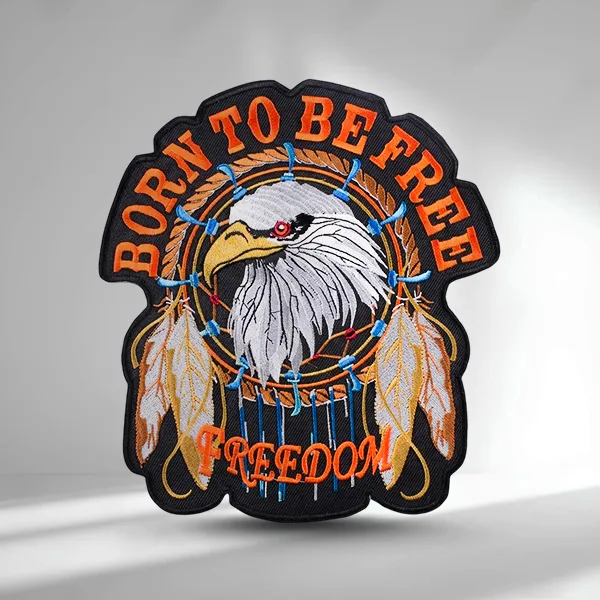
This style is popular with motorcycle clubs, streetwear brands, creative groups, and organizations that want their emblem to be highly visible.
Because the design has more space, it may accommodate larger lettering and more detailed artwork. Even so, the layout should remain balanced and readable.
Personalized Name Patches
Name patches can make jackets feel more personal while also serving a practical purpose.
Businesses may use them for employee identification, while sports teams and clubs may include names or roles on selected garments.
Choose a readable font and make sure the text fits comfortably within the patch dimensions.
Vintage-Inspired Designs
Vintage-style patches often use traditional lettering, classic shapes, and limited color palettes.
They can suit denim jackets, outdoor clothing, casual fashion, and brands inspired by heritage designs.
A slightly textured embroidered finish or a carefully selected leather patch can complement this style.
Custom Event and Anniversary Patches
Organizations can create patches to commemorate company anniversaries, club milestones, sporting events, or special releases.
These designs may include a date, event name, emblem, or short phrase.
Event patches can be attached to jackets or distributed separately as keepsakes. If the patch is intended for everyday wear, choose a design that will still look appealing after the event has passed.
How to Choose the Right Patch Size and Placement
Patch placement can influence the entire appearance of a jacket. Even a well-designed patch may look awkward if it is too large, too small, or positioned too close to a seam.
Start by identifying the purpose of the patch. A company logo may need to remain clearly visible, while a decorative symbol may be intended as a subtle detail.
Chest Placement
Chest patches are common on workwear, denim jackets, varsity jackets, and casual outerwear.
They provide a practical space for company logos, initials, and smaller emblems. A compact design often works well because it leaves room for the jacket's pockets and other features.
Check the available area before finalizing the dimensions.
Sleeve Placement
Sleeve patches can be used for small logos, club symbols, team details, or decorative artwork.
They work well when the main chest area is already occupied or when you want the jacket to have a subtle branded detail.
Because sleeves curve around the arm, the patch should fit the available surface without bunching or restricting movement.
Back Placement
The back of a jacket offers more room for larger artwork and detailed designs.
Large embroidered patches, chenille emblems, and custom club designs are often placed in this area.
Before choosing a large patch, consider the jacket's size and structure. A design should be proportional to the garment and should not cover essential features or interfere with its intended function.
Multiple Patch Placement
Some jackets feature several patches placed across the chest, sleeves, and back.
This can create a personalized or vintage-inspired look, but it requires thoughtful arrangement. Choose a consistent visual theme and avoid placing so many patches that the garment becomes difficult to read visually.
If you are designing jackets for a group or clothing collection, create a mockup showing all patch placements before production.
How to Design Custom Jacket Patches That Look Professional
A strong patch design should communicate its message clearly and complement the jacket.
Start With High-Quality Artwork
Provide a clear logo or artwork file to your patch manufacturer. Vector files are useful because they can be resized without losing clarity.
If your logo contains very fine lines or small lettering, ask whether the design needs to be simplified for the selected patch material.
A design that looks detailed on a computer screen may not reproduce clearly at a small size.
Select Colors That Complement the Jacket
Choose patch colors that work with the jacket fabric. A dark embroidered patch on a dark jacket can create a subtle effect, while contrasting colors can make the design stand out.
If you are creating branded clothing, use your established brand colors where practical.
Request a production proof or sample when color accuracy is important, since physical threads and materials may differ from their digital appearance.
Choose a Suitable Border
The patch border helps define its shape and gives the design a finished appearance.
Traditional embroidered patches may use a raised overlocked border, while other designs use stitched or laser-cut edges depending on the material.
The best choice depends on the patch construction, outline, and intended look. Ask your supplier which edge finish works best for the selected design.
Keep the Design Balanced
A patch should not feel overcrowded. Make sure the logo, lettering, and decorative elements have enough space.
For company branding, prioritize the logo and business name. For fashion designs, focus on the central symbol or illustration.
If the jacket already has zippers, pockets, decorative stitching, or other visual features, take these into account when planning the patch.
Which Patch Backing Is Best for Jackets?
The backing determines how a patch attaches to the garment. The best option depends on the jacket material, patch type, and intended use.
Sew-On Patches
Sew-on patches are attached with stitching and are commonly used on denim jackets, fabric outerwear, uniforms, and varsity jackets.
They can provide a suitable option for garments where a lasting attachment is preferred.
However, sewing may not be appropriate for every fabric. Leather, coated textiles, and specialized jackets may require professional advice before modification.
Iron-On Patches
Iron-on patches use heat-activated adhesive and may be convenient for compatible fabrics.
Not every jacket can tolerate the heat required for application. Certain synthetic materials, coatings, linings, and finishes may be damaged by excessive heat.
Always check the garment's care instructions and follow the patch manufacturer's recommendations.
Hook-and-Loop Patches
Hook-and-loop patches can be removed and replaced when attached to a compatible panel.
They are useful for certain outdoor garments, equipment, and specialized uniforms where interchangeable designs are needed.
Confirm that the jacket has a compatible attachment surface before ordering.
Adhesive-Backed Patches
Adhesive-backed patches may be suitable for temporary projects or selected applications where sewing is not practical.
Their performance depends on the adhesive, fabric, and conditions of use. They should not automatically be assumed to withstand frequent washing, stretching, or heavy wear.
Ask your supplier whether the adhesive is designed for the intended garment.
What Affects the Cost of Custom Jacket Patches?
The price of custom jacket patches depends on several factors, including patch size, material, design complexity, quantity, backing, and manufacturing method.
A small embroidered logo may cost differently from a large chenille patch or a leather patch with a specialized finish.
Ordering in bulk may reduce the cost per patch, depending on the supplier's pricing structure. However, businesses should consider how many patches they realistically need before committing to a large order.
When comparing quotations, confirm that each supplier is pricing the same specifications. Ask whether artwork preparation, sample production, setup charges, and shipping are included.
It is also worth considering the value of the finished product rather than choosing solely on price. A patch should look appropriate, fit the garment, and meet the requirements of its intended use.
Tips for Ordering Custom Patches for Jackets in Bulk
Ordering custom patches for a clothing brand, club, or business requires careful planning.
Confirm the Jacket Material
Identify whether the jackets are made from denim, cotton, leather, polyester, or another material.
The fabric can influence which patch types and attachment methods are appropriate. If the jackets include protective features or special coatings, confirm whether modifications are allowed.
Choose the Patch Design and Dimensions
Finalize the logo, shape, colors, border, and approximate dimensions before production.
If the design will be used on several jacket styles, check whether the same size will work across all garments.
Request a Sample or Production Proof
A digital proof helps you review the layout, while a physical sample lets you assess the material, texture, and finished appearance.
Check the spelling, proportions, colors, and patch placement before approving a large order.
Confirm Production and Shipping Times
If the patches are needed for an event, product launch, or uniform rollout, ask the supplier for a realistic timeline.
Allow time for artwork changes, sample approval, production, and shipping.
Check the Complete Quotation
Review the total cost, including setup fees, backing, attachment, packaging, and delivery.
A detailed quotation makes it easier to compare suppliers and understand what is included in the order.
Common Mistakes to Avoid When Using Jacket Patches
One common mistake is choosing a patch that is too large for the jacket. Even a detailed design can look unbalanced when it overwhelms the available space.
Another issue is selecting artwork with too many small details. Fine text and thin lines may not reproduce clearly, so simplifying the design can improve the finished result.
Using an unsuitable attachment method can also create problems. Heat-sensitive fabrics may not be appropriate for iron-on patches, and sewing into leather or specialized outerwear may require professional handling.
It is also important to consider the jacket's purpose. A decorative patch that works well on casual denim may not be suitable for protective workwear.
Finally, avoid approving a bulk order without checking the design proof. Reviewing the specifications before production can help prevent costly mistakes.
How to Care for Jackets With Custom Patches
Proper care can help maintain the appearance of both the jacket and its patches.
Always follow the care instructions provided by the garment and patch manufacturers. Different fabrics and patch materials may require different cleaning methods.
Turning a fabric jacket inside out before washing may help reduce friction against embroidered patches. However, the garment's care label should always take priority.
Leather patches may need special cleaning guidance, while PVC patches may be affected by unsuitable chemicals or excessive heat.
Inspect patches occasionally for loose stitching or lifting edges. If a patch becomes detached, repair it appropriately rather than allowing the damage to spread.
For jackets used as workwear or protective clothing, follow the manufacturer's maintenance requirements and avoid modifications that could compromise safety.
Conclusion
Custom patches for jackets offer a versatile way to personalize clothing, strengthen brand recognition, and create distinctive outerwear. Whether you choose embroidered patches for denim jackets, leather patches for casual fashion, chenille patches for varsity jackets, or PVC patches for selected outdoor garments, the right design can make a jacket more recognizable and visually appealing.
Start by considering the jacket material, intended use, patch size, and desired appearance. Choose clear artwork, complementary colors, and an attachment method suitable for the garment.
Before placing a large order, review a production proof or sample and confirm all specifications with your supplier. These steps can help you avoid common mistakes and achieve a better result.
With thoughtful design and appropriate materials, custom jacket patches can turn ordinary outerwear into personalized clothing that reflects your style, team identity, or business brand.