Introduction
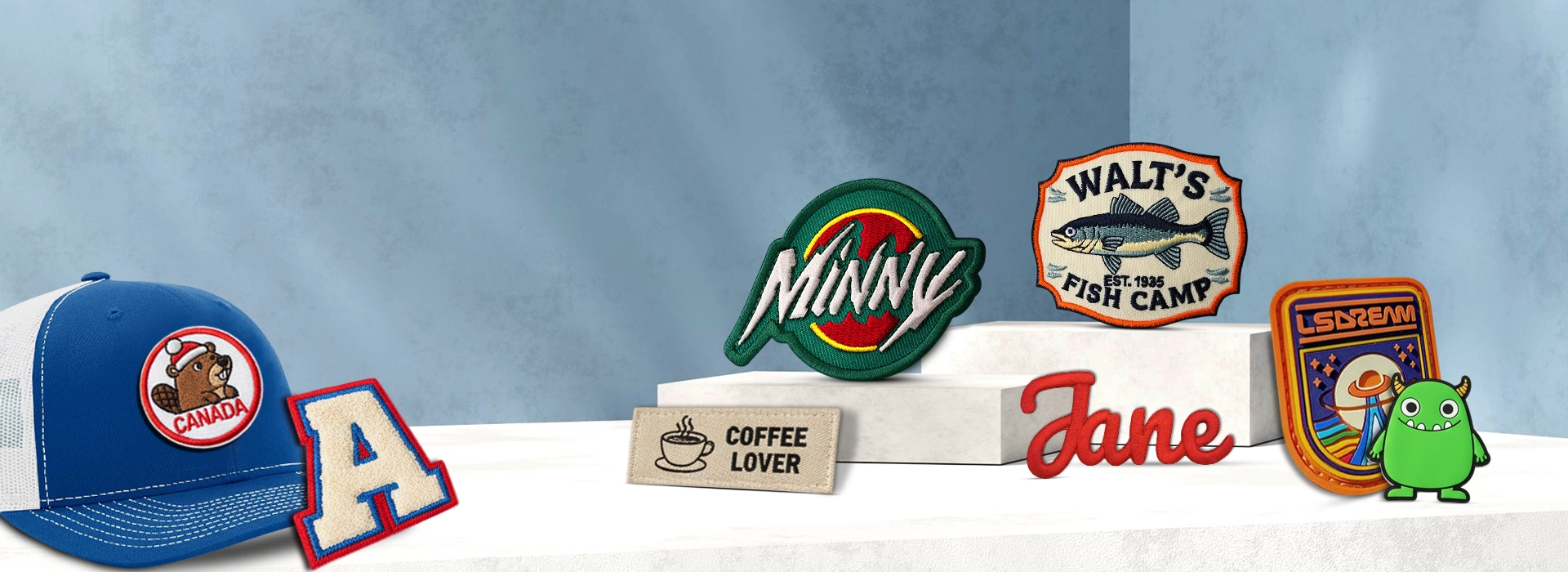
In today’s competitive fashion industry, building a recognizable brand is just as important as creating high-quality clothing. Customers are often attracted to apparel that reflects a unique identity, professional design, and attention to detail. One effective way for clothing businesses to achieve this is through custom logo patches. These patches allow apparel brands to display their logos, symbols, and brand names on garments while adding a distinctive finishing touch.
From streetwear labels and sportswear companies to outdoor clothing brands and independent fashion designers, custom logo patches have become a popular branding solution. They offer flexibility in design, durability, and a professional appearance that helps clothing stand out in a crowded market. Whether a business needs a small production run or large quantities for a growing collection, custom patches can be designed to suit different branding requirements.
For apparel companies looking to maintain consistency across their collections, ordering custom logo patches in bulk can also be a practical and cost-effective option. Bulk orders help businesses prepare for upcoming production cycles, manage inventory, and maintain a consistent look across different clothing styles.
Working with a reliable custom patches manufacturer makes the process easier, from selecting the right material to choosing the ideal size, shape, color, and attachment method. With the right design and production partner, custom logo patches can become an important part of a clothing brand’s visual identity.
Why Custom Logo Patches Matter for Apparel Brands
Brand identity plays a significant role in how customers recognize and remember a clothing company. A well-designed logo communicates the personality of a business and helps create a consistent appearance across its products. Custom logo patches provide a practical way to incorporate that identity into everyday apparel.
Instead of relying only on printed graphics or directly embroidered logos, brands can use patches to create a separate, recognizable branding element. These patches can be attached to jackets, hoodies, shirts, jeans, hats, uniforms, bags, and many other textile products.
One major advantage of custom logo patches is their versatility. Apparel brands can choose from different materials, textures, colors, and finishes to match their products. A premium fashion label may prefer woven or leather patches, while a streetwear company may choose bold embroidered patches with raised stitching.
Custom patches can also support a consistent branding strategy. When the same logo patch appears across multiple products, customers begin to associate that visual element with the brand. This consistency can strengthen recognition and help a clothing line develop a more professional appearance.
For businesses launching new collections, logo patches provide an opportunity to refresh product designs without completely changing the garment itself. A different patch shape, border, or material can create a new look while keeping the overall brand identity recognizable.
What Are Custom Logo Patches?
Custom logo patches are specially produced fabric or material-based labels designed around a business logo, brand name, symbol, or artwork. They are manufactured in different styles and attached to garments or accessories using sewing, heat application, adhesive backing, or other suitable methods.
Unlike generic labels, custom logo patches are created according to the brand’s specific requirements. Businesses can select the dimensions, colors, lettering, borders, backing, and material that best represent their products.
These patches are commonly used for both decorative and functional branding. A patch can display a clothing company’s name, highlight a collection, identify a team, or add a distinctive design feature to a garment.
For apparel manufacturers, custom logo patches are especially useful because they can be produced separately from the garments. This allows clothing production and patch manufacturing to take place as coordinated but separate processes. Once the patches are ready, they can be applied to garments during assembly or finishing.
This flexibility makes custom logo patches suitable for established clothing brands, emerging designers, promotional merchandise companies, uniform suppliers, and businesses producing private-label apparel.
Types of Custom Logo Patches for Clothing Brands
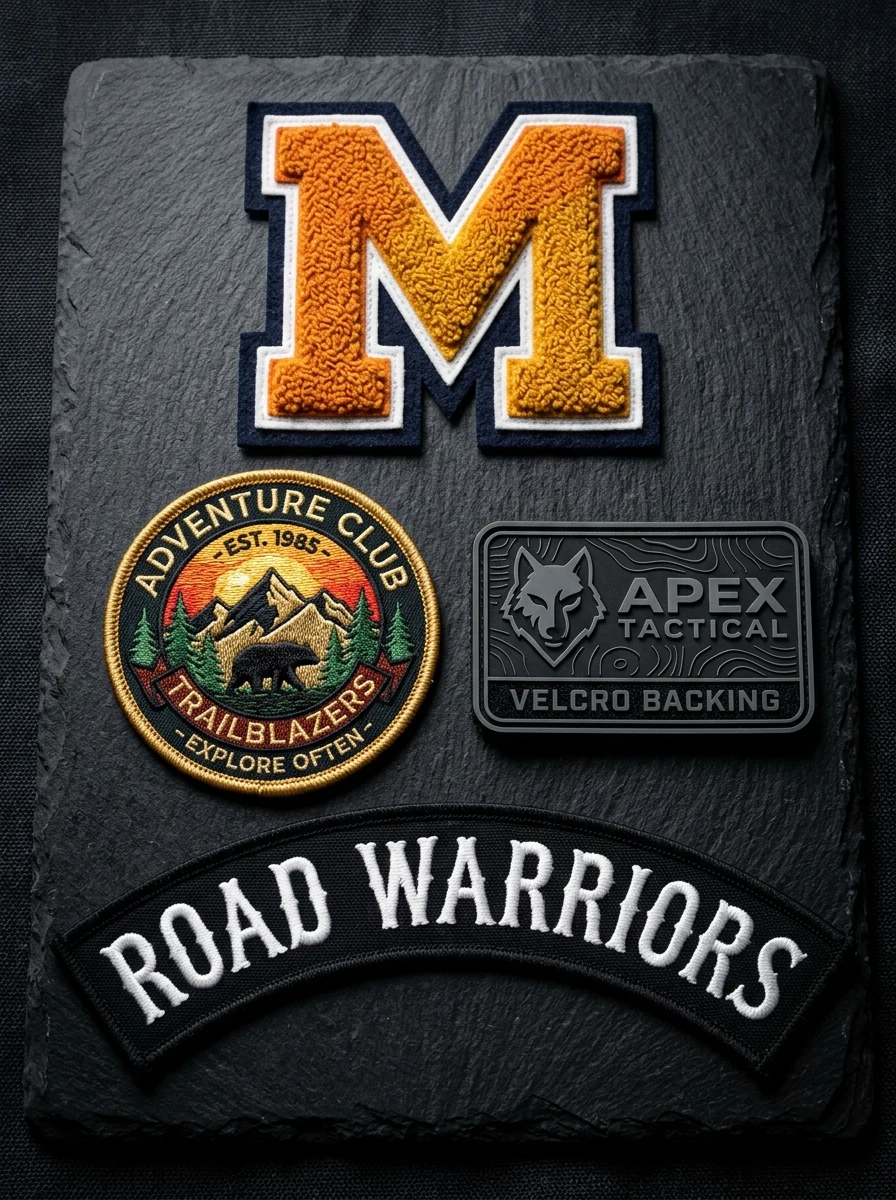
Choosing the right patch style is an important part of creating an effective branding solution. Different materials and manufacturing methods offer different textures, levels of detail, and visual effects. The best option depends on the logo design, garment fabric, intended use, and overall brand aesthetic.
Custom Embroidered Logo Patches
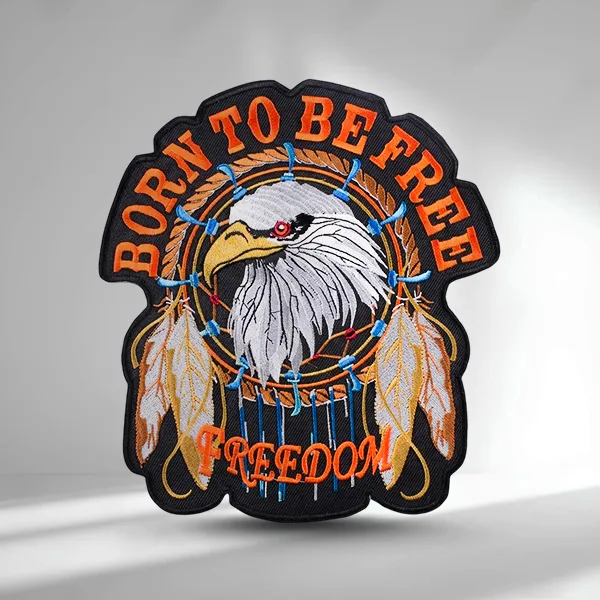
Embroidered logo patches are a popular choice for apparel brands that want a traditional, textured appearance. They are created by stitching threads onto a fabric base to reproduce a logo, lettering, or decorative design.
The raised thread gives embroidered patches a distinctive look that works particularly well for jackets, denim, workwear, uniforms, caps, and casual clothing.
Brands can choose different thread colors, shapes, borders, and backing options to create a patch that complements their collection. Embroidered patches are especially suitable for logos with bold shapes, clear lettering, and strong visual elements.
However, extremely small text and intricate details may be difficult to reproduce through embroidery. Simplifying a complicated logo can improve readability and produce a cleaner finished patch.
For clothing companies seeking a classic and durable branding option, custom embroidered logo patches offer a balance of visual appeal and practical performance.
Custom Woven Logo Patches
Woven patches are manufactured by weaving fine threads together to create a detailed design. Because the threads are generally finer than those used in traditional embroidery, woven patches can reproduce smaller lettering, thin lines, and intricate logos more clearly.
This makes them an excellent option for fashion brands that require a clean, refined appearance. Woven logo patches are commonly used on shirts, lightweight jackets, sportswear, premium casual clothing, and garments where a flatter finish is preferred.
Another advantage is their ability to maintain a relatively smooth surface. This can make woven patches suitable for clothing styles that do not require the raised texture associated with embroidery.
Brands should consider woven patches when logo clarity is a priority, particularly if the design contains detailed symbols or smaller text. The final result still depends on the artwork, patch dimensions, and production specifications.
Custom PVC Logo Patches
PVC patches are made from flexible synthetic material and are known for their dimensional appearance. They can feature raised logos, recessed details, multiple colors, and distinctive shapes.
These patches are often used by outdoor apparel brands, sportswear companies, tactical clothing suppliers, and businesses creating products for demanding environments.
PVC logo patches offer a different aesthetic from fabric-based patches. Their molded appearance can make a logo look bold and modern, particularly when paired with technical clothing or accessories.
They are also suitable for designs that benefit from clearly separated colors and raised details. Depending on the material and construction, PVC patches can provide good resistance to moisture and everyday wear.
For apparel brands considering PVC patches, it is important to assess the garment’s intended use, flexibility requirements, and desired appearance before choosing this material.
Custom Leather Logo Patches
Leather patches can give clothing products a premium, heritage-inspired appearance. They are commonly used on denim jeans, jackets, workwear, caps, and lifestyle apparel.
A leather logo patch may feature embossed, debossed, engraved, or printed branding, depending on the material and manufacturing process. Natural leather and synthetic leather alternatives offer different textures, appearances, and maintenance requirements.
Denim brands often use leather patches on waistbands to create a recognizable product detail. Fashion labels may also place leather patches on jackets, bags, and accessories to give their products a more distinctive finish.
When choosing leather patches, brands should consider the material’s thickness, flexibility, color, and compatibility with the garment. These details can influence both appearance and comfort.
Custom Printed Logo Patches
Printed patches are useful when a logo includes gradients, photographic elements, fine lines, or color transitions that may be difficult to reproduce using thread or molded materials.
The design is applied to a suitable fabric or patch surface using an appropriate printing method. This allows businesses to reproduce complex artwork with greater flexibility in color and detail.
Printed logo patches can work well for promotional apparel, fashion collections, event clothing, and products featuring colorful graphics.
The durability and appearance of a printed patch depend on the printing technology, material, finishing process, and care instructions. Apparel brands should review samples before placing a large order to confirm that the final product meets their expectations.
Benefits of Ordering Custom Logo Patches in Bulk
Bulk purchasing can be a practical strategy for apparel brands that require consistent branding across multiple products. Rather than ordering patches individually whenever a production run begins, businesses can plan quantities in advance and coordinate patch manufacturing with their clothing schedules.
One of the main benefits is potential cost efficiency. Depending on the manufacturer, design, materials, and order quantity, larger orders may reduce the cost per patch by spreading setup and production expenses across more units.
Bulk orders can also simplify inventory planning. When a brand knows which garments will use a particular logo, it can estimate patch requirements and maintain an appropriate supply for future production.
Consistency is another important advantage. Producing patches together can help maintain uniformity in thread colors, materials, dimensions, and overall appearance. This is particularly valuable for brands selling the same design through different retailers or distribution channels.
Ordering in bulk can also support seasonal collections. Businesses can arrange patch production before launching jackets, hoodies, uniforms, or other apparel lines, helping them coordinate materials and reduce last-minute sourcing pressure.
However, bulk ordering should be based on realistic demand forecasts. Ordering too many patches can tie up working capital and create unnecessary inventory. Apparel brands should balance quantity discounts against storage needs, expected sales, and the possibility of future logo updates.
How Custom Logo Patches Strengthen Brand Identity
A strong clothing brand needs more than an attractive logo. It needs a consistent visual identity that customers can recognize across different products and shopping experiences.
Custom logo patches help create this consistency by giving the brand a physical element that can be repeated throughout its collections. A carefully positioned patch can become a signature feature that customers associate with a particular clothing line.
For example, a streetwear brand may place its logo patch on the sleeve of a hoodie, the front of a cap, and the pocket of a jacket. Although the products differ, the recurring logo helps connect them visually.
Premium apparel companies may use subtle woven labels or refined leather patches to communicate a more understated identity. Outdoor brands may prefer durable PVC patches that complement technical materials and functional designs.
The placement and size of the patch also influence how customers perceive a garment. A large, prominent patch can create a bold statement, while a small patch can offer a minimal and sophisticated look.
For the best results, apparel brands should consider their target audience, product category, and overall design language before finalizing patch specifications. A patch should complement the garment rather than compete with its other design elements.
Choosing the Right Material for Your Custom Logo Patches
Material selection affects the patch’s appearance, durability, flexibility, and suitability for different clothing products. There is no single material that works best for every apparel brand.
Embroidered patches are often appropriate for classic casualwear, uniforms, denim, and jackets. Their textured finish can make simple logos more noticeable.
Woven patches are useful when a design requires fine lettering or a smooth surface. They can be especially effective for lightweight garments and detailed brand labels.
PVC patches may suit outdoor clothing, sportswear, and technical products where a molded appearance is desirable. Leather patches are often associated with denim, premium casualwear, and heritage-inspired collections.
Printed patches can be a suitable choice for colorful artwork and designs with complex visual details.
Before selecting a material, brands should evaluate the garment fabric, expected washing conditions, intended product lifespan, and preferred appearance. A patch designed for a heavy denim jacket may not be ideal for a lightweight performance shirt.
It is also useful to consider how the patch will feel against the skin, especially when it is placed inside or near the collar. Material thickness and edge finishing can influence comfort.
Requesting samples is one of the most reliable ways to evaluate these factors before approving a large production order.
Custom Logo Patch Sizes, Shapes, and Design Options
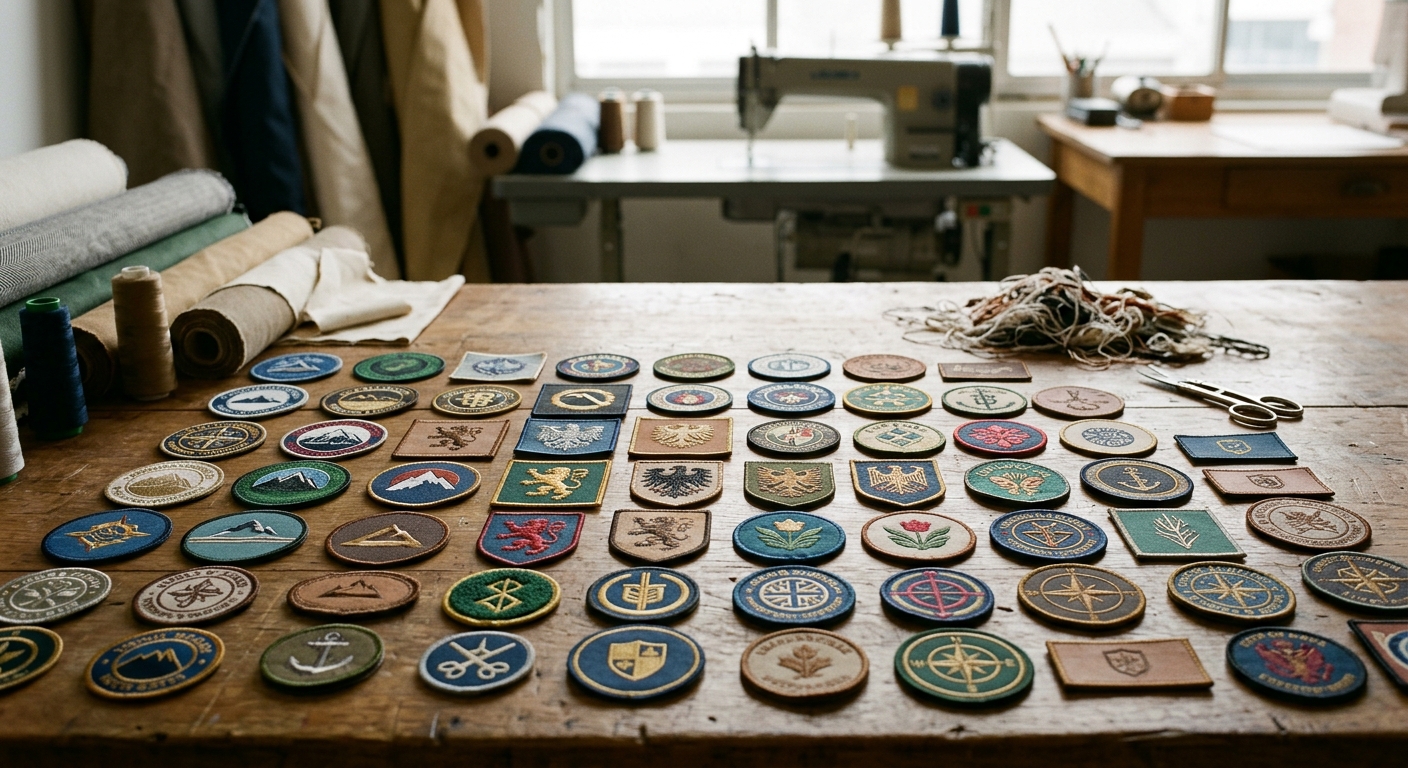
Custom patches can be manufactured in a wide range of shapes and dimensions. Apparel brands are not limited to standard rectangles or circles and can choose designs that match their logo and product style.
Common options include round patches, square patches, rectangular labels, shield shapes, oval designs, and custom-cut outlines. A brand with a distinctive symbol may choose a custom shape that follows the contours of its artwork.
Patch size should be selected according to its intended placement. A patch for a shirt pocket will usually require different dimensions from a large jacket-back patch or a prominent sleeve logo.
Smaller patches often work well for minimal branding. Larger patches provide more space for detailed artwork and can become a major visual feature of the garment.
Color selection is equally important. Brands should provide accurate logo files and, where possible, specify their preferred color references. This helps the manufacturer understand the intended appearance and reduces the risk of noticeable differences between production batches.
Border styles can also affect the final look. Merrowed borders are commonly associated with traditional embroidered patches, while heat-cut or laser-cut edges may be suitable for other shapes and materials.
The best design is one that balances visual impact, readability, manufacturing practicality, and the character of the clothing brand.
Attachment Options for Custom Logo Patches
Selecting the right attachment method is just as important as choosing the patch material. The correct backing helps ensure that the patch stays in place and performs as expected during normal garment use.
Sew-On Logo Patches
Sew-on patches are attached directly to the garment using stitching. This method is widely used for clothing products that require a secure, long-lasting attachment.
Sew-on patches are suitable for denim, jackets, workwear, uniforms, bags, and many other products. They can be particularly practical for heavier garments that undergo frequent handling or washing.
The sewing process should be compatible with the garment fabric and patch construction. Brands should also consider stitch placement and finishing to achieve a neat appearance.
Iron-On and Heat-Applied Patches
Heat-applied patches use a heat-activated adhesive backing that bonds to suitable fabrics when the correct temperature, pressure, and application time are used.
This option can help streamline production when patches need to be applied to large quantities of garments. It may also reduce the amount of sewing required during assembly.
However, not every fabric is suitable for heat application. Sensitive synthetic materials, textured surfaces, and fabrics that cannot tolerate the required temperature may need another attachment method.
Apparel brands should test heat-applied patches on the actual garment material before beginning full-scale production. Some applications may benefit from additional stitching, depending on the patch design and intended use.
Adhesive-Backed Patches
Adhesive-backed patches are designed for applications where a temporary or convenient attachment is required. Their suitability depends on the adhesive, surface, and intended conditions.
They may be useful for promotional items, short-term applications, or certain accessories, but they should not automatically be treated as a permanent solution for garments that require repeated washing.
Brands should communicate the intended use to the manufacturer so the backing can be selected appropriately.
How to Prepare Your Logo for Patch Manufacturing
Good artwork preparation can make a significant difference to the final appearance of a custom logo patch. Before production begins, apparel brands should provide clear design files and communicate any important specifications.
Vector files such as AI, EPS, or SVG are often useful because they allow artwork to be resized without losing clarity. High-resolution raster files may also be accepted, depending on the manufacturer’s requirements.
The logo should be reviewed for small lettering, thin lines, intricate shapes, and closely spaced details. Some elements may need to be simplified to suit embroidery, weaving, or molding.
Color information should be included wherever possible. If the patch needs to match existing garments, labels, or other brand materials, sharing physical samples or clear color references can help.
Brands should also specify the intended patch dimensions, preferred material, backing type, border style, and garment placement. These details help the manufacturer prepare an accurate sample or digital proof.
Before approving production, carefully review spelling, logo proportions, color choices, dimensions, and edge finishing. Correcting a design before manufacturing begins is generally easier than addressing an issue after hundreds or thousands of patches have been produced.
Finding a Reliable Custom Logo Patches Manufacturer
Choosing the right manufacturing partner is an important step for any apparel brand planning bulk orders. A reliable supplier should understand both the technical requirements of patch production and the practical needs of clothing businesses.
Start by reviewing the manufacturer’s experience with the type of patches you need. A supplier specializing in embroidered patches may have different equipment and capabilities from one producing PVC or leather patches.
Product samples can provide useful information about stitching quality, material consistency, color accuracy, edge finishing, and overall workmanship. If possible, examine samples that use a similar design and material to your planned order.
Communication is another important factor. The supplier should be able to explain production requirements, identify potential design limitations, and provide clear information about minimum order quantities, sample approvals, lead times, and shipping arrangements.
Ask how the manufacturer maintains quality across larger production runs. A clear approval process and agreed specifications can help reduce differences between samples and final bulk orders.
Businesses should also confirm the complete pricing structure. The quoted amount may depend on patch dimensions, material, number of colors, backing, order quantity, setup charges, packaging, and shipping.
The lowest price is not always the best value. A supplier that offers consistent quality, dependable communication, and realistic delivery estimates can be more beneficial over time than a cheaper option with uncertain production standards.
Understanding Minimum Order Quantities and Bulk Pricing
Minimum order quantity, commonly called MOQ, refers to the smallest number of units a manufacturer is willing to produce for a particular order. MOQ requirements vary depending on the supplier, patch type, design complexity, materials, and production method.
Some manufacturers may offer low-MOQ options for small clothing brands and startups, while others focus on larger wholesale orders.
Bulk pricing generally depends on the number of patches being produced and the cost of manufacturing each design. Larger quantities may lower the unit price, but the exact savings depend on the production process and supplier’s pricing structure.
When comparing quotations, brands should avoid looking at unit price alone. They should also consider setup fees, sample costs, packaging, shipping, import charges where applicable, and any additional finishing requirements.
It is useful to request pricing for several realistic quantities. This can help a business understand whether ordering additional patches provides meaningful savings or creates unnecessary inventory costs.
For growing apparel brands, the best order quantity is usually the one that supports planned production and expected sales while preserving enough cash flow for other business expenses.
Custom Logo Patches for Different Apparel Categories
Custom logo patches can be adapted to suit a wide range of clothing styles and customer groups. Their flexibility makes them useful for businesses operating in different areas of the fashion industry.
Streetwear and Urban Fashion
Streetwear brands often use bold graphics, distinctive symbols, and recognizable logos. Custom embroidered, woven, and PVC patches can complement these design choices while adding texture and depth.
Patches may be placed on hoodies, overshirts, bomber jackets, cargo pants, caps, and other streetwear staples. A consistent patch design across multiple products can help establish a recognizable collection.
Denim and Casual Clothing
Denim brands frequently use leather patches and embroidered logos to create a familiar, durable aesthetic. Patches can be positioned on jeans, denim jackets, overshirts, and casual accessories.
The choice of material should complement the weight and texture of the denim. A patch that feels appropriate on heavy jeans may require adjustment for lightweight denim shirts.
Sportswear and Active Apparel
Sportswear brands may use woven patches, printed patches, or selected synthetic materials to create a clean branding finish. The patch should suit the garment’s stretch, breathability, washing requirements, and intended activity.
For performance clothing, brands should evaluate weight, flexibility, edge comfort, and attachment security before choosing a final design.
Workwear and Uniforms
Uniform suppliers and workwear manufacturers often require clear, consistent branding across large numbers of garments. Embroidered patches are commonly used for company names, department identifiers, and organizational logos.
Bulk production can help maintain a consistent appearance across employee uniforms, service clothing, and branded work jackets. Durability and secure attachment are particularly important when garments are worn frequently.
Outdoor and Lifestyle Apparel
Outdoor clothing brands may choose embroidered, woven, or PVC patches depending on the garment’s intended use and visual style.
Jackets, backpacks, caps, and utility clothing can all incorporate logo patches. For products exposed to moisture, sunlight, abrasion, or repeated washing, the patch material and attachment method should be selected with those conditions in mind.
Quality Control for Bulk Custom Logo Patch Orders
Quality control is essential when ordering custom logo patches in large quantities. Even small inconsistencies can become noticeable when patches are applied across an entire clothing collection.
A clear production specification should identify the approved artwork, dimensions, colors, materials, backing, border style, and finishing requirements. Both the apparel brand and manufacturer should use the same approved reference.
Sample approval is an important part of this process. Before bulk manufacturing begins, the brand should inspect the sample for logo accuracy, readability, stitching or molding quality, color appearance, and overall construction.
For embroidered patches, check thread coverage, loose threads, border consistency, and the clarity of small design elements. For woven patches, review fine details and lettering. For PVC patches, examine the definition of raised areas and the consistency of molded edges. Leather patches should be assessed for texture, color, and logo definition.
It is also important to confirm that the attachment method is appropriate for the intended garment. A patch that looks excellent on its own may still require testing when applied to the actual fabric.
When feasible, businesses should request a pre-shipment inspection or representative production samples. Documenting agreed specifications can make it easier to identify and resolve quality issues.
How to Plan Bulk Orders for a Clothing Collection
Effective planning helps apparel brands coordinate custom logo patch production with their wider manufacturing schedule.
The process should begin with a clear understanding of the upcoming collection. Identify which garments will use patches, where each patch will be placed, and how many finished garments are expected to be produced.
Next, calculate the required patch quantity. Include reasonable allowances for quality checks, production waste, and replacement needs, without ordering excessive stock.
Confirm the artwork and specifications before requesting the final quotation. Changes to the logo, dimensions, or materials after production begins may increase costs or delay delivery.
Brands should also account for sample approval, manufacturing time, shipping, customs processing where relevant, and garment assembly. Leaving sufficient time for these stages can reduce the risk of missing a launch date.
For recurring collections, keeping records of previous orders can simplify reordering. Save the approved artwork, patch dimensions, color references, material specifications, and supplier details so the same design can be reproduced more consistently.
If a logo changes between collections, make sure the old and new versions are clearly distinguished in inventory records. This can help prevent outdated patches from being applied to new garments.
Common Mistakes to Avoid When Ordering Custom Logo Patches
One common mistake is choosing a patch material based only on appearance. A material may look attractive but may not suit the garment’s weight, washing requirements, or intended use. Brands should consider performance as well as design.
Another mistake is submitting artwork with excessive detail for the selected manufacturing method. Tiny lettering and very thin lines may not reproduce clearly on certain embroidered or molded patches. Reviewing the artwork with the manufacturer can help identify necessary adjustments.
Skipping sample approval is another risk. A digital preview may not fully communicate texture, thickness, color appearance, or edge quality. Reviewing a physical sample is especially useful for larger orders.
Businesses should also avoid placing bulk orders without confirming the total cost and delivery schedule. Unexpected setup charges, shipping expenses, or production delays can affect budgets and product launches.
Ordering too many patches before demand is established can create inventory problems, particularly for startups and brands that frequently update their designs.
Finally, brands should not overlook attachment testing. The patch must work with the actual garment fabric and intended care routine. Testing the complete application helps identify potential problems before the clothing reaches customers.
Sustainable Considerations for Custom Logo Patches
Sustainability is becoming an important consideration for many apparel businesses. While no patch material is automatically sustainable in every situation, brands can make more informed choices by evaluating materials, manufacturing processes, product lifespan, and waste.
One practical step is to choose patches that suit the expected lifespan of the garment. Durable construction may help preserve the appearance of clothing over repeated use, provided the patch and attachment method are appropriate for the product.
Businesses can also reduce unnecessary waste by ordering quantities based on realistic demand rather than purchasing excessive inventory solely to obtain a lower unit price.
Material selection should reflect the brand’s sustainability priorities. Depending on availability, manufacturers may offer recycled fabrics, alternative backing materials, or other options that align with particular requirements. These claims should be checked carefully, and brands should request supporting details when necessary.
Clear artwork and accurate specifications can also reduce production errors and the need for replacement orders.
For apparel companies developing a sustainability strategy, custom logo patches should be considered as part of the broader garment design and sourcing process rather than as an isolated branding component.
The Role of Custom Logo Patches in Private-Label Clothing
Private-label apparel businesses sell products under their own brand names, even when manufacturing is handled by external suppliers. Building a recognizable identity is therefore especially important for these companies.
Custom logo patches provide a flexible way to add branding to garments sourced from different production partners. A consistent patch design can help connect multiple product categories and create a more unified appearance.
For example, a private-label brand may use woven patches on shirts, embroidered patches on jackets, and leather patches on denim products while maintaining the same core logo.
This approach allows the brand to adapt the patch style to each garment without losing visual consistency.
Bulk patch production can also make it easier to coordinate branding across a larger collection. However, businesses should maintain clear specifications and ensure that every production partner uses the approved design.
By combining thoughtful patch selection with reliable manufacturing and quality checks, private-label companies can create apparel that looks more distinctive and professionally finished.
Why Apparel Brands Should Invest in Custom Logo Patches
Custom logo patches are more than decorative additions. They provide a practical way to communicate brand identity, improve product presentation, and create consistency across a clothing collection.
The right patch can complement the garment’s material, highlight a logo, and contribute to the overall character of a product. Whether a brand prefers the textured finish of embroidery, the precision of woven patches, the dimensional appearance of PVC, or the premium feel of leather, there are options for different styles and budgets.
Bulk orders can make patch sourcing more manageable for businesses with ongoing production requirements. When quantities are planned carefully, apparel brands can coordinate patch manufacturing with garment production and maintain a consistent supply of branded components.
The most effective results come from choosing a suitable material, preparing clear artwork, approving samples, selecting the right attachment method, and working with a manufacturer that understands the brand’s needs.
For new clothing labels, custom logo patches can help establish a professional identity. For established apparel companies, they can support consistent branding across new products, seasonal collections, and wholesale distribution.
Conclusion
Custom logo patches for apparel brands offer a versatile and effective way to build brand recognition while adding a distinctive finishing detail to clothing products. From embroidered and woven designs to PVC, leather, and printed options, businesses can select materials and styles that match their brand identity, garment requirements, and target audience.
Ordering custom logo patches in bulk can also help apparel companies manage production more efficiently, maintain consistency, and plan for future collections. However, successful bulk purchasing requires more than choosing the lowest price. Brands should carefully evaluate material quality, artwork accuracy, patch dimensions, attachment methods, manufacturing timelines, and supplier reliability.
By preparing clear specifications, reviewing samples, and planning quantities around actual business needs, clothing companies can reduce avoidable production issues and achieve more consistent results.
Whether you operate a growing streetwear label, a private-label clothing business, a denim brand, or a uniform company, investing in well-designed custom logo patches can strengthen your product presentation and make your apparel easier to recognize. With the right manufacturing partner and a thoughtful approach to design, custom logo patches can become a valuable part of your long-term branding strategy.