Introduction
In fashion, the smallest details can sometimes leave the biggest impression. A carefully designed logo, a distinctive label, or a textured patch can turn an ordinary garment into something customers recognize and remember. For clothing businesses that want to stand out in a competitive market, custom clothing patches offer a creative way to combine branding, design, and product identity.
Modern apparel brands are always looking for ways to make their collections feel different from mass-produced clothing. Some focus on unique fabrics, while others experiment with colors, cuts, and finishing details. Custom patches provide another opportunity to create a signature look without completely changing the garment's design.
From embroidered logos on streetwear hoodies to woven labels on premium shirts and leather patches on denim, these small branding elements can serve many purposes. They help communicate a brand's personality, create consistency across product lines, and give garments a more considered finish.
For businesses producing clothing at scale, working with a reliable custom patches manufacturer can also simplify the process of developing consistent branded products. Whether a business is launching its first collection or expanding an established apparel line, the right patches can support both creative goals and production requirements.
Understanding how custom patches work, which styles suit different garments, and how to plan orders effectively can help apparel brands make better decisions and create products with a more recognizable identity.
The Shift Toward More Personalized Apparel Branding
Customers have access to an enormous range of clothing options, making it increasingly important for brands to communicate what makes their products distinctive. A garment may have an excellent fit and quality fabric, but its finishing details can also influence how customers perceive it.
Personalized apparel branding allows businesses to create a visual identity that feels connected to their audience. Custom patches contribute to this approach by offering a physical branding element that can be adapted to different clothing styles.
Instead of printing the same logo directly onto every garment, a brand can use embroidered, woven, leather, or PVC patches to create a different texture and appearance. This flexibility allows designers to match the branding method to the character of each product.
For example, a premium casualwear label might prefer a small woven logo patch on a shirt, while a streetwear brand could choose a bold embroidered design for a hoodie. A denim company may use a leather patch to reinforce its traditional aesthetic.
The goal is not simply to add a logo. It is to create a consistent visual detail that feels natural within the overall design.
As apparel businesses develop their collections, custom patches can become part of a broader branding strategy that connects individual products without making every garment look identical.
Custom Clothing Patches as a Signature Brand Element
A signature brand element is a recognizable feature that customers begin to associate with a particular business. It could be a distinctive symbol, a recurring color combination, a unique label shape, or a carefully positioned logo patch.
Custom clothing patches can serve this purpose because they are adaptable and easy to incorporate into different product categories.
A clothing brand might use the same symbol across jackets, caps, bags, sweatshirts, and denim products. Although the garments differ, the recurring patch helps create a visual connection between them.
This consistency is valuable for brands selling through online stores, boutiques, retail partners, or wholesale distributors. When the branding remains recognizable across different products, the collection can feel more unified.
Patch placement also affects brand perception. A small patch near a pocket can create a subtle, understated look, while a larger patch on a sleeve or jacket back can become a central design feature.
The most effective approach is to choose a patch style that reflects the brand's personality and use it consistently without overwhelming the garment.
Exploring Different Styles of Custom Clothing Patches
The right patch style depends on the artwork, garment type, intended use, and visual effect a brand wants to achieve. Understanding the main options makes it easier to choose a suitable solution.
Embroidered Patches for a Textured Finish
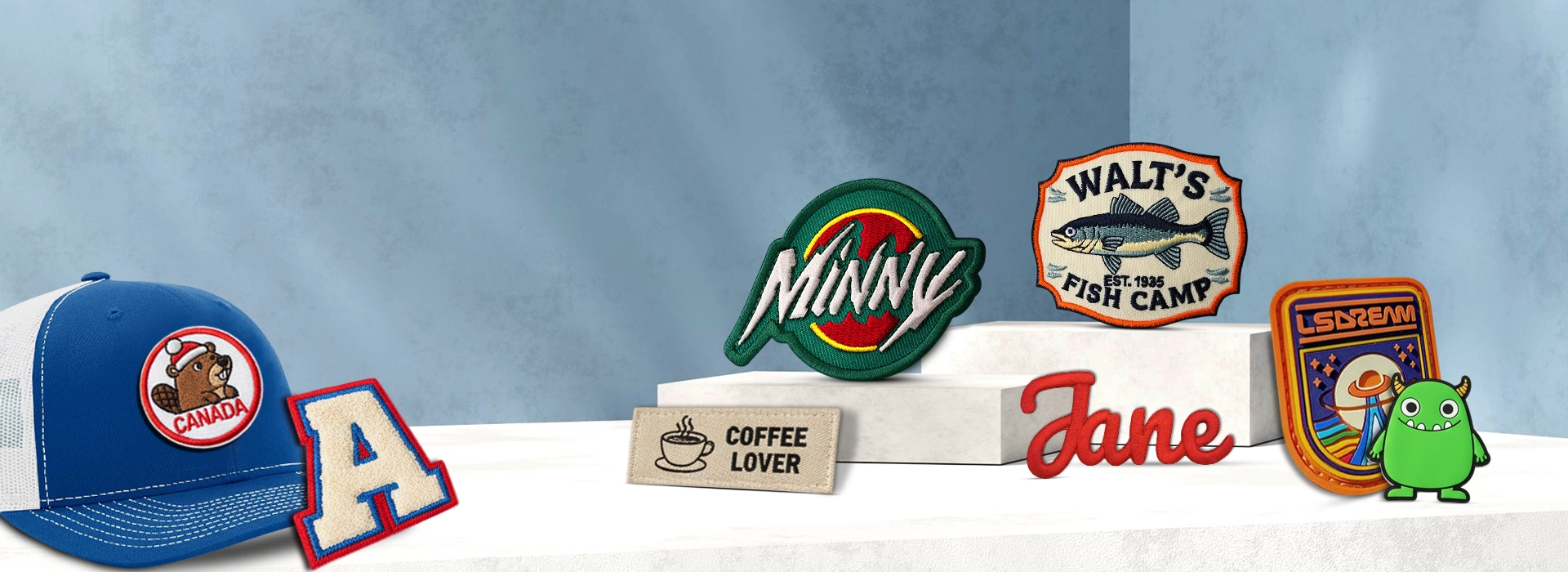
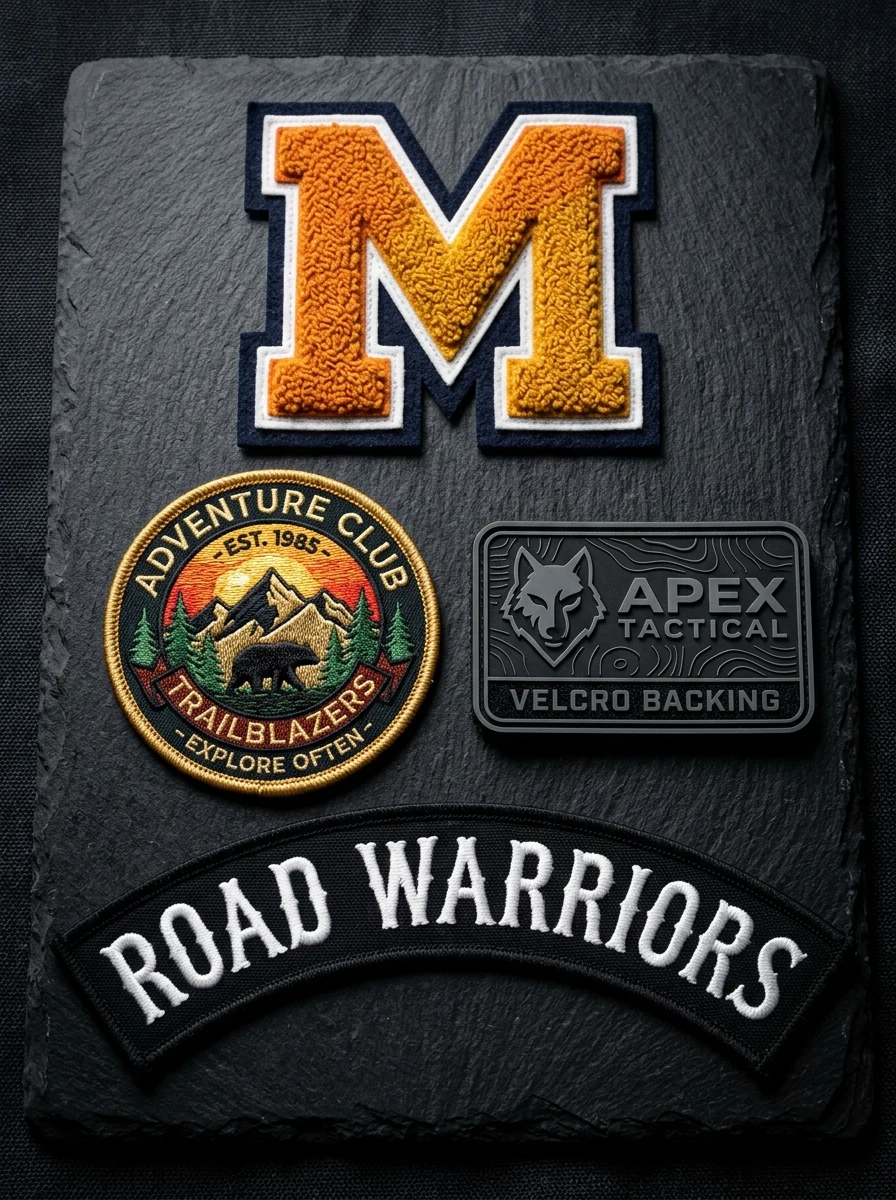
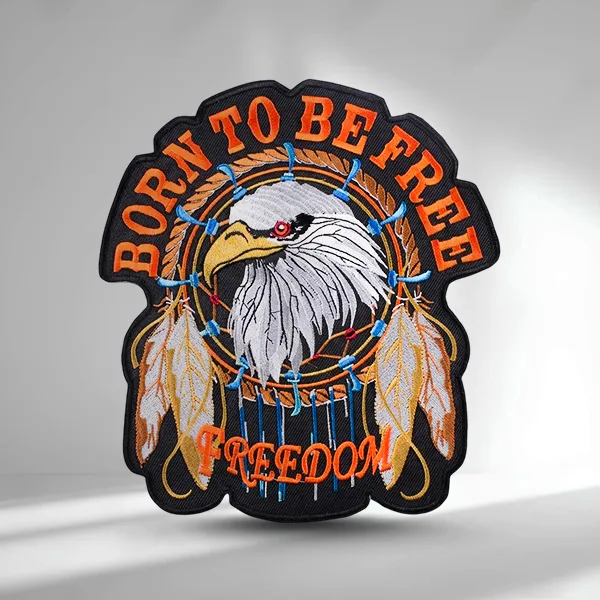
Custom embroidered patches are created by stitching threads onto a fabric base to form a logo, symbol, or design. Their raised texture gives them a traditional appearance that works particularly well for casualwear, uniforms, denim jackets, caps, and hoodies.
Embroidered patches are often chosen by brands that want their logos to feel substantial and visually noticeable. Different thread colors and border finishes can be used to match the clothing collection.
They are particularly effective for bold shapes, simple lettering, and logos with clear outlines. Highly detailed artwork may need to be simplified if the patch is small, since fine lines and tiny text can be difficult to reproduce clearly through embroidery.
For brands that want a classic and recognizable branding detail, embroidered patches offer a versatile option.
Woven Patches for Clean and Detailed Logos
Woven patches are made by weaving fine threads together to create the design. This construction can support smaller lettering and more intricate details than some traditional embroidery designs.
Because woven patches generally have a flatter surface, they are suitable for apparel brands that prefer a refined, lightweight finish.
They work well on shirts, lightweight jackets, sportswear, casual clothing, and garments where logo clarity is important. Woven patches can also be used as external brand labels when a business wants a neat and professional appearance.
The final result depends on the dimensions, artwork, thread selection, and manufacturing specifications. Reviewing a sample is useful for checking whether the design remains clear at its intended size.
Leather Patches for Premium Apparel
Leather patches can add a distinctive material contrast to clothing. They are frequently used on denim jeans, jackets, workwear, bags, and heritage-inspired fashion products.
Depending on the chosen material and production method, a logo can be embossed, debossed, engraved, or otherwise applied to the patch surface.
Genuine leather and synthetic leather alternatives offer different textures, price points, and maintenance requirements. Apparel brands should select the material according to their product positioning and intended care instructions.
A leather patch can be particularly effective when the brand wants a more understated, premium, or traditional appearance.
PVC Patches for Modern and Functional Designs
PVC patches are made from flexible synthetic material and can feature raised shapes, recessed details, and multiple colors. Their molded construction creates a dimensional appearance that differs from fabric-based patches.
They are commonly used for outdoor apparel, technical clothing, sportswear, and accessories. PVC patches can work well with bold symbols and designs that benefit from clearly defined shapes.
Before choosing this style, brands should consider the garment's flexibility, weight, intended environment, and overall aesthetic. The patch should complement the clothing rather than feel out of place.
Printed Patches for Complex Artwork
Printed patches offer flexibility for designs that contain multiple colors, gradients, fine lines, or detailed illustrations.
They can be useful for promotional clothing, fashion collections, event merchandise, and products where reproducing the original artwork accurately is a priority.
Performance depends on the printing method, patch material, finishing process, and care conditions. Apparel brands should review samples to assess color accuracy, clarity, and suitability for their intended garments.
Matching Patch Design With Your Clothing Collection
A well-designed patch should look as though it belongs on the garment. Even an attractive logo can feel disconnected if the patch material, size, or color clashes with the clothing.
Before finalizing a design, consider the overall character of the collection. Minimalist clothing may benefit from small woven labels or subtle leather patches, while streetwear products can accommodate more prominent embroidered designs.
Fabric also matters. Heavy denim can support a different patch construction from lightweight cotton or stretch-based sportswear. The patch should suit the garment's texture and structure without adding unnecessary bulk.
Color coordination can help create a balanced result. Some brands use contrasting colors to make the logo stand out, while others prefer a tone-on-tone approach for a more understated appearance.
Placement should be considered during the garment design stage rather than added as an afterthought. A patch positioned near a seam, pocket, sleeve, or collar should have enough space to sit neatly and remain visible.
When the patch design complements the garment's shape, fabric, and color palette, the finished product can feel more intentional and professionally developed.
Why Small Branding Details Influence Customer Perception
Customers often evaluate clothing through a combination of visual appearance, perceived quality, comfort, and brand presentation. Finishing details can contribute to that overall impression.
A cleanly manufactured logo patch can make a garment feel more considered. Consistent stitching, accurate colors, neat edges, and appropriate placement all help create a polished appearance.
Custom patches also allow brands to communicate different product identities. A textured embroidered patch may suggest a casual or traditional style, while a refined woven label can complement a modern minimalist collection.
However, branding details should not replace garment quality. A patch can improve visual presentation, but customers also expect suitable fabric, comfortable construction, and reliable performance.
For apparel companies, the best results come from treating patches as one part of the complete product experience. When the material, design, and garment construction work together, the branding feels more authentic.
Building a Consistent Look Across Multiple Products
Many clothing businesses sell collections that include several garment types. A single brand might offer T-shirts, sweatshirts, jackets, trousers, caps, and accessories within the same product range.
Custom patches can help connect these items visually without requiring identical designs across the entire collection.
For example, a brand may use embroidered patches on heavy outerwear and woven patches on lightweight shirts. The materials differ, but the logo, color palette, and design language remain consistent.
This approach gives designers flexibility while preserving a recognizable brand identity.
Consistency is especially important when products are manufactured in separate production runs. Approved artwork, patch dimensions, color references, and material specifications should be documented so that future orders can match earlier batches as closely as practical.
For brands working with several garment manufacturers, clear patch specifications can help prevent differences in logo appearance or placement.
A consistent branding system can make a collection feel connected, improve product presentation, and simplify future product development.
Custom Patches for Streetwear and Independent Fashion Labels
Streetwear brands often use distinctive graphics and recognizable symbols to communicate their identity. Custom patches provide an additional way to introduce texture, contrast, and personality into these products.
An embroidered patch can become a prominent feature on a hoodie or bomber jacket. A woven logo can offer a more subtle finish on a shirt, while a PVC patch can complement technical or utility-inspired clothing.
Independent fashion labels may also use patches to experiment with small production runs, limited collections, and seasonal design updates.
For emerging brands, it is important to balance creativity with production practicality. A complex design may require more preparation or a specialized manufacturing process, while a simpler logo can sometimes be easier to reproduce consistently.
Testing different patch styles on sample garments helps designers understand how the branding works in practice.
The aim is to develop a visual detail that feels distinctive without making the garment unnecessarily complicated or expensive to produce.
Custom Patches for Denim, Outerwear, and Workwear
Different garment categories have different requirements, so the patch should be selected with the product's intended use in mind.
Denim Apparel
Denim brands often use leather patches, embroidered details, or woven labels to reinforce the character of their products. Leather patches are particularly common on waistbands, while embroidered patches can add a more decorative feature to jackets and jeans.
The patch should complement the denim's weight and texture. Its thickness and attachment method should be suitable for the garment's construction.
Jackets and Outerwear
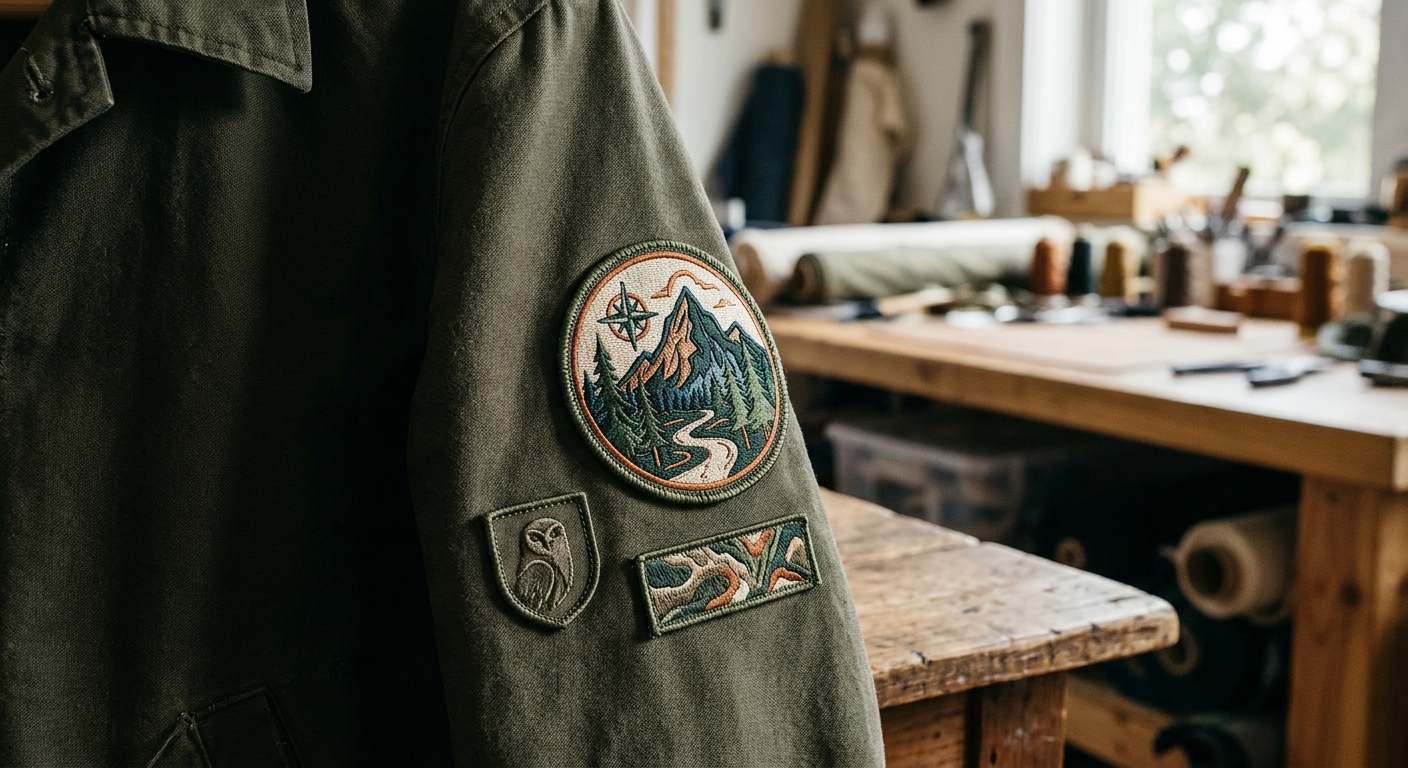
Jackets offer several possible locations for custom patches, including sleeves, chest areas, pockets, and back panels.
Embroidered patches can provide a traditional appearance, while PVC patches may suit outdoor or technical designs. Woven patches can be useful when detailed logos are required.
The selected material should be appropriate for the garment's intended conditions and care requirements.
Workwear and Uniforms
Workwear manufacturers often need clear, consistent branding across large quantities of garments. Custom embroidered patches can display company logos, team identifiers, or department names.
For these products, attachment security and durability are important considerations. The patch should remain suitable for the garment's expected wear and washing routine.
Across all these categories, choosing the right combination of material, size, and attachment method helps create a more reliable finished product.
How Custom Patches Support Private-Label Apparel
Private-label clothing businesses sell products under their own brand names, even when garments are manufactured by outside suppliers. Developing a consistent brand identity is therefore a key part of their business strategy.
Custom patches provide a practical way to apply branding across different products without changing the entire garment design.
A private-label business might use a woven logo patch on shirts, an embroidered patch on hoodies, and a leather patch on denim. Each style can suit the garment while maintaining a common visual identity.
When production takes place across multiple suppliers, it is important to share accurate patch specifications. This includes approved artwork, colors, dimensions, materials, placement, and attachment requirements.
Sample approval can help confirm that the patch looks appropriate on the actual garment before a larger order is manufactured.
For private-label businesses planning to expand their product range, custom patches can provide a flexible branding solution that adapts to different garment styles.
Choosing a Custom Patches Manufacturer That Understands Your Needs
The quality of a custom patch depends partly on the manufacturer’s production capabilities and attention to detail. Choosing a suitable supplier can make the development process smoother and help reduce avoidable errors.
Start by identifying manufacturers that work with the patch type you need. A supplier experienced in embroidery may offer different capabilities from one specializing in leather or molded PVC patches.
Review samples to assess material quality, stitching or finishing, logo clarity, color consistency, and overall construction. If possible, request a sample similar to your intended design.
Communication is equally important. The manufacturer should be able to explain artwork requirements, identify technical limitations, clarify available backing options, and provide realistic production estimates.
Ask for a clear quotation that covers patch dimensions, material, quantity, setup costs, packaging, and shipping. Understanding the full cost helps businesses compare suppliers more accurately.
It is also useful to discuss quality control and repeat-order procedures. A supplier that keeps accurate specifications and follows an agreed approval process can be a valuable partner as the clothing brand grows.
The right manufacturer should understand both the visual goals and practical requirements of the project.
Artwork Preparation and Sample Approval
Preparing suitable artwork is an important step in custom patch production. Clear design files help manufacturers reproduce logos more accurately and identify potential problems before production begins.
Vector formats such as AI, EPS, or SVG are often useful because they can be resized without losing clarity. Other high-resolution formats may also be accepted, depending on the manufacturer's requirements.
Review the logo for very small text, thin lines, closely spaced details, and complicated shapes. Some elements may need to be adjusted to suit the selected production method.
Color references should be provided wherever possible, particularly when the patch needs to match existing brand materials.
Before approving a sample, check the spelling, proportions, colors, dimensions, border, and overall appearance. If the patch will be attached to a garment, review it in the intended position.
Physical samples are especially helpful because they reveal texture, thickness, and finishing details that may not be obvious in a digital proof.
Taking time to confirm the design before bulk manufacturing can reduce the likelihood of costly revisions and unwanted inconsistencies.
Planning Custom Patch Orders for Growing Apparel Businesses
As a clothing brand expands, it may need larger quantities of patches or more frequent repeat orders. Planning ahead helps keep patch sourcing aligned with garment production.
Begin by estimating how many patches each product requires and how many garments are expected to be manufactured. Consider the need for replacements or quality checks without ordering excessive quantities.
Confirm the final design and specifications before production starts. Late changes to artwork, size, material, or backing can affect manufacturing schedules and costs.
It is also important to coordinate delivery dates with garment assembly. Patches should arrive early enough to allow for inspection and application before the clothing collection is ready for sale.
For recurring designs, maintain records of previous orders. Approved samples, artwork files, material details, and color references can simplify repeat purchasing.
If the brand regularly updates its logo or seasonal collections, track old and new patch designs separately to avoid applying outdated branding to current products.
A practical ordering plan can help businesses manage inventory, reduce last-minute sourcing pressure, and maintain a consistent appearance across their collections.
Balancing Quality, Design, and Production Costs
Every apparel business needs to manage costs while maintaining a product standard that meets customer expectations. Custom patches should be evaluated in the context of the complete garment budget.
The total price can depend on the patch material, dimensions, design complexity, number of colors, backing, order quantity, setup requirements, and shipping.
Bulk production may lower the cost per patch, but a larger order also requires more upfront spending and storage space. Businesses should consider expected sales and future design changes before committing to a high quantity.
Choosing the cheapest option can create problems if the patch quality, color accuracy, or attachment method does not meet the garment's requirements.
At the same time, a more expensive patch is not automatically the best choice. The material and construction should be appropriate for the product rather than selected only because they appear premium.
A balanced approach focuses on practical quality, consistent manufacturing, and a design that supports the brand's intended market position.
Common Design and Production Mistakes to Avoid
One common mistake is selecting a patch before considering the garment itself. A thick or rigid patch may not suit lightweight fabric, while a delicate finish may not be appropriate for demanding workwear.
Another issue is using artwork with too much detail for the chosen patch size. Tiny lettering and fine lines can lose clarity when reproduced through certain manufacturing methods.
Brands should also avoid skipping sample approval. A digital preview cannot always show the final texture, material thickness, or exact appearance.
Unclear specifications can lead to inconsistencies between production batches. Always confirm dimensions, colors, materials, backing, border style, and placement before manufacturing begins.
Finally, businesses should avoid ordering quantities based only on a discount. The order should reflect realistic demand, storage capacity, and the likelihood that the design will remain in use.
Paying attention to these details can help apparel brands make more informed decisions and achieve a better result.
Conclusion
Custom clothing patches give apparel brands a practical way to turn simple garments into products with a more distinctive identity. Whether the goal is to create a recognizable streetwear collection, add premium details to denim, improve uniform branding, or develop a consistent private-label range, the right patch can make an important contribution to the finished design.
Embroidered, woven, leather, PVC, and printed patches each offer different advantages. The best option depends on the garment, logo, intended use, and overall brand aesthetic.
Successful patch production also requires careful planning. Clear artwork, appropriate material selection, accurate specifications, sample approval, and a reliable manufacturing partner all help support consistent results.
For growing apparel businesses, custom patches can provide flexibility across different products while keeping the core brand identity recognizable. By treating patches as an intentional part of garment design rather than an afterthought, clothing brands can create more cohesive collections and a stronger visual presence in the market.