Introduction
Starting a clothing brand is an exciting journey, but it also comes with financial challenges, production decisions, and the pressure to create products that customers genuinely want. For new fashion businesses, managing inventory while maintaining a professional brand image can be difficult, especially when manufacturers require large minimum order quantities. This is where low MOQ custom patches for clothing brands and startups can make a meaningful difference.
Low minimum order quantity manufacturing allows businesses to order custom patches in smaller batches rather than committing to large production runs from the beginning. This approach gives startups, independent designers, small fashion labels, and online clothing stores more flexibility when developing their collections.
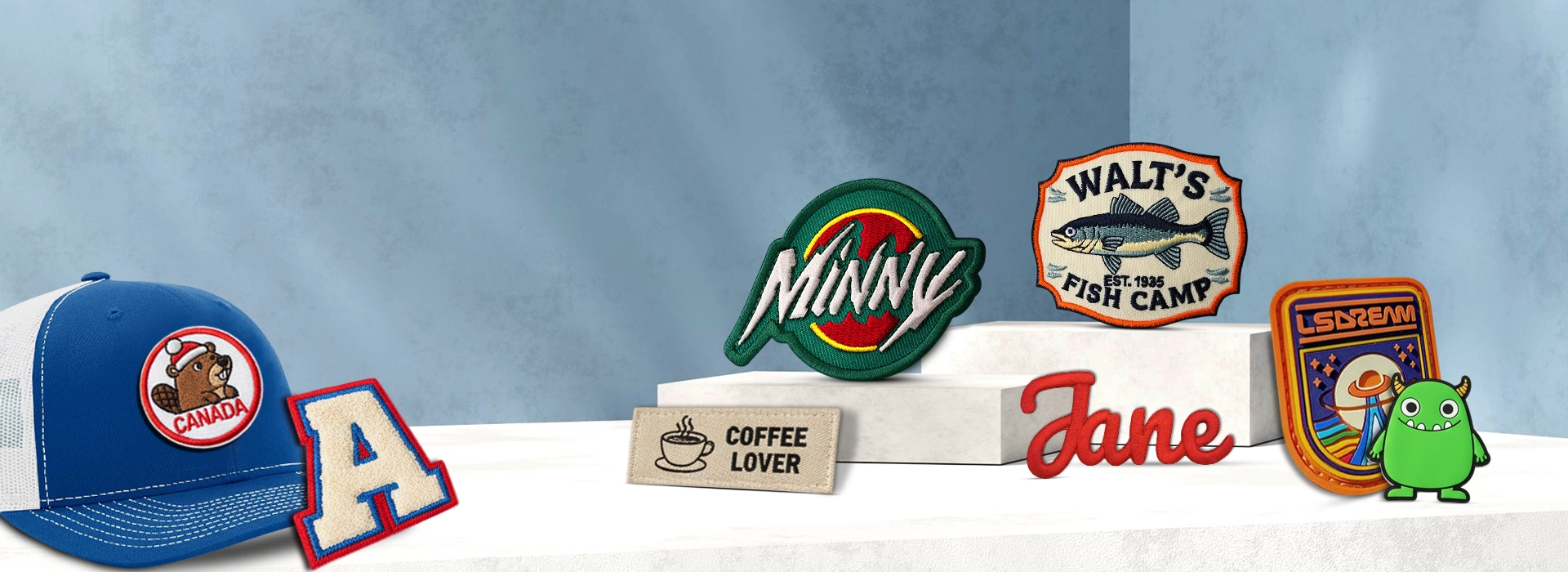
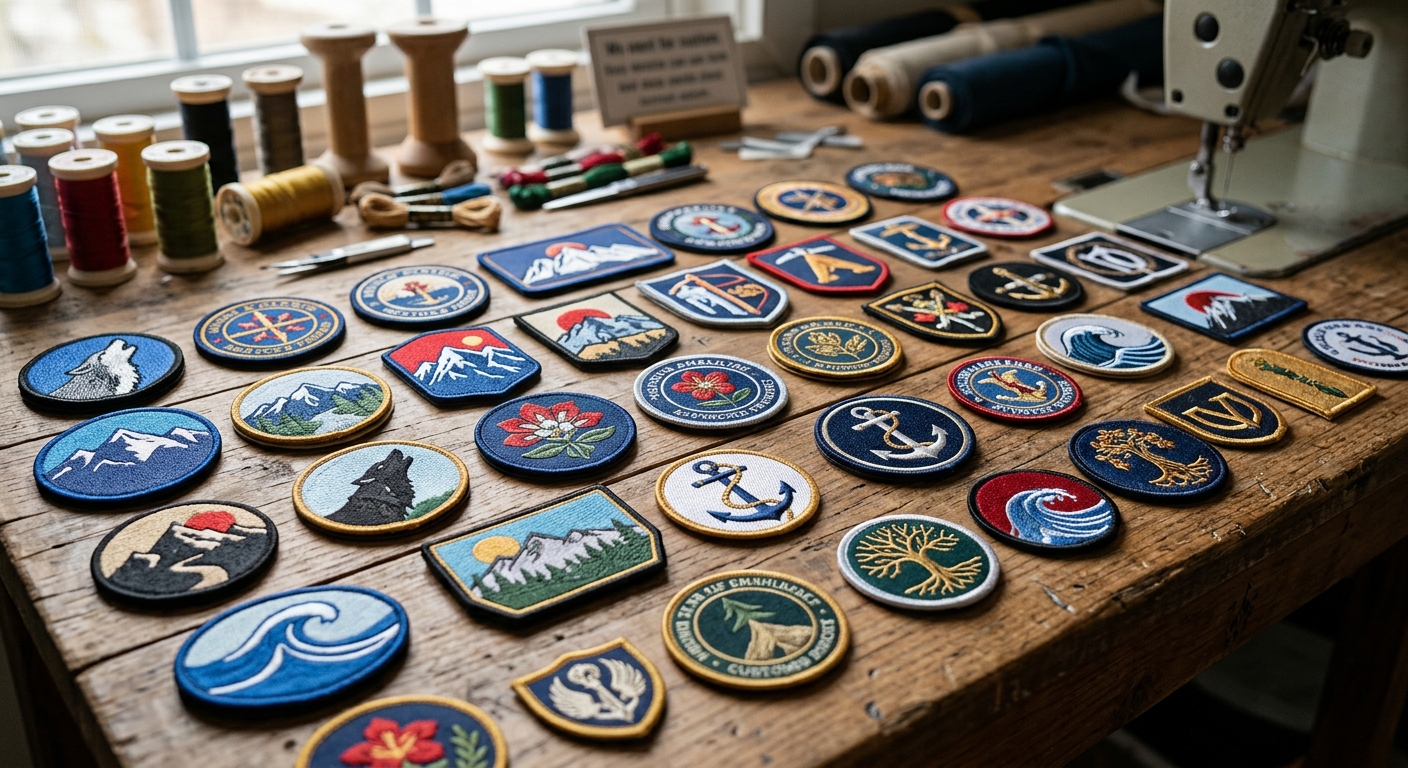
Custom patches offer a practical way to add logos, brand names, artwork, and distinctive design elements to apparel. Whether you are creating embroidered patches for hoodies, woven logo patches for shirts, or chenille patches for varsity jackets, the right design can help your products stand out in a competitive market.
For new clothing businesses, smaller patch orders can also make it easier to experiment with different branding ideas. Instead of investing heavily in one design, brands can test different colors, sizes, materials, and placements before deciding which options deserve a larger production run.
Choosing a reliable custom patch manufacturer is equally important. The right supplier can help you select suitable materials, prepare artwork for production, understand pricing, and maintain consistent quality as your business grows.
With thoughtful planning and the right manufacturing partner, low MOQ custom patches can help clothing brands establish their identity, control inventory costs, and develop products with greater confidence.
Understanding Low MOQ Custom Patches
MOQ stands for minimum order quantity. It refers to the smallest number of units a manufacturer requires a customer to purchase for a particular order.
Traditional wholesale manufacturing often involves larger quantities, which can be challenging for startups with limited budgets or uncertain sales forecasts. Low MOQ custom patches provide an alternative by allowing businesses to begin with smaller batches when the supplier's production capabilities permit.
For example, a new streetwear brand may want to introduce a signature embroidered logo without ordering thousands of patches before its first collection launches. A supplier offering suitable low MOQ options may allow the brand to produce a smaller quantity and evaluate customer interest first.
This approach can be useful for businesses selling through online stores, social media platforms, independent boutiques, pop-up shops, and local markets.
However, low MOQ does not mean that every patch design can be manufactured in any quantity. Minimum requirements may vary according to the patch material, design complexity, size, production technique, and setup costs.
Embroidered patches, woven patches, PVC patches, and specialty designs may all have different production requirements. Some manufacturers may also offer lower minimums for existing designs than for entirely new custom artwork.
Before placing an order, clothing brands should explain their expected quantity and budget to the supplier. Understanding the available options early can help avoid unnecessary costs and make the production process more manageable.
Why Startups Benefit from Low MOQ Patch Manufacturing
Launching a clothing business requires careful financial decisions. New brands must invest in garment production, website development, photography, packaging, marketing, and shipping while trying to understand what their customers prefer.
Ordering a large quantity of custom patches can place additional pressure on an already limited budget. Low MOQ manufacturing helps reduce this commitment by allowing brands to purchase smaller quantities according to their immediate requirements.
One major advantage is the ability to test new designs. A startup can introduce a small batch of logo patches, observe customer responses, and decide whether to reorder the same design or make adjustments.
Smaller orders also reduce the risk of storing unused inventory. If a particular logo, color combination, or garment style does not perform as expected, the business may have less leftover stock to manage.
Low MOQ custom patches can also support limited-edition collections. Brands can develop exclusive products for seasonal launches, collaborations, special events, or promotional campaigns without immediately investing in a large production run.
Another benefit is creative flexibility. Startups can explore different patch styles and branding approaches while maintaining a manageable purchasing budget.
Although smaller quantities may have a higher price per unit, the overall investment can still be more appropriate for a new business. The goal is not simply to find the lowest unit price but to choose an order size that fits the brand's current stage of growth.
Custom Logo Patches for New Clothing Brands
A recognizable logo is an important part of building a clothing brand. It helps customers identify products and creates a visual connection between the garments and the business behind them.
Custom logo patches offer a versatile way to display this identity across different apparel categories. They can be used on T-shirts, hoodies, sweatshirts, denim jackets, caps, bags, and other branded merchandise.
For startups, logo patches can provide a professional finish without requiring complicated changes to the entire garment. A simple hoodie, for example, can become more distinctive with a carefully positioned embroidered logo.
The choice of patch material should reflect the brand's visual identity. Embroidered patches create a raised, textured appearance, while woven patches can reproduce finer details and small lettering. PVC patches offer a molded finish that suits certain contemporary and utility-inspired designs.
Size and placement are also important. A small patch on the chest may create an understated appearance, while a larger sleeve or back patch can become a central design feature.
Before manufacturing begins, brands should review their logo at the intended patch size. Very small text, thin lines, and intricate details may need adjustment to remain clear during production.
Maintaining consistent artwork and specifications across future orders can help startups develop a recognizable identity as their product range expands.
Embroidered Patches for Startup Fashion Labels
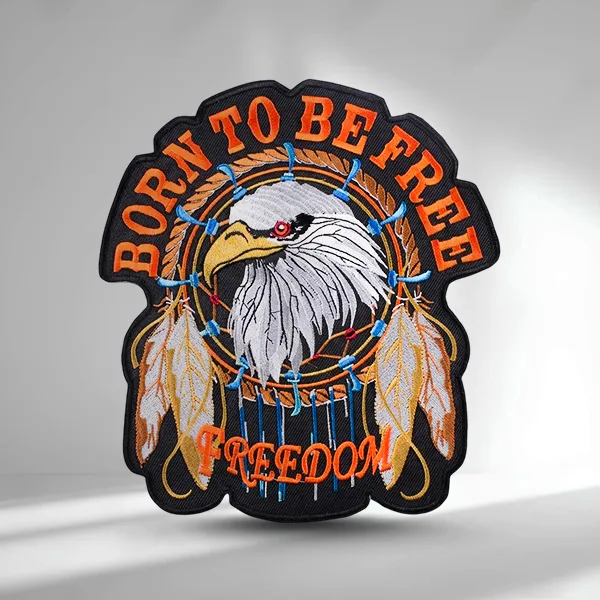
Embroidered patches are a popular option for clothing brands that want a classic and textured branding style. They are produced by stitching thread onto a suitable backing fabric, creating a raised design that can add depth to a garment.
These patches work well on hoodies, denim jackets, sweatshirts, caps, uniforms, and casual apparel. They can feature company logos, initials, symbols, lettering, and decorative graphics.
For a startup fashion label, embroidered patches can help establish a distinctive appearance without relying entirely on printed designs. A small stitched logo may suit a minimalist collection, while a colorful embroidered design can support a more expressive streetwear aesthetic.
One advantage of embroidery is its versatility. Different thread colors, stitch styles, border finishes, and backing options allow brands to adapt a patch to their intended look.
However, embroidery has practical limitations. Very small text or complicated artwork may lose clarity when converted into stitches, particularly on small patches.
The final appearance also depends on stitch density, thread quality, digitizing, and production accuracy. Digitizing is the process of converting artwork into stitch instructions that an embroidery machine can follow.
For low MOQ orders, it is helpful to ask the manufacturer about any one-time digitizing fees and whether the same embroidery file can be used for future orders.
By choosing an appropriate design and reviewing a sample when possible, startups can create embroidered patches that complement their garments and support a consistent brand image.
Woven Patches for Detailed Clothing Designs
Woven patches are suitable for clothing brands that need precise details, fine lines, or small lettering. They are created by interlacing threads to form the design, producing a relatively smooth finish compared with traditional embroidery.
This makes woven patches a useful choice for minimalist logos, compact brand names, and detailed artwork that may be difficult to reproduce clearly with thicker embroidery stitches.
Startups can use custom woven patches on shirts, jackets, denim, bags, and selected fashion accessories. Their lighter profile may also make them suitable for garments where a bulky patch would affect the overall appearance.
For brands developing premium casualwear, woven logo patches can provide a clean and understated branding solution. They can be designed in different shapes and colors to complement the garment without overpowering it.
When selecting woven patches, businesses should consider the artwork size, thread colors, border treatment, and attachment method. These details can influence both the appearance and practicality of the finished product.
It is also important to compare woven and embroidered options before making a final decision. Embroidery may be preferable when a raised texture is central to the design, while weaving may be more suitable for intricate details.
An experienced manufacturer can help evaluate the artwork and recommend the production method that best matches the brand's needs, budget, and intended garment.
Low MOQ Custom Patches for Streetwear Startups
Streetwear brands often use distinctive logos, graphic elements, and textured details to develop a recognizable identity. Custom patches offer a flexible way to create this appearance across different clothing products.
A new streetwear business might use embroidered patches on oversized hoodies, woven patches on lightweight shirts, and chenille patches on varsity jackets.
Starting with smaller quantities allows the brand to explore these options without committing to extensive inventory. It can also support limited releases that create variety within the collection.
For example, a startup may introduce a basic logo patch for everyday products and a more detailed design for a seasonal collection. Customer feedback and sales performance can help determine which styles should be reordered.
Patch placement can influence the overall streetwear aesthetic. Chest logos provide a familiar branding option, while sleeve details, back-panel patches, and unusual shapes can create a more distinctive look.
Material selection should also match the garment. Heavy patches may work well on structured outerwear but could feel uncomfortable or look disproportionate on lightweight T-shirts.
Low MOQ custom patches give streetwear startups room to experiment, but good planning remains essential. The brand should confirm artwork specifications, production costs, and attachment methods before approving the final order.
Custom Patches for Hoodies, T-Shirts, and Sweatshirts
Hoodies, T-shirts, and sweatshirts are popular starting products for clothing startups because they offer many opportunities for customization.
Custom patches can provide a different look from screen printing or other garment decoration methods. They introduce texture and can make branding feel more integrated into the garment.
For hoodies, embroidered patches are often suitable for chest logos and sleeve branding. Sweatshirts can accommodate different patch styles depending on the fabric weight and construction.
T-shirts require more careful consideration because lightweight fabric may not support a large or heavy patch comfortably. Smaller woven or lightweight embroidered designs may be more suitable for these products.
The intended placement should also be considered. A chest patch can provide subtle branding, while a sleeve patch or lower-hem detail can create a less conventional appearance.
For startups producing several garment styles, using the same logo with different patch dimensions can help maintain brand consistency while ensuring each product looks balanced.
The backing and attachment method should be appropriate for the garment. Sew-on patches are commonly used for clothing, while iron-on options may be suitable for compatible fabrics and applications.
Before placing a low MOQ order, brands should confirm the patch size, material, colors, and attachment requirements with their supplier. This helps ensure that the finished product looks and feels right when worn.
Chenille Patches for Varsity and Retro Fashion
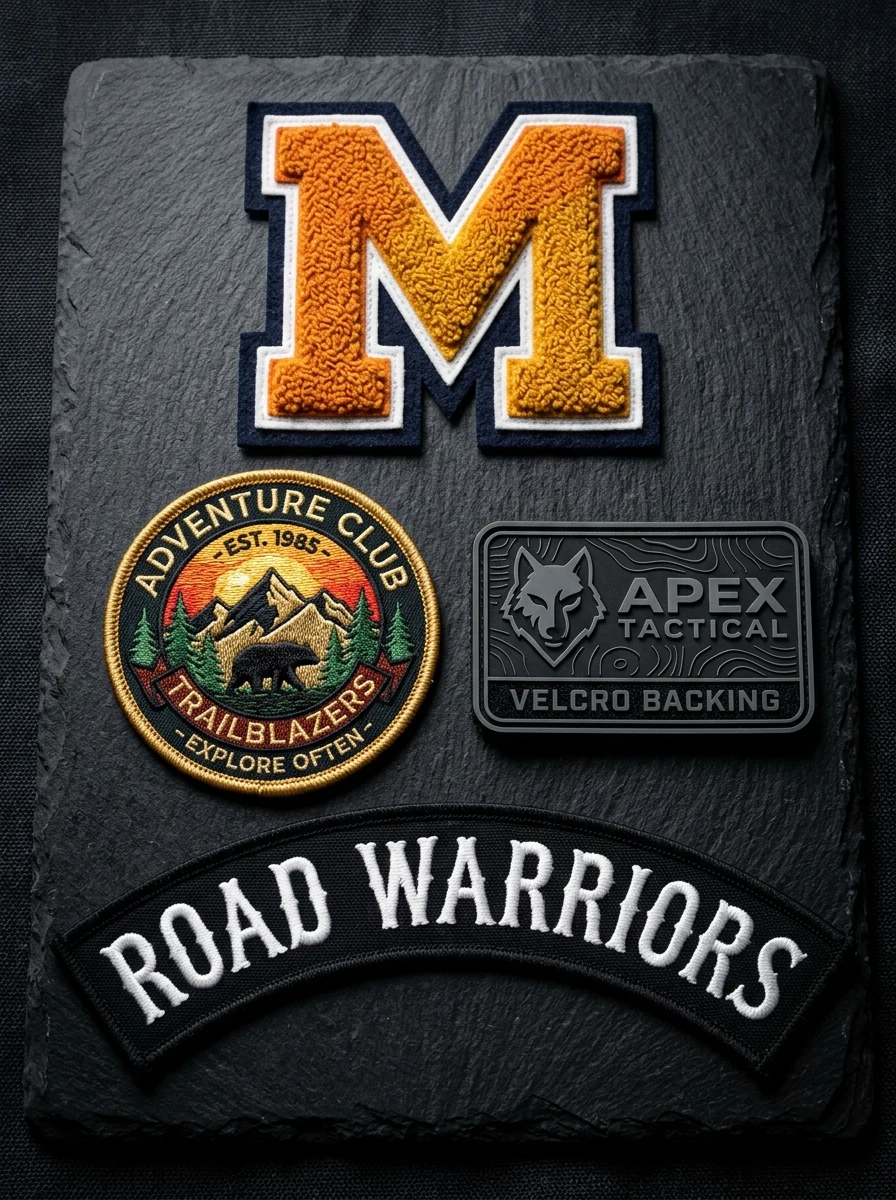
Chenille patches are recognized for their soft, raised texture and bold appearance. They are commonly used on varsity jackets, collegiate-inspired clothing, retro streetwear, and statement outerwear.
Their fuzzy surface works especially well for large letters, initials, numbers, and simple graphic shapes. Some designs combine chenille with embroidery to create sharper outlines or additional decorative details.
For a startup developing a varsity-inspired collection, chenille patches can help establish a distinctive visual style. They can also be used for limited-edition products that feature a brand name, signature letter, or collection-specific symbol.
Because chenille patches often have more volume than woven or standard embroidered patches, garment construction should be considered carefully. Their size and weight need to complement the fabric and intended placement.
Low MOQ availability for chenille patches may differ from that of simpler fabric patches. Certain designs may require additional preparation or specialized production equipment.
Businesses should discuss these requirements with the manufacturer before finalizing a design. A sample can be particularly useful for evaluating the texture, color contrast, thickness, and overall appearance.
When the style suits the collection, chenille patches can become a memorable branding element for fashion startups targeting customers who appreciate vintage sportswear and retro-inspired designs.
PVC Patches for Modern Clothing Brands
PVC patches provide a contemporary alternative to traditional fabric-based patches. They are made from molded synthetic material and can feature raised lettering, recessed details, bold colors, and distinctive shapes.
These patches are often used on outdoor apparel, utility-inspired clothing, backpacks, accessories, and selected streetwear products.
For clothing startups, PVC patches can create a structured appearance that differs from the softer texture of embroidery. They may be particularly suitable for brands with bold logos, geometric designs, or modern visual identities.
PVC patches can be customized with different colors, dimensions, surface details, and backing options. Hook-and-loop backing may be useful for compatible removable patch applications, while other attachment methods may suit permanent branding.
However, PVC is not ideal for every garment. Its thickness and flexibility should be evaluated before it is used on lightweight fabric or clothing that requires a soft drape.
Manufacturing requirements can also affect minimum order quantities and setup costs. Startups should confirm whether the supplier can accommodate their desired quantity and design complexity.
Choosing PVC patches based on the garment, intended use, and overall brand aesthetic can help create a more cohesive finished product.
How to Choose the Right Patch Size and Placement
Patch size and placement can influence how professional a garment looks. Even a well-designed logo may feel out of place if the patch is too large, too small, or positioned awkwardly.
For clothing startups, the first step is to consider the garment's proportions. A small chest logo may suit a fitted T-shirt, while a larger patch may work better on a structured jacket.
Sleeve patches can provide an additional branding opportunity without using a large front graphic. Back-panel patches may suit expressive streetwear, varsity jackets, and statement outerwear.
The shape of the patch should also complement the artwork. Circular, rectangular, and shield-shaped patches are common choices, but custom shapes may work better for distinctive logos.
Material thickness matters as well. A large embroidered patch can feel substantial, while a woven patch may provide a flatter finish. The best option depends on the fabric and desired appearance.
Before production, it can be useful to place a digital mockup or sample against the actual garment. This helps the brand evaluate proportions, color contrast, and overall balance.
For repeat orders, documenting patch dimensions and placement measurements can improve consistency across different production batches.
Thoughtful sizing and placement help ensure that custom patches enhance the clothing rather than distract from its design.
Preparing Artwork for Low MOQ Patch Orders
Good artwork preparation can make custom patch manufacturing smoother and reduce the likelihood of production errors.
Clothing startups should begin with a clear logo or design file. Vector artwork is often useful because it can be resized without losing sharpness, although manufacturers may accept other file formats depending on their production process.
The artwork should be suitable for the selected patch type. Embroidery may require simplified lettering or thicker lines, while woven patches can support certain fine details that are more challenging for traditional stitching.
Color selection should be considered carefully. Digital screen colors do not always match the appearance of physical thread, fabric, or molded materials.
Brands should provide accurate color references when possible and ask the manufacturer how color matching is handled.
The intended patch size should also be established early. Artwork that looks clear on a large screen may become difficult to reproduce when reduced to a small patch.
For embroidered designs, digitizing converts the artwork into machine-readable stitch instructions. Some manufacturers charge a separate setup fee for this process, so it is worth confirming the details before placing an order.
Reviewing a digital proof or physical sample allows the brand to check spelling, proportions, borders, and color placement before approving production.
Clear artwork and documented specifications can save time, reduce revisions, and help startups achieve a more consistent result.
Understanding the Cost of Low MOQ Custom Patches
The cost of custom patches depends on several factors, including material, dimensions, design complexity, production method, quantity, and finishing requirements.
Low MOQ orders may have a higher price per unit because setup expenses and production preparation are spread across fewer patches. However, the total investment may still be more suitable for a startup than purchasing a large quantity at a lower unit price.
For example, a business testing a new logo may prefer a smaller order even if each patch costs more. This reduces the amount of inventory purchased before the design has demonstrated demand.
Embroidery digitizing, custom shapes, special borders, metallic thread, molded PVC designs, and individual packaging may all affect the quotation.
Shipping costs, import duties, and other applicable charges should also be considered when calculating the full cost of an order.
When comparing manufacturers, businesses should review quotations based on equivalent specifications. A lower price may reflect a different patch size, material, backing, or level of finishing.
It is helpful to ask whether the quoted price includes artwork preparation, sampling, packaging, and delivery. Clear pricing makes it easier to compare suppliers and avoid unexpected expenses.
The best purchasing decision balances affordability, quality, and inventory requirements rather than focusing exclusively on the lowest price per patch.
How Low MOQ Manufacturing Helps Control Inventory
Inventory management is a major concern for clothing startups. Ordering too much stock can tie up money that could otherwise be used for marketing, product development, or other business expenses.
Low MOQ custom patches can help reduce this pressure by allowing businesses to purchase quantities that match their current production needs.
A startup launching its first hoodie collection may not know which colors or logo placements will be most popular. Starting with a smaller patch order can make it easier to test the product before expanding inventory.
If customer demand is strong, the business can place a larger reorder. If the design needs improvement, the brand can adjust the artwork before making a bigger commitment.
Smaller orders can also support seasonal products and limited-edition releases. This may be useful for businesses that prefer to introduce fresh designs rather than maintain large quantities of every style.
However, frequent small orders may involve additional shipping or setup expenses. Businesses should compare the total cost of repeated orders with the cost of a larger planned purchase.
Tracking sales, remaining stock, supplier lead times, and reorder requirements can help determine when it makes sense to increase quantities.
Low MOQ manufacturing is most effective when it forms part of a wider inventory strategy that balances flexibility with cost control.
Finding a Reliable Low MOQ Custom Patch Manufacturer
Choosing the right supplier is essential for startups that want consistent quality and manageable production costs.
A reliable manufacturer should understand the intended application and offer suitable patch types, materials, backing options, and finishing techniques.
Experience with clothing brands can be especially valuable because apparel patches must work with different fabrics, garment constructions, and branding requirements.
Businesses should ask about minimum quantities, production lead times, sample availability, setup fees, and shipping arrangements before confirming an order.
Reviewing previous work or requesting a sample can help evaluate stitching quality, material thickness, color consistency, and finishing.
Communication is another important consideration. A supplier should clearly explain artwork requirements and notify the customer if a design needs adjustments before production.
It is also useful to understand how the manufacturer handles defective products, replacement requests, and repeat orders.
For startups planning to grow, supplier flexibility matters. A manufacturer that can support smaller initial orders and larger wholesale quantities later may provide a more convenient long-term partnership.
Comparing suppliers based on quality, transparency, communication, and total cost helps businesses make a more informed decision.
Common Mistakes Startups Should Avoid
One common mistake is ordering too many patches before understanding customer demand. A low unit price may seem attractive, but unused inventory can become an unnecessary financial burden.
Another mistake is selecting a patch material without considering the garment. Heavy embroidery or rigid PVC may not be suitable for lightweight clothing.
Poor artwork preparation can also cause problems. Very small text, thin lines, and complicated details may not reproduce clearly using the chosen manufacturing method.
Some businesses approve production without carefully reviewing the digital proof or sample. This can lead to errors in spelling, color, dimensions, or placement that could have been corrected earlier.
Focusing only on price is another risk. A supplier with a lower quotation may offer different materials, limited quality control, or additional charges that increase the final cost.
Startups should also avoid unclear communication about attachment methods and care requirements. A patch that looks correct but does not attach securely may create issues after the garment is sold.
To reduce these risks, businesses should prepare clear specifications, request a detailed quotation, review samples when possible, and confirm the production timeline.
Careful planning helps startups make better purchasing decisions and create custom patches that support their brand rather than complicate the manufacturing process.
Scaling Your Clothing Brand with Wholesale Patch Orders
Low MOQ production can be a useful starting point, but successful clothing brands may eventually need larger quantities as demand increases.
Once a patch design has demonstrated consistent sales, the business can evaluate whether a wholesale order would improve cost efficiency and simplify production planning.
Before increasing quantities, brands should review sales performance, expected demand, storage capacity, and cash flow. A larger order should support actual business needs rather than simply offer a lower unit price.
It is also important to confirm that the manufacturer can reproduce the approved design consistently. Keeping reference samples, artwork files, color specifications, and measurements can help maintain the same appearance across future orders.
Some brands may choose to retain small orders for experimental designs while purchasing proven designs in bulk. This balanced approach provides room for creative development without creating unnecessary inventory commitments.
As the business grows, the patch supplier may also help introduce new materials, improved finishing, or alternative production methods.
A flexible manufacturing relationship allows clothing brands to adapt their purchasing strategy as their collections, customers, and production requirements evolve.
Conclusion
Low MOQ custom patches for clothing brands and startups offer a practical way to develop professional apparel branding without committing to large production quantities from the beginning. They allow new businesses to test designs, manage inventory, explore different materials, and create distinctive products while keeping purchasing decisions aligned with their available budget.
From embroidered logo patches and woven designs to chenille and PVC options, the right patch can enhance the appearance of hoodies, T-shirts, jackets, sweatshirts, and other apparel products. The best choice depends on the garment, artwork, desired finish, and intended use.
Choosing a reliable custom patch manufacturer is essential for achieving consistent quality and predictable production costs. Startups should review samples, confirm artwork specifications, understand setup fees, and compare complete quotations before placing an order.
Smaller production runs can provide flexibility during the early stages of a business, while wholesale purchasing may become more practical once demand is established. Combining these approaches allows brands to manage risk while preparing for future growth.
Ultimately, custom patches are more than decorative additions. They can help communicate a brand's identity, make clothing products more recognizable, and create a consistent visual experience for customers. With thoughtful design, careful budgeting, and a dependable manufacturing partner, startups can use low MOQ custom patches to build a stronger foundation for their clothing business.