Introduction
In the fashion industry, small design details can make a significant difference in how customers perceive a clothing brand. From the quality of the fabric to the finishing touches on a garment, every element contributes to the overall product experience. One detail that has become increasingly popular among apparel businesses is the use of custom patches.
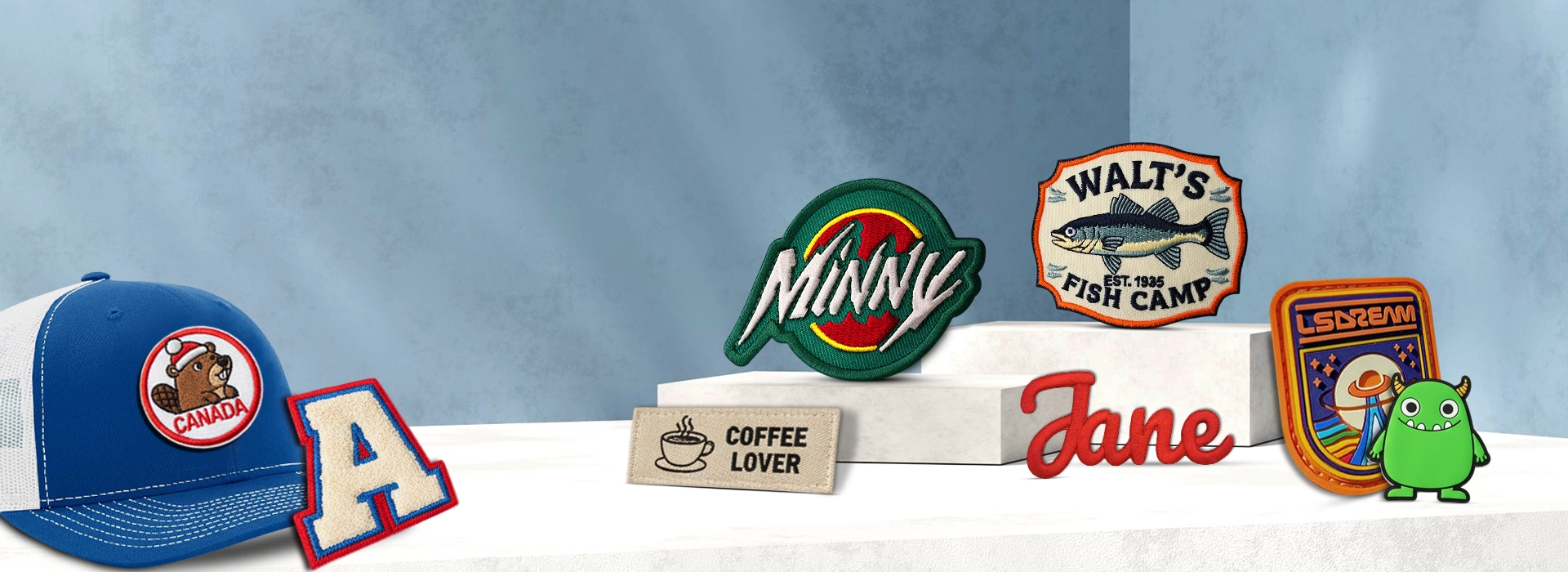
Wholesale custom patches give clothing brands a practical way to display their logos, create distinctive designs, and maintain a consistent brand identity across different products. Whether a business manufactures streetwear, denim, sportswear, workwear, or promotional apparel, custom patches can add visual interest while helping customers recognize the brand.
For growing clothing companies, ordering patches wholesale can also simplify production planning. Instead of sourcing small quantities repeatedly, businesses can purchase custom patches in bulk and coordinate deliveries with their garment manufacturing schedules. This approach may help reduce per-unit costs, improve consistency, and make inventory management easier.
However, choosing the right patches involves more than selecting a design and placing an order. Apparel brands need to consider materials, manufacturing methods, patch sizes, attachment options, quality standards, and supplier reliability. Each decision affects how the finished patch looks and performs on the garment.
Understanding these factors can help clothing businesses make better purchasing decisions and develop branding details that complement their products.
Why Wholesale Custom Patches Are Important for Clothing Brands
Building a recognizable clothing brand requires consistency. Customers should be able to identify a company's products through its logo, colors, design language, and finishing details. Custom patches help businesses create this consistency by providing a physical branding element that can be used across different garments.
A patch can display a company logo, brand name, collection symbol, or unique graphic. Depending on its design and placement, it can become a subtle finishing detail or a prominent feature of the clothing.
Wholesale custom patches are especially useful for businesses producing multiple styles within the same collection. A clothing company might use matching logo patches on hoodies, jackets, caps, and bags, creating a visual connection between otherwise different products.
Bulk purchasing can make this process more manageable. When a manufacturer produces a larger quantity of patches according to approved specifications, the apparel brand can maintain a more consistent appearance across its collection.
For businesses supplying retailers or selling through online stores, this consistency can support a professional product presentation. Well-designed patches can also help distinguish branded clothing from generic products, particularly in competitive fashion categories.
Understanding Wholesale Custom Patch Manufacturing
Wholesale custom patch manufacturing involves producing personalized patches in larger quantities according to a business's design and production requirements. These patches are typically manufactured separately and then attached to garments or accessories during the clothing production process.
The process generally begins with artwork submission. The apparel brand provides its logo or design, along with details about dimensions, colors, preferred material, border style, and attachment method.
The manufacturer then reviews the artwork and determines which production method is most suitable. Some designs work well with embroidery, while others may be better suited to woven construction, printing, PVC molding, or leather finishing.
Depending on the supplier, the next stage may involve a digital proof or physical sample. Reviewing the sample allows the business to assess the patch's appearance before approving the full order.
Once the specifications are confirmed, production can begin. After manufacturing, the patches may undergo inspection, sorting, packaging, and shipping.
Clear communication throughout this process is important. When a clothing brand provides accurate specifications and approves the final design before production, it becomes easier to achieve a consistent result across a large order.
Popular Types of Wholesale Custom Patches
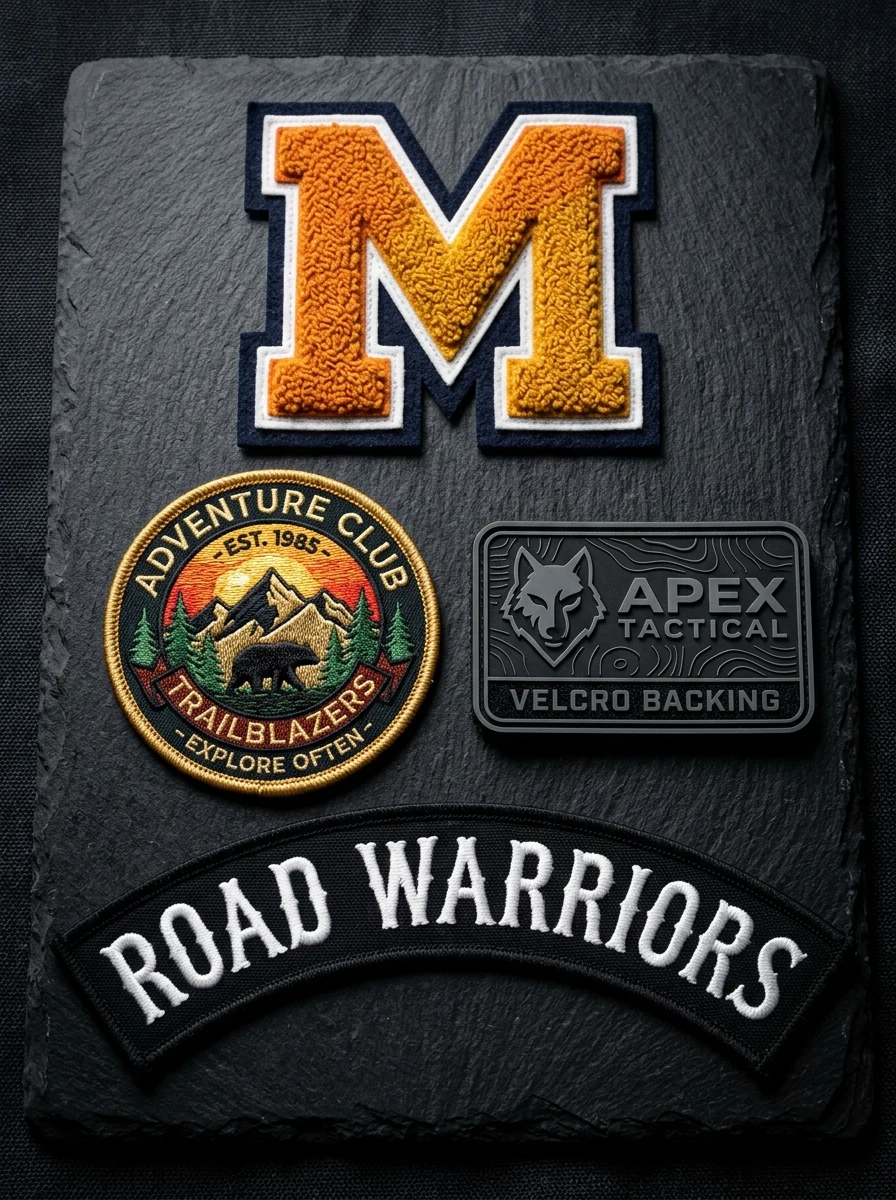
Different patch styles offer different visual effects and manufacturing advantages. Selecting the right option depends on the brand's identity, the garment's material, and the intended use of the patch.
Wholesale Embroidered Patches
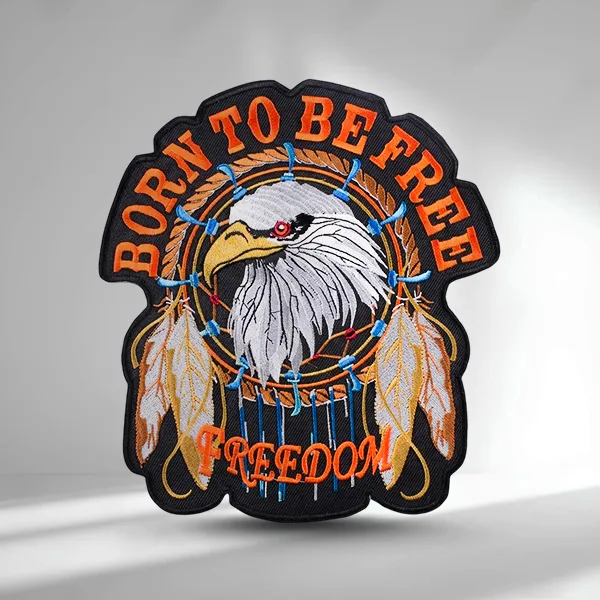
Embroidered patches are among the most recognizable options for clothing brands. They are made by stitching colored threads onto a fabric base, creating a textured design that can make logos and symbols stand out.
These patches are commonly used on denim jackets, hoodies, uniforms, caps, workwear, and casual apparel. Their raised stitching creates a traditional appearance that works particularly well for bold logos and simple graphic designs.
Brands can customize embroidered patches with different thread colors, shapes, borders, and backing options. They can also choose the level of embroidery coverage depending on the design and desired appearance.
One consideration is artwork complexity. Very small text, narrow lines, and intricate details may not reproduce clearly at limited patch sizes. Simplifying these elements can improve readability and create a cleaner finish.
For businesses seeking a classic branding solution, wholesale embroidered patches remain a versatile choice.
Wholesale Woven Patches
Woven patches use fine threads woven together to reproduce logos and lettering. Their construction supports detailed designs and a relatively smooth surface.
This makes woven patches useful for clothing brands that need smaller text, thin lines, or precise logo details. They are often used on shirts, lightweight jackets, sportswear, fashion labels, and premium casual garments.
Compared with traditional embroidery, woven patches generally have less raised texture. This can be useful when a brand wants a flatter, refined finish that does not add much bulk to the garment.
Woven logo patches are especially suitable for designs where clarity is important. However, the final level of detail still depends on the patch dimensions, artwork, and manufacturing specifications.
Wholesale PVC Patches
PVC patches are made from flexible synthetic material and can feature raised lettering, recessed details, and multiple colors. Their molded appearance gives them a different look from fabric-based patches.
They are commonly used by outdoor clothing companies, sportswear brands, technical apparel manufacturers, and businesses producing accessories.
PVC patches can work well with bold designs, symbols, and logos that benefit from a dimensional finish. Depending on the material formulation and construction, they may also offer useful resistance to moisture and everyday wear.
Before choosing PVC patches, clothing brands should consider the garment's flexibility, intended environment, and preferred style. A molded patch that suits an outdoor jacket may not match the aesthetic of a lightweight fashion shirt.
Wholesale Leather Patches
Leather patches are often associated with premium clothing, denim products, and heritage-inspired designs. They provide a distinctive texture that can make a garment look more refined or traditional.
Manufacturers may create leather logo patches using embossing, debossing, engraving, or other suitable finishing methods. Genuine leather and synthetic leather alternatives offer different appearances, costs, and maintenance requirements.
Denim brands frequently use leather patches on waistbands, while other apparel businesses may place them on jackets, bags, caps, and accessories.
When selecting leather patches, brands should evaluate thickness, flexibility, color consistency, and compatibility with the garment. The material should complement the product rather than make the finished clothing unnecessarily stiff or uncomfortable.
Wholesale Printed Patches
Printed patches are useful for designs that include complex artwork, gradients, fine lines, or a wide range of colors. Printing allows certain visual details to be reproduced more easily than traditional thread-based methods.
These patches can be suitable for fashion collections, promotional apparel, event merchandise, and clothing featuring colorful graphics.
Their performance depends on the fabric base, printing method, finishing process, and care conditions. Brands should review samples to confirm that the colors, sharpness, and overall appearance meet their requirements.
Benefits of Buying Custom Patches Wholesale
Wholesale purchasing can provide several advantages for clothing businesses, particularly those with regular production schedules.
Better Cost Planning
Buying patches in bulk may reduce the cost per unit because setup and production expenses can be distributed across a larger quantity. The actual savings depend on the supplier, patch design, material, and order size.
For apparel brands operating on defined production budgets, wholesale pricing can make it easier to estimate the cost of branding each garment.
However, the lowest unit price should not be the only consideration. Shipping, setup charges, packaging, sample costs, and other fees can affect the total order value.
Consistent Branding Across Collections
Producing a batch of patches using the same approved specifications can help maintain consistent colors, dimensions, and construction.
This is particularly important when a brand sells multiple garment styles featuring the same logo. Consistent patches help connect different products and create a more unified brand identity.
Easier Inventory Management
Maintaining an appropriate stock of custom patches can help clothing manufacturers coordinate garment production without waiting for small patch orders to arrive repeatedly.
Businesses can estimate patch requirements based on planned production and arrange deliveries accordingly.
It is important to avoid excessive inventory, especially when logos or collections change frequently. Bulk quantities should be based on realistic sales forecasts and production needs.
Support for Business Growth
As a clothing company expands, its branding requirements often increase. Wholesale custom patches can help businesses prepare for larger production runs, additional product categories, and new retail partnerships.
Working with a dependable supplier can also simplify repeat orders when the same patch design is needed for future collections.
Choosing the Right Custom Patch Material
Material selection affects the appearance, durability, flexibility, and suitability of a patch. The right choice depends on the product rather than on a single universal standard.
Embroidered patches are often appropriate for traditional casualwear, denim, jackets, and uniforms. Woven patches work well when fine lettering and a flatter surface are important.
PVC patches may suit technical apparel and outdoor products, while leather patches can complement premium denim and heritage-style clothing. Printed patches offer flexibility for colorful or intricate artwork.
Before making a decision, consider the garment's fabric, weight, expected washing conditions, and intended lifespan.
For example, a patch intended for a heavy work jacket may require different construction from one designed for a lightweight shirt. Similarly, a patch on a frequently washed garment should be evaluated for both material performance and attachment security.
Discussing these requirements with a custom patch manufacturer can help identify an appropriate option. Whenever possible, review physical samples and test the patch on the actual garment fabric before approving a bulk order.
Designing Custom Patches That Reflect Your Brand
A successful patch design should reflect the personality of the clothing brand while remaining practical to manufacture.
The process begins with a clear logo or graphic. Businesses should provide high-quality artwork and identify the elements that must remain consistent, such as logo proportions, colors, lettering, and symbols.
Patch dimensions should be selected according to the intended placement. A small chest patch requires different proportions from a large back patch or a label designed for a cap.
Color selection also matters. Strong contrast between the logo and background can improve visibility, while a restrained color palette may suit brands that prefer a minimal appearance.
The border and edge finish should complement the design. A traditional embroidered patch may work well with a stitched border, while custom-cut shapes can create a more distinctive silhouette.
It is also important to consider how the patch will look on the finished garment. A design that appears attractive on a computer screen may look different when produced at a small size or placed on textured fabric.
Reviewing a digital proof and physical sample helps brands identify issues before production begins.
Selecting the Best Patch Size and Shape
Patch size affects both visibility and practicality. The best dimensions depend on the garment, logo complexity, and intended visual effect.
Small patches are often suitable for chest logos, shirt pockets, sleeves, and caps. They provide subtle branding without dominating the overall design.
Medium-sized patches can work well on jackets, hoodies, workwear, and bags. Larger patches may be used for statement graphics on the back of a jacket or other prominent areas.
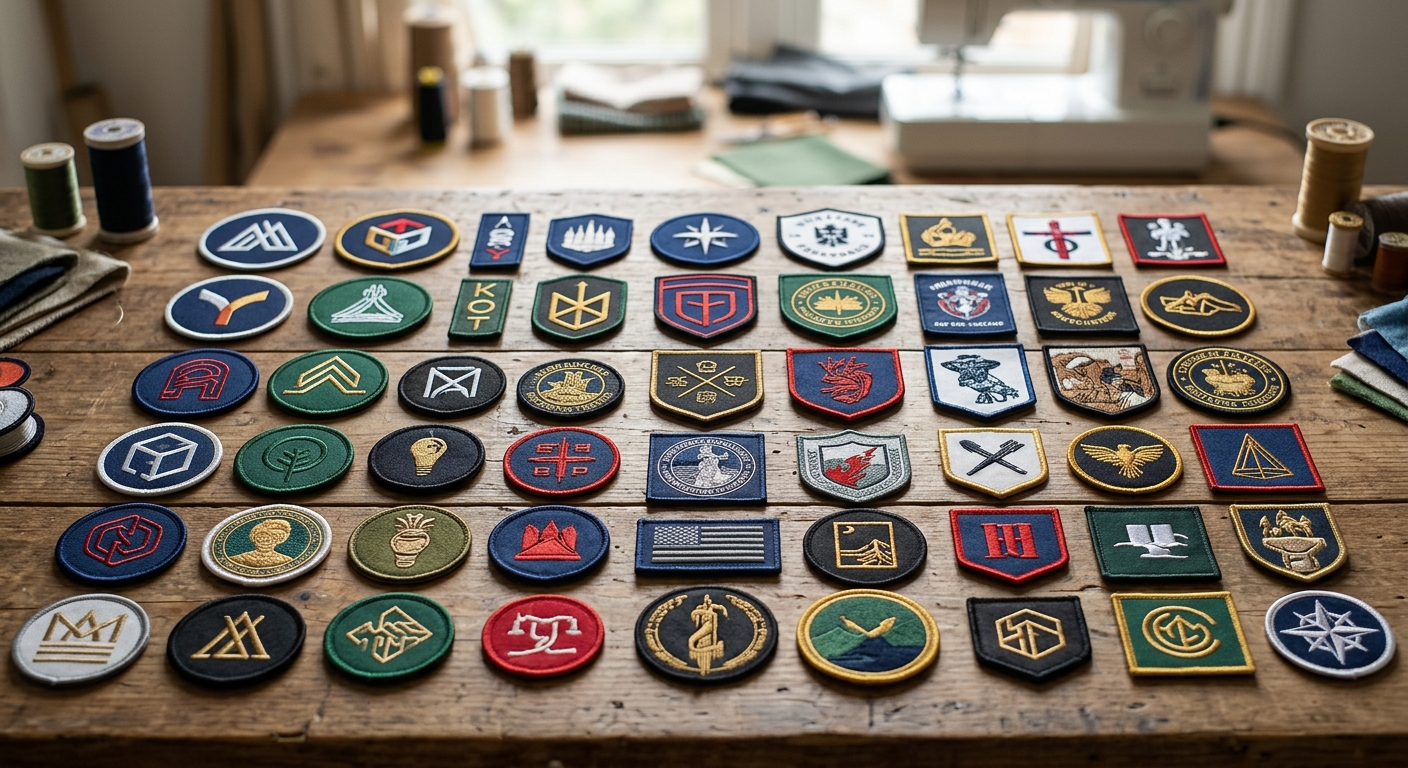
Shape also contributes to brand identity. Common options include rectangular, circular, oval, square, and shield-shaped patches. Custom-cut designs can follow the outline of a logo or symbol.
When choosing a shape, consider the amount of space required for the logo and whether the edges will remain practical for the selected attachment method.
Apparel brands should avoid making patches unnecessarily large or complicated. A balanced design that fits the garment naturally is often more effective than one that competes with every other visual element.
Patch Backing and Attachment Methods
The attachment method determines how a patch is secured to the garment. Choosing an appropriate backing is important for both appearance and long-term performance.
Sew-On Backing
Sew-on patches are attached with stitching and are commonly used for jackets, denim, workwear, uniforms, and other garments requiring secure attachment.
This method can be suitable for heavier fabrics and products that undergo regular use. The stitching pattern and edge construction should complement the patch design and garment material.
Heat-Applied Backing
Heat-applied patches use adhesive activated by controlled heat and pressure. They can help streamline production when many garments require the same branding detail.
However, the garment fabric must be compatible with the application temperature. Some delicate materials and heat-sensitive synthetics may require a different attachment approach.
Testing the patch on the actual garment is important before applying it across a full production run.
Adhesive Backing
Adhesive-backed patches may be suitable for temporary applications or specific products that do not require repeated washing. Their performance depends on the adhesive, surface, and usage conditions.
For permanent apparel branding, businesses should confirm that the selected backing is appropriate for the expected wear and care routine.
The patch manufacturer should be informed about the garment type and intended use so that the most suitable attachment method can be recommended.
How to Choose a Reliable Wholesale Patch Supplier
Finding a reliable supplier is essential for apparel brands that depend on consistent quality and timely deliveries.
Start by evaluating the manufacturer's experience with your preferred patch type. Different production methods require different equipment and expertise, so a supplier's capabilities should match the project.
Ask for samples that demonstrate the quality of materials, construction, colors, and finishing. Samples can reveal details that are difficult to judge from product photographs alone.
Communication should also be clear and practical. A good supplier should explain production requirements, discuss artwork limitations, provide realistic lead times, and clarify the steps involved in approving an order.
Request a complete quotation that identifies the patch specifications, quantity, unit price, setup costs, packaging, shipping, and any other relevant charges.
It is useful to confirm how quality is checked during production and how problems are handled if the finished patches do not match the approved specifications.
For repeat orders, maintaining accurate production records can help reduce inconsistencies. Keep copies of approved artwork, dimensions, colors, materials, backing specifications, and sample approvals.
A supplier that offers dependable communication and consistent manufacturing standards can become a valuable long-term partner for a growing apparel business.
Understanding MOQ and Wholesale Patch Pricing
Minimum order quantity, or MOQ, is the smallest order a supplier accepts for a particular product or design. MOQ requirements vary according to the manufacturer, production method, materials, and complexity of the patch.
Some suppliers accommodate startups and small clothing brands with lower minimum quantities. Others specialize in larger wholesale orders and may require higher production volumes.
Wholesale pricing usually depends on the patch size, design, material, number of colors, backing, order quantity, and production process.
For example, a detailed leather patch may have different manufacturing costs from a simple embroidered logo patch. A custom PVC design may also require mold-related setup costs, depending on the supplier's process.
When requesting quotes, businesses should compare several realistic quantities. This makes it easier to determine whether ordering more patches provides enough savings to justify the additional inventory.
It is equally important to consider cash flow. A large order may reduce the unit price but leave less money available for garment manufacturing, marketing, packaging, or other business expenses.
The most suitable order size is one that supports planned production while keeping costs and inventory manageable.
Quality Control for Wholesale Custom Patches
Quality control helps ensure that the patches delivered in a bulk order match the agreed specifications.
Before production begins, the apparel brand and supplier should confirm the approved artwork, patch dimensions, colors, material, border, backing, and finishing details.
Sample approval is an important checkpoint. Review the patch carefully for logo accuracy, lettering clarity, material quality, and overall construction.
For embroidered patches, inspect thread coverage, loose threads, border consistency, and design readability. For woven patches, pay attention to fine details and lettering. PVC patches should be checked for clean edges and clearly defined features, while leather patches should be assessed for texture and logo definition.
The patch should also be tested with the intended garment where practical. This helps confirm that the backing and attachment method work with the fabric.
For large orders, brands may request production samples or an inspection before shipment. Maintaining written specifications and clear approval records can help resolve issues if the finished products do not meet expectations.
Consistent quality control is especially important for businesses selling through retailers, because noticeable differences between products can affect customer confidence and the overall presentation of a collection.
Custom Patches for Streetwear and Fashion Labels
Streetwear brands often use patches to create recognizable products with a distinctive visual style. Embroidered logos, woven labels, and PVC designs can add texture and contrast to hoodies, jackets, caps, and accessories.
A bold patch may serve as the main branding element on a garment, while a smaller patch can provide a subtle detail that complements other graphics.
Fashion labels may take a different approach, using understated woven patches or refined leather branding to support a premium appearance.
The best patch style depends on the identity of the collection. A minimalist clothing brand may prefer simple shapes and neutral colors, while a streetwear label may choose more prominent designs.
Wholesale production allows brands to use consistent patches across multiple products without creating a completely different branding system for every garment.
By selecting suitable materials, sizes, and placements, clothing businesses can create products that feel connected while still allowing individual garments to have their own character.
Custom Patches for Workwear, Uniforms, and Promotional Apparel
Custom patches are also widely used outside traditional fashion collections. Businesses that produce workwear, uniforms, and promotional clothing can use patches to display company names, department identifiers, logos, and other visual information.
Embroidered patches are a popular option for work jackets, service uniforms, and team clothing because of their recognizable texture and professional appearance.
Woven patches may be useful when smaller lettering or finer logo details are required. The best choice depends on the garment, design, and expected working conditions.
For uniforms, consistency is particularly important. A company may need the same logo patch across different sizes, garment styles, and employee groups.
Bulk purchasing can help simplify sourcing when uniform orders are repeated throughout the year. Businesses should nevertheless plan for staff changes, garment replacement, and possible branding updates when deciding how much stock to hold.
The patch should be easy to identify, appropriately positioned, and compatible with the garment's care requirements.
Common Mistakes to Avoid When Buying Patches Wholesale
One frequent mistake is selecting a patch solely because it looks good in a product photograph. The material, dimensions, texture, and attachment method may perform differently on the actual garment.
Another mistake is submitting low-quality artwork. Blurry logos, incorrect proportions, and overly complex details can affect the final result. Clear files and accurate specifications help manufacturers reproduce the intended design.
Skipping sample approval can also create problems. Even when the digital proof looks correct, the finished patch may differ in texture, color appearance, or thickness.
Businesses should avoid assuming that all patch types are equally durable or suitable for every fabric. The correct option depends on how the garment will be used, washed, and stored.
Unclear pricing is another issue. Always review the complete quotation rather than comparing unit prices without considering setup fees, shipping, packaging, and other charges.
Finally, avoid ordering excessive quantities without a realistic production forecast. Bulk purchasing works best when the order reflects expected demand and the brand's available budget.
Planning Wholesale Patch Orders for Future Collections
Planning ahead can make custom patch sourcing more efficient, especially for apparel businesses that release new products seasonally.
Begin by identifying the garments that require patches and estimating the quantity needed for each style. Consider the expected production volume, possible replacements, and a reasonable allowance for manufacturing needs.
Finalize artwork and material choices before requesting approval samples. This helps avoid repeated revisions and unnecessary delays.
Coordinate patch production with garment manufacturing so that the patches arrive when they are needed. Include time for sample approval, production, shipping, and any necessary inspection.
For recurring designs, keep detailed records of previous orders. These records can help the manufacturer reproduce the same specifications and make reordering easier.
If the brand plans to update its logo or introduce a new collection, separate the old and new patch designs clearly in its inventory system.
Careful planning can reduce last-minute sourcing problems, support more reliable production schedules, and help businesses maintain consistent branding as they grow.
Conclusion
Wholesale custom patches offer clothing brands a practical way to strengthen brand identity, improve garment presentation, and maintain consistent branding across different product categories. With options ranging from embroidered and woven patches to PVC, leather, and printed designs, businesses can select a style that matches their logo, clothing materials, and target market.
Buying custom patches in bulk can also support cost planning, inventory management, and smoother garment production. However, successful wholesale purchasing depends on choosing the right material, preparing clear artwork, confirming attachment methods, reviewing samples, and working with a reliable manufacturer.
Apparel brands should consider the complete value of an order rather than focusing only on the lowest price per patch. Quality, production consistency, realistic lead times, and clear communication all contribute to better results.
Whether you operate a streetwear label, a private-label clothing business, a workwear supplier, or an established fashion company, custom patches can help your products develop a more recognizable and professional appearance. With thoughtful design and careful production planning, wholesale custom patches can become a valuable part of your long-term apparel branding strategy.