Introduction
Custom patches have become an important part of modern apparel branding, helping clothing businesses create products that look distinctive, professional, and recognizable. From small fashion startups to established clothing manufacturers, businesses use custom patches to display logos, add decorative details, and develop a consistent brand identity. For companies looking to purchase patches in larger quantities, custom patches wholesale offers a practical way to manage production costs while maintaining consistent quality.
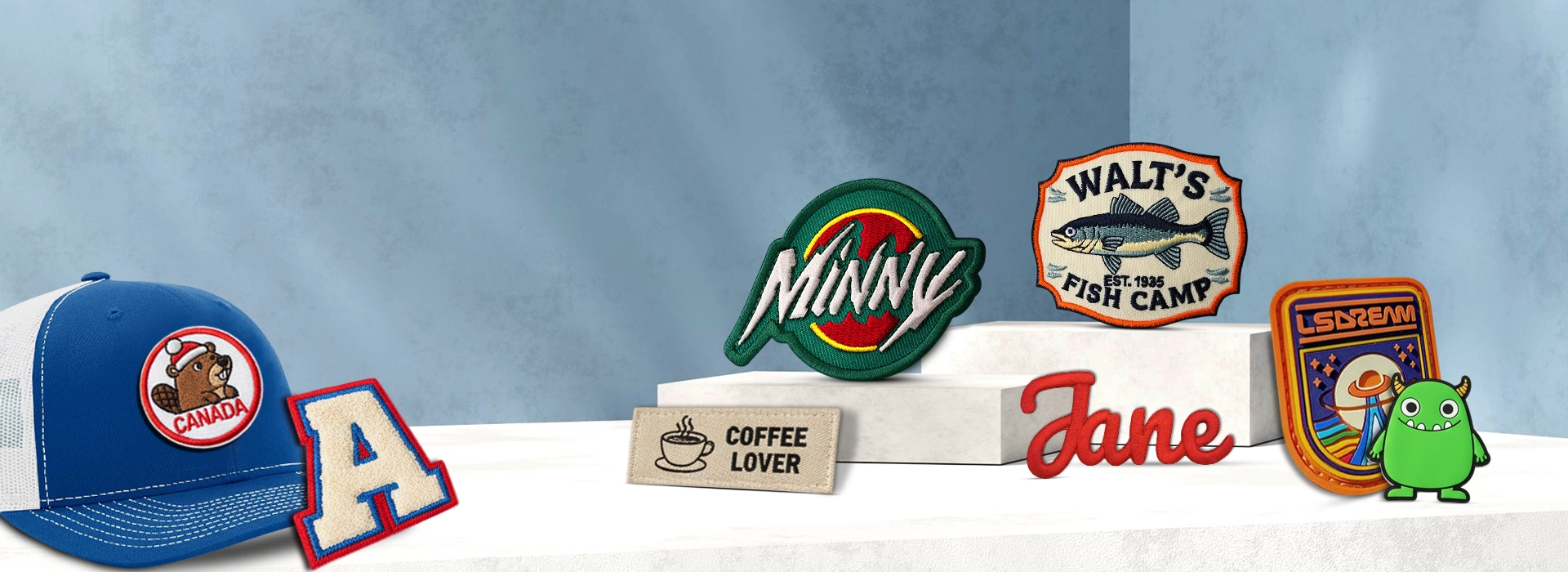
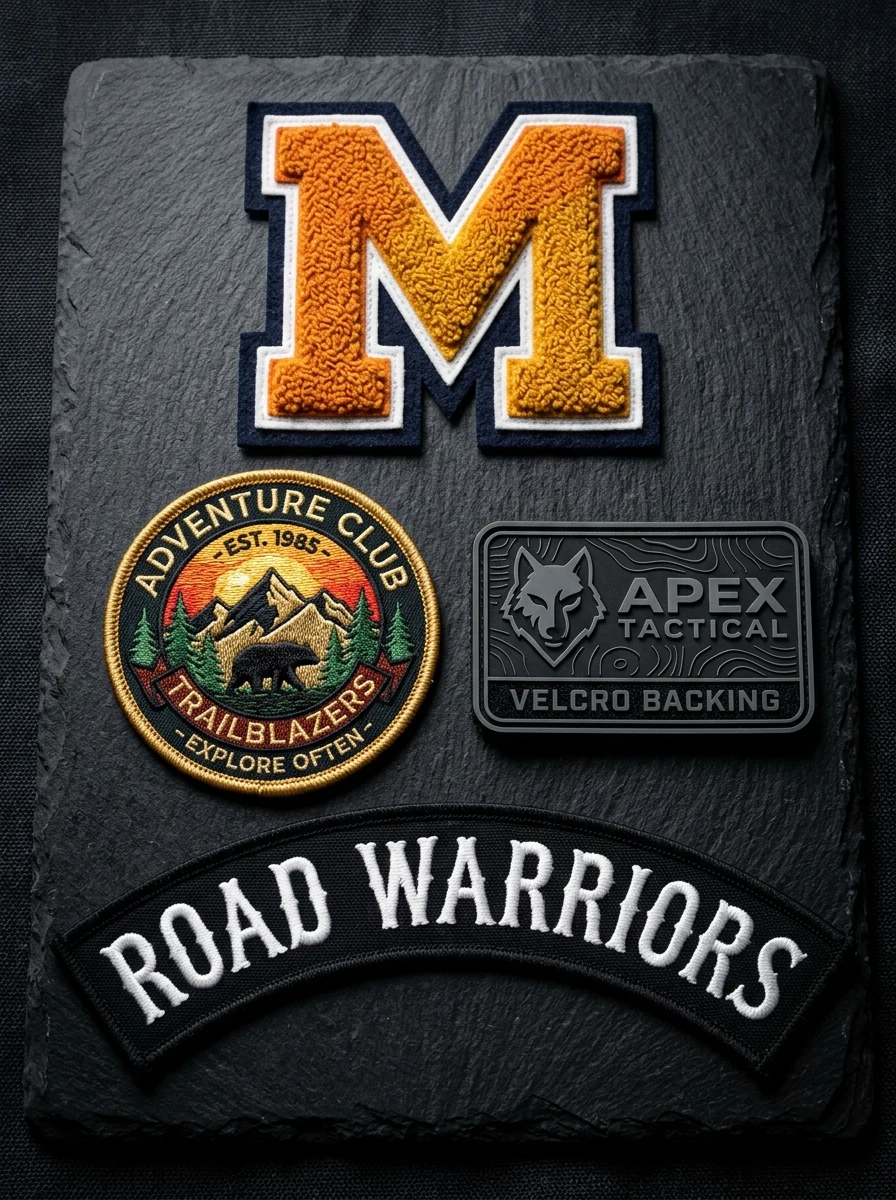
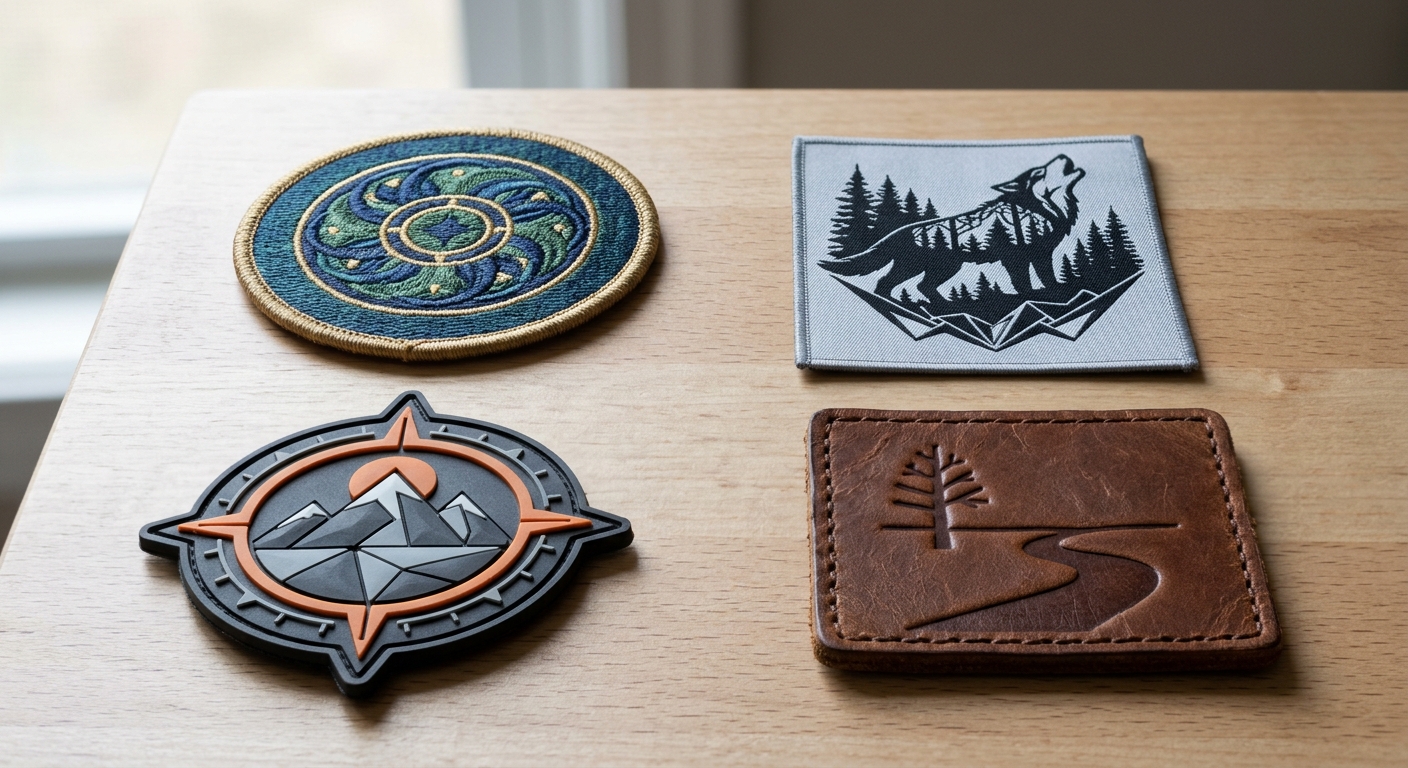
Today's market offers a wide range of custom patch styles, including embroidered, PVC, woven, and leather patches. Each type has its own appearance, material characteristics, and ideal applications. Embroidered patches provide a textured finish, PVC patches offer a modern molded look, woven patches are suitable for detailed artwork, and leather patches bring a premium, understated appearance to clothing and accessories.
Choosing the right patch depends on several factors, including the garment material, design complexity, brand identity, and intended use. A patch that works beautifully on a denim jacket may not be the best choice for a lightweight T-shirt or a technical outdoor garment.
Wholesale purchasing also requires careful planning. Businesses need to consider minimum order quantities, setup costs, material options, backing types, production timelines, and quality control before selecting a manufacturer.
Whether you are developing a streetwear collection, manufacturing workwear, producing promotional merchandise, or expanding a private label clothing business, understanding the available custom patch options can help you make better sourcing decisions.
Understanding Custom Patches Wholesale
Custom patches wholesale refers to purchasing personalized patches in bulk from a manufacturer or supplier. These patches are produced according to specific requirements, such as logo artwork, dimensions, colors, materials, border styles, and attachment methods.
Wholesale orders are commonly used by clothing brands that need consistent branding across multiple garments. Instead of purchasing patches individually, businesses can arrange production in quantities that match their manufacturing requirements.
This approach can offer several advantages. Larger orders may reduce the cost per patch by spreading certain setup and production expenses across more units. They can also simplify inventory planning when the same logo is used across multiple collections.
Custom patches wholesale is suitable for a variety of businesses, including fashion labels, uniform suppliers, sportswear manufacturers, promotional product companies, independent designers, and online retailers.
However, wholesale purchasing does not always mean ordering the largest possible quantity. The right order size depends on expected demand, available storage, production schedules, and cash flow.
Some manufacturers offer low minimum order quantities for businesses that want to test a design before increasing production. Others specialize in larger orders that require consistent output across thousands of units.
When comparing wholesale patch suppliers, businesses should evaluate the complete quotation rather than focusing only on the unit price. Material quality, artwork preparation, finishing, packaging, and shipping can all influence the final cost.
A well-planned wholesale order helps businesses balance affordability, product quality, and the practical needs of their clothing production process.
Embroidered Custom Patches for Classic Branding
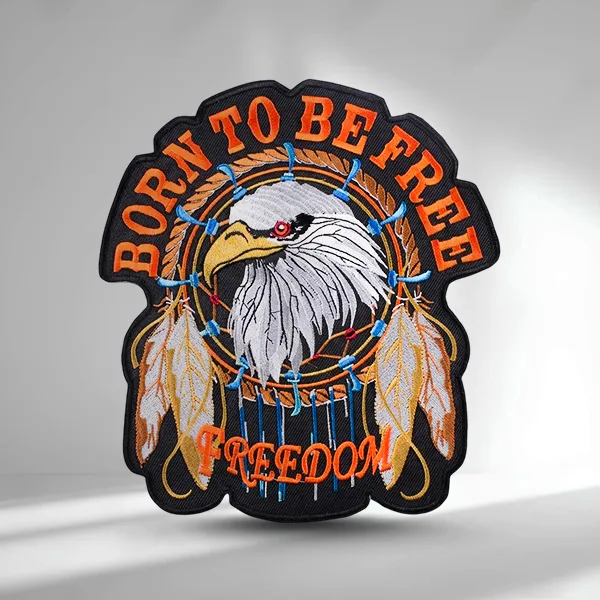
Embroidered patches are among the most recognizable types of custom patches used in the apparel industry. They are created by stitching thread onto a backing fabric, producing a textured design with a distinctive raised appearance.
This traditional finish makes embroidered patches a popular choice for clothing brands that want to communicate quality, craftsmanship, and a recognizable visual identity.
They are commonly used on denim jackets, hoodies, sweatshirts, caps, uniforms, workwear, and casual clothing. Embroidered logo patches can feature brand names, initials, symbols, lettering, and decorative graphics.
One of the main advantages of embroidery is its visual texture. The stitching creates depth that can make a logo stand out without requiring a large printed graphic.
Brands can customize embroidered patches through different thread colors, border finishes, shapes, and backing options. This flexibility makes them suitable for both minimalist branding and more expressive fashion designs.
However, embroidery has certain limitations. Fine lines, tiny text, and intricate details may become difficult to reproduce clearly at smaller sizes. The final appearance also depends on stitch density, thread quality, and the accuracy of the digitizing process.
Digitizing converts artwork into stitch instructions that an embroidery machine can follow. Good digitizing helps determine stitch direction, density, and how different parts of the design are produced.
For wholesale embroidered patches, businesses should confirm the artwork specifications and request a sample when appropriate. Reviewing the finished design before bulk production helps ensure that the patch matches the intended appearance.
PVC Custom Patches for Modern Apparel
PVC custom patches provide a contemporary alternative to traditional fabric patches. They are made from polyvinyl chloride, a flexible synthetic material that can be molded into different shapes, colors, and surface designs.
PVC patches are known for their structured appearance and ability to incorporate raised lettering, recessed details, and multiple visual layers. These characteristics make them suitable for brands looking for a bold, modern branding solution.
They are commonly used on outdoor clothing, utility-inspired apparel, backpacks, accessories, sports products, and selected streetwear collections.
For fashion brands, PVC patches can create a distinctive contrast against fabric. A molded logo on a jacket or bag may offer a different visual effect from embroidered or woven branding.
Businesses can customize PVC patches through their shape, dimensions, colors, thickness, and backing type. Hook-and-loop backing can be useful for compatible removable patch applications, while other attachment methods may suit products that require permanent branding.
PVC patches can offer useful moisture resistance depending on their construction, but their suitability for demanding environments should be assessed according to the actual material specification.
One important consideration is flexibility. PVC patches can be thicker or more rigid than fabric-based alternatives, which means they may not be suitable for every garment.
For lightweight shirts, soft fabrics, or clothing that requires a natural drape, a woven or embroidered patch may be a better option.
Before ordering custom PVC patches wholesale, brands should discuss their intended application, material requirements, and design complexity with the manufacturer. This helps ensure that the finished product complements the garment and meets the brand's expectations.
Woven Custom Patches for Detailed Designs
Woven patches are an excellent option for clothing brands that need detailed artwork, fine lines, or small lettering. Unlike embroidered patches, which create a design through visible stitching, woven patches use interlaced threads to form the image.
This production method can create a relatively smooth surface with clear details. It is particularly useful for logos that contain small text or intricate elements that may be difficult to reproduce with traditional embroidery.
Custom woven patches are commonly used on shirts, jackets, jeans, uniforms, bags, and fashion accessories. Their relatively lightweight construction can make them suitable for garments where a thick or bulky patch would look out of place.
For premium casualwear and minimalist fashion brands, woven logo patches can provide a clean and refined appearance. They can also support consistent branding across products with different fabric weights.
Woven patches can be customized through dimensions, thread colors, shapes, and border treatments. However, the final result still depends on the artwork and the manufacturer's capabilities.
Brands should review their logo at the intended size before production. Even with a detailed weaving method, extremely small lettering or complicated designs may need adjustments to remain readable.
When deciding between embroidered and woven patches, it is helpful to consider the visual effect you want to achieve. Embroidery is often preferred for raised texture, while weaving is useful when detail and a flatter finish are priorities.
Wholesale woven patches can be particularly valuable for businesses that use detailed logos across a large collection and want a consistent appearance without adding excessive bulk to the garments.
Leather Custom Patches for Premium Clothing Brands
Leather custom patches offer a distinctive branding style that is often associated with craftsmanship, heritage, and premium apparel. They are commonly used on denim, jeans, jackets, hats, bags, and accessories.
Depending on the design, leather patches can provide a natural, textured appearance that complements classic and contemporary clothing collections.
Genuine leather offers its own grain and character, while synthetic leather alternatives can provide different textures, finishes, and material options. The right choice depends on the brand's budget, product requirements, and material preferences.
Custom leather patches can be personalized through embossing, debossing, engraving, printing, and selected finishing techniques. These methods allow businesses to display logos, brand names, symbols, and other identifying details.
Embossing creates a raised impression, while debossing produces a recessed design. Engraving can be suitable for certain materials and may provide a clean, precise logo appearance.
Leather patches are especially popular on denim waistbands, workwear-inspired jackets, premium caps, and branded bags. Their appearance can complement heavier fabrics and structured products.
However, leather is not suitable for every clothing application. Its weight, flexibility, care requirements, and compatibility with the garment should be considered before production.
Businesses interested in animal-free materials may prefer synthetic leather or other alternatives, depending on their product requirements. Material composition should be confirmed with the supplier rather than assumed from the appearance alone.
For wholesale leather patches, it is important to check the quality of the material, clarity of the logo, edge finishing, attachment method, and consistency across the production batch.
Comparing Embroidered, PVC, Woven, and Leather Patches
Choosing the right custom patch becomes easier when businesses understand how the main types differ.
Embroidered patches are suitable for brands that want a traditional, textured finish. They work well on many jackets, hoodies, caps, uniforms, and casual garments.
PVC patches offer a molded, structured appearance that can suit outdoor products, modern streetwear, utility apparel, and accessories. Their thickness and flexibility should be evaluated according to the intended application.
Woven patches are useful when the design contains fine details or small lettering. Their smoother finish can work well on lightweight clothing and products that require a less bulky branding element.
Leather patches provide a premium, understated look that is especially popular on denim, jackets, hats, and bags. The choice between genuine and synthetic leather depends on the intended product and material preferences.
No single patch type is automatically better than the others. The best option depends on the artwork, garment fabric, brand identity, budget, and expected use.
For example, a streetwear brand may use embroidered patches on hoodies, PVC patches on accessories, and woven patches on lightweight shirts. A denim-focused label may prefer leather patches for waistbands and embroidered designs for jackets.
Using different patch styles across a collection can create variety while preserving the same logo and core brand identity.
Before committing to a wholesale order, businesses should discuss their design and garment requirements with a manufacturer that offers several customization methods. Comparing samples can help identify the most suitable option.
Custom Logo Patches for Clothing Brands
A logo helps customers recognize a clothing brand and distinguish its products from competitors. Custom logo patches provide a flexible way to display that identity across different garment styles.
They can be placed on the chest, sleeve, back panel, pocket, hem, waistband, or other suitable areas of a product.
The best placement depends on the garment design and the visual effect the brand wants to achieve. A small chest patch may suit minimalist clothing, while a larger back patch may complement statement streetwear.
Material selection also influences the final appearance. Embroidered logos offer texture, woven logos support detailed artwork, PVC logos provide a molded finish, and leather logos create a distinctive surface.
For businesses that sell several product categories, consistent logo specifications help maintain a unified appearance. The same logo can be adapted to different patch types while preserving recognizable shapes and colors.
Artwork preparation is an important part of the process. Brands should provide clear files, confirm the intended patch dimensions, and review any necessary adjustments before production.
It is also useful to retain approved artwork and samples for future orders. This helps the manufacturer reproduce the same design more consistently as the business expands.
Custom logo patches can be particularly valuable for private label clothing companies, independent designers, sportswear brands, and businesses that want their products to look professionally finished.
Wholesale Patches for Streetwear and Fashion Collections
Streetwear brands often use bold graphics, distinctive logos, and creative design details to establish their identity. Custom patches can help introduce texture and variation without relying entirely on printed graphics.
Embroidered patches are popular for hoodies, varsity jackets, and oversized sweatshirts. Woven patches can provide a clean logo finish on lighter garments, while PVC patches may complement utility-inspired clothing and accessories.
Leather patches can work well on denim products and collections influenced by workwear or heritage fashion.
Different patch styles can also support seasonal launches. A brand might use a simple logo patch for its core collection and a more elaborate design for a limited-edition release.
Patch size, color, and placement should complement the garment rather than compete with it. For example, a heavily textured patch may work best on structured outerwear, while a small woven logo can be more suitable for a lightweight shirt.
Wholesale purchasing can help streetwear brands maintain a consistent supply of their most popular designs. Businesses should still evaluate sales performance and inventory requirements before ordering large quantities.
For emerging brands, a combination of smaller experimental orders and larger orders for established designs may offer a practical balance between creative freedom and cost control.
Custom Patches for Denim, Jackets, and Outerwear
Denim and outerwear provide many opportunities for custom patch branding. Their construction and surface texture can complement embroidered, woven, PVC, and leather patches, depending on the garment.
Denim jackets often work well with embroidered patches because the raised stitching contrasts with the fabric. Leather patches are also common on jeans and denim accessories, especially around waistbands and other structured areas.
Woven patches may suit smaller logos on jackets and shirts, while PVC patches can provide a contemporary detail on selected outerwear products.
When choosing a patch for a jacket, businesses should consider the thickness of the fabric, the location of seams, and the intended placement. These factors affect how easily a patch sits flat and how securely it can be attached.
Heavy patches may suit structured outerwear but could feel uncomfortable on lightweight garments. Similarly, the backing and stitching should be appropriate for the fabric and the product's expected use.
Brands should also consider how the patch will look after routine garment care. The material, attachment method, and care instructions all contribute to its performance over time.
For wholesale orders, consistent sizing and placement specifications can help ensure that the same branding style is maintained across different jacket sizes and product variations.
Custom Patches for Small Businesses and Startups
Small businesses often need to establish a professional appearance while working within a limited budget. Custom patches can help achieve this by adding branding to existing garment designs without requiring a complete redesign.
A startup may begin with embroidered logo patches for hoodies and woven patches for shirts. As its product range grows, it may introduce leather patches for denim or PVC patches for accessories.
This flexibility makes custom patches useful for independent designers, online clothing stores, boutique labels, promotional merchandise companies, and local businesses.
Low minimum order quantities can be particularly helpful when a business wants to test a design before investing in larger quantities. However, the minimum order and setup requirements vary by manufacturer and patch type.
Smaller orders may have a higher unit cost, but they can reduce the risk of excess inventory. Businesses should compare the total investment with their expected demand rather than focusing exclusively on the price per patch.
Clear artwork, careful sample approval, and realistic production planning can help startups avoid unnecessary revisions and costs.
As sales increase, the same approved design may be ordered in larger quantities to improve production efficiency.
Choosing a supplier that supports both smaller custom orders and wholesale production can help a business maintain continuity as it grows.
Materials, Backing, and Attachment Options
The material and backing of a custom patch influence how it looks, feels, and attaches to a garment.
Embroidered patches typically use thread and backing fabric, while woven patches are produced from interlaced threads. PVC patches use molded synthetic material, and leather patches are made from genuine or synthetic leather, depending on the selected specification.
Backing options should be chosen according to the garment and intended application.
Sew-on backing is widely used for clothing because it allows the patch to be attached with stitching. The appropriate stitch method depends on the fabric, patch dimensions, and garment construction.
Iron-on backing uses heat-activated adhesive and can simplify application when the fabric and patch are compatible. Heat tolerance, adhesive quality, and care requirements should be reviewed before using this method.
Hook-and-loop backing allows patches to be removed and replaced on compatible products. It can be useful for selected uniforms, utility garments, bags, and accessories.
Some patches may use adhesive backing for temporary or specialized applications, although this should not automatically be considered a durable solution for frequently washed clothing.
Businesses should discuss their intended use with the manufacturer before choosing a backing. The supplier can help assess whether the patch is suitable for the garment and recommend an attachment method.
For wholesale orders, confirming these specifications in advance helps prevent production inconsistencies and ensures that the finished patches meet the requirements of the clothing brand.
Custom Patch Design and Artwork Preparation
A successful custom patch starts with artwork that can be reproduced using the chosen manufacturing method.
Businesses should provide clear logo files and specify the intended dimensions, colors, shape, border, and backing type. Vector artwork can be useful because it can be resized without losing sharpness, although accepted file formats depend on the supplier.
The artwork may need adjustments to suit the material. Embroidery often requires careful attention to stitchable line thickness and lettering size, while woven patches can support certain finer details.
PVC patches require designs that can be translated into molded sections, raised areas, and color divisions. Leather patches may use embossing, debossing, engraving, or other methods depending on the material.
Color matching should also be discussed. Thread, fabric, leather, and molded materials may appear different from colors displayed on a digital screen.
Before approving a wholesale order, businesses should review a digital proof or physical sample when available. This provides an opportunity to check the spelling, dimensions, logo proportions, border, and overall finish.
Keeping approved artwork and production specifications makes future orders easier to manage and helps maintain consistency across different batches.
Good preparation can reduce unnecessary revisions, improve communication, and help ensure that the final patches match the intended brand identity.
Understanding Wholesale Custom Patch Pricing
The cost of wholesale custom patches depends on the patch type, dimensions, artwork complexity, material, order quantity, and finishing requirements.
Embroidered patches may involve digitizing costs, while PVC patches can require molding setup. Woven patches have their own production requirements, and leather patches may involve specialized cutting, engraving, or embossing processes.
Larger patches generally require more material or production time. Complex designs, unusual shapes, multiple materials, and special finishes can also influence the quotation.
Order quantity is another important factor. Larger wholesale orders may reduce the cost per unit because certain setup expenses are distributed across more patches. However, actual savings depend on the manufacturer's pricing structure.
Businesses should also account for shipping, packaging, taxes, and import duties where applicable. These additional expenses can affect the total cost of the order.
When comparing suppliers, it is important to compare equivalent specifications. A cheaper quotation may include a smaller patch, different material, simpler finishing, or a different backing option.
Startups should also consider inventory requirements before ordering in bulk. A smaller order with a higher unit cost may be more appropriate when testing a new design.
Requesting a detailed quotation helps businesses understand the full investment and choose an order size that fits their budget and production goals.
Quality Control for Wholesale Custom Patches
Quality control is essential when ordering custom patches in bulk. Variations in color, dimensions, artwork placement, or finishing can become noticeable when the same patch is used across many garments.
A clear quality control process should include agreed specifications for the patch type, size, materials, colors, borders, and backing.
Embroidered patches should be inspected for consistent stitching, loose threads, and clear details. Woven patches require attention to artwork clarity and finishing, while PVC patches should be checked for molding quality and color separation.
Leather patches should be evaluated for material consistency, logo clarity, edge finishing, and attachment suitability.
The patch should also work with the intended garment. A product may look correct but still be unsuitable if it is too heavy, too rigid, or difficult to attach securely.
Businesses should review samples when possible and retain approved references for future production runs. This helps establish a clear standard for repeat orders.
Before confirming a purchase, it is useful to understand how the supplier handles manufacturing defects, replacement requests, and quality-related concerns.
A consistent quality control process helps protect a clothing brand's reputation and reduces the risk of receiving patches that do not meet the agreed requirements.
Choosing the Right Custom Patch Wholesale Supplier
Selecting a reliable supplier is an important part of developing a successful custom patch program.
Businesses should look for a manufacturer that offers the patch styles they need and can explain the differences between embroidered, PVC, woven, and leather options.
Experience with clothing brands is valuable because the supplier should understand how patch materials interact with different fabrics and garment constructions.
Communication is another key consideration. The manufacturer should provide clear information about artwork preparation, minimum order quantities, pricing, sampling, production lead times, and delivery arrangements.
Businesses should review previous work or request samples to assess material quality, finishing, color consistency, and overall appearance.
It is also important to understand the complete quotation. Setup fees, digitizing charges, custom molds, backing options, packaging, and shipping may affect the final cost.
For brands expecting to grow, supplier flexibility can be especially useful. A manufacturer that can accommodate different patch styles and changing order quantities may offer a more convenient long-term relationship.
The best supplier is not necessarily the one with the lowest price. Reliable quality, clear communication, realistic production timelines, and transparent costs are equally important when making a purchasing decision.
Sustainable Considerations for Custom Patch Materials
Material selection can influence the environmental characteristics of a custom patch. Clothing brands interested in sustainability should evaluate the actual composition and production requirements of each option.
Some manufacturers may offer recycled textile materials or alternative leather-like products, while other patch types may involve synthetic materials or specialized production processes.
The environmental impact depends on the complete product lifecycle, including raw materials, manufacturing, transportation, garment use, and disposal.
Custom patches can also support certain product-life extension strategies when they are used to repair, refresh, or update existing garments. However, adding a patch does not automatically make a product environmentally sustainable.
Businesses should request accurate material information and relevant documentation before making specific sustainability claims.
Packaging is another consideration. Bulk packaging may reduce the need for individual wrapping in certain manufacturing situations, depending on handling and shipping requirements.
Durability should also be evaluated. A patch that remains securely attached and retains an acceptable appearance throughout its intended use may help reduce premature garment replacement.
By discussing material options and manufacturing practices with the supplier, clothing brands can make more informed sourcing decisions that align with their priorities.
Conclusion
Custom patches wholesale provides clothing brands and businesses with a flexible way to strengthen product branding, create distinctive designs, and maintain consistency across their apparel collections. Whether the goal is to develop textured embroidered logos, modern PVC patches, detailed woven designs, or premium leather branding, each patch type offers unique advantages.
Embroidered patches work well for traditional and textured branding, PVC patches suit selected contemporary and utility-inspired products, woven patches support fine details, and leather patches provide a distinctive finish for denim, jackets, and accessories.
The right choice depends on the artwork, garment material, intended application, budget, and overall brand identity. Businesses should also consider backing options, sample approval, production timelines, and quality control before placing a wholesale order.
Choosing a reliable custom patch manufacturer can help ensure that the finished products meet the required specifications and remain consistent across future production runs. Comparing complete quotations rather than unit prices alone also helps businesses make more informed purchasing decisions.
Ultimately, custom patches are more than decorative accessories. They can become an important part of a clothing brand's identity, helping products look professional and recognizable. With suitable materials, clear design specifications, and a dependable manufacturing partner, businesses can use embroidered, PVC, woven, and leather patches to create apparel that reflects their brand and supports long-term growth.