Introduction
Building a recognizable brand in the clothing industry takes more than creating attractive garments. Every detail, from fabric selection to logo placement, contributes to how customers perceive a business. Wholesale custom patches for clothing brands and small businesses offer a practical way to create a professional appearance, strengthen brand identity, and make apparel products more memorable.
Custom patches are widely used by fashion labels, independent designers, streetwear brands, uniform suppliers, promotional merchandise companies, and small businesses looking to personalize their products. They provide an effective way to display logos, brand names, creative artwork, and unique designs across different types of clothing.
For businesses that manufacture apparel in larger quantities, wholesale custom patches can help maintain consistent branding while managing production costs. Small businesses can also benefit from wholesale purchasing by choosing quantities that match their inventory requirements and future growth plans.
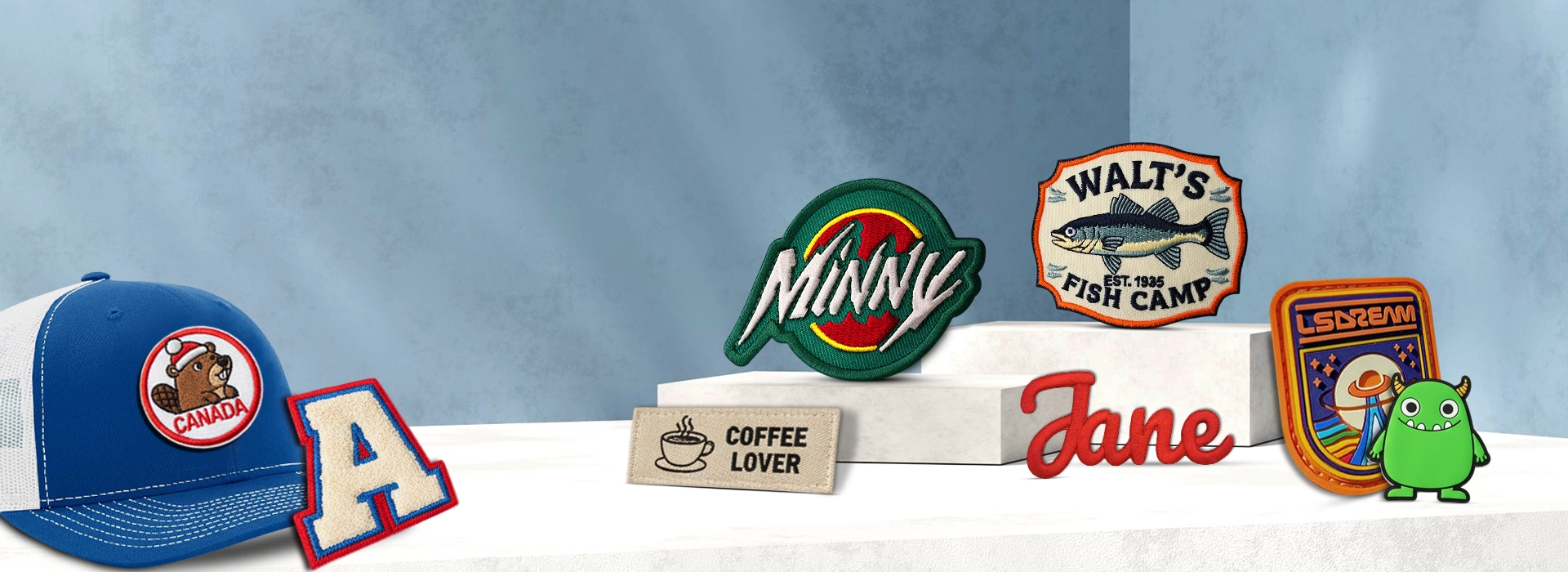
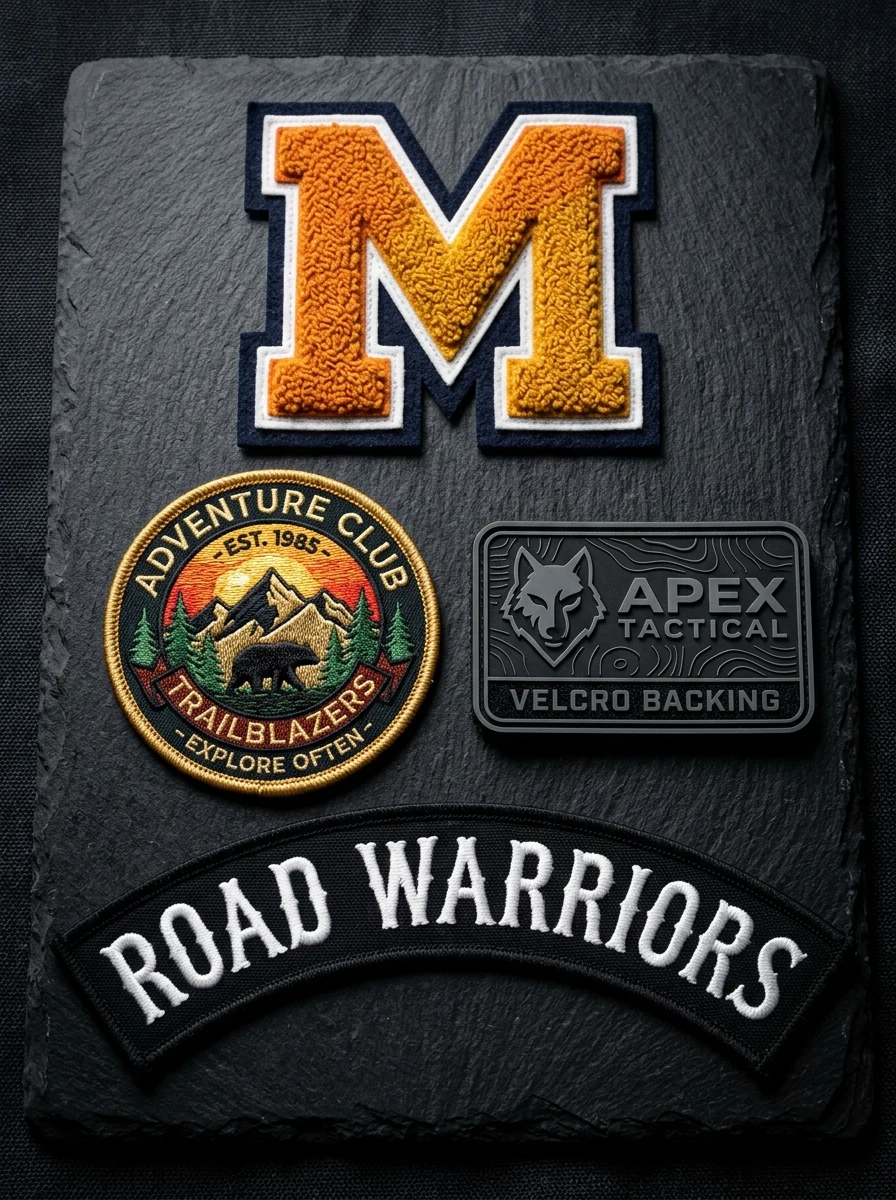
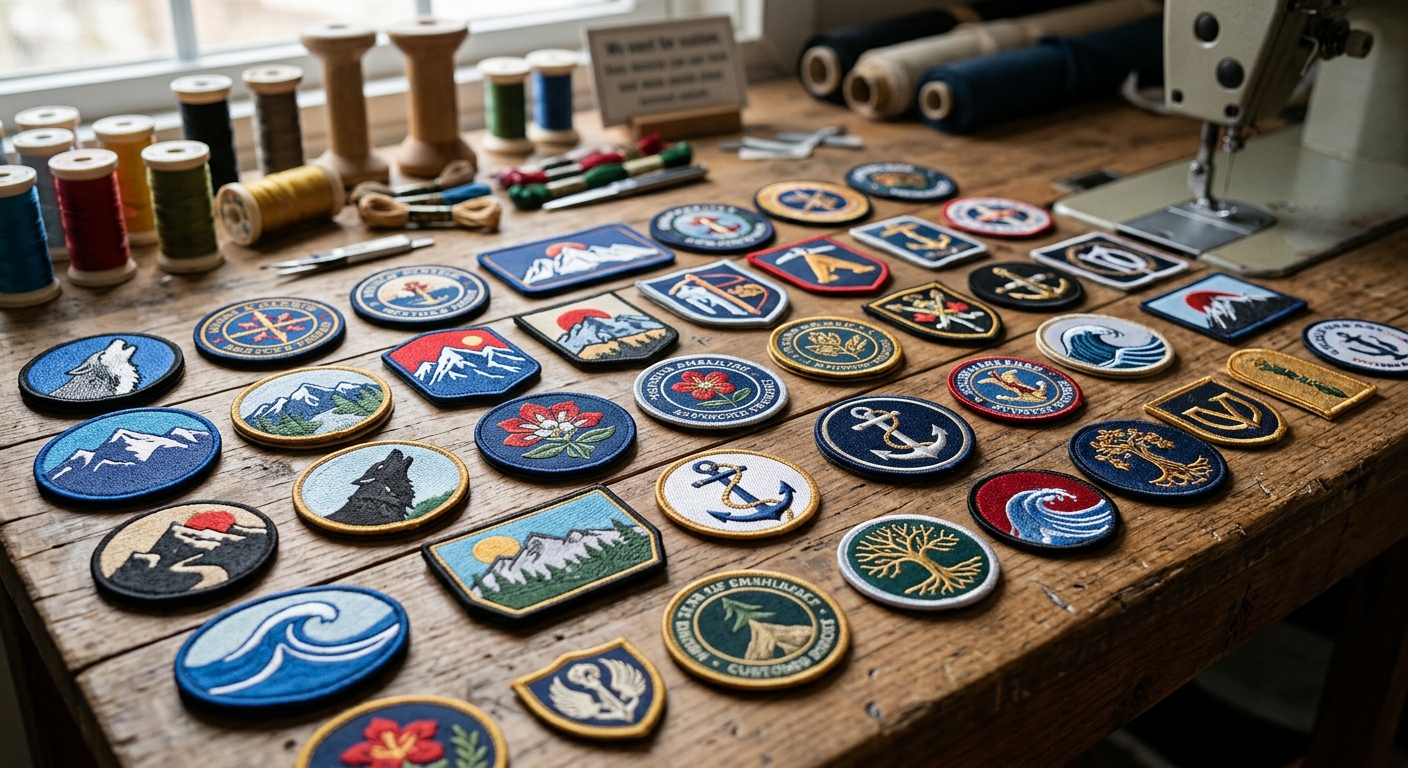
From embroidered logo patches and woven labels to PVC patches and chenille designs, there are numerous customization options available. Each style offers a different appearance, making it easier for businesses to select patches that complement their clothing collections.
Choosing the right custom patch supplier is an important part of this process. A reliable manufacturer can help with design preparation, material selection, color matching, finishing, and production planning. With the right approach, custom patches can become a valuable part of a company's branding strategy rather than just an additional clothing accessory.
Why Wholesale Custom Patches Are Important for Clothing Brands
In a competitive fashion market, visual identity plays a major role in attracting customers and building brand recognition. A distinctive logo or signature design can help customers identify a clothing label even before they see its name.
Wholesale custom patches provide a flexible way to incorporate that identity into garments. Instead of relying entirely on printed graphics, brands can use textured embroidery, detailed woven designs, or specialty materials to create a more distinctive finish.
Patches can be applied to jackets, hoodies, sweatshirts, denim, caps, uniforms, bags, and many other products. This flexibility makes them suitable for brands with different product categories and design preferences.
Buying custom patches wholesale can also simplify inventory planning. Businesses that use the same logo across multiple collections can order patches in advance and maintain a consistent supply for garment production.
Another advantage is design consistency. When the same artwork, dimensions, colors, and finishing specifications are used for each order, a brand can create a more unified appearance across its products.
For emerging clothing companies, wholesale patches can support a professional look without requiring expensive changes to the entire garment manufacturing process. For established brands, they can help maintain recognizable branding across larger production runs.
The key is to choose patch styles that fit the garment, reflect the brand's personality, and deliver the quality customers expect.
Custom Patches for Small Businesses and Independent Brands
Small businesses often need to balance product quality, marketing, and inventory costs while building a customer base. Custom patches offer a practical branding solution because they can be incorporated into different products without completely redesigning existing garments.
Independent clothing brands can use embroidered patches to create a premium look, woven patches for fine logo details, or printed patches for colorful artwork. The right option depends on the design, garment material, and intended customer.
Small businesses selling personalized merchandise can also use custom patches to develop products for events, community groups, clubs, local organizations, and corporate customers.
For startups, ordering smaller quantities can be useful when testing a new design or launching a limited collection. This allows the business to evaluate customer interest before investing in larger production volumes.
Wholesale pricing may offer better unit economics as order quantities increase, but businesses should consider their actual sales expectations rather than purchasing more inventory than they can reasonably use.
A well-planned patch order can support several products at once. For example, the same logo patch might be used on a hoodie, a cap, and a lightweight jacket, creating a consistent visual connection between different items.
Working with a manufacturer that understands the needs of small businesses can make the process easier. Clear communication, flexible order options, and reliable quality control are especially valuable when a business is still developing its product range.
Benefits of Buying Custom Patches Wholesale
Wholesale purchasing can offer several advantages for clothing brands and small businesses, particularly when patches are used regularly in product manufacturing.
One major benefit is the potential to reduce the cost per patch. Larger orders may allow setup expenses and certain production costs to be distributed across more units. Actual savings depend on the manufacturer, design complexity, material, and order quantity.
Wholesale orders can also improve production planning. Businesses that know their expected patch requirements can coordinate purchases with garment manufacturing and avoid repeatedly placing small orders.
Another benefit is consistent branding. Using approved artwork and specifications across a wholesale order helps maintain the same visual identity throughout a clothing collection.
Bulk purchasing can be particularly useful for businesses that produce uniforms, promotional clothing, branded workwear, or recurring merchandise. These products often require the same logo or design across many garments.
Wholesale custom patches also give businesses the opportunity to standardize their branding materials. Once a design has been approved, the company can retain the specifications for future orders.
However, purchasing in bulk is not always the best choice for every business. Brands introducing a new design may prefer to test a smaller quantity before committing to a larger order.
The most effective wholesale strategy balances unit cost, expected demand, available storage, cash flow, and the risk of unused inventory.
Types of Wholesale Custom Patches for Apparel
Different patch styles offer different visual effects, textures, and practical characteristics. Understanding these options can help businesses select the right products for their clothing collections.
Embroidered Custom Patches
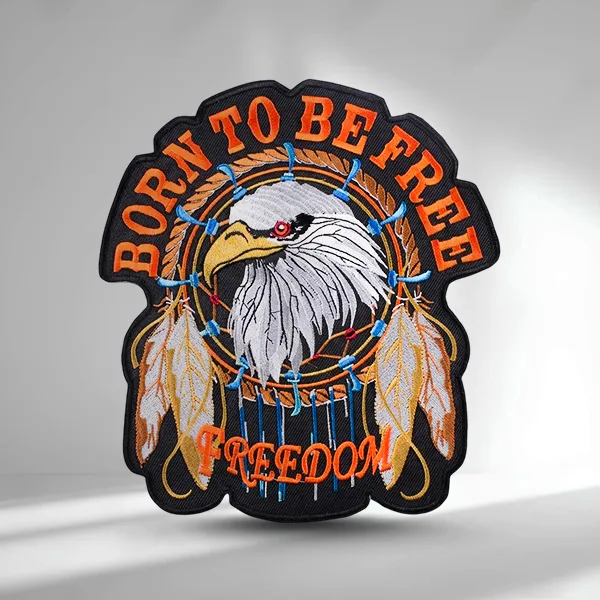
Embroidered patches use stitched thread to create a textured design. They are popular for clothing brands that want a traditional, dimensional logo appearance.
These patches work well on denim jackets, hoodies, sweatshirts, caps, uniforms, and workwear. They can feature company logos, lettering, symbols, and decorative shapes.
Embroidery is especially suitable for bold designs with clear outlines and recognizable elements. However, very small text and intricate artwork may need adjustments to remain legible at the chosen patch size.
Woven Custom Patches
Woven patches use interlaced threads to form the design. This method can reproduce finer details and smaller lettering than many conventional embroidered designs.
Their relatively smooth surface makes them suitable for lightweight clothing, shirts, jackets, and fashion accessories. Brands that prefer clean and understated logo presentation often choose woven patches.
The final appearance depends on thread selection, design dimensions, colors, and finishing.
PVC Custom Patches
PVC patches are made from molded synthetic material and can feature raised details, recessed areas, and bold color combinations.
They are often used for outdoor apparel, utility-inspired clothing, backpacks, and contemporary streetwear. Their structured appearance can help a logo stand out from traditional fabric patches.
PVC patches may also be suitable for products exposed to moisture, depending on the material formulation and construction.
Chenille Custom Patches
Chenille patches are known for their soft, fuzzy texture and bold appearance. They are commonly associated with varsity jackets, collegiate fashion, and retro-inspired streetwear.
Large letters, initials, numbers, and decorative symbols are popular chenille designs. Some manufacturers combine chenille with embroidery to create additional detail and contrast.
Printed Custom Patches
Printed patches are useful when artwork includes gradients, photographs, complex illustrations, or multiple colors that may be difficult to reproduce through traditional stitching.
They can be suitable for promotional merchandise, fashion collections, and branded accessories. The appropriate printing method depends on the material and expected use of the finished patch.
Selecting the right patch style requires considering the artwork, garment fabric, desired appearance, and overall production budget.
Custom Logo Patches for Clothing Brands
A logo is one of the most recognizable elements of a clothing brand. It communicates identity, supports customer recognition, and helps create a consistent appearance across different products.
Custom logo patches allow businesses to incorporate their branding into garments in a flexible and visually appealing way. They can be used as subtle chest details, sleeve accents, back-panel features, or decorative elements on accessories.
Minimalist brands may prefer small monochrome patches that complement the garment rather than dominate it. Streetwear labels might choose larger embroidered designs or bold PVC patches to create a stronger visual statement.
The patch material should match the brand's positioning. Embroidery can provide a textured, traditional finish, while woven patches may suit brands that prioritize fine details and a clean surface.
Logo size and placement are equally important. A patch that looks attractive on a digital mockup may feel oversized or unbalanced when attached to the actual garment.
Businesses should review the logo at its intended production size and consider how it will appear against different fabric colors. Contrast, spacing, and legibility all influence the final result.
For repeat production, retaining approved artwork and patch specifications helps maintain consistency across future orders. This is particularly important for brands that sell the same design through multiple collections or retail channels.
Wholesale Embroidered Patches for Streetwear Brands
Streetwear has become an important category for clothing businesses that focus on expressive graphics, oversized silhouettes, and distinctive branding details.
Wholesale embroidered patches can help streetwear labels develop a recognizable visual style. Their raised texture adds depth to garments and can create an alternative to large printed graphics.
They are commonly used on hoodies, denim jackets, cargo-inspired clothing, sweatshirts, caps, and varsity-style outerwear.
A streetwear brand might use a simple embroidered logo for its everyday collection and more elaborate patches for limited releases. This approach helps create variety while maintaining a consistent brand identity.
Color selection is an important part of streetwear patch design. Contrasting thread colors can make logos stand out, while tonal embroidery creates a more understated look.
Patch placement also influences the overall appearance. Chest logos provide a familiar branding option, whereas sleeve patches, hem details, and large back designs can create a more distinctive product.
When ordering embroidered patches wholesale, brands should consider stitch density, thread quality, border finishing, and the suitability of the backing for the intended garment.
Testing a sample before approving a large order can help ensure that the final patch matches the desired aesthetic and works well with the clothing fabric.
Custom Patches for Hoodies and Sweatshirts
Hoodies and sweatshirts are versatile products for clothing brands because they can accommodate different styles of branding.
Custom patches offer an alternative to screen printing, direct-to-garment printing, and other decoration methods. A small embroidered logo can create a clean appearance, while a larger patch can become a central design feature.
The garment fabric should influence the choice of patch. Heavy cotton fleece may support a more substantial patch, while lightweight sweatshirt material may require a smaller or lighter design.
Brands should also consider how the patch will sit on the garment. Thick borders or heavy materials can affect drape and comfort, especially on softer fabrics.
For minimalist collections, small logo patches placed on the chest or sleeve can provide subtle branding. More expressive designs may feature chenille letters, colorful embroidery, or specialty patches.
Wholesale orders can help businesses maintain a consistent supply of patches for ongoing hoodie production. This is especially useful when a logo is used across several colors or seasonal variations.
Before manufacturing begins, clothing brands should confirm the patch dimensions, attachment method, color references, and placement requirements. These details help prevent inconsistencies between the approved design and the finished garment.
Custom Patches for Denim Jackets and Jeans
Denim provides a durable foundation for many types of custom patches. Its textured surface complements embroidery, woven fabric, and certain specialty patch materials.
Clothing brands can use patches to create classic workwear-inspired designs, vintage collections, modern streetwear, or personalized denim products.
Embroidered patches are a common choice for denim jackets because their raised stitching works well with heavier fabric. Woven patches may suit smaller logos, while other materials can be used for distinctive fashion details.
Placement should be considered carefully. Chest panels, sleeves, back panels, and pocket areas offer different opportunities, but seams and curved surfaces can influence how easily a patch attaches.
The weight of the patch should also match the garment. A heavy design may be suitable for a structured jacket but could feel awkward on thinner denim or flexible fabric.
For brands manufacturing jeans, custom patches may be placed around the waistband or pocket area, depending on the garment design and construction. These placements often require careful sizing to fit the available space.
Choosing the correct attachment method is important for long-term use. Sew-on patches can provide a secure option for many denim products, while other backing types may be suitable in specific circumstances.
Low MOQ Custom Patches for Growing Businesses
Although wholesale orders can offer cost advantages, not every clothing brand needs a large quantity of patches immediately. Low minimum order quantity options can be useful for businesses that are still testing their products or building a customer base.
MOQ refers to the minimum order quantity required by a manufacturer. A lower MOQ allows businesses to purchase a smaller batch rather than committing to a large production run.
This can be valuable for independent designers, startup fashion labels, online sellers, and businesses creating limited-edition apparel.
For example, a brand introducing a new logo might begin with a small batch of embroidered patches. After assessing customer demand, it can decide whether to reorder the same design in a larger quantity.
Small orders may have a higher unit cost because setup and preparation expenses are spread across fewer products. However, they can reduce the risk of investing in designs that do not sell as expected.
Low MOQ availability varies by manufacturer and patch type. Complex designs, molded materials, special finishes, and custom shapes may require additional setup.
Businesses should discuss their expected quantity and budget with the supplier before finalizing artwork. In some cases, simplifying the design or choosing a different production method can make a smaller order more practical.
A manufacturer that supports both low MOQ orders and wholesale production can provide greater flexibility as a business grows.
How to Choose a Reliable Custom Patch Manufacturer
Finding the right custom patch manufacturer involves more than comparing prices. The supplier should understand the brand's requirements and be able to produce patches that match the approved design.
Experience with apparel branding is an important consideration. Manufacturers familiar with clothing products may be better equipped to advise on patch size, materials, borders, backing options, and attachment methods.
The available customization options should also match the brand's needs. Some businesses require only embroidered logos, while others may need woven patches, PVC designs, chenille details, or printed artwork.
Communication is another important factor. The supplier should clearly explain artwork requirements, sample approval, production timelines, payment terms, and shipping arrangements.
Quality control procedures are worth reviewing before placing a large order. Businesses should understand how the manufacturer checks dimensions, colors, finishing, and overall workmanship.
It is also useful to request samples or review previous work when possible. A sample provides a clearer idea of texture, stitching quality, material thickness, and the final appearance.
Pricing should be evaluated in relation to the complete order. Setup charges, digitizing fees, backing options, packaging, and shipping may affect the total cost.
Ultimately, the best manufacturer is one that offers suitable customization, dependable communication, consistent quality, and production options that fit the business's requirements.
Custom Patch Design and Branding Consistency
A strong patch design should work naturally with the clothing brand's wider visual identity. This includes the logo, color palette, typography, garment style, packaging, and other branding elements.
Before ordering custom patches, businesses should prepare clear artwork files and confirm the intended patch dimensions.
Vector files can be useful because they can be resized without losing sharpness. However, the exact file formats accepted will depend on the manufacturer's production process.
The artwork may need to be simplified when converted into embroidery or weaving. Small text, narrow lines, and tightly packed details can become difficult to reproduce at reduced sizes.
Color matching should also be discussed before production. Thread and material colors may differ slightly from digital screen colors, so physical samples or agreed color references can help set expectations.
Consistency becomes particularly important when a brand uses patches across different garments. A logo might appear on a hoodie, jacket, cap, and bag, but its dimensions and placement should remain appropriate for each product.
Maintaining a record of approved artwork, materials, measurements, and finishing specifications makes repeat orders easier to manage.
A consistent approach to patch design helps businesses create a recognizable brand image while allowing individual products to maintain their own character.
Materials and Backing Options for Custom Patches
The materials used in a custom patch influence its texture, weight, flexibility, and suitability for different garments.
Embroidered patches use thread to create raised designs, while woven patches use interlaced threads for a smoother finish. PVC patches offer a molded appearance, and chenille patches provide a soft, textured surface.
The right choice depends on the intended use of the garment, the design requirements, and the desired visual effect.
Backing options are equally important because they determine how the patch can be attached.
Sew-on backing is commonly used for clothing applications that require a secure attachment. It can suit many garment types, although the stitching technique should match the fabric and patch construction.
Iron-on backing uses heat-activated adhesive and may provide convenient application. Its suitability depends on the fabric's heat tolerance, adhesive quality, and care requirements. Some garments may require additional stitching for better long-term attachment.
Hook-and-loop backing allows patches to be removed and replaced on compatible products. This can be useful for selected uniforms, jackets, bags, and utility apparel.
Adhesive backing may work for temporary or limited applications, but it should not automatically be treated as a durable option for garments that are frequently washed.
Before placing a wholesale order, businesses should explain how the patches will be used and discuss the recommended backing with the manufacturer.
Pricing and Cost Factors for Wholesale Custom Patches
The price of wholesale custom patches depends on several factors, including quantity, size, material, design complexity, production method, and finishing requirements.
Larger patches often require more materials and production time. Detailed embroidery may involve additional digitizing work, while PVC patches can require custom molding and setup.
Order quantity can influence the cost per unit. Larger orders may reduce the average cost by distributing certain setup expenses across more patches, although the exact savings vary by supplier.
Special features such as unusual shapes, metallic thread, multiple materials, custom borders, or individual packaging may also affect the quotation.
Businesses should look beyond the advertised unit price and calculate the full cost of purchasing and receiving the patches. Shipping, taxes, import duties, and other applicable charges may influence the final investment.
When comparing manufacturers, it is important to compare equivalent specifications. A lower price may reflect a different material, smaller size, simpler design, or alternative backing.
Small businesses should also consider the financial impact of ordering more patches than they can use. A slightly higher unit price on a smaller batch may be more practical than tying up cash in excess inventory.
Requesting a detailed quotation helps clarify the available options and allows businesses to choose an order quantity that aligns with their budget and sales expectations.
Quality Control for Wholesale Patch Orders
Quality control helps ensure that wholesale patches meet the requirements agreed upon before production.
For clothing brands, consistency is particularly important because the same logo may appear across hundreds of garments or several product collections.
An inspection process may cover patch dimensions, artwork placement, color consistency, border finishing, backing quality, and visible manufacturing defects.
Embroidered patches should be checked for loose threads, uneven stitching, gaps, and unclear details. Woven patches require attention to design clarity and clean finishing, while PVC patches should be reviewed for molding quality and consistent color separation.
The patch should also be suitable for its intended garment. Even a visually attractive design can create problems if it is too heavy, too stiff, or difficult to attach securely.
Businesses can reduce the risk of production errors by reviewing samples and approving clear specifications before manufacturing begins.
For repeat orders, keeping a reference sample can help the manufacturer maintain a consistent appearance. Written specifications provide additional guidance for dimensions, materials, and finishing.
Before placing an order, businesses should also understand the supplier's approach to defective products, replacements, and quality-related concerns.
A clear quality control process protects the brand's reputation and helps ensure that finished garments meet customer expectations.
Wholesale Custom Patches for Uniforms and Workwear
Uniform suppliers and workwear businesses often need patches that display company names, employee roles, department identifiers, or organizational logos.
Wholesale custom patches can support consistent branding across uniforms used in hospitality, construction, maintenance, logistics, security, and other professional environments.
Embroidery is a common choice for uniform patches because it creates a traditional, textured appearance. Woven patches may be suitable when a logo contains small details, while other materials may work for specialized garments.
The intended working conditions should influence the choice of patch. Uniforms exposed to frequent washing or demanding use may require particular attention to material durability, stitching, and attachment methods.
Businesses should confirm that the patch is compatible with the uniform fabric and the garment's care instructions. The best attachment method will depend on the construction of the clothing and how it is used.
Color consistency is also important for organizations that issue uniforms to multiple employees or operate across different locations.
Wholesale ordering can simplify replenishment when the same patch design is used regularly. Maintaining approved artwork and production specifications makes it easier to reorder matching patches as inventory runs low.
For uniform and workwear providers, reliable manufacturing and clear quality standards are just as important as attractive pricing.
Sustainable Choices in Custom Patch Production
Clothing brands increasingly consider the materials and production practices behind the products they sell. Custom patches can form part of this discussion, especially when businesses want to improve product longevity or make more informed sourcing decisions.
A patch may help refresh an existing garment, support a repair, or update the branding of a product. However, its environmental impact depends on the materials, production process, transportation, attachment method, and eventual disposal.
Businesses interested in sustainability can ask manufacturers about available recycled fibers, material composition, packaging options, and waste management practices.
Durability is another important factor. Patches should be appropriate for the expected use of the garment and remain securely attached under normal care conditions.
Brands should avoid assuming that a particular patch material is automatically environmentally friendly. Specific sustainability claims should be supported by reliable product information or relevant documentation.
Packaging can also be considered when planning wholesale orders. Bulk packaging may reduce the need for individual wrapping in some manufacturing situations, depending on shipping and handling requirements.
By evaluating materials and production choices carefully, clothing businesses can make sourcing decisions that align with their objectives without compromising the quality or appearance of their products.
How Custom Patches Support Brand Recognition
Brand recognition develops when customers repeatedly encounter consistent visual elements across products and marketing channels.
Custom patches can contribute to this process by placing a recognizable logo or design directly on the garment. Over time, customers may associate a distinctive patch with the brand's style, quality, and overall identity.
The effectiveness of a patch depends on how well it fits the product. A carefully positioned logo on a jacket or hoodie can enhance the design, while an oversized or poorly matched patch may distract from the garment.
Consistency across product categories is also valuable. A business might use embroidered patches for outerwear and woven patches for lightweight shirts while retaining the same logo and core color palette.
Custom patches can also support special collections, collaborations, and limited-edition products. These variations allow brands to experiment creatively without abandoning their recognizable visual identity.
For small businesses, a consistent branding approach can make a product range feel more cohesive and professional.
When patches are selected with the brand's audience, product design, and manufacturing requirements in mind, they become a useful tool for communicating identity and creating a memorable customer experience.
Conclusion
Wholesale custom patches for clothing brands and small businesses offer a flexible and practical way to improve apparel branding, maintain product consistency, and create distinctive clothing collections. From embroidered logo patches and woven designs to PVC, chenille, and printed options, businesses can choose styles that match their products, target customers, and brand identity.
Wholesale purchasing can help companies manage recurring production needs and potentially reduce unit costs, while low MOQ options allow smaller businesses to test new designs and control inventory commitments. The right approach depends on expected demand, budget, material requirements, and long-term business goals.
Choosing a reliable custom patch manufacturer is essential for achieving consistent quality. Businesses should evaluate samples, artwork preparation, customization options, backing methods, pricing transparency, production timelines, and quality control before confirming an order.
Clear specifications and thoughtful planning can help reduce production errors and ensure that the finished patches work well with the intended garments. Maintaining approved designs also makes repeat orders easier to manage as the business grows.
Ultimately, custom patches are more than decorative accessories. They help communicate a brand's identity, enhance the appearance of apparel, and create consistency across different products. By combining suitable materials, effective design, and dependable manufacturing, clothing brands and small businesses can use wholesale custom patches to build a more recognizable and professional presence in the market.