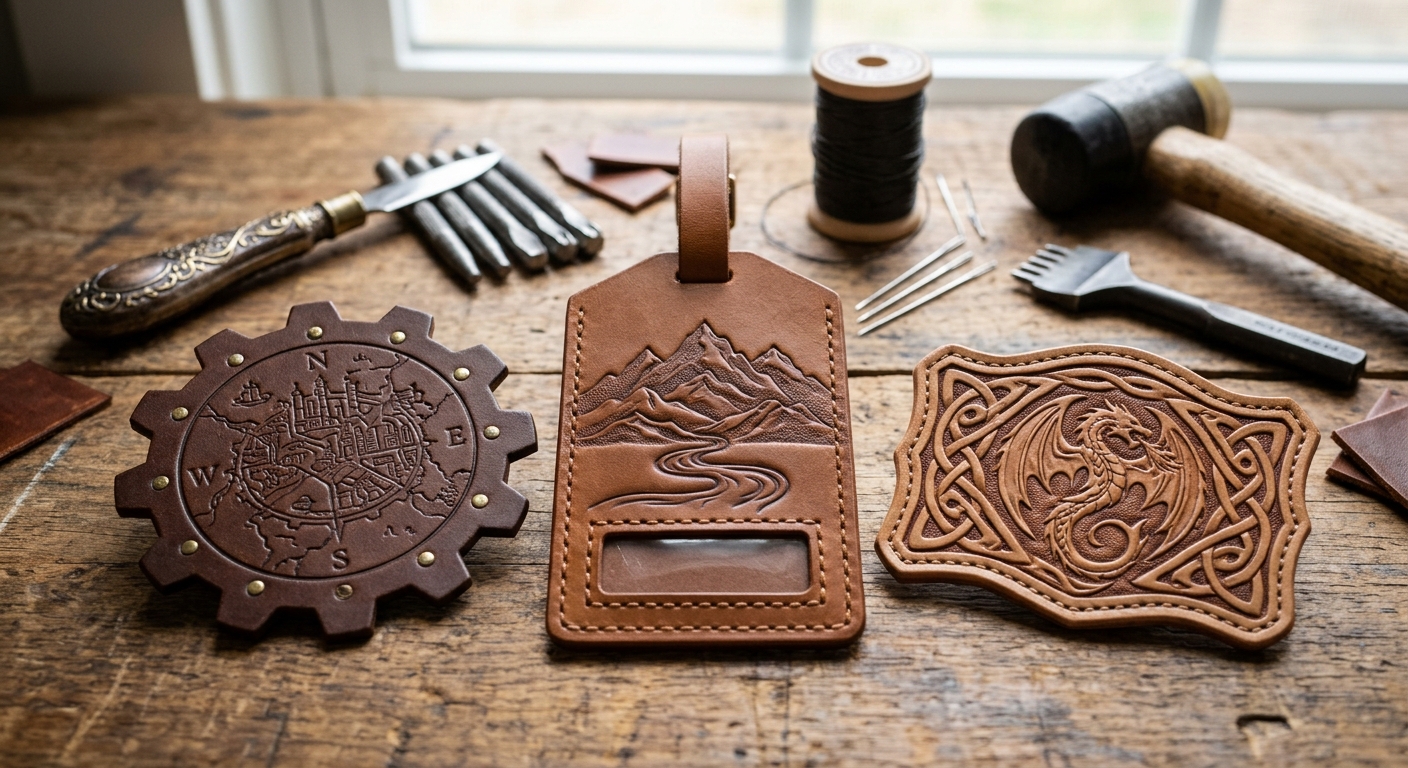
In a world where brands are always looking for ways to stand out, small details can make a big difference. One detail that continues to attract attention is the custom leather patch. Whether it appears on a denim jacket, baseball cap, backpack, or handmade product, a well-designed leather patch adds character, quality, and a professional finish.
Custom leather patches are popular among clothing brands, small businesses, outdoor apparel companies, and individuals who want to give their products a unique identity. They offer a combination of durability and style that works with both modern and traditional designs.
If you are planning to upgrade your products, create branded merchandise, or launch a clothing line, leather patches can be a practical and stylish choice. Let's explore what makes them special, how they are used, and how to choose the right design for your needs.
Why Custom Leather Patches Are So Popular
Leather patches have a distinctive appearance that is difficult to achieve with ordinary labels. Their natural texture, rich colors, and clean edges help products look more refined without making the design overly complicated.
One reason businesses choose custom leather patches is their versatility. They can feature a company logo, brand name, initials, artwork, or a simple symbol. This flexibility makes them suitable for everything from casual streetwear to premium handmade goods.
Another advantage is their ability to complement different materials. Leather looks excellent against denim, canvas, cotton, and many other fabrics. A carefully positioned patch can turn a basic product into something that feels thoughtfully designed.
For clothing manufacturers, this is an easy way to create a consistent brand identity. For individual creators, it offers an opportunity to personalize products and make them feel more meaningful.
Give Your Brand a Distinctive Identity
Building a recognizable brand takes more than choosing a name and designing a logo. Every detail of a product contributes to the impression customers develop about a business.
Custom logo leather patches provide a simple way to make that impression stronger. When a logo is displayed on a high-quality patch, it becomes part of the product's overall design rather than just another printed label.
For example, a clothing brand selling denim jackets can use a dark brown leather patch with a clean embossed logo. A business producing canvas bags might choose a lighter leather finish with engraved lettering. Both approaches create a professional look while reflecting the personality of the brand.
Consistency is important when creating branded products. Using the same patch design across hats, jackets, bags, and accessories helps customers recognize your business more easily.
A distinctive leather logo patch can also help handmade products feel more complete. Even a small patch can communicate attention to detail and give customers a reason to remember the brand.
Custom Leather Patches for Hats and Caps
Hats are among the most popular products for leather patch customization. From trucker hats to snapbacks and everyday baseball caps, leather patches offer an attractive alternative to traditional embroidery.
A custom leather patch for hats can create a rugged outdoor appearance, a minimalist fashion look, or a premium finish depending on the material and artwork.
Trucker hats often feature rectangular leather patches with bold lettering or mountain-inspired graphics. Baseball caps may look better with smaller patches and simpler logos. The best option depends on the shape of the hat and the overall style you want to achieve.
When designing leather hat patches, consider the size, color, and placement carefully. A patch that is too large can overpower the cap, while one that is too small may make the logo difficult to read.
Many brands choose engraved or embossed leather patches because these techniques create a clear design without relying on bright colors. The result is a clean, wearable accessory that works across different collections.
Upgrade Jackets and Denim With Leather Patches
Denim and leather have been a natural combination for decades. Both materials offer a durable appearance and develop character through regular use, making them an excellent match for casual clothing.
Custom leather patches for jackets can be used on the back, chest, sleeve, or near the hem. Their placement depends on the garment's design and the message the brand wants to communicate.
For jeans, a leather waistband patch is a familiar feature that can display a logo, product name, or brand details. It gives denim a finished look while providing a useful space for branding.
Leather patches also work well on workwear and outdoor clothing. Their textured appearance complements sturdy fabrics and can help create a practical, heritage-inspired aesthetic.
Before choosing a patch, consider the garment's washing instructions and intended use. The patch material, adhesive, stitching, and finish should all be suitable for the conditions the product will experience.
Genuine Leather and Faux Leather Patches
Choosing the right material is one of the most important steps in creating custom leather patches. Genuine leather and faux leather can both produce attractive results, but they offer different benefits.
Genuine leather is valued for its natural texture and distinctive appearance. Small variations in the surface can make each patch look slightly different, which appeals to brands that emphasize craftsmanship and traditional style.
Faux leather, sometimes called synthetic leather, offers greater consistency in texture and appearance. It is available in different colors and finishes and may be a suitable option for brands working with specific budgets or material requirements.
The right choice depends on your product, audience, price range, and brand values. A premium leather goods company may prefer genuine leather, while a fashion label producing large collections may prioritize consistency and predictable material specifications.
It is also worth checking how the material performs with engraving, embossing, heat application, and regular wear. Not every leather-like material responds to customization in the same way, so requesting a sample before placing a large order can help prevent unexpected results.
Engraved and Embossed Leather Patches
The customization technique affects how your leather patch looks and feels. Two popular options are laser engraving and embossing.
Laser-Engraved Leather Patches
Laser engraving removes or changes the surface of the material to create a design. It is useful for detailed logos, lettering, symbols, and artwork that require clean lines.
Engraved leather patches often feature a subtle contrast between the design and the surrounding surface. They are a strong choice for brands that prefer a modern, understated appearance.
Because engraving depends on the material's surface and color, the final result can vary. Testing the design on the intended material helps ensure that fine details remain visible.
Embossed Leather Patches
Embossing creates a raised or pressed design on the patch surface. It can give a logo a tactile quality and a more traditional appearance.
Embossed leather patches are frequently used on jeans, jackets, bags, and premium accessories. Simple artwork and bold lettering tend to work especially well because they remain easy to recognize.
Both methods can produce excellent results. The best technique depends on your artwork, chosen material, production quantity, and preferred style.
Leather Patches for Bags and Backpacks
Bags are another excellent product for leather patch customization. A small patch can add visual interest without taking away from the bag's overall design.
Custom leather patches for backpacks are especially suitable for outdoor brands, travel accessories, school bags, and everyday carry products. A patch featuring a company logo or simple graphic can create a recognizable look across an entire product range.
Canvas tote bags also pair beautifully with leather details. A neutral-colored patch can add contrast to the fabric and make the bag feel more carefully finished.
For travel bags and handmade accessories, leather patches can communicate a sense of craftsmanship. They provide space for a logo or product identity while complementing the material and construction of the bag.
When choosing a patch for a bag, consider how much friction it will experience. A patch positioned against straps, rough surfaces, or frequently handled areas may need stronger stitching or a suitable attachment method.
Small Business Branding With Custom Leather Patches
For small businesses, creating a professional product identity can be challenging, especially when working with a limited budget. Custom leather patches provide a flexible way to introduce branded details without redesigning an entire product.
A small clothing label can begin with leather patches on a limited collection of caps or jackets. As the business grows, the same logo can be used on bags, aprons, wallets, and promotional merchandise.
This approach helps maintain a consistent visual identity across different products. It also allows businesses to test new designs without making major changes to their manufacturing process.
Leather patches are useful for handmade product sellers, too. Whether you create leather goods, fabric accessories, or custom apparel, adding a branded patch can help your products look more established.
When ordering patches for a growing business, think about both current and future needs. A design that works on a small hat may need adjustments before it can be used on a larger jacket or backpack. Creating a flexible logo and keeping the artwork available in a high-quality format can make future customization easier.
Choosing the Right Size, Shape, and Color
A successful leather patch design starts with understanding where it will be used. Size, shape, and color should work together with the product instead of competing for attention.
Rectangular patches are a popular choice for hats, denim, and bags because they provide a clear area for logos and text. Circular patches can suit outdoor graphics and badge-style designs, while custom-cut shapes can help a brand create a more distinctive look.
Color selection matters just as much. Black leather creates a bold, contemporary appearance, while brown and tan shades often provide a warm, traditional feel. Lighter colors may suit minimalist designs or products made from natural canvas.
Keep the artwork simple enough to remain clear at the final patch size. Long slogans, tiny text, and overly detailed graphics may become difficult to read when reduced.
Before approving the final design, review a digital mockup and, whenever possible, a physical sample. Seeing the patch on the actual product makes it easier to judge proportions, contrast, and placement.
How to Attach Leather Patches Securely
The attachment method affects both the appearance and longevity of a custom leather patch. Common options include sewing, adhesive backing, and heat application, depending on the patch material and product surface.
Sew-on leather patches are often preferred for denim, heavy canvas, jackets, and bags. Stitching can provide a secure attachment when performed with suitable equipment and thread.
Adhesive-backed patches may work for certain applications, but their performance depends on the adhesive, surface, temperature, moisture, and amount of wear. They should not automatically be treated as a permanent solution for every fabric.
Heat-applied patches require materials specifically designed for that process. Genuine leather and some synthetic materials may not tolerate high temperatures, so always follow the supplier's application instructions.
For products that will be washed or exposed to outdoor conditions, check the complete construction rather than focusing only on the patch itself. Appropriate materials and correct attachment help reduce peeling, lifting, and premature damage.
Caring for Products With Leather Patches
Proper care can help leather patches maintain their appearance over time. The best care routine depends on whether the patch is made from genuine leather or synthetic material and how it is attached.
Avoid assuming that every product with a leather patch can be machine-washed. Heat, water, and harsh cleaning products may affect the leather, finish, adhesive, or stitching.
For genuine leather, gentle surface cleaning and suitable leather-care products may be appropriate, provided they are compatible with the specific finish. Faux leather may require a different cleaning method, so the manufacturer's recommendations should take priority.
When selling customized clothing, consider including basic care instructions for customers. Clear guidance can help protect the product and reduce confusion about washing or maintenance.
For brands, good care instructions are also part of the customer experience. They show that the business has considered how the product will be used after purchase.
Ordering Custom Leather Patches in Bulk
Businesses that need patches for larger product runs often look for wholesale custom leather patches. Bulk ordering can help maintain consistency across a collection and simplify production planning.
Before placing a wholesale order, confirm the patch dimensions, material, color, artwork, thickness, finish, and attachment method. It is also helpful to ask about minimum order quantities, sample availability, production timelines, and packaging.
Do not choose a supplier based on price alone. A patch that looks attractive in a digital preview may differ from the final product if the material or manufacturing process is unsuitable.
Ask for a sample when possible, especially if the patches will be used on premium garments or sold under your own brand. A sample allows you to check the finish, readability, stitching, and overall quality before committing to a larger quantity.
Clear communication can make the ordering process smoother. Providing clean artwork, confirming measurements, and approving a final proof helps reduce production errors and keeps the finished patches aligned with your expectations.
Why Quality Matters More Than Following Every Trend
Fashion trends change quickly, but quality design tends to remain useful for much longer. A leather patch does not need an elaborate graphic or an unusual shape to make a product memorable.
In many cases, a simple logo, balanced proportions, and an attractive finish are enough. These elements can work across multiple collections and help a brand build a recognizable style over time.
Quality also depends on practical details. The patch should suit the product, the material should match the intended use, and the attachment should be appropriate for regular wear.
For customers, these details can influence how a product feels and how long it remains attractive. For businesses, they can contribute to a more consistent product experience and a stronger brand reputation.
Rather than adding customization simply because it is fashionable, consider how the patch improves the design and communicates your brand's identity.
Conclusion
Custom leather patches are a versatile way to add personality, branding, and visual appeal to clothing, hats, bags, and accessories. Their distinctive texture and flexible design options make them suitable for established brands, small businesses, and individuals creating personalized products.
From engraved leather patches and embossed logos to custom leather patches for hats and denim jackets, the possibilities depend on your design goals and the materials you choose.
The key is to focus on the details that matter: selecting the right material, keeping the artwork clear, choosing an appropriate attachment method, and checking the final quality before production.
With thoughtful design and careful planning, custom leather patches can help transform ordinary products into distinctive items that reflect your style and leave a lasting impression.

Discussion & Feedback 0
Write a CommentNo comments yet
Have a question or feedback regarding this topic? Be the first to share your thoughts below!
Leave a Reply
Your email address will not be published. Required fields are marked *