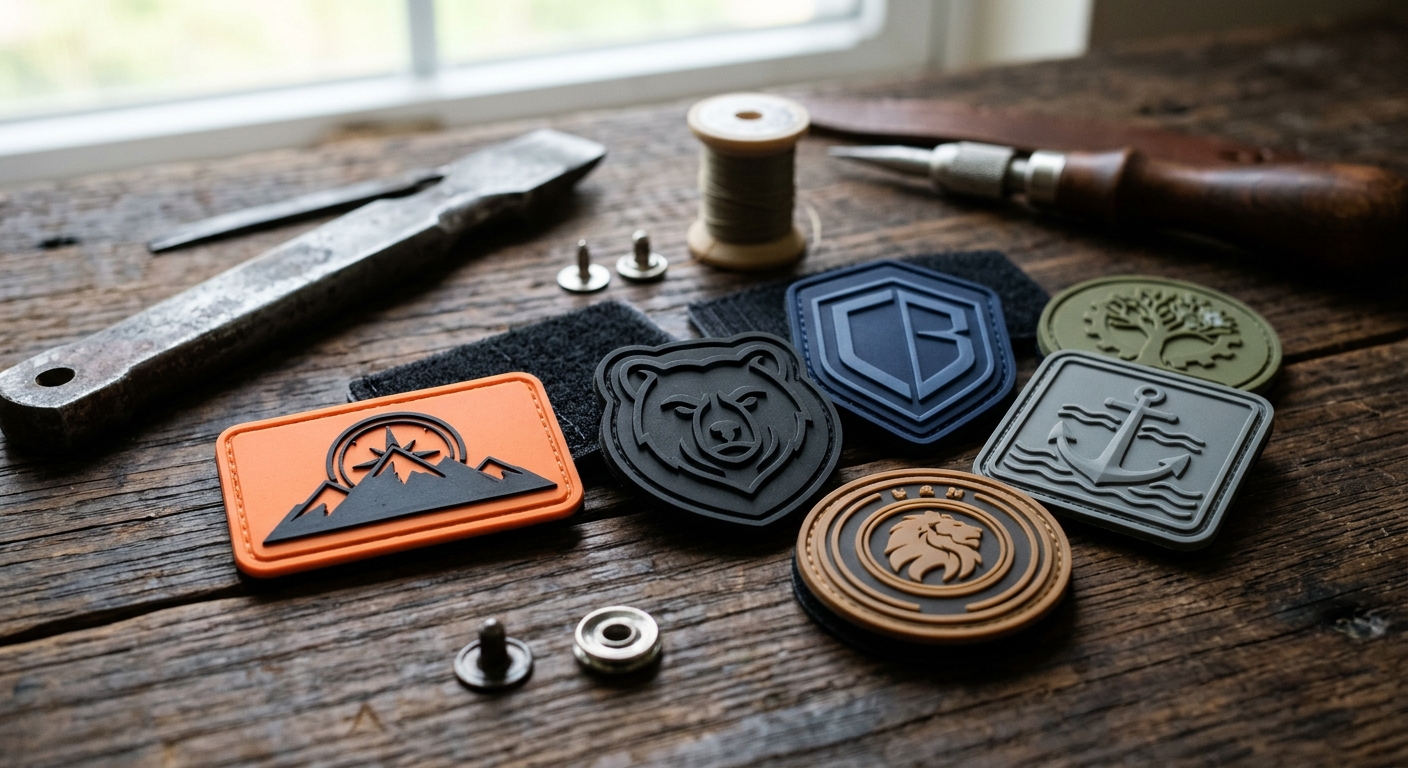
When it comes to customizing clothing, uniforms, bags, and accessories, the right details can make a product stand out. A simple logo or graphic can become much more eye-catching when it is turned into a well-designed patch. Among the many customization options available today, custom PVC patches have become a popular choice for brands, outdoor enthusiasts, businesses, and organizations.
PVC patches are known for their flexible material, raised designs, and ability to display bold colors and fine details. Unlike traditional fabric patches, they have a smooth, rubber-like finish that gives them a modern appearance. They are especially useful for products that need a distinctive look and are exposed to regular outdoor use.
Whether you are building a clothing brand, creating tactical gear, designing promotional merchandise, or customizing everyday accessories, PVC patches offer plenty of creative possibilities. Understanding their features and customization options can help you choose a design that fits your needs.
What Are Custom PVC Patches?
Custom PVC patches are personalized designs made from polyvinyl chloride, a flexible synthetic material commonly used to create durable, molded products. These patches are produced in different shapes, colors, sizes, and thicknesses to match a specific logo or design.
One of the main differences between PVC patches and embroidered patches is their appearance. Embroidered patches use stitched thread to create a textured design, while PVC patches use molded material to form raised and recessed details.
This process allows designers to create sharp outlines, layered graphics, and colorful logos. It also makes PVC a useful option for designs that include small symbols, bold lettering, or several contrasting colors.
Custom PVC patches can be attached to jackets, backpacks, hats, uniforms, and equipment. Depending on the intended application, they may feature sew-on backing, adhesive backing, or hook-and-loop backing.
Their versatility makes them suitable for everything from everyday fashion accessories to outdoor equipment and professional uniforms.
Why PVC Patches Are Becoming Popular
PVC patches have gained attention because they offer a different look from traditional fabric-based customization. Their molded surface gives logos a clean, dimensional appearance that works particularly well with modern branding.
Another advantage is their ability to handle detailed shapes and multiple colors. Businesses can create patches that closely reflect their visual identity without relying entirely on thread-based designs.
PVC material is also flexible, making it suitable for many curved or uneven surfaces. This can be useful for backpacks, equipment bags, and certain types of outdoor gear.
Many PVC patches are designed to resist moisture and everyday wear better than some conventional patch styles. However, actual performance depends on material quality, construction, backing, and how the product is used.
For businesses looking for a distinctive branding solution, these features make custom rubber PVC patches an option worth considering.
Custom PVC Logo Patches for Business Branding
A recognizable logo helps customers identify a brand across different products. Custom PVC logo patches provide an alternative way to display that identity on clothing, bags, uniforms, and accessories.
For example, an outdoor clothing company might use a molded patch featuring its logo and a simple mountain graphic. A fitness brand could choose a bold design with contrasting colors, while a workwear company might prefer a minimal logo with raised lettering.
PVC logo patches can be designed to match a company's existing colors and visual style. Using the same patch design across multiple products also helps create a consistent brand identity.
Small businesses can benefit from this approach because one logo can be adapted for several applications. The same design might appear on a backpack, cap, jacket, or promotional item.
When planning a custom PVC logo patch, focus on readability and proportion. Although PVC supports detailed artwork, a clean design is often easier to recognize and more versatile across different products.
PVC Patches for Hats and Caps
Hats are an excellent surface for displaying PVC patches. Their structured front panels provide room for logos, symbols, and decorative graphics that attract attention without covering the entire cap.
Custom PVC patches for hats are popular with streetwear brands, outdoor businesses, sports groups, and promotional merchandise companies.
Trucker hats often work well with rectangular or shield-shaped PVC patches. Baseball caps may look better with compact designs that follow the curve of the front panel.
Because PVC patches have a molded finish, they can create a different visual effect from embroidered hat patches. Raised lettering and contrasting colors can make a design appear bold and modern.
The attachment method is important, especially when a hat will be worn frequently. Sew-on patches offer a traditional attachment option, while compatible hook-and-loop backing can allow patches to be changed when needed.
Before finalizing a design, check the patch dimensions against the available space on the hat. A balanced size helps the logo remain visible without making the cap look overcrowded.
Custom PVC Patches for Backpacks and Outdoor Gear
Backpacks and outdoor accessories are another popular application for PVC patches. These products often benefit from branding that looks distinctive while fitting naturally into a practical design.
Custom PVC patches for backpacks can feature company logos, outdoor symbols, decorative artwork, or personalized graphics. They work well on hiking bags, travel backpacks, equipment cases, and everyday carry accessories.
Outdoor brands may use nature-inspired designs, while travel companies might choose location-based graphics or recognizable symbols. These details can help create a product identity that customers associate with a particular brand or activity.
PVC patches are often selected for outdoor products because the material can tolerate some exposure to moisture. However, this does not automatically make the entire backpack waterproof. The fabric, seams, zippers, and patch attachment all affect the performance of the finished product.
For products used in demanding environments, choose suitable materials and confirm the manufacturer's durability specifications before ordering.
Tactical PVC Patches and Hook-and-Loop Designs
Tactical PVC patches are widely associated with gear that uses removable identification panels. These patches can display names, symbols, organizational logos, or other identifying graphics.
Many designs use hook-and-loop backing, allowing the patch to be attached to a compatible panel and removed when necessary. This is useful for backpacks, jackets, equipment bags, and certain types of uniforms.
One benefit of removable PVC patches is flexibility. A user can change the displayed design without replacing the entire product.
Custom tactical patches are available in a range of shapes and sizes, from simple nameplates to detailed insignias. Because the molded material supports raised designs, logos can have a clear, layered appearance.
When choosing a tactical PVC patch, consider the dimensions of the attachment panel and the strength of the hook-and-loop material. A patch intended for regular movement should fit securely and remain compatible with the gear.
It is also important to select designs and identification details appropriate for the intended use of the equipment.
PVC Patches Compared With Embroidered Patches
Both PVC patches and embroidered patches offer useful customization options, but they create different visual effects.
Embroidered patches are made with stitched thread and are often chosen for clothing brands, school uniforms, traditional badges, and classic apparel designs. Their textured surface gives them a familiar fabric-based appearance.
PVC patches have a molded, rubber-like finish. They are particularly suitable for raised graphics, bold colors, and designs that benefit from clearly separated layers.
The right choice depends on the product and brand style. A company producing heritage-inspired clothing may prefer embroidery, while a modern outdoor brand might choose PVC for its equipment accessories.
Cost can also vary depending on the size, design complexity, order quantity, and manufacturing method. It is worth comparing samples rather than making a decision based on appearance alone.
For some brands, both options can work together. Embroidered patches can be used on garments, while PVC logo patches appear on backpacks or equipment bags. This approach creates variety while keeping the overall branding consistent.
Choosing the Right Shape, Color, and Thickness
The visual design of a PVC patch plays a major role in how the finished product looks. Shape, color, and thickness should complement one another and suit the surface where the patch will be attached.
Common shapes include circles, rectangles, shields, squares, and custom outlines. A rectangular design may suit a company name, while a circular patch can work well for an emblem or illustrated logo.
Color selection is equally important. High-contrast combinations make lettering and symbols easier to recognize. Neutral colors may suit professional equipment, while brighter shades can work for fashion products and promotional merchandise.
Thickness affects the patch's overall appearance and flexibility. A raised design can create visual depth, but the patch should still suit the product's size and intended use.
When preparing artwork, keep important details clear and avoid unnecessary complexity. Fine lines and tiny lettering should be reviewed carefully before production.
Requesting a digital proof or physical sample can help you check the proportions and confirm that the final design matches your expectations.
Custom PVC Patches for Clothing Brands
Clothing brands constantly look for ways to make their collections recognizable. PVC patches offer an alternative to printed graphics, woven labels, and traditional embroidery.
They can be used on jackets, hoodies, caps, workwear, and selected casual clothing items. A small molded logo can add contrast to a garment, while a larger graphic patch can become a central design feature.
For streetwear labels, PVC patches can create a bold, contemporary appearance. Minimalist brands may prefer a simple raised logo with one or two colors.
When adding PVC patches to clothing, consider the weight, flexibility, and texture of the material. The patch should complement the garment rather than feel unnecessarily bulky or stiff.
Attachment also deserves attention. The right method depends on the fabric, patch construction, and how the garment will be washed or worn. Always check compatibility before applying heat or adhesive to a finished product.
With thoughtful placement, PVC patches can help clothing brands introduce distinctive details without changing the entire garment design.
Ordering Custom PVC Patches in Bulk
Businesses that need patches for uniforms, merchandise, or product collections may benefit from ordering custom PVC patches in bulk.
Before placing a large order, confirm the artwork, dimensions, colors, thickness, backing type, and expected production timeline. These details help ensure that the finished patches meet your requirements.
It is also useful to ask about minimum order quantities and sample availability. A sample provides an opportunity to check the molded details, color accuracy, flexibility, and attachment quality before committing to a larger production run.
When comparing suppliers, consider more than the initial price. Manufacturing consistency, communication, artwork support, and delivery reliability can all influence the overall value of an order.
If you are ordering patches for several products, make sure the design works at each intended size. A logo that looks excellent on a large backpack patch may need slight adjustments for a smaller cap.
Providing clean artwork and approving a final proof can help reduce avoidable production errors.
How to Care for PVC Patches
PVC patches generally require straightforward maintenance, but the best cleaning method depends on the material, backing, and product they are attached to.
For ordinary surface dirt, a soft cloth and mild cleaning solution may be suitable. Avoid harsh chemicals or abrasive tools that could damage the patch's finish.
If the patch is attached to a garment or backpack, follow the care instructions for the complete product. A PVC patch may tolerate moisture while the fabric, stitching, adhesive, or other components require different treatment.
For removable hook-and-loop patches, keep the fastening surfaces free from lint and debris so they can continue attaching properly.
It is also sensible to inspect patches occasionally for loose stitching, damaged backing, or lifting edges. Taking care of minor issues early can help extend the useful life of the customized item.
Finding the Right Custom PVC Patch Supplier
Choosing a suitable supplier is an important step in getting the results you want. A well-prepared design still depends on accurate manufacturing and appropriate materials.
Look for a supplier that can explain available PVC finishes, backing options, minimum quantities, and production requirements. Examples of previous work can help you understand the quality and style of patches they produce.
Ask how detailed artwork will be handled and whether a proof will be available before production. If color accuracy matters to your brand, discuss how colors are selected and approved.
Clear communication is particularly important when ordering personalized patches for a business. Confirm all specifications in writing, including size, shape, backing, quantity, and delivery expectations.
Taking time to evaluate these details can make the process smoother and help you receive patches that fit your design and intended application.
Conclusion
Custom PVC patches provide a modern way to personalize clothing, hats, backpacks, uniforms, and outdoor accessories. Their molded texture, flexible design possibilities, and bold visual appearance make them suitable for a wide range of personal and commercial projects.
From custom PVC logo patches for businesses to tactical patches with hook-and-loop backing, the available options can be adapted to different products and branding goals.
The best results come from choosing an appropriate design, selecting the right attachment method, and working with a supplier who understands your requirements. By paying attention to quality and practical details, you can create PVC patches that look distinctive and complement the products they are made for.
Discussion & Feedback 0
Write a CommentNo comments yet
Have a question or feedback regarding this topic? Be the first to share your thoughts below!
Leave a Reply
Your email address will not be published. Required fields are marked *