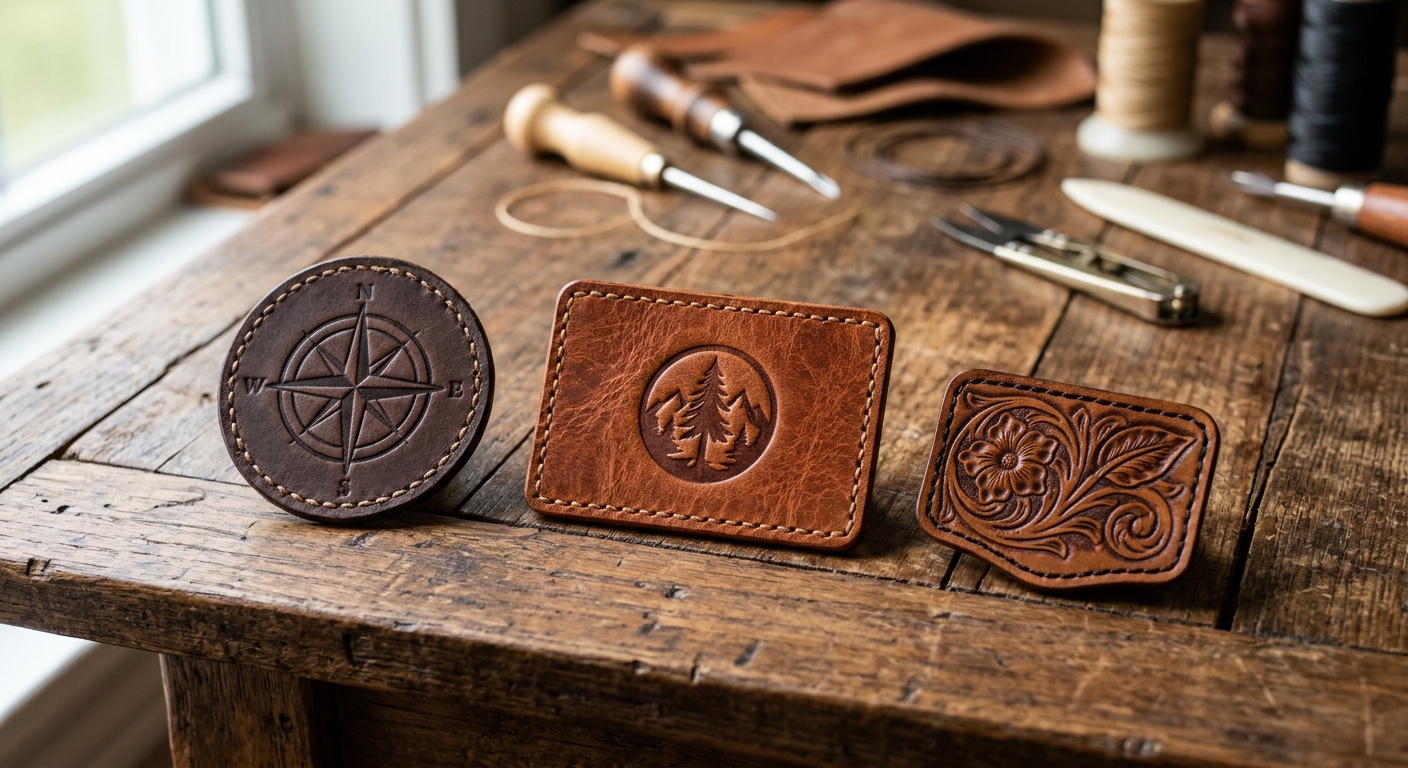
Sometimes, the smallest details make the biggest difference in how a product looks. A simple hat, denim jacket, or canvas bag can feel more distinctive when it features a well-designed leather patch. For clothing brands and small businesses, personalized leather patches offer an easy way to add character, display a logo, and create a recognizable product style.
From independent streetwear labels to established apparel manufacturers, businesses are using custom leather patches to give their products a more refined and memorable appearance. These patches combine texture, versatility, and branding in a way that works across different clothing styles and accessories.
Whether you need leather patches for hats, custom logo patches for jackets, or branded labels for handmade products, the right design can help your collection stand out. Choosing suitable materials, finishes, and attachment methods ensures that your patches look good and work well for their intended purpose.
The Growing Appeal of Personalized Leather Patches
Personalized leather patches have become popular because they offer a different look from conventional printed logos. Their textured surface adds depth to a product, while their shape and finish can be customized to match a particular brand identity.
A clothing business might use a small leather patch on a baseball cap, while a denim manufacturer may prefer a larger patch on the waistband of jeans. Outdoor brands can use leather-style labels on bags and jackets to create a rugged appearance.
One of the main advantages is design flexibility. Patches can feature engraved logos, embossed lettering, debossed artwork, or printed graphics, depending on the material and manufacturing method.
Businesses can also choose different shapes, including rectangles, circles, ovals, and custom outlines. This makes it easier to create a design that complements the product rather than looking like an afterthought.
For brands that want consistent presentation across multiple products, personalized leather patches provide a practical way to bring different items together under one visual identity.
Custom Leather Patches for Hats That Customers Remember
Hats are among the most popular products for leather patch customization. A carefully designed patch on the front of a cap can turn a simple accessory into a recognizable piece of branded merchandise.
Custom leather patches for hats are frequently used by streetwear companies, outdoor apparel brands, lifestyle businesses, and promotional product sellers. They work particularly well on trucker hats, baseball caps, and selected structured headwear.
The key is choosing a design that suits the available space. A logo with clean lettering and balanced proportions is usually easier to recognize than artwork containing too many small details.
Color also plays an important role. Brown leather against a neutral cap can create a traditional look, while black leather on a dark hat may suit a more modern style. The best combination depends on the brand's overall aesthetic.
When ordering leather patches for hats, consider the patch dimensions, material thickness, border, and attachment method. Sewing is commonly used for a secure finish, although compatibility should be checked for the specific cap construction.
For brands developing a headwear collection, a consistent leather patch design can become one of the most recognizable features of their products.
Custom Leather Logo Patches for Modern Clothing Brands
A logo represents more than a business name. It communicates the personality of a brand and helps customers identify its products. Custom leather logo patches offer another way to display that identity through a distinctive material and finish.
They can be used on denim jackets, hoodies, jeans, workwear, bags, and casual apparel. Depending on the design, a leather patch can create a premium, rugged, minimalist, or vintage-inspired appearance.
For a clothing brand, consistency is essential. Using the same logo proportions, lettering, and visual style across different products helps build familiarity with customers.
The design should also suit the material. Engraved lettering may work well for a clean logo, while embossing can add a raised effect. More detailed artwork may require adjustments depending on the selected leather and production process.
Before manufacturing, review the artwork at its final size. This helps identify small text or fine lines that might become difficult to reproduce clearly.
A well-designed logo patch can complement the garment without overpowering it, giving the product a polished finish that fits naturally with the overall design.
Genuine Leather and Synthetic Leather Patches
Choosing the right material is an important part of creating custom leather patches. Genuine leather and synthetic leather offer different characteristics, and the best choice depends on your product requirements.
Genuine leather has a natural grain that can vary slightly from one piece to another. These variations give the material an authentic appearance that many brands appreciate for premium accessories, denim products, and outdoor clothing.
Synthetic leather is designed to resemble leather while offering a more uniform surface. Depending on the type, it may be available in different colors and finishes.
Businesses should consider their budget, material preferences, production requirements, and brand values before making a decision. It is also important to confirm the exact material composition with the manufacturer.
Not every leather-like material is suitable for every customization technique. Engraving, embossing, printing, and heat-based processes may require specific material properties.
Discussing these details with the supplier helps ensure that the finished patch meets your expectations and suits the intended garment.
Engraved Leather Patches for Simple and Elegant Designs
Engraved leather patches are a good option for brands that prefer clean logos and understated details. The engraving process marks the surface of the material to reproduce text, symbols, or graphic elements.
This technique is commonly used for brand names, initials, simple illustrations, and logos with bold outlines. It can create an attractive contrast between the design and the surrounding leather.
Engraved patches work well on caps, bags, jackets, and other accessories. They can suit both premium fashion products and casual merchandise, depending on the material and overall design.
Artwork preparation is particularly important. Thin lines and very small text may not reproduce clearly on every surface, so simplifying the design can improve readability.
The final appearance also depends on the material's color, texture, and engraving method. Reviewing a sample can help you evaluate these details before ordering a larger quantity.
For businesses that want their branding to look professional without relying on multiple colors, engraved leather patches provide an effective option.
Embossed Leather Patches for a Distinctive Finish
Embossed leather patches add dimension by creating a raised design on the material's surface. This can make a logo more noticeable while preserving a clean, textured appearance.
They are often used on hats, jackets, bags, and accessories where the brand wants a more substantial visual detail.
Debossed leather patches offer a related option by pressing the artwork into the material rather than raising it. Both techniques can produce attractive results, but the choice depends on the design and desired finish.
Embossing often works well with bold lettering and simple symbols. Debossing can be suitable for understated logos that blend naturally into the surface.
The material must be compatible with the chosen process, and the artwork should be prepared with the patch dimensions in mind. Very fine details may require adjustments.
For clothing brands looking to move beyond standard printed labels, embossed and debossed patches can create a distinctive appearance that complements the product.
Leather Patches for Denim Jackets, Jeans, and Workwear
Leather and denim are a natural combination in apparel design. A leather patch can add a traditional finishing detail to jeans, denim jackets, and other casual garments.
Custom leather patches for jeans are commonly placed on the waistband, while jacket designs may feature patches in other suitable positions. The size and shape should complement the garment without making the branding look unbalanced.
Workwear brands can also use leather-style patches on selected products to create a rugged appearance. The material should be chosen according to the garment's expected use and care requirements.
For clothing that will be washed frequently, it is important to confirm that the patch material and attachment method are suitable for those conditions. Sewing can provide a secure connection when performed correctly, but the garment and patch should still be cared for according to the manufacturer's instructions.
Businesses can maintain a consistent look by using the same logo and patch design across jeans, jackets, and related accessories.
Custom Leather Patches for Small Businesses and Startups
New businesses often need to balance product quality with production costs. Custom leather patches can help small clothing brands create a professional appearance without making major changes to their manufacturing process.
A startup might begin with leather patches for hats or a small collection of denim products. Once customers respond positively, the business can expand the design across more products.
Small quantity custom leather patches are particularly useful for sample garments, limited releases, product photography, and initial merchandise orders. However, minimum quantities vary between manufacturers, so it is important to confirm the supplier's policy.
Small batches may have a higher price per patch than wholesale orders. Ask about setup fees, artwork preparation, sample costs, and shipping before making a decision.
Ordering a limited quantity can help you evaluate the material, logo clarity, and finished appearance before committing to larger production.
For entrepreneurs developing a new brand identity, this approach provides an opportunity to test designs while keeping inventory manageable.
Wholesale Leather Patches for Apparel Manufacturers
Wholesale leather patches are useful for businesses that need consistent branding across larger quantities of clothing and accessories.
Apparel manufacturers, fashion retailers, hat companies, and promotional product suppliers may benefit from ordering patches in bulk. Larger orders can sometimes reduce the cost per unit, depending on the production method and supplier pricing.
Before placing an order, prepare a detailed specification that includes the artwork, material, dimensions, shape, finish, and attachment method.
A physical sample is worth considering when the order involves a large quantity. It allows you to inspect the texture, logo clarity, color, and overall construction before approving production.
For repeat orders, retaining the approved artwork and product specifications can help maintain consistency between batches.
When comparing wholesale suppliers, evaluate communication, production schedules, quality standards, and shipping costs alongside the price. A reliable manufacturing partner can make ongoing production easier to manage.
Custom Leather Patches for Bags and Accessories
Leather patches are not limited to hats and clothing. They can also be used on backpacks, canvas bags, travel accessories, aprons, and selected handmade products.
For a bag manufacturer, a small leather logo patch can provide a professional branding detail without changing the main construction of the product. On canvas accessories, the contrast between the fabric and leather-like surface can create an attractive finish.
The patch design should reflect the product's intended use. Outdoor bags may require different material and attachment considerations from decorative accessories or lightweight promotional items.
Shape and size also matter. A compact logo may suit a small pouch, while a larger bag can accommodate a more prominent patch.
Before ordering, confirm that the attachment method is suitable for the product material and expected handling.
For businesses selling coordinated collections, using matching leather patches across hats, bags, and apparel can help create a unified brand appearance.
How to Design a Leather Patch That Looks Professional
A good leather patch begins with a clear design. The goal is to make the logo recognizable while ensuring that the artwork works well with the material and manufacturing method.
Start by selecting a high-quality logo file. Vector formats such as SVG, AI, or EPS can be useful when accepted by the manufacturer, while suitable high-resolution images may also work.
Consider the finished dimensions before finalizing the artwork. Small lettering and intricate illustrations may need to be simplified so that the design remains legible.
Choose a shape that complements the logo and intended product. Rectangular patches are common on hats and jeans, while circular, oval, and custom-shaped designs may suit other applications.
Material color and finish should also be considered. A logo needs enough contrast to remain visible, and the chosen engraving or embossing method should suit the material.
Requesting an artwork proof allows you to check the layout before production. Review spelling, proportions, dimensions, and spacing carefully.
Taking time to prepare the design can reduce production errors and help create a patch that looks consistent across the finished product range.
Choosing the Right Attachment Method
The attachment method influences how a leather patch performs on the finished product. Choosing the right option depends on the garment material, intended use, and whether the patch needs to remain permanently attached.
Sew-on leather patches are commonly used for hats, denim, jackets, and bags. When stitched correctly, they can provide a secure finish suitable for many everyday applications.
Adhesive-backed options may be available for selected products, but they are not suitable for every fabric or washing condition. Always confirm the manufacturer's instructions before choosing an adhesive method.
Some specialized products may require other attachment systems depending on their design and intended purpose.
For garments that experience frequent movement or washing, attachment quality deserves particular attention. A patch that looks attractive but is not securely attached may not meet the needs of the product.
Discuss the intended application with your supplier so that the material and backing can be selected accordingly.
What Influences the Cost of Custom Leather Patches?
The price of custom leather patches depends on several factors, including material, size, quantity, design complexity, and finishing technique.
Genuine leather and synthetic leather may have different costs. Larger patches generally use more material, while intricate shapes or specialized finishes may require additional production work.
Engraving, embossing, debossing, and printing can also affect the quotation depending on the selected process.
Order quantity is another consideration. Wholesale orders may have lower unit prices, while small batches can cost more per patch because setup expenses are spread across fewer pieces.
Artwork preparation, sample production, packaging, and shipping should be considered when calculating the total cost.
Ask suppliers for a clear quotation that explains the main charges. Comparing the complete order cost helps you evaluate different options more accurately.
Rather than choosing solely on price, consider the material quality, design clarity, attachment method, and supplier reliability. These factors influence the value of the finished product.
Conclusion
Personalized leather patches offer a practical and stylish way to make clothing, hats, bags, and accessories more recognizable. Their textured appearance and flexible customization options allow businesses to create designs that suit everything from casual streetwear to premium apparel.
Custom leather patches for hats can become a signature feature of a headwear collection, while engraved and embossed leather logo patches provide distinctive ways to display a brand. Small businesses can explore limited quantities, and established manufacturers can use wholesale orders to maintain consistent production.
The best results come from selecting suitable materials, preparing clear artwork, choosing the right attachment method, and working with a supplier who understands the requirements of your products.
Whether you are developing your first clothing collection or expanding an existing product line, well-designed leather patches can add a professional finishing touch and help your brand build a consistent visual identity.

Discussion & Feedback 0
Write a CommentNo comments yet
Have a question or feedback regarding this topic? Be the first to share your thoughts below!
Leave a Reply
Your email address will not be published. Required fields are marked *