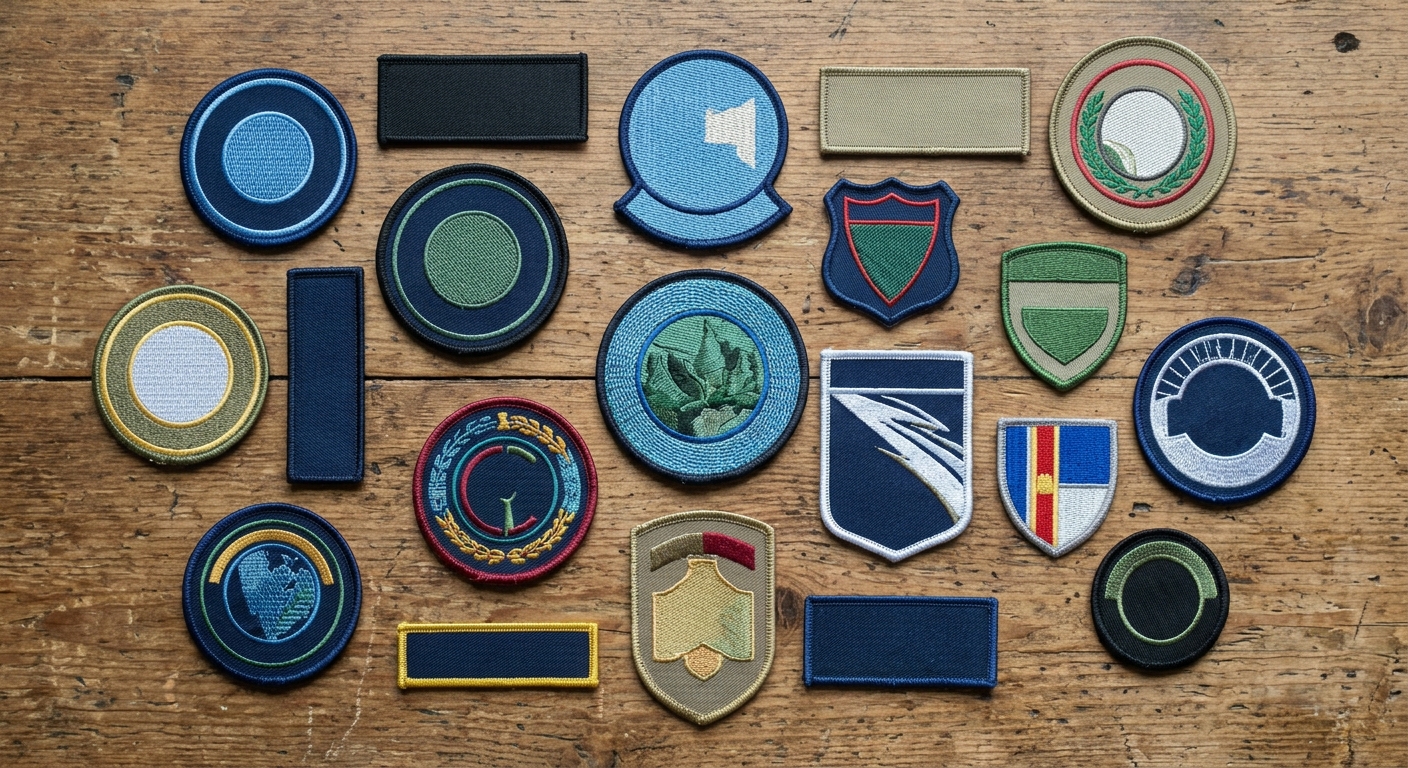
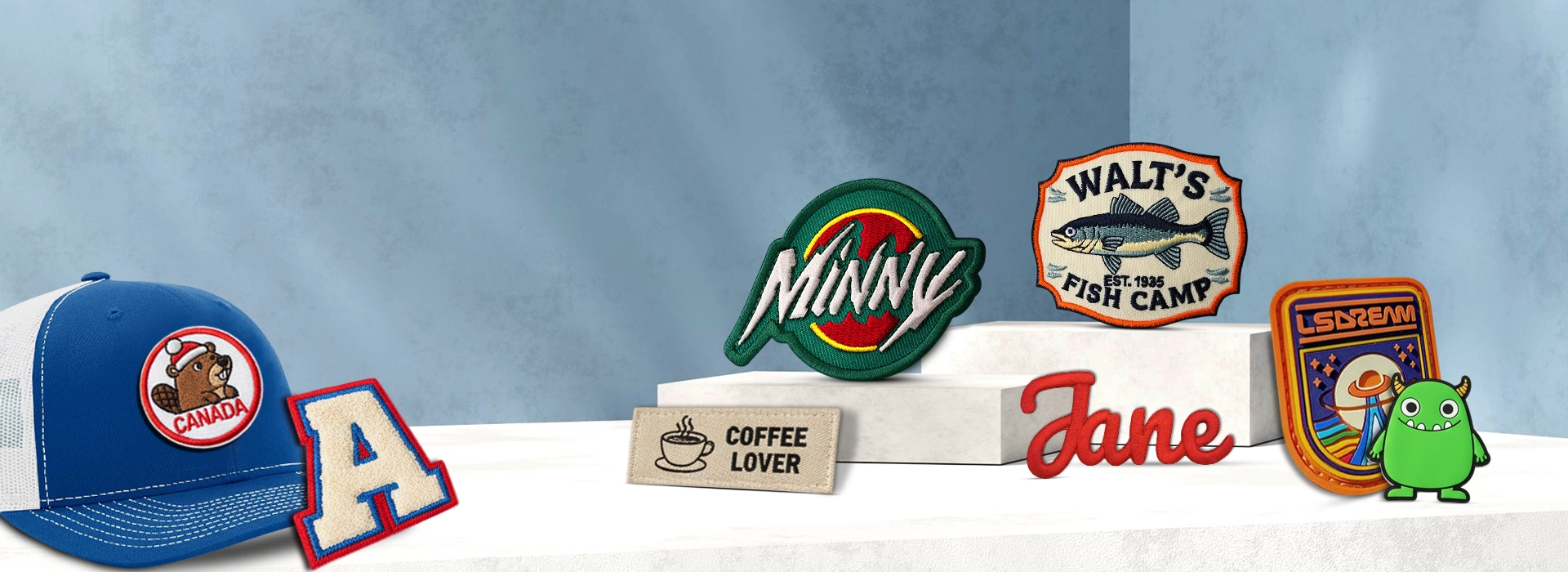
Fashion is often about the little details that make a piece of clothing feel different. A jacket with a textured logo, a hoodie with bold lettering, or a varsity sweater with a classic emblem can instantly stand out from ordinary apparel. Custom chenille patches are a popular way to create this effect while adding personality and texture to clothing.
Known for their soft, fuzzy surface and raised appearance, chenille patches have a style that feels both nostalgic and modern. They are especially popular on varsity jackets, letterman sweaters, sportswear, and streetwear collections. Their thick texture makes letters, numbers, and simple designs more noticeable, giving garments a distinctive look.
Whether you run a clothing brand, manage a school team, or want to create personalized apparel, chenille patches offer plenty of creative options. With the right colors, shapes, and placement, they can turn a simple garment into a standout piece.
What Are Custom Chenille Patches?
Custom chenille patches are decorative fabric patches made with soft yarn that creates a textured, looped surface. The yarn gives the patch a fluffy appearance that is different from the flatter finish of woven patches or the stitched texture of standard embroidery.
These patches are commonly used for large letters, numbers, school initials, team logos, and decorative symbols. Their bold appearance makes them especially suitable for designs that need to be visible from a distance.
Chenille patches can be produced in different sizes, colors, and shapes. Some designs combine chenille with embroidered borders or detailed stitching to create additional contrast and definition.
This combination of texture and customization makes chenille patches a popular choice for fashion brands, schools, sports teams, and anyone looking to create classic varsity-inspired apparel.
Why Chenille Patches Are Popular in Fashion
Chenille patches have a long association with letterman jackets and school sportswear, but their appeal now extends into modern streetwear and casual fashion.
One reason for their popularity is their distinctive texture. The soft, raised surface gives clothing a more substantial appearance than a flat printed design. Even a simple initial can become a strong visual feature when created with chenille yarn.
Another advantage is their versatility. Although they are traditionally associated with varsity jackets, custom chenille patches can also be used on hoodies, sweatshirts, bags, and selected accessories.
Fashion brands often use them to create retro-inspired collections or bold statement pieces. Individuals can choose personalized letters, favorite numbers, or custom symbols to make their clothing feel more personal.
Because chenille patches already have a strong visual presence, they often work best when the design is simple and well balanced.
Custom Chenille Letter Patches for Varsity Jackets
Varsity jackets are among the most recognizable uses for chenille patches. Large letters on the chest or back create the classic letterman look associated with school pride, sports teams, and collegiate fashion.
Custom chenille letter patches allow schools, clubs, and clothing brands to create initials that reflect their identity. A single oversized letter can look clean and traditional, while multiple letters can spell out a school name or organization.
Color combinations play an important role in the final design. Contrasting yarn and border colors can make the letter stand out, while matching tones create a more understated appearance.
The size of the patch should also suit the jacket. A large letter can work well on the chest or back, but smaller areas may require a more compact design.
For brands producing varsity jackets, consistency matters. Using the same letter style, border treatment, and color palette across a collection creates a recognizable and professional finish.
Chenille Patches for Hoodies and Sweatshirts
Chenille patches are not limited to traditional jackets. They can also add texture and character to hoodies and sweatshirts.
Custom chenille patches for hoodies are often used for initials, oversized letters, brand names, and simple graphic designs. Their raised surface can create an attractive contrast against fleece, cotton, and other casual fabrics.
A small chenille logo on the chest can give a hoodie a subtle premium feel. Larger lettering across the front or back can create a more expressive streetwear design.
When choosing a patch for a hoodie, consider the weight and flexibility of the fabric. A thick patch may sit differently on lightweight material than it does on a structured jacket.
Placement also affects comfort. Designs should be positioned carefully so they do not interfere with pockets, seams, or areas that need to stretch during regular wear.
With thoughtful design, chenille patches can help clothing brands create distinctive collections without relying entirely on printed graphics.
Custom Chenille Patches for Schools and Sports Teams
Schools and sports organizations often use patches to represent their identity and celebrate achievements. Chenille patches are especially suitable for traditional school apparel because their bold texture complements varsity jackets and letterman sweaters.
A school can use a large chenille initial to represent its name, while a sports team might choose a number, mascot, or championship emblem.
These patches can also be used to recognize participation, achievements, or membership in certain school activities. Their noticeable appearance makes them a meaningful addition to uniforms and commemorative clothing.
When designing chenille patches for schools, it is helpful to establish clear guidelines for colors, lettering, and dimensions. Consistent designs help maintain a unified look across different garments and student groups.
For sports teams, choose artwork that remains recognizable at the final patch size. Simple shapes and bold letters often work better than designs containing many tiny details.
Chenille and Embroidered Patches: What's the Difference?
Chenille and embroidered patches both use thread-based construction, but they create noticeably different finishes.
Chenille patches have a soft, fuzzy surface made with loops of yarn. They are commonly used for large letters, numbers, and bold designs that benefit from extra texture.
Embroidered patches use stitching to create more detailed lines, shapes, and lettering. They are often better suited to intricate logos, smaller symbols, and artwork that needs a sharper finish.
Some designs combine both techniques. For example, a varsity jacket may feature a large chenille letter with an embroidered outline or smaller embroidered details inside the design.
The best choice depends on the look you want. If your goal is a bold, classic varsity appearance, chenille may be the right option. If your design includes fine text or intricate artwork, embroidery may provide greater clarity.
Comparing sample patches before placing a large order can help you decide which technique works best for your project.
Choosing the Right Colors and Design
Color selection can make a significant difference to the appearance of custom chenille patches. Because the texture already attracts attention, the right color combination can make a simple design look polished and memorable.
Traditional varsity designs often use two or three contrasting colors. For example, a dark letter with a light border can stand out against a matching jacket, while brighter colors can create a more modern appearance.
Your design should also reflect the purpose of the patch. A school emblem may need to follow official brand colors, while a fashion label may have more freedom to experiment with seasonal shades.
Before finalizing the artwork, consider the background fabric. A patch should contrast enough with the garment to remain visible without clashing with its overall color scheme.
Keep the design simple when possible. Large letters, clean outlines, and balanced proportions usually complement the thick texture of chenille better than overly complicated artwork.
How to Choose the Best Size and Shape
The ideal size of a chenille patch depends on where it will be placed and how the garment is designed.
Large letters are common on the chest of varsity jackets, while smaller symbols may work better on sleeves or hoodie fronts. Back patches can accommodate larger artwork, names, or team-related designs.
The shape should complement the artwork. Traditional letters and numbers are popular because they are easy to recognize, but custom shapes can help brands create a more distinctive identity.
It is also important to consider the patch's thickness and weight. A large chenille design may need a more structured garment to support it comfortably.
Before production, review the patch dimensions alongside the garment measurements. A digital mockup or physical sample can help you judge the proportions and make adjustments before ordering.
Attaching Chenille Patches to Clothing
The attachment method is an important part of creating a finished chenille design. Sewing is commonly used because it can secure the patch to suitable garments and provide a neat edge.
Some patches may be available with heat-activated adhesive backing, depending on their construction and intended use. However, chenille patches can be thick, so not every fabric or application method will provide the same results.
For varsity jackets and heavy sweatshirts, suitable stitching can help keep the patch in place during regular wear. The appropriate thread, needle, and stitching technique depend on the garment and patch materials.
Before attaching a patch, check the manufacturer's instructions and make sure the chosen method is suitable for the fabric. Heat should not be applied unless the materials are designed to tolerate it.
For businesses producing finished garments, testing the attachment on a sample can help identify potential issues before full production begins.
Custom Chenille Patches for Clothing Brands
For fashion businesses, chenille patches can become an important part of a recognizable design style. They offer a way to introduce texture and visual interest while maintaining a consistent brand identity.
Streetwear labels may use oversized letters or bold symbols, while brands focused on collegiate fashion can create traditional varsity-inspired collections.
A brand can also use chenille patches across several products, including jackets, sweatshirts, and selected bags. Keeping the same lettering and colors helps create a coordinated appearance.
When planning a collection, consider how the patch will work with the garment's overall design. A large patch can serve as the main visual feature, while a small logo can provide a more subtle branded detail.
It is worth developing designs that remain attractive beyond a single season. Classic lettering and balanced colors can be easier to reuse across future collections than designs tied to a short-lived trend.
Ordering Custom Chenille Patches in Bulk
Businesses, schools, and sports organizations may need chenille patches in larger quantities. Bulk ordering can help maintain consistency across garments, particularly when producing uniforms or coordinated clothing collections.
Before placing an order, confirm the patch dimensions, yarn colors, border style, backing, and total quantity. If the patches include embroidered details, make sure those specifications are also included.
Ask the supplier about minimum order quantities, sample availability, production timelines, and shipping arrangements. These details are especially important when the patches are needed for a school event, team season, or product launch.
A physical sample can help you evaluate the softness, thickness, color accuracy, and overall finish before approving full production.
When comparing suppliers, consider their experience with chenille construction and their ability to reproduce the design consistently. Clear communication and an approved sample can reduce the risk of receiving patches that differ from your expectations.
Caring for Chenille Patches
Because chenille patches have a raised yarn surface, they may need a little extra attention during cleaning.
Always follow the garment's care label and the patch manufacturer's recommendations. Some items may require gentle washing or other specific care methods depending on the materials used.
Avoid rough scrubbing that could disturb the yarn loops. Turning a garment inside out before washing may help reduce friction against the patch.
High heat can affect certain fabrics, adhesives, and decorative components, so check the care instructions before ironing or using a dryer.
For clothing brands and retailers, providing simple care guidance can help customers maintain the appearance of their garments and patches over time.
Finding a Reliable Chenille Patch Supplier
The quality of a finished patch depends on the materials, construction, and attention given to the design. Choosing an experienced supplier can make the ordering process easier and help you achieve the intended result.
Look for a manufacturer that can explain its chenille options, available borders, backing methods, and customization process. Reviewing previous work can help you understand the range of styles and finishes the supplier can produce.
Provide clear artwork and confirm the dimensions, colors, and attachment requirements before approving production. If your design combines chenille and embroidery, make sure both elements are represented accurately in the proof.
Request a sample whenever possible, especially if you are ordering patches for a large clothing collection or an important event.
Taking time to check these details helps ensure the finished patches suit your garments and reflect the quality you want to deliver.
Conclusion
Custom chenille patches are an excellent option for adding bold texture and personality to jackets, hoodies, sweatshirts, and other apparel. Their soft, raised surface creates a distinctive appearance that works particularly well with varsity fashion, school merchandise, sportswear, and modern streetwear collections.
Whether you need custom chenille letter patches for a varsity jacket or personalized designs for your clothing brand, the right combination of colors, materials, and placement can make a noticeable difference.
Focus on clear artwork, suitable sizing, secure attachment, and consistent quality when planning your design. With the right approach, chenille patches can turn ordinary garments into memorable pieces with a classic yet contemporary style.
Discussion & Feedback 0
Write a CommentNo comments yet
Have a question or feedback regarding this topic? Be the first to share your thoughts below!
Leave a Reply
Your email address will not be published. Required fields are marked *